Attractions and Places To See around Pelago - Top 20
Best attractions and places to see around Pelago, a town in Tuscany, Italy, offers a blend of historical, cultural, and natural sites. Situated between the Apennines, Pratomagno, and Val di Sieve, the region features a diverse landscape of mountains and valleys. Its history spans from Etruscan origins to a significant medieval era, evident in its architecture and landmarks. The area provides a variety of points of interest for visitors exploring its natural beauty and cultural heritage.
Best attractions and places…
Last updated: October 9, 2026
Vallombrosa Abbey
Highlight • Religious Site
Translated by Google •
Tip by

Parish Church of Santa Maria Assunta, Stia
Highlight • Religious Site
Translated by Google •
Tip by

Sign up now to discover places like this
Get recommendations on the best single tracks, peaks, & plenty of other exciting outdoor places.
Sanctuary of Our Lady of the Rock
Highlight • Religious Site
It was later expanded in subsequent centuries, reaching its current 19th-century structure.
Beautiful view of the valley below.
Translated by Google •
Tip by

Consuma Pass
Highlight • Mountain Pass
The …
Translated by Google •
Tip by

Poggio Pratone Summit
Highlight • Summit
Translated by Google •
Tip by

Sign up for free to discover even more attractions around Pelago.
Already have an account?
Start today with a free account
Your next adventure awaits.

Tips from the Community

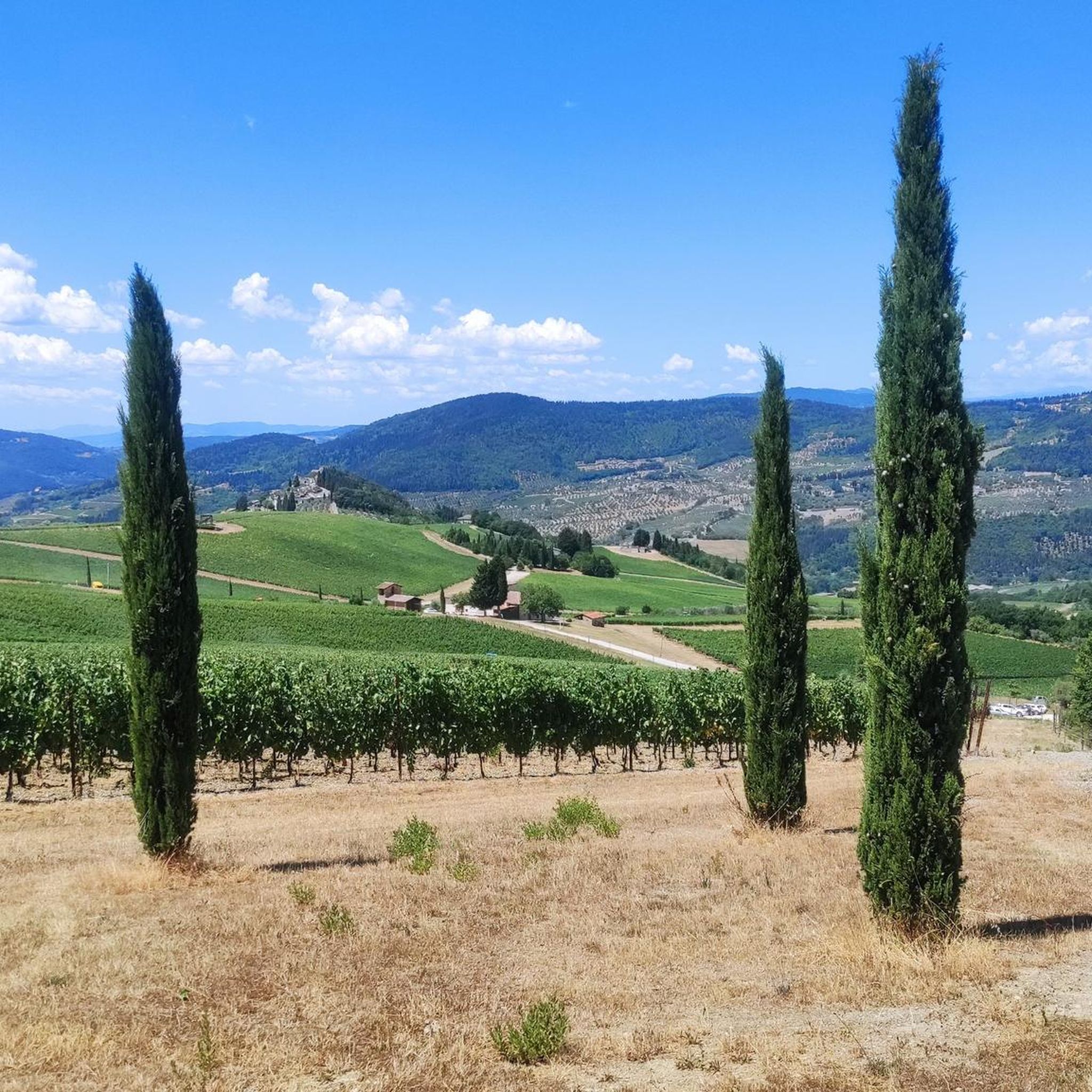
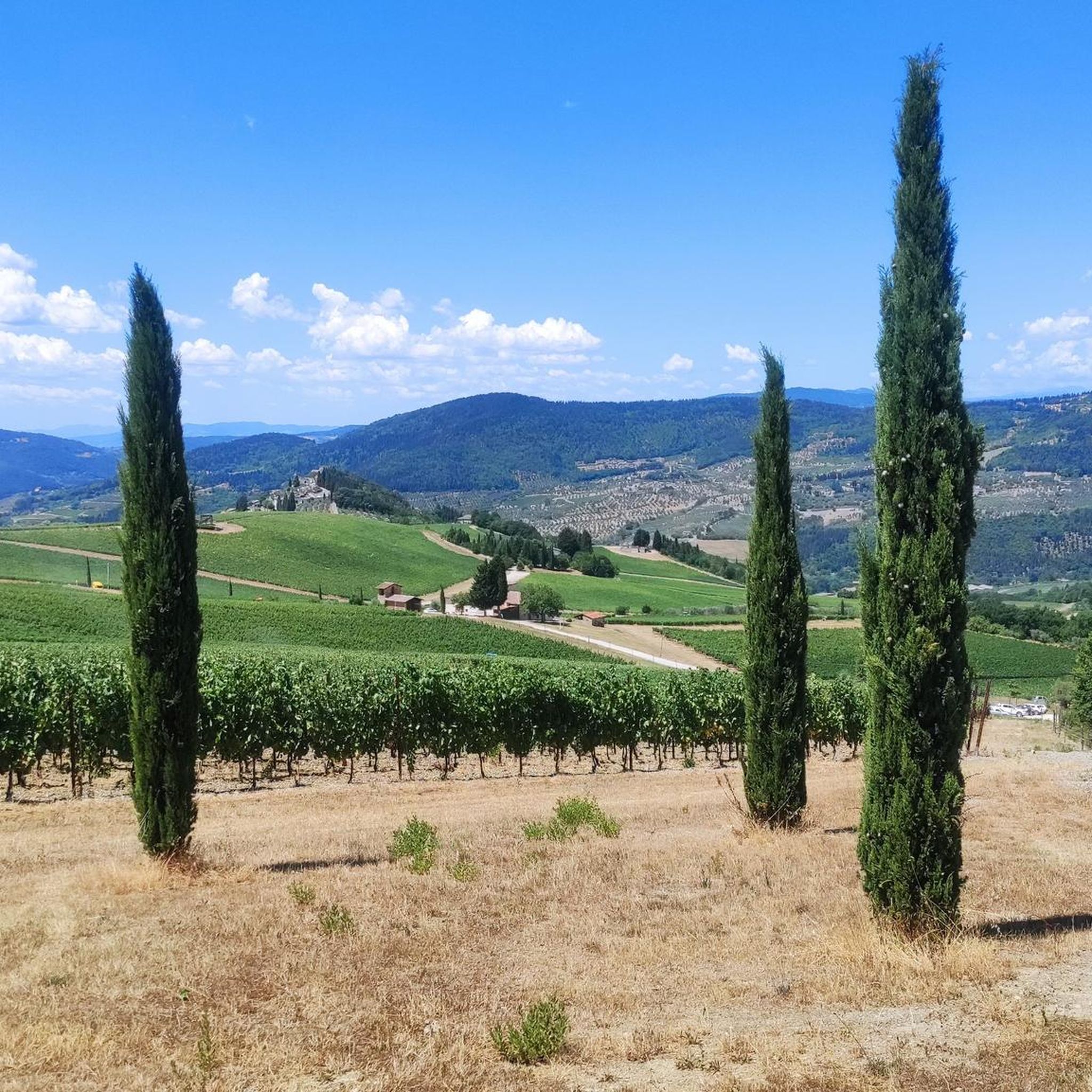
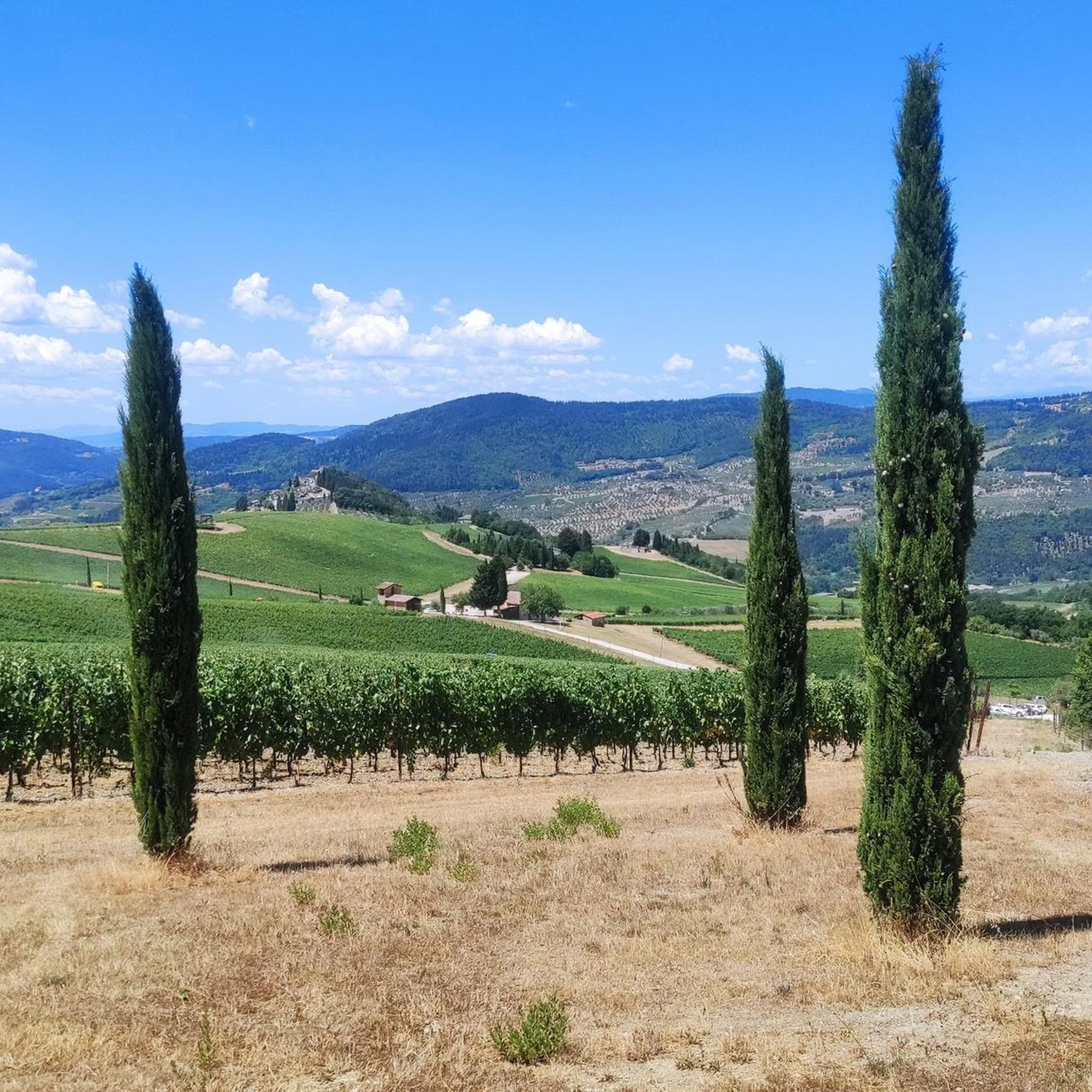
Marian shrine dating back to the 15th century, built on the site of a pre-existing medieval monastic oratory from the 10th/11th centuries. It was later expanded in subsequent centuries, reaching its current 19th-century structure. Beautiful view of the valley below.
11
0


"The Feast of the Assumption is a warning sign: detach yourselves a little from the earth! And Mother Church reminds us that on this feast we should ask God for the grace to strive for the things of heaven. But this day also answers a question that many people ask themselves today: don't we also have a right to the things of this earth, a right to rest, to pleasure, a right to follow the latest fashion if it pleases us? Yes, we have this right, but within certain limits!" (Albino LUCIANI / Pope John Paul I.)
2
0

With a steep climb you quickly reach this beautiful sanctuary located in a panoramic position over the Sieve valley. The Sanctuary of Santa Maria delle Grazie al Sasso is part of the Parish of Lubaco - Diocese of Fiesole - and is located above the town of S. Brigida, Municipality of Pontassieve. On 2 July 1484 the Madonna appeared with Baby Jesus in the arms of two little sisters named Ricovera, on the rock adjacent to a tabernacle near a hermit settlement (later incorporated into the Sanctuary), which was the refuge and oratory of Saint Andrew of Scotland (actually of Ireland, also called Andrea Scoto), brother of Saint Brigid of Ireland, the Saint who chose as a place of hermitage a cave not far away, about 2 km, where the town that will take the name of Santa Brigida will later arise. Between 1484 and 1485, the Madonna appeared several times to the Ricovera shepherdesses, asking that a church be built in that same place because, she told the two Ricovera shepherdesses: "Here I like to be venerated and from here to pour out graces on those who ask me for them". But it was the great apparition of the Madonna with the Baby Jesus in her arms in front of all the people, several hundred people who were gathered there to pray on 22 August 1485, that definitively resolved the doubts about the previous apparitions and gave the final push to the construction of the Sanctuary, which was completed in 1504. Between 1615 and 1675, the large portico facing the facades was also built, so that the numerous pilgrims could find refuge there in case of bad weather.
2
0

Beautiful panoramic point with ample parking and Bar/Chalet
0
0

The Parish Church of Stia is not only a place of high historical and architectural value. Very valuable works of art of various kinds are also preserved here, spanning a period of five centuries. The oldest and most valuable work is a Madonna and Child on a panel dating back to 1280/90. (From the beautiful Casentino https://www.ilbelcasentino.it/pievedistia.html#:~:text=La%20Pieve%20di%20Stia%20non,su%20tavola%20databile%201280%2F90.)
0
0
In the main square of Stia there is the beautiful Parish Church of Santa Maria Assunta
2
0
Located at the end of the road that goes up from Tosi or Reggello, the Vallombrosa Abbey, founded by San Giovanni Gualberto, is located in the center of the forest of the same name in a pleasant and fascinating place.
4
0
Frequently Asked Questions
What historical sites can I explore around Pelago?
Pelago is rich in history, with roots dating back to Etruscan times. You can visit the medieval Castello di Pelago, which offers panoramic views and houses the Pieve di San Clemente, an important religious building with a museum of artworks. Another significant site is the 15th-century Sanctuary of Our Lady of the Rock, built on the site of an even older monastic oratory. Don't miss the Vallombrosa Abbey, an 11th-century Benedictine abbey nestled in a forest, or the historic Castello Nipozzano, a renowned wine estate offering tours and tastings.
Are there any natural attractions or scenic viewpoints near Pelago?
Absolutely! Pelago is surrounded by the natural beauty of the Apennines, Pratomagno, and Val di Sieve. For breathtaking vistas, head to Poggio Pratone Summit, which offers excellent views in all directions, including Florence. The Consuma Pass is another popular spot, providing scenic views of the Casentinesi Forest National Park. The region is also characterized by extensive vineyards and traditional farmhouses, perfect for scenic drives.
What kind of outdoor activities can I do around Pelago?
The Pelago area is ideal for outdoor enthusiasts. You can find numerous routes for hiking, mountain biking, and gravel biking. For detailed hiking trails, including easy loops from Passo della Consuma or moderate routes to Castello di Nipozzano, check out the Hiking around Pelago guide. If you're into cycling, explore the MTB Trails around Pelago or the Gravel biking around Pelago guide for routes like the Vallombrosa Abbey loop or the Ferrano Castle loop.
Are there family-friendly attractions in the Pelago area?
Yes, several attractions around Pelago are suitable for families. The Vallombrosa Abbey is considered family-friendly and even has a playground nearby. The Consuma Pass is also listed as family-friendly, offering a pleasant environment for a stop. Additionally, the Parish Church of Santa Maria Assunta in Stia is a nice little place to visit with family, with opportunities to swim in the river nearby.
Where can I find religious buildings or cultural sites in Pelago?
Pelago and its surroundings are home to several significant religious and cultural sites. Besides the Vallombrosa Abbey and the Sanctuary of Our Lady of the Rock, you can visit the Pieve di San Clemente within Castello di Pelago, which houses a museum. The Oratory of the Crucifix in Pelago's historic center features a 15th-century wooden crucifix. A few kilometers away, the Pieve di San Lorenzo in Diacceto, dating back to the 11th century, contains frescoes and a Della Robbia terracotta.
What is the terrain like for hiking around Pelago?
The terrain around Pelago is diverse, ranging from mountain passes to forested areas and rolling hills. You'll encounter paths through the mountains between the Apennines, Pratomagno, and Val di Sieve. Trails can vary from easy walks to more challenging routes with significant elevation gain, especially around summits like Poggio Pratone Summit or mountain passes like Consuma Pass. Many routes pass through vineyards and offer scenic views.
Can I visit any castles or ancient villages in the Pelago region?
Yes, the Pelago region is dotted with ancient villages and mighty castles. The prominent Castello di Pelago is a medieval stronghold that shaped the town's original layout. A short distance away, the historic Castello Nipozzano is a must-visit for its wine heritage. Other notable examples in the area include the Castle of Diacceto with its two visible towers, the donjon of the Castle of Ristonchi, and the Castle of Altomena, all offering glimpses into the region's rich past.
What do visitors enjoy most about the attractions around Pelago?
Visitors particularly appreciate the blend of historical significance and natural beauty. Many enjoy the panoramic views from sites like the Sanctuary of Our Lady of the Rock and Poggio Pratone Summit. The tranquility and historical depth of places like Vallombrosa Abbey are also highly valued. Cyclists and motorcyclists frequently praise the scenic routes and smooth surfaces around Consuma Pass, often stopping for the famous flatbread.
Are there any wine-related attractions or tours available?
Yes, the Pelago region is known for its vineyards and wine production. The historic Castello Nipozzano is a prime destination for wine enthusiasts. It offers tours of its vineyards and cellars, along with opportunities to taste fine wines, including the famous Chianti Rufina. The surrounding landscape is characterized by extensive vineyards, making it perfect for scenic drives and wine tourism.
What is the best time of year to visit Pelago for outdoor activities?
The best time to visit Pelago for outdoor activities generally aligns with the spring and autumn months when the weather is mild and pleasant for hiking and cycling. The Consuma Pass is popular during warmer months for its scenic drives. While specific weather forecasts should always be checked, these seasons offer comfortable temperatures for exploring the region's natural beauty and historical sites.
Are there cafes or restaurants near the main attractions?
Yes, you can find amenities near some of the attractions. For instance, the Consuma Pass has a cafe nearby, and the village of Consuma itself is known for its flatbread. Near Vallombrosa Abbey, there are rest areas and a restaurant/snack bar. The main square of Stia, where the Parish Church of Santa Maria Assunta is located, also offers places to eat.
Most popular attractions around Pelago

Get inspired with the komoot mobile app


Explore more
Still not found the Highlight you’re looking for? See guides of the top attractions in other regions:
