Attractions and Places To See around Pontassieve - Top 20
Best attractions and places to see around Pontassieve include a blend of historical landmarks, cultural sites, and natural beauty. Situated at the confluence of the Arno and Sieve rivers, just 14 kilometers east of Florence, Pontassieve offers picturesque landscapes. The area is known for its medieval structures, vineyards producing Chianti Rufina wine, and olive groves. Visitors can explore a variety of attractions that highlight the region's rich history and scenic environment.
Best attractions and places to see around Pontassieve
- The…
Last updated: October 9, 2026
Florence Cathedral (Cathedral of Santa Maria del Fiore)
Highlight • Religious Site
Translated by Google •
Tip by

Ponte Vecchio
Highlight • Bridge
Translated by Google •
Tip by

Sign up now to discover places like this
Get recommendations on the best single tracks, peaks, & plenty of other exciting outdoor places.
Piazza della Signoria and the Palazzo Vecchio, Florence
Highlight • Historical Site
Translated by Google •
Tip by

Palazzo Vecchio and Statue of David (Replica)
Highlight • Historical Site
Translated by Google •
Tip by

Basilica of Santa Croce
Highlight • Religious Site
Translated by Google •
Tip by

Sign up for free to discover even more attractions around Pontassieve.
Already have an account?
Start today with a free account
Your next adventure awaits.

Tips from the Community

Here is the appropriate website to book a ticket https://www.florence-museum.com/de/kathedrale-von-florenz-dom.php
8
1

One of Florence's most significant landmarks, the Palazzo Vecchio is a masterpiece of 14th-century civil architecture. Originally built as the seat of the city parliament and the center of secular power in Florence, this imposing palace has served various functions over the centuries. Today it serves as the city's town hall and is a must-see for any visitor who wants to experience Florence's rich history and culture. The Palazzo Vecchio impresses not only with its robust architecture and the famous tower that dominates the city's skyline, but also with its magnificent interiors decorated with precious works of art and historic frescoes. A visit offers the opportunity to delve into the past and learn more about Florence's political and social history. Of particular note is the magnificent "Salone dei Cinquecento" (Hall of the Five Hundred), the largest room in the palace used for public gatherings. Here you can find impressive murals by Vasari depicting scenes from the city's history. The private apartments of the Medici family, who lived in the palace for a time, are also of great interest. The Palazzo Vecchio stands in Piazza della Signoria, one of the liveliest and most historically significant squares in Florence, surrounded by other masterpieces of art and architecture. The square and the palace itself are the setting for many important events in Florence's history. Visitors should take the time to climb the tower of the Palazzo Vecchio, from which one can enjoy a breathtaking view of Florence and its surroundings. The climb is strenuous, but the view makes the effort worthwhile.
2
0
This central square is famous not only for its imposing buildings and elaborate statues, but also for its deep-rooted history that dates back to the Middle Ages. The square is dominated by the majestic Palazzo Vecchio, which once served as the seat of government and now houses a museum. Its battlements and sturdy tower tell stories of power, intrigue and Florence's political importance in the past. Just outside the Palazzo Vecchio stands a copy of Michelangelo's David, which seems to form a permanent sentinel, highlighting the city's artistic mastery. Another striking feature of the square is the Fountain of Neptune, a work by Bartolomeo Ammannati depicting the sea god Neptune. This impressive work of art symbolizes the Medici's power over the sea and the importance of water in Florentine culture and history. A popular gathering place for locals and visitors alike, Piazza della Signoria offers a fascinating insight into the heart and soul of Florence. It is surrounded by other important landmarks, including the Uffizi Gallery, one of the most famous art galleries in the world, making the square an unmissable destination for art lovers and history buffs.
9
0

A very beautiful building. Unfortunately, it doesn't really come into its own because the buildings around it are very dense. Even from a distant hill you can actually only see the roof structure.
8
0

A magnificent building with no less magnificent statues in front of it
1
0

Florence is one of the most famous art cities in the world. Among the most important monuments stand out the Duomo, the Baptistery, the church of Santa Maria Novella, the Uffizi museum and the Ponte Vecchio. From the Boboli Gardens it is possible to admire a splendid panoramic view of the city. Florence boasts excellent restaurants and the Florentine stands out among the traditional dishes.
1
0

Climbing the tower of the town hall is worthwhile for a beautiful view over Florence.
1
0

Florence is a city full of life. You can visit: the Uffizi, where some of the most important works of art in the world are found; the cathedral with its iconic dome rising from the city; the old bridge over the Arno river. Here, nothing is missing. It is recommended to walk the city center on foot with the bike by hand - in some parts of the city it is forbidden to pedal.
3
0
Frequently Asked Questions
What historical landmarks can I explore in Pontassieve?
Pontassieve offers several significant historical sites. The iconic Medici Bridge (Ponte Mediceo), a 16th-century stone arch bridge over the River Sieve, is a central landmark. You can also explore the historic town center with remnants of its 14th-century Florentine fortified walls, including three original gates: Porta dell'Orologio, Porta di Filicaia, and Porta Fiorentina. Further afield, the ruins of Monte Rotondo Castle and the well-preserved Castello di Nipozzano, a former Florentine fortification, provide glimpses into the region's past.
Are there any cultural or religious sites worth visiting in the Pontassieve area?
Yes, Pontassieve is rich in cultural and religious heritage. The Sanctuary of Madonna del Sasso (Madonna delle Grazie), built in 1490, offers beautiful views and is known for alleged apparitions. The Romanesque Pieve di San Lorenzo in Montefiesole and the ancient Church of San Martino a Lubaco are architectural highlights. Additionally, Piazza Vittorio Emanuele II served as the historical center of town life.
What natural attractions or scenic spots are there around Pontassieve?
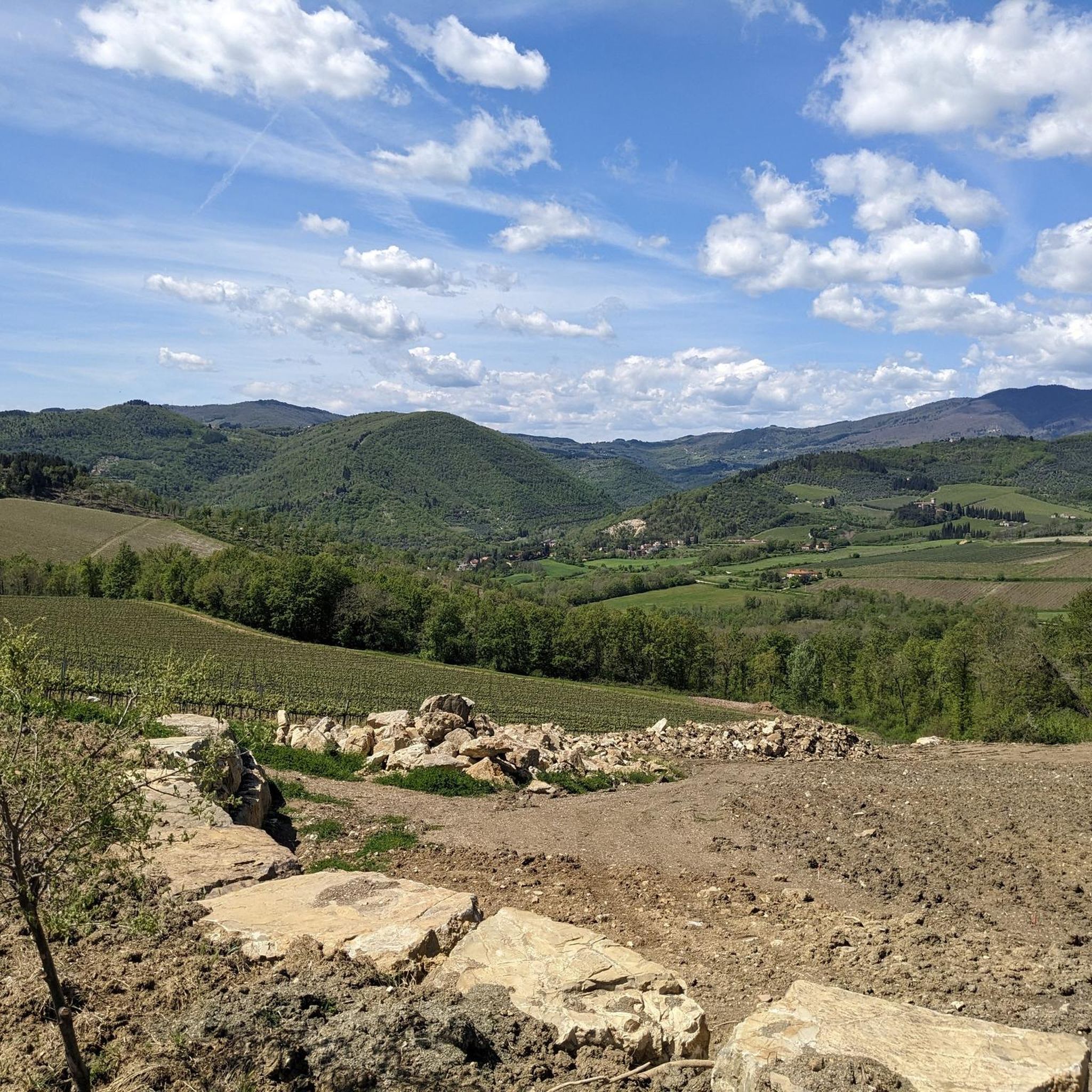
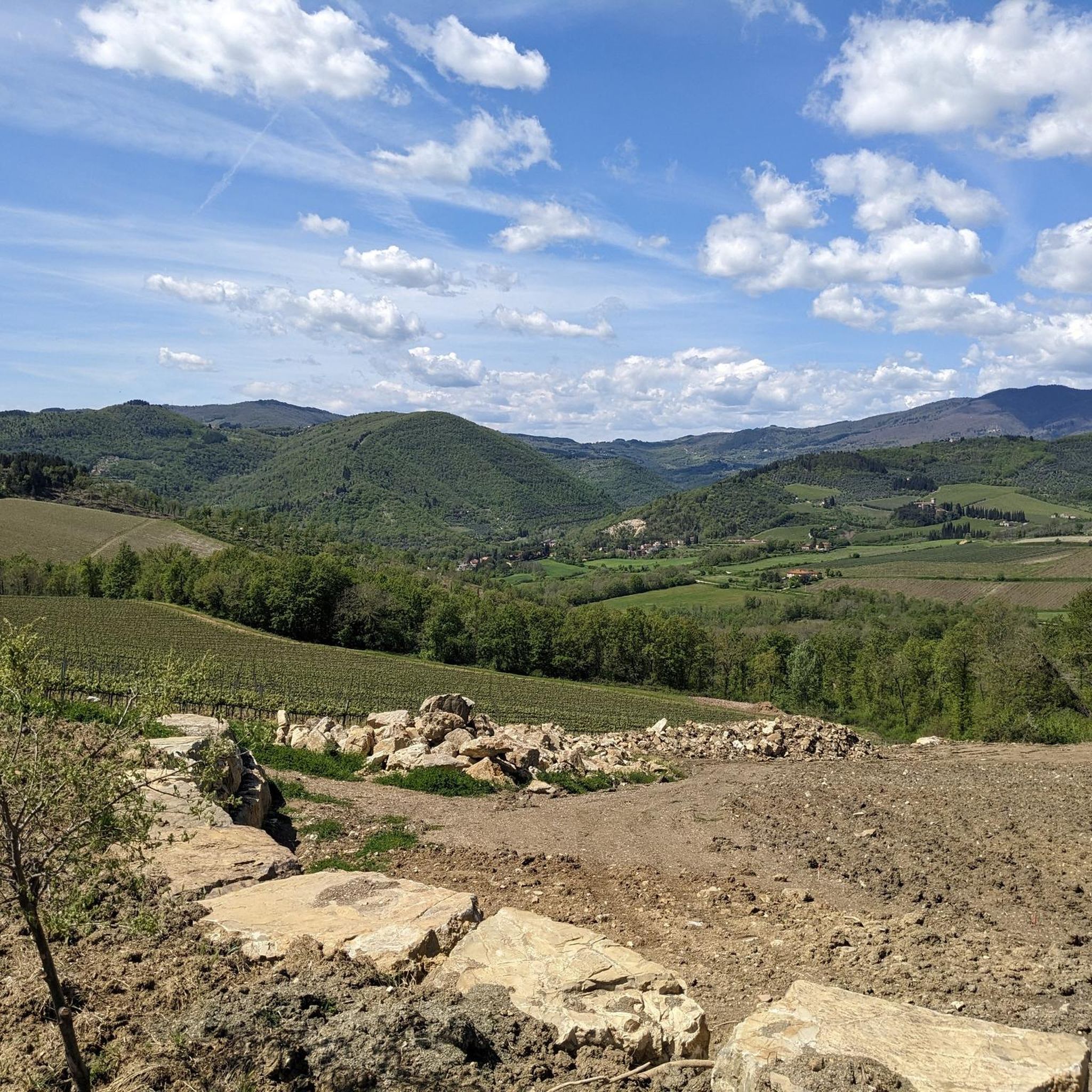
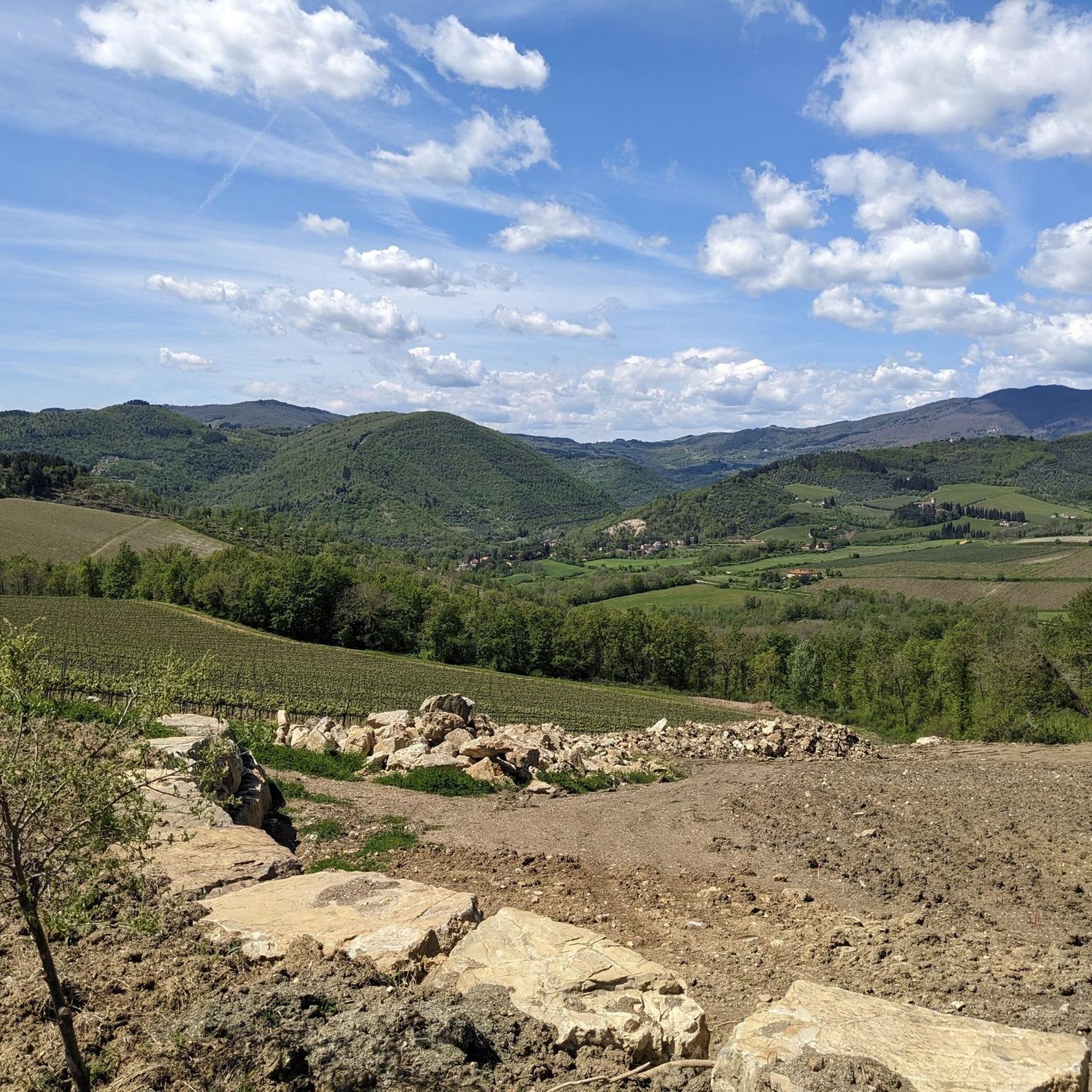
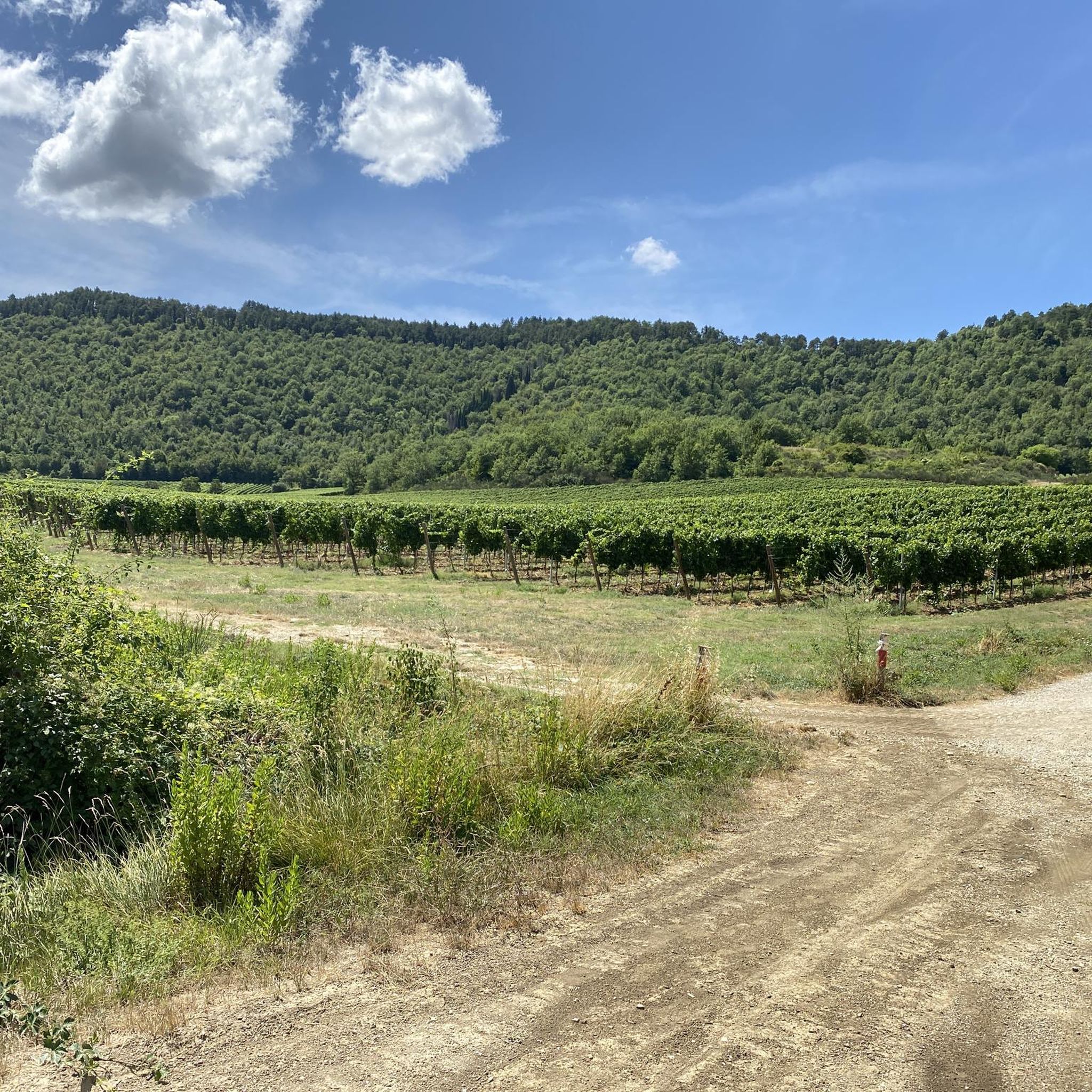
The area around Pontassieve is characterized by the beautiful Tuscan countryside. You can enjoy picturesque views at the confluence of the Sieve and Arno rivers, or explore the rolling hills, vineyards, and olive groves. The Poggio Ripaghera Nature Reserve, located above Santa Brigida, is notable for its diverse plant species, wild fauna, and ancient stone structures called 'burraie'.
What kind of outdoor activities can I do near Pontassieve?
Pontassieve is an excellent base for outdoor enthusiasts. You can find numerous hiking and cycling trails, including a scenic 13-kilometer path from Santa Brigida to Pontassieve. The town is also part of the 'Renaissance Ring,' a 172-kilometer route around Florence. For more specific routes, explore the hiking trails around Pontassieve, MTB trails, or gravel biking routes.
Are there family-friendly attractions in Pontassieve and nearby Florence?
Absolutely. Many attractions are suitable for families. In Florence, the Florence Cathedral (Cathedral of Santa Maria del Fiore), Ponte Vecchio, and Piazza della Signoria and the Palazzo Vecchio are all listed as family-friendly. The Basilica of Santa Croce is another historical site that welcomes families. The natural landscapes and easy trails around Pontassieve also offer great family outings.
What are some unique experiences related to food and drink in Pontassieve?
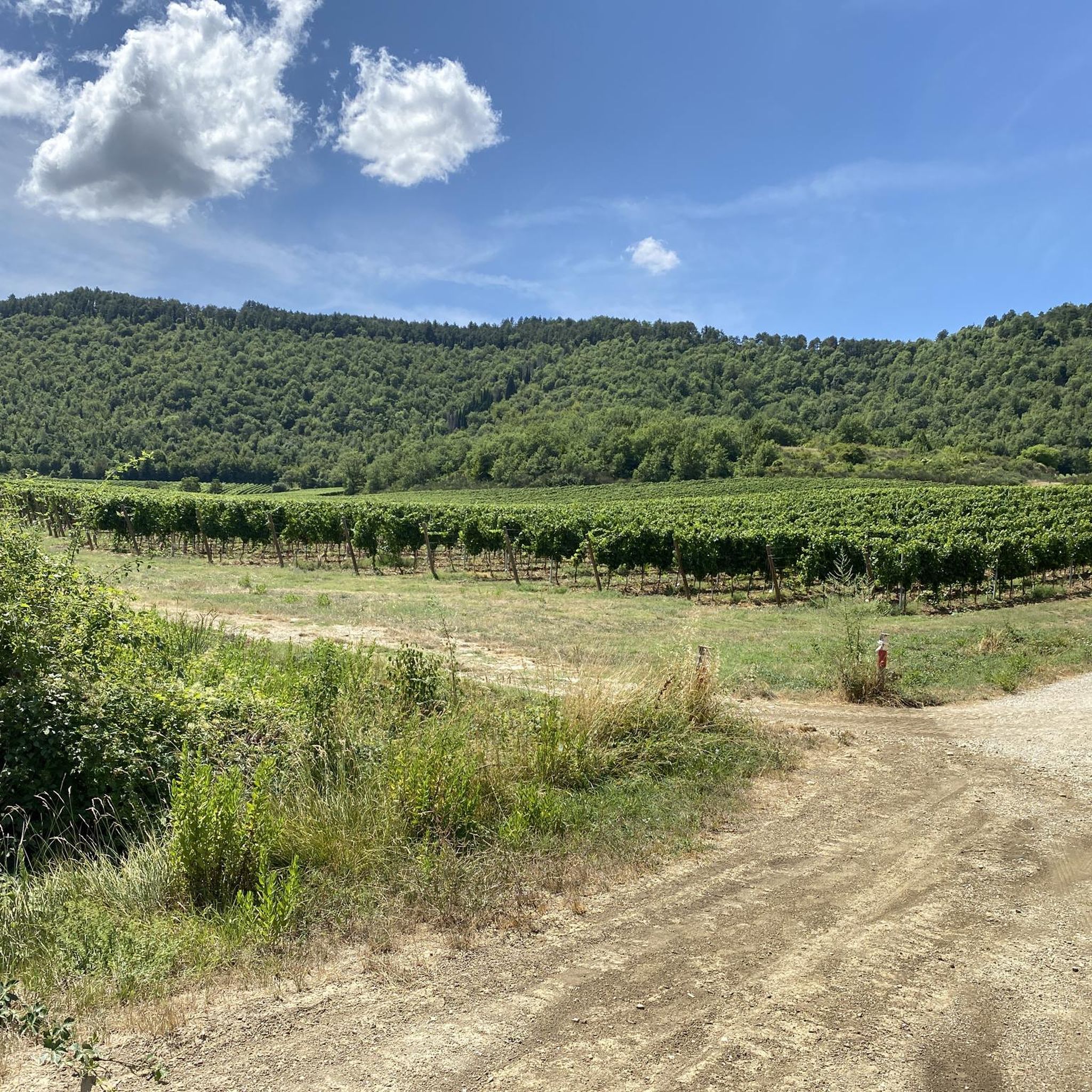
Pontassieve is a significant area for wine and olive oil production. It's particularly known for Chianti Rufina wine. Visitors can enjoy wine tasting and vineyard tours at local estates. The region's olive groves also produce Tuscan IGP extra virgin olive oil, offering another delightful culinary experience.
What do visitors enjoy most about the attractions around Pontassieve?
Visitors frequently appreciate the blend of historical grandeur and natural beauty. For instance, the Florence Cathedral is praised for its unique structure and historical significance. The Ponte Vecchio is loved for its iconic architecture and charming shops. The Piazza della Signoria and the Palazzo Vecchio are highlights for their rich political history and impressive sculptures, including a replica of Michelangelo's David.
Are there any accessible attractions for visitors with mobility needs?
Yes, some attractions are noted for their accessibility. For example, Piazza della Signoria and the Palazzo Vecchio in Florence are listed as wheelchair accessible, allowing a wider range of visitors to enjoy this historical site.
Can I find any hidden gems or less-known spots in Pontassieve?
Beyond the main attractions, consider exploring the Castello di Torre a Decima, described as a 'fairy book castle' nestled amidst vineyards. The Poggio Ripaghera Nature Reserve offers a tranquil escape with its diverse flora and ancient 'burraie'. For a spiritual journey, Pontassieve marks the official end of Stage 1 of the Via di Francesco pilgrimage trail.
What is the best time of year to visit Pontassieve for sightseeing and outdoor activities?
The spring (April-May) and autumn (September-October) months generally offer the most pleasant weather for exploring Pontassieve's attractions and engaging in outdoor activities. Temperatures are mild, and the Tuscan landscape is particularly beautiful, whether in bloom or adorned with autumn colors. Summers can be hot, especially in July and August, while winters are cooler but still offer opportunities for exploration.
Are there any viewpoints in the Pontassieve area offering panoramic views?
Yes, the region provides several scenic viewpoints. The Sanctuary of Madonna del Sasso is perched on a terrace offering beautiful views of the surrounding valleys. The rolling hills and elevated castles like Castello di Nipozzano also provide excellent vantage points over the confluence of the Arno and Sieve rivers and the picturesque Tuscan countryside.
Most popular routes around Pontassieve
Most popular attractions around Pontassieve

Get inspired with the komoot mobile app


Explore more
Still not found the Highlight you’re looking for? See guides of the top attractions in other regions:
