Top 20 Castles around Greve In Chianti
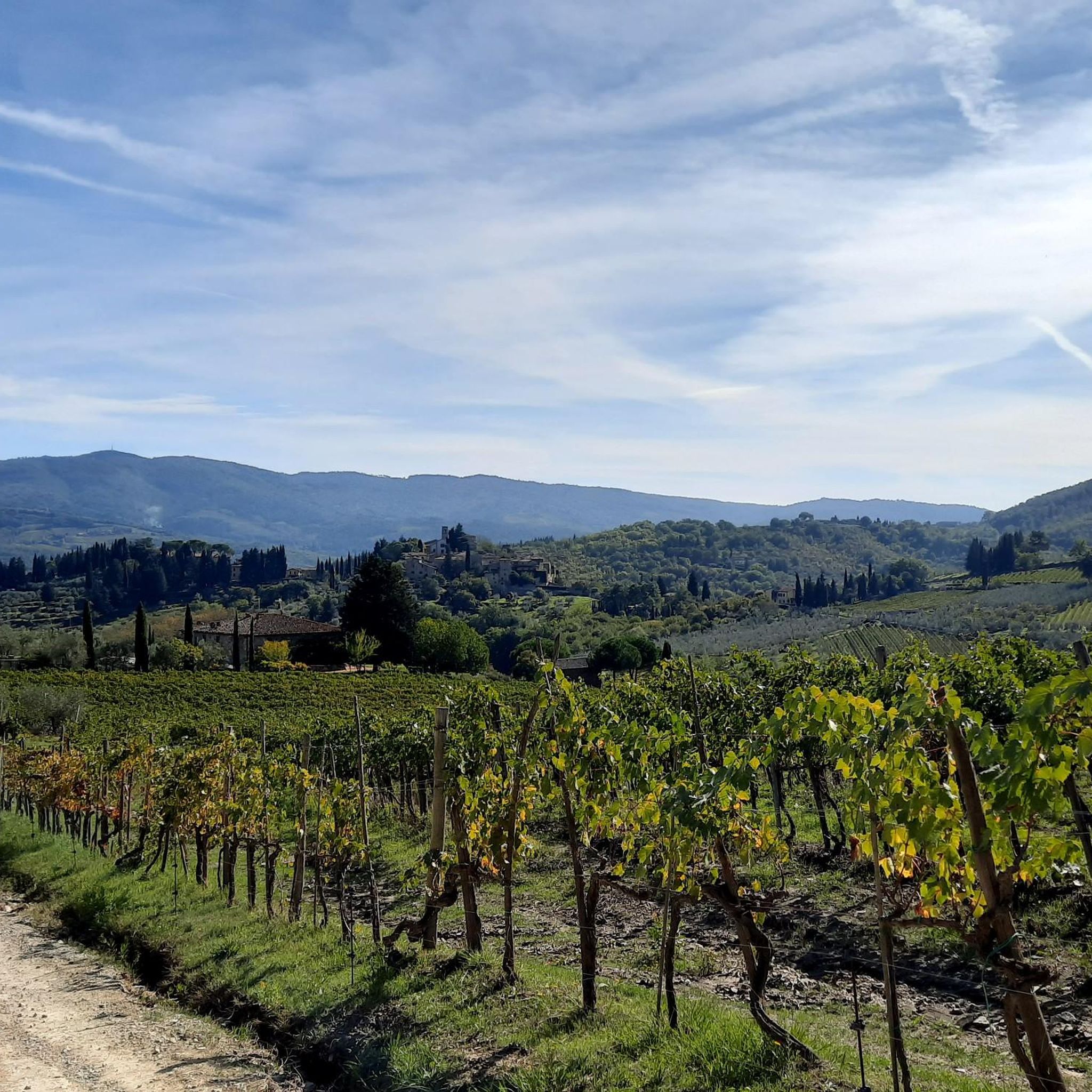
Best castles around Greve In Chianti are found in the heart of Tuscany's Chianti Classico region, offering a glimpse into centuries of rich history and architecture. This area is characterized by rolling hills, vineyards, and olive groves, providing a scenic backdrop for historic sites. The castles here often played crucial defensive roles and later transformed into manor houses or villas. Visitors can explore well-preserved medieval villages and estates that showcase the region's cultural significance and winemaking heritage.
Best castles around Greve In Chianti
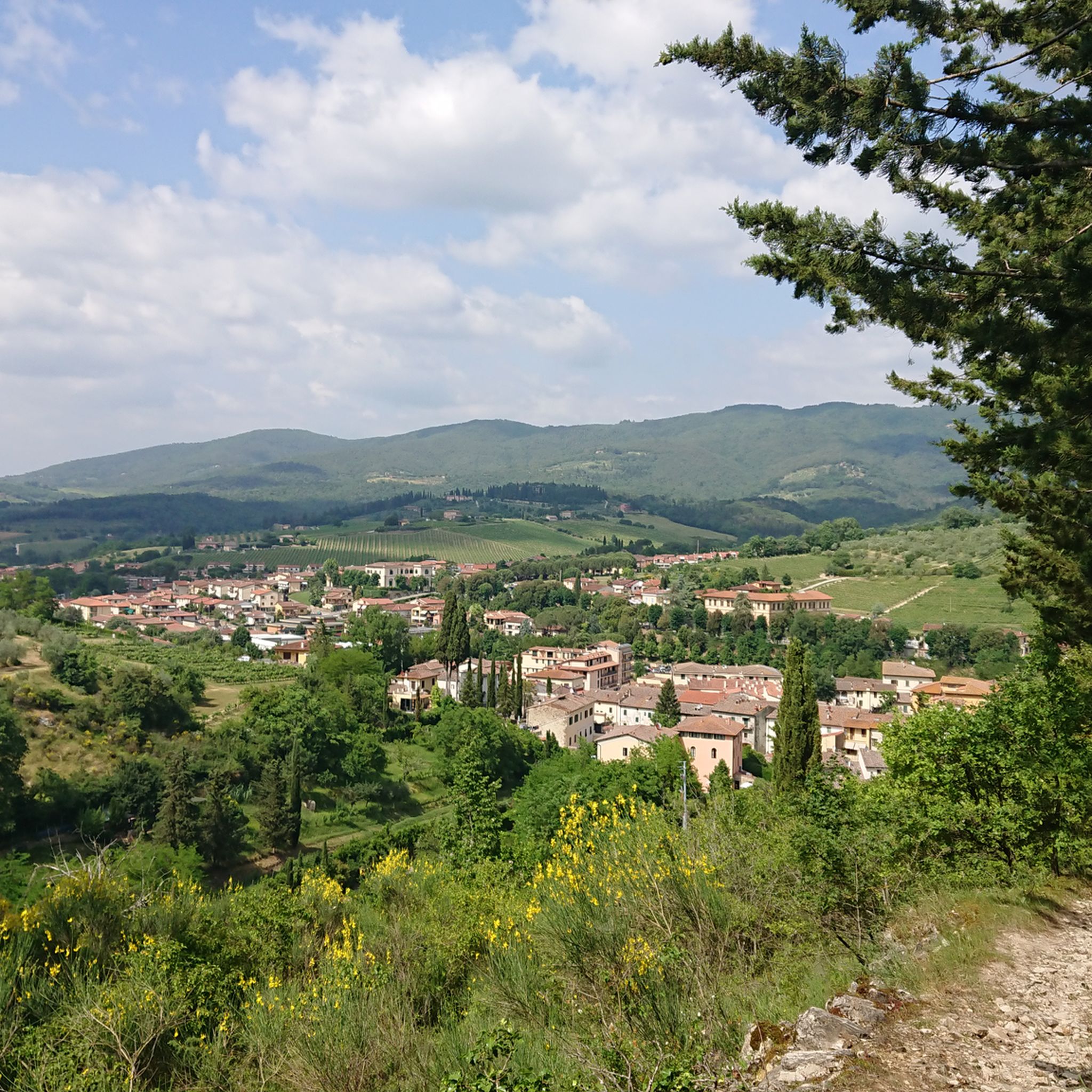
- The most popular castles is Montefioralle Castle, a settlement that preserves ancient stone houses and most of its walls with three gates. It is a medieval hamlet with a well-preserved urban structure.
- Another must-see spot is Castello di Verrazzano, a historic estate renowned for its deep connection to winemaking. Visitors can tour historic halls, 10th-century cellars, and Renaissance gardens, and indulge in wine tastings.
- Visitors also love Castello Vicchiomaggio, a castle with a documented history dating back to 975. It is celebrated for its internationally recognized wines and features well-preserved defensive walls and Italian gardens.
- Greve In Chianti is known for its medieval fortified villages, Renaissance villas, and historic wine estates. These sites offer a variety of experiences, from exploring ancient defensive structures to tasting local wines.
- The castles around Greve In Chianti are appreciated by the komoot community, with more than 1200 upvotes and over 1000 photos shared by visitors.
Last updated: October 4, 2026
Piazza della Signoria and the Palazzo Vecchio, Florence
Highlight • Historical Site
Translated by Google •
Tip by

Palazzo Vecchio and Statue of David (Replica)
Highlight • Historical Site
Next to the Palazzo Vecchio is the Loggia dei Lanzi. The arcade was built between 1376 and 1382 by Benci di Cione and Simone di Francesco Talenti in the Gothic style. The building was originally used for rallies and receptions of the Republic of Florence and was later named after the mercenaries (Lanzichenecchi) Cosimo I de ’Medicis, who were housed here in the 16th century.
The Feldherrnhalle in Munich was built on the model of the Loggia dei Lanzi. Source: Wikipedia
Translated by Google •
Tip by

Sign up now to discover places like this
Get recommendations on the best single tracks, peaks, & plenty of other exciting outdoor places.
Montefioralle Castle
Highlight • Castle
The village presents a medieval urban structure and preserves ancient stone houses, part of the castle and most of the walls with three gates.
It's not sure that it can be the birthplace of Amerigo Vespucci, as someone claims; but indeed the noble Vespucci family owned a palace in this village.
Tip by

Pitti Palace
Highlight • Historical Site
Translated by Google •
Tip by

Castellina in Chianti
Highlight • Settlement
Translated by Google •
Tip by

Sign up for free to discover even more castles around Greve In Chianti.
Already have an account?
Start today with a free account
Your next adventure awaits.

Tips from the Community

A special place with many hidden corners. There is also no shortage of restaurants.
0
0

A Renaissance palace located in the Oltrarno district, in the center of Florence and former residence of the banker Luca Pitti, Palazzo Pitti was for decades the main residence of the Grand Dukes of Tuscany. Today it houses important museums with works by artists such as Titian and Raphael.
0
0

Inserted among the most beautiful villages in Italy, this hamlet of Greve in Chianti reserves an atmosphere suspended in time, between stone houses and alleys and medieval fortifications.
0
0


Drinking water fountain, for 10 cents you can get 1 liter of fresh water.
0
0

This medieval village, once heavily contested between the republics of Florence and Siena, today attracts visitors with its authentic medieval structure, ancient stone houses, part of the castle and largely preserved walls that still have three gates. Despite the uncertainty about its connection to Amerigo Vespucci, who owned a palace in the village, Montefioralle offers a unique atmosphere that transports visitors back in time. It is a place valued for its tranquility and beauty, far from the tourist crowds that flood other parts of Tuscany. The village has only a small number of accommodations, a pub and a wine bar where you can taste the local wines. A walk through the village takes visitors to the small church and offers a glimpse into real Italian village life. The restaurant La Castellana, just before you arrive at the village walls, is particularly recommended for its excellent cuisine and fair prices. The staff is known for their exceptional friendliness, making a visit to Montefioralle an unforgettable experience.
1
1
One of Florence's most significant landmarks, the Palazzo Vecchio is a masterpiece of 14th-century civil architecture. Originally built as the seat of the city parliament and the center of secular power in Florence, this imposing palace has served various functions over the centuries. Today it serves as the city's town hall and is a must-see for any visitor who wants to experience Florence's rich history and culture. The Palazzo Vecchio impresses not only with its robust architecture and the famous tower that dominates the city's skyline, but also with its magnificent interiors decorated with precious works of art and historic frescoes. A visit offers the opportunity to delve into the past and learn more about Florence's political and social history. Of particular note is the magnificent "Salone dei Cinquecento" (Hall of the Five Hundred), the largest room in the palace used for public gatherings. Here you can find impressive murals by Vasari depicting scenes from the city's history. The private apartments of the Medici family, who lived in the palace for a time, are also of great interest. The Palazzo Vecchio stands in Piazza della Signoria, one of the liveliest and most historically significant squares in Florence, surrounded by other masterpieces of art and architecture. The square and the palace itself are the setting for many important events in Florence's history. Visitors should take the time to climb the tower of the Palazzo Vecchio, from which one can enjoy a breathtaking view of Florence and its surroundings. The climb is strenuous, but the view makes the effort worthwhile.
2
0
This central square is famous not only for its imposing buildings and elaborate statues, but also for its deep-rooted history that dates back to the Middle Ages. The square is dominated by the majestic Palazzo Vecchio, which once served as the seat of government and now houses a museum. Its battlements and sturdy tower tell stories of power, intrigue and Florence's political importance in the past. Just outside the Palazzo Vecchio stands a copy of Michelangelo's David, which seems to form a permanent sentinel, highlighting the city's artistic mastery. Another striking feature of the square is the Fountain of Neptune, a work by Bartolomeo Ammannati depicting the sea god Neptune. This impressive work of art symbolizes the Medici's power over the sea and the importance of water in Florentine culture and history. A popular gathering place for locals and visitors alike, Piazza della Signoria offers a fascinating insight into the heart and soul of Florence. It is surrounded by other important landmarks, including the Uffizi Gallery, one of the most famous art galleries in the world, making the square an unmissable destination for art lovers and history buffs.
9
0
Frequently Asked Questions
What are some of the most historically significant castles to visit around Greve in Chianti?
The region boasts several castles with deep historical roots. Montefioralle Castle is a remarkably well-preserved medieval hamlet dating back to the 10th century, with robust fortifications and ancient stone buildings. Castello Vicchiomaggio has a documented history from 975 and played a crucial defensive role for Florence, later hosting figures like Leonardo da Vinci. Castello di Verrazzano, with roots as an Etruscan and Roman settlement, became the property of the Verrazzano family in the 7th century and is known for its connection to explorer Giovanni da Verrazzano.
Are there family-friendly castles or activities near Greve in Chianti?
Yes, several castles offer experiences suitable for families. The walled medieval hamlet of Montefioralle Castle is an excellent place for exploration, with its car-free cobbled streets and historical buildings. Many estates, like Castello di Verrazzano, offer guided tours of their grounds and cellars, which can be engaging for older children. The general atmosphere of exploring ancient sites and enjoying the Tuscan landscape is often appreciated by families.
What kind of views can I expect from the castles in the Greve in Chianti area?
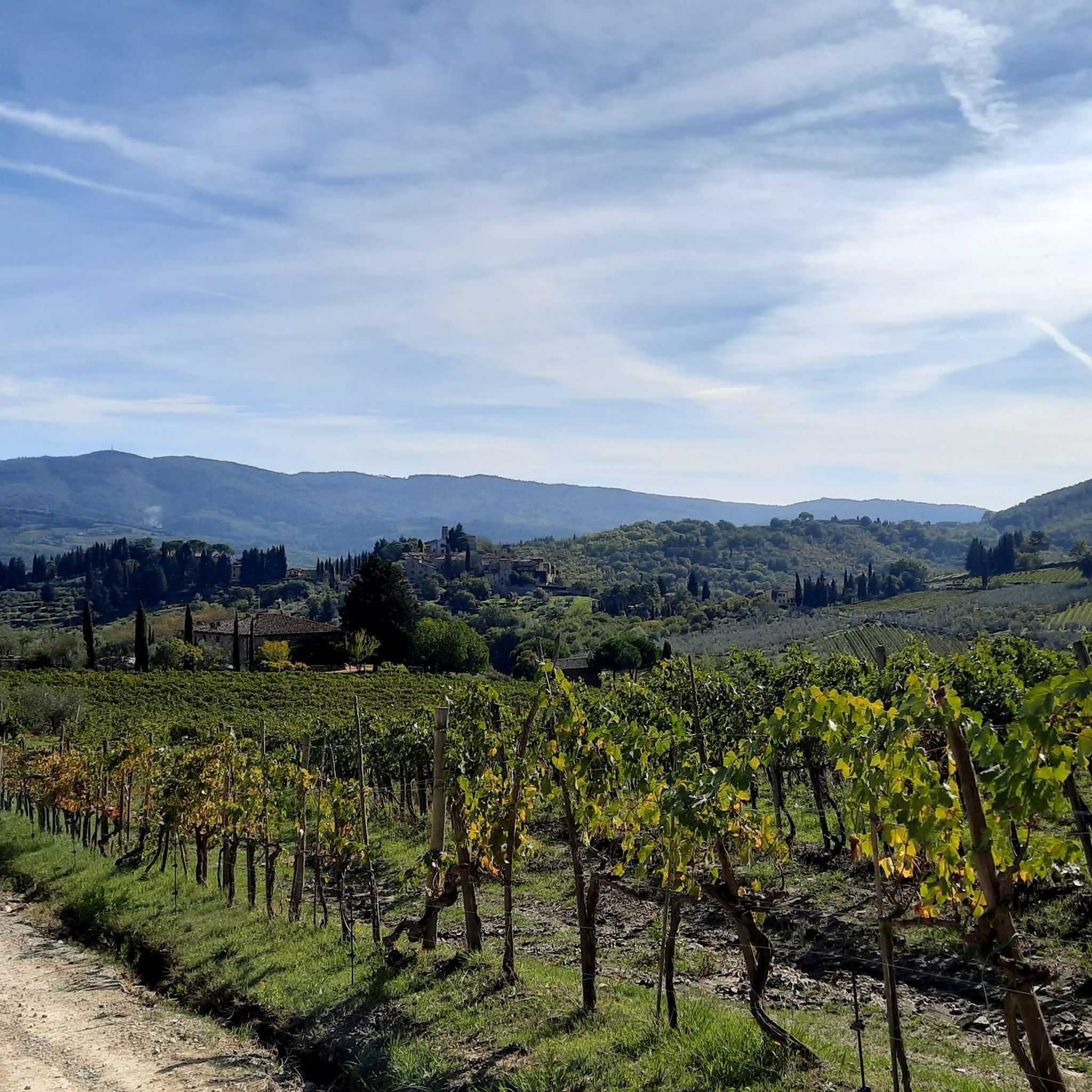
The castles around Greve in Chianti are typically perched on hills, offering breathtaking panoramic views of the surrounding Tuscan countryside. From Castello di Verrazzano, you can see vineyards and olive groves stretching across the Greve valley. Castello Vicchiomaggio also provides sweeping vistas of the Val di Greve, while Montefioralle Castle offers stunning views of the entire Chianti region from its elevated position.
Can I combine a castle visit with wine tasting in Greve in Chianti?
Absolutely. Many historic castles in the region are also renowned wine estates. Castello di Verrazzano offers guided tours that include wine tastings of its acclaimed Chianti Classico wines, along with olive oil, honey, and balsamic vinegar. Castello Vicchiomaggio is celebrated for its internationally recognized Sangiovese-based Chianti Classico wines, with opportunities for tastings and cellar tours. Montefioralle Castle also has cellars where you can taste local Chianti Classico wines.
What outdoor activities are available near the castles around Greve in Chianti?
The area around Greve in Chianti is perfect for outdoor enthusiasts. You can find numerous hiking, cycling, and mountain biking routes that pass by or lead to these historic sites. For hiking, consider routes like the 'View of Montefioralle loop from Greve in Chianti' or 'The landscapes around Greve in Chianti – Ring tour'. Cyclists can explore routes such as the 'Montefiridolfi and Badia a Passignano Loop'. You can find more details on these and other routes in the Hiking around Greve In Chianti, MTB Trails around Greve In Chianti, and Cycling around Greve In Chianti guides.
Are there easy walking trails to or around the castles?
Yes, there are easy walking options. For instance, the 'View of Montefioralle – View of Montefioralle loop from Greve in Chianti' is an easy 5.4 km hike. The village of Montefioralle Castle itself is ideal for a leisurely stroll through its medieval streets. Many castle grounds also offer pleasant walks through gardens and courtyards. You can find more easy routes in the Hiking around Greve In Chianti guide.
What is the best time of year to visit the castles in Greve in Chianti?
The spring (April-May) and autumn (September-October) months are generally considered the best times to visit. During these seasons, the weather is pleasant for exploring, the landscapes are vibrant with blooming flowers or autumn colors, and the vineyards are either budding or ready for harvest. Summer can be quite hot, while winter offers a quieter experience but with potentially colder weather.
What makes Castello di Uzzano unique among the castles in the area?
Castello di Uzzano, while retaining the 'Castello' name, is primarily a beautiful Renaissance villa. Its uniqueness lies in its transformation from a medieval defensive structure (some remains of the original watchtower are still visible) into a grand Renaissance residence. It features a distinctive double-columned façade and an Italianate garden, restored in the 18th century with a double staircase and statues, offering a serene atmosphere amidst vineyards.
Can I visit Castellina in Chianti, and what does it offer?
Yes, Castellina in Chianti is a charming settlement located in the Chianti Classico area, easily accessible from Greve in Chianti. It's a medieval village that offers breathtaking views of the surrounding valleys. It's a popular spot for cyclists and visitors looking to explore the region, with its historic sites and a pleasant atmosphere for a break or a stroll.
What kind of historical figures are associated with the castles in Greve in Chianti?
The castles are rich with historical connections. Castello di Verrazzano is famously linked to Giovanni da Verrazzano, the explorer who discovered the Bay of New York. Castello Vicchiomaggio hosted Leonardo da Vinci, who even sketched the castle, and the poet Francesco Redi. Castello di Uzzano is associated with Niccolò di Giovanni da Uzzano, a significant Florentine politician. Montefioralle Castle was once home to the Vespucci family, with their country house still visible.
Are there opportunities for guided tours at these castles?
Yes, several castles offer guided tours to enhance your visit. Castello di Verrazzano provides guided tours of its historic halls, 10th-century cellars, and Renaissance gardens, often concluding with wine tastings. Many other wine estates and historical sites in the region also offer similar guided experiences, allowing visitors to delve deeper into their history and production processes.
What do visitors particularly enjoy about the castles around Greve in Chianti?
Visitors frequently praise the authentic medieval atmosphere, especially in places like Montefioralle Castle, which feels like a journey back in time. The stunning panoramic views of the Tuscan countryside from the castle perches are also a major highlight. The combination of rich history, beautiful architecture, and the opportunity to taste world-class Chianti Classico wines directly at the source is a unique draw for many.
Most popular routes around Greve In Chianti
Most popular attractions around Greve In Chianti

Get inspired with the komoot mobile app


Explore more
Looking for the best castles somewhere else? Discover other guides around Greve In Chianti:
