The best walks and hikes around Quarrata
4.2
(228)
984
hikers
35
hikes
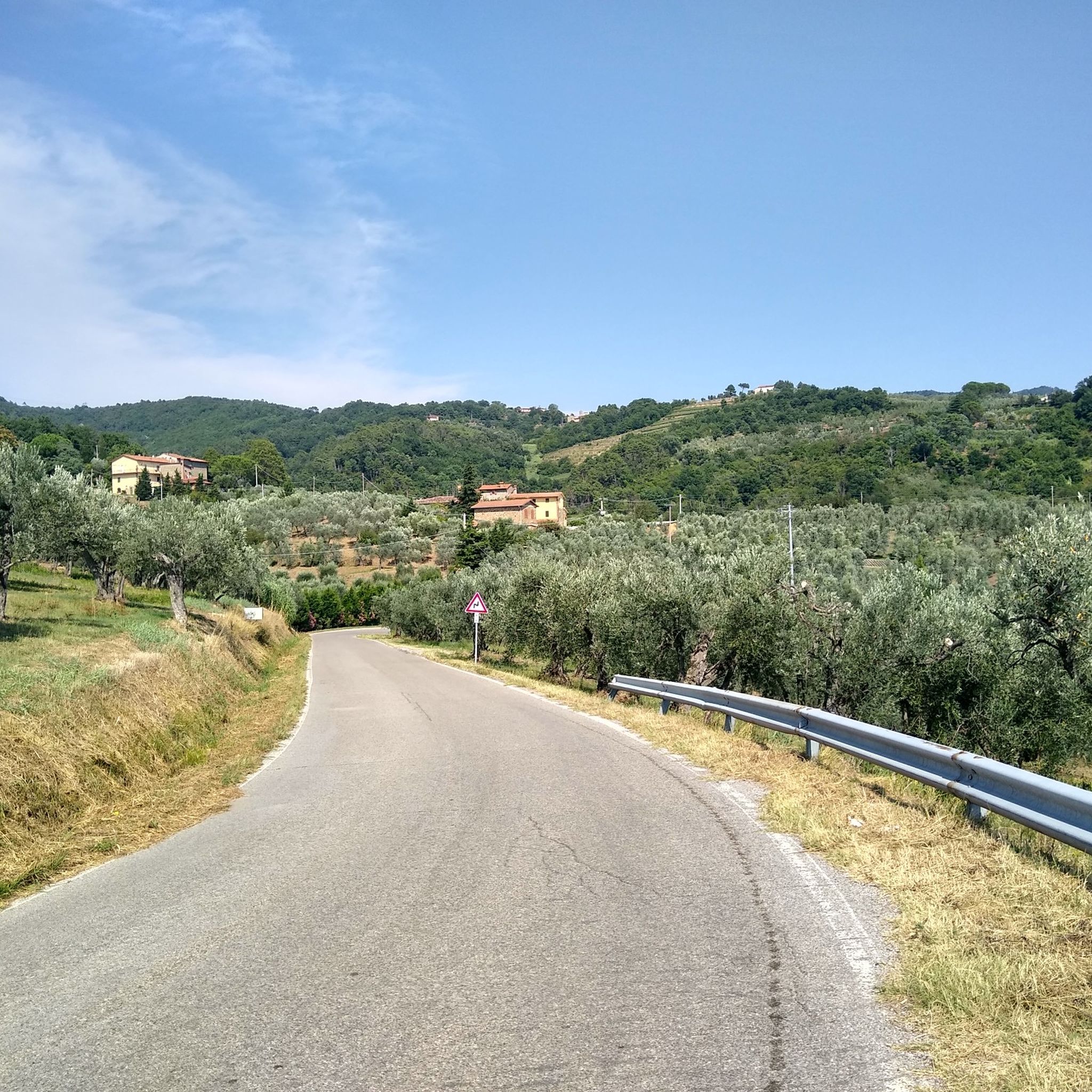
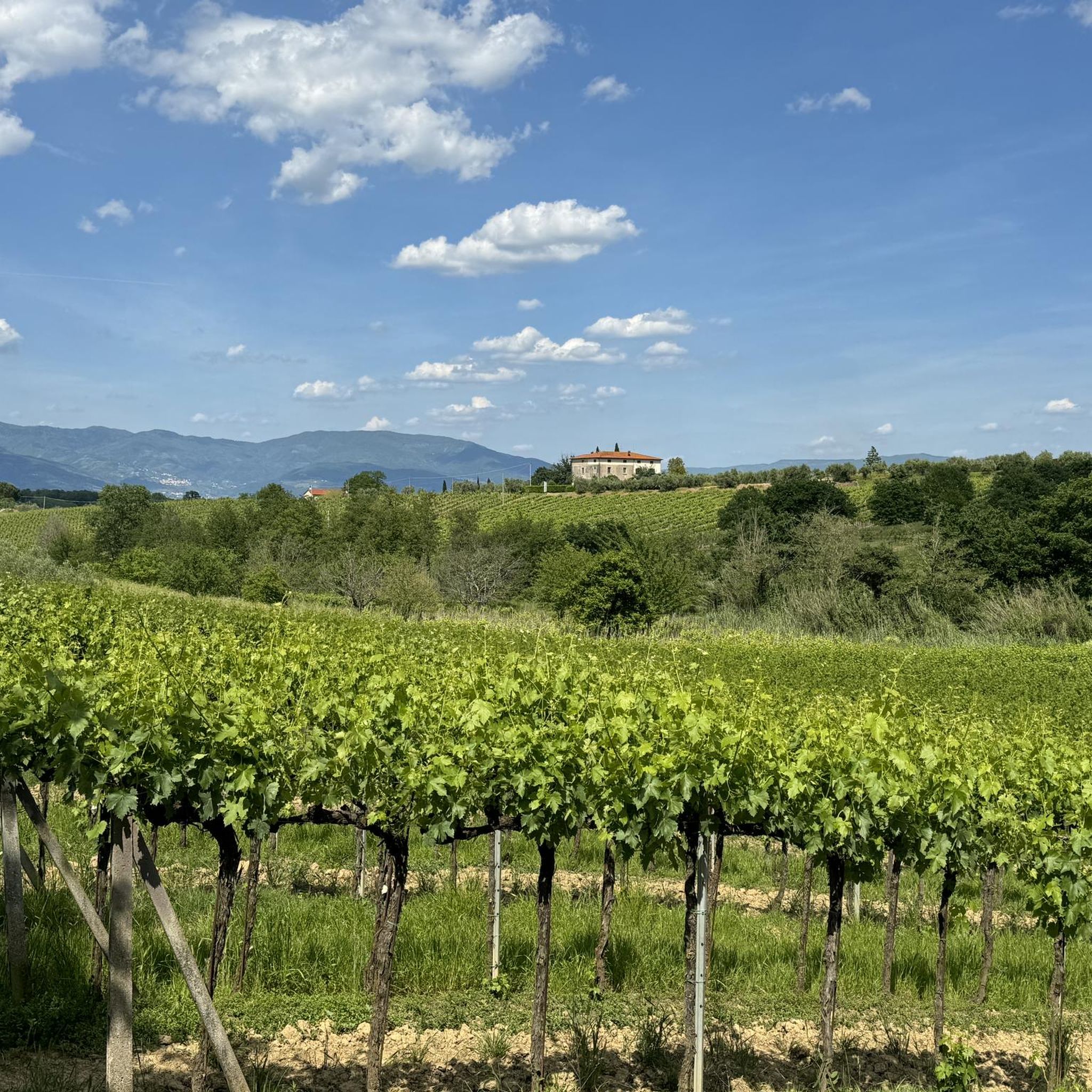
Hiking around Quarrata offers diverse terrain at the foot of the Montalbano hills, characterized by a "countryside-garden" environment. The region features extensive oak forests, protected natural areas with wetlands, and historical sites. Trails traverse varied landscapes, from gentle paths in Bosco de La Magia to more challenging routes in the Montalbano hills.
Best hiking trails around Quarrata
- The most popular hiking route is Church of Santa Lucia – Sant'Alluccio Tower loop from Buriano, a 7.9 miles (12.7 km) trail that takes 4 hours 11 minutes to complete. This moderate route explores the Montalbano hills, often passing the prominent Sant'Alluccio Tower.
- Another top favourite among local hikers is Sasso di Pietra – Sant'Alluccio Tower loop from Quarrata, a difficult 12.3 miles (19.8 km) path. This challenging trail includes the Sasso di Pietra (Devil's Rock) and offers expansive views across the Montalbano area.
- Local hikers also love the Sant'Alluccio Tower – Montalbano Ridge Trails loop from Buriano, a 3.3 miles (5.2 km) trail leading through the Montalbano Ridge Trails, often completed in about 1 hour 37 minutes.
- Hiking around Quarrata is defined by the Montalbano hills, ancient oak forests, and protected wetlands. The network of routes offers options for various ability levels, from easy walks to difficult excursions.
- The routes in Quarrata are highly rated by the komoot community with an average score of 4.3 stars from over 200 reviews. More than 900 hikers have used komoot to explore Quarrata's varied terrain.
Last updated: June 25, 2026
4.8
(8)
17
hikers
12.7km
04:11
590m
590m
Moderate hike. Good fitness required. Easily-accessible paths. Suitable for all skill levels.
4.8
(6)
16
hikers
11.4km
03:46
490m
490m
Moderate hike. Good fitness required. Mostly accessible paths. Sure-footedness required.

Sign up for free
4.0
(6)
10
hikers
5.25km
01:37
190m
190m
Easy hike. Great for any fitness level. Easily-accessible paths. Suitable for all skill levels.
4.0
(1)
13
hikers
19.8km
06:05
620m
620m
Hard hike. Very good fitness required. Mostly accessible paths. Sure-footedness required.
4.6
(5)
10
hikers
15.2km
04:44
570m
570m
Moderate hike. Good fitness required. Easily-accessible paths. Suitable for all skill levels.
Get access to more routes and recommendations from other explorers.
Sign up for free
Already have an account?
Our route recommendations are based on thousands of hikes, rides, and runs completed by other people on komoot.
Start today with a free account
Your next adventure awaits.
Login or Signup

Tips from the Community

Impressive place and beautiful hike from the city of Vinci along the "Strada Verde" hiking trail.
1
0

Mainly flow trail, fun and fast. Cupola 4 has a deviation because 5 and 6 are no longer, for the most part, passable, due to landslides and various mudslides
0
0

Here, visitors can visit the birthplace of the Italian polymath LEONARDO da VINCI (1452 to 1519). Throughout his life, he was involved in various arts (especially painting, sculpture and architecture) as well as in scientific research (e.g. anatomy), and was an inventor and engineer. The place of burial, however, is located in Amboise (Ile-de-France) in France. The assumption that he was buried there in the Hubertus Chapel (if you are interested, see https://www.komoot.com/de-de/highlight/958658 ) is not scientifically proven, but is not implausible either, because da VINCI spent the last years of his life in the neighboring castle Le Clos Lucé, where the French king had invited him, and died there on May 2, 1519.
2
0

If you pass by those parts you must stop by to visit it and stop a bit in the adjacent clearing to relax in the silence. There are also tables and spaces where you can have a picnic and rest.
0
0

Anchiano is the small village that is home to the birthplace of Leonardo da Vinci.
3
0

The holm oak of Faltognano is a monumental tree that is over a century old and is located near the church of Santa Maria Assunta in Faltognano, in the municipality of Vinci in the province of Florence. It is a specimen of holm oak (Quercus ilex) that has a trunk circumference of 4.60 m, is 11 m tall and dates back to before 1750 according to the inventory of monumental trees of Tuscany (progressive n°47). Over time it has undergone numerous prunings and interventions that have partially reduced its size and grandeur and altered its shape, which was once more dome-shaped. The plant has suffered from fungal attacks in recent decades and requires periodic care; at the moment various safety systems have been installed such as ropes, supports and a railing around the trunk to prevent branches from falling and limit access. In 2007 it received the Touring Club Award, an award announced by the TCI consuls of Tuscany for monumental trees. It is the symbol of the community of Faltognano and is located a short distance from the birthplace of Leonardo Da Vinci and the center of the city of Vinci; a center that can be seen inside the wonderful panoramic view that can be enjoyed from the foot of the tree.
1
0

There is something for everyone around here and it's fun. With a good leg you can also get there on gravel, but you have to keep in mind that the slopes are sometimes a bit prohibitive.
0
0
From the main path, a track branches off to the southwest that is easily accessible by bike (signs) and quickly leads to this large erratic boulder.
2
0
Frequently Asked Questions
How many hiking trails are available around Quarrata?
Quarrata offers a diverse network of over 30 hiking trails, catering to various skill levels. These routes explore the beautiful Montalbano hills, ancient oak forests, and protected natural areas.
What kind of terrain can I expect on hikes around Quarrata?
The terrain around Quarrata is quite varied, ranging from gentle paths through the 'countryside-garden' environment of the Montalbano hills to more challenging ascents. You'll find extensive oak forests, protected wetlands, and trails that traverse both natural and historical landscapes.
Are there easy hiking options suitable for beginners or families in Quarrata?
Yes, Quarrata has several easy hiking options. For instance, the Sant'Alluccio Tower – Montalbano Ridge Trails loop from Buriano is an easy 3.3-mile (5.2 km) trail. The Bosco de La Magia also features paths with no significant altitude changes, perfect for a relaxing walk.
What natural landmarks or points of interest can I discover while hiking in Quarrata?
Hikers can explore several unique natural landmarks. The Devil’s Rock (Pietramarina), an ancient sandstone monolith, is a fascinating stop. You can also visit the protected natural areas of Bosco de La Magia and La Querciola, known for their diverse flora and fauna, including wetlands and a pond that host various bird species.
Are there any historical sites or attractions along the hiking routes?
Absolutely. The region is rich in history. The Pietramarina Archaeological Area is near Devil's Rock. The UNESCO World Heritage site, Villa La Magia, with its extensive park and open-air art collection, is also accessible. Additionally, the Cupola F.R. and the prominent Torre Sant'Alluccio are frequent waypoints on many trails.
Can I find circular hiking routes in Quarrata?
Yes, many of the trails in Quarrata are designed as circular routes, allowing you to start and end at the same point. Examples include the Church of Santa Lucia – Sant'Alluccio Tower loop from Buriano and the Cupola F.R. – Sant'Alluccio Tower loop from Buriano.
What do other hikers enjoy most about the trails in Quarrata?
The hiking trails in Quarrata are highly rated by the komoot community, with an average score of 4.3 stars from over 200 reviews. Hikers frequently praise the diverse landscapes, the well-maintained paths through the Montalbano hills, and the opportunity to explore both natural beauty and historical sites.
Is it possible to reach hiking trails in Quarrata using public transport?
While specific public transport connections directly to trailheads can vary, Quarrata itself is accessible by public transport. For detailed information on local bus routes and schedules that might connect to trail starting points, it's advisable to check local transport authority websites or inquire at the Quarrata tourist information center.
Are there parking facilities available near the trailheads?
Many popular trailheads and starting points in and around Quarrata, especially those leading into the Montalbano hills, typically offer designated parking areas. It's always a good idea to check the specific route details on komoot for information on parking at the chosen starting point.
What is the best time of year to go hiking in Quarrata?
Quarrata offers pleasant hiking conditions for much of the year. Spring and autumn are particularly ideal, with mild temperatures and vibrant natural colors. Summer can be warm, so early morning or late afternoon hikes are recommended. Even in winter, many trails remain accessible, offering a different, serene experience.
Are there any trails that offer challenging hikes for experienced trekkers?
Yes, for more experienced hikers seeking a challenge, routes like the Sasso di Pietra – Sant'Alluccio Tower loop from Quarrata offer a difficult 12.3-mile (19.8 km) path with significant elevation changes, including the Sasso di Pietra (Devil's Rock) and expansive views across the Montalbano area.
Can I bring my dog on the hiking trails in Quarrata?
Generally, dogs are welcome on many of the hiking trails in Quarrata, especially in the Montalbano hills and forest areas. However, it's always recommended to keep your dog on a leash, especially in protected natural areas like La Querciola, to protect wildlife and ensure a pleasant experience for all hikers. Please check specific trail regulations if available.
Most popular attractions around Quarrata

Get inspired with the komoot mobile app


Explore more
Browse the best Hikes in other regions.
