Attractions and Places To See around Montresta - Top 20
Best attractions and places to see around Montresta are found in the Planargia region of central-west Sardinia, characterized by Mount Navrino and trachyte peaks. The area features a green expanse of woods, including the Silva Manna Forest with its century-old cork oaks. Montresta also holds historical significance with ancient archaeological sites and a rich cultural heritage, including traditional basket weaving.
Best attractions and places to see around Montresta
- The most popular attractions is Colorful Alleys in Bosa's Old Town,…
Last updated: July 6, 2026
Colorful Alleys in Bosa's Old Town
Highlight • Settlement
Translated by Google •
Tip by

Bosa Old Town
Highlight • Settlement
Translated by Google •
Tip by

Sign up now to discover places like this
Get recommendations on the best single tracks, peaks, & plenty of other exciting outdoor places.
Sign up for free
Malaspina Castle, Bosa
Highlight • Castle
Translated by Google •
Tip by

Bosa
Highlight • Settlement
Translated by Google •
Tip by

Argentina Tower
Highlight • Monument
Translated by Google •
Tip by

Sign up for free to discover even more attractions around Montresta.
Sign up for free
Already have an account?
Start today with a free account
Your next adventure awaits.
Login or Signup
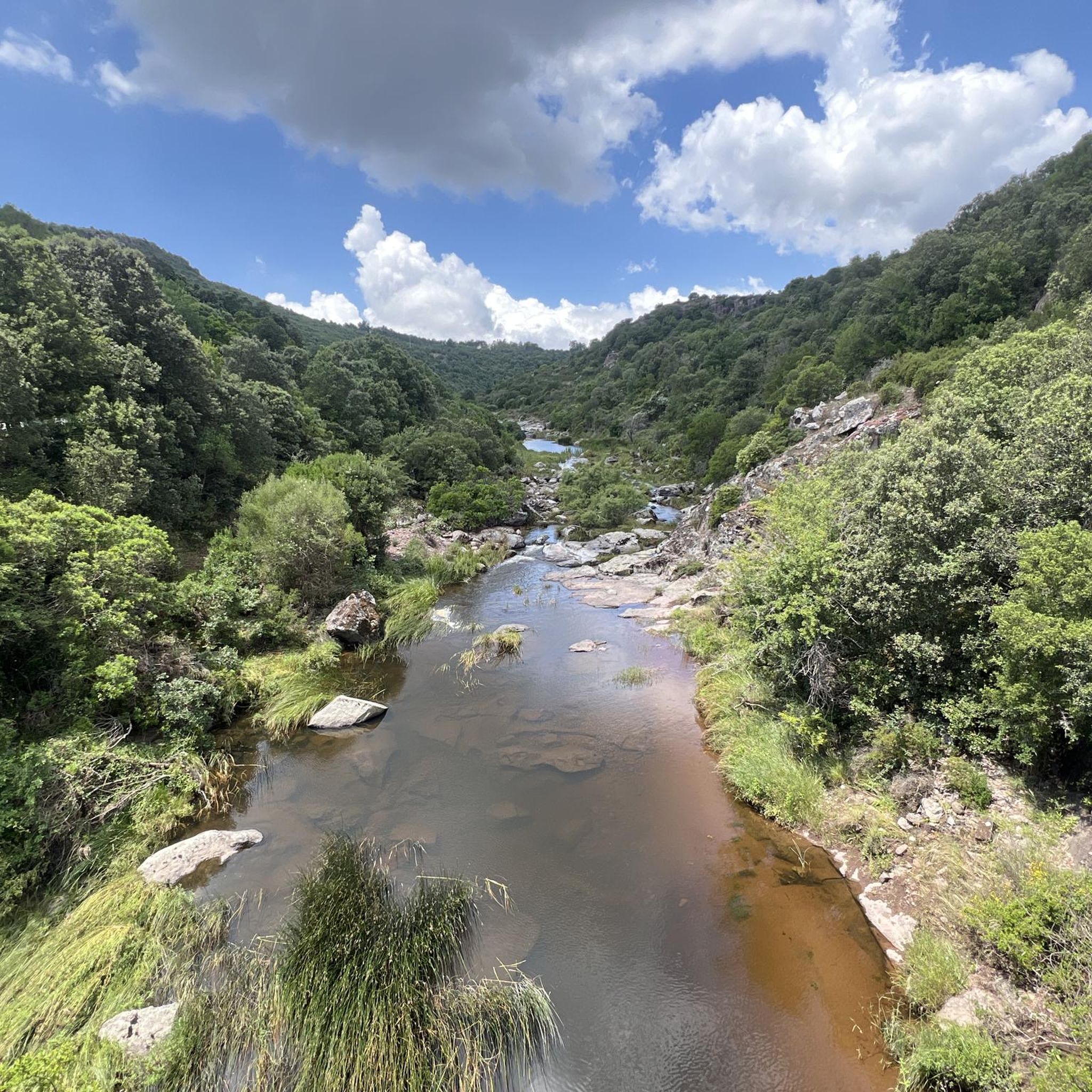
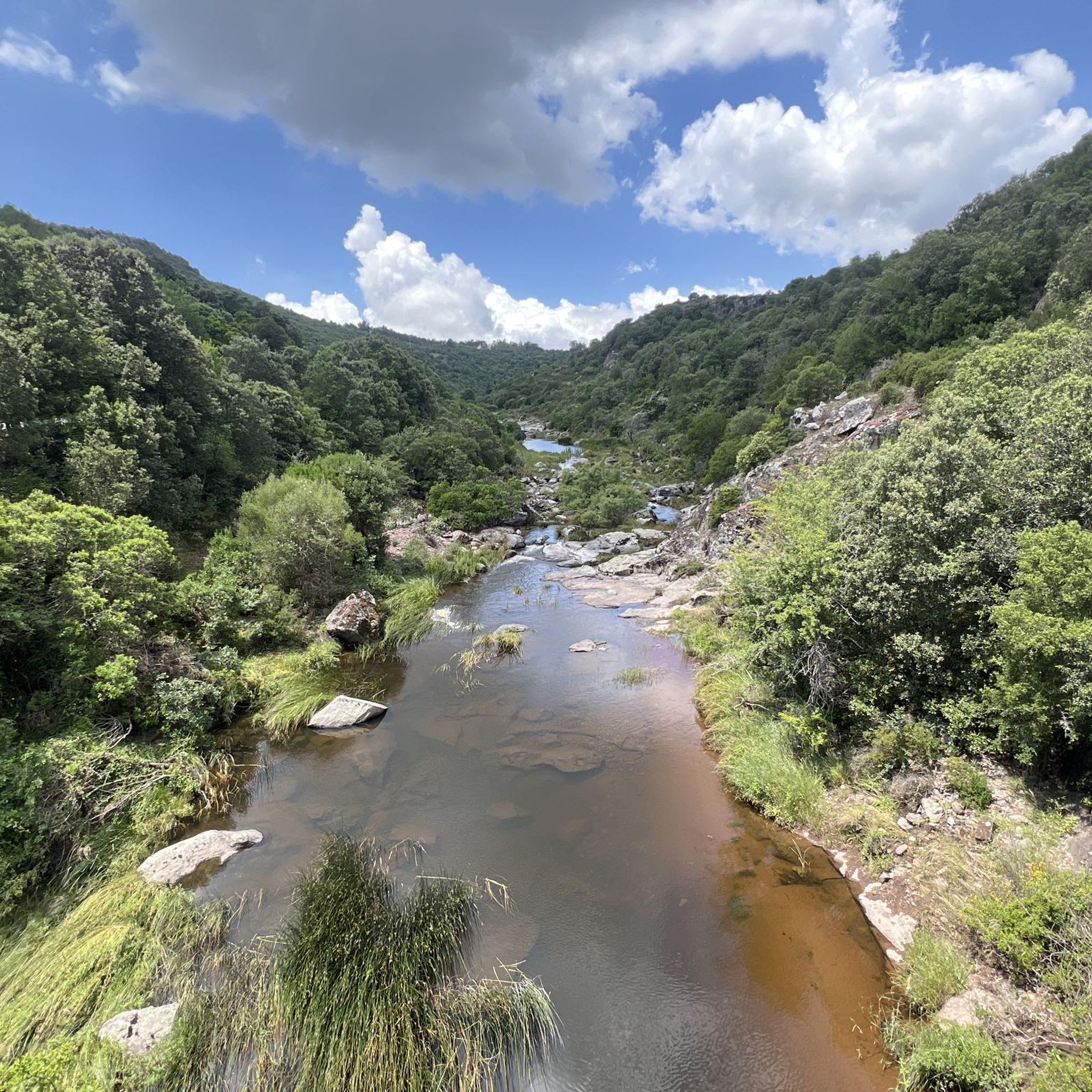
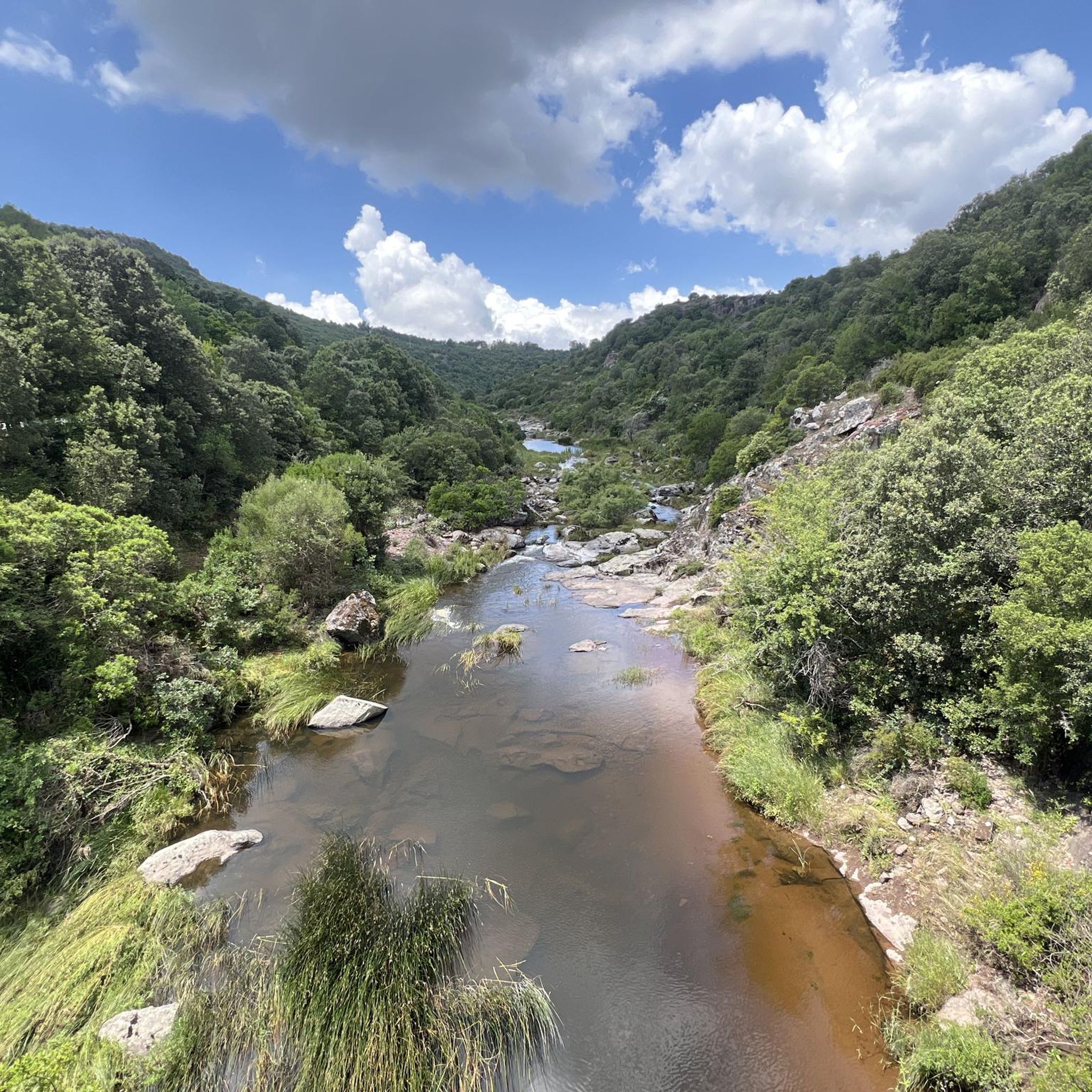
Tips from the Community

Wear sturdy shoes. Be sure-footed. Bring something to drink. Stunning scenery. The ground is firm and therefore easy to walk on.
1
0
The landscape is beautiful and wild in this season (March). The path is not as easy as described by other hikers. There are several passages on rocks both uphill and downhill. Then, once you get close to the Tower everything becomes easy
2
0

Bosa is an Italian municipality with 7,539 inhabitants (as of December 31, 2022) in the province of Oristano in western Sardinia. It is located about two kilometers from the sea in a wide valley on the Temo River and belongs to the association I borghi più belli d'Italia (The Most Beautiful Places in Italy).
3
0

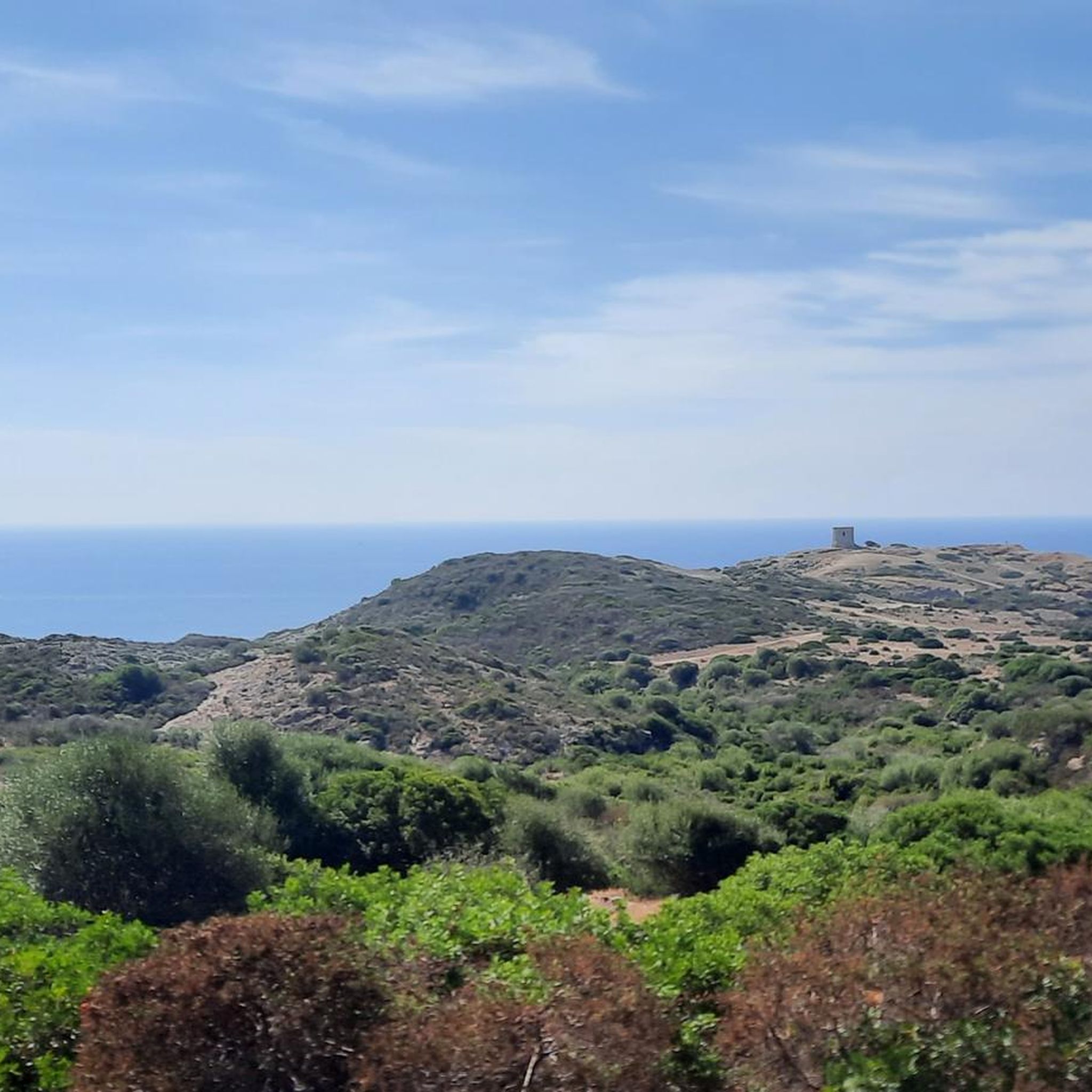
The Torre Argentina, built for defensive purposes in the final decades of the 16th century, served as a lightly armed garrison. It guaranteed constant visual contact with the Bosa tower and, further south, with that of Columbargia. As the sun sets, its solitary and dark figure, in harmony with the vivid and warm tones of the sky, offers an emotional experience. From this tower, various coastal paths wind through rosemary, myrtle, cistus and helichrysum, giving a unique beauty to the coast of this area.
5
0


As you climb the old, winding path through the colorful town of Bosa, you already feel that something special awaits you. Between the colorful house facades and the winding streets, the imposing Castello Malaspina, which towers high above the city, inevitably attracts your attention. Every step you take on this historic climb is not only a movement upward, but also a journey through time. When you finally reach the remains of this mighty fortification, a panorama that is second to none opens up before you. From here you can see the entire city, see the Temo River winding through the valley like a silver ribbon, and if the weather is good you can even see the sparkling blue of the sea. This castle, built in 1112 by the Tuscan noble family Malaspina dello Spino Secco, hides not only its architectural beauty but also mysterious legends. The stories about the jealous Marchese, who cut off his wife's fingers out of anger and madness, cast the walls of the castello in an even more intense light. Legend has it that some of the castle's rocks are the fossilized fingers or stone witnesses to this gruesome incident. But it's not just the old walls and legends that make this castle special - inside there's a small church with impressive frescoes that tell the stories of bygone times. And as you walk through these historic halls, you will be accompanied by the feeling that time has stood still here, high above Bosa.
3
0
The houses to your left and right glow in every color imaginable, as if an artist had spilled his palette over them. Welcome to Bosa, the hidden gem on Sardinia's west coast. Start your walk in the beating heart of the Centro Storico. Here, every step takes you deeper into the maze of narrow streets that wind their way up the slope. Flower pots made from old tin cans, creatively and lovingly designed by local residents, line your path and give the alleys a unique flair. As you continue to stroll through the old town, you will be accompanied by an ensemble of historic buildings, cozy restaurants and small shops. Every corner, every niche invites you to discover and linger. And despite its beauty, Bosa has retained its authentic charm and remains a place that is not overrun with tourists. But the real highlight awaits you at the end of your exploration tour: the climb to Castello Malaspina. Even if the way up requires a little effort, you will be rewarded with an incomparable panorama at the top. The view sweeps over the roofs of Bosa, along the Temo River to the horizon.
2
0

Parking is legal and free across the river.
3
1
Frequently Asked Questions
What historical sites can I explore in Montresta?
Montresta and its surroundings are rich in history. You can visit ancient archaeological sites such as the pre-nuragic Domus de Janas and several nuraghes, including Badu de Sa Rughe. The most significant is Sa Turre (Nuraghe Turre), a unique Punic monument in the Planargia territory. The Church of Sacro Cuore, built on medieval ruins, is also worth a visit.
What natural landscapes can I discover around Montresta?
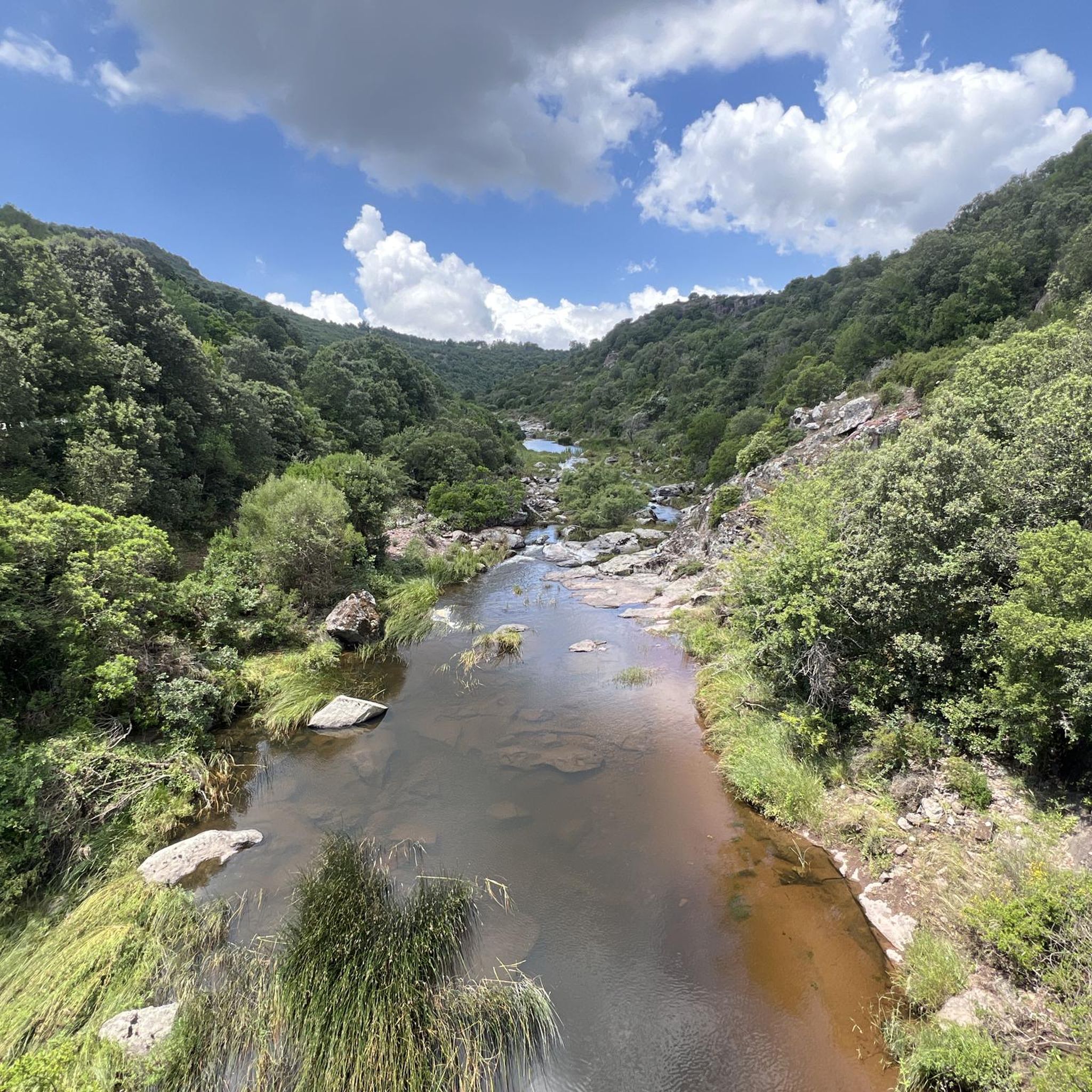
Montresta is nestled by Mount Navrino, offering spectacular landscapes with trachyte peaks. The area boasts a green expanse of woods, most notably the Silva Manna Forest, known for its splendid century-old cork oaks and rich Mediterranean shrubs like rosemary, myrtle, and helichrysum.
Are there any cultural traditions or unique crafts in Montresta?
Yes, Montresta is famous for its craftsmanship, particularly the production of beautiful handmade baskets woven from rush and asphodel. This tradition reflects the village's rich cultural heritage, with elements reminiscent of Greek art. The village also hosts a Mutton Festival and the Feast of San Cristoforo.
What are the best places for panoramic views near Montresta?
For breathtaking panoramic views, head to Malaspina Castle in Bosa. From its vantage point, you can see the colorful town of Bosa and the Temo River. Another excellent spot is Argentina Tower, especially at sunset, where you can enjoy emotional coastal vistas.
What cycling routes are available near Montresta's attractions?
There are several cycling options around Montresta. For touring bicycles, you can explore routes like the 'Bosa and Malvasia Wine Region Loop' or the 'Alghero-Bosa Scenic Road and Montresta Loop'. Road cyclists might enjoy the 'Alghero–Bosa Coastal Road – Roman Bridge loop'. You can find more details and routes in the Cycling around Montresta and Road Cycling Routes around Montresta guides.
Are there family-friendly attractions around Montresta?
Absolutely. The nearby town of Bosa offers several family-friendly spots. Strolling through the Colorful Alleys in Bosa's Old Town or exploring Bosa Old Town itself is a delightful experience for all ages, with its vibrant houses and charming streets. The town of Bosa is generally considered family-friendly, offering a relaxed atmosphere.
Where can I find beautiful coastal views or beaches near Montresta?
While Montresta is inland, the coast is easily accessible. The Argentina Tower offers stunning coastal views and is a great starting point for walks along paths winding through Mediterranean vegetation. Nearby Bosa also boasts attractive spots like Spiaggia di Bosa Marina, Cala S'Abba Druche, and Cane Malu for beach access and scenic beauty.
What do visitors enjoy most about the attractions near Montresta?
Visitors particularly love the vibrant and colorful atmosphere of Bosa's old town, often highlighting the charming narrow streets and historic buildings. The panoramic views from Malaspina Castle are also highly praised, as is the unique experience of watching the sunset from Argentina Tower. The blend of history, culture, and natural beauty captivates many.
Are there any gravel biking opportunities near Montresta?
Yes, gravel biking is an option around Montresta. Routes such as the 'Porto Conte Lagoon – Roman Bridge loop' or the 'Bosa – S'Abba Druche loop' offer diverse terrain for gravel enthusiasts. You can find more detailed routes and information in the Gravel biking around Montresta guide.
What is the '1 Euro Houses' project in Montresta?
Montresta has participated in the '1 Euro Houses' initiative. This project aims to revitalize abandoned rural areas by offering homes for a symbolic price, encouraging new residents to restore them. It's an effort to reclaim cultural identity and bring new life to the village.
What is the best time to visit Montresta and its surrounding attractions?
The best time to visit Montresta and the Planargia region is generally during the spring (late April to June) and early autumn (September to October). During these periods, the weather is pleasant for exploring historical sites, enjoying natural landscapes, and participating in local festivals like the Feast of San Cristoforo in late April. Summers can be quite hot, while winters are mild.
Most popular attractions around Montresta

Get inspired with the komoot mobile app


Explore more
Still not found the Highlight you’re looking for? See guides of the top attractions in other regions:
