Attractions and Places To See around Sèneghe/Seneghe - Top 20
Attractions and places to see around Sèneghe/Seneghe are found in a town nestled between mountains and the western Sardinian coast. This region is known for its rich history, natural springs, and connection to Sardinian traditions. Sèneghe/Seneghe is situated at the foot of Montiferru, offering views of the surrounding landscape. The area provides a blend of historical, natural, and cultural sites for exploration.
Best attractions and places to see around Sèneghe/Seneghe
- The most popular attractions is Casteddu Etzu (Montiferru Castle), a castle that is a ruined castle dating back to the 12th century. It offers a 360-degree panoramic view of the Montiferru mountain range.
- Another must-see spot is Torre Su Puttu, a 16th-century Spanish sighting and defense tower. This structure stands 18 meters above sea level and provides views of other coastal towers.
- Visitors also love Nuraghe Santa Cristina Archaeological Site, an archaeological area featuring a nuraghe and a fountain sanctuary. The complex is well worth seeing for its historical significance.
- Sèneghe/Seneghe is known for Nuragic monuments, historical sites, and natural features. There is a variety of historical, cultural, and natural attractions to explore.
- The attractions around Sèneghe/Seneghe are appreciated by the komoot community, with 23 upvotes and 15 photos shared.
Last updated: July 6, 2026
Casteddu Etzu (Montiferru Castle)
Highlight • Castle
Source: it.wikipedia.org/wiki/Castello_del_Montiferru
Translated by Google •
Tip by

Nuraghe Santa Cristina Archaeological Site
Highlight • Historical Site
Translated by Google •
Tip by

Sign up now to discover places like this
Get recommendations on the best single tracks, peaks, & plenty of other exciting outdoor places.
Sign up for free
Torre Su Puttu
Highlight • Monument
Translated by Google •
Tip by

High Plateau with Wildflowers
Highlight • Natural
Translated by Google •
Tip by

Santa Caterina di Pittinuri Beach
Highlight • Beach
Translated by Google •
Tip by

Sign up for free to discover even more attractions around Sèneghe/Seneghe.
Sign up for free
Already have an account?
Start today with a free account
Your next adventure awaits.
Login or Signup
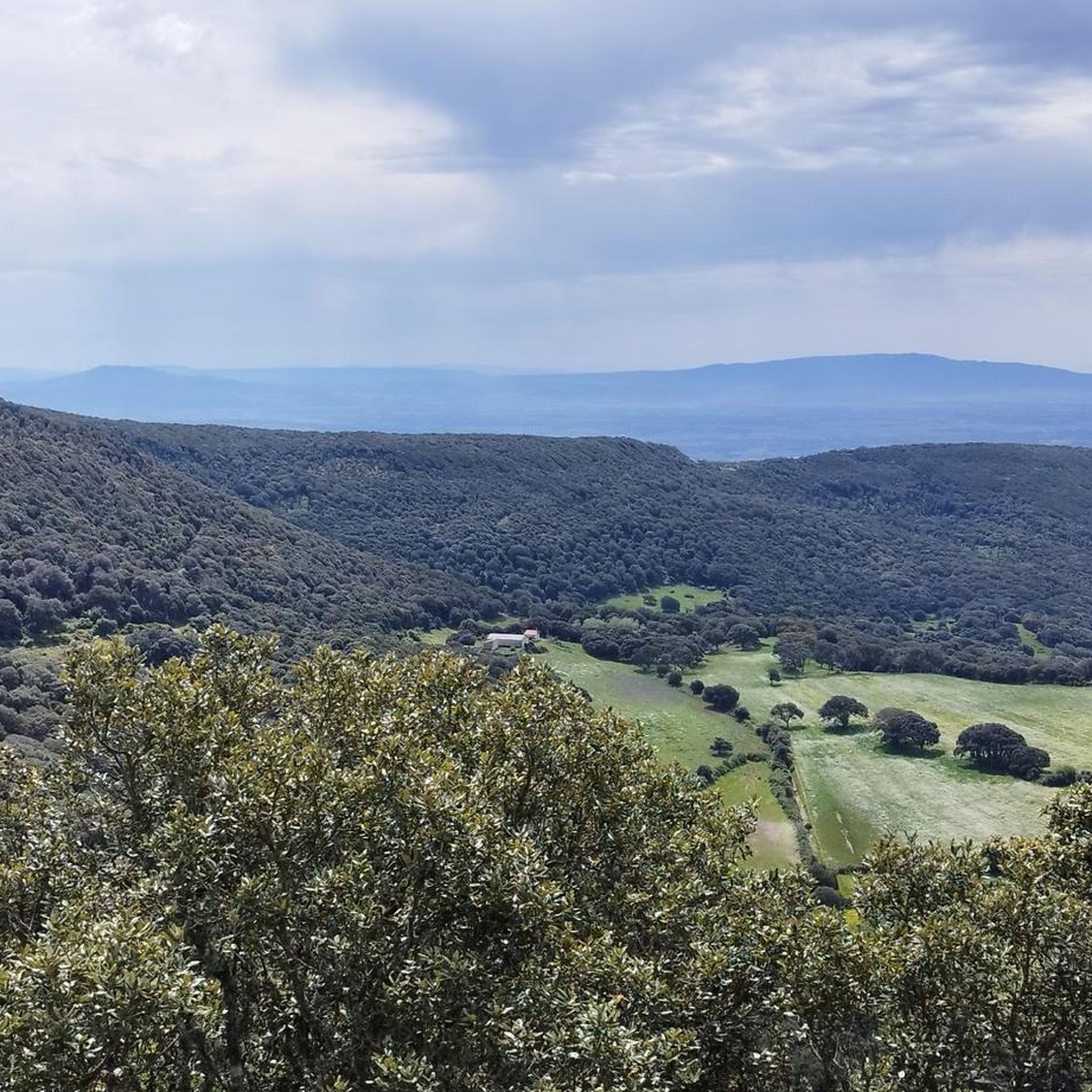
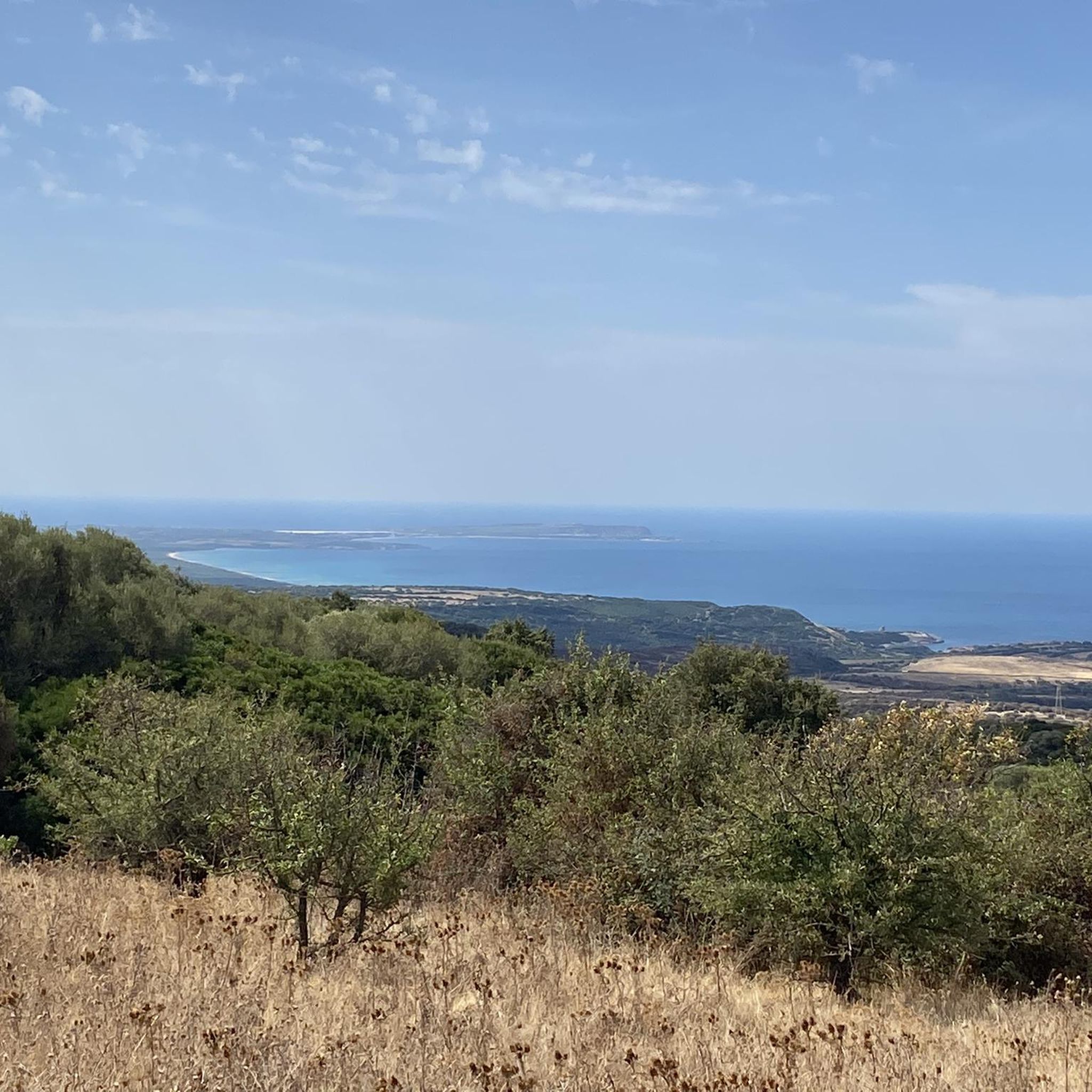
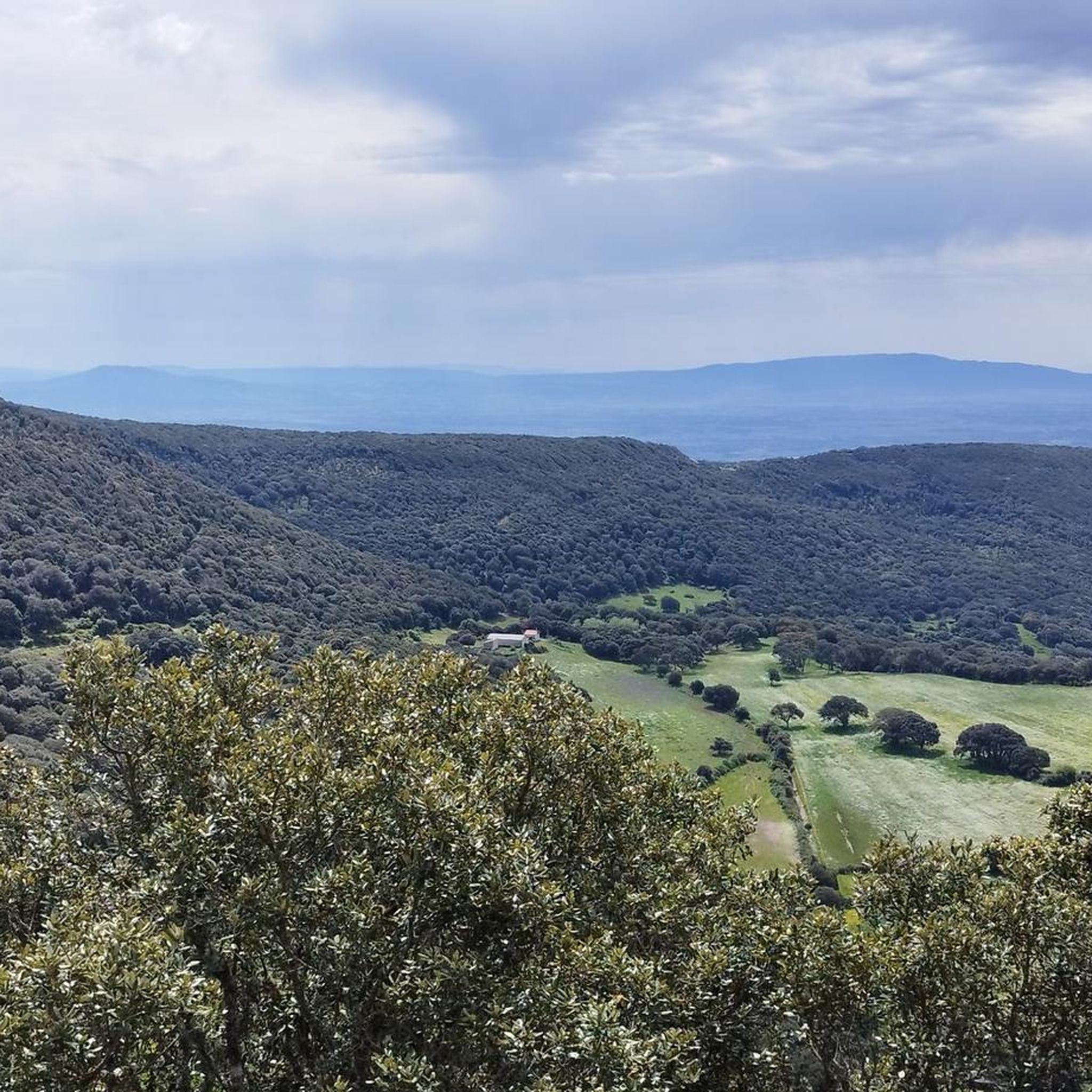
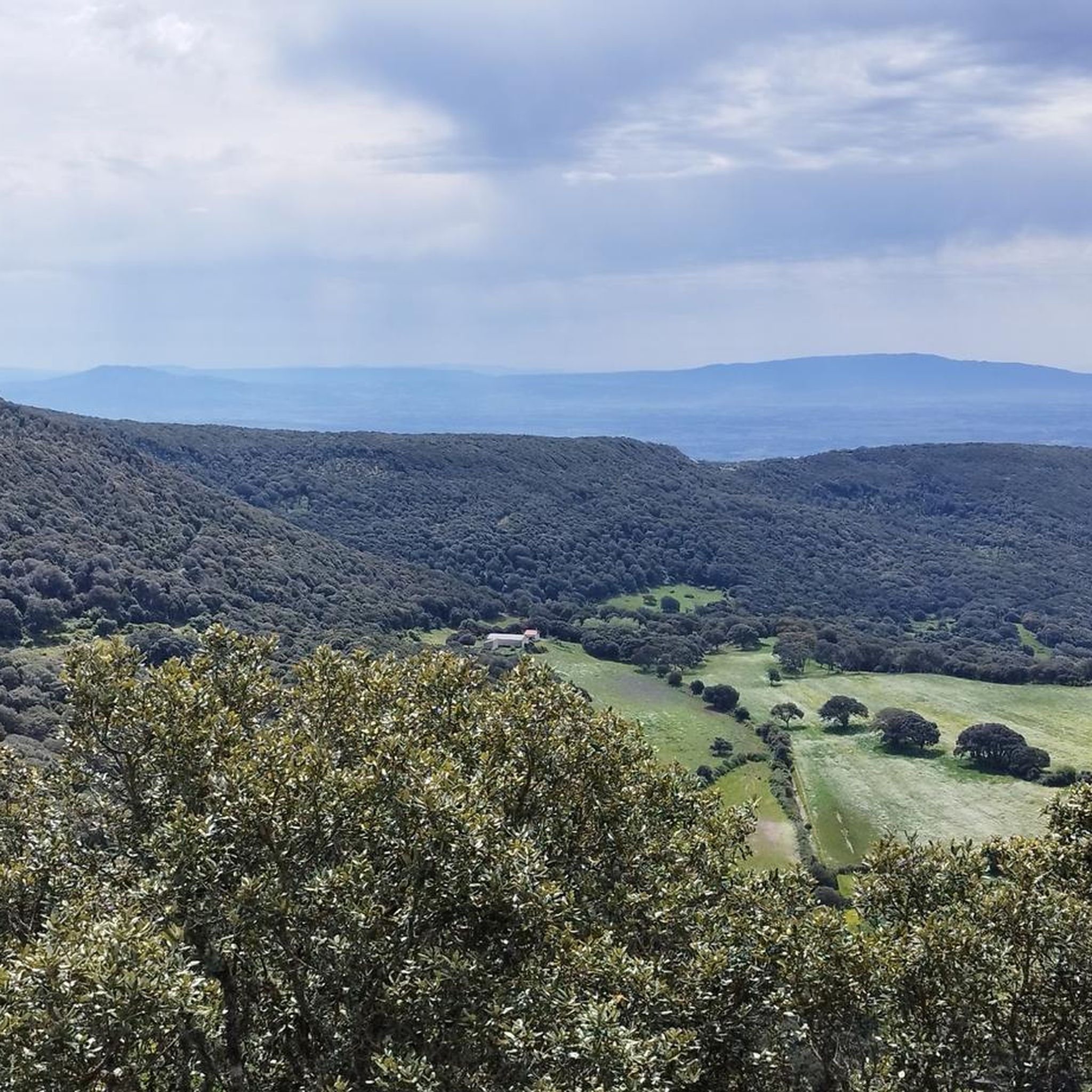

Tips from the Community

In 1860, La Marmora, in his Itinéraire, praised the monument, comparing it "to the Treasury of Atreus at Mycenae, Greece, described and illustrated by James Stuart". [4] In the early years of the 20th century, other sacred wells were investigated in Sardinia: Antonio Taramelli, an archaeologist of the first half of the 20th century, finally guessed their function. [5][6][7] His work is completed by Raffaele Pettazzoni, who, in his book on the beliefs of the ancient proto-Sardinians[8], describes the cult of water, also referring to comparisons outside the island. Despite the importance of the monument and its excellent state of preservation, it was necessary to wait until 1953 for the first excavations and restorations, which then continued with the Athnitzi campaigns of 1967-73 and 1977-83. [9] The last excavation campaigns were carried out by Bernardini in 1989-90 and by Arnold Lebeuf[10] between 2005 and 2010. Further research is planned, focusing mainly on the area of the Nuragic village[1] (which, however, had not yet been carried out as of 2012).
1
0
In 1841, Angius published a first summary description of the monumental complex in the Angius-Casalis dictionary:[2] «The country church of St. Christina, located in the territory of Paùli-Latìno, a quarter (4 km) from this town, also belongs to this priory (of Bonarcado), while it is two hours from Bonarcado. Nearby there are some casipole for the novenanti who compete there on the first of May. The main festival falls with great frequency on the 10th of the same and a pious procession to the fountain named after the saint, which has a peculiar shape and structure. On July 24th there is a memorial day on which the glorious death of the same is commemorated."
1
0
The site is essentially composed of two parts: the first, the best known and best studied, consists of the Well Temple, a sacred well of the nuragic period, to which are attached structures: a meeting hut, a perimeter enclosure and other smaller huts. The second part of the complex, about two hundred meters to the southwest, consists of a single-tower nuraghe, some elongated stone huts of unknown date and a nuragic village that has yet to be excavated and of which few illuminating elements are visible[1]. Although of limited archaeological interest, the Christian devotional area of the Church and Novenum of St. Christina integrates the complex, intended as a place where the novena is celebrated in honor of the saint.
1
0
The Nuragic Sanctuary of Santa Cristina is an archaeological area located in the municipality of Paulilatino, in the province of Oristano, in central-western Sardinia and in the southern part of the Abbasanta plateau. The site takes its name from the country church of Santa Cristina, which is located nearby.
1
0

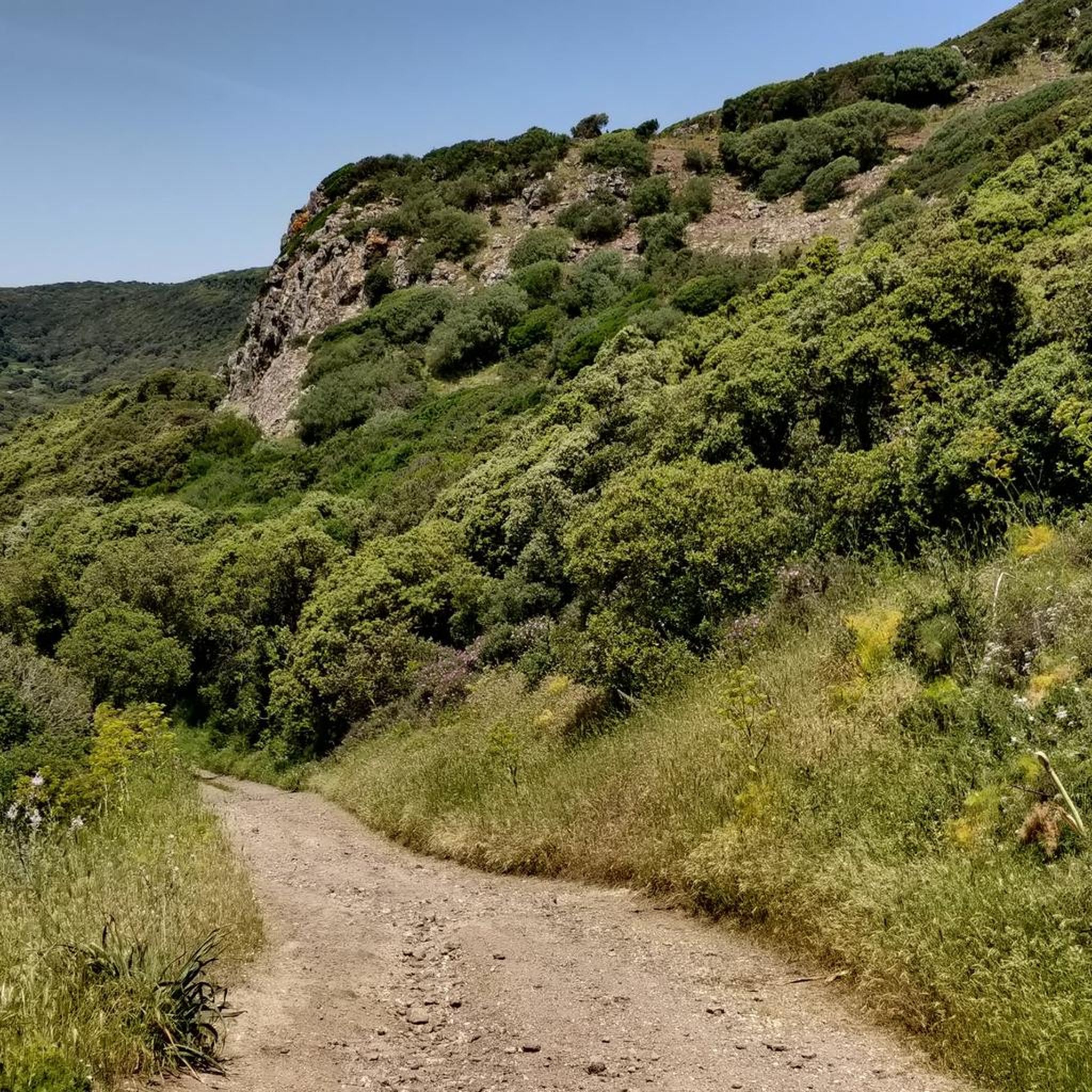
Part 2. We wanted to climb the southern section of the coast from the Rau Santa Caterina river, but soon realised that the beach had been completely covered with round stones due to coastal protection measures. The climb was originally possible via a path, but later it was clearly marked as private. With great effort we were able to get onto the old, heavily overgrown thorn bushes off the path and continue upwards. There we were finally confronted with several barrier fences running across the path, weighted down with stones to keep them on the ground. This was a clear sign that this natural area is being protected. We accept that it is important to preserve sensitive natural areas, even if this means that we are denied the breathtaking views of the bay. More impressions of this section can be found in the attached pictures.
0
0
Part 2. We wanted to climb the southern section of the coast from the Rau Santa Caterina river, but soon realised that the beach had been completely covered with round stones due to coastal protection measures. The climb was originally possible via a path, but later it was clearly marked as private. With great effort we were able to get onto the old, heavily overgrown thorn bushes off the path and continue upwards. There we were finally confronted with several barrier fences running across the path, weighted down with stones to keep them on the ground. This was a clear sign that this natural area is being protected. We accept that it is important to preserve sensitive natural areas, even if this means that we are denied the breathtaking views of the bay. More impressions of this section can be found in the attached pictures.
0
0
Path between Santa Caterina di Pittinuri (south of the Rau Santa Caterina river) to the Belvedere viewpoint is no longer accessible Part 1. The hiking trail between Santa Caterina di Pittinuri and the Belvedere viewpoint is no longer usable due to nature conservation measures. The original trails are partially overgrown and the route has shifted to private property.
0
0
Frequently Asked Questions
What historical sites can I explore in and around Sèneghe?
Sèneghe and its surroundings are rich in history. You can visit the ruined 12th-century castle, Casteddu Etzu (Montiferru Castle), which offers panoramic views. Another significant historical landmark is Torre Su Puttu, a 16th-century Spanish sighting and defense tower on the coast. Additionally, the Funtana Fraigada thermal springs are notable remains of Roman dominion in the area.
Are there any ancient Nuragic sites to visit near Sèneghe?
Yes, the region is dotted with Nuragic monuments. The most impressive is the majestic four-lobed royal Nuraghe of Mesu Maiore. Other well-preserved Nuraghes include Narba, Zinzimureddos, Campu, Lande, and Littu. You can also find Giant's Tombs like Serrelizzos, S'Omo de sas Zanas, and Sa Fache 'e S'Altare near Nuraghe Masu Maiore. The Nuraghe Santa Cristina Archaeological Site, though slightly further afield, is also a significant complex featuring a nuraghe and a fountain sanctuary.
Where can I find scenic viewpoints in the Sèneghe area?
For breathtaking views, head to Casteddu Etzu (Montiferru Castle), which provides a 360-degree panorama of the Montiferru mountain range. The Montiferru mountain itself offers stunning vistas of Campidano, the Sinis peninsula, and the peaks of Gennargentu. The coastal Torre Su Puttu also offers views of other coastal towers and the sea.
What natural attractions are there to see around Sèneghe?
Sèneghe is nestled at the foot of Montiferru, a mountain covered in lush Mediterranean vegetation, perfect for excursions. You can explore the forests of Pabassiu and Su Monte, known for their century-old holm oaks and holly trees. The area is also rich in natural spring water. Don't miss the Santa Caterina di Pittinuri Beach, characterized by a large bay and unique pebbles, or the popular Sos Molinos Waterfall.
Are there any beaches or coastal spots near Sèneghe?
Yes, the beautiful Santa Caterina di Pittinuri Beach is located nearby. It features a large bay protected by the limestone cliff of Sa Rocca de Cagaràgas and the 15th-century Aragonese Torre di Pittinuri. The beach is known for its smooth dark gray pebbles and golden-amber sand, with transparent, shallow waters suitable for families.
What outdoor activities or hiking trails are available near Sèneghe?
The Montiferru mountain offers excellent opportunities for outdoor activities. You can find numerous hiking trails, including moderate and difficult options. For specific routes, explore the Hiking around Sèneghe/Seneghe guide, which features trails like the Bia Josso Waterfalls loop or the Trail Around Su Mullone. There are also options for running and gravel biking in the area.
What cultural events or festivals take place in Sèneghe?
Sèneghe is deeply connected to its traditions. In December, after the new olive oil production, the 'Prentzas Apertas' (Open Oil Mills) festival takes place, where traditional houses open to the public. Early September hosts the International Festival of Cabudanne 'e Sos Poetas, attracting literature enthusiasts. Traditional festivals include Carnival, which kicks off on January 20th, and religious festivals like Holy Week rituals and feast days for Saint Antonio and Saint John.
Is Sèneghe a good destination for families?
Yes, Sèneghe offers several family-friendly options. The Santa Caterina di Pittinuri Beach has shallow, transparent waters, making it suitable for children. Exploring the natural springs and forests of Montiferru can also be an engaging activity for families. Many of the cultural festivals and events, such as Prentzas Apertas, offer a glimpse into local traditions that can be enjoyed by all ages.
What is Sèneghe known for culturally or gastronomically?
Sèneghe is widely known as the 'olive oil capital' of Sardinia, renowned for its award-winning olive oil. The town celebrates this heritage with events like 'Prentzas Apertas' where you can sample local olive oil, honey, sweets, and pastries. It also has a vibrant cultural scene with traditional festivals, dances, and the International Festival of Cabudanne 'e Sos Poetas.
Are there any unique or 'hidden gem' attractions in the area?
Beyond the main highlights, consider visiting the abandoned Su Enturgiu Mine and Mining Town. This location offers a glimpse into industrial archaeology, set amidst beautiful forests, providing a unique and less-traveled experience. Exploring the various historic mansions during events like Prentzas Apertas can also reveal hidden architectural beauty.
What is the best time of year to visit Sèneghe for outdoor activities?
The Montiferru region, including Sèneghe, is ideal for outdoor activities during spring and autumn when temperatures are milder and the landscape is lush. Spring brings wildflowers, while autumn offers pleasant weather for hiking and exploring the forests. Summer can be quite warm, making coastal activities more appealing, but early mornings or late afternoons are still suitable for mountain excursions.
Most popular routes around Sèneghe/Seneghe
Most popular attractions around Sèneghe/Seneghe

Get inspired with the komoot mobile app


Explore more
Still not found the Highlight you’re looking for? See guides of the top attractions in other regions:
