Attractions and Places To See around Tinnura - Top 20
Best attractions and places to see around Tinnura, a village in Sardinia, Italy, is known for its rich cultural heritage and artistic expressions, often referred to as an "open-air museum" due to its numerous murals. The area is characterized by a basalt plateau overlooking the fertile Modolo valley, shaped by agriculture and sheep farming. It features ancient pre-Nuragic and Nuragic sites, alongside traditional crafts like basket weaving.
Best attractions and places to see around Tinnura
- The most popular attractions is…
Last updated: August 29, 2026
Colorful Alleys in Bosa's Old Town
Highlight • Settlement
Translated by Google •
Tip by

Bosa Old Town
Highlight • Settlement
Translated by Google •
Tip by

Sign up now to discover places like this
Get recommendations on the best single tracks, peaks, & plenty of other exciting outdoor places.
Sign up for free
Malaspina Castle, Bosa
Highlight • Castle
Translated by Google •
Tip by

Bosa
Highlight • Settlement
Translated by Google •
Tip by

Cathedral of the Immaculate Conception (Bosa Cathedral)
Highlight • Religious Site
Tip by

Sign up for free to discover even more attractions around Tinnura.
Sign up for free
Already have an account?
Start today with a free account
Your next adventure awaits.
Login or Signup
Tips from the Community

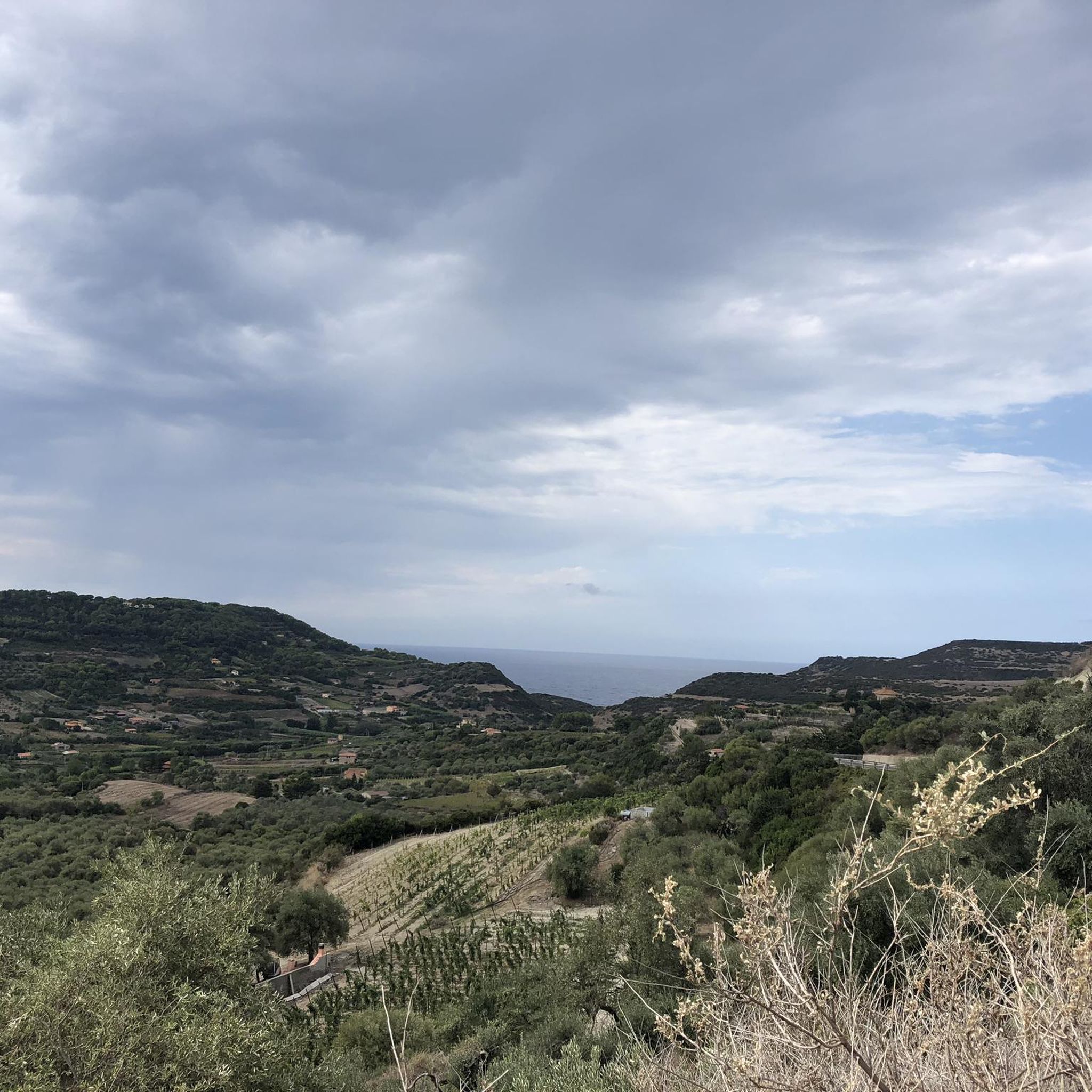
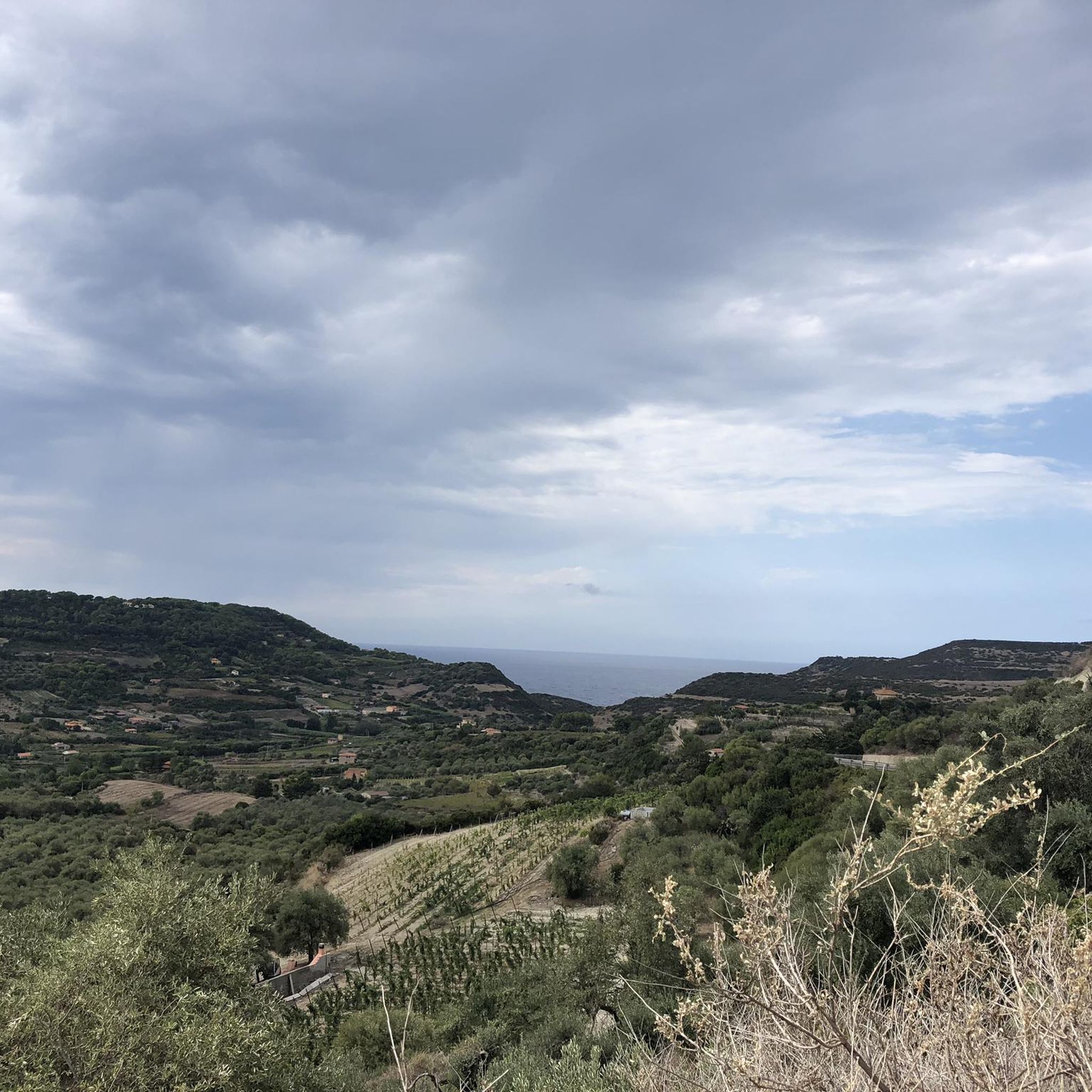
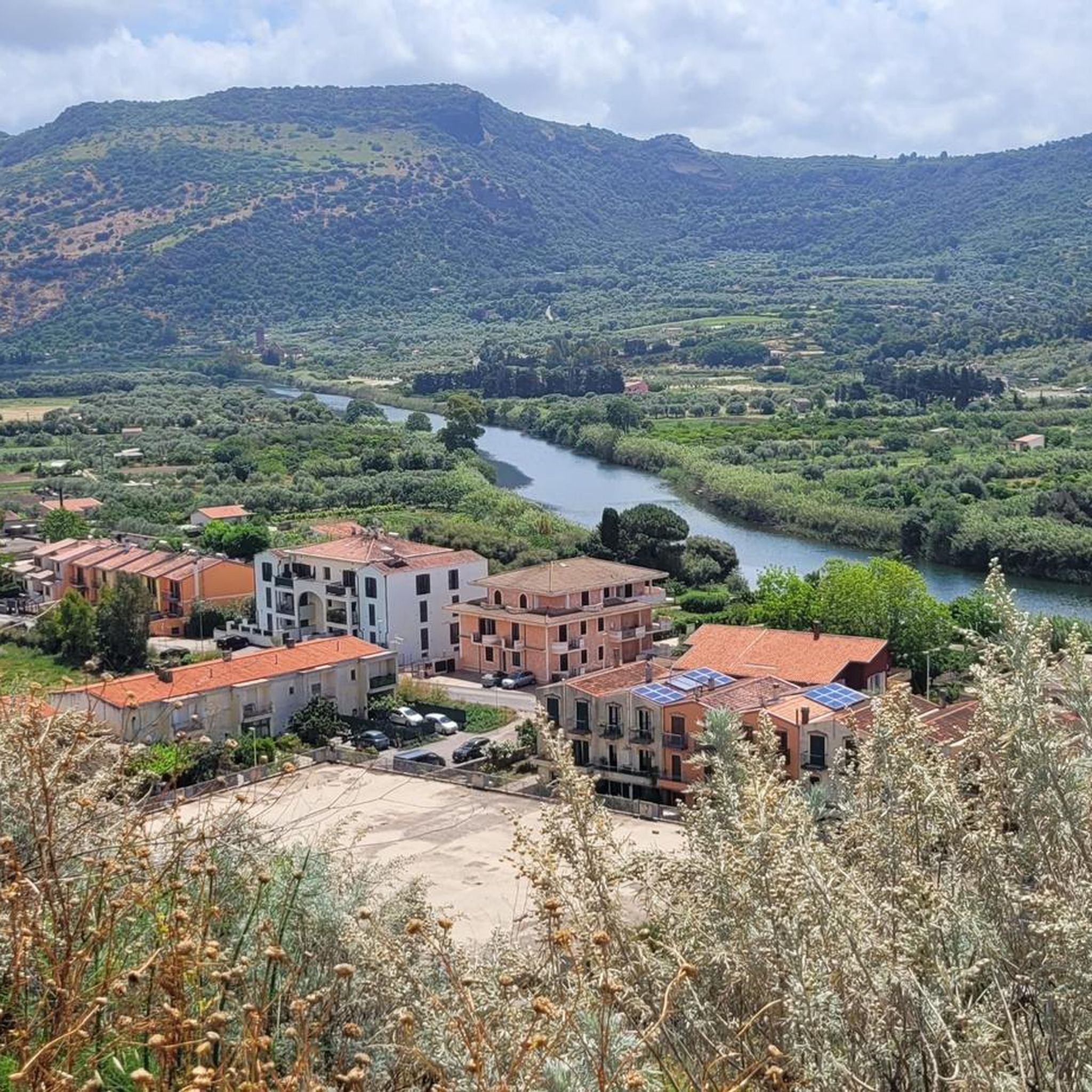
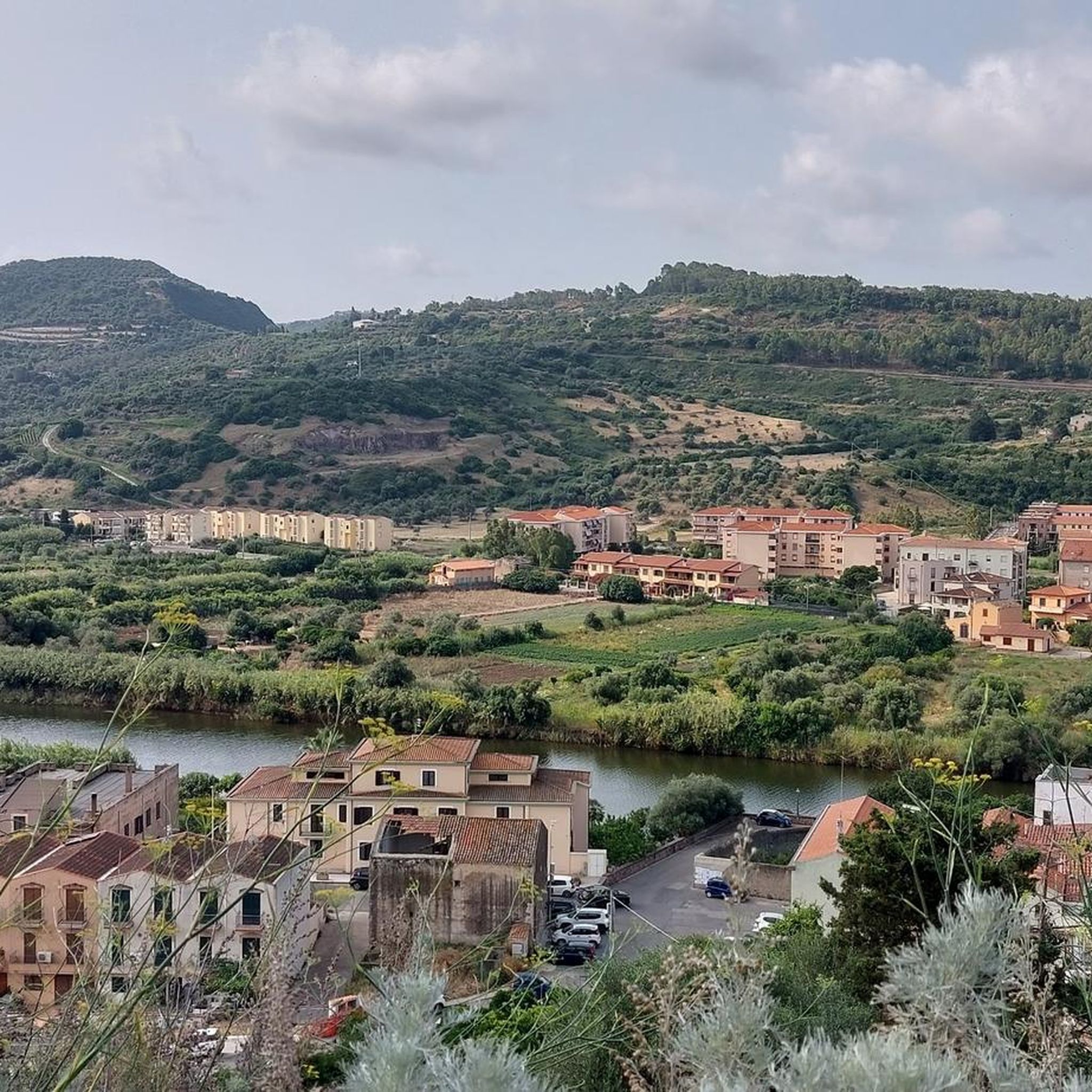
Bosa is an Italian municipality with 7,539 inhabitants (as of December 31, 2022) in the province of Oristano in western Sardinia. It is located about two kilometers from the sea in a wide valley on the Temo River and belongs to the association I borghi più belli d'Italia (The Most Beautiful Places in Italy).
3
0

you can also visit
0
1


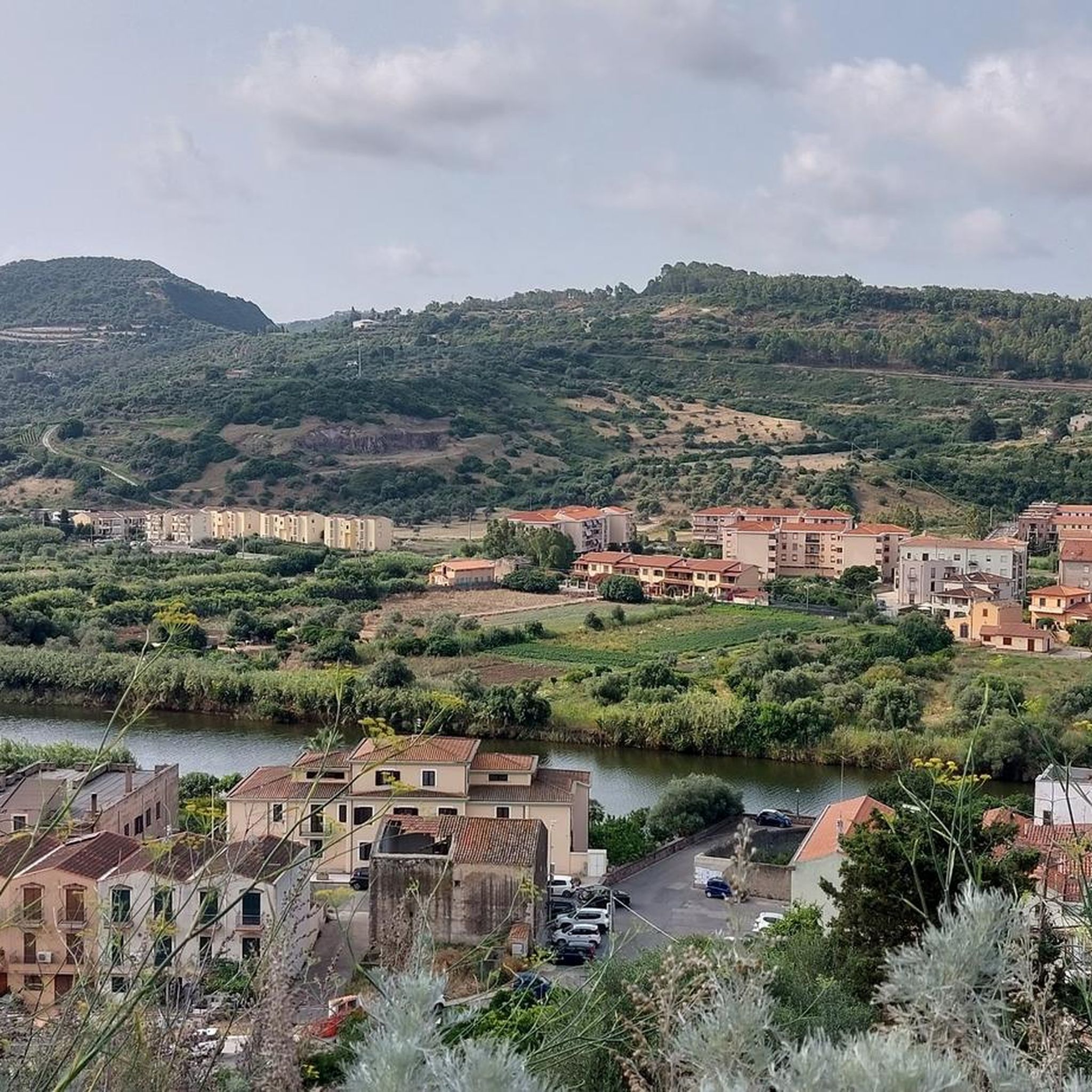
As you climb the old, winding path through the colorful town of Bosa, you already feel that something special awaits you. Between the colorful house facades and the winding streets, the imposing Castello Malaspina, which towers high above the city, inevitably attracts your attention. Every step you take on this historic climb is not only a movement upward, but also a journey through time. When you finally reach the remains of this mighty fortification, a panorama that is second to none opens up before you. From here you can see the entire city, see the Temo River winding through the valley like a silver ribbon, and if the weather is good you can even see the sparkling blue of the sea. This castle, built in 1112 by the Tuscan noble family Malaspina dello Spino Secco, hides not only its architectural beauty but also mysterious legends. The stories about the jealous Marchese, who cut off his wife's fingers out of anger and madness, cast the walls of the castello in an even more intense light. Legend has it that some of the castle's rocks are the fossilized fingers or stone witnesses to this gruesome incident. But it's not just the old walls and legends that make this castle special - inside there's a small church with impressive frescoes that tell the stories of bygone times. And as you walk through these historic halls, you will be accompanied by the feeling that time has stood still here, high above Bosa.
3
0
The houses to your left and right glow in every color imaginable, as if an artist had spilled his palette over them. Welcome to Bosa, the hidden gem on Sardinia's west coast. Start your walk in the beating heart of the Centro Storico. Here, every step takes you deeper into the maze of narrow streets that wind their way up the slope. Flower pots made from old tin cans, creatively and lovingly designed by local residents, line your path and give the alleys a unique flair. As you continue to stroll through the old town, you will be accompanied by an ensemble of historic buildings, cozy restaurants and small shops. Every corner, every niche invites you to discover and linger. And despite its beauty, Bosa has retained its authentic charm and remains a place that is not overrun with tourists. But the real highlight awaits you at the end of your exploration tour: the climb to Castello Malaspina. Even if the way up requires a little effort, you will be rewarded with an incomparable panorama at the top. The view sweeps over the roofs of Bosa, along the Temo River to the horizon.
2
0

Parking is legal and free across the river.
3
1
Remains of a fortification above the city. The climb is worth it because of the view.
3
0
Frequently Asked Questions
What are the main cultural and artistic attractions in Tinnura itself?
Tinnura is renowned as an "open-air museum" thanks to its vibrant collection of over 20 murals (Murales di Tinnura) that adorn the village's houses, depicting its history, traditions, and daily life. Beyond the murals, you can discover statues and monuments by Sardinian artists like Simplicio Derosas and Pinuccio Sciola in its squares. The village also has a strong tradition of basket weaving, using local plants like asphodel.
Are there any historical sites from ancient times near Tinnura?
Yes, the area around Tinnura has ancient origins. You can explore pre-Nuragic sites, including several menhirs. Significant Bronze Age sites include the complex structure of Nuraghe Tres Bias (or Trobia) and the impressive Tomb of Giants su Crastu Covocadu, one of the largest and most important on the island, where Roman-era artifacts have also been found.
What kind of natural landscapes can I expect to see around Tinnura?
Tinnura is situated on a basalt plateau that offers views over the fertile Modolo valley. The surrounding landscape is characterized by traditional agricultural practices, featuring extensive olive groves and vineyards. You'll find a mix of cultivated land and natural features shaped by the region's geology.
What are the best attractions for families visiting the Tinnura area?
Families will enjoy exploring the colorful streets of Colorful Alleys in Bosa's Old Town and Bosa Old Town, which are known for their vibrant houses and festive atmosphere. The Cathedral of the Immaculate Conception (Bosa Cathedral) is also family-friendly. Additionally, the nearby beaches of Bosa Marina (about 10 km away) offer crystal-clear waters for swimming and relaxation.
What outdoor activities, such as hiking or cycling, are available near Tinnura?
The Tinnura area offers various outdoor activities. For hiking, you can find easy to moderate trails around Bosa, such as the 'Bosa's Ponte Vecchio – Bosa Old Town loop' or 'Cane Malu Beach – Cala dei Due Mori loop'. Cyclists can explore routes like the 'Bosa – View of Bosa loop' or the 'Porto Alabe Coastal Road loop'. You can find more details and routes on the Hiking around Tinnura and Cycling around Tinnura guide pages.
What is the significance of the Parish Church of Sant'Anna in Tinnura?
The Parish Church of Sant'Anna is a 17th-century church in Tinnura, notable for its elegant bell tower with distinctive red-brick stripes. It serves as a central point for village life, particularly during the celebrations for the patron saint held at the end of July.
Can I experience traditional Sardinian crafts in Tinnura?
Yes, Tinnura has a strong connection to traditional basket weaving. The village is known for its artisans who craft baskets from local materials like asphodel, cane, and willow. You might even see plant fibers drying in the spring, prepared for this ancient craft. The Funtana 'e giosso, an old fountain, was historically used for macerating asphodel for this purpose.
What do visitors enjoy most about the attractions around Tinnura?
Visitors particularly enjoy the vibrant atmosphere and artistic details of the Colorful Alleys in Bosa's Old Town, especially the unique flower pot decorations made from tin cans. The Bosa Old Town is appreciated for its colorful buildings, idyllic river setting, and numerous historic buildings and restaurants. The panoramic views from Malaspina Castle, Bosa are also a highlight for many.
Is Tinnura known for any local food or drink specialties?
Yes, Tinnura is located within the Malvasia di Bosa production area, making it known for its excellent Malvasia wine. This sweet white wine is a local specialty that you can often find and taste in the region.
How can I travel to Tinnura using public transport?
Tinnura has a railway station that is part of the Macomer-Bosa line. During the summer months, this line is used by the Trenino Verde, a tourist train service, offering a scenic way to reach the village and explore the surrounding area.
What is the best time of year to visit Tinnura?
While Tinnura's murals and historical sites can be enjoyed year-round, visiting in spring allows you to see plant fibers drying for basket weaving. The end of July is when the village celebrates its patron saint, offering a cultural experience. For outdoor activities like hiking and cycling, spring and early autumn generally offer pleasant weather.
Are there any hidden gems or lesser-known spots to discover near Tinnura?
Beyond the well-known murals, exploring the village's smaller streets can reveal charming statues by local artists and the historic Funtana 'e giosso, an old fountain with an architraved entrance. The Fontana dello Zodiaco is another notable fountain. For ancient history enthusiasts, seeking out the menhirs and the impressive Nuraghe Tres Bias offers a deeper dive into the region's past.
Most popular attractions around Tinnura

Get inspired with the komoot mobile app


Explore more
Still not found the Highlight you’re looking for? See guides of the top attractions in other regions:
