Attractions and Places To See around Arriora/Riola Sardo - Top 20
Best attractions and places to see around Arriora/Riola Sardo is a region on the Sinis Peninsula in Sardinia, characterized by its blend of natural beauty, historical sites, and cultural heritage. The area features a diverse coastline with limestone cliffs and sandy beaches, alongside significant archaeological remains from the Nuragic Ages. Coastal ponds and saline wetlands contribute to the region's biodiversity, providing habitats for various bird species. This location serves as a base for exploring the Oristano province and the Sinis…
Last updated: August 30, 2026
Is Arutas
Highlight • Beach
Translated by Google •
Tip by

Seu Tower
Highlight • Monument
Translated by Google •
Tip by

Sign up now to discover places like this
Get recommendations on the best single tracks, peaks, & plenty of other exciting outdoor places.
Sign up for free
Cathedral of St. Mary of the Assumption
Highlight • Religious Site
Translated by Google •
Tip by

The picturesque village of San Salvatore di Sinis
Highlight • Settlement
In reality, nothing you see justifies thinking of it as a fishing village; all the typical elements are missing: proximity to the sea, boats and nets …
Translated by Google •
Tip by

Torre Su Puttu
Highlight • Monument
Translated by Google •
Tip by
Sign up for free to discover even more attractions around Arriora/Riola Sardo.
Sign up for free
Already have an account?
Start today with a free account
Your next adventure awaits.
Login or Signup
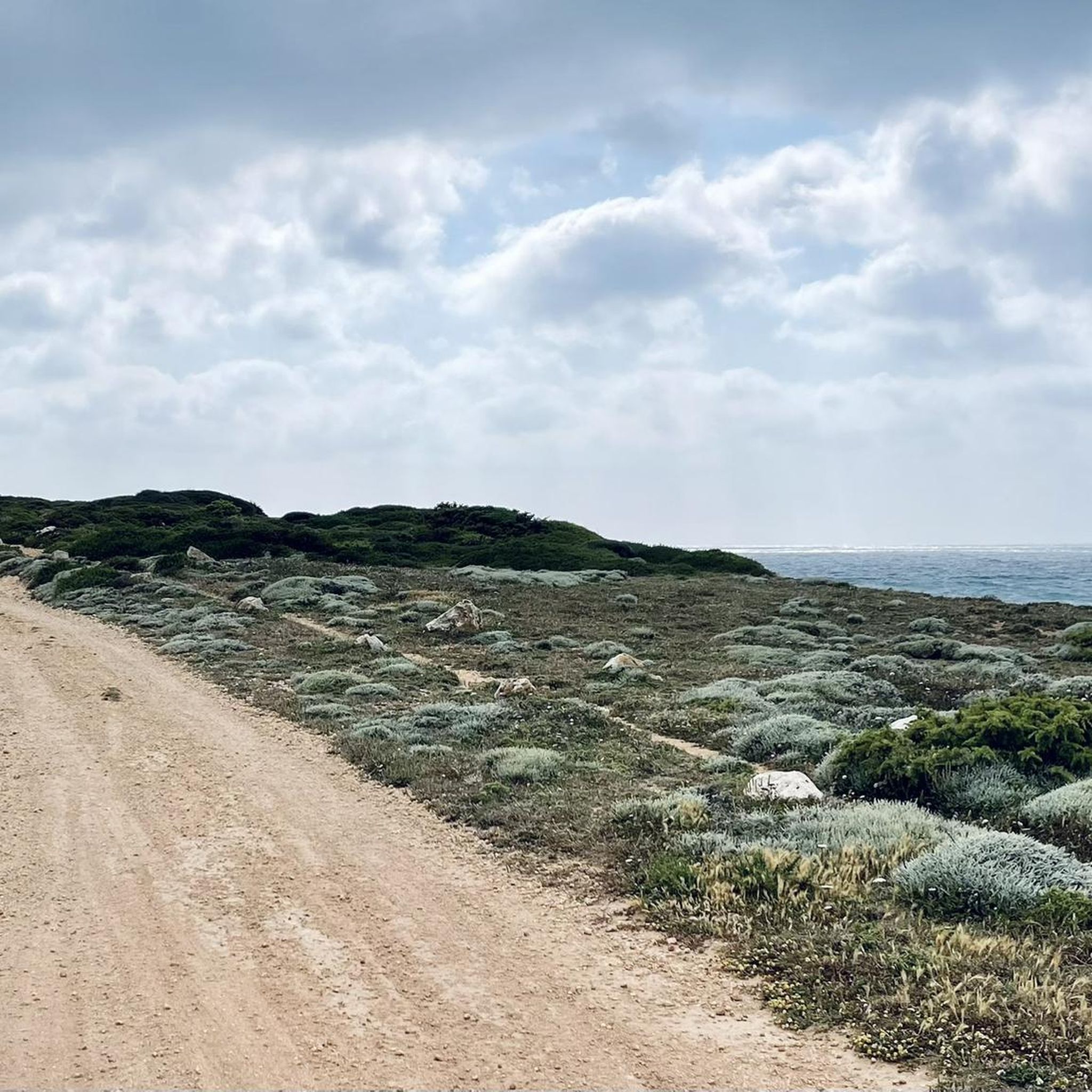
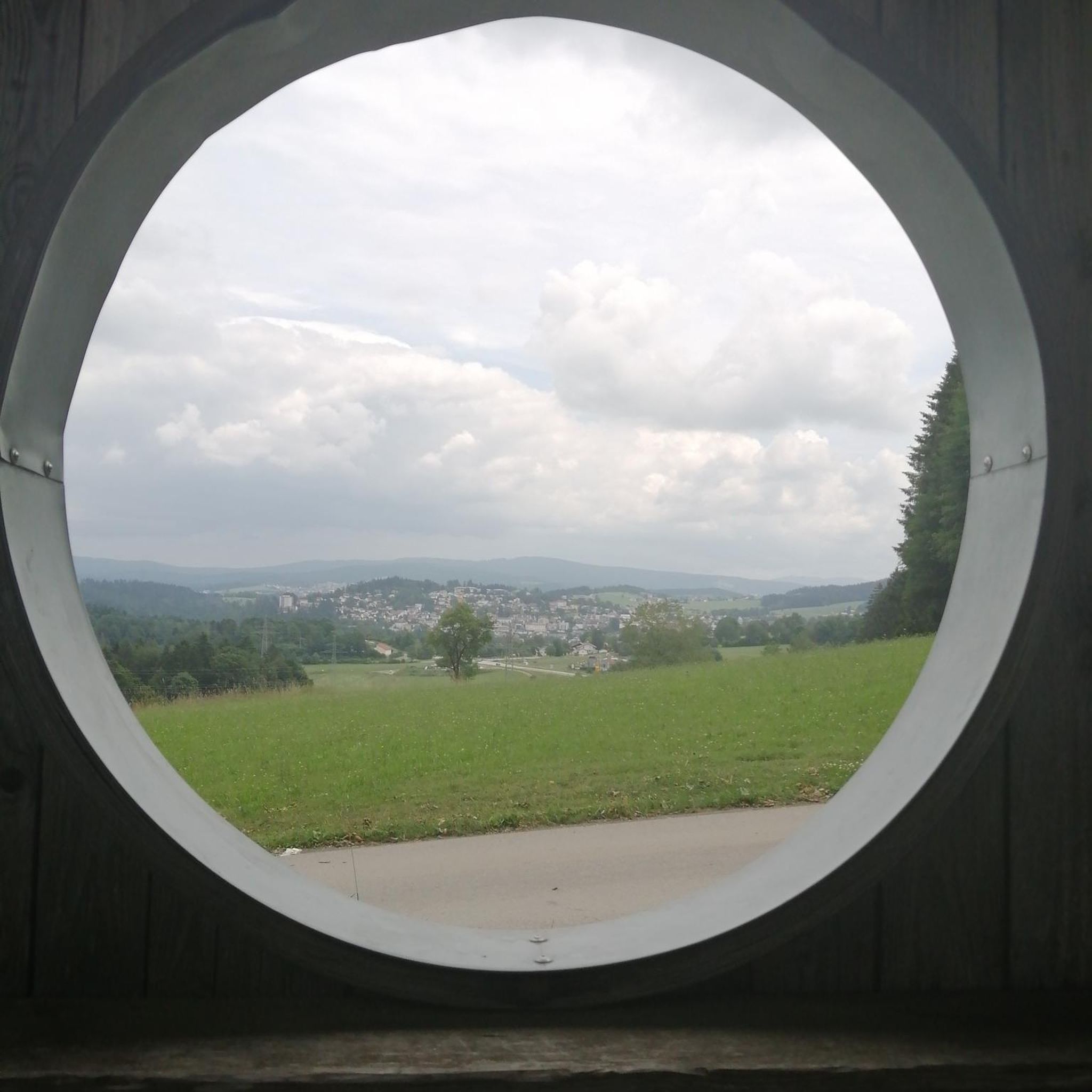
Tips from the Community

Beautiful baroque cathedral with a separate bell tower.
1
0


Several western movies have been filmed in this village.
0
0

Old watchtower, somewhat dilapidated (cannot be visited). Very nice location directly on the rocky coast.
0
0

The Torre is actually fenced, but there are various holes in the fence. The view of the sea is pretty.
2
0

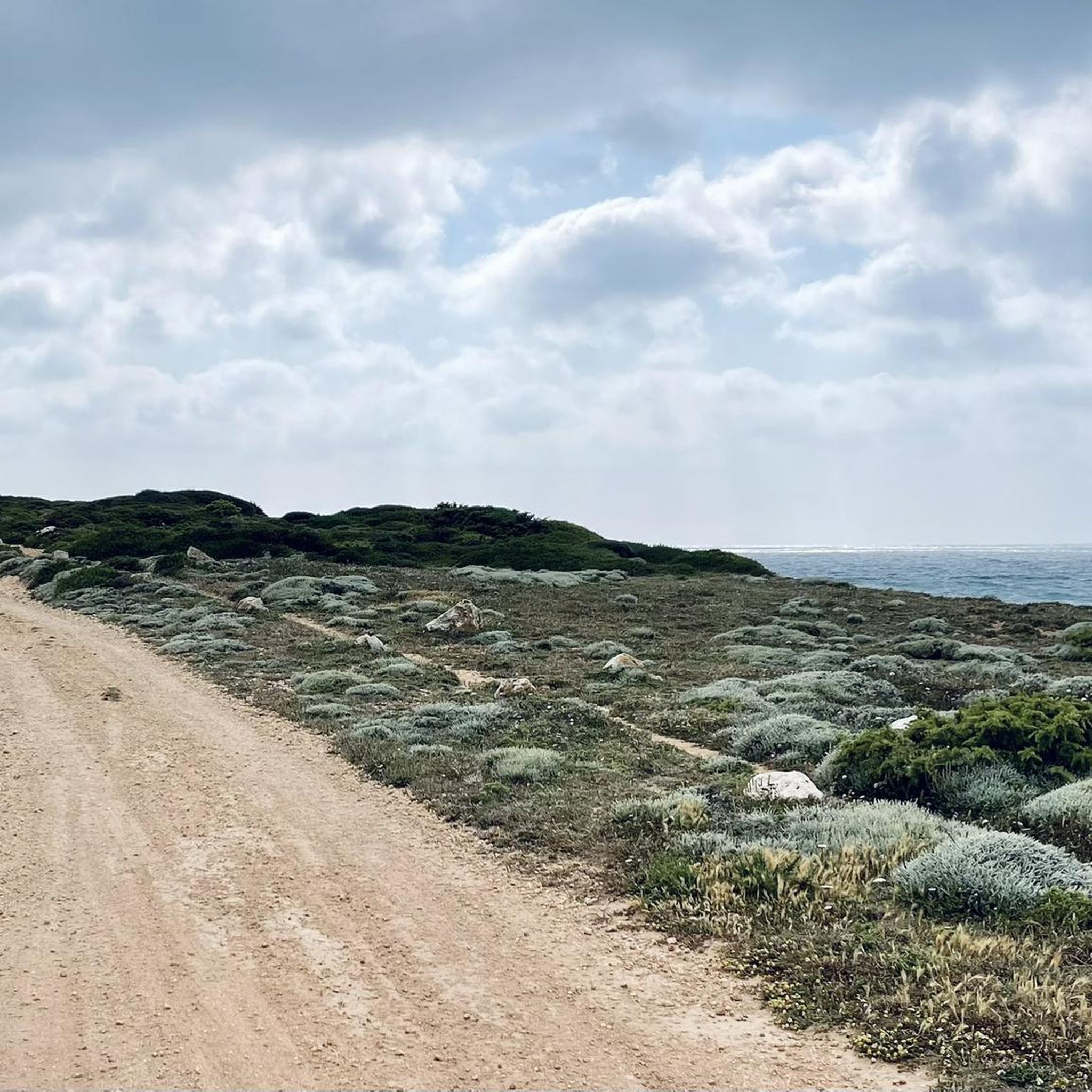
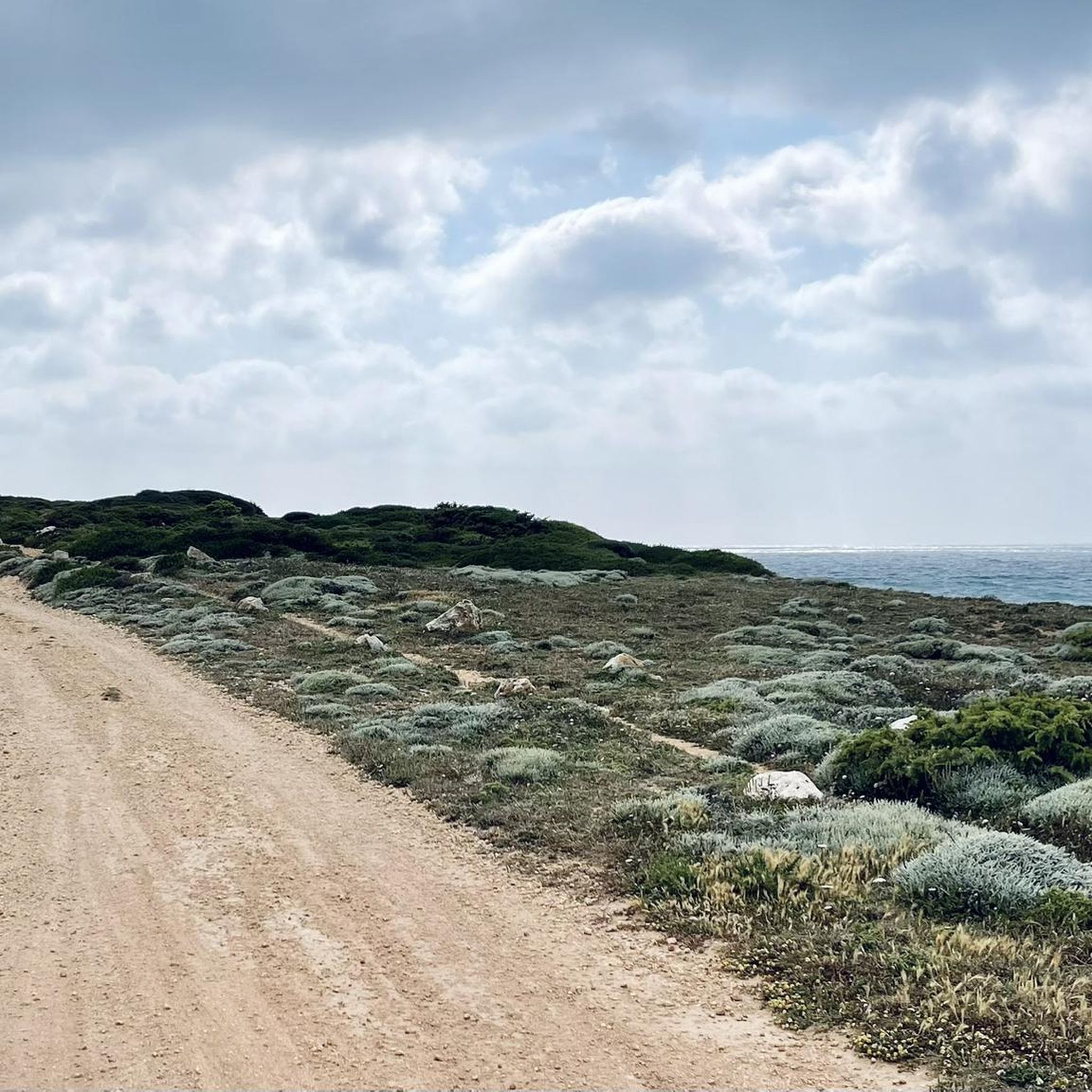
The Seu oasis presents a vast area of Mediterranean scrub that extends to cover the northern promontory of the San Giovanni di Sinis inlet up to the cliff overlooking the sea. Overlooking the landscape, almost suspended over the sea, you will find the Seu tower, called in Campidanese Sardinian "Turr'e Seu", a fortress built by the Spanish crown at the end of the 16th century. The entrance is located approximately four meters above the ground, leading to a room with a domed vault. On the left, a staircase leads to the terrace, where the cannons were once positioned. From the tower, enjoy a breathtaking panoramic view, especially at sunset: on the right, the coast with the three jewels of Sinis - Maimoni, is Arutas and Mari Ermi, characterized by colorful grains of quartz; to the left, the coastline that extends to Cape San Marco.
5
0
The Su Puttu tower or Pozzo tower is a Spanish structure located in the seaside village of Cuglieri. Built around the 16th century, it had the function of sighting and defense against enemy incursions. Its name derives from the presence of a natural well dug by erosion, which extends from the promontory to the sea. The tower stands 18 meters above sea level on the promontory that closes the bay of S'Archittu to the south and offers a view of the towers of Capo Mannu, Sca'e Sai and Pittinuri.
3
0
The tower rises 18 meters above sea level on the promontory that closes the bay of S'Archittu to the south and allows views of the towers of Capo Mannu, Sca'e Sai and Pittinuri. The fortress, with a circular plan and a truncated cone-shaped volume, has a raised chamber with a domed vault, accessible via an entrance at the level of the decorative frame. The structure is built of sand-lime blocks and has a cornice made of well-crafted trachyte blocks. The tower appears to have been built in 158. In 2002, the tower underwent a restoration operation by the supervisory authority, which consolidated the monument in a philological way by restoring the collapse lines and highlighting the integrations of the original walls with an undercut of about 30 cm. The same work, after the excavation of the upper chamber, made it possible to discover the floor covering made of sandstone and basalt scraps. from the catalog of archaeological sites and monuments of the province of Oristano. Source: https://www.sarchittu.org/Luoghi/Balena.php
0
0
Frequently Asked Questions
What historical sites can I explore around Riola Sardo?
The region is rich in history. You can visit the ancient Church of St. John of Sinis, Sardinia's oldest Byzantine church, or the impressive Seu Tower, a 16th-century Spanish fortress offering panoramic views. Don't miss the Parish Church of San Martino in Riola Sardo itself, with its 16th-century origins and Baroque facade, or the nearby Tharros Archaeological Area, an ancient Phoenician-Punic city.
Are there any family-friendly attractions in the area?
Yes, several attractions are suitable for families. The beaches like Is Arutas with its unique quartz sand are perfect for a day out. Historical sites such as the Seu Tower and the Church of St. John of Sinis are also listed as family-friendly. The picturesque village of San Salvatore di Sinis, with its unique history and hypogeum, offers an interesting visit for all ages.
What natural features and beaches can I discover near Riola Sardo?
The Sinis Peninsula, where Riola Sardo is located, boasts spectacular natural beauty. You'll find stunning beaches with crystal-clear waters and unique quartz sands, such as Is Arutas, Sa Mesa Longa, Pallosu, and S'Arena Scoada. The coastline features limestone cliffs at Capo Mannu and Capo San Marco, alongside vast areas of Mediterranean scrub like the Seu Oasis. The region also has coastal ponds and saline wetlands, vital habitats for numerous bird species including pink flamingos.
What outdoor activities are available around Riola Sardo?
The area offers diverse outdoor activities. You can explore numerous cycling routes, including moderate to difficult options like the 'Cabras Lagoon – Cabras loop' or the 'Saint Catherine of Pittinuri – Trail in the Pine Forest loop'. For gravel biking, consider routes like the 'Mari Ermi Beach – Su Tingiosu Cliffs loop'. Hikers can enjoy trails such as the 'Portu Suedda Beach — Loop Tour' or more challenging options around Capo Mannu Tower. Find more details on these activities in the cycling guide, gravel biking guide, and hiking guide for Arriora/Riola Sardo.
Where can I find archaeological remains from the Nuragic Ages?
The area around Riola Sardo is particularly rich in archaeological remains from the Nuragic Ages. There are over seventy nuraghes, ancient stone structures, scattered throughout the region. One significant example is S'Urachi. Additionally, the hypogeum in the village of San Salvatore di Sinis has Nuragic origins, with a sacred well that was used for water worship since the Neolithic period.
What is the best time to visit Riola Sardo for outdoor activities?
The Sinis Peninsula, including Riola Sardo, is ideal for outdoor activities during the spring (April-May) and autumn (September-October) months. During these periods, the weather is pleasantly mild, making it comfortable for hiking, cycling, and exploring historical sites without the intense heat of summer. Summer (July-August) is perfect for beach activities and water sports, though it can be very warm for strenuous outdoor pursuits.
Are there any unique cultural experiences or events in Riola Sardo?
Riola Sardo hosts several unique events throughout the year. In mid-September, you can experience the international motorbike gathering of Vernaccia, which includes wine tastings. November brings 'Sapori Antichi' (Ancient Flavors) for traditional cuisine tastings. The International Motocross Championships are held in February. Additionally, celebrations for Saint Anne and Saint Joachim at the end of July feature a procession with traditional dress and launeddas music.
Where can I find viewpoints with scenic vistas?
For breathtaking views, head to the Seu Tower, which offers panoramic vistas over the sea and the Sinis coastline, especially stunning at sunset. The limestone cliffs of Capo Mannu and Capo San Marco also provide excellent viewpoints over the alternating sandy shores and rugged coastlines of the Sinis Peninsula.
What is the 'Sound Park' and where is it located?
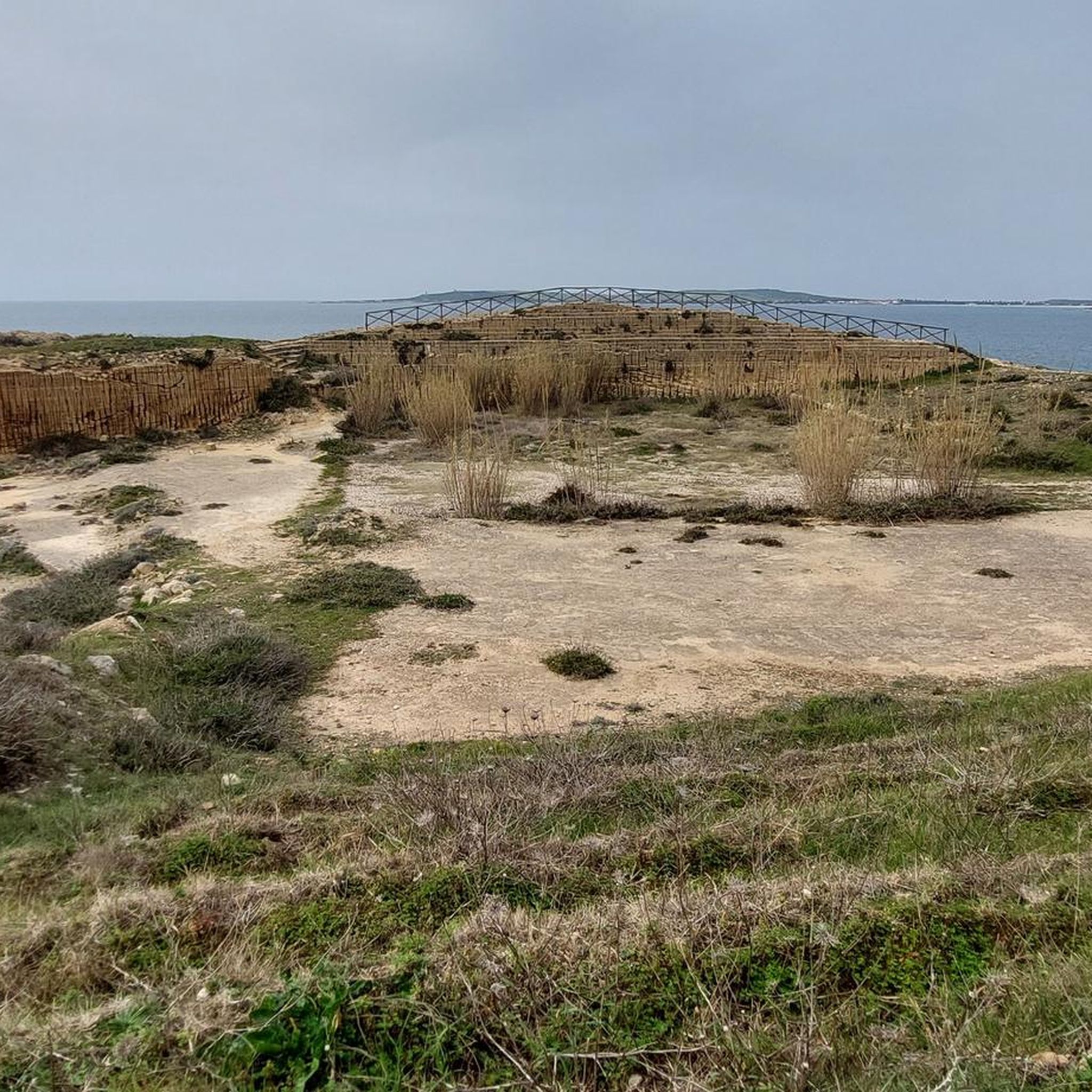
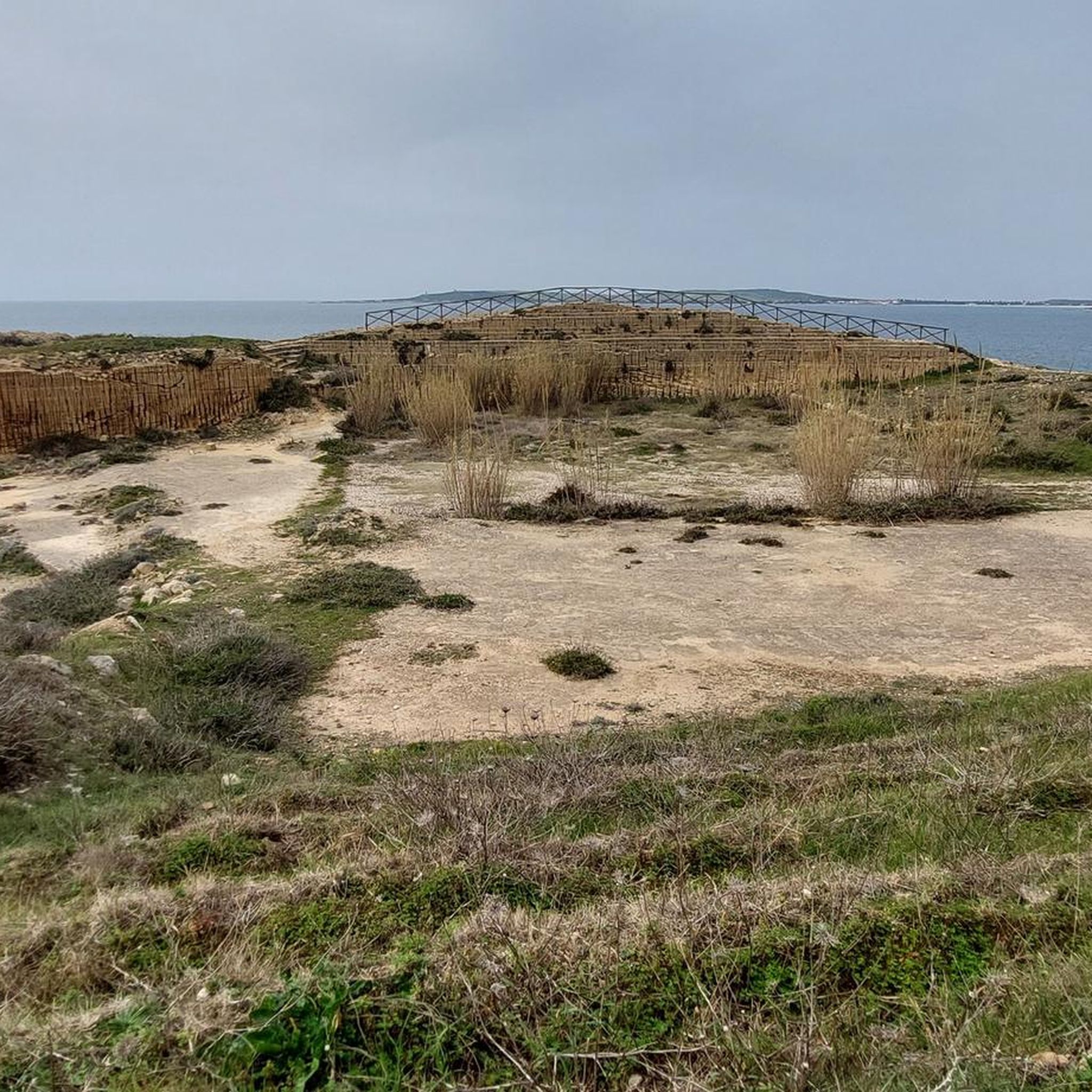
The 'Parco dei Suoni' (Sound Park) is a unique attraction created in the disused sandstone quarries of Su Cuccuru Mannu. It features paths with sound effects and environments designed to resemble 'sound sculptures.' This suggestive park hosts jazz, pop, and rock concerts during July and August, offering a distinctive cultural and sensory experience.
What is the significance of the village of San Salvatore di Sinis?
The picturesque village of San Salvatore di Sinis is known for its unique history and its hypogeum, an underground sanctuary. The village originated around a rural church and consists of 'cumbessias' (small temporary lodgings) built to accommodate pilgrims during religious ceremonies. It's also famous for the 'Corsa degli Scalzi' (Race of the Barefoot), a traditional procession, and was even used as a movie set for 'Spaghetti Westerns' in the 60s and 70s.
Are there museums nearby to learn more about the region's history?
Yes, a significant museum nearby is the Archaeological Museum of Cabras (Museo Civico Giovanni Marongiu). Located a short distance from Riola Sardo in Cabras, this museum houses important artifacts, including the famous Giants of Mont'e Prama, which are ancient Nuragic sculptures.
Can I find examples of traditional Sardinian architecture?
Yes, you can see examples of traditional architecture in the region. Casa Carta in Riola Sardo is a 17th-century aristocratic residence that beautifully showcases a traditional Campidanese 'courtyard' house. These homes are characterized by raw earth bricks, stone portals, and wooden architraves, offering a glimpse into historical Sardinian building styles.
Most popular routes around Arriora/Riola Sardo
Most popular attractions around Arriora/Riola Sardo

Get inspired with the komoot mobile app


Explore more
Still not found the Highlight you’re looking for? See guides of the top attractions in other regions:
