The best walks and hikes around Schwarzach bei Nabburg
4.5
(1054)
5,112
hikers
38
hikes
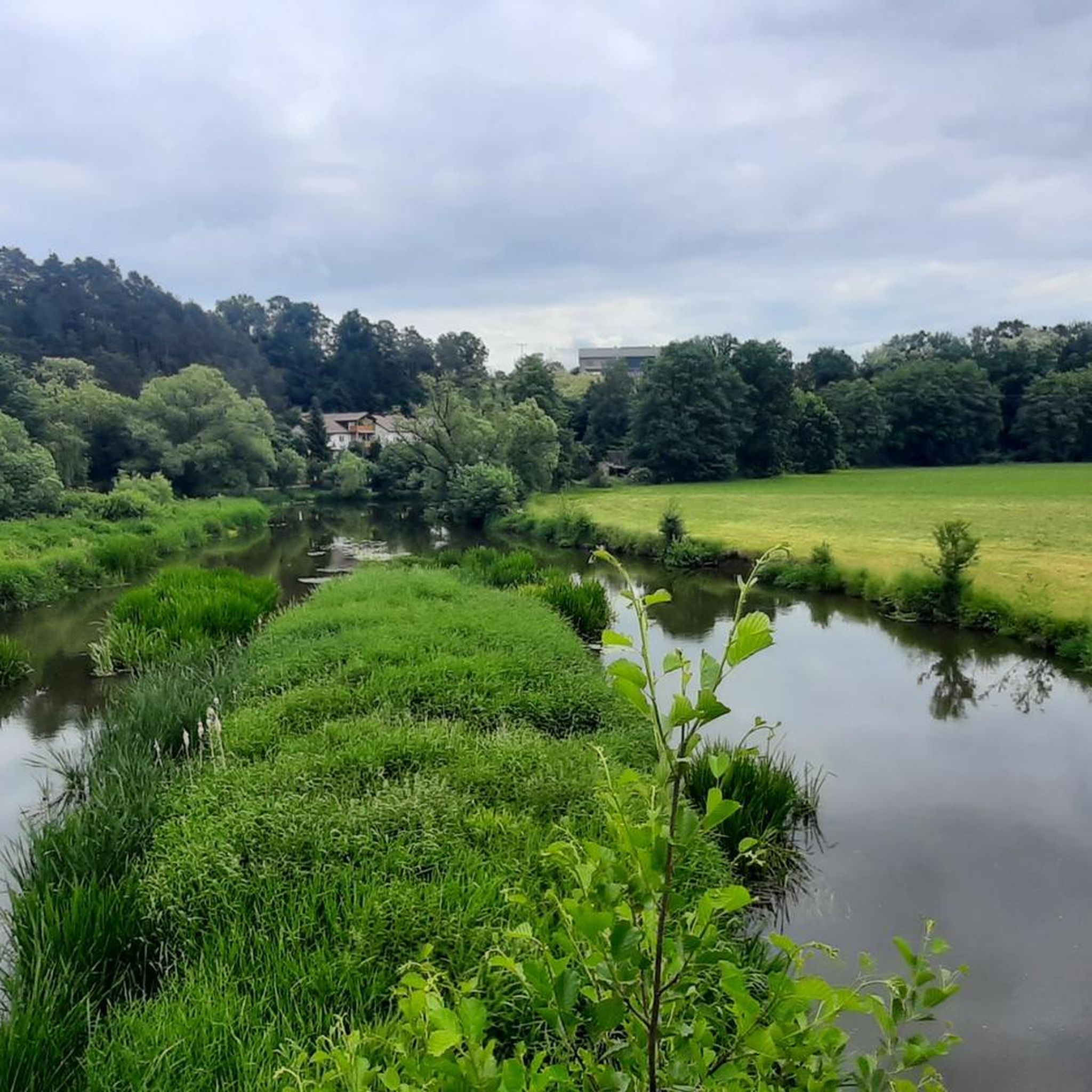
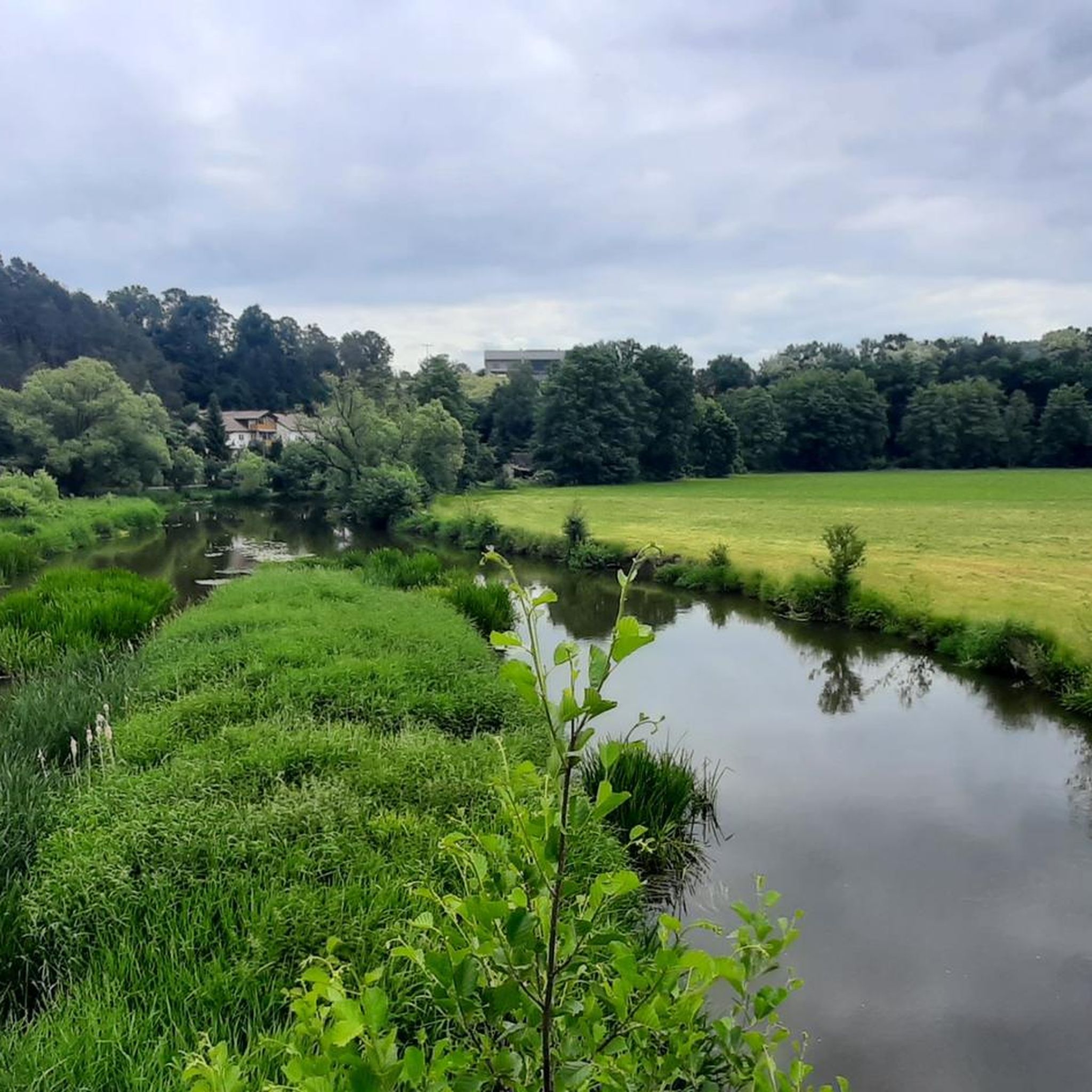
Hiking around Schwarzach bei Nabburg offers diverse experiences within a hilly landscape characterized by valleys and waterways. The region features the meandering Schwarzach River, with its tranquil old waters and floodplains, providing a habitat for various species. Elevations include the 465-meter-high Stabberg, contributing to a range of hiking experiences. The area provides a mix of easy paths and more challenging routes through its natural features.
Best hiking trails around Schwarzach bei Nabburg
- The most popular hiking route is Hofcafé Müllnerhof…
Last updated: July 4, 2026
4.5
(31)
82
hikers
12.1km
03:27
270m
270m
Moderate hike. Good fitness required. Mostly accessible paths. Sure-footedness required.
4.9
(14)
40
hikers
Easy hike. Great for any fitness level. Easily-accessible paths. Suitable for all skill levels.

Sign up for free
4.8
(9)
33
hikers
Moderate hike. Good fitness required. Easily-accessible paths. Suitable for all skill levels.
4.7
(7)
11
hikers
5.55km
01:35
120m
120m
Moderate hike. Great for any fitness level. Mostly accessible paths. Sure-footedness required.
4.8
(6)
31
hikers
5.19km
01:27
100m
100m
Easy hike. Great for any fitness level. Easily-accessible paths. Suitable for all skill levels.
Get access to more routes and recommendations from other explorers.
Sign up for free
Already have an account?
Our route recommendations are based on thousands of hikes, rides, and runs completed by other people on komoot.
Start today with a free account
Your next adventure awaits.
Login or Signup
Popular around Schwarzach bei Nabburg
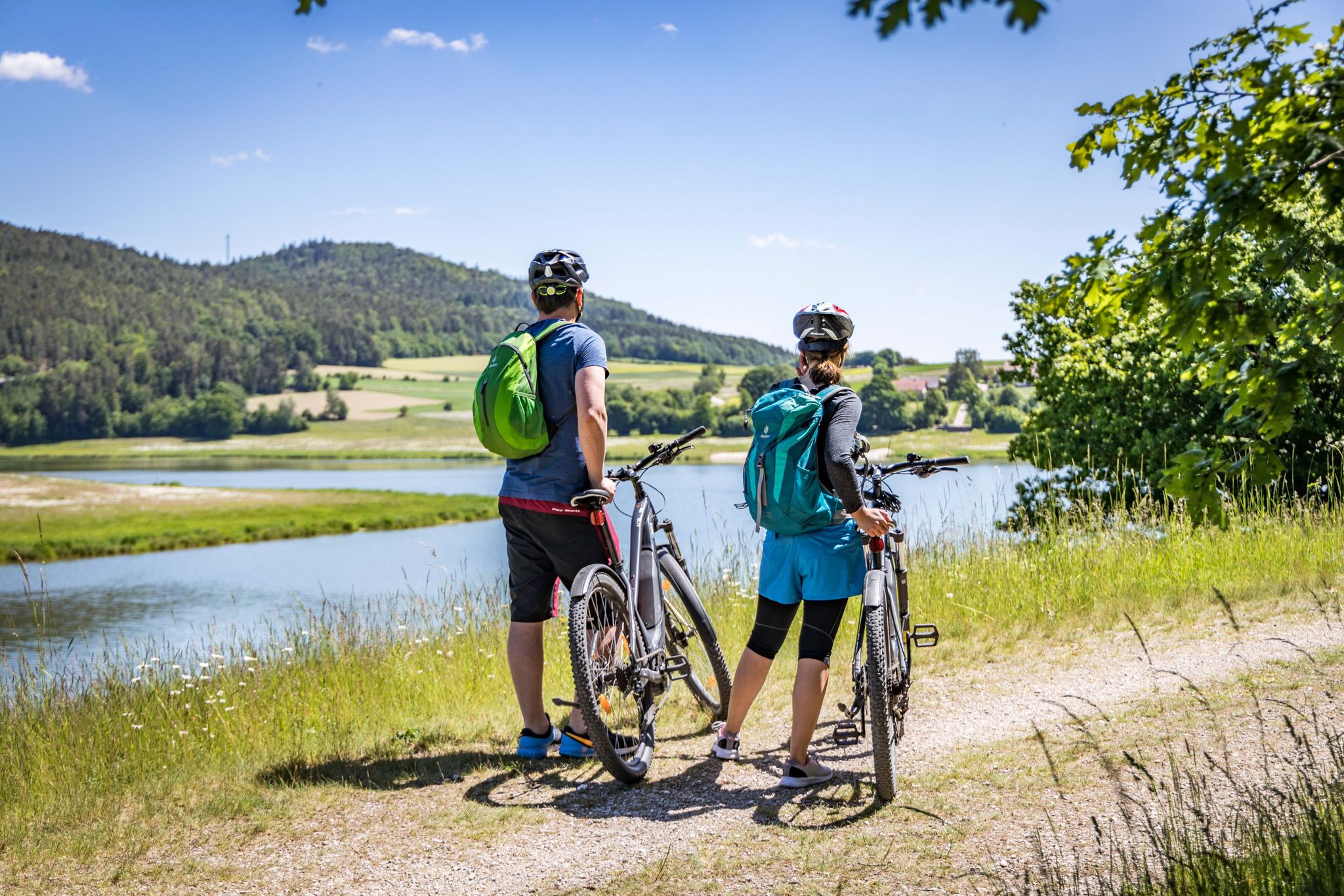
Cycling by the water in the Upper Palatinate Forest
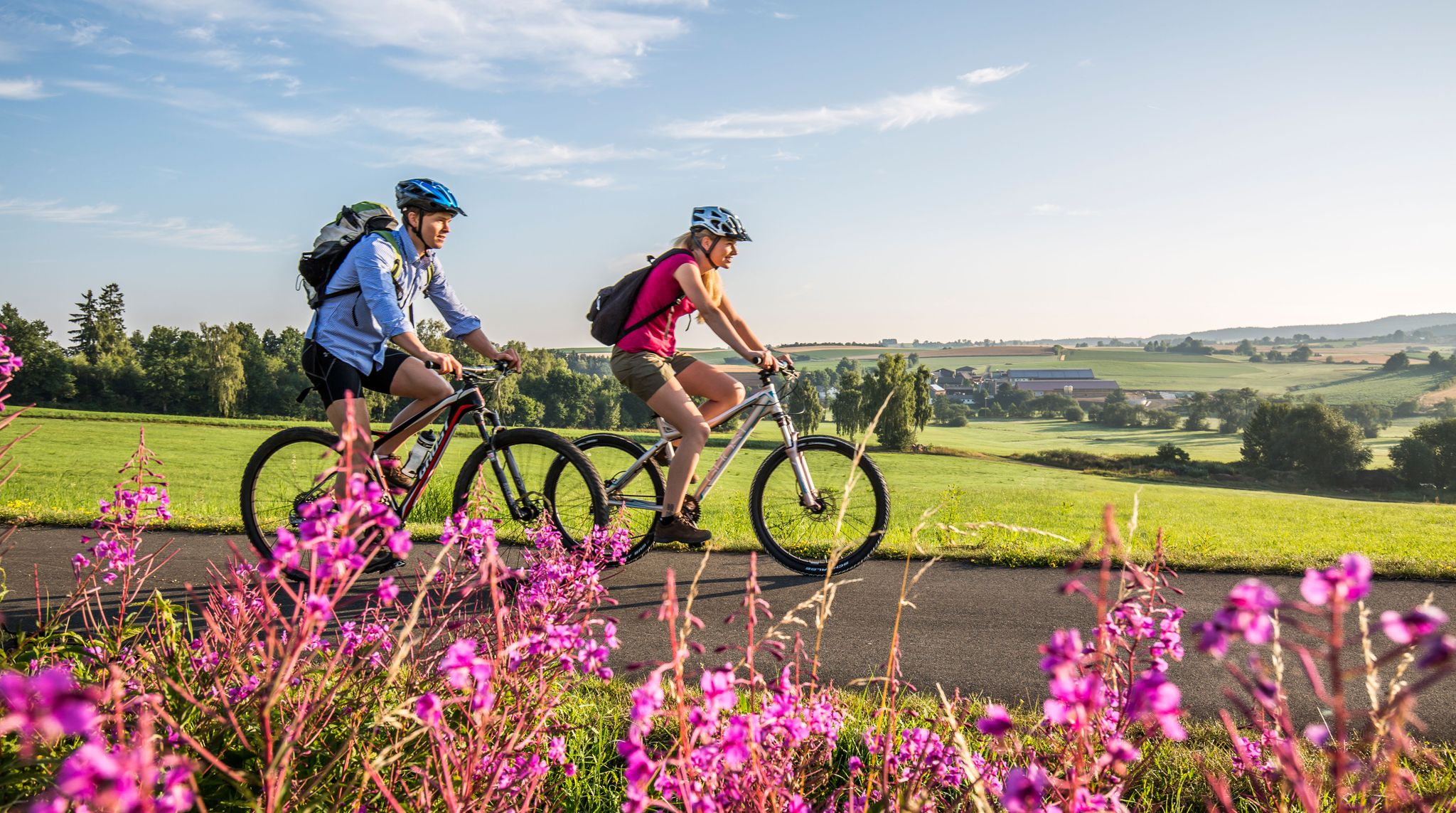
Nature and Culture — Cycling in the Upper Palatinate Forest
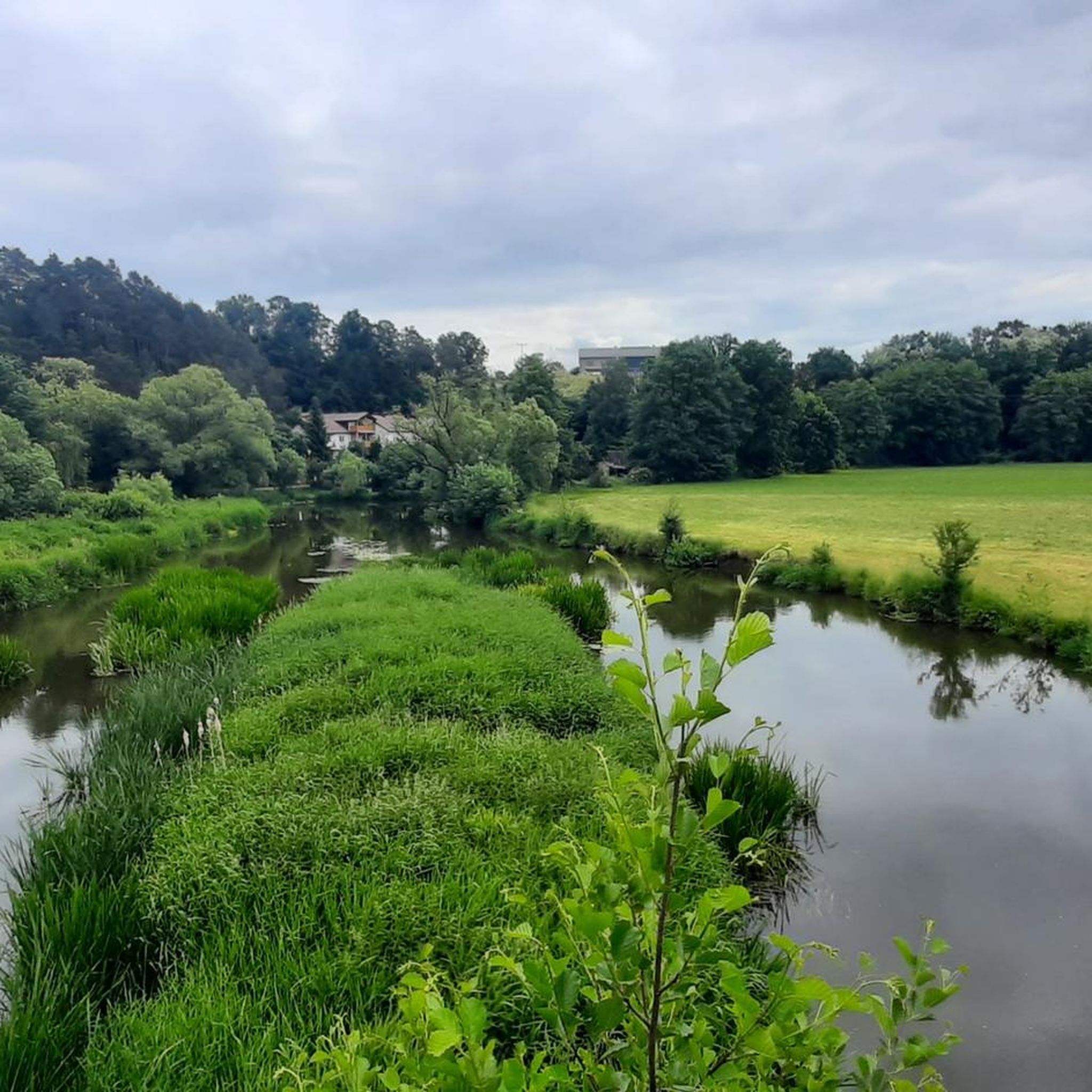
MTB Trails around Schwarzach bei Nabburg
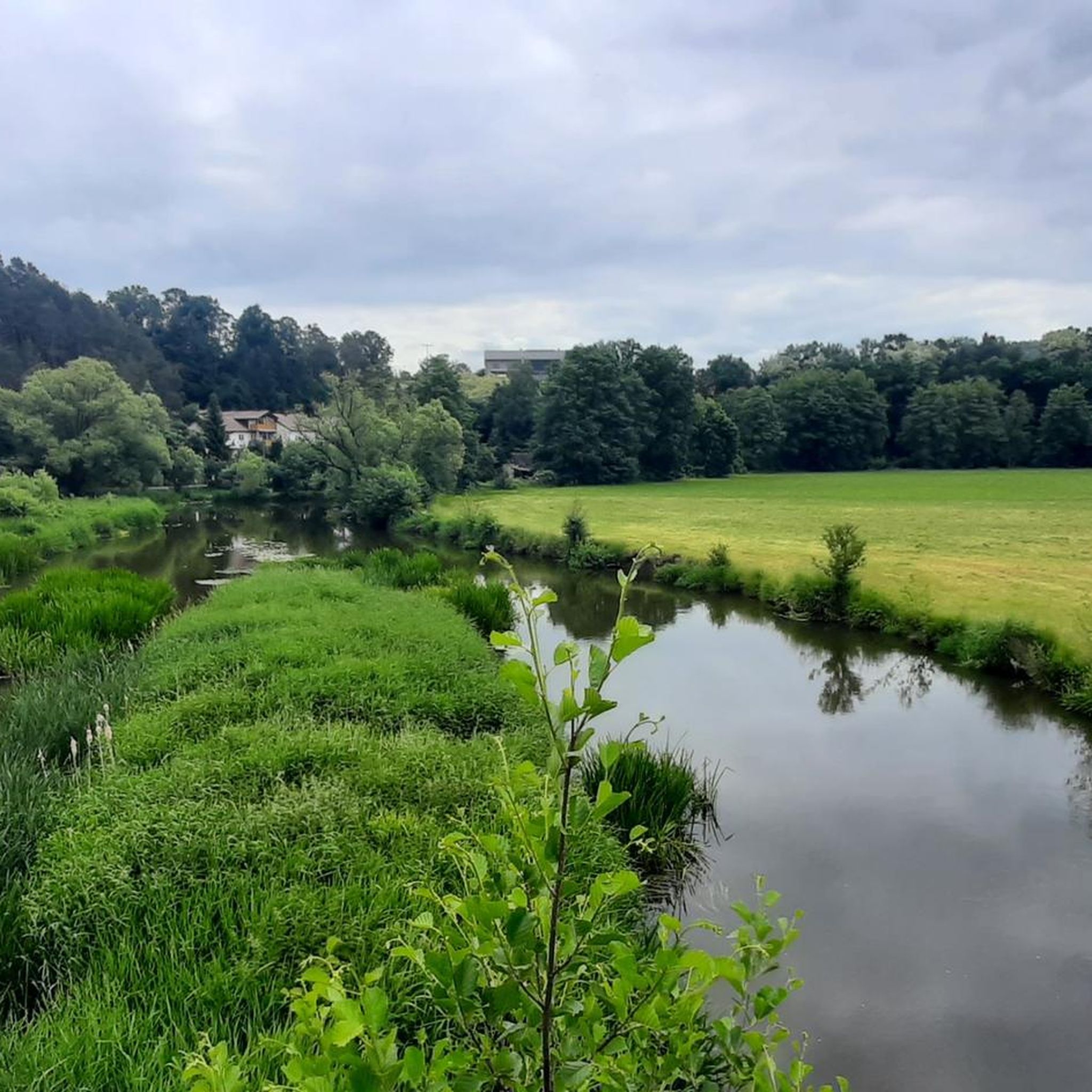
Road Cycling Routes around Schwarzach bei Nabburg
Cycling around Schwarzach bei Nabburg

Gravel biking around Schwarzach bei Nabburg
Running Trails around Schwarzach bei Nabburg
Other adventures around Schwarzach bei Nabburg

Tips from the Community

St. James's Branch Church St. James's Church in Willhof was built as a branch church of Altendorf in the 12th century. It is a Romanesque church that originally consisted of a nave with a gable roof and a roof turret, and a chancel. By the 16th century, the church was in a state of disrepair. At the end of the 17th century, it was repaired; the current tower was built, a sacristy was added to the north side of the chancel, large windows were installed in the nave, and a flat wooden ceiling was added. During further repairs in 1966/67, the west gallery was altered, and the side altars and the pulpit were removed. The organ, built before 1800 by the Amberg organ builders Funtsch or Wilhelm Hepp, suffered a similar fate. As part of a complete renovation from 1994 to 1996, the church received a new organ from the Plattling-based firm Weise. On the south side, the church has a Romanesque portal that serves as the entrance. A Romanesque window, uncovered in 1966, is located on the south wall of the nave. In the chancel, the barrel vault is Romanesque, but the pointed arch windows are Gothic. The high altar, dating from the 17th century, contains a painting of St. James the Greater. A surviving altarpiece from the former side altars, also from the 17th century, hangs on the north chancel arch. It depicts St. Anthony of Padua and the Virgin Mary with the Christ Child appearing to him, with a figure of the Immaculate Conception below. On the south chancel arch is a painting of the Calling of St. Wendelin and a figure of St. Sebastian. The modern Stations of the Cross were created in 1907 by the painter Gegenmeier from Steinweg near Regensburg. Source: www.wikipedia.de
3
0


Great view and you can learn a lot about mining here.
2
0

Nice stretch of track in an idyllic area
1
0
Several times a year a worthwhile section of the route to have a lot of fun with the mountain bike
2
0

The Heinrich Kocher tunnel near Wölsendorf i. i.e. Oberpfalz was a smaller fluorspar mine and was in operation as a tunnel pit from 1937 to 1953. The pit was named after the operations manager of the Marienschacht fluorspar pit, employed by the then Rüttgerswerke since 1923, which went into operation in 1896. In 1927 the Wölsendorf trade union was founded and the Marienschacht - to which the aforementioned Heinrich Kocher tunnel was always counted as a part of the business - was taken over by the Riedel de Haen company and Heinrich Kocher was appointed head of the pit. The Kocher tunnel with a length of 300m opened up a fluorspar vein with a thickness between 0.80 and 1.50 meters. The 30m level was exposed via a 150m long cross passage and a braking hill. In 1951, a connection was to be made from here via a swage to the nearby cross passage of the 70m level of the Marienschacht, which, contrary to other sources, was not realized due to cost reasons and the unworkable passage at this depth. In addition, two weather cuts led, one of them as an escape route in the cross passage of the Kocher tunnel and one from the 30m level to the surface. The latter had already collapsed in 1957. From 1995 to 1999, parts of the Kocher tunnel were uncovered at great expense and with a great deal of personal commitment by the Marienschacht Miners' Association in Wölsendorf, and a visitor's mine was set up that is well worth seeing. In 2009, a rupture in the tunnel just behind the mouth hole led to the cessation of visitor operations. As a result, despite all efforts on the part of the operating association, the lease contract with the landowner was not extended and financial support from Leader funds for the approx. 40,000 euro expensive reprocessing was refused.
2
0
Wonderful stretches in a beautiful area
1
0

Too bad the tunnel was closed
2
0
Frequently Asked Questions
How many hiking trails are available in Schwarzach bei Nabburg?
There are over 35 hiking routes in Schwarzach bei Nabburg, offering a diverse range of experiences. You'll find a good mix of easy and moderate trails to explore the region's beautiful landscapes.
Are there any easy, family-friendly walks in Schwarzach bei Nabburg?
Yes, Schwarzach bei Nabburg offers several easy and family-friendly options. A great choice is the Hofcafé Müllnerhof – Schwarzach Floodplains loop from Schwarzach bei Nabburg, an easy 6.6 km route that takes about 1 hour 47 minutes. This trail explores the scenic Schwarzach Auen and starts near the Müllner-Hof, which features a café, beer garden, and adventure farm.
What kind of landscapes can I expect to see while hiking in Schwarzach bei Nabburg?
The region is characterized by charming hilly terrain, interwoven with the picturesque Schwarzach and Auerbach valleys. You'll encounter the meandering Schwarzach River with its tranquil backwaters and extensive floodplains (Schwarzach Auen), which are vital habitats for diverse wildlife. Notable elevations like the Stabberg and Darlesberg also contribute to varied hiking experiences.
Are there any circular hiking routes in the area?
Yes, many of the trails in Schwarzach bei Nabburg are circular, allowing you to start and end at the same point. For example, the Tannenberg – Schwarzach Floodplains loop from Schwarzach bei Nabburg is a moderate 10.5 km route offering varied terrain. Another option is the Schwarzach Floodplains – Hofcafé Müllnerhof loop from Schwarzach bei Nabburg, a moderate 7.8 km loop.
What are some interesting sights or attractions along the hiking trails?
Beyond the natural beauty, you can discover unique points of interest. The Darlesberg Summit Cross – Heinrich Kocher Adit loop from Wölsendorf leads to the site of a former fluorite mine. The Schwarzach Auen themselves are a highlight, offering rich natural experiences with diverse fish, dragonfly, and bird species. You can also find historical attractions like local churches and an exhibition on Slavic settlement in the Schwarzach valley.
Are there any lakes or water features accessible from hiking routes?
While not directly on every trail, the region is close to the Upper Palatinate Lake District. Nearby attractions include Lake Murner and Lake Steinberg, which offer well-developed paths suitable for hikers and cyclists, providing additional opportunities for outdoor recreation.
What do other hikers enjoy most about hiking in Schwarzach bei Nabburg?
The area is highly rated by the komoot community, with an average score of 4.5 stars from over 1,000 reviews. Hikers often praise the diverse and picturesque landscapes, the tranquility of the Schwarzach river floodplains, and the variety of trails suitable for different fitness levels. The combination of natural beauty and well-maintained paths makes it a popular destination.
Are there any routes that offer significant elevation gain for a more challenging hike?
For those seeking a more challenging experience with significant elevation, the Darlesberg Summit Cross – Heinrich Kocher Adit loop from Wölsendorf is a moderate 12.3 km trail that involves a notable ascent, leading you to the Darlesberg summit and the site of an old fluorite mine.
Can I combine hiking with other activities in the Schwarzach bei Nabburg area?
Absolutely! The region is also known as a cycling paradise, with paths like the Bavarian-Bohemian Friendship Trail being popular. You can also visit the Hofcafé Müllnerhof for a break, which offers a café, beer garden, and an adventure farm. The nearby lakes also provide opportunities for water sports and other recreational activities.
Are there any historical sites or castles to explore near Schwarzach bei Nabburg?
Yes, the area boasts several historical attractions. You can explore castles such as the Count Palatine Castle Complex Neunburg vorm Wald, the Zangenstein Castle Ruins and Chapel, or Schwarzenfeld Castle. These sites offer a glimpse into the rich history of the Upper Palatinate region.
What is the 'Schwarzach Auen' and why is it significant for hikers?
The 'Schwarzach Auen' refers to the extensive floodplains along the Schwarzach River. These wetlands are a central natural feature, providing a vital habitat for numerous fish, dragonfly, and bird species. Hiking through the Auen offers a tranquil and immersive natural experience, allowing you to observe local wildlife and enjoy the serene river landscape.
Most popular routes around Schwarzach bei Nabburg
Most popular attractions around Schwarzach bei Nabburg

Get inspired with the komoot mobile app


Explore more
Browse the best Hikes in other regions.
