The best cycling routes around Samugheo
4.3
(10)
69
riders
17
rides
Touring cycling around Samugheo offers diverse landscapes within Sardinia's Mandrolisai hills. The region is characterized by solitary hills, deep crevasses, and rocky cliffs, complemented by oak woods and Mediterranean scrub. The Tirso River and Lake Omodeo are central features, providing picturesque views along many routes. This varied terrain includes mostly paved surfaces, with some unpaved segments, catering to different fitness levels.
Best touring cycling routes around Samugheo
- The most popular touring cycling route is The dams on the Tirso River…
Last updated: July 8, 2026
4.5
(2)
12
riders
24.9km
01:39
360m
360m
Moderate bike ride. Good fitness required. Mostly paved surfaces. Suitable for all skill levels.
3.8
(4)
13
riders
14.8km
01:26
290m
290m
Moderate bike ride. Good fitness required. Mostly paved surfaces. Suitable for all skill levels.

Sign up for free
5.0
(2)
8
riders
58.5km
03:50
790m
790m
Hard bike ride. Very good fitness required. You may need to push your bike for some segments of this route.
4.0
(1)
8
riders
Hard bike ride. Very good fitness required. Mostly paved surfaces. Suitable for all skill levels.
2
riders
37.7km
02:49
520m
520m
Hard bike ride. Very good fitness required. You may need to push your bike for some segments of this route.
Get access to more routes and recommendations from other explorers.
Sign up for free
Already have an account?
Our route recommendations are based on thousands of hikes, rides, and runs completed by other people on komoot.
Start today with a free account
Your next adventure awaits.
Login or Signup

Tips from the Community

Good asphalt, great views, challenging climb.
0
0

The Tirso is the longest river in Sardinia. It rises as Riu de su Campo north of Bitti, in the province of Nuoro on the east side of the island, flows through the Lago Omodeo reservoir and flows into Oristano on the west side of the island. In the middle reaches it is spanned by the Ponte Ezzu, an old Roman bridge, near Illorai. It is 150 km long and is only navigable in the last few kilometers. The fertile plain north of Oristano through which it flows is called the Tirso plain.
1
0

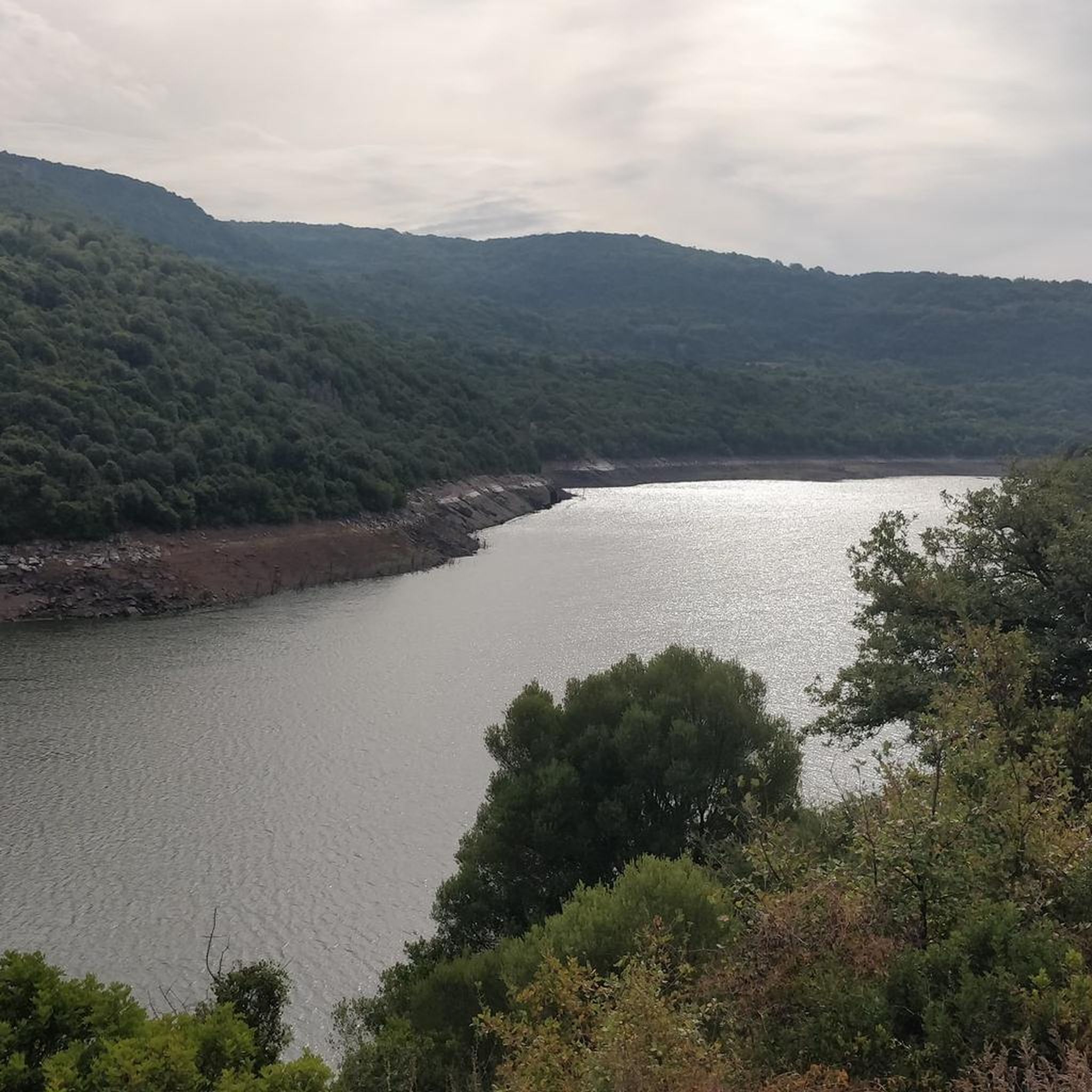
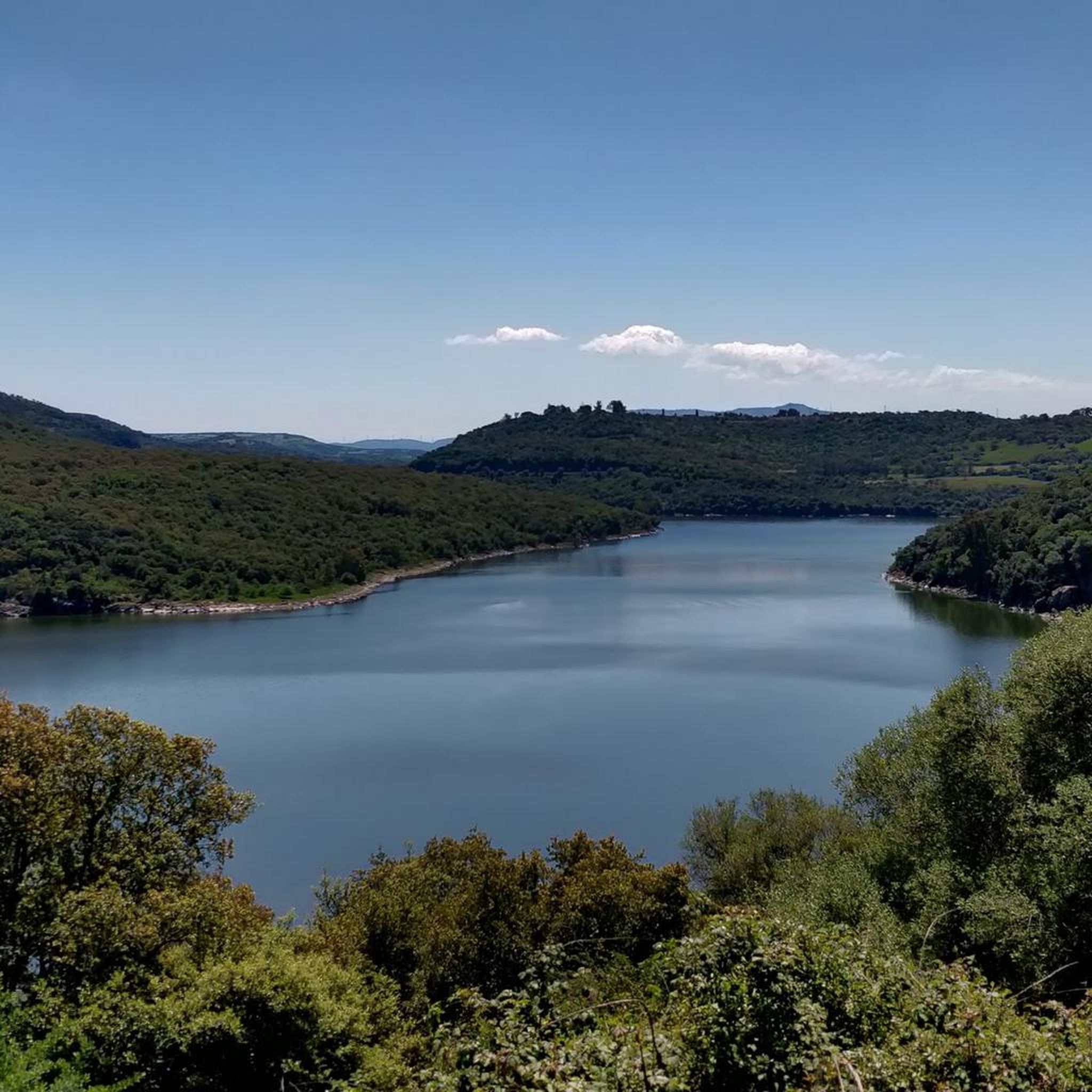
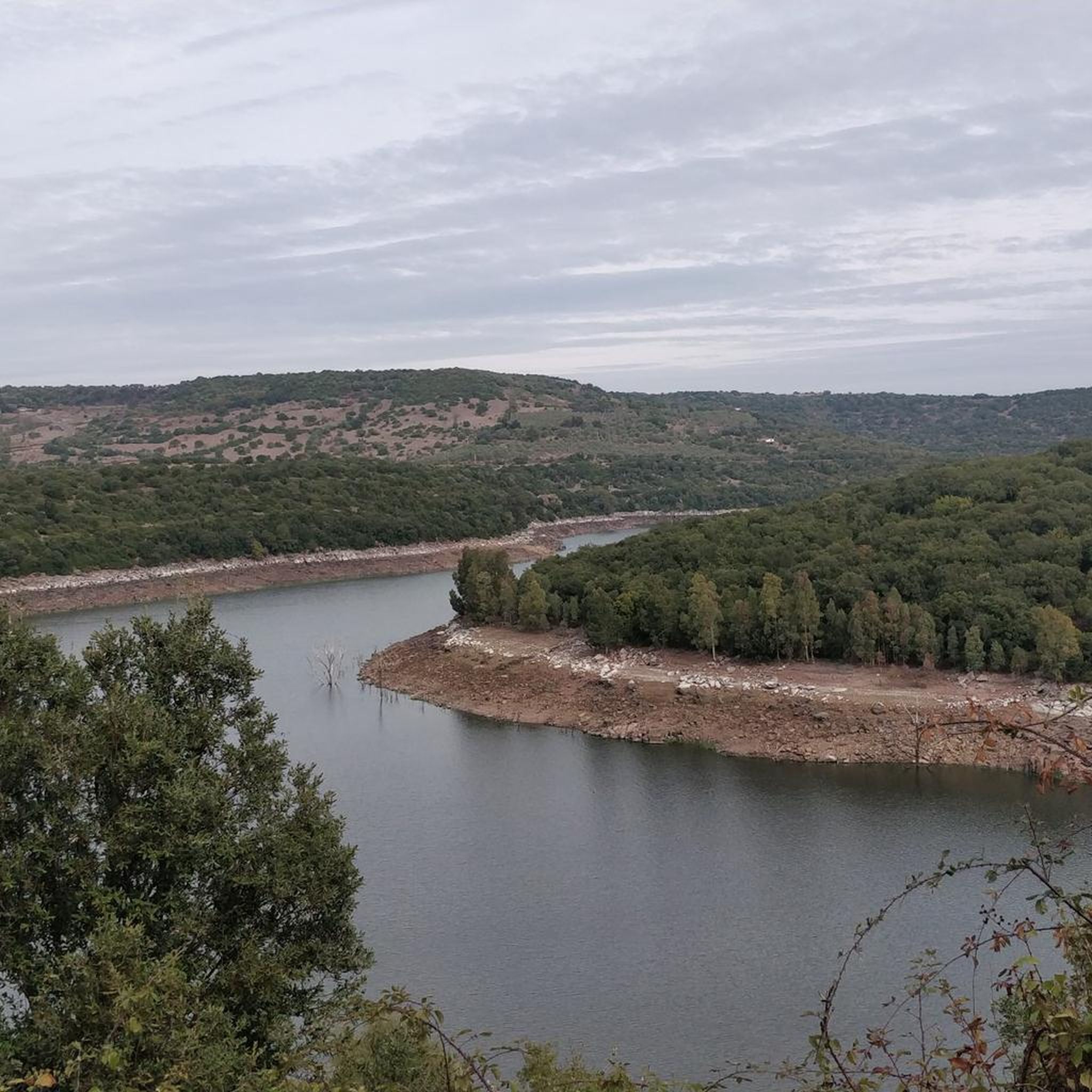
Bridge over the Tirso River, blocked by the Eleonora D'Arborea Dam to form the artificial basin of Lake Omodeo.
1
0
Lake Omodeo is an artificial basin formed with the damming of the Tirso River in 1924 with the Santa Chiara Dam. Today replaced by the new Eleonora D'Arborea dam, the old barrier has been partially submerged.
1
0

The thermal baths are managed by the Cooperative Forum Traiani. Current opening times can be found here: https://www.forumtraiani.it/what-to-see/?lang=en
0
0
It was once the Forum Traiani, the most important Roman city in the island's hinterland, founded in the late Republic and becoming a marketplace between the inland communities and the Romanized population of the Gulf of Oristano under Emperor Trajan. Today Fordongianus is a small town of less than a thousand inhabitants in the Barigadu area, a renowned wellness center thanks to a thermal facility that uses saline and thermoactive water springs that flow at 56 degrees all year round and have beneficial effects on the body. A feature known to the Romans: the city is situated on the left bank of the fertile and lush valley of the Tirso, home to the warm and healing Aquae Ypsitanae, Roman baths from the 1st century AD, now an archaeological site. Two facilities can be visited, one retains a rectangular porticoed swimming pool, originally with a barrel vault, the other includes the changing room. The floor was in mosaic (you will see traces of it) and the ceiling in blue glass paste. The supply was ensured by a network of canals and a system of wells and cisterns. The importance of the thermal baths is confirmed by two statues of the god Bes, deity of health cults, and by a sacred space dedicated to the nymphs. Source: https://www.sardegnaturismo.it/en/discover/fordongianus
0
0
The Tirso is one of the largest rivers in Sardinia. Even in summer it still carries water. Here it flows idyllically under the bridge made of reddish trachyte blocks. A short path in the river valley takes visitors to the center of Fordongianus.
0
0

Very small and ancient inhabited center located in Campidano. It is famous for the ancient parish church of San Nicolò Vescovo and for the thermal springs.
1
0
Frequently Asked Questions
How many touring cycling routes are available around Samugheo?
There are 11 touring cycling routes around Samugheo, offering a variety of experiences. These include 3 moderate routes and 8 more challenging routes, catering to different fitness levels.
What kind of terrain can I expect on touring cycling routes in Samugheo?
The terrain around Samugheo is diverse, characterized by solitary hills, deep crevasses, and striking rocky cliffs, alongside oak woods and Mediterranean scrub. Routes often feature mostly paved surfaces, but some segments can be unpaved and more challenging. You'll also find picturesque views along the Tirso River and Lake Omodeo.
Are there touring cycling routes suitable for different fitness levels?
Yes, Samugheo offers routes for various fitness levels. While many routes are classified as difficult, there are also moderate options available. For example, the The dams on the Tirso River and Lake Omodeo – ring tour from Fordongianus is a moderate route, as is the Aragonese House of Fordongianus – Fordongianus Roman Baths loop from Fordongianus.
What natural features can I see while cycling around Samugheo?
Cyclists can enjoy the lush and wild scenery of the Brabaxianna region, with its oak woods and Mediterranean scrub. The Tirso River and Lake Omodeo are central features, offering picturesque views. You might also encounter natural springs and caves, such as dell'Aquila, sa Conca 'e su Cuaddu, and Buco della Chiave. For a specific natural highlight, consider visiting Cascata Maggiore, Aymerich Park.
Are there any historical sites or cultural attractions along the cycling routes?
Yes, the area is rich in history. You can visit the Fordongianus Roman Baths, which are still fed by warm waters. Other historical points of interest include the Medusa Castle, ancient archaeological sites like the domus de janas of Spelunca Orre, and the nuraghe of Perda Orrubia. The town of Samugheo itself is known for its textile craftsmanship, with murals and the Regional Museum of Textile Art (MURATS) showcasing this heritage.
Are there any circular touring cycling routes in Samugheo?
Many of the touring cycling routes around Samugheo are designed as loops. Examples include the The dams on the Tirso River and Lake Omodeo – ring tour from Fordongianus and the Santa Chiara Dam loop from Busache/Busachi, which offers varied terrain.
What do other touring cyclists enjoy the most about touring cycling in Samugheo?
The touring cycling routes in Samugheo are highly rated by the komoot community, with an average score of 4.4 stars from more than 4 reviews. Cyclists often praise the diverse landscapes, the sense of freedom on country lanes, and the picturesque views of the Tirso River and Lake Omodeo.
Are there any family-friendly touring cycling routes in Samugheo?
While many routes are moderate to difficult, the region offers options that can be adapted for families. Routes with less elevation gain and shorter distances, such as the Funtana Tziu Antiogu loop from Atzara, might be more suitable for families seeking a leisurely ride. Always check the route details for distance and elevation before setting out.
Where can I find parking for touring cycling routes in Samugheo?
Specific parking information for each trailhead is not always detailed, but many routes start from towns like Fordongianus or Busachi. These towns typically offer public parking options. It's advisable to check local parking availability in the starting village of your chosen route.
What is the best time of year for touring cycling in Samugheo?
Sardinia generally offers pleasant conditions for outdoor activities for much of the year. Spring and autumn are often ideal, with milder temperatures and less intense sun, making for more comfortable cycling. Summers can be hot, especially in July and August, so early morning or late afternoon rides are recommended during those months.
Are there any cafes, pubs, or accommodation options for cyclists in Samugheo?
Samugheo and nearby towns offer various amenities. You'll find cafes and restaurants in the town centers to refuel. For accommodation, there are hotels and B&Bs that cater to visitors, though specific cyclist-friendly facilities like secure bike storage should be confirmed directly with the establishment.
Can I combine cycling with other activities, like visiting waterfalls?
Absolutely. The region allows for combining cycling with visits to natural attractions. For instance, while cycling is not permitted *within* Parco Aymerich, it's a worthwhile detour to explore on foot, featuring waterfalls like Cascata Maggiore, lakes, and diverse forests.
Most popular attractions around Samugheo

Get inspired with the komoot mobile app


Explore more
Browse the best Cycling routes in other regions.
