Attractions and Places To See around Siapicia/Siapiccia - Top 20
Best attractions and places to see around Siapicia/Siapiccia, a small municipality in the Province of Oristano, Sardinia, Italy, offers a blend of historical sites and natural features. Situated on the western slopes of Monte Grighine, the area is characterized by Mediterranean scrub and time-eroded rocks. Historically, Siapiccia served as a minor route connecting ancient Roman settlements, and its surroundings feature remnants of Roman roads, nuraghi, and Phoenician-Punic tombs. The region is also known for its thermal springs and the Tirso…
Last updated: May 11, 2026
Fordongianus Roman Baths
Highlight • Historical Site
Translated by Google •
Tip by

Casa Aragonese
Highlight • Historical Site
Translated by Google •
Tip by

Sign up now to discover places like this
Get recommendations on the best single tracks, peaks, & plenty of other exciting outdoor places.
Sign up for free
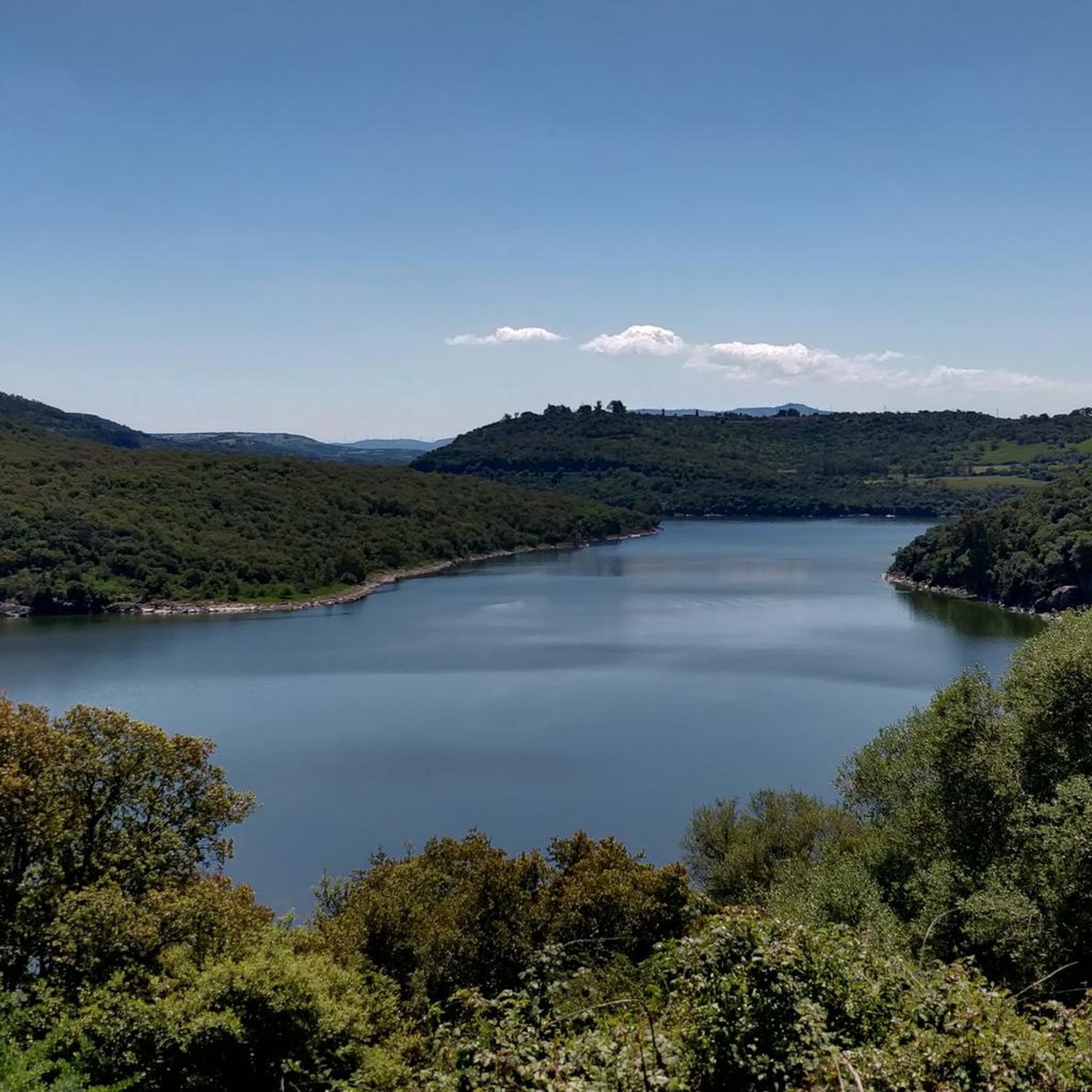
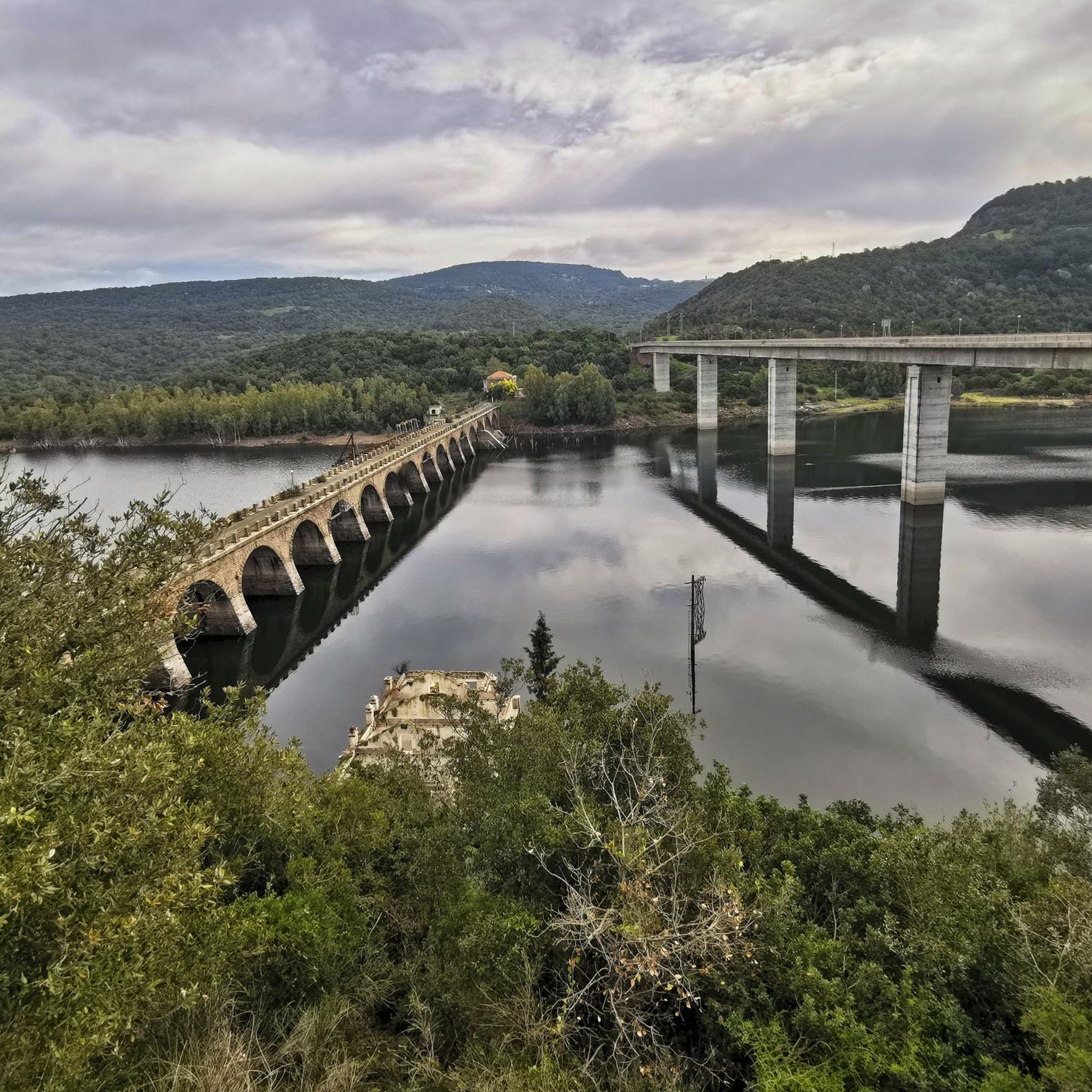
Tirso River and Stone Bridge in Fordongianus
Highlight • River
It rises as Riu de su Campo north of Bitti, in the province of Nuoro on the east side of the island, …
Translated by Google •
Tip by

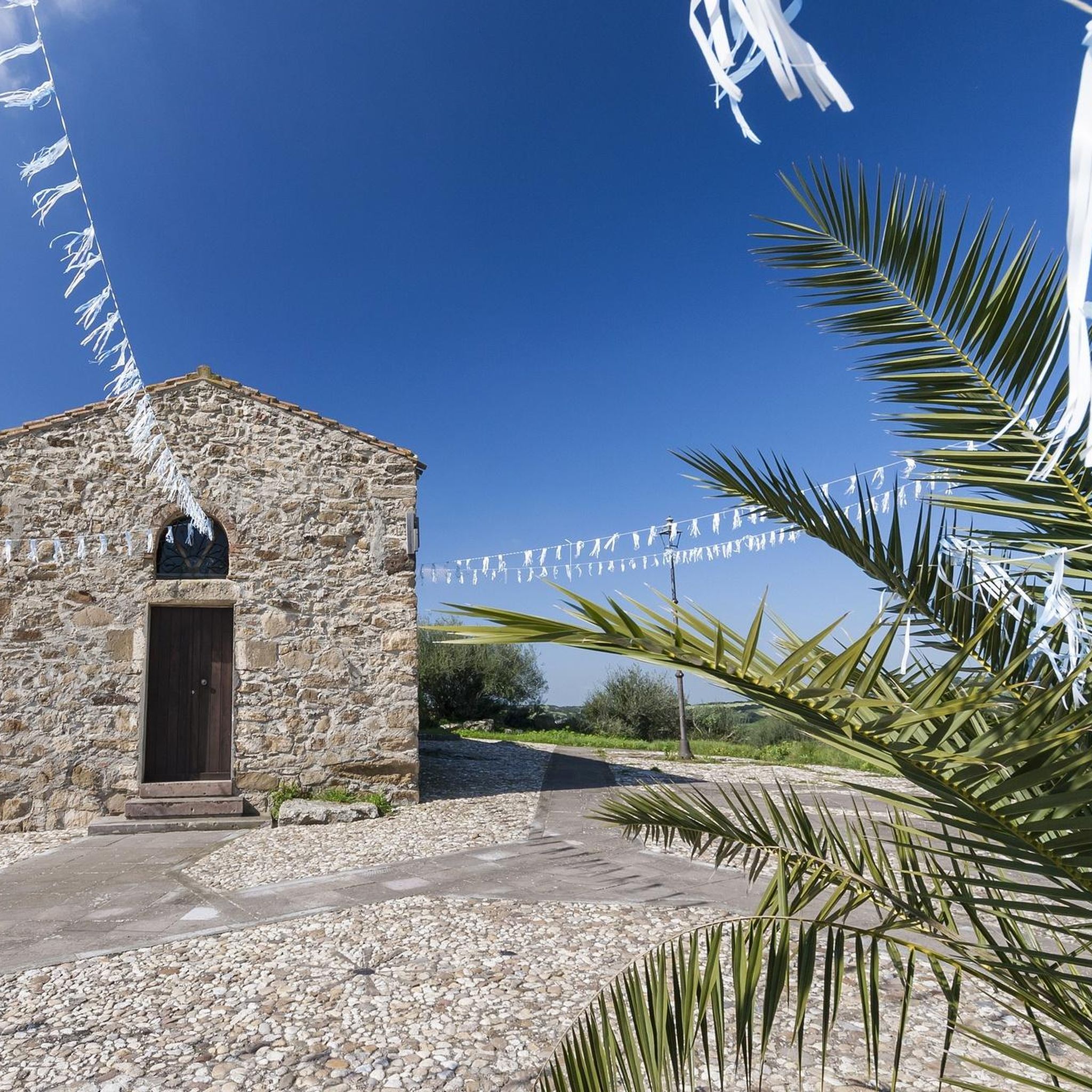
Church of San Lussorio
Highlight • Religious Site
Translated by Google •
Tip by

San Pietro Apostolo Church, Fordongianus
Highlight • Religious Site
Translated by Google •
Tip by
Sign up for free to discover even more attractions around Siapicia/Siapiccia.
Sign up for free
Already have an account?
Start today with a free account
Your next adventure awaits.
Login or Signup

Tips from the Community

It's worth a visit, the architecture is interesting and the audio guide gives you detailed information about what you see. Entrance to the baths is included in the price (or vice versa). So if you see one you can also see the other as they are just a few minutes drive or probably 5-10 minutes walk away
1
0
A beautiful church, a must if you are traveling through Fordongianus.
1
0
The Tirso is the longest river in Sardinia. It rises as Riu de su Campo north of Bitti, in the province of Nuoro on the east side of the island, flows through the Lago Omodeo reservoir and flows into Oristano on the west side of the island. In the middle reaches it is spanned by the Ponte Ezzu, an old Roman bridge, near Illorai. It is 150 km long and is only navigable in the last few kilometers. The fertile plain north of Oristano through which it flows is called the Tirso plain.
1
0

The pretty church was built from red trachyte. It is named after San Lussorio, a Roman soldier who was converted to Christianity. He suffered his martyrdom here during the persecution of Christians under Diocletian. In the 4th century, an underground tomb was built in his honor, which today forms the church's crypt. The Romanesque-style church was built in the 12th century by Vittorini monks who made it their mission to enhance the sites of martyrs. The church was actually closed, but after a call a nice lady came by and opened the small area for us.
0
0

The Aragonese House is a splendid example of stately architecture dating back to around the 16th-17th century. The house is divided into two parts and one of these houses a museum. Not far from here stands the church of San Pietro Apostolo.
1
0
The pretty Casa Aragonese is a typical residence of the country gentry and was built in the 16th century from red trachyte stone. The windows and door frames built in the Spanish-Aragonese style, which also gave the house its name, are striking. Admission to Casa Aragonese is included in the Roman Baths ticket. Attention: closed on Mondays! Current information is available here: https://www.forumtraiani.it/casa-aragonese/
0
0
The pretty parish church dates from the 16th century and was built of red trachyte stone.
0
0
The thermal baths are managed by the Cooperative Forum Traiani. Current opening times can be found here: https://www.forumtraiani.it/what-to-see/?lang=en
0
0
Frequently Asked Questions
What historical sites can I explore near Siapiccia?
The region around Siapiccia is rich in history. You can visit the ancient Fordongianus Roman Baths, which were once part of Forum Traiani, an important Roman city. Another significant site is Casa Aragonese, a 16th-17th century stately architecture housing a museum. Additionally, the area has remnants of ancient Roman roads and evidence of Phoenician-Punic settlements, including tombs and graffiti.
Are there any Roman ruins to visit in the area?
Yes, the most prominent Roman ruins are the Fordongianus Roman Baths. These ancient remains still feature warm waters and were a vital part of Forum Traiani, a significant Roman city. You can also find remnants of ancient Roman roads in the Siapiccia area, highlighting its historical role as a connection between Roman settlements.
What natural attractions are there around Siapiccia?
Siapiccia is situated on the western slopes of Monte Grighine, offering a landscape of time-eroded rocks and Mediterranean scrub. The region is also known for its thermal springs, such as "sa Mitza de s'acqua callenti" (the hot water spring) and the microbiologically pure "s'Arrogana" spring. The Tirso River, Sardinia's longest, flows nearby, providing an idyllic setting.
Can I find thermal springs near Siapiccia?
Yes, Siapiccia is known for its thermal springs. The most notable are "sa Mitza de s'acqua callenti," believed to have therapeutic properties, and the "s'Arrogana" spring, which offers microbiologically pure water. These natural springs contribute to the region's unique character.
Are there hiking opportunities around Siapiccia?
Yes, there are various hiking opportunities around Siapiccia, particularly on the western slopes of Monte Grighine. You can find routes ranging from easy to moderate. For detailed hiking trails and routes, explore the Hiking around Siapicia/Siapiccia guide, which includes routes like the 'Casa Aragonese – Camper Area Near Roman Baths loop' and shorter, easy loops around Fordongianus.
What cycling routes are available near Siapiccia?
The area around Siapiccia offers diverse cycling routes for road bikes and touring bicycles. You can find challenging road cycling routes like 'Land of Roman baths and vineyards' or 'Cuglieri – Arco di S'Archittu loop'. For touring, options include 'The dams on the Tirso River and Lake Omodeo – ring tour' or 'Aragonese House of Fordongianus – Fordongianus Roman Baths loop'. More details are available in the Road Cycling Routes and Cycling around Siapicia/Siapiccia guides.
Are there family-friendly attractions in Siapiccia?
Yes, several attractions are suitable for families. The Casa Aragonese is considered family-friendly, offering a glimpse into historical architecture. The Tirso River and Stone Bridge in Fordongianus provides an idyllic natural setting for a family stroll. Additionally, the San Pietro Apostolo Church in Fordongianus is also listed as family-friendly.
What is the significance of the Tirso River in this region?
The Tirso River is the longest river in Sardinia and plays a significant role in the region. It flows under a picturesque bridge made of reddish trachyte blocks near Fordongianus, creating an idyllic setting. Historically, its fertile plain north of Oristano, known as the Tirso plain, has been important for the area.
What is the Parish Church of San Nicolò di Bari known for?
The Parish Church of San Nicolò di Bari is a significant cultural landmark in Siapiccia. Consecrated in 1605, it is located at the highest point of the village and houses a beautiful marble altar depicting its patron saint, Saint Nicholas of Bari. It represents an important piece of local religious history and architecture.
What is the Casa Aragonese?
The Casa Aragonese is a splendid example of stately architecture dating back to the 16th-17th century. It is one of the few typical central Sardinian architectures remaining in the area and houses a museum, offering visitors insights into the region's past.
Are there any ancient Nuraghi or prehistoric sites near Siapiccia?
Yes, the area around Siapiccia boasts a rich ancient history, with evidence from the Neolithic and Bronze Ages. This includes numerous nuraghi, which are ancient megalithic edifices unique to Sardinia. These sites offer a fascinating glimpse into the island's prehistoric past.
What is the best time of year to visit Siapiccia for outdoor activities?
While specific seasonal weather data isn't provided, given the Mediterranean climate of Sardinia, the spring (April-May) and autumn (September-October) months are generally ideal for outdoor activities like hiking and cycling. Temperatures are milder, and the landscape is often lush. Summers can be very hot, making strenuous activities less comfortable.
What is the Church of San Lussorio?
The Church of San Lussorio is a pretty Romanesque-style church built in the 12th century from red trachyte. It is named after San Lussorio, a Roman soldier martyred there during Christian persecutions. An underground tomb, built in the 4th century, forms the church's crypt, making it a site of historical and religious significance.
Most popular routes around Siapicia/Siapiccia

Get inspired with the komoot mobile app


Explore more
Still not found the Highlight you’re looking for? See guides of the top attractions in other regions:
