The best road cycling routes around Schwarzenbach an der Saale
4.5
(481)
5,127
riders
18
rides
Road cycling routes around Schwarzenbach an der Saale are situated in Upper Franconia, at the foot of the Großer Kornberg, offering diverse landscapes. The region provides access to the Fichtel Mountains and the Frankenwald, characterized by hilly terrain, valleys, and forests. The Saale River and the Förmitzspeicher reservoir are prominent natural features shaping the area's cycling environment. This setting provides varied routes for road cyclists seeking both challenging climbs and scenic rides.
Best road cycling routes around Schwarzenbach an der…
Last updated: September 29, 2026
5.0
(3)
64
riders
43.1km
02:02
350m
350m
Moderate road ride. Good fitness required. Some segments of this route may be unpaved and difficult to ride.
5.0
(3)
35
riders
50.1km
02:16
550m
550m
Moderate road ride. Good fitness required. Mostly well-paved surfaces and easy to ride.

4.0
(2)
19
riders
59.4km
02:44
600m
600m
Moderate road ride. Good fitness required. Mostly well-paved surfaces and easy to ride.
4.3
(3)
13
riders
44.3km
02:12
500m
500m
Moderate road ride. Good fitness required. Mostly well-paved surfaces and easy to ride.
5.0
(1)
11
riders
32.9km
01:34
370m
370m
Moderate road ride. Good fitness required. Mostly well-paved surfaces and easy to ride.
Get access to more routes and recommendations from other explorers.
Already have an account?
Our route recommendations are based on thousands of hikes, rides, and runs completed by other people on komoot.
Start today with a free account
Your next adventure awaits.
Popular around Schwarzenbach an der Saale
Hike granite peaks and forests in Bavaria – Fichtelgebirge High Trail
D-Route 11 – Baltic Sea - Upper Bavaria
Hiking around Schwarzenbach an der Saale
Cycling around Schwarzenbach an der Saale
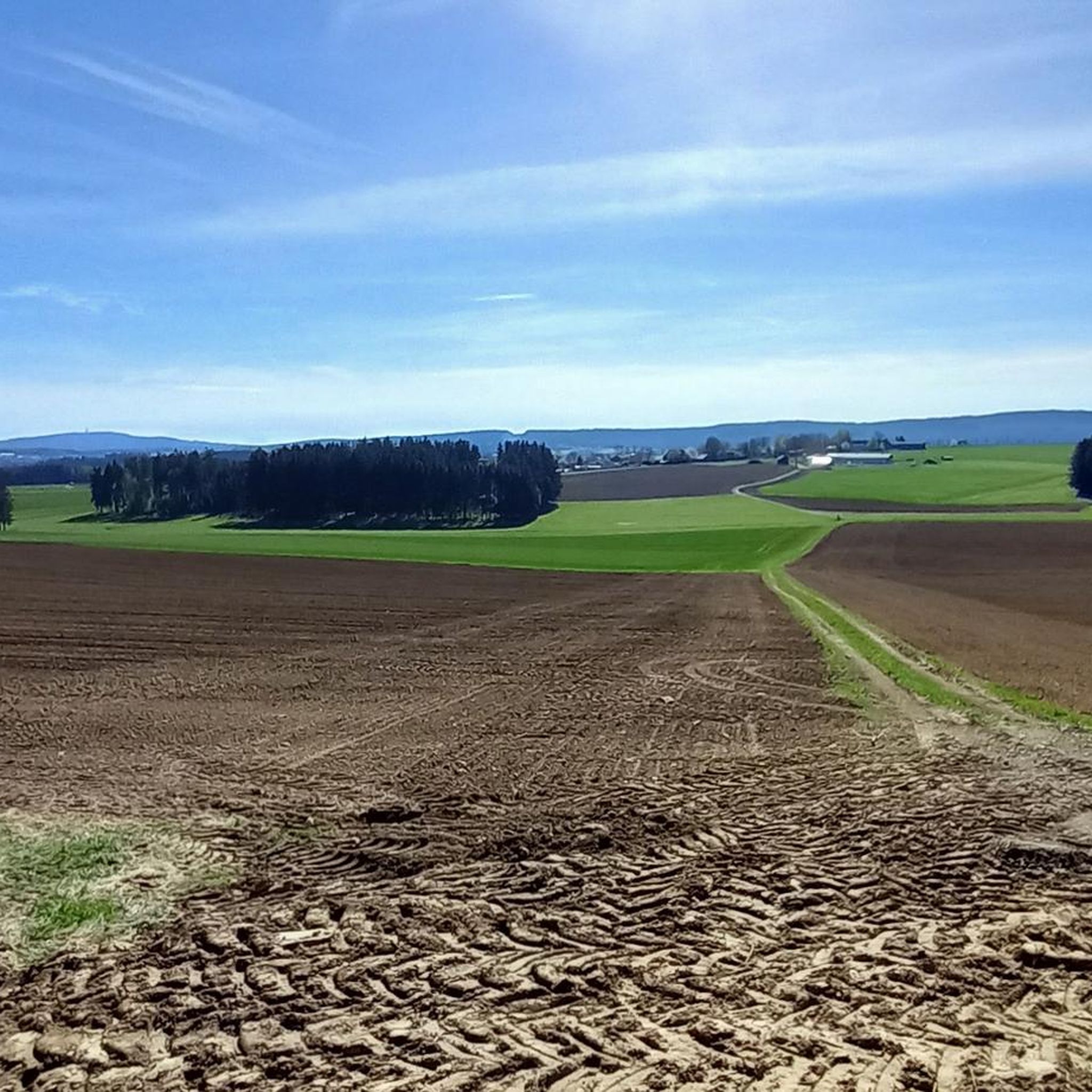
Running Trails around Schwarzenbach an der Saale
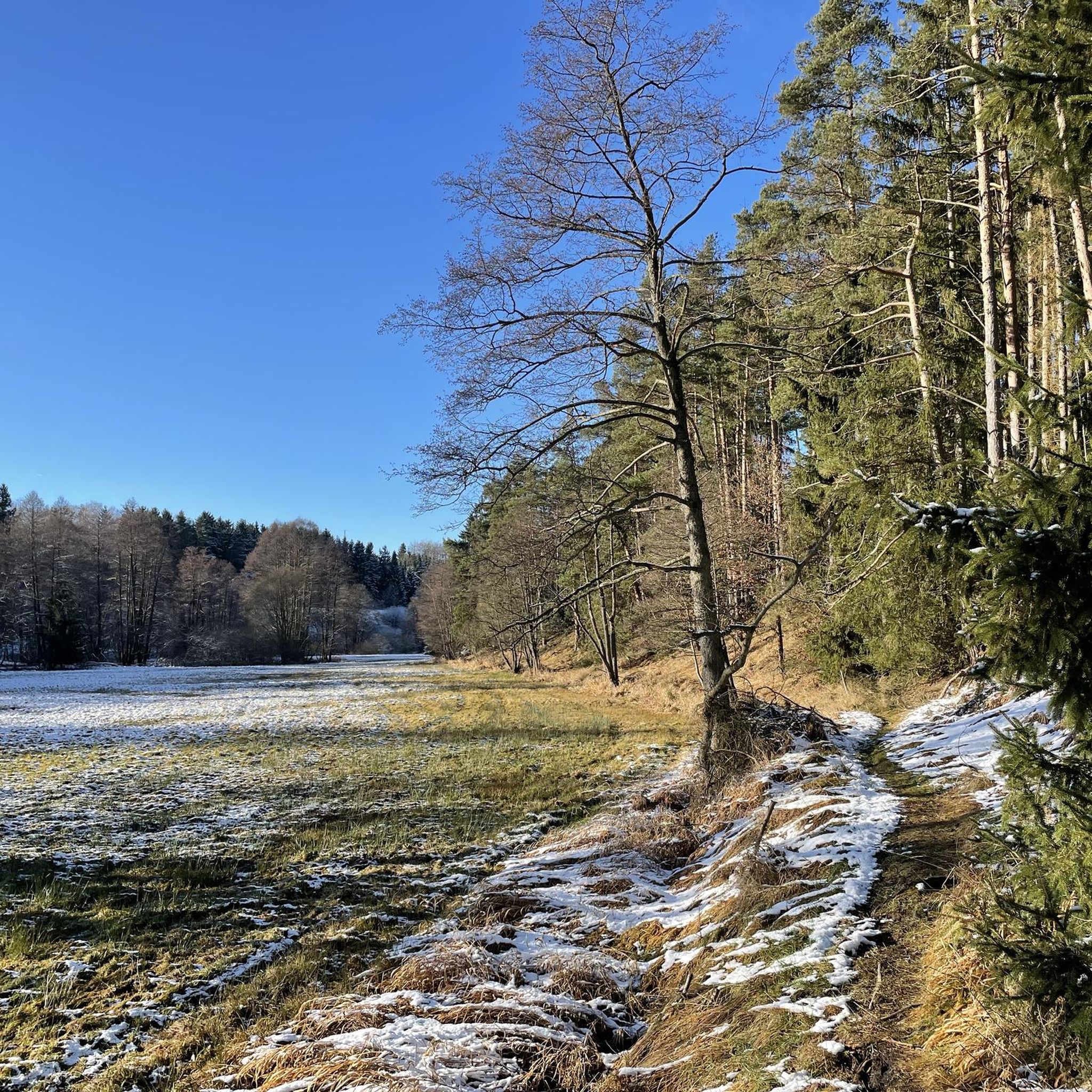
MTB Trails around Schwarzenbach an der Saale

Gravel biking around Schwarzenbach an der Saale
Mountain Hikes around Schwarzenbach an der Saale
Other adventures around Schwarzenbach an der Saale


Tips from the Community


Nice beer garden, delicious food
0
0

The town hall fountain is covered during the winter months, but the figures above it are visible.
0
1

St. Mary's Church in Hof is an architectural landmark of the old town. After the Reformation, Hof was almost exclusively Protestant for centuries. It was only with its annexation by Bavaria in 1810 and the influx of Catholic officials and workers from Bohemia and the Franconian Forest that a Catholic community was re-established. The growing number of parishioners led to the construction of St. Mary's Church between 1864 and 1877, based on plans by the Regensburg Cathedral architect Vincenz Denzinger. It was built on the site of the former inn "Zur goldenen Sonne" (At the Golden Sun) – the present-day Sonnenplatz (Sun Square) still commemorates this. The church is built in the Neo-Gothic style and, with its artistic unity, forms an imposing conclusion to the old town. Its furnishings are entirely Neo-Gothic and are listed as historical monuments, including the romantic mechanical cone-valve organ. The Steinmeyer organ from 1885 complements the furnishings and underscores the church's musical tradition. St. Mary's is the main Catholic church in Upper Franconia and belongs to the northeasternmost deanery of the Archdiocese of Bamberg. It is also a memorial to Bernhard Lichtenberg, the Blessed Provost of the Cathedral and a martyr under National Socialism. After the opening of the border in 1989, the church once again became a place of cultural exchange with Catholic communities in Plauen and Weida. https://de.wikipedia.org/wiki/St._Marien_(Hof)
3
1
Originally dedicated as a chapel to the Archangel Michael, the Holy Cross, and Mary Magdalene, St. Michael's Church in Hof was built around 1230, following the founding of the city and in connection with the expansion of the new town. In 1536, St. Michael's was chosen as the main Protestant church in the wake of the Reformation. Cannonballs embedded in the central chancel window and the north tower still serve as reminders of a siege lasting several weeks in 1553, during which the church was heavily bombarded. St. Michael's Church boasts a surprisingly spacious interior. For structural reasons, the Gothic net vaulting was replaced with a wooden structure after the great Hof city fire of 1823, which also destroyed large parts of the church. The organ, built by the Heidenreich brothers, is the largest surviving instrument of this family of organ builders, who have been based in Hof since 1782, and largely adheres to the design principles of Gottfried Silbermann. The Heidenreich organ is considered by experts to be one of the most beautiful-sounding in Bavaria and can be heard not only during church services but also at concerts and market devotions. The church is closed, but the key can be obtained from the deanery at Maxplatz 6. https://www.fichtelgebirge.bayern/detail/id=60925637b3b9c342377478eb
3
1
The Town Hall Fountain in Hof is a striking landmark in the heart of Hof's Neustadt district, combining art, local history, and urban life in a compact space. It stands on the north side of the Town Hall, directly on Klosterstraße, just steps from Ludwigstraße and opposite St. Michael's Church. Its central location makes the fountain easy to find, whether on foot through the city center, by bus to the Rathaus (Town Hall) stop on Ludwigstraße, or by car in the adjacent underground parking garage "Am Rathaus" on Karolinenstraße. The Town Hall Fountain was created in 1979 by the sculptor Margarete Wiggen as a bronze sculpture ensemble. Over the years, it has become a popular meeting place for locals and visitors alike and also serves as the starting point for various themed city tours. The fountain is particularly eye-catching in spring when it is traditionally decorated as an Easter fountain. At this time, colorful decorations accentuate the fountain's contours and create vibrant accents against the backdrop of the historic Town Hall facade. Visitors to Hof will find the town hall fountain not only a great photo opportunity, but also a perfect starting point for exploring the surrounding sights and streets at their leisure. https://www.hof-news.de/de/locations/rathausbrunnen-ChIJeVyjd30XoUcRlTyItk9fKKw
4
0

The ceilings from the station are very beautiful.
3
1
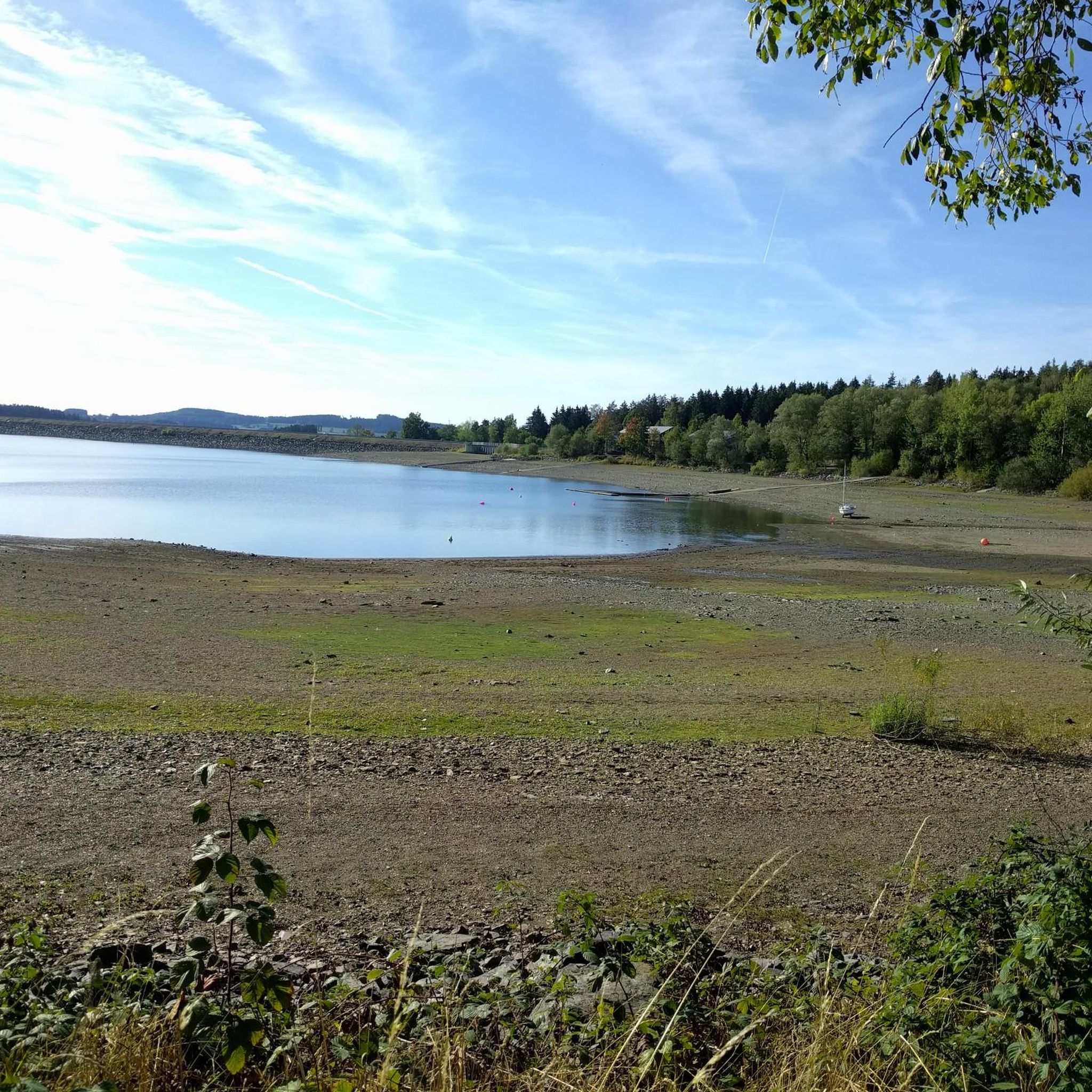
I always feel comfortable at Lake Weißenstadt.
3
1
Frequently Asked Questions
How many road cycling routes are available around Schwarzenbach an der Saale?
There are over 20 road cycling routes in the Schwarzenbach an der Saale area, catering to various skill levels. The komoot community has rated these routes highly, with an average score of 4.4 stars.
What is the typical terrain and difficulty for road cycling around Schwarzenbach an der Saale?
The region, situated at the foot of the Großer Kornberg and providing access to the Fichtel Mountains and Frankenwald, features diverse and often hilly terrain. You can expect significant climbs, especially in the upper sections of routes like the Saale Cycle Path. While there are some easier paths, many routes are considered moderate to difficult, offering a good challenge for ambitious cyclists.
Are there any long-distance road cycling paths accessible from Schwarzenbach an der Saale?
Yes, Schwarzenbach an der Saale is a gateway to the renowned Saale Cycle Path (Saaleradweg). This 403-kilometer route begins nearby in Zell in the Fichtelgebirge and is known for its demanding upper sections with significant climbs, gradually becoming flatter downstream. It offers a challenging long-distance experience through picturesque valleys and forests.
What scenic views or landmarks can I expect to see on road cycling routes here?
Road cycling routes often feature stunning natural landscapes and historical sites. You might pass by the expansive Förmitzspeicher Reservoir, the largest lake in Upper Franconia, or enjoy views of Lake Weißenstadt. Historical highlights include the Epprechtstein Castle Ruins, offering panoramic views of the Fichtelgebirge, and the remains of Waldsteinburg (Red Castle).
Are there many circular road cycling routes in the area?
Yes, many of the road cycling routes around Schwarzenbach an der Saale are designed as loops. For example, the popular Förmitz Reservoir – Lake Weißenstadt loop from Schwarzenbach (Saale) is a moderate 31.2-mile circular path, and the Förmitz Reservoir – View of the Förmitz Reservoir loop from Förbau offers a shorter 33.1-mile option.
What are some challenging road cycling routes for experienced riders?
The region offers several routes with significant elevation gain. The Reinersreuth–Zell Cycle Path – Förmitz Reservoir Dam loop from Schwarzenbach (Saale), for instance, covers 36.7 miles with nearly 600 meters of ascent, providing a good test for advanced cyclists. The upper sections of the Saale Cycle Path also present demanding climbs.
Are there any easier road cycling routes suitable for beginners?
While many routes feature hilly terrain, there are options for less experienced riders. The region offers some paths with gentler gradients, particularly further downstream along the Saale River. It's advisable to check the elevation profile of individual routes on komoot to find those with less demanding climbs.
What is the best time of year for road cycling in Schwarzenbach an der Saale?
The spring, summer, and early autumn months generally offer the most favorable conditions for road cycling. During these seasons, the weather is typically milder, and the landscapes are at their most vibrant, making for enjoyable rides through the Fichtel Mountains and Frankenwald.
Are there any road cycling routes that pass by lakes or reservoirs?
Absolutely. The region is known for its beautiful water bodies. Routes often incorporate the Förmitzspeicher Reservoir and Lake Weißenstadt. The Northeast shore of Untreusee – Untreusee loop from Förbau is another excellent option, offering scenic views around the Untreusee.
What do other road cyclists enjoy the most about road cycling in Schwarzenbach an der Saale?
The area is highly rated by the komoot community, with an average score of 4.4 stars from over 20 reviews. Cyclists frequently praise the diverse landscapes, from the challenging climbs in the Fichtel Mountains to the picturesque valleys along the Saale River, and the scenic beauty of the reservoirs and lakes.
Can I reach the road cycling routes using public transport?
Schwarzenbach an der Saale has a train station, which can be a starting point for exploring the region. Many routes are accessible from the town center. It's recommended to check local public transport schedules and bike transport options when planning your trip.
Are there places to eat or stay for cyclists in Schwarzenbach an der Saale?
Yes, Schwarzenbach an der Saale features a charming old town with cafes and restaurants where you can relax and refuel after your ride. There are also various accommodation options available for visitors.
Most popular routes around Schwarzenbach an der Saale
Most popular attractions around Schwarzenbach an der Saale

Get inspired with the komoot mobile app


Explore more
Browse the best Road cycling routes in other regions.
