Attractions and Places To See around Nuradda/Nurallao - Top 20
Best attractions and places to see around Nuradda/Nurallao, a municipality in Sardinia, Italy, offer a blend of historical, cultural, and natural sites. Situated in the Sarcidano region, Nurallao Sardinia features ancient megalithic structures and traditional shepherd huts. The area also provides natural landscapes with waterfalls, wetlands, and parks. Visitors can explore a variety of sites reflecting the region's rich history and natural beauty.
Best attractions and places to see around Nuradda/Nurallao
- The most popular attractions is Pinnettas Shepherd Huts,…
Last updated: May 4, 2026
Pinnettas Shepherd Huts
Highlight • Mountain Hut
Translated by Google •
Tip by

Bruncu Madugui village and nuraghe
Highlight • Historical Site
The main building is of considerable architectural importance, …
Translated by Google •
Tip by

Sign up now to discover places like this
Get recommendations on the best single tracks, peaks, & plenty of other exciting outdoor places.
Sign up for free
Cascata Maggiore, Aymerich Park
Highlight • Waterfall
Translated by Google •
Tip by

Ruins of Aymerich Castle
Highlight • Castle
Translated by Google •
Tip by
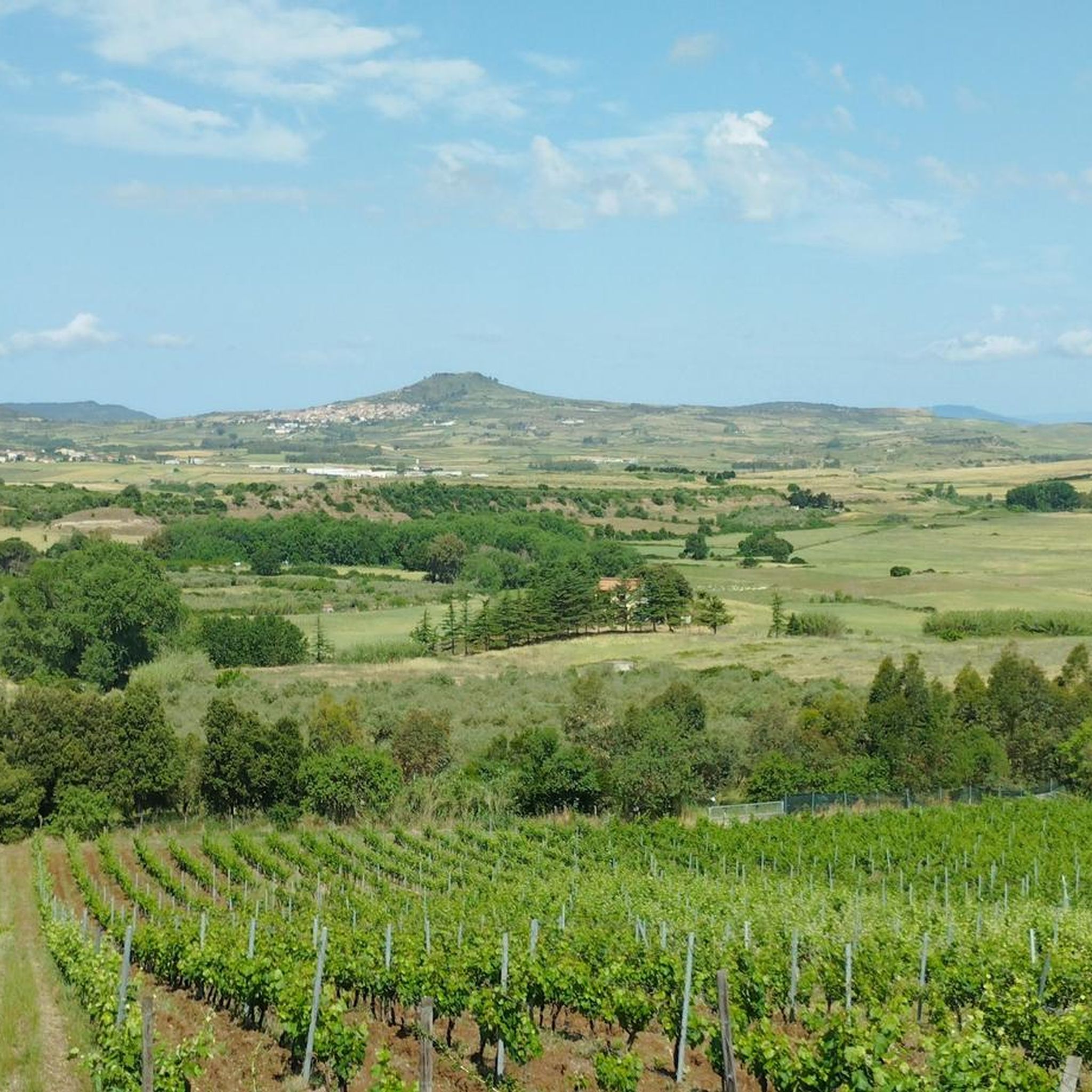
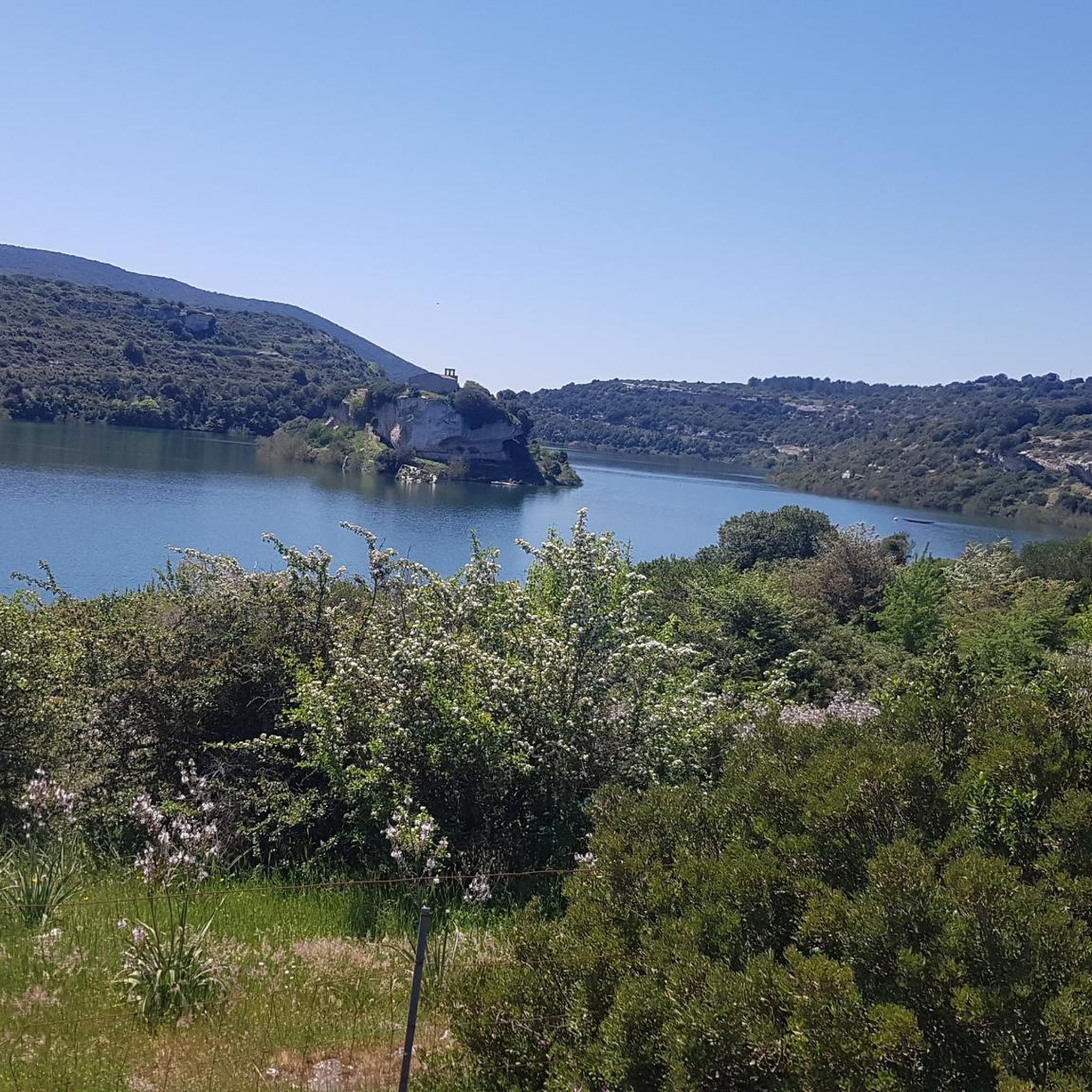
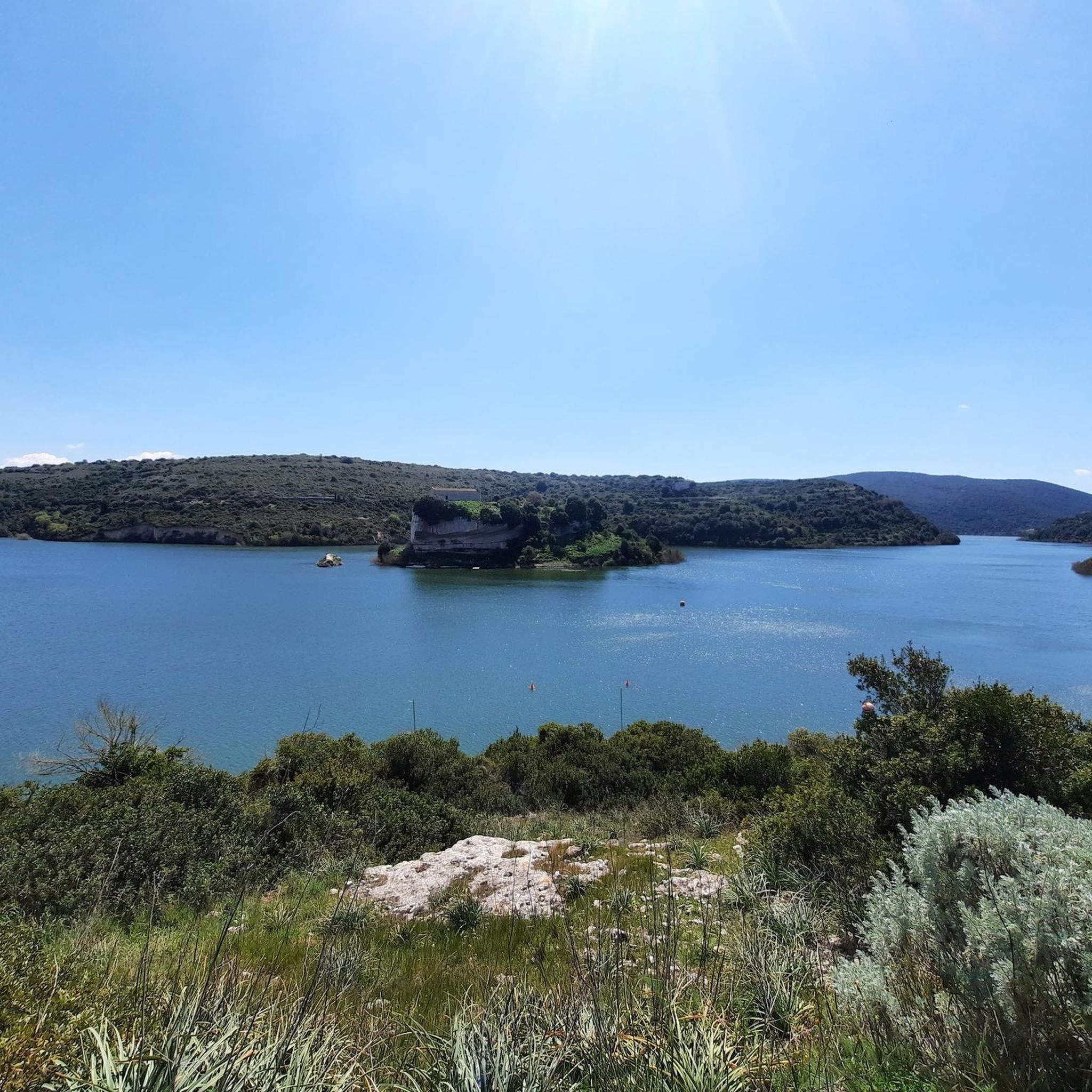
Pauli Maiori Wetland
Highlight • Lake
Tip by

Sign up for free to discover even more attractions around Nuradda/Nurallao.
Sign up for free
Already have an account?
Start today with a free account
Your next adventure awaits.
Login or Signup
Tips from the Community

In summer the lake is dry, but there is a good chance of seeing wild horses at the nearby springs.
0
0

The German-language television series “Treasures of the World – Heritage of Humanity” – which I can recommend without reservation – devotes a quarter-hour report to the UNESCO World Heritage Site of the “NURAGHI” in Sardinia and the traditional shepherds’ song known there as “Canto a Tenore”. The accompanying text to the programme states: “Over seven thousand round towers made of stone blocks weighing several tons are scattered all over Sardinia. Often only the stumps of these megalithic buildings, called nuraghi, remain. The first were built around 1400 BC. Small stones were placed between the mighty blocks, a construction method that made the stone towers safe from collapse." This article (episode 413 of the series) can be accessed in the ARD media library at the following link => https://www.ardmediathek.de/video/schaetze-der-welt/sardinien/3sat/Y3JpZDovL3N3ci5kZS8xNTg4MzM5MA
1
0

Here you can see wild horses and lots of insects. We saw the horses at the lake, it was really magical 🤩
1
0
There is a documentary about the model for this modern, but reminiscent of ancient models, documentation - which in my opinion is fully recommended: The German-language television series "Treasures of the World - Heritage of Humanity" is dedicated to the UNESCO world cultural heritage of the "NURAGHI" in Sardinia and a fifteen-minute contribution to the traditional shepherd's song known there as “Canto a Tenore”. The text accompanying the program says “Over seven thousand round towers made of stone pieces weighing tons are scattered all over Sardinia. Often only the stumps of these megalithic buildings, called nuraghi, remain. The first were around 1400 BC. Built. Small stones were placed between the mighty blocks, a construction method that made the stone towers collapse-proof.” This article (episode 413 of the series) is available in the ARD media library under the following link: https://www.ardmediathek.de/video/schaetze-der-welt/sardinien/3sat/Y3JpZDovL3N3ci5kZS8xNTg4MzM5MA
3
0

Sardinia's largest urban park lies on the border between the provinces of Oristano and Nuoro, a botanical paradise of rare plants and a wonderful destination for nature lovers. In the historic area of Sarcidano there is a place where you can take beautiful walks along nature trails surrounded by countless plant species and medieval ruins: the Ayermich Park, a 22-hectare oasis that until 1990 was the property of the margraves, the feudal ones owners of this oasis of land. The creator of this nature reserve was Don Ignazio Ayermich Ripoli, a botanist who brought back rare plants from his numerous trips abroad from the mid-19th century. It is an unusual excursion since it is located in the heart of the town of Laconi, about 60 km from Oristano and 90 km from Cagliari. The walk takes you through alleys decorated with a fresh and lively atmosphere. It begins in a forest of oaks, olive groves and black locust trees, dotted with natural ponds, streams, waterfalls and ponds. As you venture deeper into the park you will see a wide variety of orchids, including native ones such as Ophris laconensis and Sarcidanis. Among the tree avenues are unusual forms of vegetation such as Pyracantha coccinea and Collectia cruciata, whose leaves resemble military aircraft, as well as exotic plants such as the majestic Lebanon and Himalayan cedar, trees of exceptional size. Then there are plants from not far away but not common plants such as the Corsican pine, the Fagus sylvatica, the southern magnolia and the Taxus baccata, known as the “tree of death”. Water is a recurring theme and a source of life for the park. It flows in abundance all year round, forming rivers that then fall, such as the Cascata Maggiore or "great waterfalls", one of the park's many attractions. Source: https://www.sardegnaturismo.it/en/explore/parco-aymerich
1
0
In the middle of the Parco Aymerich you can see the ruins of a medieval castle, built in the 13th century to keep an eye on the border between the Guidicato of Arborea and that of Cagliari. This has also been claimed by each of these governments. The main tower is of Spanish origin and was converted into a prison in the 18th century. It is a two-story rectangular building with an arched entrance and a barrel-vaulted ceiling leading to a spacious courtyard. The building's doors and windows are decorated with elegant Catalan Gothic frames. A portico leads to a 35 m long room divided into different rooms. The noble residents lived on the upper floor and the servants lived on the lower floor. Source: https://www.sardegnaturismo.it/en/explore/parco-aymerich
1
0

It is the largest urban park in Sardinia, in which you can find countless exotic plants imported by Don Ignazio Aymerich Ripoll, curator of the nature reserve. There are waterfalls, lakes, natural paths and beautiful forests of holm oaks, downy oaks and many others. There are refreshment areas with benches and tables where you can eat. It cannot be visited by bike, but you can easily enter with it and leave it in the guardhouse area to visit the park on foot!
1
0

Very nicely landscaped park. Refreshing coolness when it's hot.
2
0
Frequently Asked Questions
What is the difference between Nuradda and Nurallao?
Nuradda is the Sardinian name for the municipality, while Nurallao is its Italian name. Both refer to the same location in Sardinia, Italy, known for its historical, cultural, and natural attractions.
Are there family-friendly attractions in Nurallao?
Yes, Nurallao offers several family-friendly options. The Cascata Maggiore, Aymerich Park, for example, is a large urban park with various waterfalls, lakes, and natural paths suitable for walks. Additionally, the Pauli Maiori Wetland is a scenic spot where families might even spot wild horses near its springs.
What historical sites can I explore in Nurallao?
Nurallao is rich in history. You can visit the impressive Giant's Tomb of Aiodda, one of the largest megalithic tombs in the Mediterranean, dating back to the 15th century BC. The area also features numerous Nuragic sites like Nuraghe Nieddiu and the Bruncu Madugui village and nuraghe. For Roman artifacts, explore the SAN – Spazio Archeologico Nurallao.
Where can I experience nature and see waterfalls in Nurallao?
For natural beauty, head to Funtana Is Arinus Park, located just north of town. This green oasis features ancient oak and cork tree forests and is home to the impressive Su Craddaxioleddu Waterfall, which cascades from a height of 20 meters. The Sarcidano river flows through the park and feeds Lake San Sebastiano.
Can I find ancient megalithic structures in the area?
Absolutely. The region is famous for its ancient megalithic structures. Besides the Giant's Tomb of Aiodda, you can explore several Nuraghi, such as Nuraghe Nieddiu, and the Bruncu Madugui village and nuraghe, which is a significant example of a 'corridor' nuraghe.
Are there opportunities for outdoor activities like hiking or cycling?
Yes, the Nurallao area offers various outdoor activities. You can find numerous routes for hiking, cycling, and mountain biking. For hiking, explore trails like the 'Aymerich Main Waterfall – Ruins of Aymerich Castle loop'. Cyclists can enjoy routes such as 'Story and nature, museums and waterfalls of Sarcidano'. Mountain bikers might like the 'Funtana Is Arinus and Nuraghe Adoni Loop'. You can find more details on these activities at the hiking guide, cycling guide, and MTB trails guide for Nurallao.
What unique natural features can I find around Nurallao?
Beyond waterfalls and parks, Nurallao boasts Lake San Sebastiano, fed by the Sarcidano River, which is part of the scenic Trenino Verde railway route. The Pauli Maiori Wetland is another unique feature, where you might encounter wild horses, especially near its springs.
What are the traditional aspects or cultural highlights of Nurallao?
Nurallao is known for its deep-rooted traditions, including local craftworks and festivals. You can see traditional Pinnettas Shepherd Huts, which offer a glimpse into local pastoral life. The town also celebrates festivals like the Festival of Is Tallarinus Nuraddesusu on Easter Monday and a Sheep Festival in May.
Are there any archaeological sites besides Nuraghi?
Yes, in addition to the Nuraghi, the area has traces of Punic fortifications and Roman occupation. You can find remains of Roman houses, roads, wells, and the Baths of Cannedu (1st-3rd AD) at Sa Bidda Becia. The SAN – Spazio Archeologico Nurallao also displays Roman artifacts, including findings from ancient burials.
What is the best time of year to visit Nurallao?
The best time to visit Nurallao largely depends on your interests. For outdoor activities and enjoying the natural parks and waterfalls, spring and early autumn offer pleasant temperatures. If you're interested in local festivals, consider visiting during Easter for the Festival of Is Tallarinus Nuraddesusu or in May for the Sheep Festival. Mid-August also sees a pilgrimage to the Church of Madonna della Strada.
Can I find wild horses in the Nurallao area?
Yes, the Pauli Maiori Wetland is a known spot where you might be lucky enough to see wild horses, particularly near its springs. While the wetland might be dry in summer, these majestic animals can often be found grazing in the vicinity.
What kind of industrial heritage can be found in Nurallao?
Nurallao has a history of traditional manufacturing. The Funtana 'e Susu Industrial Archaeology Site is a testament to the town's past production of lime, shingles, and pots. There are plans to host a permanent photo exhibition at this site, showcasing these traditional manufacturing processes.
Are there any notable churches or religious sites?
Yes, Nurallao features a couple of significant churches. The Church of Madonna della Strada, nestled in the woods, is the destination for a mid-August pilgrimage during the Driver's Festival. The Parish Church of Nurallao houses a 17th-century statue of Saint Peter the Apostle, the patron saint, whose feast day is celebrated with a traditional procession at the end of June.
Most popular attractions around Nuradda/Nurallao

Get inspired with the komoot mobile app


Explore more
Still not found the Highlight you’re looking for? See guides of the top attractions in other regions:
