Attractions and Places To See around Montaldo Scarampi - Top 20
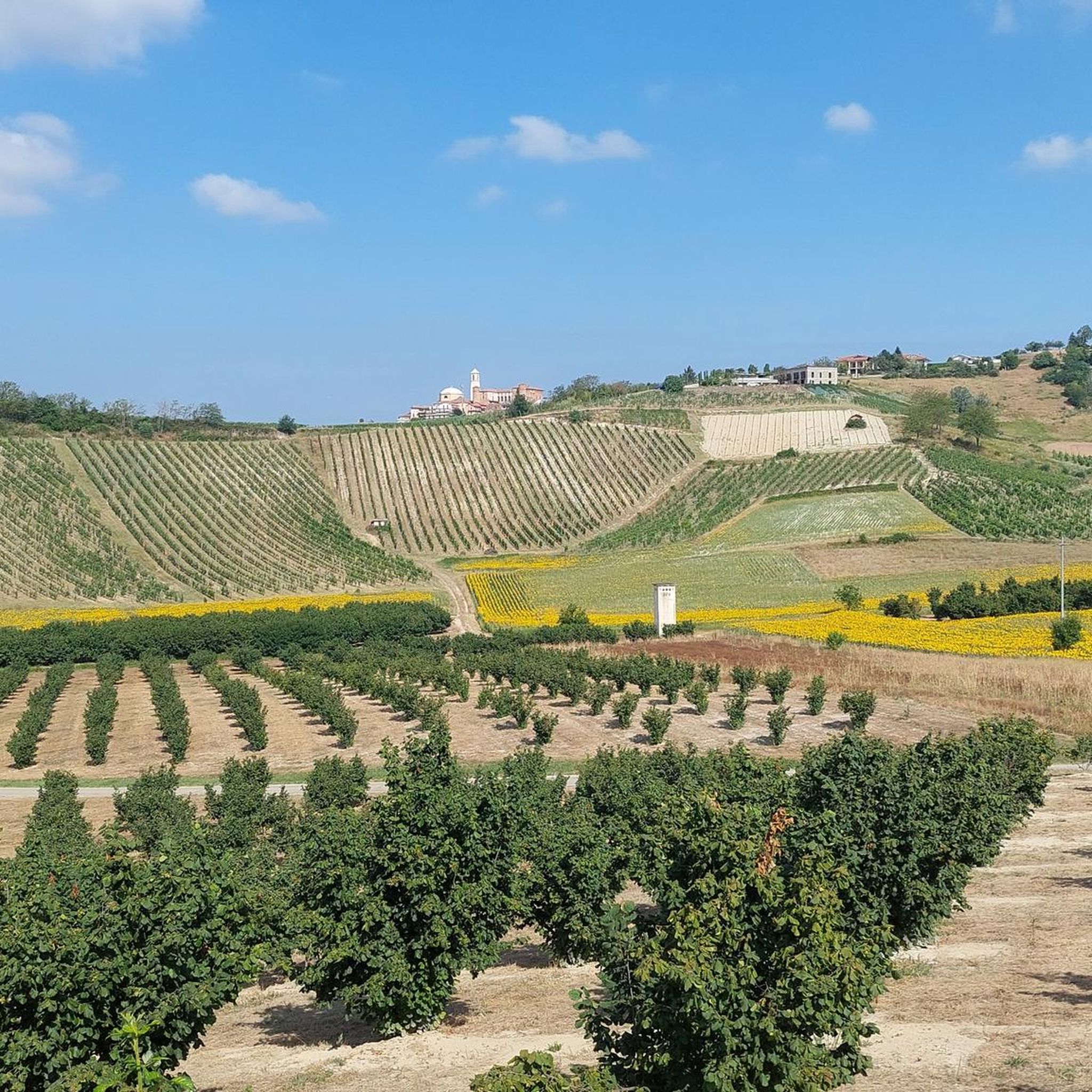
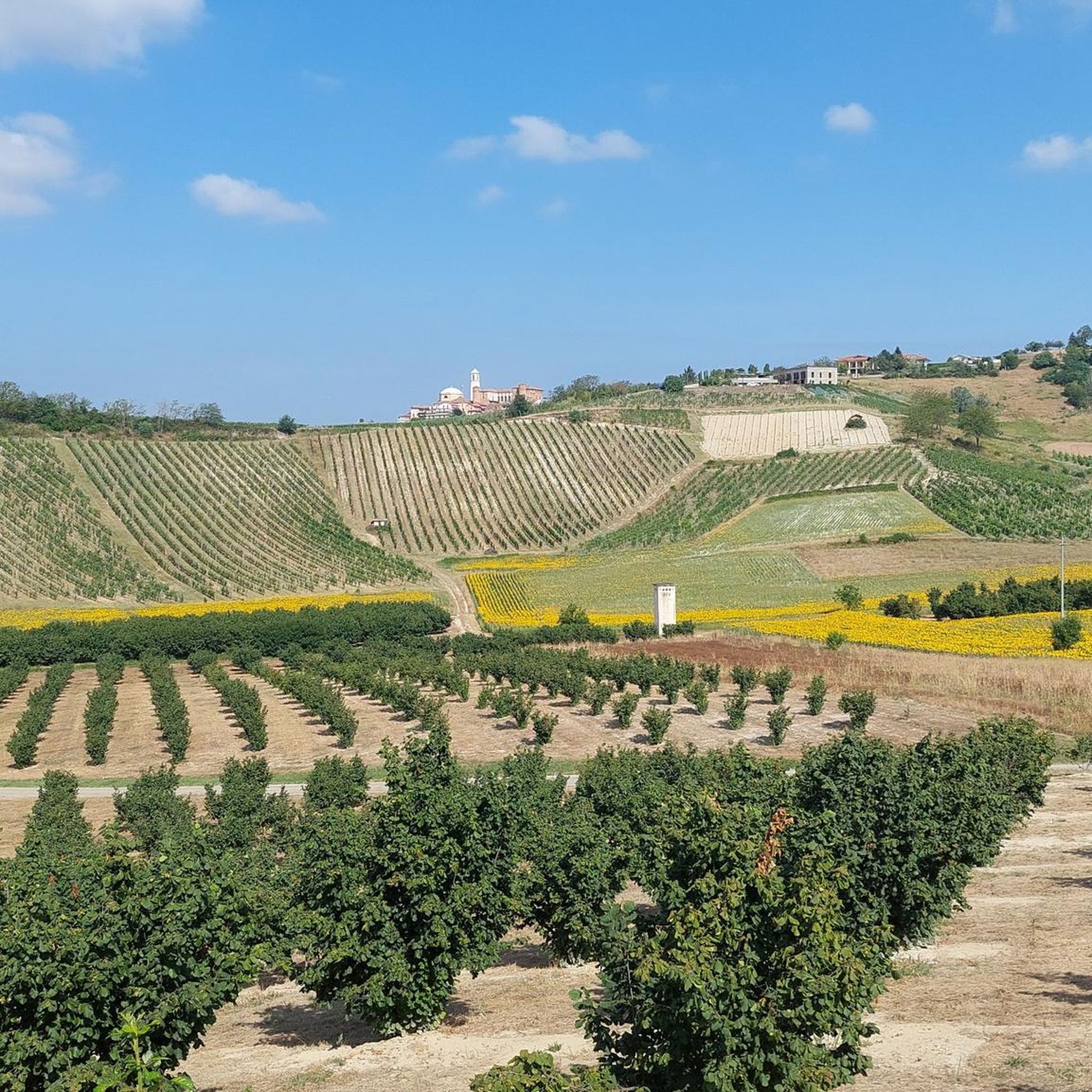
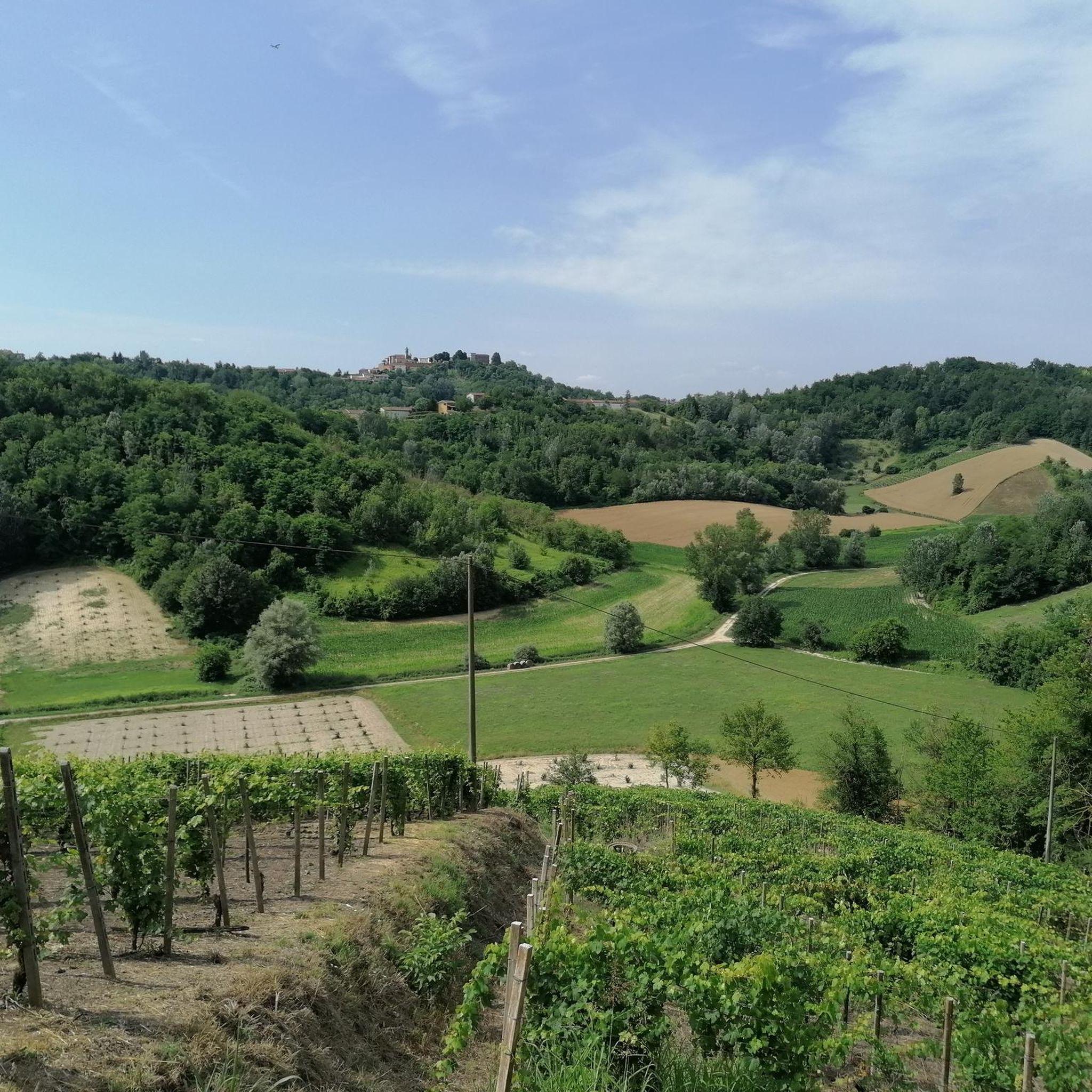
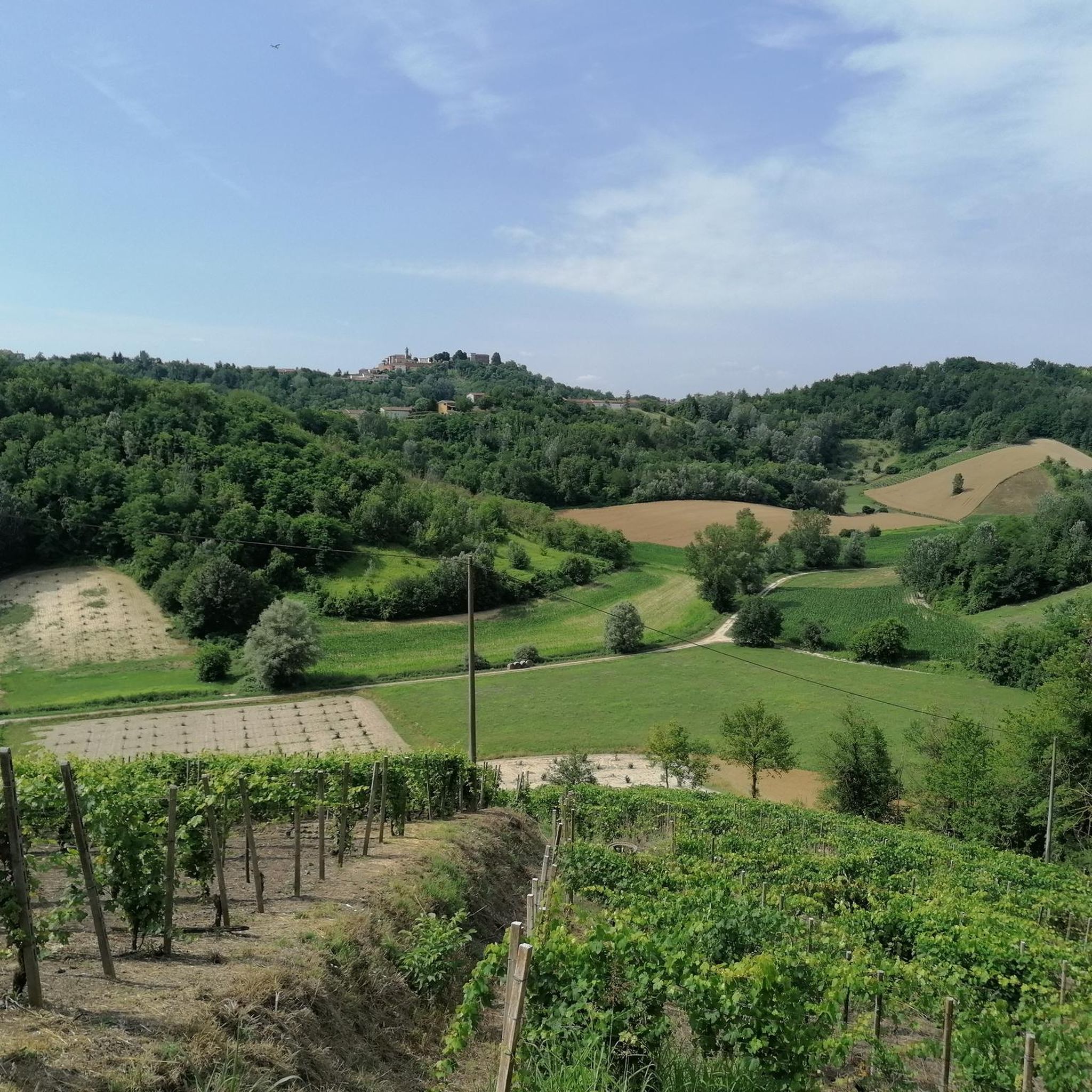
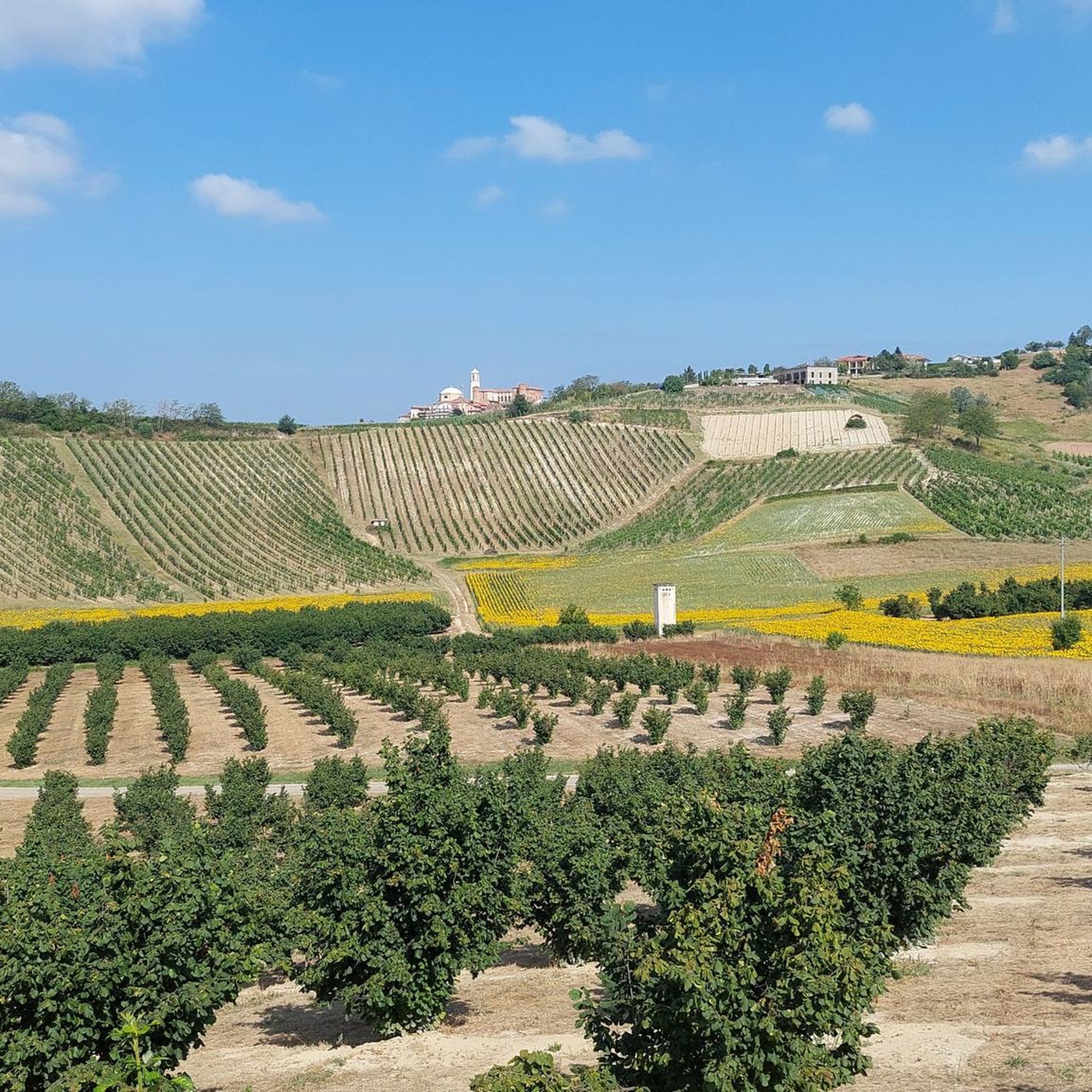
Best attractions and places to see around Montaldo Scarampi include a blend of cultural, historical, and natural sites within Italy's Piedmont region. The area is characterized by the rolling Monferrato hills, a UNESCO World Heritage site known for its vineyard landscapes and wine production. Visitors can explore historical landmarks and religious buildings, alongside opportunities for outdoor activities in the Val Tiglione. This region offers diverse scenery and insights into local heritage.
Best attractions and places to see around Montaldo Scarampi
…Last updated: August 17, 2026
Costigliole d'Asti Castle
Highlight • Castle
Translated by Google •
Tip by

Piazza San Secondo
Highlight • Settlement
Translated by Google •
Tip by
Sign up now to discover places like this
Get recommendations on the best single tracks, peaks, & plenty of other exciting outdoor places.
Sign up for free
Main Square of Castelnuovo Calcea
Highlight • Settlement
cittaecattedrali.it/it/bces/313-chiesa-di-s-stefano-castelnuovo-calcea-at
Translated by Google •
Tip by

Monument to the Unification of Italy
Highlight • Monument
Translated by Google •
Tip by

Church of Saint Catherine
Highlight • Religious Site
Translated by Google •
Tip by
Sign up for free to discover even more attractions around Montaldo Scarampi.
Sign up for free
Already have an account?
Start today with a free account
Your next adventure awaits.
Login or Signup
Tips from the Community

Castelnuovo Calcea, located in the heart of the Monferrato Astigiano, has ancient origins linked to the Ligurian Statielli, Celts, and Gauls, before Roman colonization (Castrum Novum ad Calcea). The medieval village, known for its castle, destroyed several times starting in 1155, was a fiefdom of the Marquises of Incisa, the Trotti family, and finally the Savoy family in 1735.
0
0

With a plaque for the "Martyrs of Freedom": Ferrero Domenico Ferruccio from Castelnuovo was a partisan in the Giustizia & Liberta formations, killed in action on March 26, 1945, during the fighting in Agliano, not far from here. http://intranet.istoreto.it/partigianato/dettaglio.asp?id=35746 Bianco Luigi Loris was a farmer from Castelnuovo and a partisan in an autonomous unit. He was captured during a clearing operation on December 6, 1944, and deported to Germany. He died during the death march from Flossenbürg to Dachau. https://israt.it/banche-dati/deportati-politici-astigiani.html https://www.pietredellamemoria.it/pietre/monumento-ai-caduti-di-castelnuovo-calcea/
0
0

Place of worship and prayer Corso Vittorio Alfieri, 424, 14100 Asti AT http://www.santacaterina.asti.it/index.php 0141592428
1
0

Church with a particular shape with a rounded plan, a facade that recalls classical forms and a bell tower obtained from what was one of the two towers of the Roman gate of the city (in the style of the Porta Palatina of Turin). Located in the extreme part of Corso Alfieri.
0
0

The Collegiate Church of San Secondo is one of the oldest Gothic churches in Asti. With the adjacent municipal seat and opposite the square of the same name, it forms the heart of the city. Dedicated to San Secondo, patron saint of the city, it was built according to tradition on the site of his martyrdom and burial. The exact time of its foundation is not known, the oldest document mentioning the church dates from August 1, 880. Don't forget to visit the Crypt: Interpretation: The pre-Romanesque layout of the church cannot be reconstructed in any way, except by the presence of the crypt; the oldest part dates from the 6th/7th century, consisting of four small columns surmounted by Corinthian imitation capitals with a double order of leaves. Two side walls and two wrought iron gates border the "cella confessionis", within which is located the sixteenth century reliquary, in silver, with the bones of the martyr from Asti.
2
1

Heart of ancient Asti, characterized by the medieval church of San Secondo next to the eighteenth-century town hall (the building is actually sixteenth-century, but the façade was rebuilt in the eighteenth century by the architect Benedetto Alfieri). In one corner there is the Palazzo del Podestà, the seat of civil power in the Middle Ages. A short distance away are Piazza Alfieri, Via Cavour with its towers and churches from different eras, and Corso Alfieri, the backbone of the ancient city.
5
0
The castle, configured in a single and imposing square volume, reveals evident architectural stylistic differences, originating from the layout choices undertaken in the 17th century by the legitimate owners. Starting from 1625, the Asinari nobles shared the rank of "counts of Costigliole" with the noble Verasis family. This complex was therefore divided between two feudal lords, who, with autonomous determination, gave rise to transformations and embellishments on subjective bases. The northern part of the manor, pertaining to the Asinari, retains the appearance derived from the interventions of the second half of the eighteenth century, duly inspired by the architectural canons propagated by Benedetto Alfieri. At the same time, the external aspect of the southern part, pertaining to the Verasis, constitutes an interesting example of neo-medieval stylistic re-proposition, dating back to the first decades of the 19th century.
5
0
Cradle of the historic center of the city and seat of the Town Hall and the Collegiate Church of San Secondo (the church dedicated to the Patron Saint).
0
0
Frequently Asked Questions
What historical sites can I explore in and around Montaldo Scarampi?
Montaldo Scarampi itself is considered an "open-air museum" with ancient origins. Nearby, you can visit the impressive Costigliole d'Asti Castle, a mighty quadrangular structure with distinct architectural styles from the 17th and 19th centuries. Another significant historical landmark is the Monument to the Unification of Italy, which commemorates sacrifices made for peace.
Are there any notable religious buildings to visit near Montaldo Scarampi?
Yes, the area features several historically rich religious sites. In Montaldo Scarampi, you can find the Parish Church of the Annunziata. In Asti, the Collegiate Church of Saint Secondo is one of the oldest Gothic churches in the city, built on the site of its patron saint's martyrdom, with a crypt dating back to the 6th/7th century. Also in Asti, the Church of Saint Catherine, a Baroque church, stands on the site of an 11th-century construction and is historically linked to the Red Tower.
What natural landscapes and features can I discover in the Montaldo Scarampi area?
Montaldo Scarampi is nestled in the Val Tiglione, known for its wine production. The region is characterized by the picturesque Monferrato Hills, a UNESCO World Heritage site, offering rolling landscapes of vineyards, hazel groves, orchards, and forests. You'll find diverse scenery perfect for enjoying the outdoors.
Can I go hiking or cycling near Montaldo Scarampi?
Absolutely! The area around Montaldo Scarampi is ideal for outdoor activities. You can find numerous hiking and cycling trails that offer diverse views of vineyards and tranquil wooded areas. For running, explore routes like 'Running on the hills of Mombercelli' or 'Shaded Bench loop from Mombercelli'. If you prefer mountain biking, consider 'Rocchetta Tanaro town center loop' or 'Entrance to Nizza Monferrato – Vineyards of Monferrato loop'. Cyclists can enjoy longer tours such as 'Torre dei Contini – Nizza Monferrato Town Square loop'. You can find more details on these and other routes in the Running Trails, MTB Trails, and Cycling guides around Montaldo Scarampi.
Are there family-friendly attractions in Montaldo Scarampi?
Many of the historical and cultural sites in the region are suitable for families. The Costigliole d'Asti Castle and the Monument to the Unification of Italy are highlights that can be enjoyed by all ages. The natural landscapes of the Monferrato Hills also offer gentle walks and scenic drives that families can appreciate together.
What is the best time of year to visit Montaldo Scarampi?
The Monferrato region, including Montaldo Scarampi, is beautiful throughout much of the year. Spring and autumn are particularly pleasant for outdoor activities like hiking and cycling, with comfortable temperatures and vibrant landscapes (vineyards in autumn are stunning). Summer offers local festivals, but can be warmer. Winter can be quiet, but still offers charm, especially for those interested in local culinary events.
Where can I experience the local wine culture in the Montaldo Scarampi region?
The Val Tiglione, where Montaldo Scarampi is located, is renowned for its production of DOC Piedmont and Monferrato wines such as Barbera, Grignolino, and Freisa. The entire Monferrato region is a UNESCO World Heritage site due to its vineyard landscapes. You'll find numerous opportunities for wine tasting and vineyard tours in the surrounding villages and countryside, allowing you to fully immerse yourself in the local wine culture.
What unique cultural events or festivals take place in Montaldo Scarampi?
Montaldo Scarampi is known for hosting the 'Gran Galà del Bollito,' an event celebrating Bollito Misto, an iconic Piemontese culinary tradition. This festival typically takes place in February, offering a unique taste of local culture and gastronomy.
Are there any castles or grand estates worth visiting near Montaldo Scarampi?
Yes, besides the Costigliole d'Asti Castle, which is a significant landmark, you can also explore the Castello Scarampi in Monale. This imposing medieval structure offers magnificent views over the Alps and is surrounded by a beautiful park and rose garden, often used for events. These castles provide a glimpse into the region's noble history and architectural heritage.
What do visitors particularly enjoy about the attractions around Montaldo Scarampi?
Visitors appreciate the blend of cultural, historical, and natural sites. The Costigliole d'Asti Castle is highly regarded for its grandeur and historical significance. The Collegiate Church of Saint Secondo is valued for its ancient Gothic architecture and rich history. Many also find the Monument to the Unification of Italy to be a beautiful and worthy memorial. The scenic vineyard landscapes and opportunities for outdoor activities are also frequently highlighted.
How can I get around Montaldo Scarampi and its surrounding attractions?
Montaldo Scarampi is a small comune, and while specific public transport details for the immediate town are limited, the wider Monferrato area is best explored by car to reach various castles, vineyards, and smaller villages. For those interested in active exploration, the region offers numerous hiking and cycling routes that connect different points of interest, allowing for a more immersive experience of the landscape.
Are there any lesser-known or 'hidden gem' attractions in the area?
Beyond the main highlights, the charm of Montaldo Scarampi lies in its designation as an 'open-air museum,' encouraging exploration of its historic town center. The surrounding smaller villages like Moncucco, Mombercelli, and Rocca d'Arazzo also offer authentic local culture and additional scenic views, providing a more intimate experience of the Monferrato region away from larger crowds.
Can I find places to eat or stay in Montaldo Scarampi?
While Montaldo Scarampi is a small town, the wider Monferrato region is well-equipped with accommodation options ranging from agriturismos (farm stays) to hotels, and a variety of restaurants and cafes serving traditional Piemontese cuisine. Exploring nearby villages will offer more choices for dining and lodging, often featuring local specialties and regional wines.
Most popular routes around Montaldo Scarampi
Most popular attractions around Montaldo Scarampi

Get inspired with the komoot mobile app


Explore more
Still not found the Highlight you’re looking for? See guides of the top attractions in other regions:
