Attractions and Places To See around Castel Rocchero - Top 20
Best attractions and places to see around Castel Rocchero include historical sites and natural features within a viticultural landscape. This municipality in the Province of Asti, Piedmont, is known for its rolling hills and extensive vineyards, part of a UNESCO World Heritage site. The area offers a blend of historical landmarks and scenic viewpoints, reflecting its strategic past and wine culture. Visitors can explore various points of interest that showcase both cultural heritage and natural beauty.
Best attractions and places…
Last updated: July 6, 2026
Roman Aqueduct of Acqui Terme
Highlight • Historical Site
Translated by Google •
Tip by

La Bollente Hot Spring Fountain
Highlight • Natural Monument
Translated by Google •
Tip by

Sign up now to discover places like this
Get recommendations on the best single tracks, peaks, & plenty of other exciting outdoor places.
Sign up for free
Monastero Bormida
Highlight • Settlement
Translated by Google •
Tip by

Marchional Palace of Mombaruzzo
Highlight • Historical Site
Translated by Google •
Tip by
Vineyard of the Colorful Pencils
Highlight • Structure
Translated by Google •
Tip by
Sign up for free to discover even more attractions around Castel Rocchero.
Sign up for free
Already have an account?
Start today with a free account
Your next adventure awaits.
Login or Signup

Tips from the Community

The Castle of Monastero Bormida was not originally built as a defensive structure but as a Benedictine monastery, founded around 1050 by monks from the Abbey of Fruttuaria, called by the Aleramici Marquises to reclaim the lands devastated by Saracen raids. The 27-meter tower still visible today was originally the bell tower, and the river flowing a few meters from the southern tower confirms the non-military nature of the building. In 1393, the Benedictines abandoned the monastery, and its feudal history began: the fief passed to the Del Carretto marquises, who in the 15th century added the first defensive structures, transforming it into a castle. The building is a quadrangular structure with an internal courtyard, protected by towers on multiple sides and connected to the former bell tower by a small suspension bridge. On the south facade, there is a two-arched Renaissance loggia with a small stone column. Inside, the rooms on the main floor—transformed in the 17th century—feature mosaic floors and sail and cross vaults with frescoes of floral and geometric motifs. The castle later passed to the Della Rovere family and subsequently to the Genoese Polleri family, finally becoming the property of the Municipality starting in 1880. Today it is open to visitors and is part of the regional circuit "Castelli Aperti".
0
0

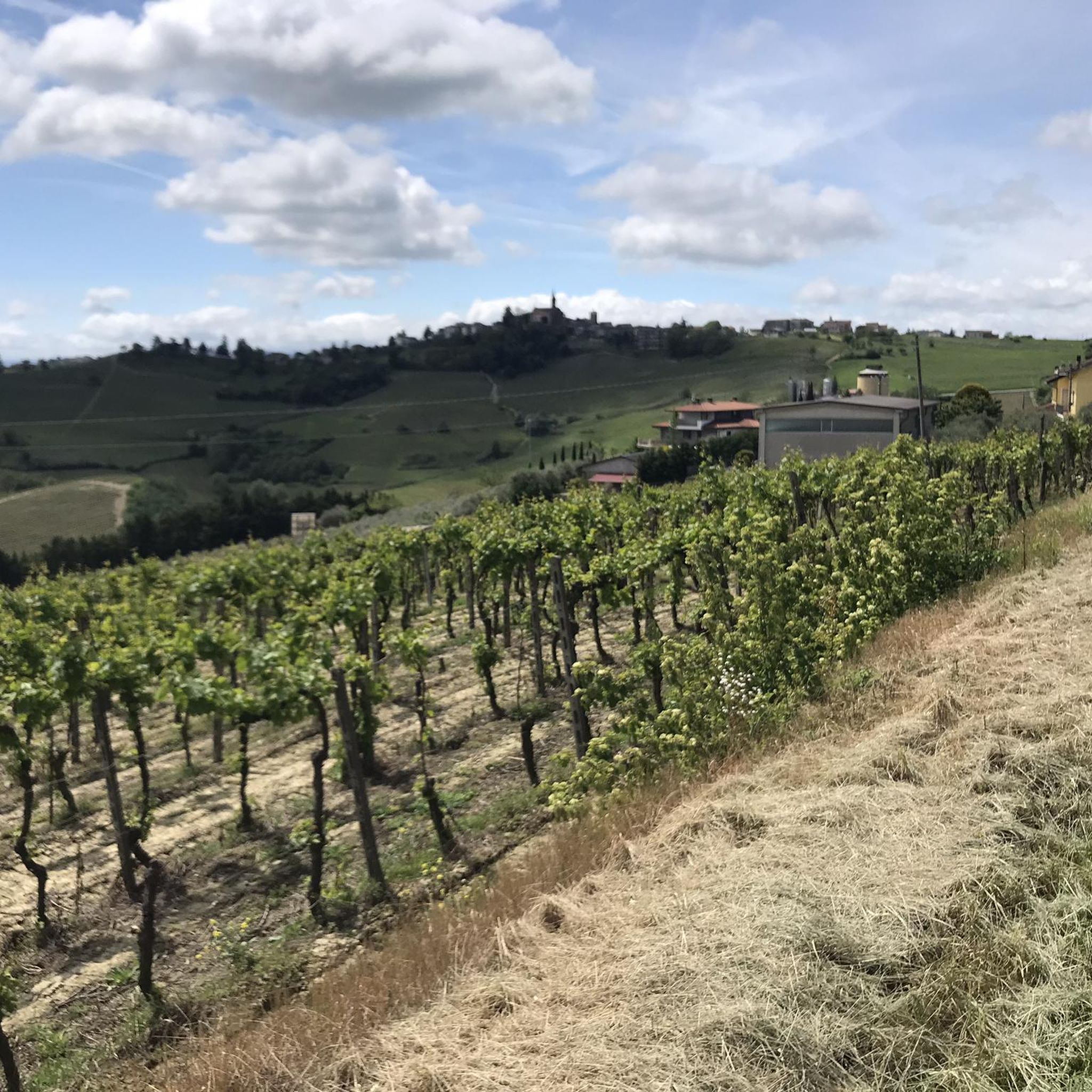
Colored pencils instead of the usual poles, great idea.
20
0
Located in Borgo Basalone (also known as the new part), this 17th-century palace in typical Genoese style represents one of the few examples of Ligurian architecture in Piedmont. Commissioned by noblewoman Lelia Di Negro—niece of Ambrogio Di Negro, former Doge of Genoa—when, invested with the fiefdoms of the same name and becoming Marchioness of Mombaruzzo and Countess of Quaranti, she decided to move the marquis' palace from the fortified enclosure of the Castle to an even more dominant and spectacular location.
14
0

Thermal spring in the city center
0
0

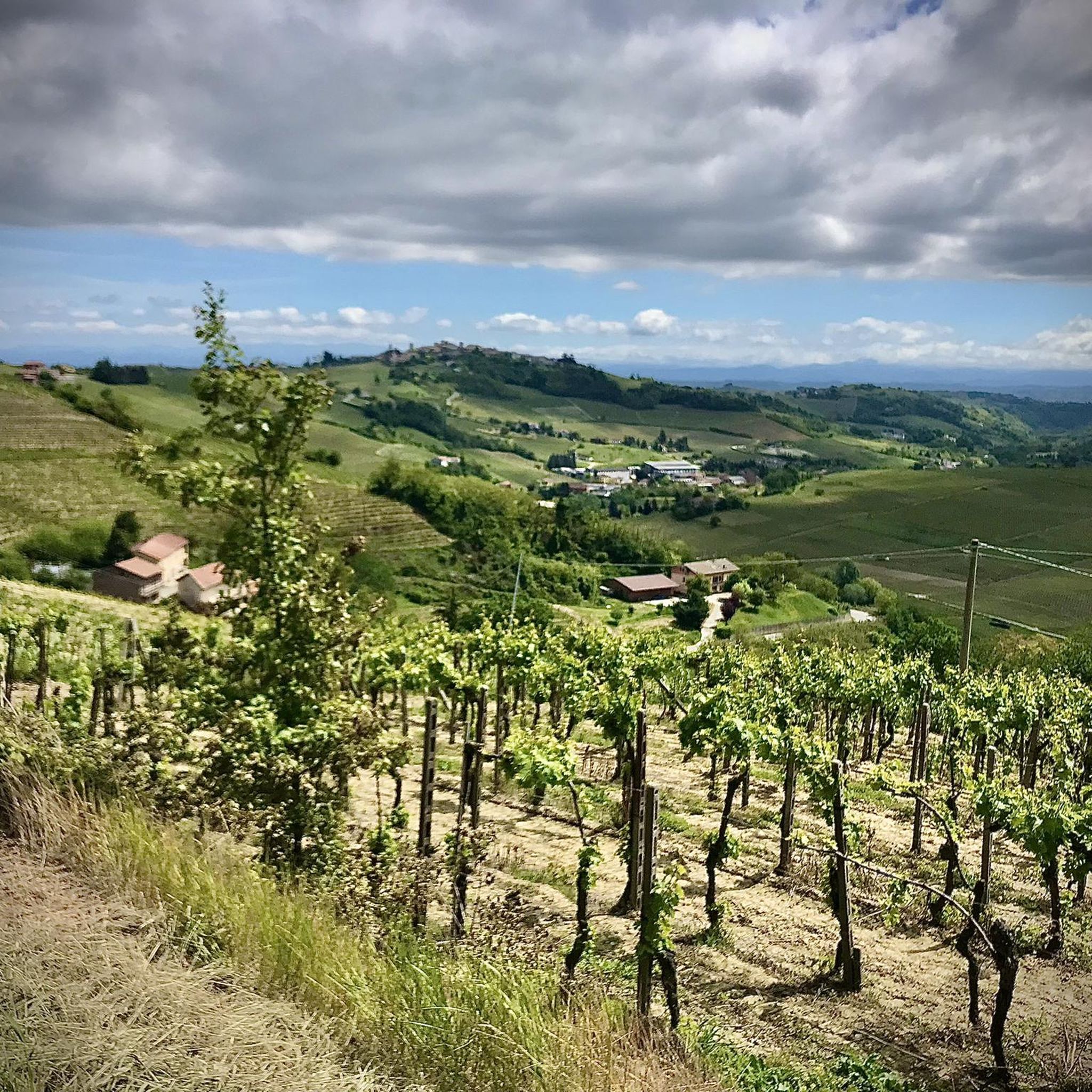
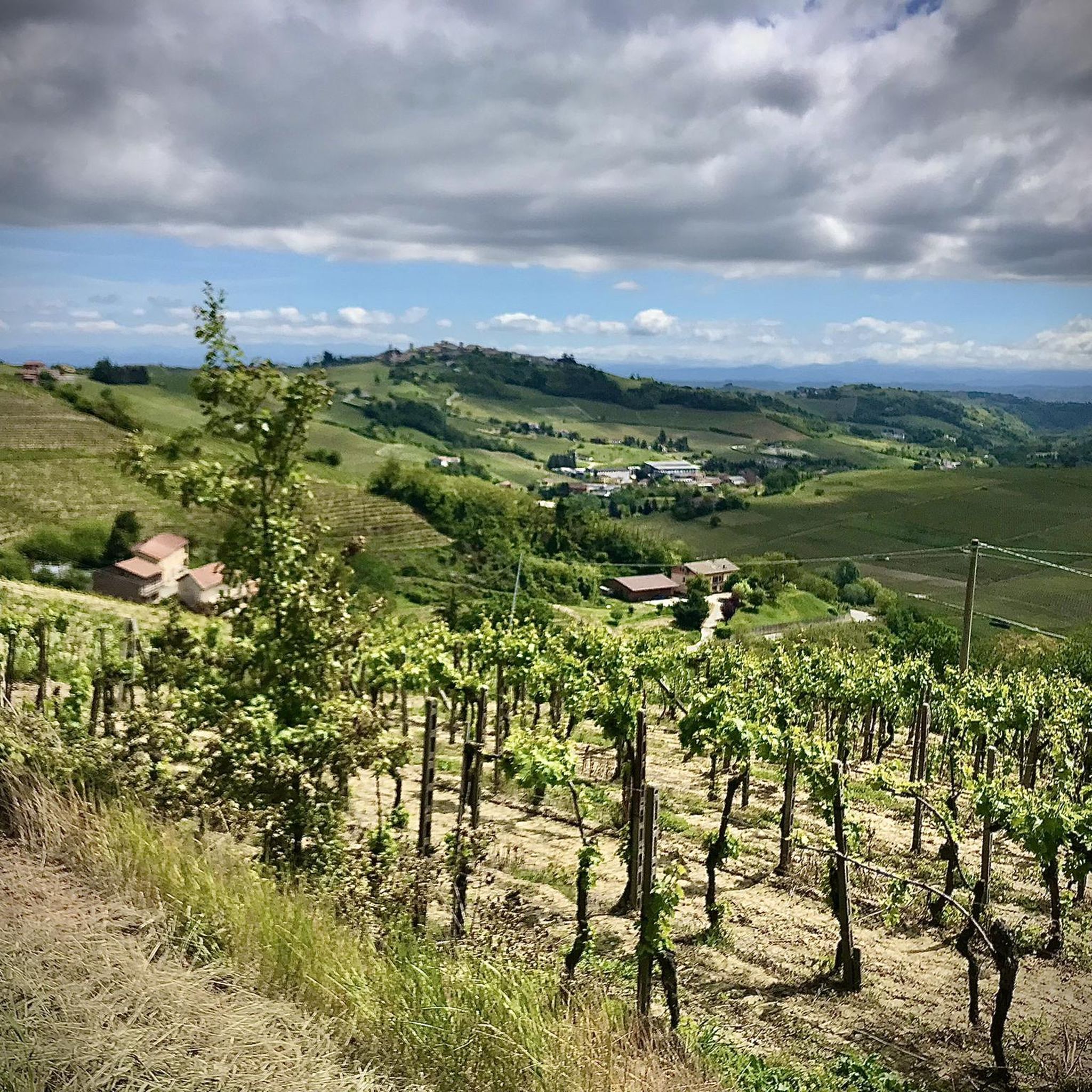
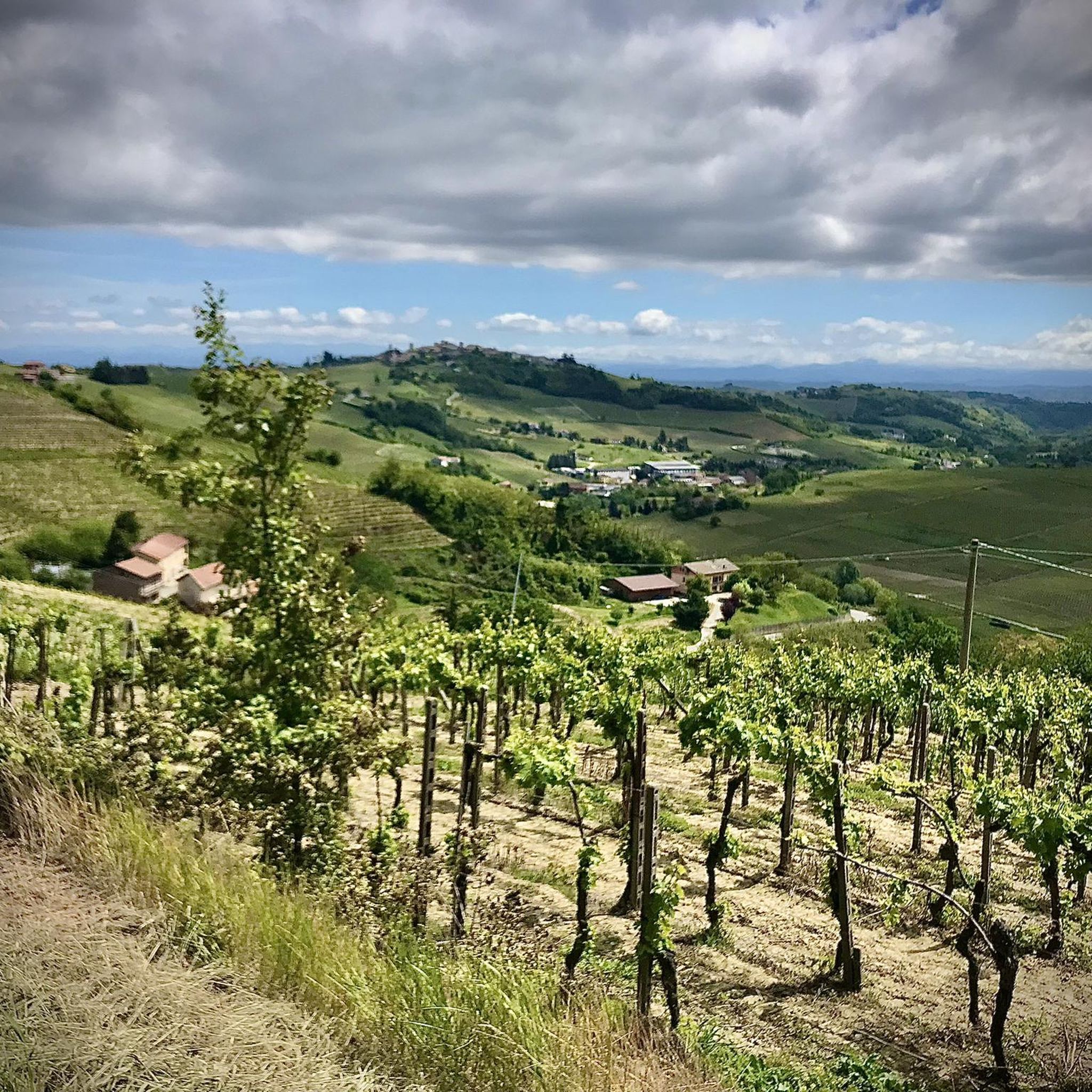
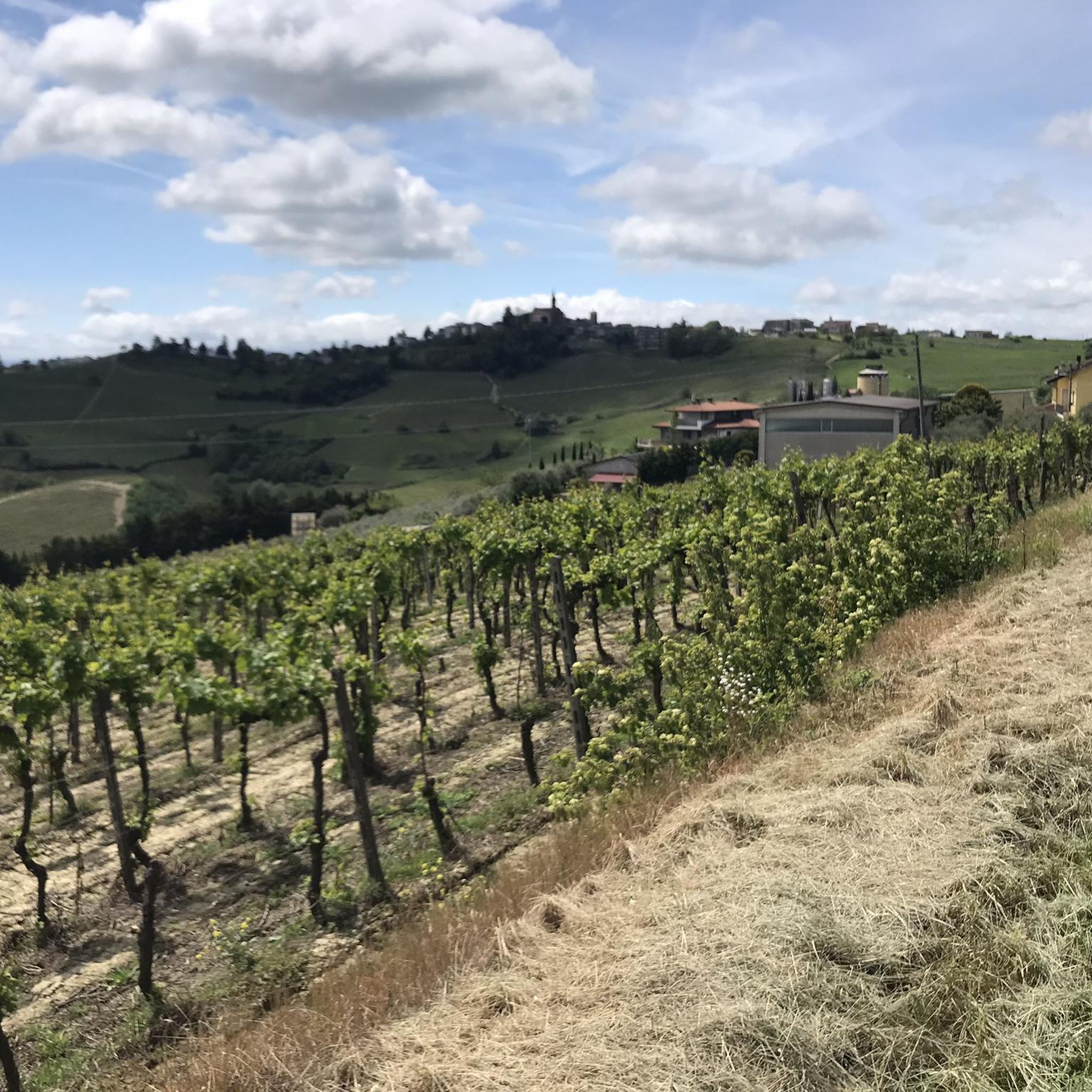
Excellent view of the vineyards
3
0

Beautiful old arched bridge.
3
1

Cycle path out of the city
1
0

Thermal water fountain located in the center of an elegant square that well represents the nature of the city's waters
1
0
Frequently Asked Questions
What historical sites can I explore around Castel Rocchero?
Castel Rocchero and its surroundings offer a rich history. You can visit the ancient Roman Aqueduct of Acqui Terme, which once supplied water to the Roman city of AQUAE STATIELLAE. Another significant historical site is Monastero Bormida, a settlement whose current castle stands on the site of an original Benedictine monastery from around 1050. Additionally, the Marchional Palace of Mombaruzzo, a 17th-century palace in Genoese style, is a notable landmark.
Are there any significant religious buildings to visit in the area?
Yes, the area features several religious buildings. The Parish Church of St. Andrew in Castel Rocchero's main square boasts a Neo-Classical facade and a Baroque interior with valuable paintings. Further afield, you can find the Church of San Giovanni alle Conche, a beautiful little church with Romanesque origins and 18th-century frescoes.
Where can I learn about the region's wine and peasant traditions?
To delve into the local wine and peasant traditions, visit the Bocchino Museum and Contratto Cellars, which showcase historical materials related to grappa distillation. The "Bersano" Museum of Peasant Traditions and Ancient Wine Prints offers significant insight into traditional wine processing and life in old Piedmontese farmhouses, featuring a collection of iconography and tools.
What natural features and scenic viewpoints are there around Castel Rocchero?
Castel Rocchero is renowned for its extensive vineyards and rolling hills, recognized as a UNESCO World Heritage site. The Via XX Settembre Promenade offers sweeping panoramic views of this distinctive landscape. You can also experience the unique La Bollente Hot Spring Fountain in Acqui Terme, where sulphurous water gushes at 74.5 °C. For a unique photo opportunity and stunning vistas, seek out the Aqua Green Big Bench on the Macario property.
Can I experience the local wine culture through tastings or tours?
Absolutely. Given its prominence in wine production, visiting local wineries for tours and tastings is a primary attraction. Many wineries, such as Cantina La Torre, offer guided tastings, events, and unique experiences like "Dinners in the Vineyard," "Grape Harvest Experience," and "Picnic at the Ca'". You can also see the large Cantina Sociale (cooperative winery), which is a dominant and scenic structure in the landscape.
Are there opportunities for cycling around Castel Rocchero?
Yes, the hilly landscape around Castel Rocchero is ideal for cycling. You can find numerous routes for both road cycling and gravel biking. Explore options like the challenging "Canelli – Costigliole d'Asti Castle loop" for gravel biking or moderate road cycling routes such as the "Cittadella Bridge – Roadside Memorial loop." For detailed routes and guides, check out the Gravel biking around Castel Rocchero and Road Cycling Routes around Castel Rocchero guides.
What kind of running trails are available near Castel Rocchero?
There are several running trails available, offering a great way to explore the scenic surroundings. You can find moderate running loops starting from nearby villages like Fontanile, Castelletto Molina, or Rocchetta Palafea, typically ranging from 6 to 10 kilometers. For an easier option, consider the "Castello Conti Veggi loop from Castelletto Molina." More details can be found in the Running Trails around Castel Rocchero guide.
What are some family-friendly attractions in the area?
Several attractions are suitable for families. The Roman Aqueduct of Acqui Terme offers an educational glimpse into ancient history. The La Bollente Hot Spring Fountain is a unique natural wonder that fascinates visitors of all ages. Additionally, exploring the historical settlement of Monastero Bormida can be an engaging experience for families.
What is the best time of year to visit Castel Rocchero for outdoor activities and scenery?
The viticultural landscape of Castel Rocchero is particularly stunning in autumn when the foliage displays a magnificent array of colors, making it an excellent time for scenic drives, walks, and wine-related activities. Spring and early summer also offer pleasant weather for outdoor activities like cycling and running, with lush green vineyards.
Are there walking or hiking routes to explore the vineyards?
While specific hiking trails are not detailed, the region's extensive vineyards and hilly landscapes provide numerous opportunities for scenic walks. The Via XX Settembre Promenade offers a great starting point for appreciating the views. Many local roads and paths wind through the vineyards, perfect for leisurely strolls or more vigorous walks to immerse yourself in the UNESCO World Heritage site.
Where can I find accommodation or dining options in Castel Rocchero and its surroundings?
Castel Rocchero and the surrounding towns offer various options for accommodation, including agriturismos (farm stays), B&Bs, and hotels, often set amidst the vineyards. You'll also find local restaurants and trattorias serving traditional Piedmontese cuisine, often paired with local wines. Many wineries also offer dining experiences.
How long should I plan for visiting the main attractions?
To fully appreciate the main attractions, consider dedicating at least a full day, or ideally a weekend. For instance, visiting the Roman Aqueduct and La Bollente in Acqui Terme might take a few hours. Exploring the museums, churches, and enjoying a wine tasting can easily fill another half-day. If you plan to include cycling or running, allocate additional time for those activities.
Most popular routes around Castel Rocchero
Most popular attractions around Castel Rocchero

Get inspired with the komoot mobile app


Explore more
Still not found the Highlight you’re looking for? See guides of the top attractions in other regions:
