Attractions and Places To See around Costigliole D'Asti - Top 20
Best attractions and places to see around Costigliole D'Asti include historical landmarks and natural landscapes within the Monferrato wine hills of Piedmont, Italy. This region is part of the UNESCO Monferrato area, known for its wine traditions and scenic vineyard landscapes. Visitors can explore a blend of medieval architecture, religious sites, and expansive views. The area offers opportunities to experience local culture and the natural beauty of the Italian countryside.
Best attractions and places to see around Costigliole D'Asti
- The most popular attractions is Costigliole d'Asti Castle, a castle that dates back to medieval times. This imposing quadrangular structure features four towers and has undergone several renovations, serving as a significant historical site in the Asti area.
- Another must-see spot is Barbaresco Tower, a man-made monument located in the wine village of Barbaresco. An elevator takes visitors 30 meters high to a roof terrace, offering views of the surrounding area.
- Visitors also love Govone Castle, a castle that was formerly a residence of the Savoy family. Cataloged as a UNESCO heritage site, it features a small garden and can be visited via guided tours.
- Costigliole D'Asti is known for castles, religious buildings, and panoramic viewpoints. The region offers a variety of historical sites, cultural experiences, and natural features to explore.
- The attractions around Costigliole D'Asti are appreciated by the komoot community, with over 450 upvotes and 210 photos shared by visitors.
Last updated: July 6, 2026
Barbaresco Tower
Highlight • Monument
Translated by Google •
Tip by

San Martino Alfieri Castle
Highlight • Castle
Translated by Google •
Tip by

Sign up now to discover places like this
Get recommendations on the best single tracks, peaks, & plenty of other exciting outdoor places.
Sign up for free
Costigliole d'Asti Castle
Highlight • Castle
Translated by Google •
Tip by

Govone Castle
Highlight • Castle
Translated by Google •
Tip by

Piazza San Secondo
Highlight • Settlement
Translated by Google •
Tip by
Sign up for free to discover even more attractions around Costigliole D'Asti.
Sign up for free
Already have an account?
Start today with a free account
Your next adventure awaits.
Login or Signup
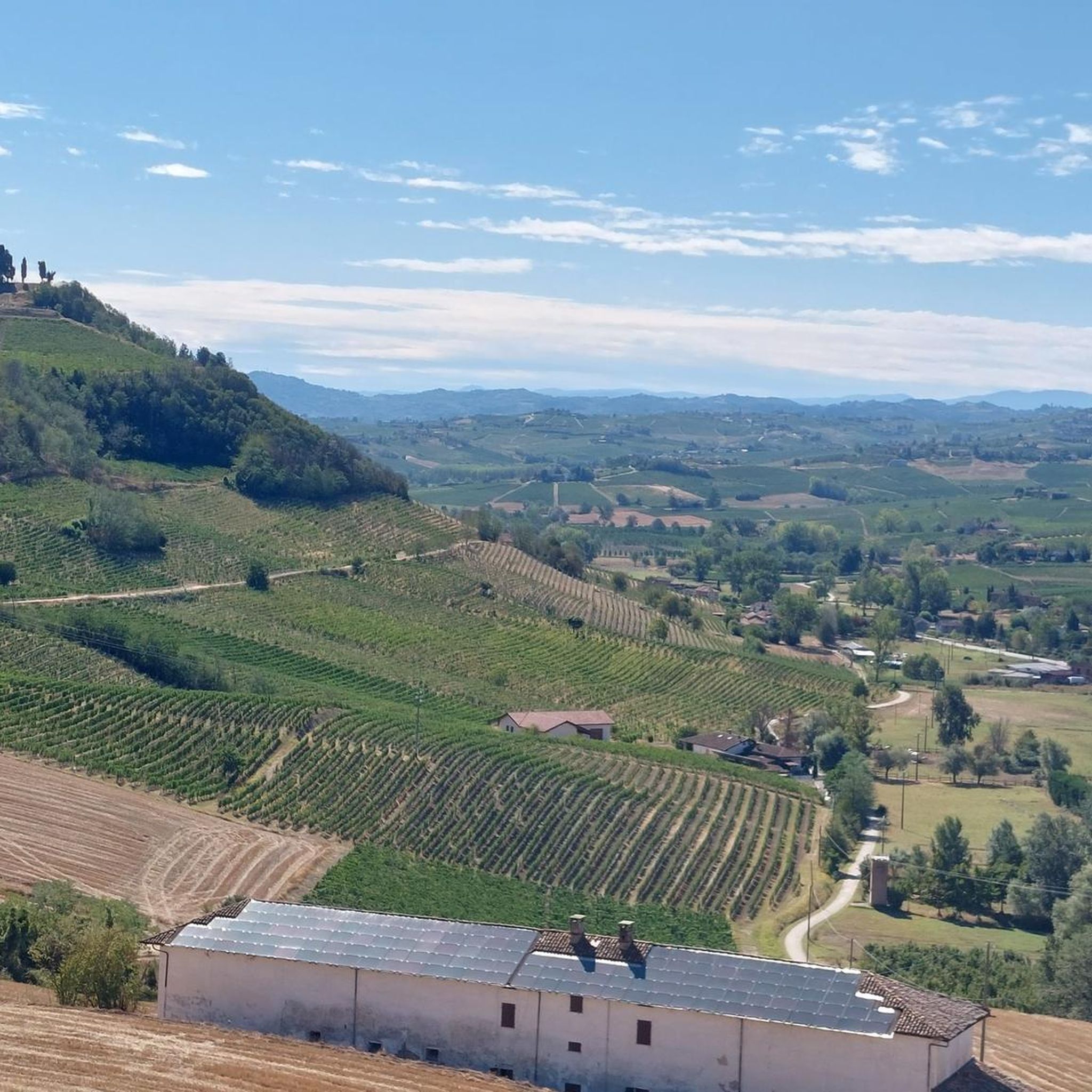
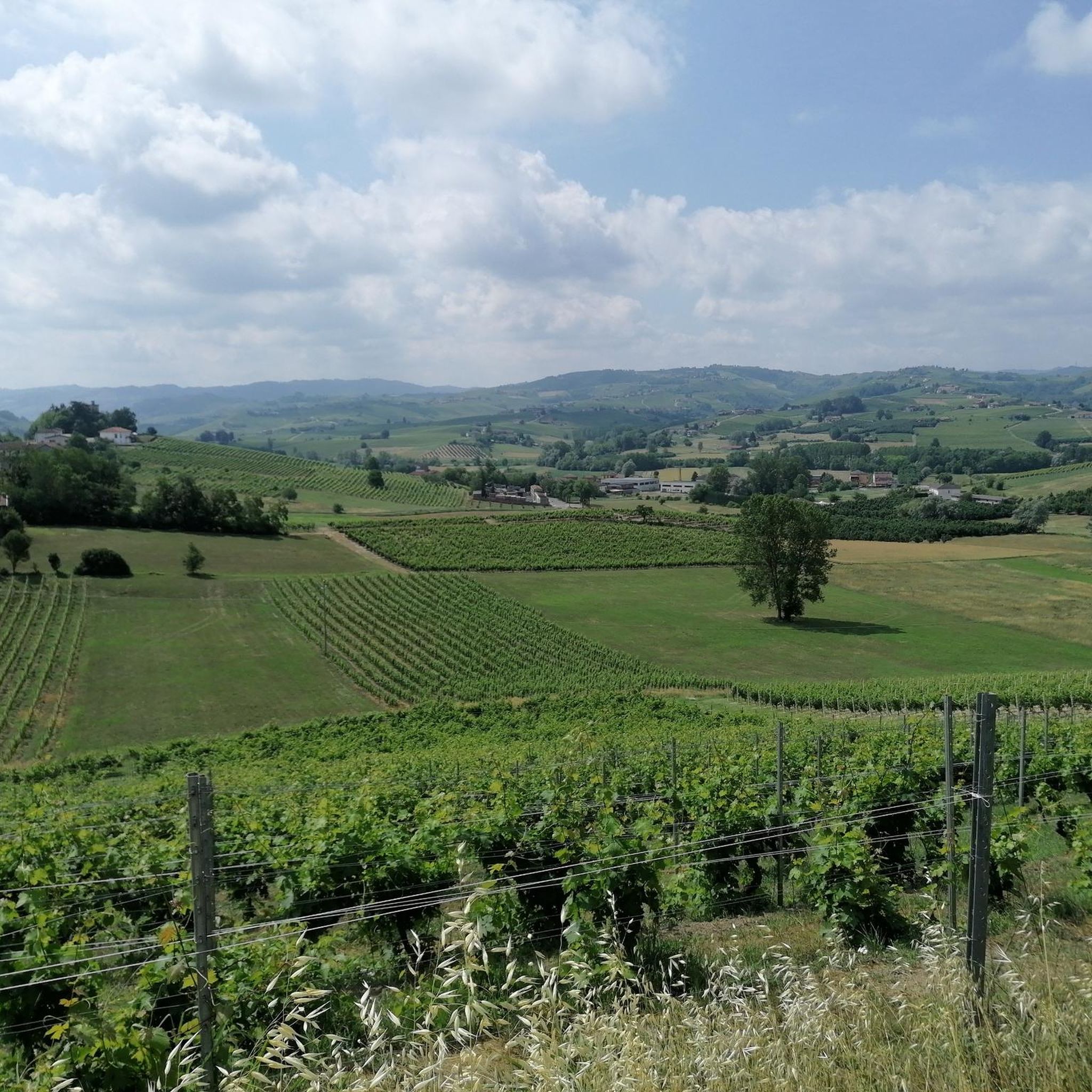
Tips from the Community

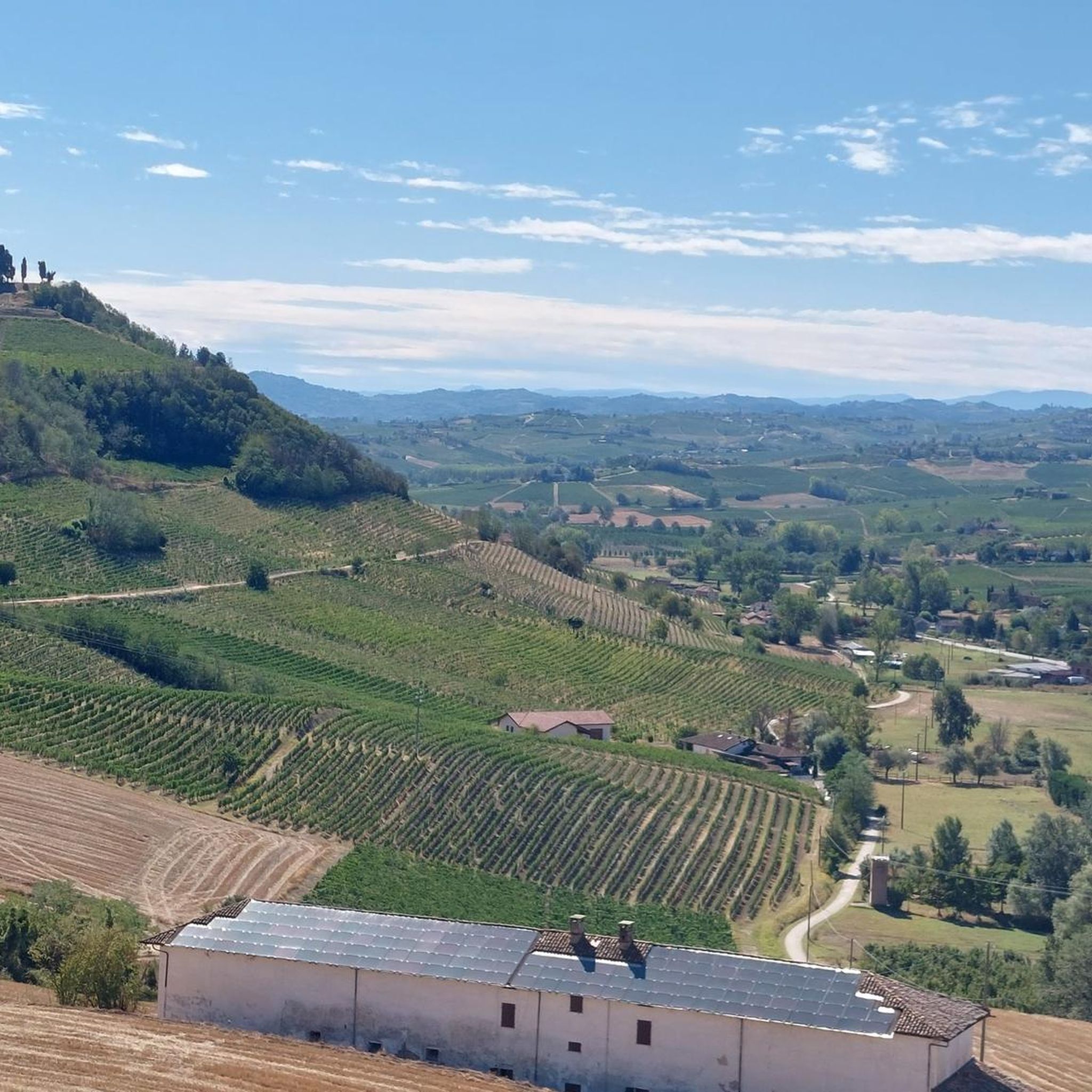
A beautiful castle complex and two churches, set against a panoramic backdrop of the Asti hills.
0
0

It rises in Astesana, in the tourist area called "Le Colline dei Fiumi", on the watershed of the Tanaro and Borbore rivers, controlling the important ridge line that connected Asti to Roero.
0
0

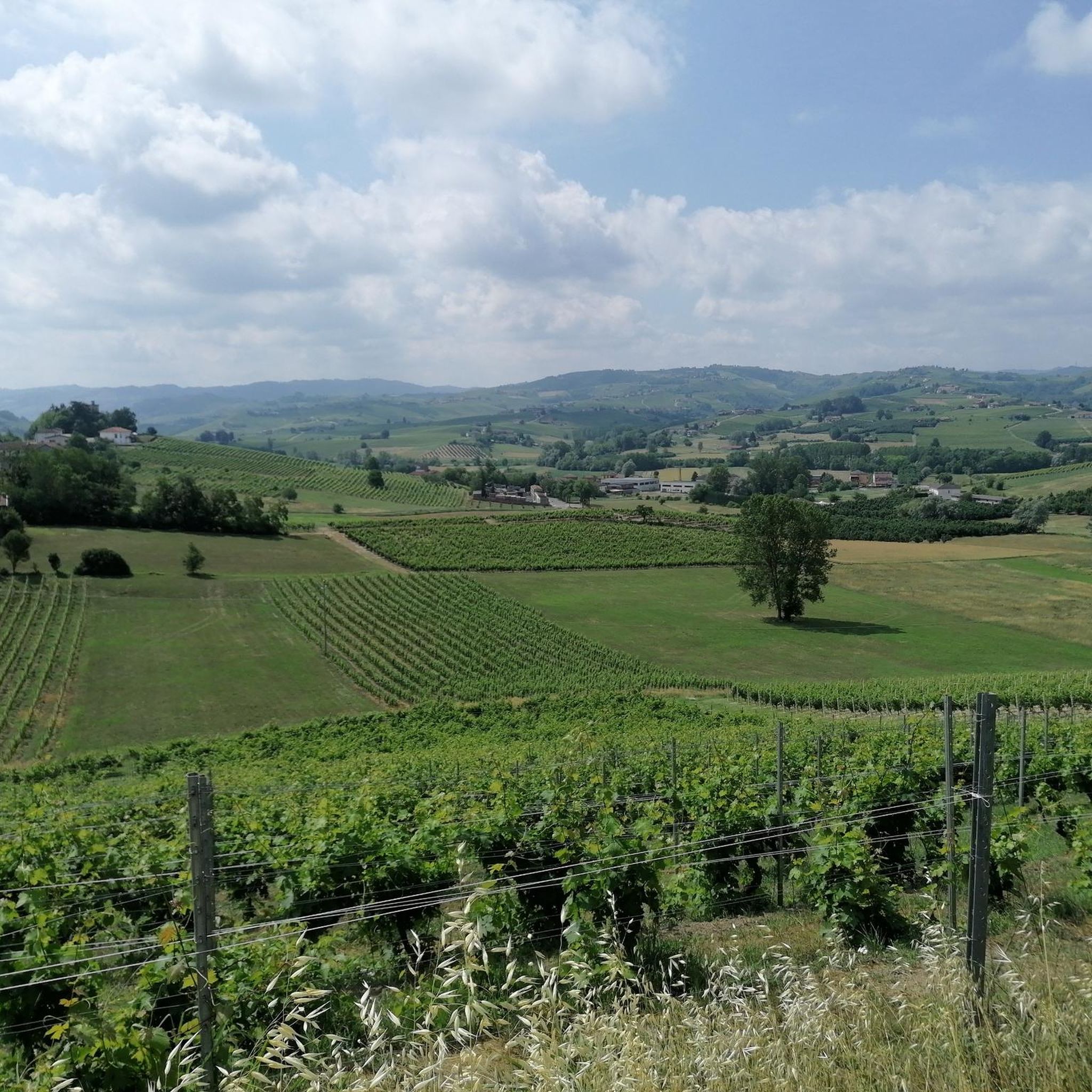
The small town of Barbaresco is famous for being the place of origin of the wine of the same name. The municipality is part of the Langhe, Roero and Monferrato area, which has been part of the UNESCO heritage since 2014.
3
0

The Collegiate Church of San Secondo is one of the oldest Gothic churches in Asti. With the adjacent municipal seat and opposite the square of the same name, it forms the heart of the city. Dedicated to San Secondo, patron saint of the city, it was built according to tradition on the site of his martyrdom and burial. The exact time of its foundation is not known, the oldest document mentioning the church dates from August 1, 880. Don't forget to visit the Crypt: Interpretation: The pre-Romanesque layout of the church cannot be reconstructed in any way, except by the presence of the crypt; the oldest part dates from the 6th/7th century, consisting of four small columns surmounted by Corinthian imitation capitals with a double order of leaves. Two side walls and two wrought iron gates border the "cella confessionis", within which is located the sixteenth century reliquary, in silver, with the bones of the martyr from Asti.
2
1

Heart of ancient Asti, characterized by the medieval church of San Secondo next to the eighteenth-century town hall (the building is actually sixteenth-century, but the façade was rebuilt in the eighteenth century by the architect Benedetto Alfieri). In one corner there is the Palazzo del Podestà, the seat of civil power in the Middle Ages. A short distance away are Piazza Alfieri, Via Cavour with its towers and churches from different eras, and Corso Alfieri, the backbone of the ancient city.
5
0
The castle, configured in a single and imposing square volume, reveals evident architectural stylistic differences, originating from the layout choices undertaken in the 17th century by the legitimate owners. Starting from 1625, the Asinari nobles shared the rank of "counts of Costigliole" with the noble Verasis family. This complex was therefore divided between two feudal lords, who, with autonomous determination, gave rise to transformations and embellishments on subjective bases. The northern part of the manor, pertaining to the Asinari, retains the appearance derived from the interventions of the second half of the eighteenth century, duly inspired by the architectural canons propagated by Benedetto Alfieri. At the same time, the external aspect of the southern part, pertaining to the Verasis, constitutes an interesting example of neo-medieval stylistic re-proposition, dating back to the first decades of the 19th century.
5
0

Cradle of the historic center of the city and seat of the Town Hall and the Collegiate Church of San Secondo (the church dedicated to the Patron Saint).
0
0
Country junction of several roads and therefore crucial for many of my tours in the area. From here you can reach Motta di Costigliole, Govone, San Damiano, Antignano and Celle Enomondo.
0
0
Frequently Asked Questions
What historical landmarks can I visit in Costigliole d'Asti?
The most prominent historical landmark is the Castello di Costigliole d'Asti, an imposing medieval castle with a rich history, dating back to the 11th century. It features a quadrangular structure with four round towers and offers stunning views of the surrounding vineyards. You can also explore the historic center, particularly the 'Rocca', with its steep alleyways and noble palazzos.
Are there other notable castles to explore near Costigliole d'Asti?
Yes, beyond the main castle, you can visit San Martino Alfieri Castle, a baroque castle built on the ruins of a medieval fortress, known for its historic cellars. Another significant site is Govone Castle, a former residence of the Savoy family and a UNESCO heritage site, featuring a small garden and guided tours.
Where can I experience the local religious history and art?
You can visit the Parish Church of Our Lady of Loreto, located near the main castle, which features Baroque altars and frescoed ceilings. The charming Chiesa di Sant'Anna also offers architectural beauty. For religious artifacts, the Museum of Sacred Art, housed within the Church of the Confraternity of San Gerolamo, preserves unique items. Additionally, the Chapel of St. Mary the Virgin is a well-cared-for church with a wonderful panorama.
What kind of natural landscapes and viewpoints can I find around Costigliole d'Asti?
Costigliole d'Asti is surrounded by picturesque vineyard landscapes, part of the UNESCO Monferrato area. For serene relaxation, visit Giovanni Passionnego Park with its walking trails. For breathtaking panoramic views, head to Bricco Lù, recognizable by its five cypress trees, which offers some of the best hill landscape views in the area.
Are there opportunities for hiking or walking in the vineyards?
Absolutely. The region is perfect for vineyard walks. You can enjoy panoramic trails like the Barbera Trail, which winds among vineyards and ancient churches, offering scenic views. For more structured routes, explore the hiking options available, such as the "Barbera wine country trail" or the "Castello di Costigliole d'Asti loop," which are moderate in difficulty. Find more details on these routes in the Hiking around Costigliole D'Asti guide.
What cycling routes are available near Costigliole d'Asti?
Costigliole d'Asti offers several scenic cycling opportunities. The San Michele Bike Route provides a unique way to discover the landscapes. For more extensive rides, you can find various routes, including challenging ones like the "Castellinaldo d'Alba – View of Castellinaldo d'Alba loop" or moderate options like the "San Martino Alfieri Castle – Costigliole d'Asti Castle loop." Explore more cycling routes in the Cycling around Costigliole D'Asti guide and Road Cycling Routes around Costigliole D'Asti guide.
How can I experience the wine culture of Costigliole d'Asti?
Costigliole d'Asti is renowned for its wine traditions, especially Barbera d'Asti. You can explore local wineries and tasting rooms, often referred to as *cantinas*, for wine tasting. Cascina Collavini is a family-owned farm offering tours detailing the traditional winemaking process. Guided natural wine tasting tours through the vineyards are also a popular activity, and events like "Rosso Barbera" celebrate the local specialty.
Are there unique local experiences beyond wine tasting?
Yes, you can embark on authentic truffle hunting adventures with local guides, tasting some of Piedmont's finest truffles. For culinary enthusiasts, local cooking classes are available where you can learn to prepare traditional Italian dishes using fresh, locally sourced ingredients. Don't miss the Antique Market for unique treasures, or seek out the Panchine Gigante (Giant Benches) for a fun photo opportunity, like the one on Bricco Lù.
What family-friendly activities are available in Costigliole d'Asti?
Families can enjoy exploring the historic Castello di Costigliole d'Asti and its grounds. The Giovanni Passionnego Park is ideal for a peaceful afternoon with walking trails. A unique and fun activity is visiting the Panchine Gigante (Giant Benches), which are large installations offering a playful experience for all ages. Many vineyard walks are also suitable for families.
When is the best time of year to visit Costigliole d'Asti?
The best time to visit Costigliole d'Asti is generally during the spring (April to June) and autumn (September to October). During these seasons, the weather is pleasant for outdoor activities like hiking and cycling, and the vineyards are particularly beautiful, either blooming or showcasing their autumn colors. Autumn is also ideal for wine harvest festivals and truffle hunting experiences.
Are there easy walking trails suitable for all abilities?
Yes, for easier walks, Giovanni Passionnego Park offers serene walking trails. Many of the vineyard paths are relatively gentle and provide picturesque views without significant difficulty. These are perfect for a leisurely stroll and enjoying the natural beauty of the Monferrato hills.
What makes Costigliole d'Asti special for visitors?
Costigliole d'Asti offers a unique blend of rich history, stunning natural beauty, and deep-rooted wine culture. Visitors appreciate the imposing medieval castle, the panoramic vineyard views, and the opportunity to engage in authentic local experiences like wine tasting, truffle hunting, and traditional cooking classes. It's a place where history, nature, and gastronomy converge in the heart of Piedmont.
Most popular routes around Costigliole D'Asti
Most popular attractions around Costigliole D'Asti

Get inspired with the komoot mobile app


Explore more
Still not found the Highlight you’re looking for? See guides of the top attractions in other regions:
