The best road cycling routes around Monastero Bormida
4.4
(118)
2,661
riders
180
rides
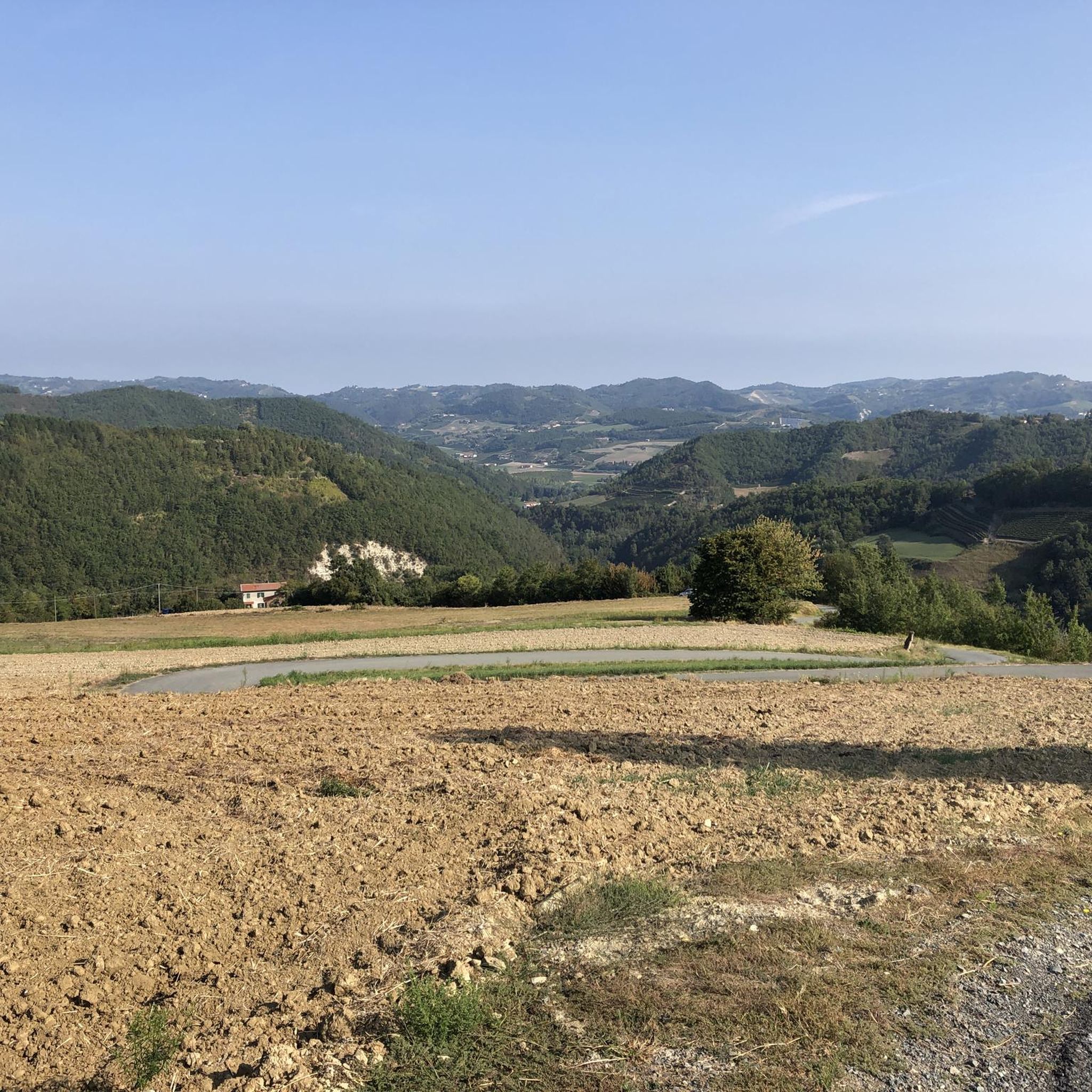
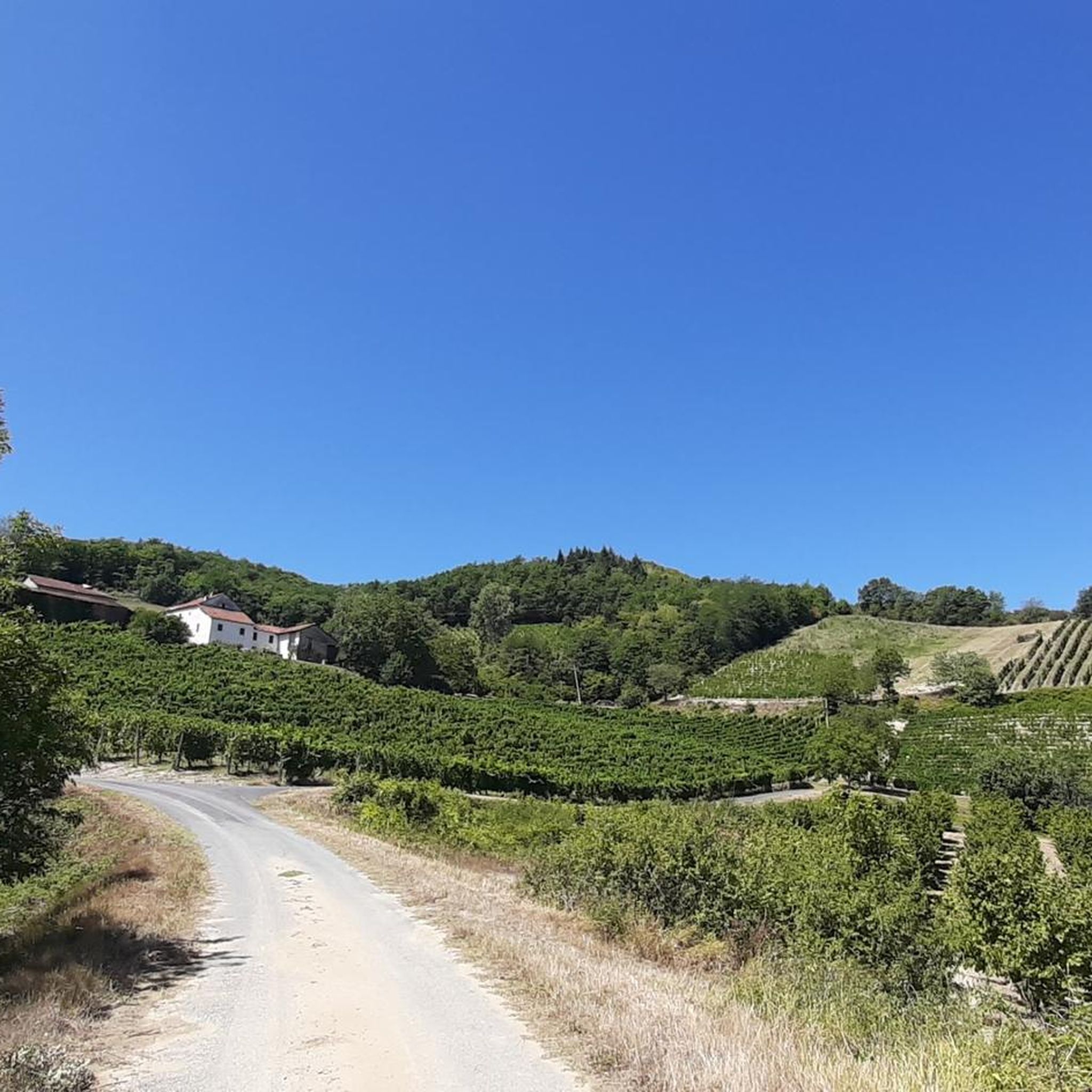
Road cycling routes around Monastero Bormida traverse a landscape characterized by rolling hills and river valleys, typical of the Piedmont region. The terrain often features sustained climbs and descents, with elevations varying across the area. This region provides a network of roads suitable for road cyclists seeking varied gradients and scenic views.
Best road cycling routes around Monastero Bormida
- The most popular road cycling route is Roccaverano – Monastero Bormida loop from Ponti, a 38.0 miles (61.2 km) trail…
Last updated: July 15, 2026
4.0
(2)
38
riders
61.4km
03:34
970m
970m
Hard road ride. Very good fitness required. Mostly well-paved surfaces and easy to ride.
48
riders
85.9km
03:47
850m
850m
Moderate road ride. Good fitness required. Mostly well-paved surfaces and easy to ride.

Sign up for free
10
riders
91.8km
04:19
990m
990m
Hard road ride. Very good fitness required. Mostly well-paved surfaces and easy to ride.
10
riders
70.4km
04:13
1,520m
1,520m
Hard road ride. Very good fitness required. Mostly well-paved surfaces and easy to ride.
7
riders
95.6km
05:05
1,520m
1,520m
Hard road ride. Very good fitness required. Mostly well-paved surfaces and easy to ride.
Get access to more routes and recommendations from other explorers.
Sign up for free
Already have an account?
Our route recommendations are based on thousands of hikes, rides, and runs completed by other people on komoot.
Start today with a free account
Your next adventure awaits.
Login or Signup

Tips from the Community

Bar well stocked and with excellent ice cream 🤩
0
0

Place along the Apennine bike tour. Great for a refreshing stop.
2
0

The Castle of Monastero Bormida was not originally built as a defensive structure but as a Benedictine monastery, founded around 1050 by monks from the Abbey of Fruttuaria, called by the Aleramici Marquises to reclaim the lands devastated by Saracen raids. The 27-meter tower still visible today was originally the bell tower, and the river flowing a few meters from the southern tower confirms the non-military nature of the building. In 1393, the Benedictines abandoned the monastery, and its feudal history began: the fief passed to the Del Carretto marquises, who in the 15th century added the first defensive structures, transforming it into a castle. The building is a quadrangular structure with an internal courtyard, protected by towers on multiple sides and connected to the former bell tower by a small suspension bridge. On the south facade, there is a two-arched Renaissance loggia with a small stone column. Inside, the rooms on the main floor—transformed in the 17th century—feature mosaic floors and sail and cross vaults with frescoes of floral and geometric motifs. The castle later passed to the Della Rovere family and subsequently to the Genoese Polleri family, finally becoming the property of the Municipality starting in 1880. Today it is open to visitors and is part of the regional circuit "Castelli Aperti".
0
0

The Muin di Staio in Pareto (AL) is an ancient, abandoned watermill located along the stream of the same name. Characterized by a long beudo (channel) and a partially preserved iron wheel, it represents a local historical testimony to rural industrial archaeology now in ruins.
4
0

Serole is an Italian municipality of 97 inhabitants[1] in the province of Asti in Piedmont. It is located in the Langhe on the watershed between Bormida di Spigno and Bormida di Millesimo near the Rio Rigosio. It is the southernmost municipality in the province of Asti.
0
0

Why do you always have to climb so many stairs on the way to God?🤔
0
0
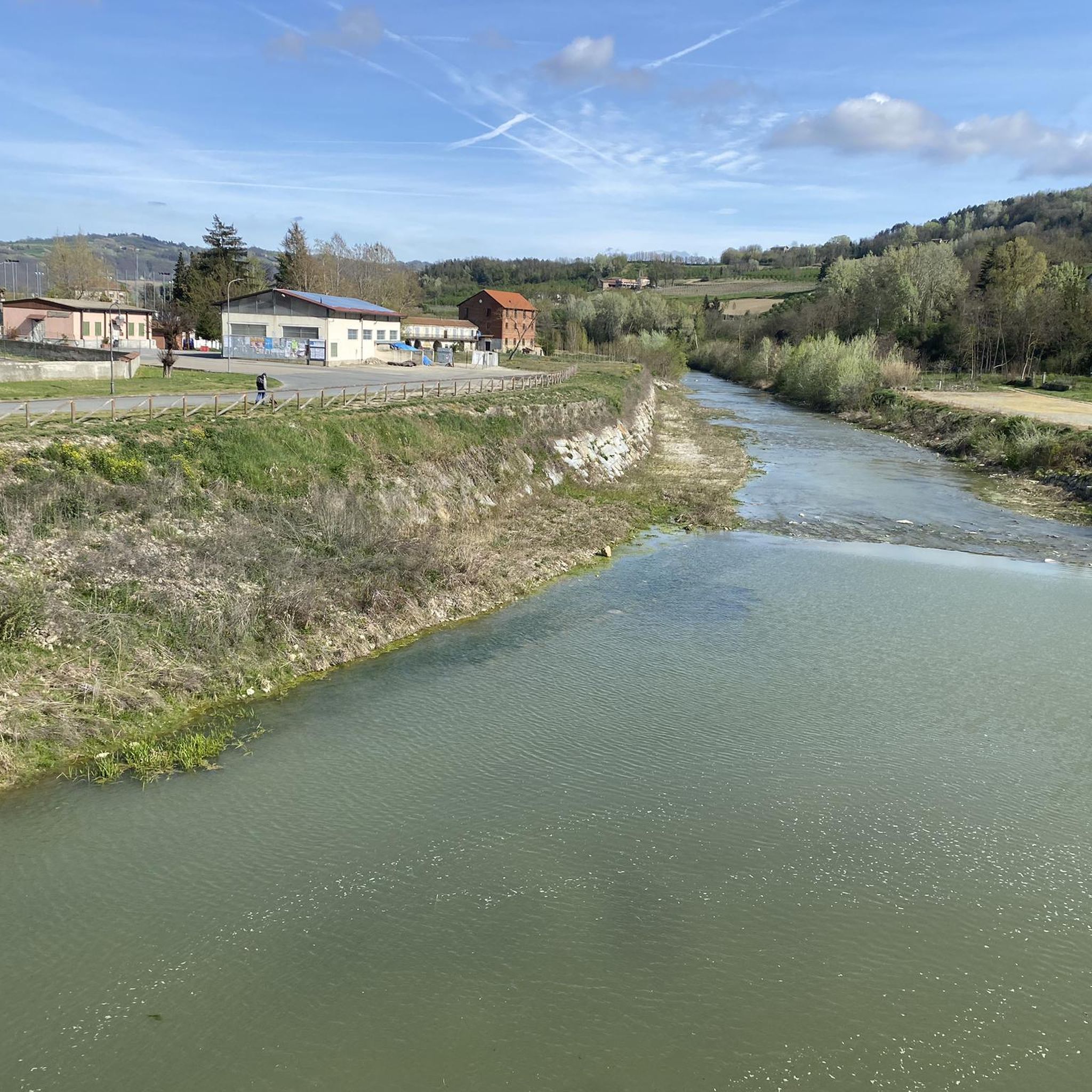
Beautiful old arched bridge.
3
1
Frequently Asked Questions
What kind of terrain can I expect on road cycling routes around Monastero Bormida?
The Monastero Bormida area, typical of Piedmont, features a landscape of rolling hills and river valleys. Cyclists can expect routes with sustained climbs and descents, offering varied gradients and scenic views across agricultural landscapes.
How many road cycling routes are available in the Monastero Bormida region?
There are over 200 road cycling routes documented around Monastero Bormida on komoot. This includes a wide range of options, with 16 easy, 96 moderate, and 88 difficult routes to choose from.
Are there any beginner-friendly road cycling routes in Monastero Bormida?
Yes, for those new to road cycling or looking for a more relaxed ride, there are 16 easy routes available. These routes typically feature less challenging gradients and shorter distances, making them suitable for beginners.
What are some challenging road cycling routes for experienced riders?
Experienced cyclists seeking a challenge will find 88 difficult routes in the area. Options like the Roccaverano – Monastero Bormida loop from Ponti (61.2 km with significant elevation gain) or the Monastero Bormida – Cortemilia loop from Ponti (91.8 km with notable ascents) offer demanding rides.
Are there any long-distance road cycling routes around Monastero Bormida?
Yes, for cyclists looking for longer rides, routes such as the Monastero Bormida – Cortemilia loop from Ponti covers 91.8 km, and the Canelli – Mango loop from Ponti extends to 95.1 km, providing extensive distances and elevation.
What is the best time of year for road cycling in Monastero Bormida?
The best time for road cycling in Monastero Bormida is typically during the spring (April-May) and autumn (September-October) months. The weather is generally mild, and the landscapes are particularly beautiful. Summer can be warm, especially in July and August, so early morning or late afternoon rides are recommended then.
Are there circular road cycling routes available?
Many of the road cycling routes in Monastero Bormida are designed as loops, allowing you to start and finish in the same location. Examples include the Monastero Bormida – Roccaverano loop from Ponti and the Rocchetta Palafea – Big Bench Montabone loop from Monastero Bormida.
What can I see along the road cycling routes in Monastero Bormida?
The routes often pass through charming villages and offer scenic views of the Piedmontese countryside. You might encounter historical sites like the Roman Aqueduct of Acqui Terme or picturesque settlements such as Cortemilia and Roccaverano. The region is also known for its castles, with several visible from various routes.
What do other road cyclists think about the routes in Monastero Bormida?
The road cycling routes in Monastero Bormida are highly regarded by the komoot community, holding an average rating of 4.6 stars from over 100 reviews. More than 2,700 road cyclists have explored the varied terrain, often praising the challenging climbs, beautiful scenery, and quiet roads.
Are there any specific landmarks or points of interest to look out for?
Beyond the general scenery, you can find notable landmarks such as the Bubbio Village and Church of San Grato. The region is also dotted with historical structures, including various castles and towers like the Vengore Tower, which add to the cultural richness of the rides.
Most popular routes around Monastero Bormida
Most popular attractions around Monastero Bormida

Get inspired with the komoot mobile app


Explore more
Browse the best Road cycling routes in other regions.
