Attractions and Places To See around San Marzano Oliveto - Top 20
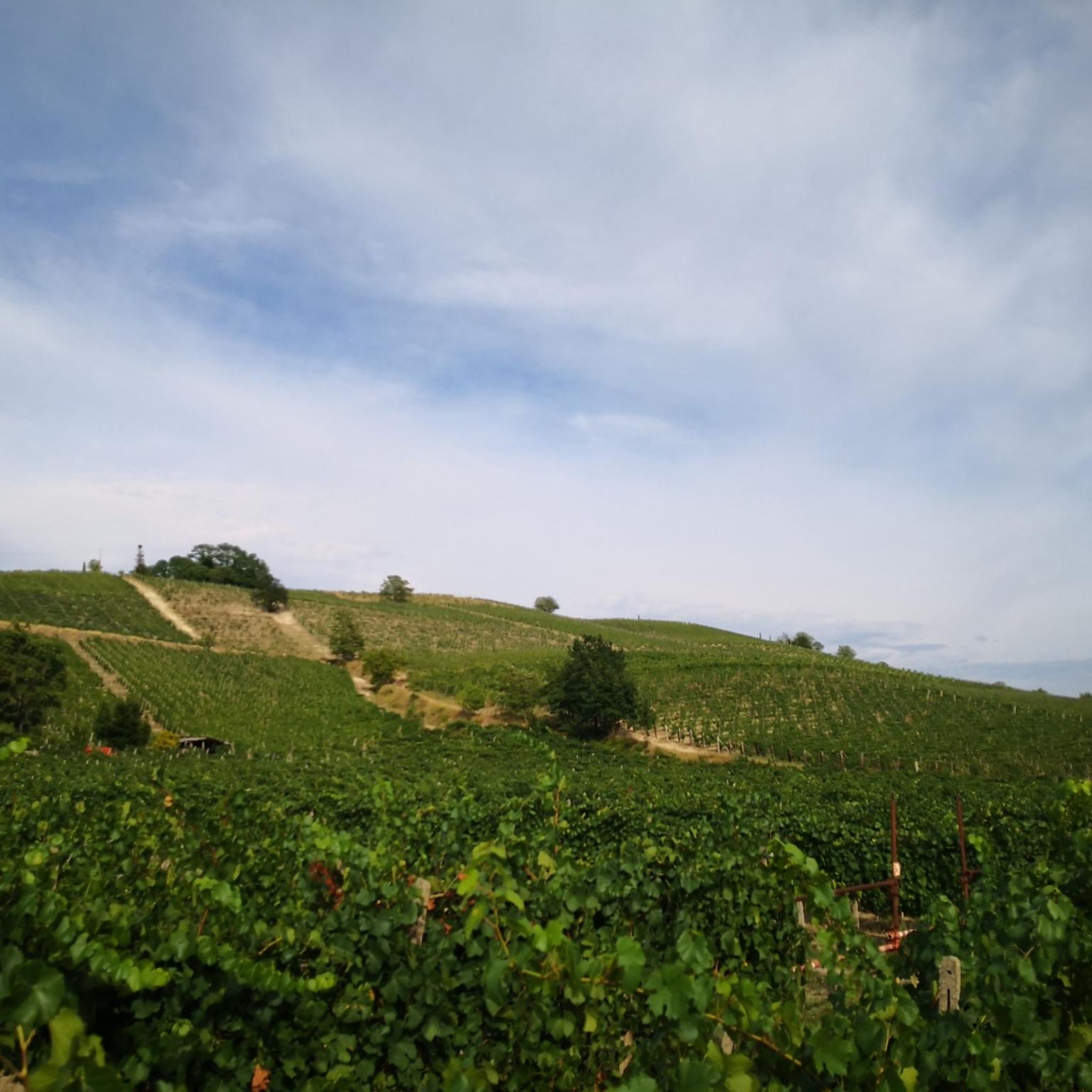
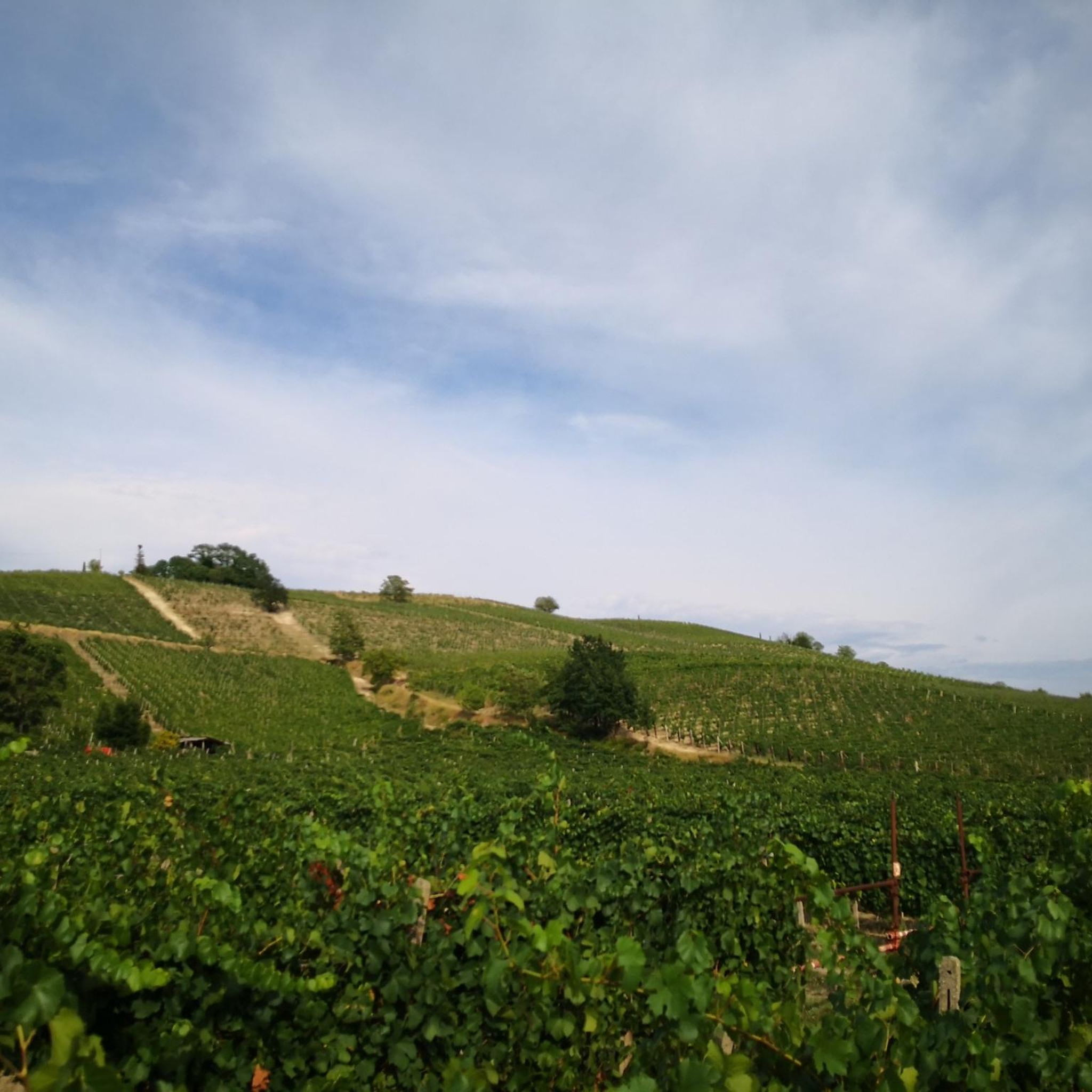
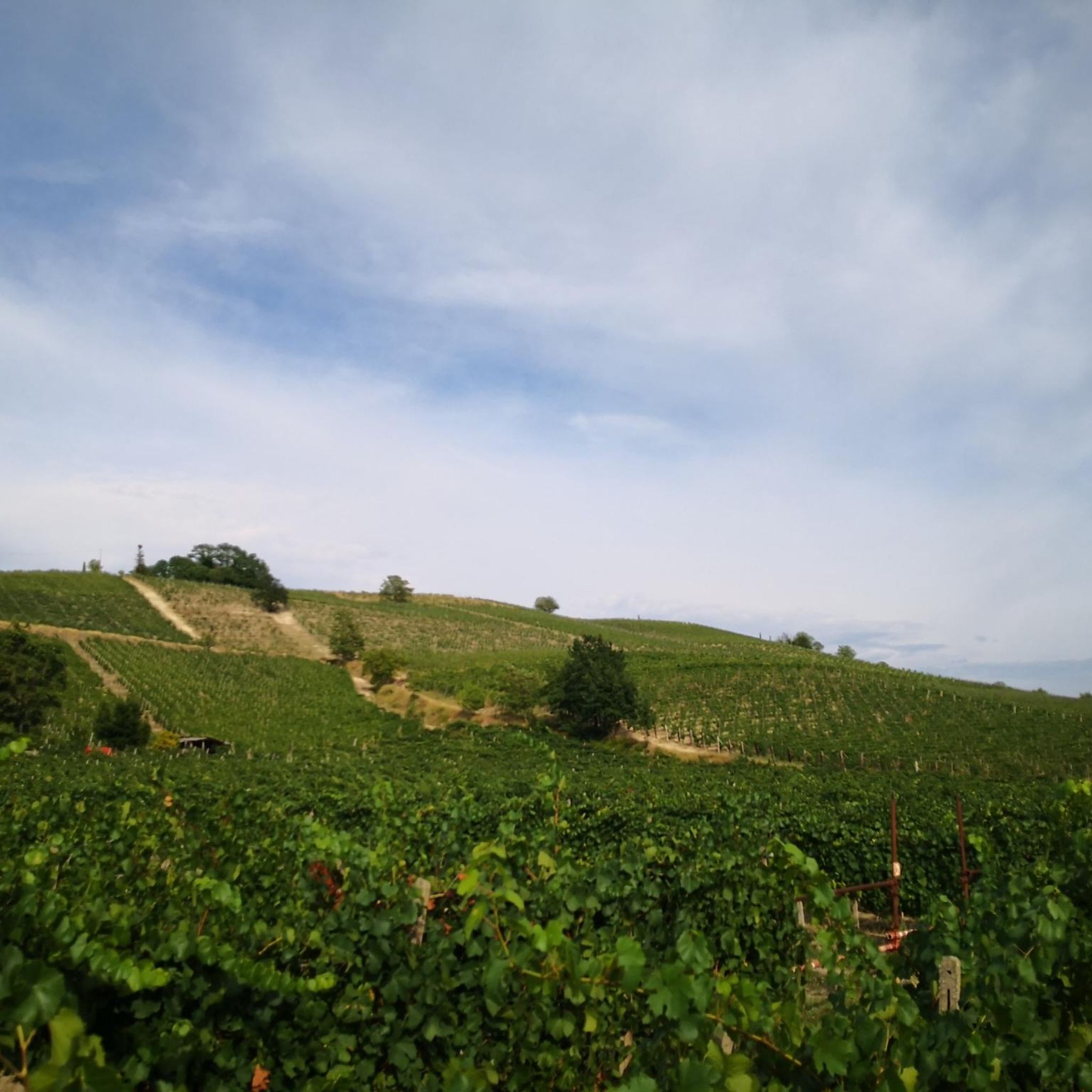
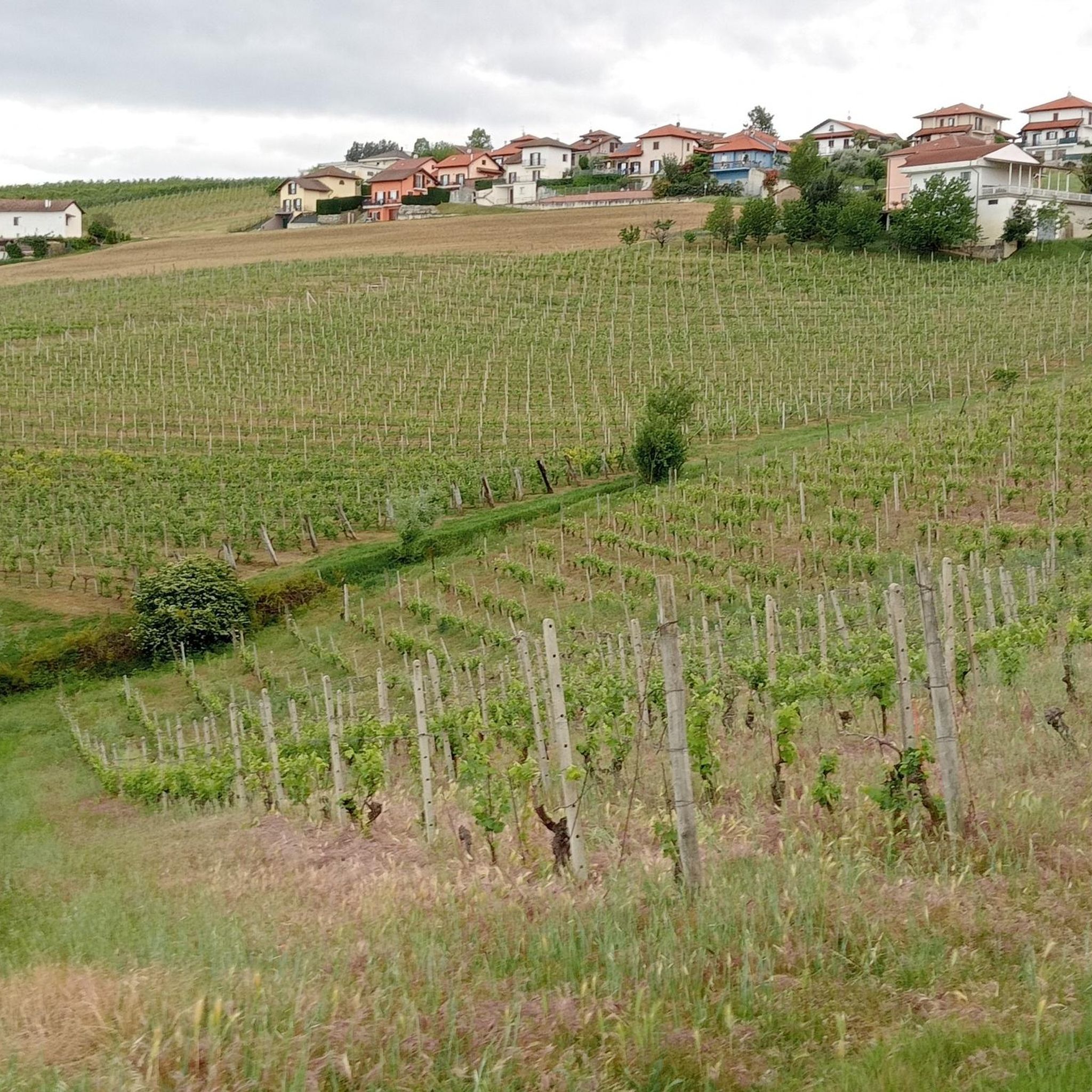
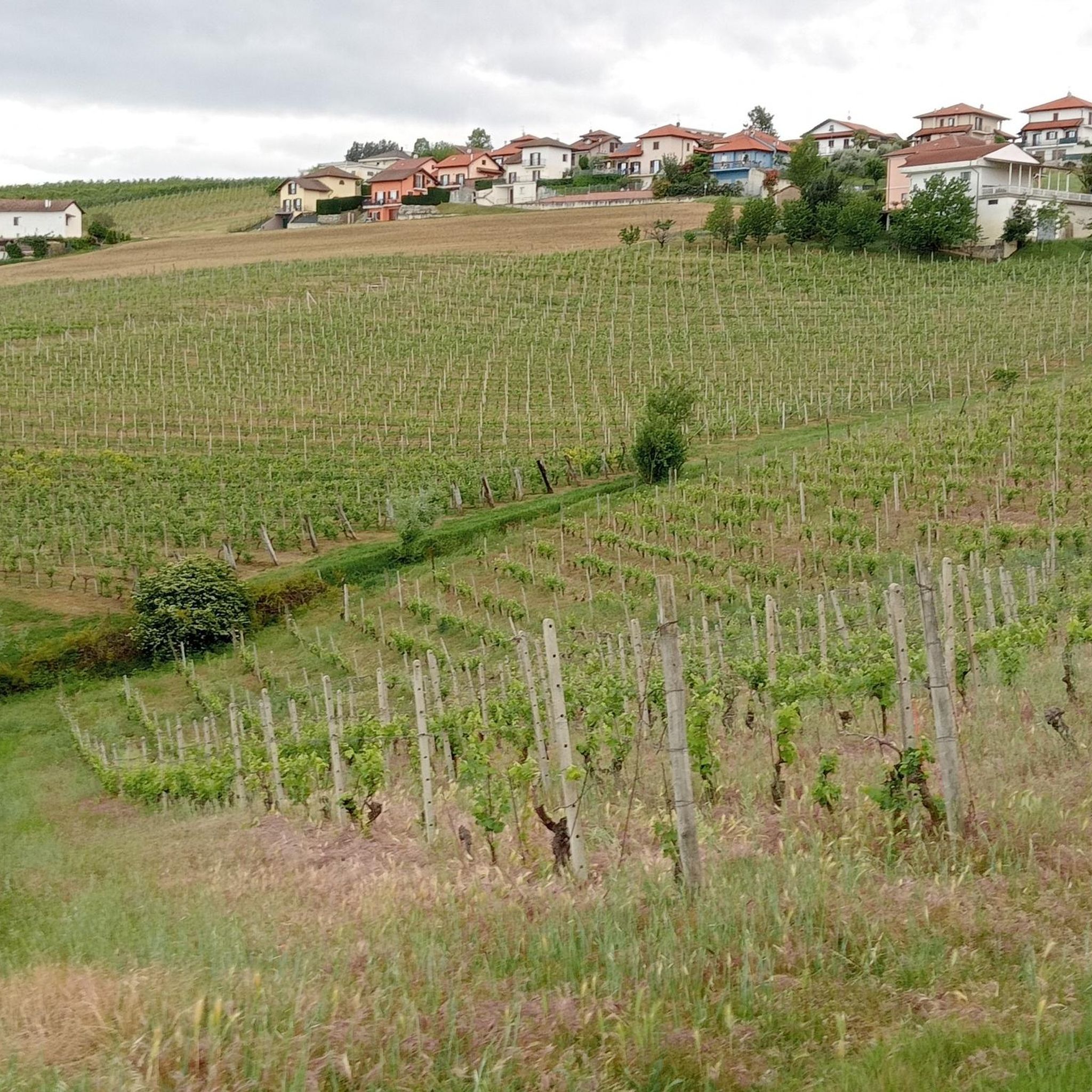
Best attractions and places to see around San Marzano Oliveto include historical landmarks, cultural sites, and natural beauty within the Monferrato landscape. This charming hilltop village in Italy's Piedmont region is situated about 300 meters above sea level. It offers panoramic views of vineyard-covered hills, which are part of a UNESCO Heritage Site. The area is known for its apples, truffles, and extensive vineyards.
Best attractions and places to see around San Marzano Oliveto
- The most popular attractions is Costigliole d'Asti Castle, a castle that has medieval origins and has undergone restoration over centuries. This mighty quadrangular castle, with a base of 60 meters on each side and a height of 25 meters, is one of the grandest in the Asti area.
- Another must-see spot is Bubbio Village and Church of San Grato, a settlement that maintains important urban features with old houses arranged on the sides of the fourteenth-century Via Maestra. The octagonal church of San Grato offers incredible views of vineyard and wooded hills.
- Visitors also love San Pancrazio Sanctuary (Vinchio AT), a religious building located in the heart of Val Sarmassa. This small sanctuary stands next to the social winery of Vinchio Vaglio Serra, offering a delightful and peaceful stop.
- San Marzano Oliveto is known for its historical castles, religious buildings, and picturesque settlements. Visitors can explore a variety of attractions, from medieval architecture to cultural centers and scenic viewpoints.
- The attractions around San Marzano Oliveto are appreciated by the komoot community, with 3 highlights receiving 111 upvotes and 42 photos.
Last updated: July 6, 2026
Costigliole d'Asti Castle
Highlight • Castle
Translated by Google •
Tip by

Main Square of Castelnuovo Calcea
Highlight • Settlement
cittaecattedrali.it/it/bces/313-chiesa-di-s-stefano-castelnuovo-calcea-at
Translated by Google •
Tip by

Sign up now to discover places like this
Get recommendations on the best single tracks, peaks, & plenty of other exciting outdoor places.
Sign up for free
San Michele (hamlet of Costigliole)
Highlight • Settlement
Translated by Google •
Tip by

Bubbio Village and Church of San Grato
Highlight • Settlement
And then the landscape, the incredible cloister of vineyard or wooded hills that can be appreciated from the square of the octagonal church of San Grato, built in the mists of time so that the patron saint would avoid the hail from damaging the crops below.
Small great stories of faith and tradition, of folklore and peasant culture, which also relive in the annual Polentone festival, in the challenge of the villages with the games of memory, in the renewed custom of egg song.
Translated by Google •
Tip by

San Pancrazio Sanctuary (Vinchio AT)
Highlight • Religious Site
Translated by Google •
Tip by
Sign up for free to discover even more attractions around San Marzano Oliveto.
Sign up for free
Already have an account?
Start today with a free account
Your next adventure awaits.
Login or Signup
Tips from the Community

Castelnuovo Calcea, located in the heart of the Monferrato Astigiano, has ancient origins linked to the Ligurian Statielli, Celts, and Gauls, before Roman colonization (Castrum Novum ad Calcea). The medieval village, known for its castle, destroyed several times starting in 1155, was a fiefdom of the Marquises of Incisa, the Trotti family, and finally the Savoy family in 1735.
0
0
Very well maintained church.
0
0
The Sanctuary of San Pancrazio in Vinchio (AT), located in a panoramic position, is a historic place of worship dedicated to the young Roman martyr of the 4th century
0
0

With a plaque for the "Martyrs of Freedom": Ferrero Domenico Ferruccio from Castelnuovo was a partisan in the Giustizia & Liberta formations, killed in action on March 26, 1945, during the fighting in Agliano, not far from here. http://intranet.istoreto.it/partigianato/dettaglio.asp?id=35746 Bianco Luigi Loris was a farmer from Castelnuovo and a partisan in an autonomous unit. He was captured during a clearing operation on December 6, 1944, and deported to Germany. He died during the death march from Flossenbürg to Dachau. https://israt.it/banche-dati/deportati-politici-astigiani.html https://www.pietredellamemoria.it/pietre/monumento-ai-caduti-di-castelnuovo-calcea/
0
0

The road goes up and from the town leads to this hillside hamlet which dominates the surrounding area. At the crossroads you can choose: on the right you go towards the amphitheater and the dirt road to Santo Stefano Canetto while on the left towards Repergo.
0
0

The castle, configured in a single and imposing square volume, reveals evident architectural stylistic differences, originating from the layout choices undertaken in the 17th century by the legitimate owners. Starting from 1625, the Asinari nobles shared the rank of "counts of Costigliole" with the noble Verasis family. This complex was therefore divided between two feudal lords, who, with autonomous determination, gave rise to transformations and embellishments on subjective bases. The northern part of the manor, pertaining to the Asinari, retains the appearance derived from the interventions of the second half of the eighteenth century, duly inspired by the architectural canons propagated by Benedetto Alfieri. At the same time, the external aspect of the southern part, pertaining to the Verasis, constitutes an interesting example of neo-medieval stylistic re-proposition, dating back to the first decades of the 19th century.
5
0
At the end of a short stretch, if you leave Costigliole behind you, you reach the chapel of San Grato and a crossroads: on the right you go towards Santo Stefano Canetto by means of a road which at a certain point becomes a dirt road and passes into among the vineyards while if you go left you reach Repergo via the Lazzaretto road.
0
0
The castle of Costigliole d'Asti, built in medieval times and subject to restoration over the centuries, is an important stage in the "Castelli Aperti" circuit of Lower Piedmont. In 1041, Arrigo III officially conferred possession on the Church of Asti. Subsequently, the castle passed under the authority of Bonifacio del Vasto. In 1198, it was Asti that took possession of the castle, establishing statutory regulations. Built on top of the Costigliole fortress, this mighty quadrangular castle, with a base of 60 meters on each side and a height of 25 meters, is one of the grandest in the Asti area.
8
0
Frequently Asked Questions
What historical landmarks can I explore in and around San Marzano Oliveto?
The region is rich in history. You can visit the medieval Costigliole d'Asti Castle, known for its distinct architectural styles and significant size. Within San Marzano Oliveto itself, the San Marzano Oliveto Castle, originally Roman, was transformed into an elegant residence. Don't miss the 13th-century Parish Church of San Marziano, rebuilt in Renaissance style, or the deconsecrated Battuti Church, now a cultural center.
Are there any cultural sites or museums related to the region's heritage?
Yes, San Marzano Oliveto offers unique cultural insights. The Bocchino Museum and Contratto Cellars showcase materials for grappa distillation and an interesting cellar. Additionally, the Museo "Bersano" delle Contadinerie e Stampe antiche del vino provides a deep look into wine processing and ancient Piedmontese farm life, featuring wine-related iconography from the 16th century to the present.
What kind of natural beauty and panoramic views can I expect?
San Marzano Oliveto is nestled within the picturesque Monferrato landscape, famous for its vineyards, apples, and truffles. From its hilltop position, you'll enjoy excellent 360-degree panoramic views of the surrounding vineyard-covered hills, which are part of a UNESCO Heritage Site. The Bubbio Village and Church of San Grato also offers incredible views of vineyard and wooded hills from its octagonal church square.
What outdoor activities are available near San Marzano Oliveto?
The Monferrato region is ideal for various outdoor activities. You can explore numerous routes for gravel biking, mountain biking, and running. For example, consider the 'Vineyards of Monferrato – Big Bench of Vinchio loop' for mountain biking or the 'Nizza Monferrato loop' for running. Find more options on the Gravel biking around San Marzano Oliveto, MTB Trails around San Marzano Oliveto, and Running Trails around San Marzano Oliveto guide pages.
Are there family-friendly attractions or activities in the area?
Many attractions in the region are suitable for families. The Costigliole d'Asti Castle and the Bubbio Village and Church of San Grato are both marked as family-friendly. Exploring the historic villages and enjoying the scenic views can be a pleasant experience for all ages. The San Pancrazio Sanctuary (Vinchio AT) also offers a peaceful stop for families.
Where can I experience local wine and food culture?
Given its location in a prime wine-growing region, San Marzano Oliveto offers numerous opportunities for wine tastings at local wineries like Amerio Vincenzo and VIV Winery. These allow visitors to explore local grapes and styles. The area is also known for its apples and truffles, which are integral to the local cuisine.
What is the best time of year to visit San Marzano Oliveto?
The Monferrato region, including San Marzano Oliveto, is particularly beautiful during spring and autumn. Spring brings blooming vineyards and mild weather perfect for outdoor activities, while autumn offers stunning fall foliage and harvest festivals, especially for wine and truffles. Summer is also pleasant for enjoying the views, though it can be warmer.
Are there any charming villages or settlements to visit nearby?
Absolutely. Besides San Marzano Oliveto itself, you can explore the Bubbio Village and Church of San Grato, a fortified village with intact urban features and old houses. The Main Square of Castelnuovo Calcea, with its Town Hall and 17th-century Parish Church of Santo Stefano, also offers a glimpse into the region's ancient origins and history.
What are some notable religious buildings in the area?
The region features several significant religious sites. The Parish Church of San Marziano in San Marzano Oliveto dates back to the 13th century. The San Pancrazio Sanctuary (Vinchio AT) is a small but beautiful sanctuary located in the heart of Val Sarmassa. Additionally, the octagonal Church of San Grato in Bubbio Village is known for its incredible views.
Can I find any unique viewpoints or scenic spots for photography?
Yes, the hilltop location of San Marzano Oliveto provides excellent panoramic views of the Monferrato landscape. The Costigliole d'Asti Castle and the Bubbio Village and Church of San Grato are both noted for their scenic vistas. The Torre dei Contini in nearby Canelli also offers a spectacular 360-degree view of the surrounding hills, perfect for capturing the beauty of the region.
What makes the Monferrato landscape around San Marzano Oliveto special?
The Monferrato landscape is a UNESCO Heritage Site, characterized by its rolling hills covered with vineyards, charming villages, and historical castles. It's renowned for its agricultural produce, including apples and truffles, and is a significant wine-producing region. The picturesque scenery and rich cultural heritage make it a unique and captivating area to explore.
Most popular routes around San Marzano Oliveto
Most popular attractions around San Marzano Oliveto

Get inspired with the komoot mobile app


Explore more
Still not found the Highlight you’re looking for? See guides of the top attractions in other regions:
