The best cycling routes around Brusnengo
4.4
(166)
2,620
riders
136
rides
Touring cycling routes around Brusnengo traverse the picturesque landscapes of Italy's Piedmont region, characterized by the rolling Biella hills and distant Alpine views. The terrain includes the unique clayey plateau of the Baraggia di Candelo – Baragge Nature Reserve, featuring heather-covered clearings and sparse forests. Cyclists can also explore the striking geological formations of the Rive Rosse, known for ancient granite and lava flows, alongside routes that follow valleys and cross streams. This diverse geography provides varied gradients, from gentle…
Last updated: July 7, 2026
2.09km
00:11
10m
10m
Easy bike ride. Great for any fitness level. Mostly paved surfaces. Suitable for all skill levels.
3.0
(1)
73
riders
28.8km
02:20
540m
540m
Hard bike ride. Very good fitness required. Mostly paved surfaces. Suitable for all skill levels.

Sign up for free
4.3
(3)
67
riders
109km
07:33
1,860m
1,860m
Hard bike ride. Very good fitness required. Mostly paved surfaces. Suitable for all skill levels.
5.0
(1)
28
riders
135km
10:00
2,300m
2,300m
Hard bike ride. Very good fitness required. You may need to push your bike for some segments of this route.
24
riders
25.0km
01:57
580m
580m
Hard bike ride. Very good fitness required. Mostly paved surfaces. Suitable for all skill levels.
Get access to more routes and recommendations from other explorers.
Sign up for free
Already have an account?
Our route recommendations are based on thousands of hikes, rides, and runs completed by other people on komoot.
Start today with a free account
Your next adventure awaits.
Login or Signup

Tips from the Community

Excellent hospitality for pilgrims
0
0

the tour we did is an excellent "calm training" tour, both the town of Masserano and the hamlet of San Nicolao are really worth a visit.
1
0

The Palace of the Ferrero Fieschi Princes of Masserano (often called simply the Palace of the Princes) is the main historical building of the village of Masserano (Biella) and one of the most important noble residences in the Biellese area.
13
0
The Palazzo dei Principi Ferrero Fieschi of Masserano (often called simply Palazzo dei Principi) is the main historic building of the village of Masserano (Biella) and one of the most important noble residences in the Biellese area.
14
0
The Church of Santo Spirito in Masserano is one of the main Baroque religious buildings in the village and is very different (in style and function) from the older San Teonesto.
14
0
The Church of San Teonesto in Masserano is one of the most important historical monuments in the Biellese area, today deconsecrated but still very significant from an artistic and historical point of view.
12
0
The Bocchetta di Margosio is a natural panoramic pass located in the Oasi Zegna, in the province of Biella (Piedmont, Italy), at an altitude of approximately 1,330 m. From here, one of the most spectacular **views of Monte Rosa, the second highest mountain in Europe, opens up, with a view also towards the Valsessera and the surrounding alpine pastures.
18
0
The **Passo (or Bocchetto) di Bocchetto Sessera is an alpine pass located in the Biella Alps, in the Province of Biella (Piedmont, Italy). It connects the Valle dello Strona di Mosso with the Val Sessera, between the mountains Monte Marca (1,558 m) and Monticchio (1,697 m).
14
0
Frequently Asked Questions
How many touring cycling routes are available around Brusnengo?
There are over 140 touring cycling routes around Brusnengo, offering a wide variety of options for different skill levels and preferences.
What are the difficulty levels of touring cycling routes in Brusnengo?
The routes around Brusnengo cater to various abilities. You'll find 11 easy routes, 50 moderate routes, and 80 difficult routes, ensuring there's a suitable option whether you're a beginner or an experienced cyclist looking for a challenge.
What kind of landscapes can I expect to see while cycling around Brusnengo?
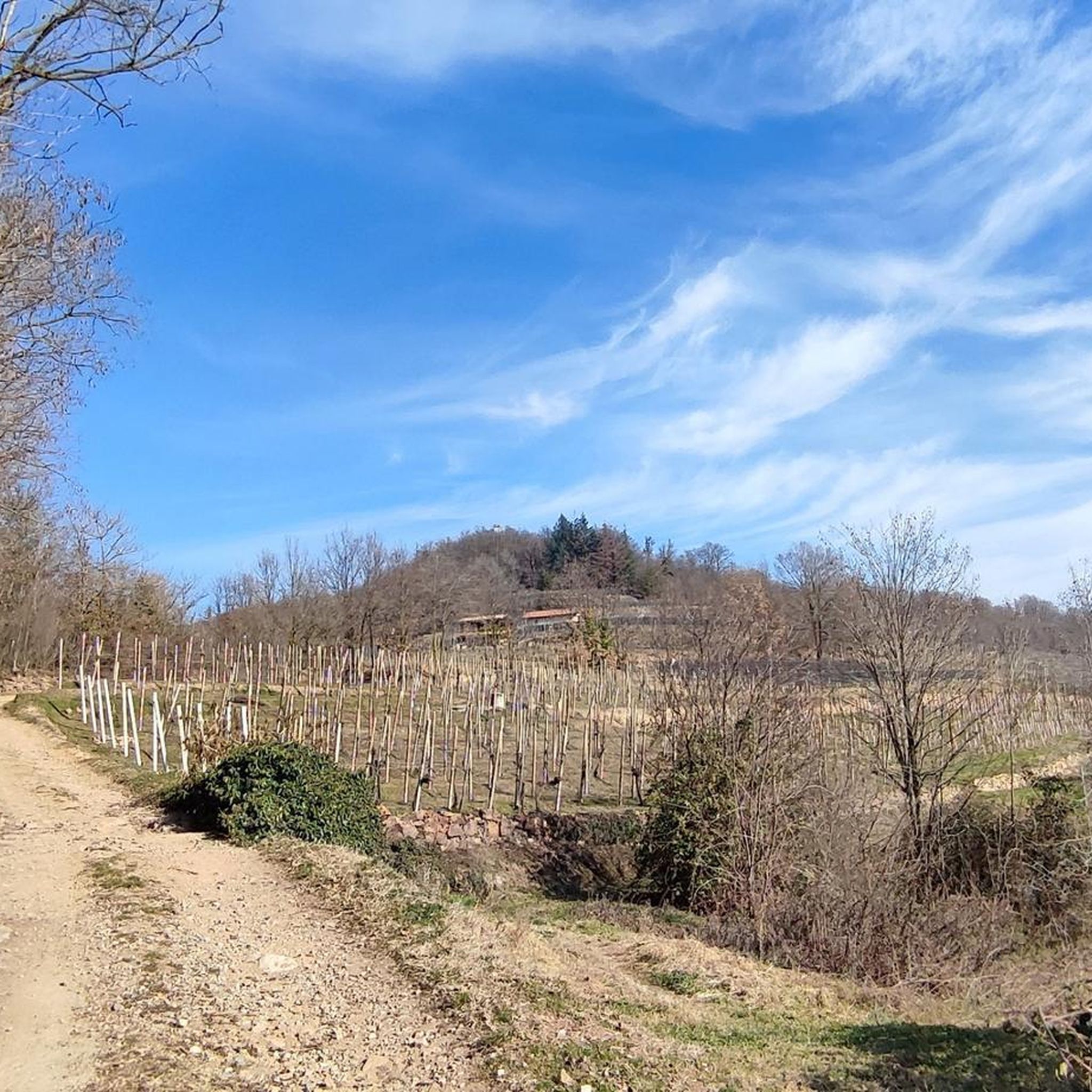
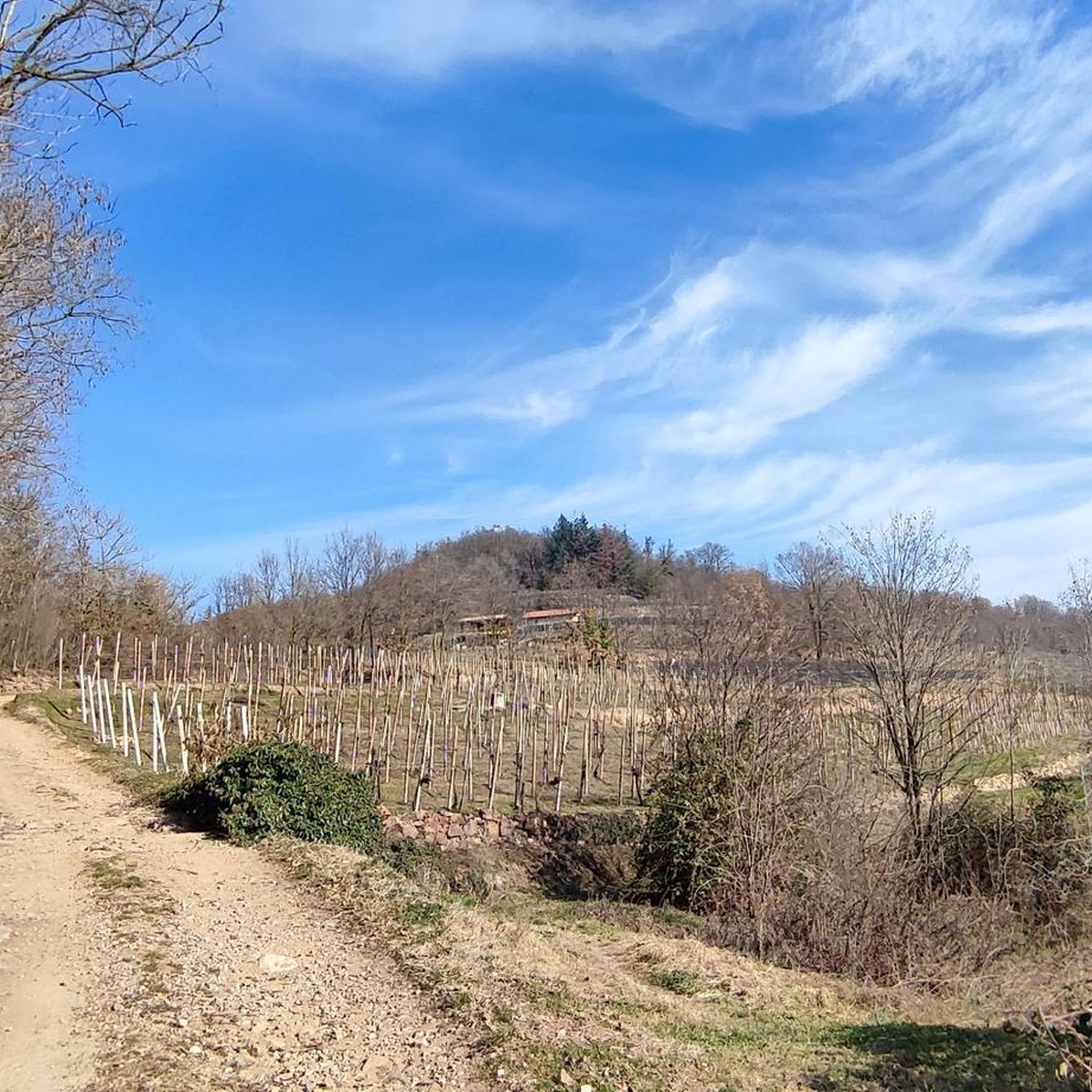
Cycling around Brusnengo offers diverse scenery. You can explore the unique clayey plateau of the Baraggia di Candelo – Baragge Nature Reserve with its heather-covered clearings, or witness the striking geological formations of the Rive Rosse. The region also features picturesque Biella hills, distant Alpine views, and routes that follow valleys and cross streams.
Are there any family-friendly touring cycling routes in Brusnengo?
Yes, there are easy routes suitable for families. For instance, the Mini Giro di Rovasenda is an easy 1.3-mile loop that offers a quick and enjoyable ride through local scenery, perfect for a relaxed family outing.
Can I find routes that pass through historical or cultural sites?
Absolutely. Many routes in the Biella area blend natural beauty with cultural heritage. You can cycle through historic sites of textile culture or encounter landmarks like the medieval Castelle Tower. The San Teonesto Church – Ancient village of Masserano loop from Brusnengo is a great example, connecting historical sites for a cultural exploration.
What are some unique natural attractions I can visit on a touring bike near Brusnengo?
Beyond the Baraggia and Rive Rosse, you can discover other natural wonders. Consider routes that pass by the Cervo Stream Badlands, the serene Lake delle Piane, or the peaceful Silent Park. These offer diverse natural experiences along your ride.
When is the best time of year to go touring cycling in Brusnengo?
The region is generally pleasant for cycling from spring through autumn. The mild temperatures and vibrant landscapes make these seasons ideal. While winter cycling is possible, some higher elevation routes might be affected by snow or colder conditions.
Are there options for longer, more challenging touring cycling adventures?
Yes, Brusnengo offers plenty of challenging routes for advanced cyclists. For instance, the Santuario di Graglia – Oropa Sanctuary loop from Rovasenda is a difficult 67.6-mile route with significant elevation gain, leading to the UNESCO World Heritage San Lorenzo Castle. Another demanding option is the Fabbrica della Ruota – Bocchetto Sessera Pass loop from Rovasenda, which covers over 83 miles with substantial climbing.
What do other touring cyclists enjoy the most about touring cycling in Brusnengo?
The area is highly rated by the komoot community, with an average score of 4.5 stars from over 180 reviews. Reviewers often praise the diverse terrain, from gentle paths through nature reserves to challenging ascents in the hills, and the beautiful panoramic roads offering Alpine vistas.
Are there any circular touring cycling routes in Brusnengo?
Yes, many routes around Brusnengo are designed as loops, allowing you to start and end in the same location. The Castellengo – Baraggia di Candelo loop from Masserano is a popular 31.8-mile circular route that takes you through the scenic Baraggia di Candelo nature reserve.
Can I find routes that pass through wine regions?
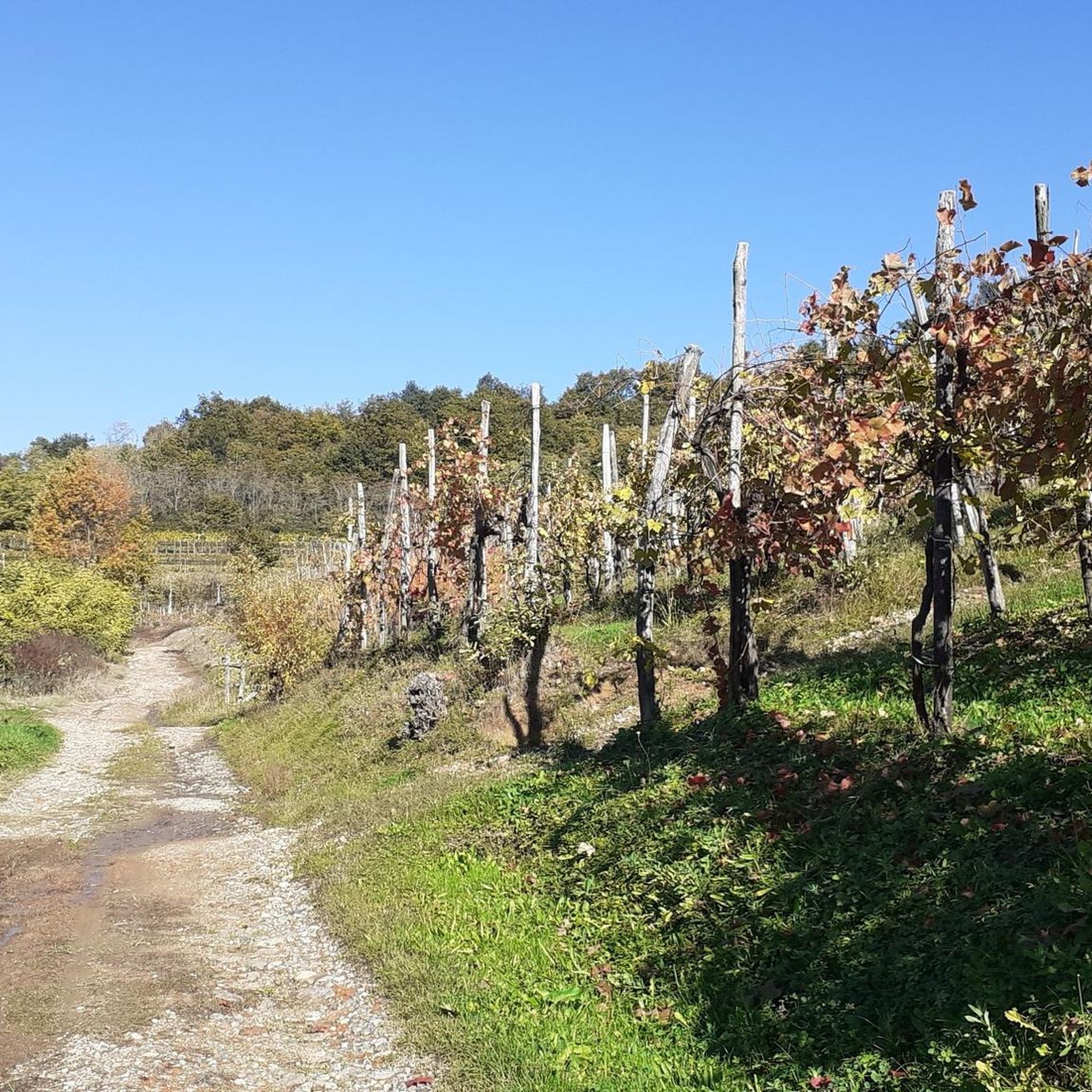
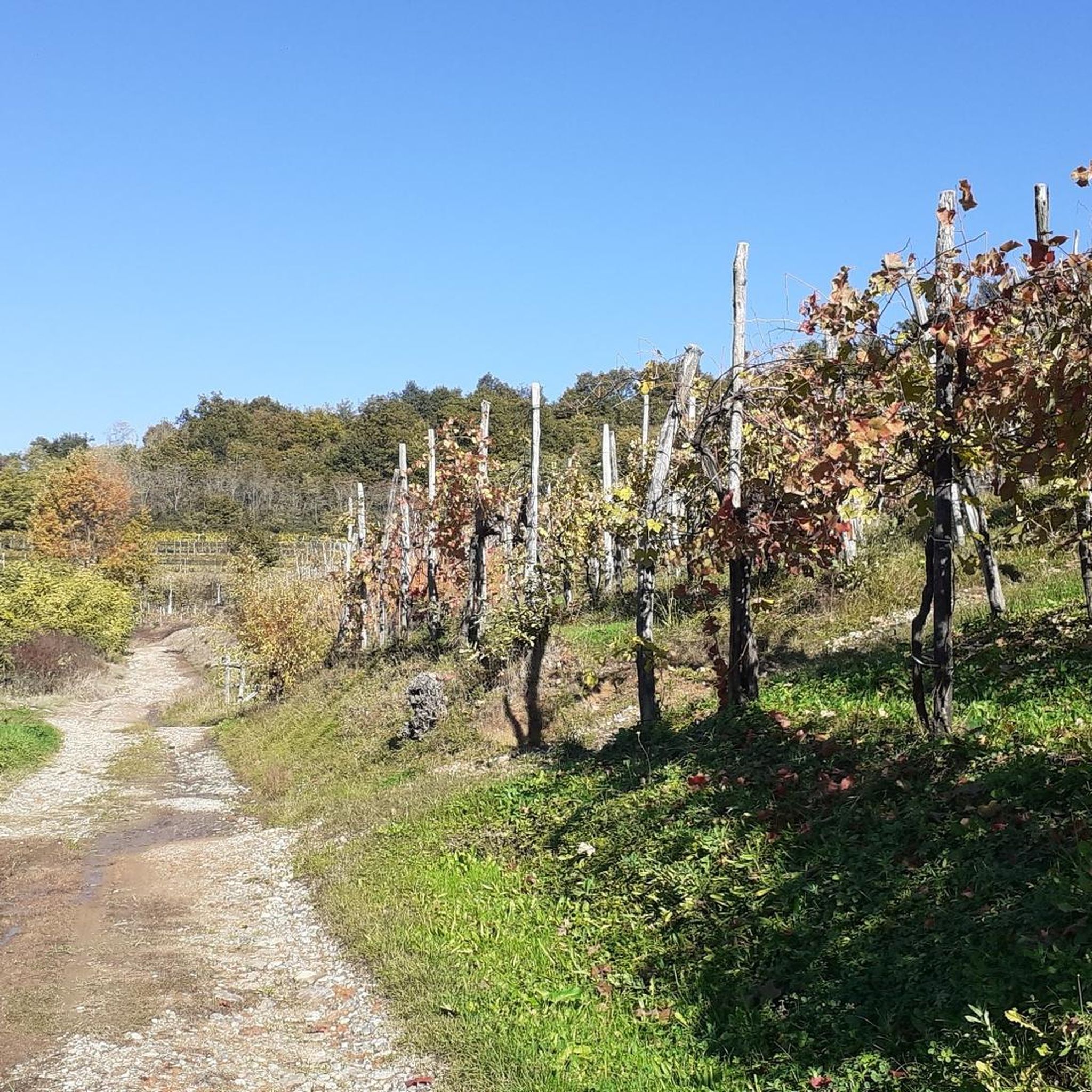
Yes, some cycling routes in the vicinity of Brusnengo pass through lands known for producing excellent DOC wines. These routes offer a scenic ride combined with opportunities to experience local gastronomy and viticulture.
What kind of historical castles can I see while cycling?
The region is dotted with historical castles. You might encounter structures like the Castello di Castellengo, Valdengo Castle, or Rovasenda Castle. These medieval fortifications add a rich historical layer to your cycling journey.
Most popular routes around Brusnengo
Most popular attractions around Brusnengo

Get inspired with the komoot mobile app


Explore more
Browse the best Cycling routes in other regions.
