The 18 Most Amazing Peaks around Caprile
Best mountain peaks around Caprile, a hamlet in the Agordino region of the Italian Dolomites, offer diverse outdoor experiences. The area is characterized by woods, meadows, and imposing cliffs, providing a setting for various activities. Caprile serves as a strategic starting point for exploring prominent massifs like Marmolada and Civetta. This region is ideal for those seeking to engage with the natural landscape of the Dolomites.
Best mountain peaks around Caprile
- The most popular mountain peaks is Summit of Monte…
Last updated: October 11, 2026
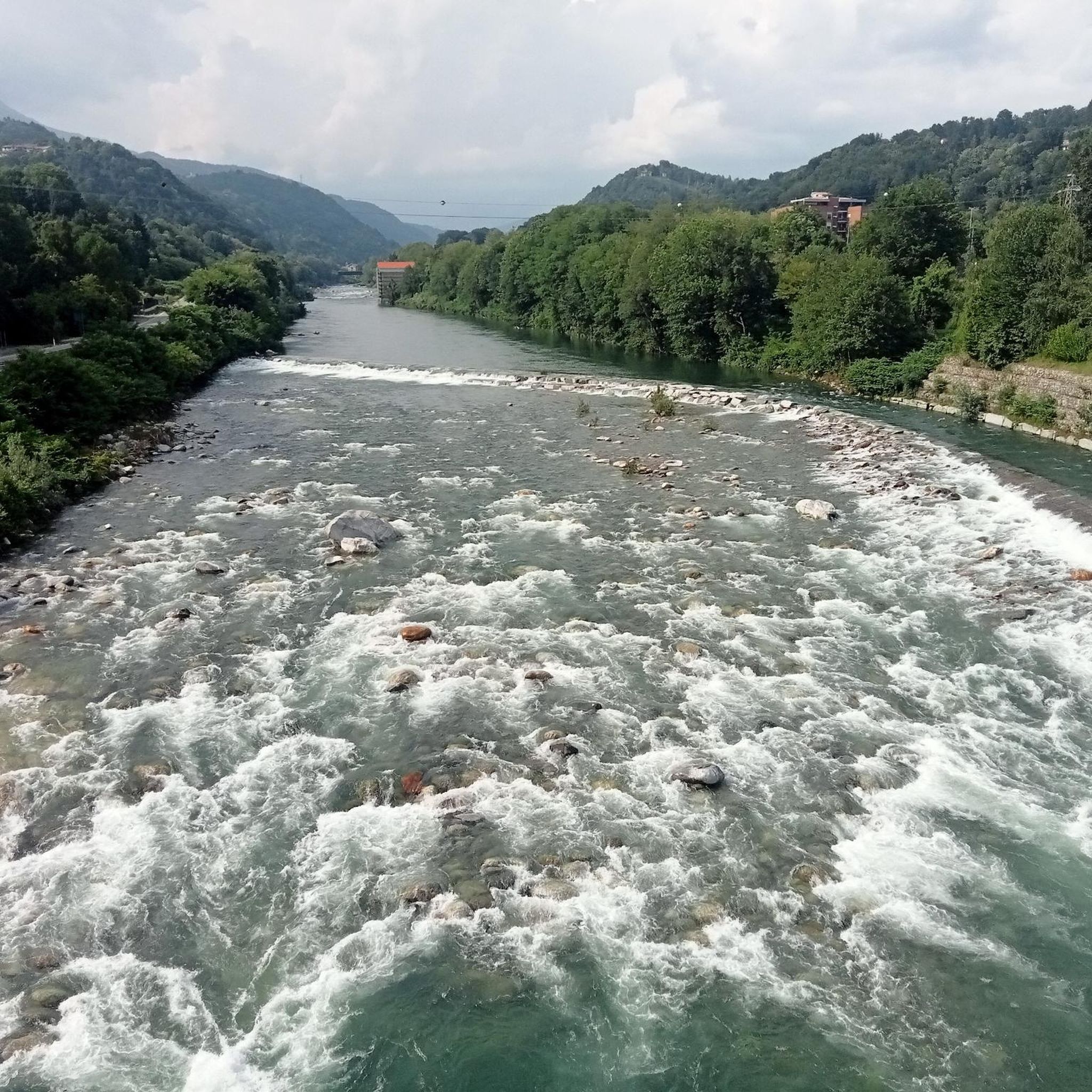
Bocchetto Sessera Pass
Highlight • Mountain Pass
Showing Translation
Tip by

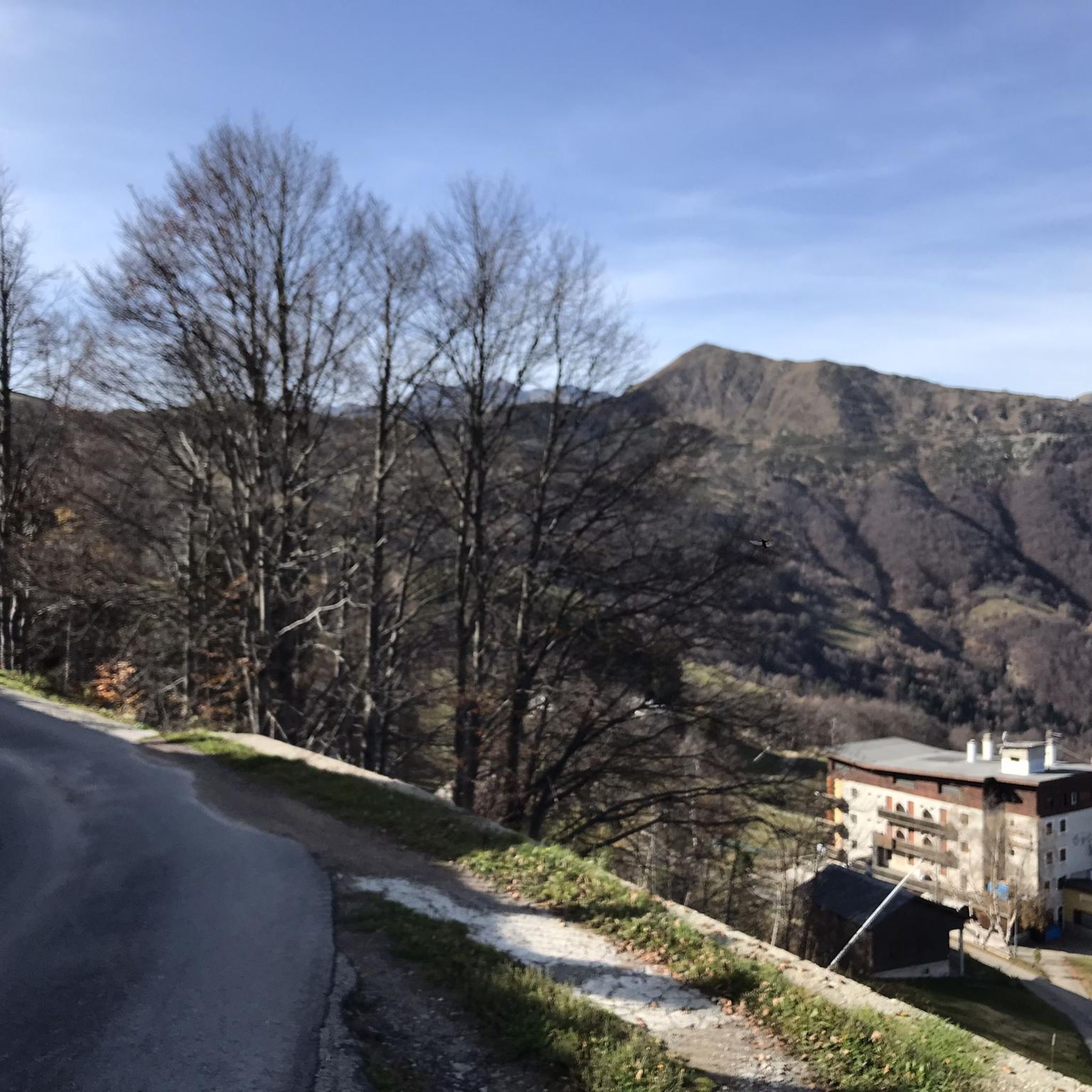
Mount Fenera
Highlight • Summit
Translated by Google •
Tip by

Sign up now to discover places like this
Get recommendations on the best single tracks, peaks, & plenty of other exciting outdoor places.
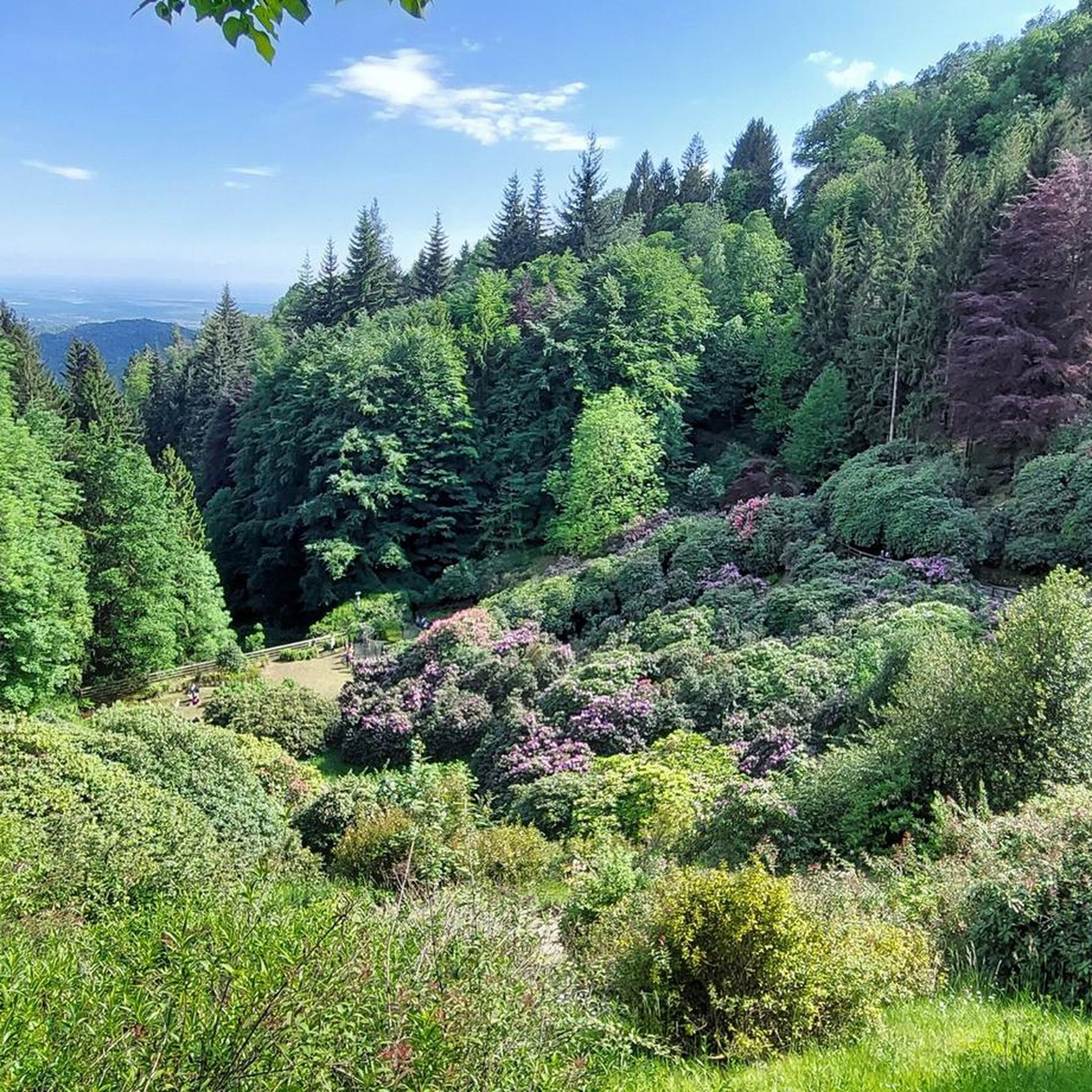
Bec d'Ovaga
Highlight • Summit
Translated by Google •
Tip by

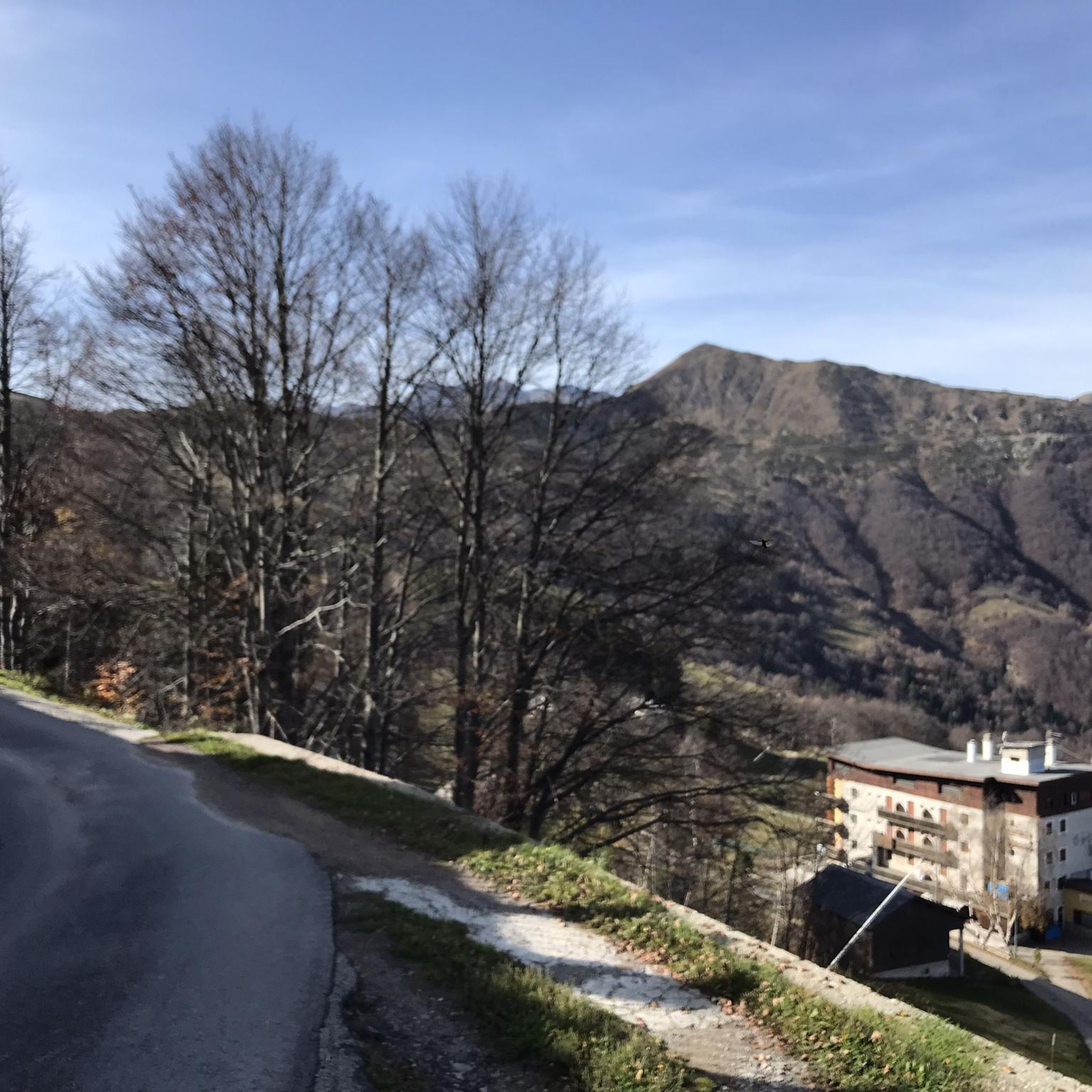
Rifugio Spanna-Osella
Highlight • Mountain Hut
Translated by Google •
Tip by

Summit of Monte Barone
Highlight • Summit
Translated by Google •
Tip by

Sign up for free to discover even more peaks around Caprile.
Already have an account?
Start today with a free account
Your next adventure awaits.
Tips from the Community

The **Passo (or Bocchetto) di Bocchetto Sessera is an alpine pass located in the Biella Alps, in the Province of Biella (Piedmont, Italy). It connects the Valle dello Strona di Mosso with the Val Sessera, between the mountains Monte Marca (1,558 m) and Monticchio (1,697 m).
14
0

Chapel, refuge and on the left, the white dot, is the summit cross.
0
0

Summit.... Breathtaking view
0
0

small chapel with a cross at the top
0
0

Main entrance to the Oasi Zegna, from which many paths start, including the "Bosco del Sorriso" path and others
2
0

My favorite route for both "training" climbs (when I was young) and, more frequently, to enjoy a climb all through the woods, therefore bearable even in July-August, with the arrival at the refuge that instead opens up to the eyes an unexpected panorama over a good stretch of the lower Valsesia. The climb to the summit, behind the refuge, then reveals, on clear days, M. Rosa and many other peaks. I tried two excursions, starting from the refuge. The first, continue to sella Vazzosa (short exposed sections, be very careful!) and then to Massale, then always on a trail on the crest to Castello del Gavala, there be very careful for short exposed sections and to find the right passage to descend from the summit to the path just below that will lead to Luotto and finally to Tovo or even just to sella Rosetta, and then go to the Gilodi-Ca'Mea refuge. Many km and altitude difference (1700 m approx.), to be organized in company and with two cars, one in Casavei and the other in Ca' Mea, with a lot of necessary training. An easier tour of approx. 1050 m of altitude difference, but which requires a good sense of direction, maps and GPS, is to go down the southern ridge in front of the Spanna refuge, always continue without going down the sides, paying attention to some rare paint on the trunks, until you come across a dirt road at an altitude of 1250, at the hairpin bend, not far from Alpe Passarina. From there the dirt road leads to Sella di Parone and finally to Casavei, altitude difference reduced to approx. 850 m. But at that storm the adventure becomes beautiful by leaving the dirt road and taking a path, always vs. south and remaining on the crest (wooded), which leads below partly maintained and partly ruined mountain pastures, first to Arcacce, from which you leave the crest to turn left and then find Tereggia, Pometto, Uccello alps, descending to the dirt road of Pra Personale that leads to Locarno, from there go back up to Casavei, and it is this climb to Casavei/Narpone that brings the difference in altitude to about 1050-1060 m Almost absolutely to be done with those who have already done this descent as it is easy to get lost. I did it and discovered it a first time with a few mistakes and retraced my steps to then find the right passages, all easy and always on wooded slopes, since then I have memorized it and once every year or two it gives me great satisfaction to do this ring again. Get a Geo4Map map n.2
0
0
I don't count the times... everything is easy, pay attention from the refuge to the summit, a few meters here and there of steep rock, no stumbling or getting distracted, very dangerous. Done well, however, it is for everyone. I have done the return trip several times along the southern ridge, right in front of the refuge, rare signs for almost 400 meters of altitude difference, stay on the ridge on the back of the ridge until you exit at 1250 meters of altitude on the road that ends on the right at Alpe Passarina and on the left goes down to Selle di Parone and further on to Casavei. Instead of going down the road, I have taken the path several times (on the hairpin bend where it comes out) that, here too, staying on the back of the ridge, turning left when it ends, and paying attention to the few signs on the plants, goes down to the ancient Arcacce Alps, then Pometto (ruins), Uccello (ruins), Pra, where the dirt road begins and some renovated farmhouses, then Parone etc.
1
0
Of this mountain, after well over a hundred climbs, I know all the sides, it's a shame that some of the slopes inside the Val Sessera, e.g. the one for Rattarun and then Alpe Boscoso then climbing to Navagli and Alpe Campo and Cima ... are, for some stretches in the lower valley, a bit swallowed up by vegetation. The normal route from Ciota to the refuge is very popular, but for example the descent via Spelonca-Cascinetta still offers a nice ring that is more "wild" and very little frequented.
1
0
Frequently Asked Questions
What are some of the most popular mountain peaks to visit around Caprile?
The region around Caprile offers several noteworthy peaks. Among the most appreciated by the komoot community are Summit of Monte Barone, which reaches 2044 meters and provides extensive views over the Sessera and Strona di Postua valleys, and Monte Fenera summit and summit cross, offering a beautiful panorama of Valsesia and the magnificent Monte Rosa.
What kind of natural features can I expect to see around the mountain peaks near Caprile?
The landscape around Caprile is characterized by a diverse mix of natural features. You'll find extensive woods, lush meadows, and imposing cliffs. Peaks like Bec d'Ovaga offer exceptional panoramas extending over the entire Valsesia, the eastern side of Monte Rosa, and other distant peaks, including Lake Orta and Lake Maggiore.
Are there challenging mountain peaks for experienced hikers near Caprile?
Yes, for experienced hikers and climbers, the region presents significant challenges. The Civetta mountain group, for instance, is renowned for its dramatic northwestern face, featuring a 1,000-meter steep cliff with numerous challenging climbing trails. The ascent to the Monte Fenera summit is also described as very tough, especially the last 700-800 meters with gradients well over 20%.
What is the highest peak in the Dolomites accessible from Caprile?
The highest peak in the Dolomites, and a prominent destination accessible from Caprile, is Marmolada, known as the 'Queen of the Dolomites.' Its summit, Punta Penia, reaches 3,342 meters (10,965 feet) and is distinguished by its glacier.
What outdoor activities can I do near these mountain peaks?
Caprile is an ideal starting point for a variety of outdoor activities throughout the year. In warmer months, you can enjoy hiking and mountain biking. For specific routes, you can explore Running Trails around Caprile, Cycling around Caprile, and MTB Trails around Caprile.
Are there any mountain passes offering scenic views or routes?
Yes, Bocchetto Sessera Pass, at about 1,400 meters, is a very panoramic point. It connects the Strona valley with the Sessera valley and serves as a starting point for interesting MTB routes, some of which lead to Valsesia.
What is the best time of year to visit the mountain peaks around Caprile for hiking?
The warmer months are generally ideal for hiking and mountain biking around Caprile. However, the Marmolada glacier allows for unique summer skiing opportunities. For specific peaks like Monte Barone, even in early February, conditions can be favorable with very little ice, potentially not requiring crampons.
Are there any mountain huts or refuges near the peaks for rest or refreshment?
Yes, for example, near Bec d'Ovaga, you can find Rifugio Spanna-Osella. It's a nice refuge, but it's advisable to check if it's open before your excursion if you plan to stop for refreshment. The Civetta area also offers excursions to various mountain huts like Adolfo Sonino, Coldai, and Attilio Tissi during summer.
What makes the Civetta mountain group a notable destination?
The Civetta mountain group is famous for its dramatic and imposing northwestern face, characterized by a steep cliff with a prominence of 1,000 meters and a length of nearly 4,000 meters. This massive cliff attracts experienced climbers with numerous challenging trails. In winter, Civetta is part of the extensive Dolomiti Superski area, offering a wide range of ski runs.
What do visitors enjoy most about the mountain peaks around Caprile?
Visitors frequently highlight the exceptional panoramas and the diverse natural beauty. The views from peaks like Bec d'Ovaga, extending over vast valleys and distant mountains, are particularly appreciated. The opportunity for challenging climbs and the immersive experience in the wilderness of the Dolomites also draw many visitors.
Are there winter sports opportunities near Caprile's mountain peaks?
Yes, in winter, the Civetta mountain group is part of the extensive Dolomiti Superski area, providing a wide range of ski runs for winter sports enthusiasts. Marmolada is also known for its glacier, which allows for skiing even late in the season.
Can I find trails suitable for running near the mountain peaks?
Absolutely. There are various running trails available, ranging in difficulty. For example, you can find routes like the 'Trailhead – San Bernardo Sanctuary loop from Coggiola' (difficult, 23.48 km) or a 'Running loop from Coggiola' (moderate, 5.13 km). More options are detailed in the Running Trails around Caprile guide.
Most popular routes around Caprile
Most popular attractions around Caprile

Get inspired with the komoot mobile app


Explore more
See even more amazing summits around Caprile with these guides:
