Attractions and Places To See around Lerma - Top 20
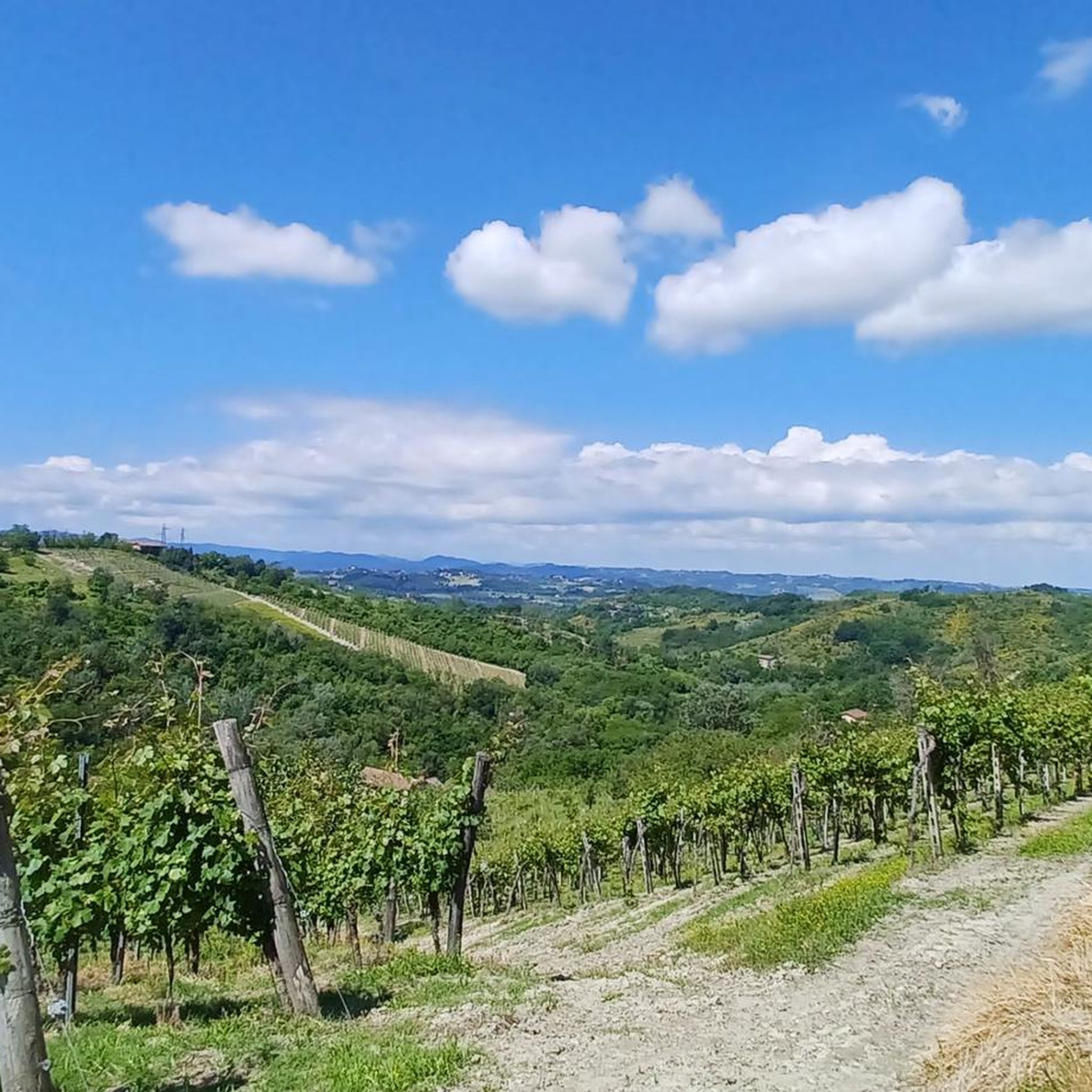
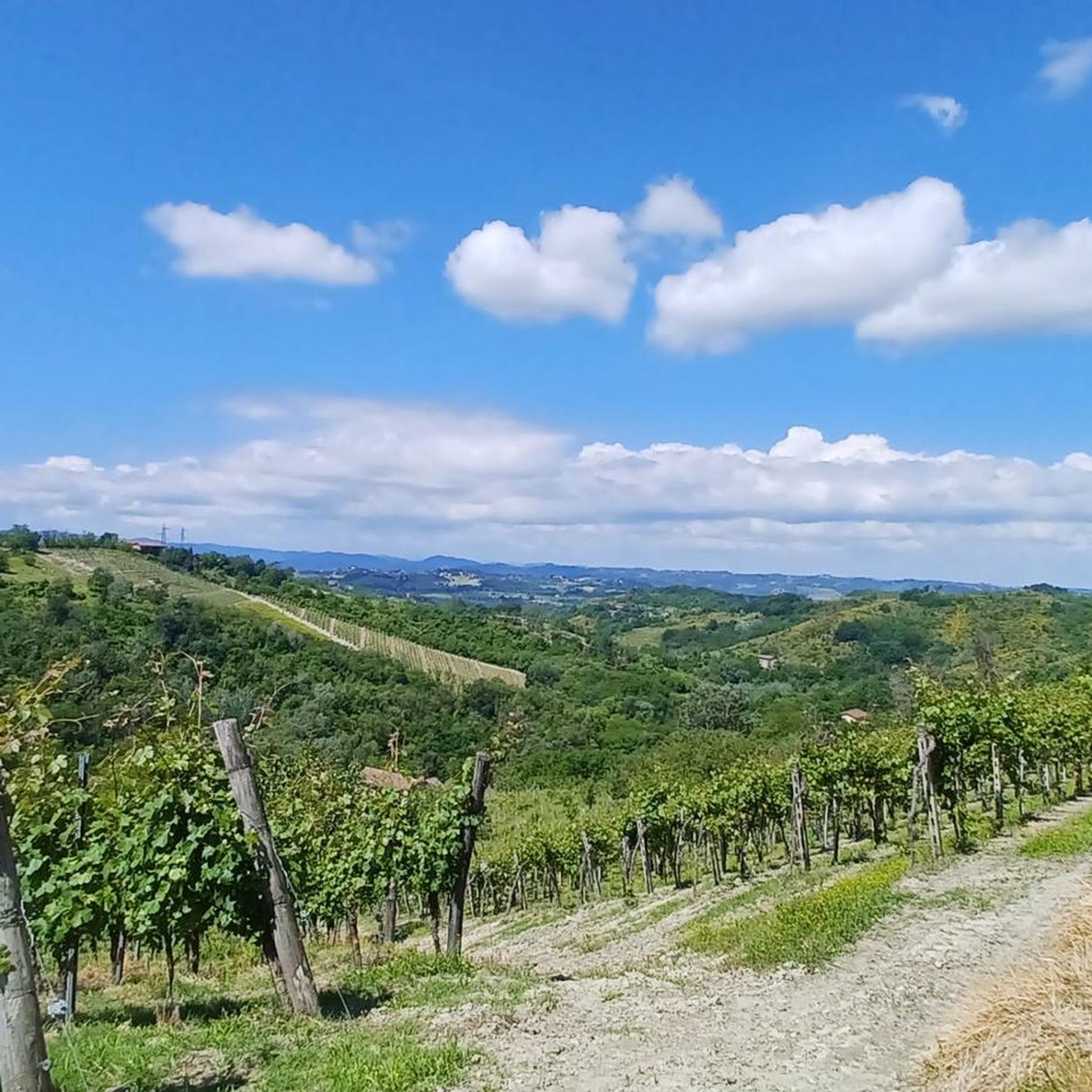
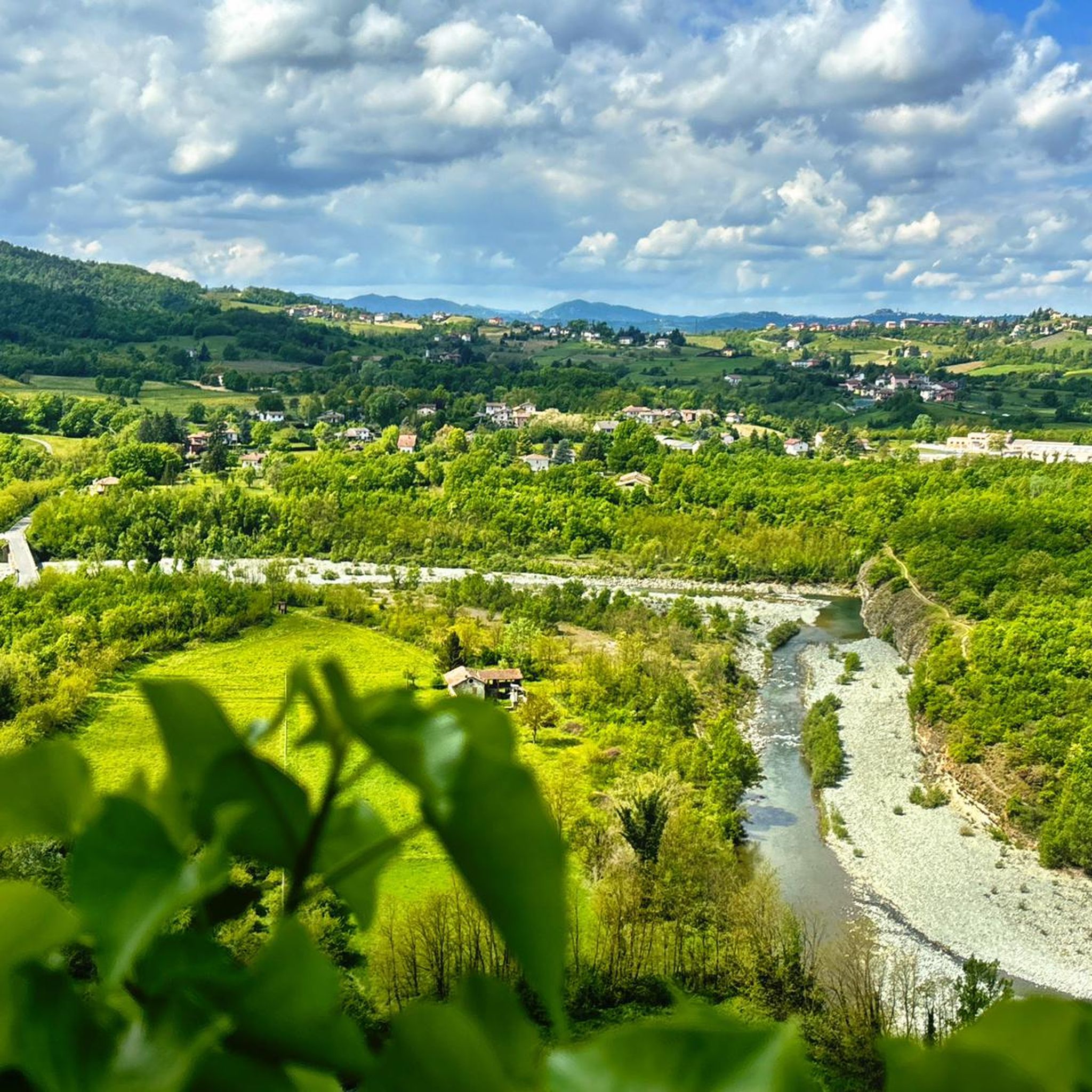
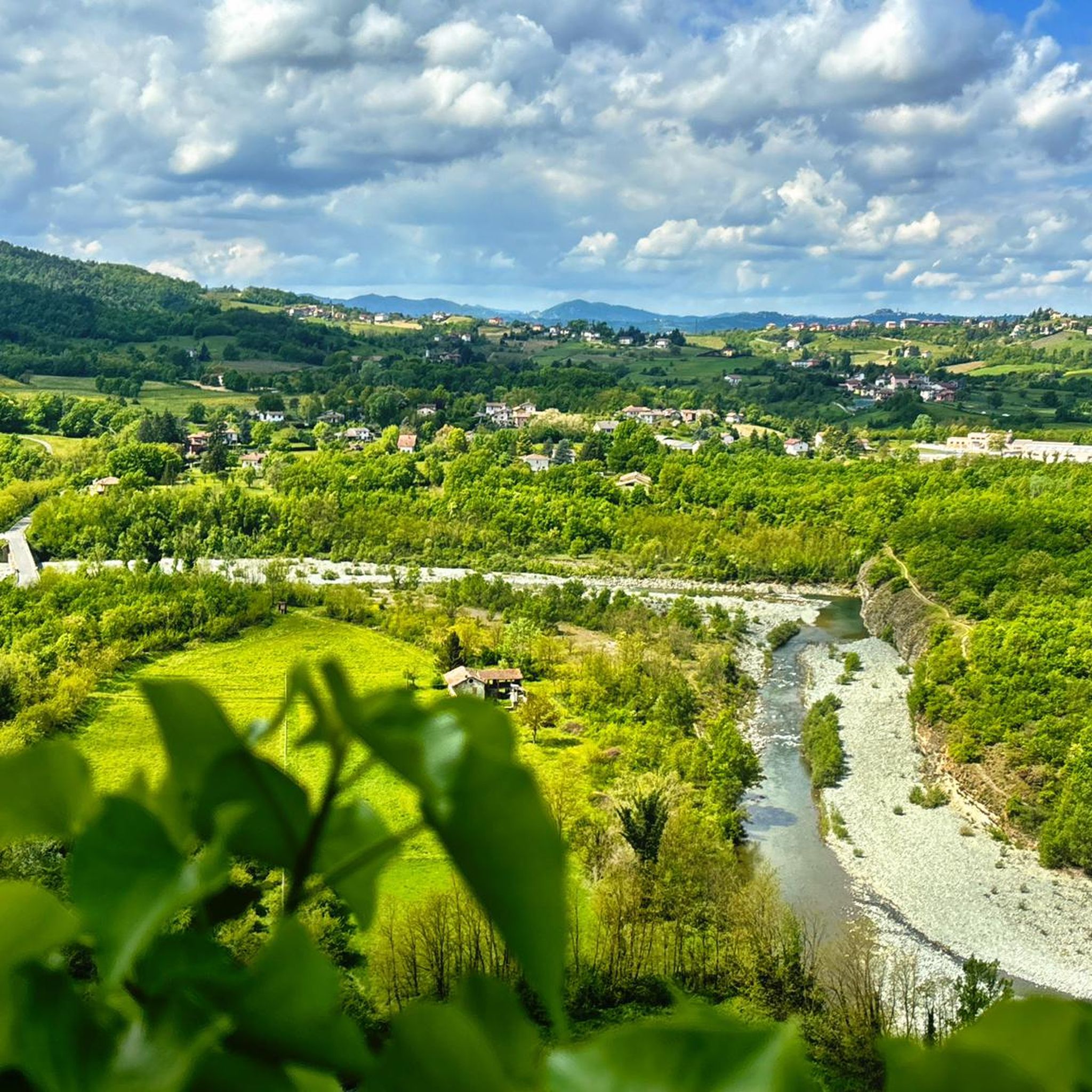
Attractions and places to see around Lerma include a variety of natural and historical sites within the Ligurian Apennines. The region offers mountain passes, summits, and lakes, providing diverse outdoor experiences. These locations are characterized by their natural beauty and historical significance, with many offering panoramic views.
Best attractions and places to see around Lerma
- The most popular attractions is Lago Bruno, a lake nestled in the Ligurian woods. It offers a peaceful atmosphere for excursions or relaxation.
- Another…
Last updated: July 7, 2026
Passo del Turchino
Highlight • Mountain Pass
Translated by Google •
Tip by

Summit of Monte Figne
Highlight • Summit
Translated by Google •
Tip by

Sign up now to discover places like this
Get recommendations on the best single tracks, peaks, & plenty of other exciting outdoor places.
Sign up for free
Lago Bruno
Highlight • Lake
Translated by Google •
Tip by

Albarola Tower
Highlight • Historical Site
Translated by Google •
Tip by

Mount Tobbio
Highlight • Summit
Translated by Google •
Tip by

Sign up for free to discover even more attractions around Lerma.
Sign up for free
Already have an account?
Start today with a free account
Your next adventure awaits.
Login or Signup
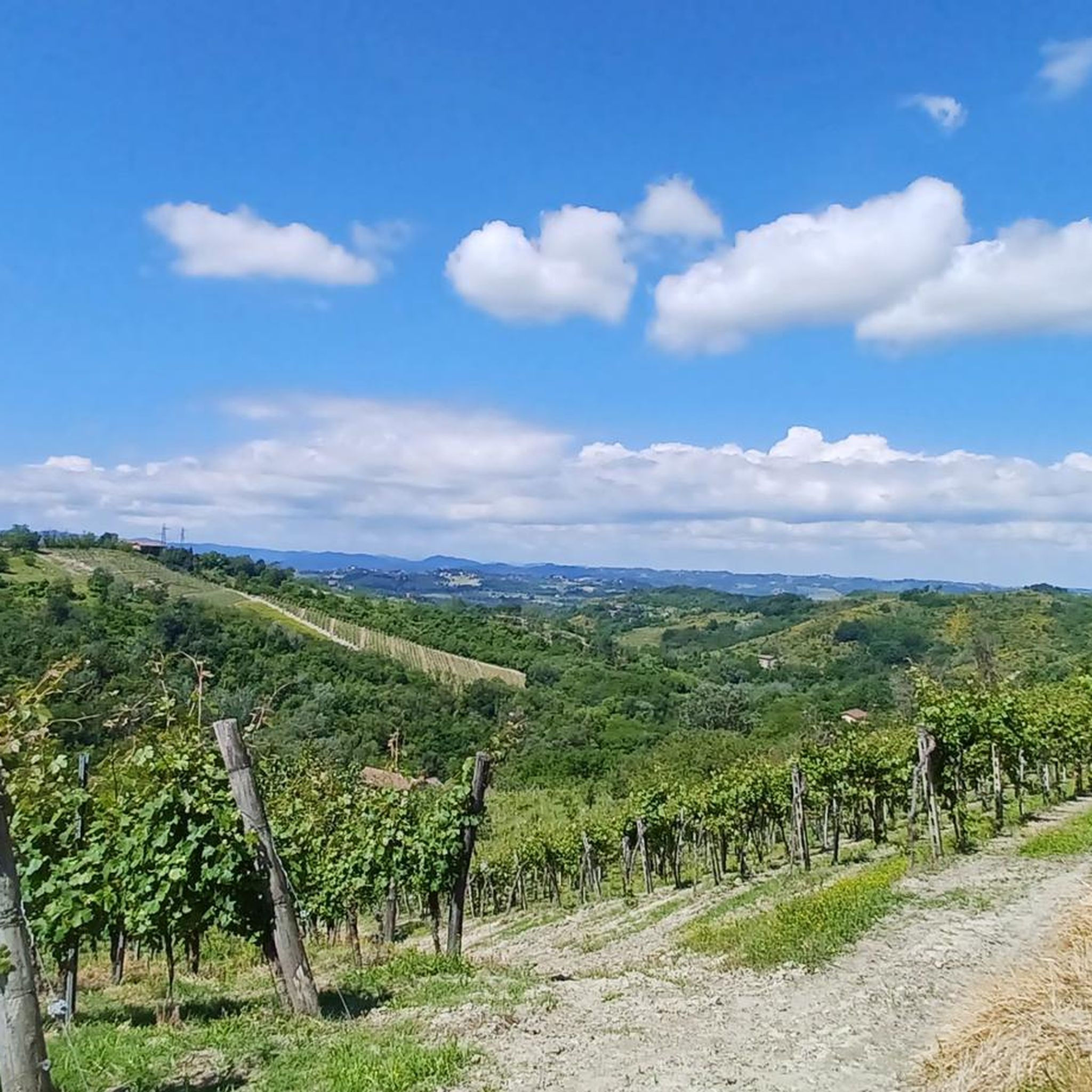
Tips from the Community

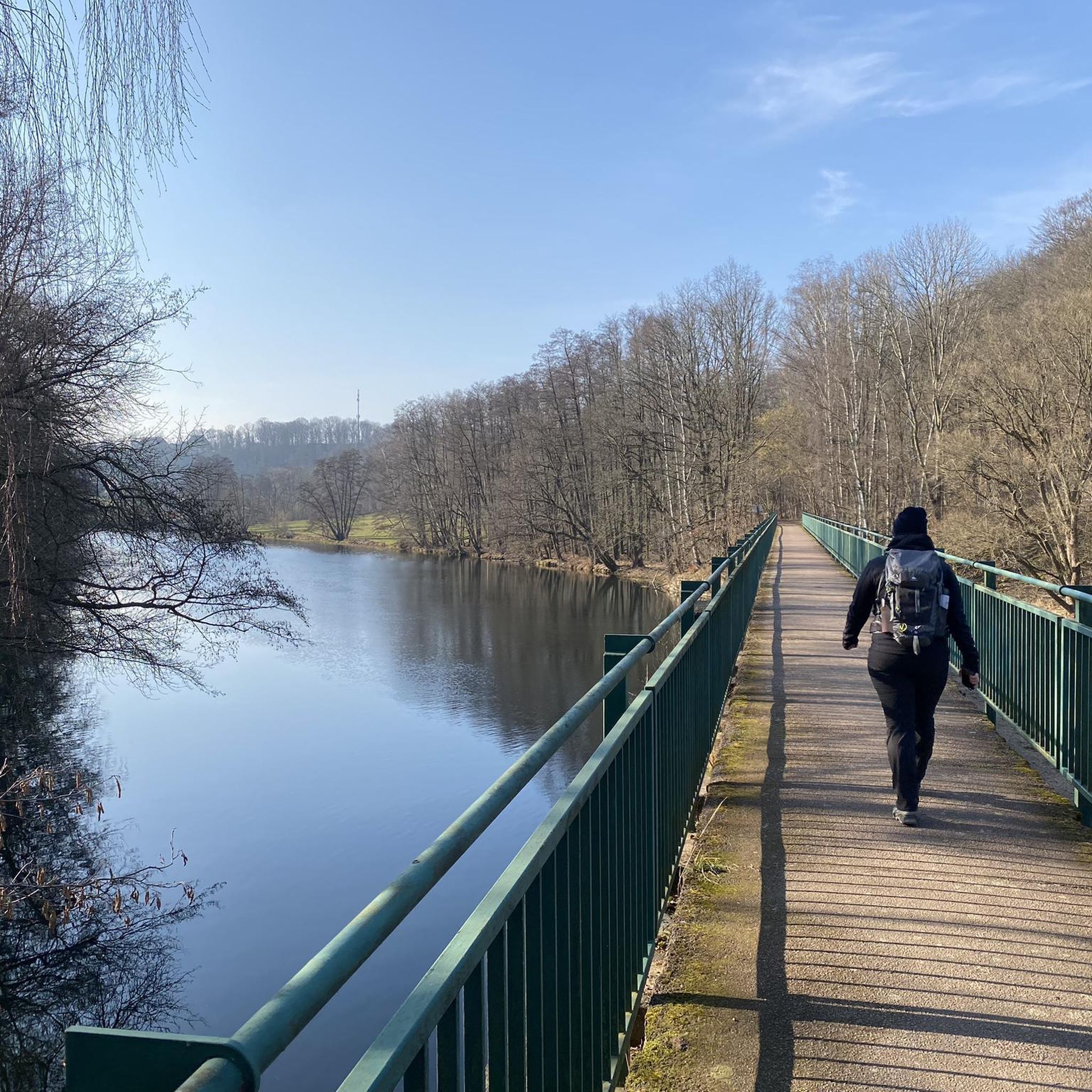
Because the "Gorzente Lakes Tour" would be meaningless without the lake! Jokes aside, since much of the approach trail is rather lacking in views (mostly through a wooded valley), when you finally begin to skirt the lake, the view makes all the effort worthwhile. Be careful, because following the same trail, the descent to the bridge presents some difficulties, with slippery rocks and even some short, secured sections. Hiking boots are essential, poles are useful, but not recommended in case of snow or ice!
0
0

A barren and wild environment that is worth the effort of the challenging difference in altitude that is faced immediately at the beginning of the route, then the excursion continues along the crest on panoramic ups and downs that offer views of the sea and the surrounding peaks.
0
0

Lake Bruno, nestled in the Ligurian woods near Campomorone, is a small natural jewel that surprises with its quiet and uncontaminated beauty. Surrounded by thick trees and shrouded in green vegetation, this lake offers a peaceful atmosphere, ideal for excursions or moments of relaxation away from the urban frenzy.
0
1

Alpine environment with splendid blooms in May. View from the sea to the Po Valley; the castles of Superba, Mount Beigua in the distance and the Gorzente lakes at the foot of this mountain. Advised.
0
0

From here you have a great view of what is around Monte Tobbio
0
0

Wonderful view from up here, with the refuge chapel useful in case of bad weather, or for warming up in case of low temperatures. There are various paths, usually you follow the 401 and from Voltaggio it takes about 3 hours of hiking
2
1

To the north of the town, on the borders between Lerma, Silvano and Castelletto d'Orba, remain the ruins of the Torre dell'Albarola. It was part of a defensive sighting system created against Saracen incursions around the year one thousand. His task was to record the signals coming from Mount Colma and, with bonfires lit on the summit, warn the nearby Gazzolo tower (S. Cristoforo), which would send the alarm to the plain. Whoever climbs the tower immediately realizes the reason for that location: from up there the view extends from the Piota valley to the entire Apennine range, and then further down towards the hills up to the Po Valley. Tradition has it that it later served as a bell tower for Santa Maria in Prelio, that is, for the parish church of Silvano d'Orba, as it is located on a hill to the east of it. Towards the end of the 17th century, the Abbey of San Filippo Neri was built near Albarola, from which the name of today's Abbazia farmhouse derives
0
0

Apennine pass between the municipalities of Mele and Masone, both in the province of Genoa, the Turchino is one of the symbolic climbs of the Milan-Sanremo. Since the 1950s, the climb has been asphalted and is no longer able to create selection among the runners in the race, but it is still the highest point of the Classicissima. At the top of the Turchino, in addition to a memorial dedicated to Costante Girardengo, there is a tunnel redone in the 2000s. The Turchino is also known nationally for a singular idea proposed by a viewer of the program "Portobello", hosted at the end of the 1970s by the very famous Enzo Tortora. It consisted of knocking down the Turchino itself and this portion of the Apennines to open a passage between the sea and the Po Valley, thus presuming to solve the problem of the fog.
4
0
Frequently Asked Questions
What kind of natural attractions can I explore around Lerma?
The area around Lerma offers a mix of natural beauty, from serene lakes to panoramic summits. You can visit Lago Bruno, a peaceful lake nestled in the Ligurian woods, ideal for relaxation. For stunning views, consider the Summit of Monte Figne, which offers a fantastic panorama of Monte Tobbio and the Mediterranean Sea, or the Monte Pracaban Summit for magnificent vistas. The Arlanza River also contributes to the picturesque setting of Lerma, and the Mirador de los Arcos provides beautiful views of the river and its plain.
Are there any historical landmarks or cultural sites to visit in Lerma?
Yes, Lerma is rich in history and culture, reflecting its 17th-century splendor. The most prominent landmark is the majestic Ducal Palace, a well-preserved Herrerian-style building that now functions as a Parador hotel. Adjacent to it is the impressive Plaza Mayor, one of the largest squares in Spain. Other notable sites include the Arch of La Cárcel, the only surviving gate of Lerma's medieval wall, and the Baroque-style Collegiate Church of San Pedro. You can also explore several 17th-century convents, the Territorio Artlanza museum, and the Museo del Juguete de Lerma (Toy Museum).
What outdoor activities are available near Lerma's attractions?
The region around Lerma is excellent for various outdoor activities. You can find numerous routes for road cycling, running, and gravel biking. For road cycling, explore routes like the 'Via Cairoli, Ovada – Cremolino Historic Centre loop' or the 'View of the Fortress of Gavi – Vineyards and hills loop'. Running enthusiasts can enjoy trails such as 'Running along Lake Lavagnina' or 'Monte Tobbio from Ponte Nespolo Loop'. Gravel biking options include the 'Castello di Lerma – Albarola Tower loop'. You can find more details and routes on the dedicated guides for Road Cycling Routes around Lerma, Running Trails around Lerma, and Gravel biking around Lerma.
Are there family-friendly attractions or activities in Lerma?
Yes, Lerma offers options suitable for families. Lago Bruno is noted as family-friendly, providing a peaceful atmosphere for excursions. Slightly outside the immediate town, the Mataviejas Gorge offers an easy and pleasant walk accessible to children. The Museo del Juguete de Lerma (Lerma Toy Museum) also provides a cultural and engaging experience for younger visitors.
Where can I find the best panoramic views around Lerma?
For exceptional panoramic views, head to the Summit of Monte Figne, which offers a fantastic vista of Monte Tobbio, the Padana, and the Mediterranean Sea. The Monte Pracaban Summit also provides a magnificent panorama. Within the town, the Mirador de los Arcos offers beautiful views of Lerma itself and the fertile plain of the Arlanza River. Additionally, the ruins of the Albarola Tower provide an exceptional panoramic point, sweeping from the Piota valley to the entire Apennine arc.
What is the significance of Passo del Turchino?
Passo del Turchino is an Apennine mountain pass known as a symbolic climb of the Milan-Sanremo cycling race. It represents the highest point of the Classicissima and features a memorial dedicated to the cyclist Costante Girardengo. While its slopes are not overly demanding, its length of over 25km from the Piedmontese side makes it a notable feature for cyclists.
What is the terrain like for hiking and walking around Lerma?
The terrain around Lerma varies. While some areas like the Mataviejas Gorge offer easy and pleasant walks, other routes, particularly those leading to summits like Monte Figne, can be technical and require excellent skills. When visiting Lago Bruno, be prepared for sections with slippery rocks and short, secured parts, making hiking boots essential. Some paths, like those around Monte Pracaban Summit, might have sections that are not always passable due to maintenance.
What is the Ducal Palace in Lerma used for today?
The Ducal Palace, a grand Herrerian-style structure built between 1601 and 1617, is Lerma's most prominent landmark. Today, this majestic palace functions as a Parador hotel, allowing visitors to experience its historical grandeur firsthand.
Can I learn about Lerma's history in more detail?
Yes, you can delve deeper into Lerma's past at the Interpretation Center of the History of Lerma. This center offers insights into the town's history, monuments, notable figures, traditions, and culture, with a special focus on the 17th century and the Baroque period, which shaped much of Lerma's identity.
What local specialties or events should I look out for in Lerma?
Lerma is renowned for its exquisite gastronomy, particularly its famous 'asados' (roasts). The town is also the headquarters of the Arlanza Designation of Origin for wines, offering opportunities to explore local wineries and cellars. If you visit in early August, you can experience the annual Baroque Festival, held on the first weekend, which transports visitors back to Spain's Golden Age with parades, classical music, and street performances.
What do visitors enjoy most about the attractions around Lerma?
Visitors particularly enjoy the peaceful atmosphere and beautiful views offered by natural sites like Lago Bruno. The panoramic vistas from summits such as Monte Figne and Monte Pracaban Summit are also highly appreciated. The historical significance of places like Passo del Turchino and the exceptional panoramic point of the Albarola Tower also draw considerable interest.
Most popular attractions around Lerma

Get inspired with the komoot mobile app


Explore more
Still not found the Highlight you’re looking for? See guides of the top attractions in other regions:
