Attractions and Places To See around Tagliolo Monferrato - Top 20
Best attractions and places to see around Tagliolo Monferrato include historical landmarks, cultural sites, and natural features. This comune in the Province of Alessandria, Piedmont, is known for its winemaking tradition and well-preserved medieval heritage. The region offers a blend of ancient castles, historic villages, and scenic natural spots like summits and lakes. Visitors can explore a variety of landscapes, from vineyards to wooded hills.
Best attractions and places to see around Tagliolo Monferrato
- The most popular attractions is Lago…
Last updated: July 20, 2026
Summit of Monte Figne
Highlight • Summit
Translated by Google •
Tip by

Lago Bruno
Highlight • Lake
Translated by Google •
Tip by

Sign up now to discover places like this
Get recommendations on the best single tracks, peaks, & plenty of other exciting outdoor places.
Sign up for free
Medieval Bridge and Monumental Oak Tree, Tiglieto
Highlight • Bridge
Translated by Google •
Tip by

Albarola Tower
Highlight • Historical Site
Translated by Google •
Tip by

Mount Tobbio
Highlight • Summit
Translated by Google •
Tip by

Sign up for free to discover even more attractions around Tagliolo Monferrato.
Sign up for free
Already have an account?
Start today with a free account
Your next adventure awaits.
Login or Signup
Tips from the Community

Because the "Gorzente Lakes Tour" would be meaningless without the lake! Jokes aside, since much of the approach trail is rather lacking in views (mostly through a wooded valley), when you finally begin to skirt the lake, the view makes all the effort worthwhile. Be careful, because following the same trail, the descent to the bridge presents some difficulties, with slippery rocks and even some short, secured sections. Hiking boots are essential, poles are useful, but not recommended in case of snow or ice!
0
0

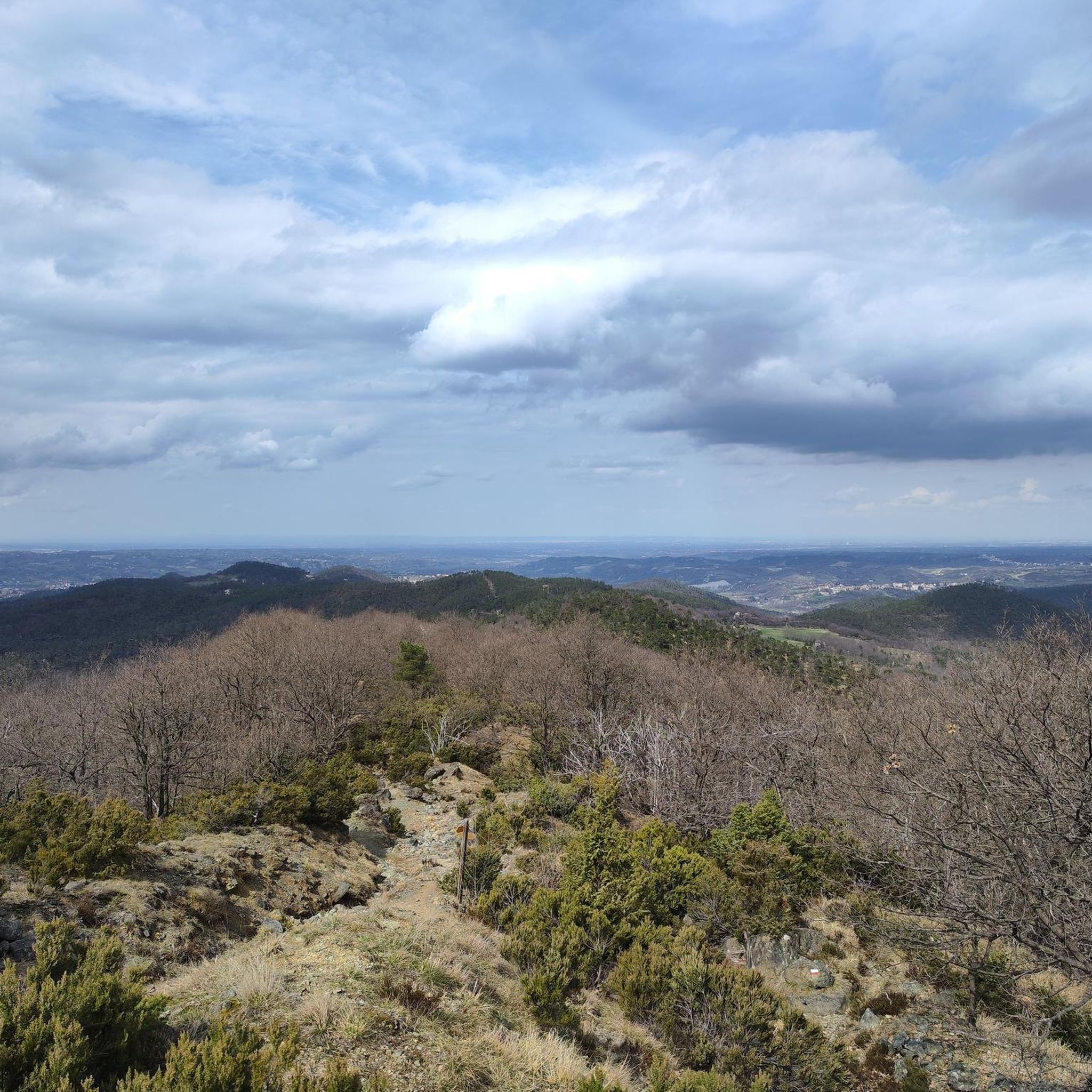
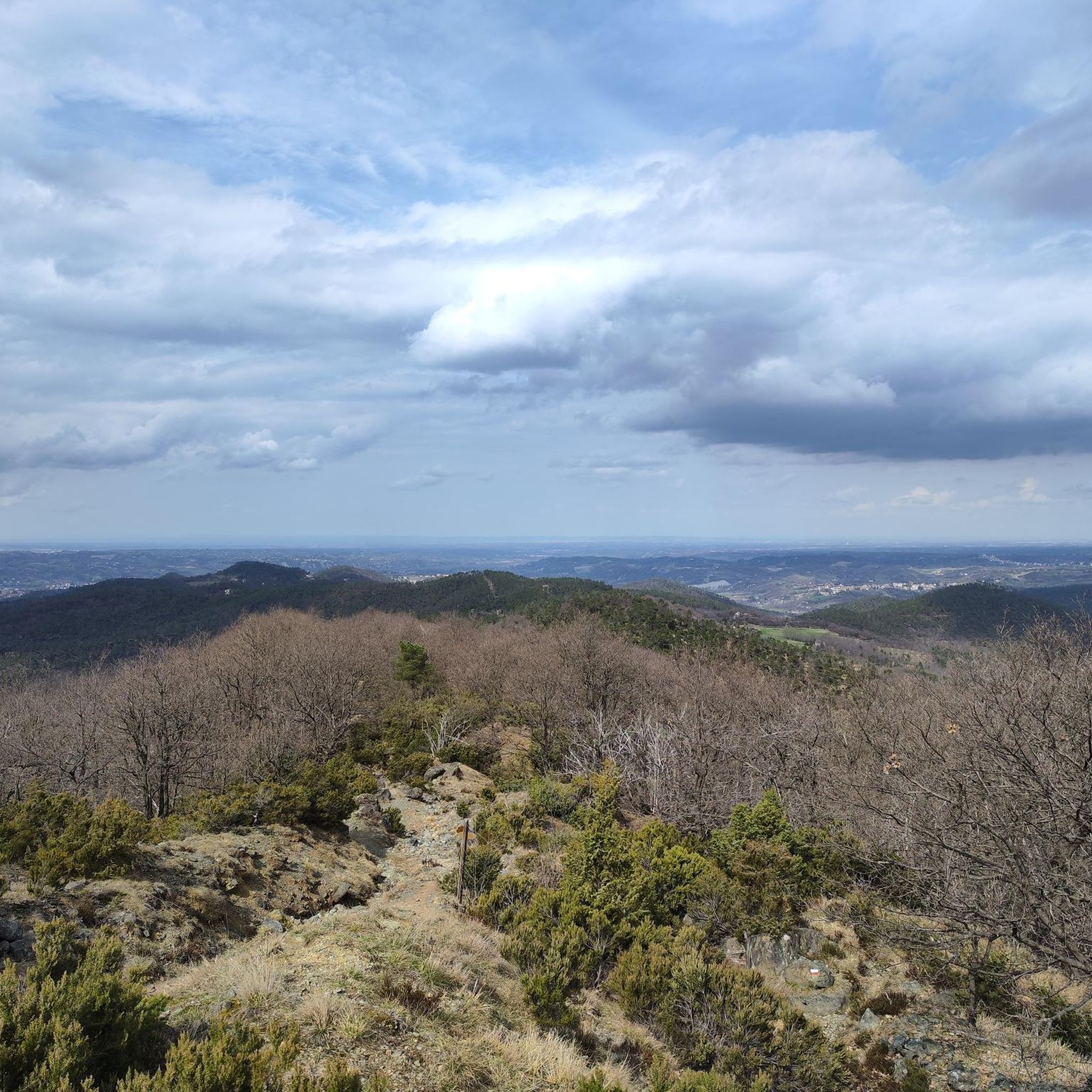
A barren and wild environment that is worth the effort of the challenging difference in altitude that is faced immediately at the beginning of the route, then the excursion continues along the crest on panoramic ups and downs that offer views of the sea and the surrounding peaks.
0
0

Lake Bruno, nestled in the Ligurian woods near Campomorone, is a small natural jewel that surprises with its quiet and uncontaminated beauty. Surrounded by thick trees and shrouded in green vegetation, this lake offers a peaceful atmosphere, ideal for excursions or moments of relaxation away from the urban frenzy.
0
1

Popular legends linked to its origin and age gather around the Rovere di Tiglieto. In fact, it was said that it had been planted by Napoleon's troops during the Italian Campaign. Other sources report that a horseshoe bearing the symbol "N", the imperial monogram, was nailed to the trunk of the plant. It is said that a Dragoon of the French army, passing through the area and forced to change his horse's shoes, wanted to leave a sign of his passage. Some old people in the town say that as children they saw iron sticking out of the trunk. Today, on the surface of the trunk, there is no longer any trace of it, perhaps completely incorporated into the bark.
0
0

Alpine environment with splendid blooms in May. View from the sea to the Po Valley; the castles of Superba, Mount Beigua in the distance and the Gorzente lakes at the foot of this mountain. Advised.
0
0

From here you have a great view of what is around Monte Tobbio
0
0

Wonderful view from up here, with the refuge chapel useful in case of bad weather, or for warming up in case of low temperatures. There are various paths, usually you follow the 401 and from Voltaggio it takes about 3 hours of hiking
2
1
To the north of the town, on the borders between Lerma, Silvano and Castelletto d'Orba, remain the ruins of the Torre dell'Albarola. It was part of a defensive sighting system created against Saracen incursions around the year one thousand. His task was to record the signals coming from Mount Colma and, with bonfires lit on the summit, warn the nearby Gazzolo tower (S. Cristoforo), which would send the alarm to the plain. Whoever climbs the tower immediately realizes the reason for that location: from up there the view extends from the Piota valley to the entire Apennine range, and then further down towards the hills up to the Po Valley. Tradition has it that it later served as a bell tower for Santa Maria in Prelio, that is, for the parish church of Silvano d'Orba, as it is located on a hill to the east of it. Towards the end of the 17th century, the Abbey of San Filippo Neri was built near Albarola, from which the name of today's Abbazia farmhouse derives
0
0
Frequently Asked Questions
What natural features can I explore around Tagliolo Monferrato?
The region offers a variety of natural beauty. You can visit Lago Bruno, a peaceful lake nestled in the Ligurian woods, ideal for relaxation. For panoramic vistas, head to the Summit of Monte Figne or Monte Pracaban Summit, both offering extensive views of the surrounding landscape. The area also features the wild hills of Ovada, characterized by woods, vineyards, and unspoiled valleys.
What historical sites are there to visit in Tagliolo Monferrato?
The most prominent historical site is the Castello di Tagliolo Monferrato, a well-preserved medieval castle with origins dating back to the 10th century. You can explore its ancient walls, the surrounding medieval village (Ricetto), and even its historic wine cellars. Another notable historical landmark is the Albarola Tower, ruins of an anti-Saracenic sighting tower from around the year 1000, offering an exceptional panoramic point.
Are there any family-friendly attractions or activities in the area?
Yes, several spots are suitable for families. Lago Bruno is described as family-friendly, offering a peaceful setting for excursions. The Medieval Bridge and Monumental Oak Tree, Tiglieto is also considered family-friendly, providing an interesting historical and natural spot for a walk. Exploring the medieval village surrounding the Castello di Tagliolo Monferrato can also be an engaging experience for all ages.
What kind of outdoor activities can I do near these attractions?
The region around Tagliolo Monferrato is excellent for various outdoor activities. You can find numerous routes for running, road cycling, and general cycling. For example, there are running trails like the 'Running along Lake Lavagnina — Loop tour' and road cycling routes such as the 'View of the Port of Voltri – Passo del Turchino loop'. You can explore more options on the dedicated guide pages for Running Trails around Tagliolo Monferrato, Road Cycling Routes around Tagliolo Monferrato, and Cycling around Tagliolo Monferrato.
Where can I experience local culture and traditions?
Tagliolo Monferrato is deeply rooted in its winemaking tradition. A visit to the Castello di Tagliolo Monferrato allows you to explore its historic wine cellars, where local wines have been produced for centuries, and participate in wine tastings. The castle's 'Bigatteria' (silkworm nursery) is now used for cultural events, offering a glimpse into local heritage. The area also has several agritourism options, providing an authentic experience of rural life and local produce.
Are there any religious sites of interest?
Yes, the area is home to several significant religious sites. The Parrocchiale di San Nicolò is a notable parish church. You can also find various country chapels dedicated to saints like St. Roch, St. Benedict, and St. Joseph. The ancient Church of San Vito, believed to be the first church in Tagliolo dating back to the 6th century, now serves as the cemetery chapel. Remains of the Cistercian women's monastery, Monastero Santa Maria di Bano, can still be seen on Mount Colma.
What is the best time to visit Tagliolo Monferrato?
The region's blend of historical sites, vineyards, and natural landscapes makes it appealing across seasons. Spring and autumn are particularly pleasant for exploring the outdoors and vineyards, with mild weather ideal for hiking and cycling. Summer offers warm weather for enjoying the natural features, while the castle and cultural sites are accessible year-round.
What kind of views can I expect from the viewpoints?
From viewpoints like the Summit of Monte Figne, you can enjoy breathtaking panoramic views that stretch across Monte Tobbio, the Padana plain, and even the Mediterranean Sea. The Monte Pracaban Summit also offers a magnificent panorama, providing an interesting observation point over the surrounding landscape of hills and valleys. The Albarola Tower provides views from the Piota valley to the Apennine arc and down to the Po Valley.
Can I visit the Castello di Tagliolo Monferrato and its wine cellars?
Yes, the Castello di Tagliolo Monferrato is still inhabited by the Pinelli Gentile family, who have owned it since 1498. Visitors can explore the castle's wine cellars, where local wines have been produced for 500 years, and enjoy wine tastings. For specific visiting hours and tour information, it is recommended to check their official website or contact them directly. You can find more information about the castle's wine production at visitlmr.it.
Are there any museums in Tagliolo Monferrato?
Yes, the Museo Civico Ornitologico (Civic Ornithological Museum) was established in 1984 and houses the collection donated by Celestino Ferrari. It offers an interesting insight into the local birdlife and natural history of the region.
What makes the Medieval Bridge and Monumental Oak Tree, Tiglieto special?
The Medieval Bridge and Monumental Oak Tree, Tiglieto is a picturesque spot featuring a historic medieval bridge and a centuries-old oak tree. Local legends link the oak's origin to Napoleon's troops. The area around it, part of the Ring of the Badia di Tiglieto, is a suggestive itinerary through woods and along the Orba stream, with splendid gorges and waterfalls.
Most popular routes around Tagliolo Monferrato
Most popular attractions around Tagliolo Monferrato

Get inspired with the komoot mobile app


Explore more
Still not found the Highlight you’re looking for? See guides of the top attractions in other regions:
