Attractions and Places To See around Ovada - Top 20
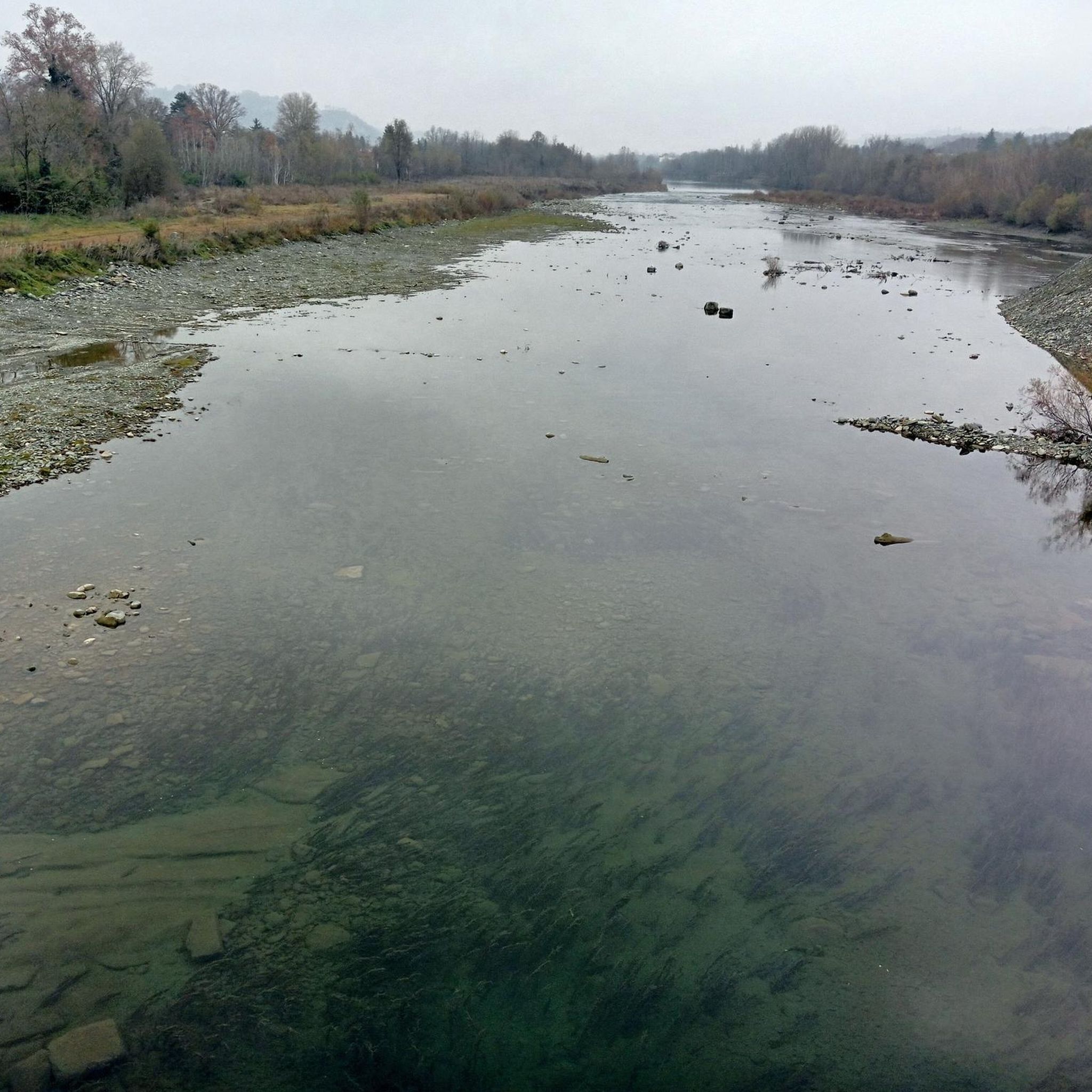
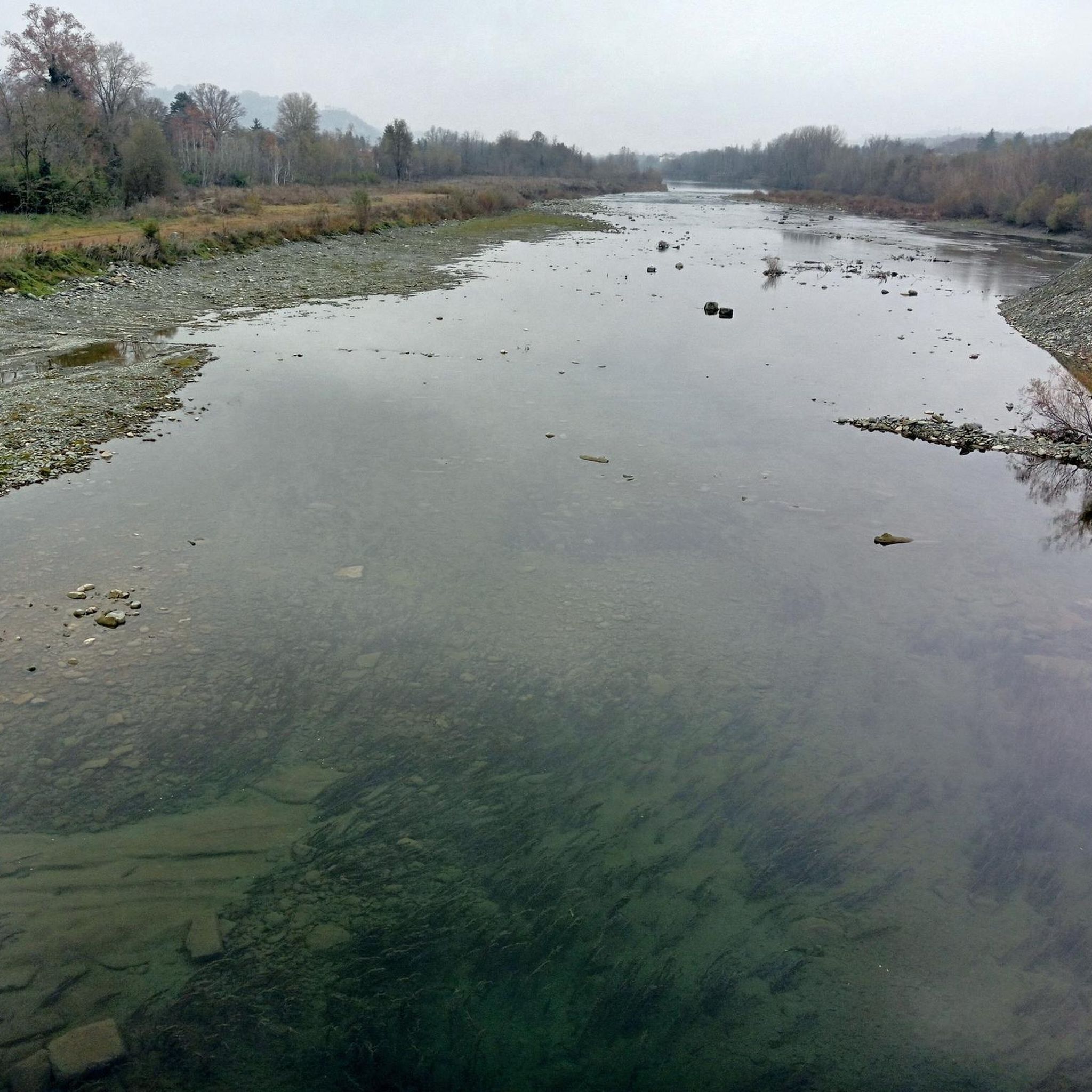
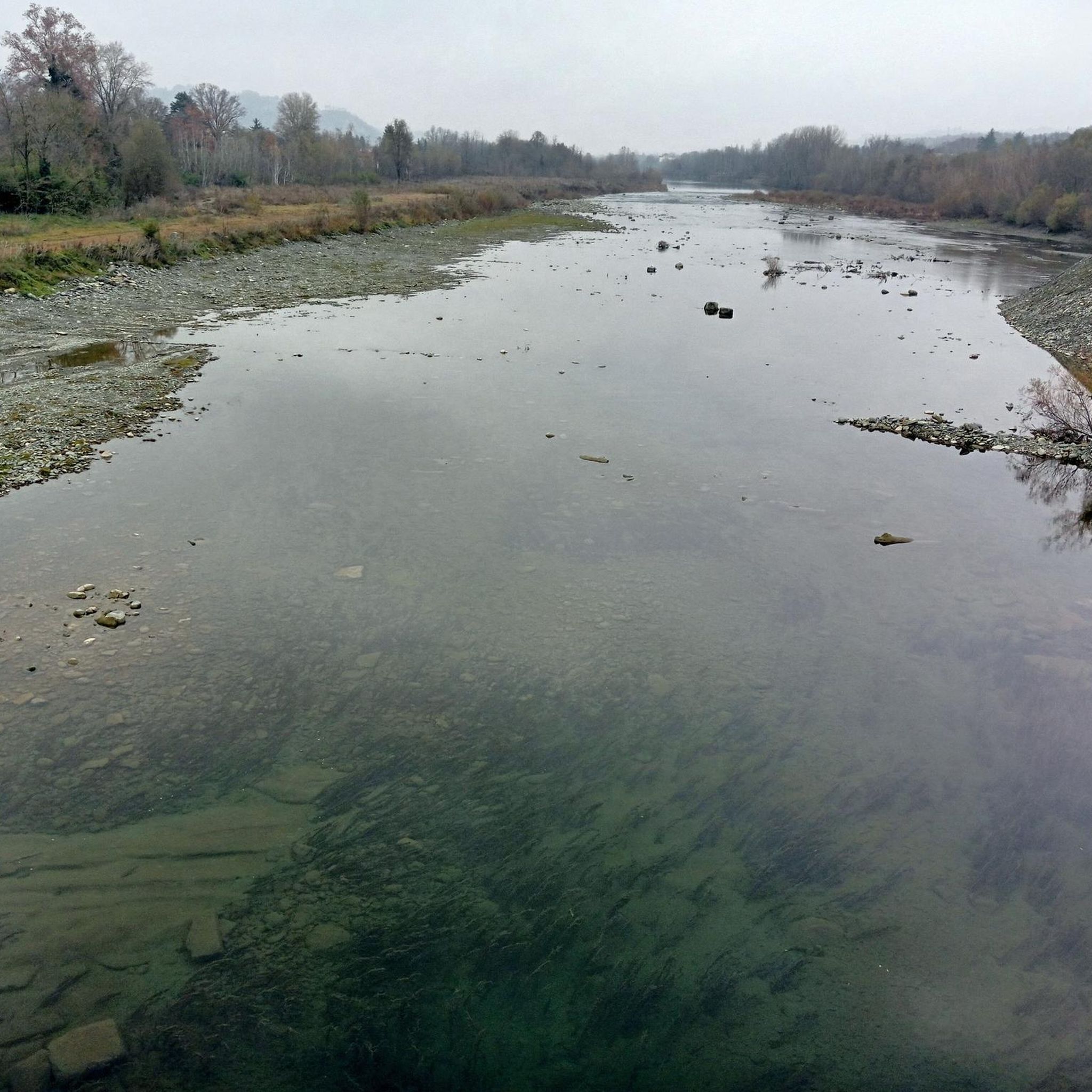
Attractions and places to see around Ovada are located in the Alto Monferrato region of Piedmont, Italy. The town features a historic center with a blend of Piedmontese and Ligurian architectural influences. The surrounding area offers a mix of historical sites, cultural landmarks, and natural features, including the Capanne di Marcarolo Natural Park and the Orba Stream. This region provides diverse exploration opportunities for visitors.
Best attractions and places to see around Ovada
- The most popular attractions is Medieval Bridge and Monumental Oak Tree, Tiglieto, a bridge that is part of a scenic itinerary between woods and the Orba stream. This location features a centuries-old oak tree and offers views of gorges and waterfalls.
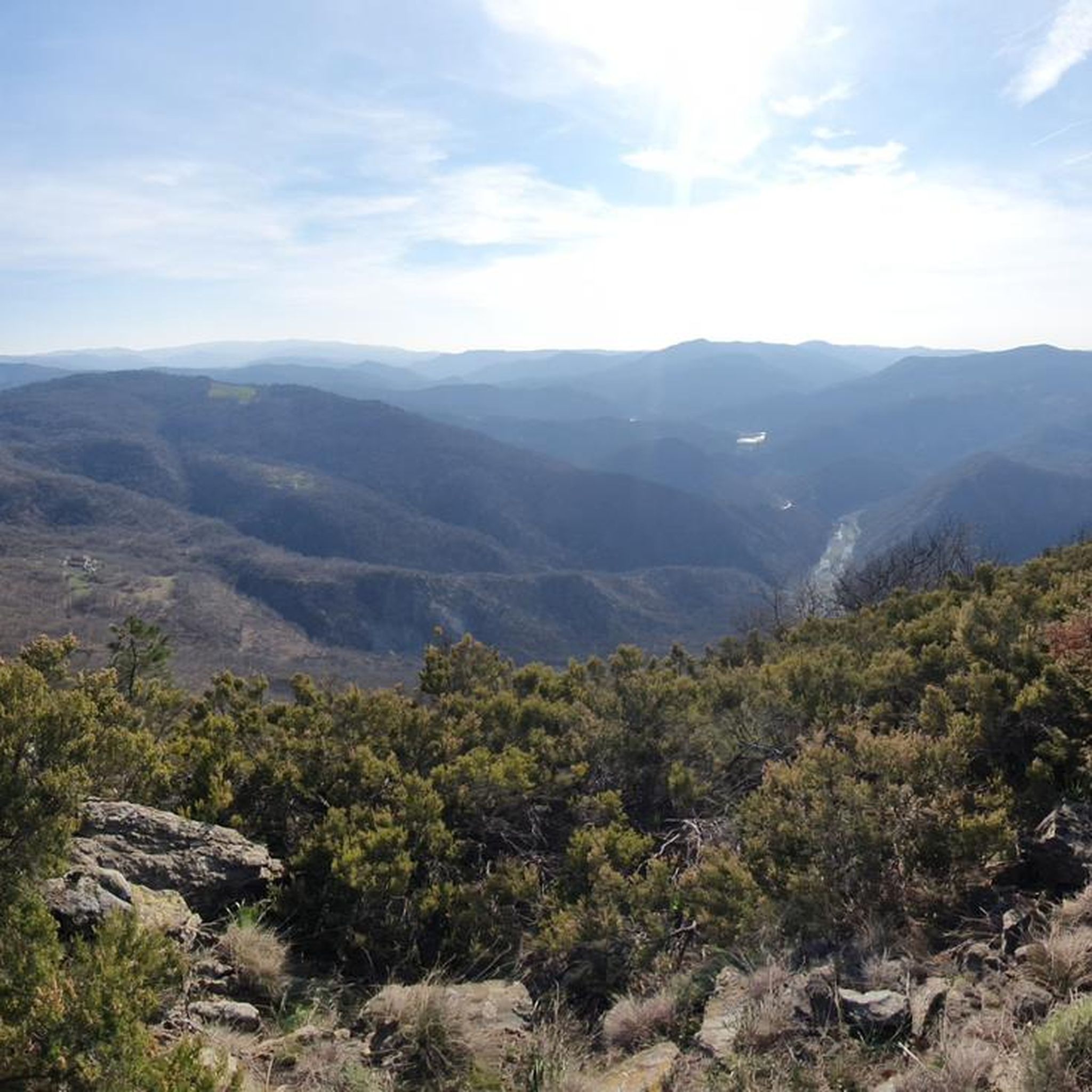
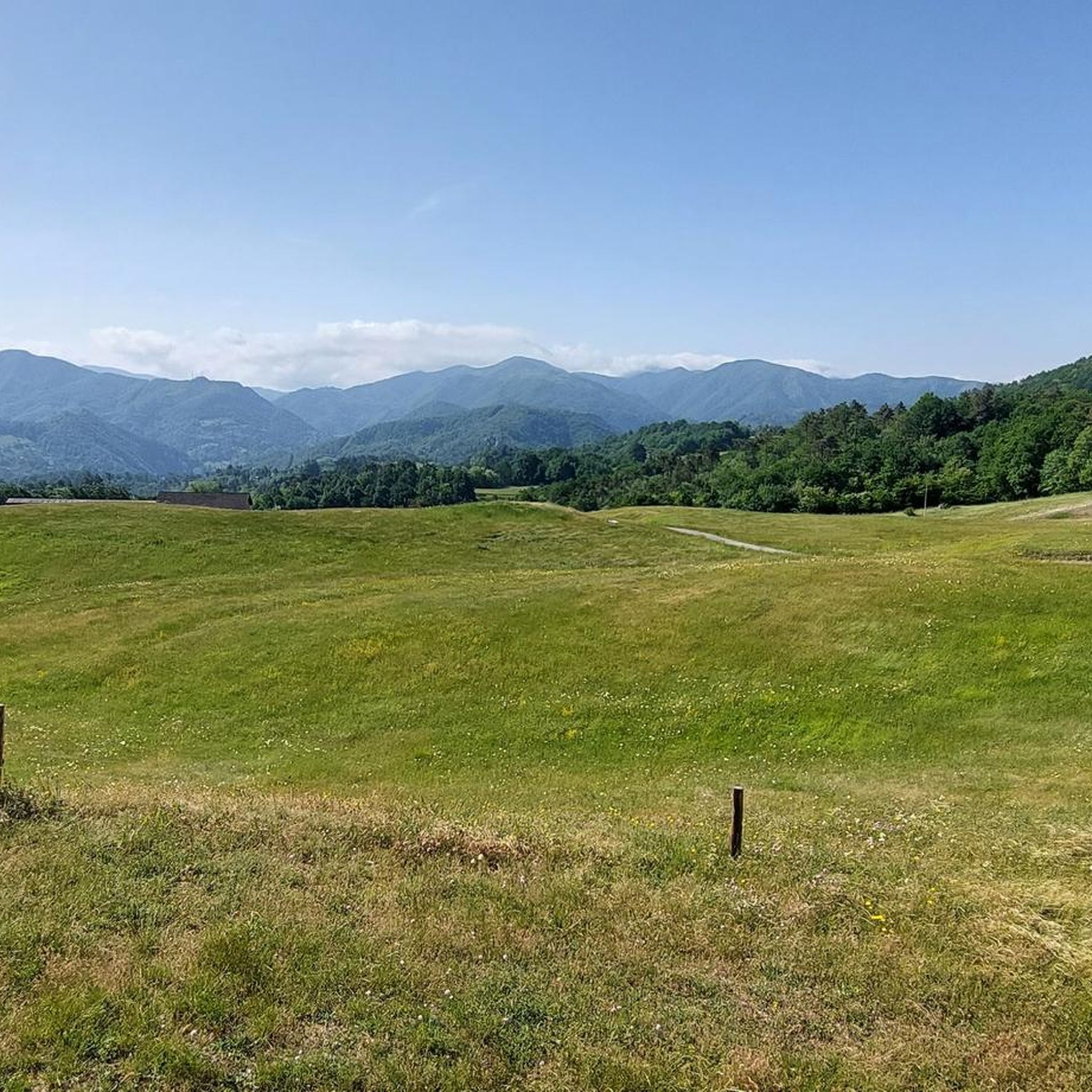
- Another must-see spot is Monte Pracaban Summit, a summit offering panoramic views. It is considered an interesting observation point for the surrounding landscape.
- Visitors also love Mulino di Olbicella, an abandoned mill. This historical site provides a glimpse into past local industry and is accessible via a gentle, shaded climb.
- Ovada is known for its historical sites, natural landmarks, and viewpoints. The area offers a variety of attractions, from ancient towers and mills to scenic summits and natural parks.
- The attractions around Ovada are appreciated by the komoot community, with 33 upvotes and 16 photos shared by visitors.
Last updated: June 24, 2026
Medieval Bridge and Monumental Oak Tree, Tiglieto
Highlight • Bridge
Translated by Google •
Tip by

Albarola Tower
Highlight • Historical Site
Translated by Google •
Tip by

Sign up now to discover places like this
Get recommendations on the best single tracks, peaks, & plenty of other exciting outdoor places.
Sign up for free
Giant Blue Bench Cascina del Termo
Highlight • Monument
Translated by Google •
Tip by

Monte Pracaban Summit
Highlight • Summit
Translated by Google •
Tip by

Mulino di Olbicella
Highlight • Monument
Translated by Google •
Tip by

Sign up for free to discover even more attractions around Ovada.
Sign up for free
Already have an account?
Start today with a free account
Your next adventure awaits.
Login or Signup

Tips from the Community

Along the Appennino bike tour route, past Rossiglione, you climb quite steeply towards the blue bench located in a very scenic spot.
2
0

Beautiful, pleasant and relaxing excursion even in the fog.
0
0


The climb from Ovada is very irregular and also has some descents. You have to constantly change gear.
3
0

The place is very beautiful, there are points where the path is not passable due to bad maintenance, especially at the beginning we turned back and by extending the route we managed to complete it.
0
0

Popular legends linked to its origin and age gather around the Rovere di Tiglieto. In fact, it was said that it had been planted by Napoleon's troops during the Italian Campaign. Other sources report that a horseshoe bearing the symbol "N", the imperial monogram, was nailed to the trunk of the plant. It is said that a Dragoon of the French army, passing through the area and forced to change his horse's shoes, wanted to leave a sign of his passage. Some old people in the town say that as children they saw iron sticking out of the trunk. Today, on the surface of the trunk, there is no longer any trace of it, perhaps completely incorporated into the bark.
0
0
To the north of the town, on the borders between Lerma, Silvano and Castelletto d'Orba, remain the ruins of the Torre dell'Albarola. It was part of a defensive sighting system created against Saracen incursions around the year one thousand. His task was to record the signals coming from Mount Colma and, with bonfires lit on the summit, warn the nearby Gazzolo tower (S. Cristoforo), which would send the alarm to the plain. Whoever climbs the tower immediately realizes the reason for that location: from up there the view extends from the Piota valley to the entire Apennine range, and then further down towards the hills up to the Po Valley. Tradition has it that it later served as a bell tower for Santa Maria in Prelio, that is, for the parish church of Silvano d'Orba, as it is located on a hill to the east of it. Towards the end of the 17th century, the Abbey of San Filippo Neri was built near Albarola, from which the name of today's Abbazia farmhouse derives
0
0
Frequently Asked Questions
What natural landmarks and viewpoints can I explore around Ovada?
The region offers several stunning natural spots and panoramic viewpoints. You can visit the Monte Pracaban Summit for magnificent views of the surrounding landscape. Another notable natural feature is the Medieval Bridge and Monumental Oak Tree, Tiglieto, which is part of a scenic itinerary along the Orba stream, featuring gorges and waterfalls. The Giant Blue Bench Cascina del Termo also provides incredible views over the Beigua Regional Natural Park.
Are there any historical sites or cultural attractions in Ovada and its surroundings?
Yes, Ovada is rich in history. The town itself boasts the Parish Church of N.S. Assunta and the 15th-century Oratory of the Annunziata. You can also explore the Albarola Tower, a 10th-century defensive structure offering expansive views. The Mulino di Olbicella, an abandoned mill, offers a glimpse into the area's past. Other significant sites include the Maini Paleontological Museum, housed in a former 14th-century church, and historic buildings like Palazzo Spinola and the Civic Tower.
What kind of outdoor activities can I do near Ovada?
The area around Ovada is ideal for various outdoor activities. You can find numerous hiking trails, including challenging routes like the Molare to Rossiglione via Bric del Termo Trail, or easier options like the Walking Along loop from Bric della Cacalupa. For more details on hiking routes, visit the Hiking around Ovada guide. Road cycling and gravel biking are also popular, with routes like 'The Alpino and the Marcarolo Huts - Ring Tour' for road cyclists and 'Castello di Lerma – Albarola Tower loop' for gravel bikers. Explore more cycling options in the Road Cycling Routes around Ovada guide and Gravel biking around Ovada guide.
Are there family-friendly attractions or activities available?
Yes, several attractions are suitable for families. The Medieval Bridge and Monumental Oak Tree, Tiglieto is categorized as family-friendly, offering a scenic walk. The Giant Blue Bench Cascina del Termo is also a fun and accessible spot for families to enjoy panoramic views. Additionally, the Parco Acquatico Lavagello, a water park nestled in green hills, provides entertainment for all ages.
Where can I find hiking trails with good views around Ovada?
Many hiking trails in the Ovada area offer excellent views. The path leading to the Monte Pracaban Summit is known for its magnificent panorama. The Albarola Tower, a historical site, also serves as an exceptional panoramic point, with views sweeping from the Piota valley to the Apennine arc and towards the Po Valley. The Giant Blue Bench Cascina del Termo provides incredible vistas over the Beigua Regional Natural Park.
What are some unique or 'hidden gem' places to visit near Ovada?
Beyond the main attractions, consider visiting the Mulino di Olbicella, an abandoned mill that evokes a sense of history and quiet reflection. The Canyon of Molare, less than 5 km from Ovada, offers picturesque pools and small waterfalls created by the Orba Stream flowing through steep rock walls, providing a unique natural experience.
Are there any castles or historic villages to explore in the region?
Yes, the area surrounding Ovada is dotted with historical villages and castles. You can visit Rocca Grimalda, Tagliolo Monferrato, and Trisobbio, all known for their castles and historical significance. Tagliolo Monferrato Castle, located within the Capanne di Marcarolo Natural Park, even offers tours and wine tastings. Other notable castles include Castello di Trisobbio, Castello Di Campo Ligure, and Castle Grillano.
What is the Capanne di Marcarolo Natural Park, and what can I do there?
The Capanne di Marcarolo Natural Park is a protected area just a short drive from Ovada. It features a dense network of hiking routes and is home to the serene Laghi della Lavagnina (Lavagnina Lakes). It's an excellent destination for hiking, enjoying nature, and exploring the diverse landscapes of the Alto Monferrato region.
What do visitors generally enjoy most about the attractions around Ovada?
Visitors particularly appreciate the blend of historical charm and natural beauty. The scenic itineraries, like the one featuring the Medieval Bridge and Monumental Oak Tree, Tiglieto, are highly rated for their picturesque gorges and waterfalls. Panoramic viewpoints such as the Monte Pracaban Summit and the Giant Blue Bench Cascina del Termo are also very popular for their breathtaking vistas.
Can I find any wild swimming spots near Ovada?
While not explicitly listed as designated swimming spots, the Canyon of Molare, where the Orba Stream flows through high, steep rock walls, creates picturesque pools and small waterfalls. These natural formations might offer opportunities for refreshing dips, though caution is always advised in natural water bodies.
Are there any specific trails for challenging hikes around Ovada?
For those seeking a more challenging hiking experience, the 'Molare to Rossiglione via Bric del Termo Trail' is a difficult route covering over 25 kilometers. You can find more details and other challenging options in the Hiking around Ovada guide.
What is the Maini Paleontological Museum about?
The Maini Paleontological Museum, located in the former 14th-century church of Sant'Antonio in Ovada, offers a fascinating journey into the ancient history of the area. It houses over 2,000 specimens of fossils, minerals, and artifacts from various geological eras, dedicated to the work of Ovada-born naturalist Giulio Maini.
Most popular attractions around Ovada

Get inspired with the komoot mobile app


Explore more
Still not found the Highlight you’re looking for? See guides of the top attractions in other regions:
