Attractions and Places To See around Denice - Top 20
Best attractions and places to see around Denice, a region in the province of Alessandria, Italy, offer a blend of historical sites and natural landscapes. The Denice location provides a glimpse into local culture and history, with several notable landmarks. The area is characterized by its hilly terrain, offering panoramic views and a variety of settlements with historical significance.
Best attractions and places to see around Denice
- The most popular attractions is Monastero Bormida, a settlement that was founded…
Last updated: October 23, 2026
Monastero Bormida
Highlight • Settlement
Translated by Google •
Tip by

Roccaverano
Highlight • Settlement
Translated by Google •
Tip by
Sign up now to discover places like this
Get recommendations on the best single tracks, peaks, & plenty of other exciting outdoor places.
Bubbio Village and Church of San Grato
Highlight • Settlement
Translated by Google •
Tip by
Pareto
Highlight • Settlement
Translated by Google •
Tip by
Sanctuary of Santa Maria delle Grazie degli Alpini
Highlight • Religious Site
Showing Translation
Tip by
Sign up for free to discover even more attractions around Denice.
Already have an account?
Start today with a free account
Your next adventure awaits.

Tips from the Community

Monastero Bormida is a charming Italian medieval village located in the province of Asti, in Piedmont, nestled in the picturesque landscapes of the Langa Astigiana. The village was founded around the year 1050, when a group of Benedictine monks was called by Marquis Aleramo to clear and repopulate the lands devastated by Saracen raids.
0
0
Roccaverano is a charming and authentic Italian municipality located in the province of Asti, in Piedmont. At about 800 meters above sea level, it stands on the hill that divides the Bormida valleys and is the highest inhabited center in the entire Asti region. This picturesque medieval village is internationally famous for two main reasons: its rich historical heritage and the production of the renowned Robiola di Roccaverano DOP
0
0

The Sanctuary of Santa Maria delle Grazie in Cassinasco is one of the main Marian places of worship in the town, often also referred to by variants such as Madonna delle Grazie or Sanctuary of the Madonna delle Grazie.
14
0

The Castle of Monastero Bormida was not originally built as a defensive structure but as a Benedictine monastery, founded around 1050 by monks from the Abbey of Fruttuaria, called by the Aleramici Marquises to reclaim the lands devastated by Saracen raids. The 27-meter tower still visible today was originally the bell tower, and the river flowing a few meters from the southern tower confirms the non-military nature of the building. In 1393, the Benedictines abandoned the monastery, and its feudal history began: the fief passed to the Del Carretto marquises, who in the 15th century added the first defensive structures, transforming it into a castle. The building is a quadrangular structure with an internal courtyard, protected by towers on multiple sides and connected to the former bell tower by a small suspension bridge. On the south facade, there is a two-arched Renaissance loggia with a small stone column. Inside, the rooms on the main floor—transformed in the 17th century—feature mosaic floors and sail and cross vaults with frescoes of floral and geometric motifs. The castle later passed to the Della Rovere family and subsequently to the Genoese Polleri family, finally becoming the property of the Municipality starting in 1880. Today it is open to visitors and is part of the regional circuit "Castelli Aperti".
1
0

Beautiful old arched bridge.
4
1

inside dozens of votive offerings
0
0

Roccaverano is one of the highest elevations in the area, from the town you can enjoy a 360° panorama of both the surrounding hills and the mountains of the Alpine arc (guaranteed view, in good weather, from Monte Rosa to the Maritime Alps!) The road that goes up from Vesime is quite regular, with gradients that almost never exceed 9%, furthermore I found it pleasantly free of traffic (I went up on a Saturday) The central square is very beautiful, dominated by the remains of the castle and the eighteenth-century church, the bar/restaurant is also strategic, perfect for a beer or a snack. An ideal place for a stop, before taking the road back.
1
0
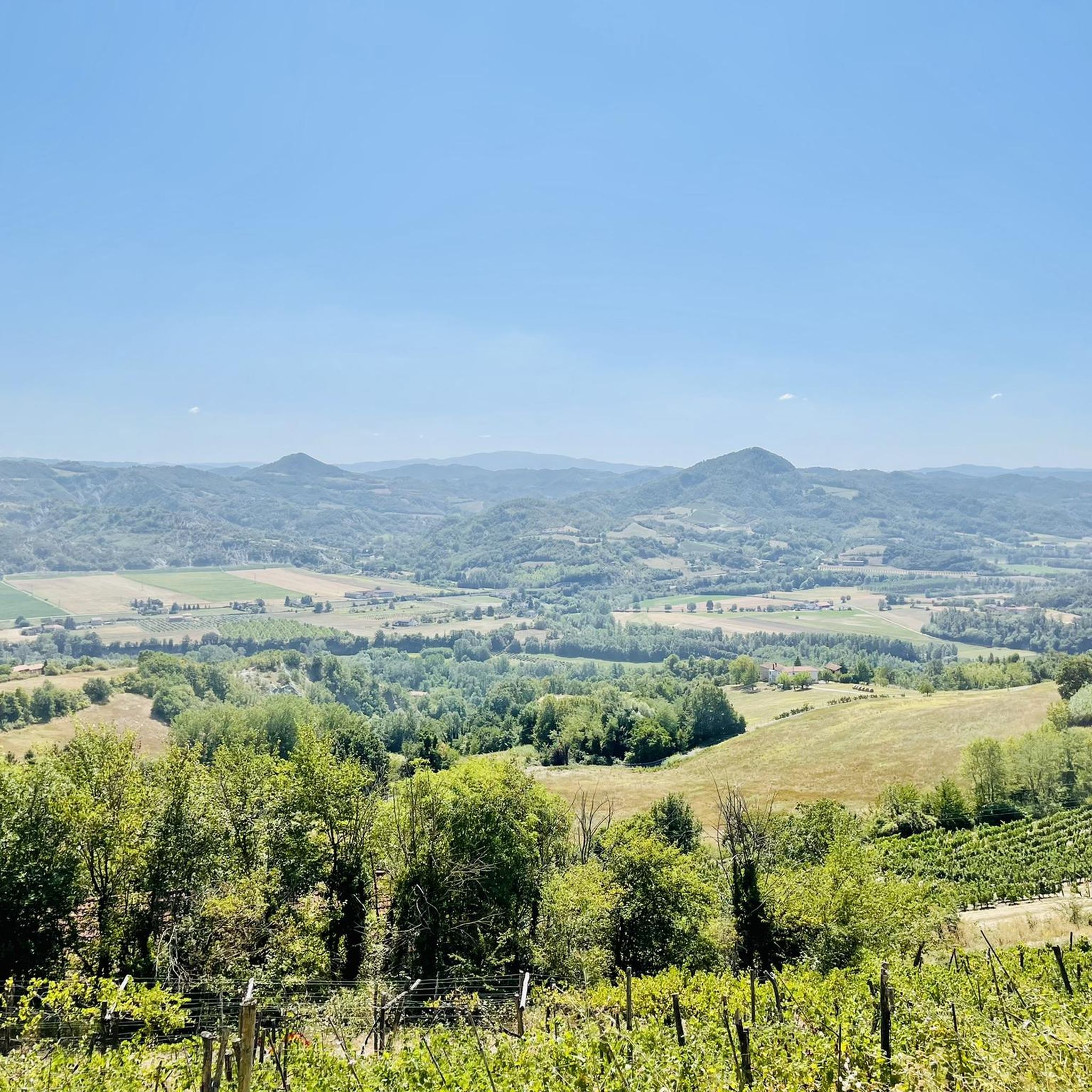
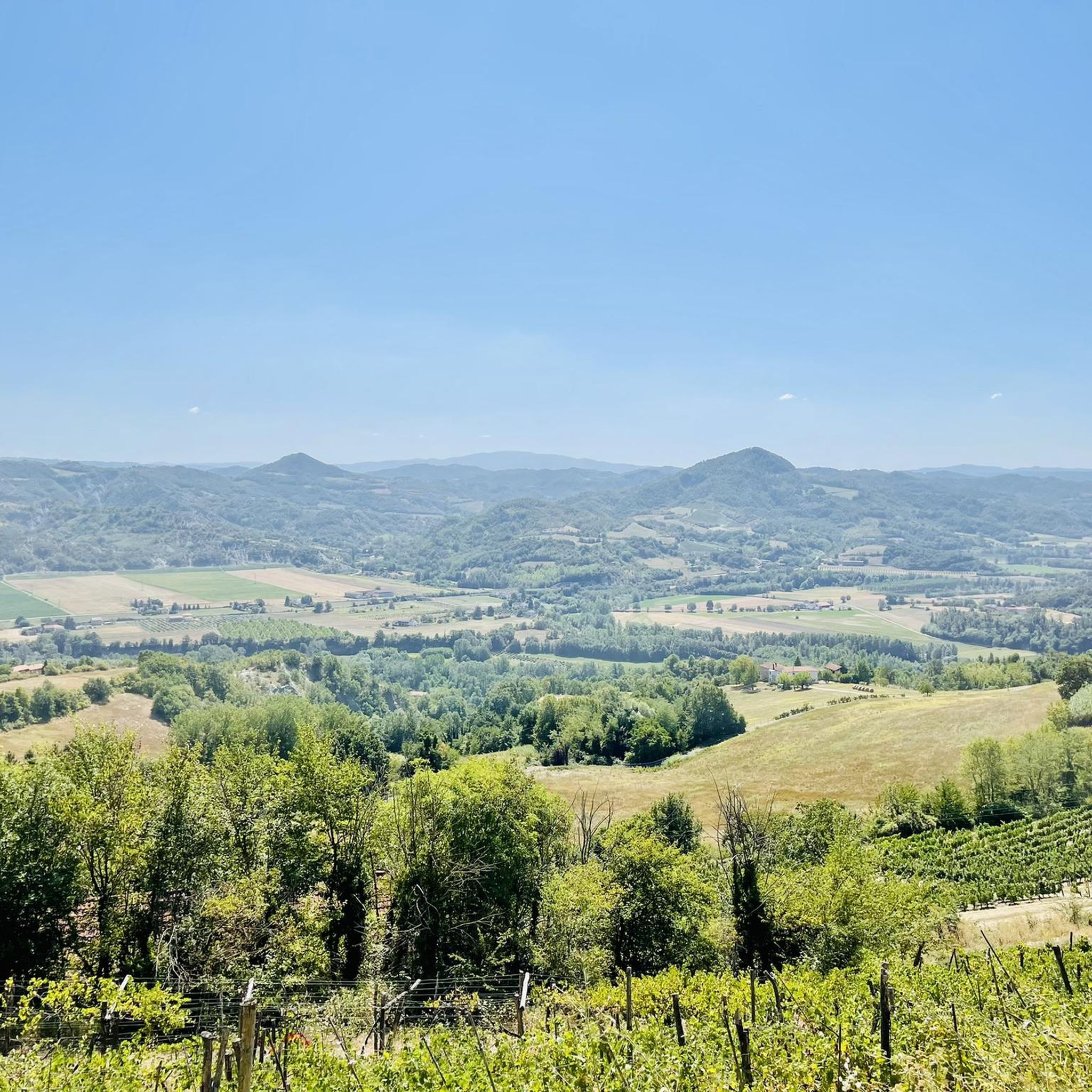
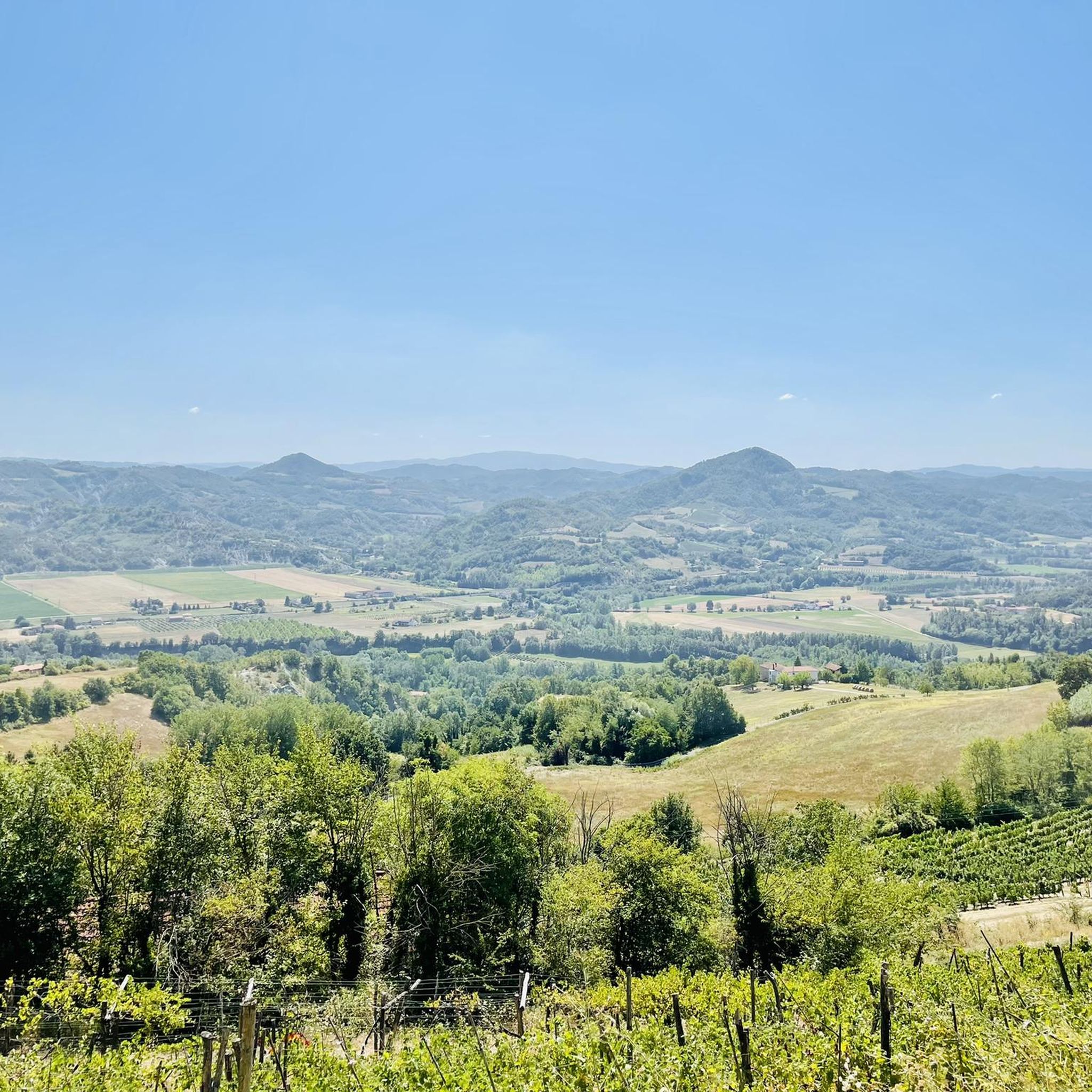
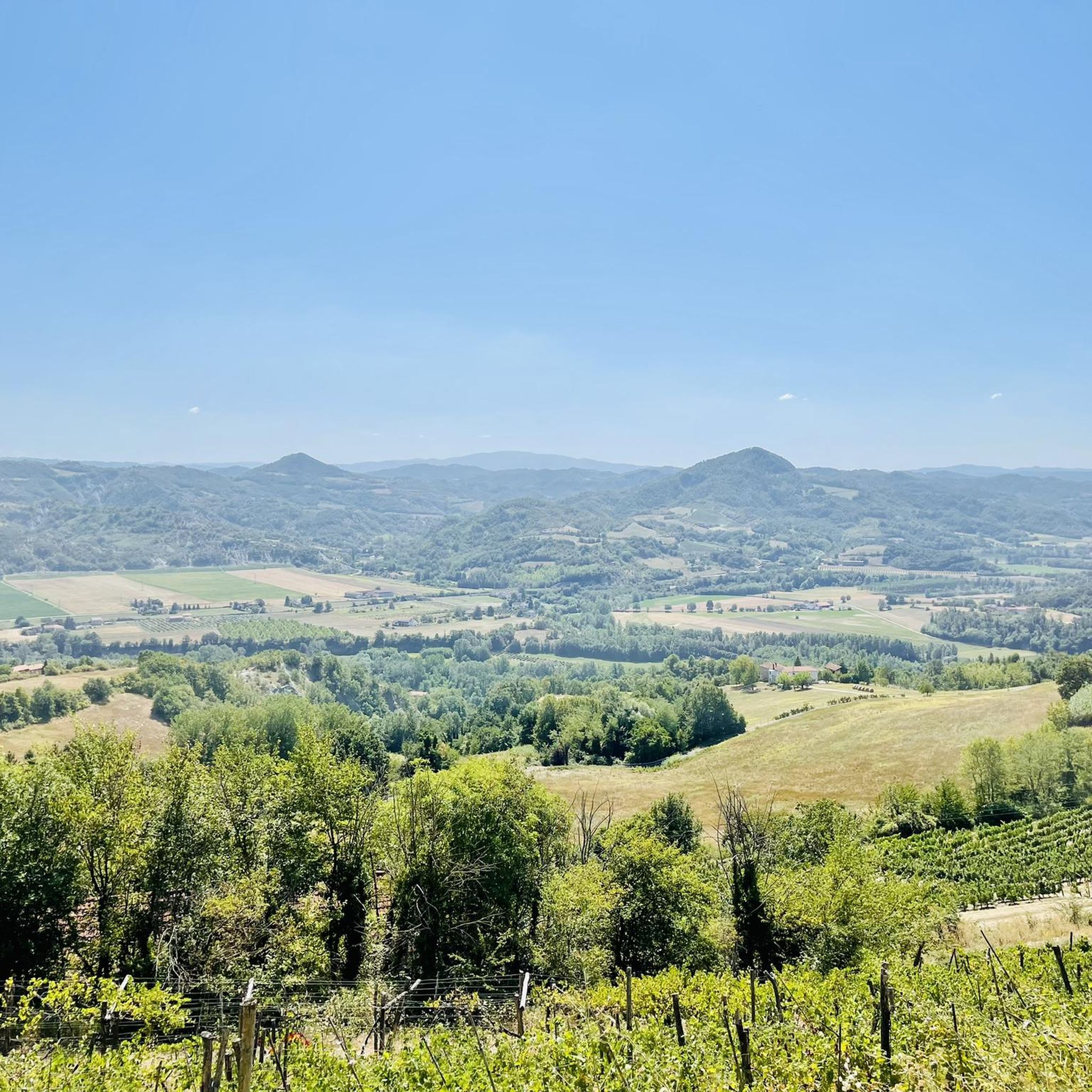
Pareto is a high hill town located on the Ligurian Apennines in the southernmost part of the province of Alessandria, at the end of the so-called "Via dei Calanchi", immersed in nature and surrounded by an enchanting panorama; on clear days or at sunset you can enjoy perhaps one of the most beautiful views of the nearby Langhe, the wooded heights of the Savona pre-Apennines and, in the distance, the Monviso chain.
24
0
Frequently Asked Questions
Where is Denice located?
Denice is a charming town situated in the province of Alessandria, within the Piedmont region of Italy. It is known for its historical significance and scenic hilly terrain.
What historical sites can I explore in and around Denice?
The region boasts a rich history. You can visit the Monastero Bormida, a settlement founded by Benedictine monks with a castle on the site of the original monastery. Another notable historical site is Bubbio Village and Church of San Grato, a fortified village with ancient houses and a historic church. Additionally, the Roccaverano settlement features remains of a castle and an eighteenth-century church. Beyond these, the region research mentions the Torre di Denice, a Romanesque tower offering panoramic views, and the Castello Paleologi, which houses the Civic Archaeological Museum.
Are there any natural attractions or viewpoints near Denice?
Yes, the area offers beautiful natural landscapes and viewpoints. You can visit The Murion Rock Formations, unique geological structures formed by selective erosion. For panoramic views, the settlement of Roccaverano offers a 360° panorama of the surrounding hills and the Alpine arc. Similarly, Pareto, a high hill town, provides stunning views of the nearby Langhe and the Monviso chain on clear days.
What outdoor activities can I do near Denice?
The region around Denice is excellent for outdoor activities. You can find various routes for hiking and cycling. For hiking, consider trails like the 'Ponti and Castelletto d'Erro Loop' or the 'Sentiero degli Alpini through Monferrato Hills'. Cyclists can explore routes such as the 'Roccaverano – Cortemilia loop from Mombaldone-Roccaverano' or the 'Ascent towards Denice – Vengore Tower loop from Ponti'. You can find more details on these and other routes in the Hiking around Denice and Cycling around Denice guides.
Are there family-friendly attractions in the Denice area?
Several attractions around Denice are suitable for families. Monastero Bormida and Bubbio Village and Church of San Grato are both listed as family-friendly settlements with historical interest. The town of Pareto also offers a pleasant environment for family visits, with its well-maintained village and scenic surroundings.
What is the best time of year to visit Denice?
While specific seasonal recommendations are not provided, the region's hilly terrain and outdoor activities suggest that spring and autumn would be ideal for comfortable exploration and enjoying the panoramic views. Summer can also be pleasant, especially in the mornings and evenings, for visiting historical sites and enjoying the local culture.
What kind of cultural experiences can I find in Denice?
Denice offers a deep dive into local culture and history. The Museo Civico Archeologico, located within the Castello Paleologi, showcases artifacts from prehistoric times to the Renaissance, providing insight into the region's past. The fortified villages like Bubbio maintain important urban features and traditions, including local festivals like the Polentone festival and egg song.
Are there any castles to visit in the Denice area?
Yes, the region is home to several historic castles. The current castle in Monastero Bormida stands on the site of an original monastery. The settlement of Roccaverano also features remains of a castle. Additionally, the Castello Pallavicino o di Morsasco, a 13th-century castle transformed into a stately home, and the Castello Paleologi, which now houses the Civic Archaeological Museum, are significant historical landmarks in the broader area.
What do visitors particularly enjoy about the attractions around Denice?
Visitors appreciate the blend of historical charm and natural beauty. Highlights like Monastero Bormida are noted for their medieval bridge and historical significance. Roccaverano is loved for its stunning 360° panoramas. The unique Murion Rock Formations are also a point of interest, often compared to large mushrooms. The overall experience of exploring ancient villages and enjoying scenic views is highly valued by the komoot community.
Can I find cafes or places to eat near hiking trails in Denice?
While specific cafes directly on hiking trails are not detailed, many of the settlements, such as Roccaverano, have central squares with bars or restaurants that are strategic for a break or a snack after exploring. It's advisable to check local listings for cafes in the villages you plan to visit.
Are there any hidden gems or lesser-known spots to discover around Denice?
The region itself, with its numerous small villages and natural formations, can feel like a hidden gem. Beyond the main highlights, exploring the 'Via dei Calanchi' near Pareto offers immersion in nature and unique landscapes. The local traditions and folklore, such as those celebrated in Bubbio, also provide authentic, less-commercialized experiences.
Most popular attractions around Denice

Get inspired with the komoot mobile app


Explore more
Still not found the Highlight you’re looking for? See guides of the top attractions in other regions:
