Attractions and Places To See around Castelletto D'Erro - Top 20
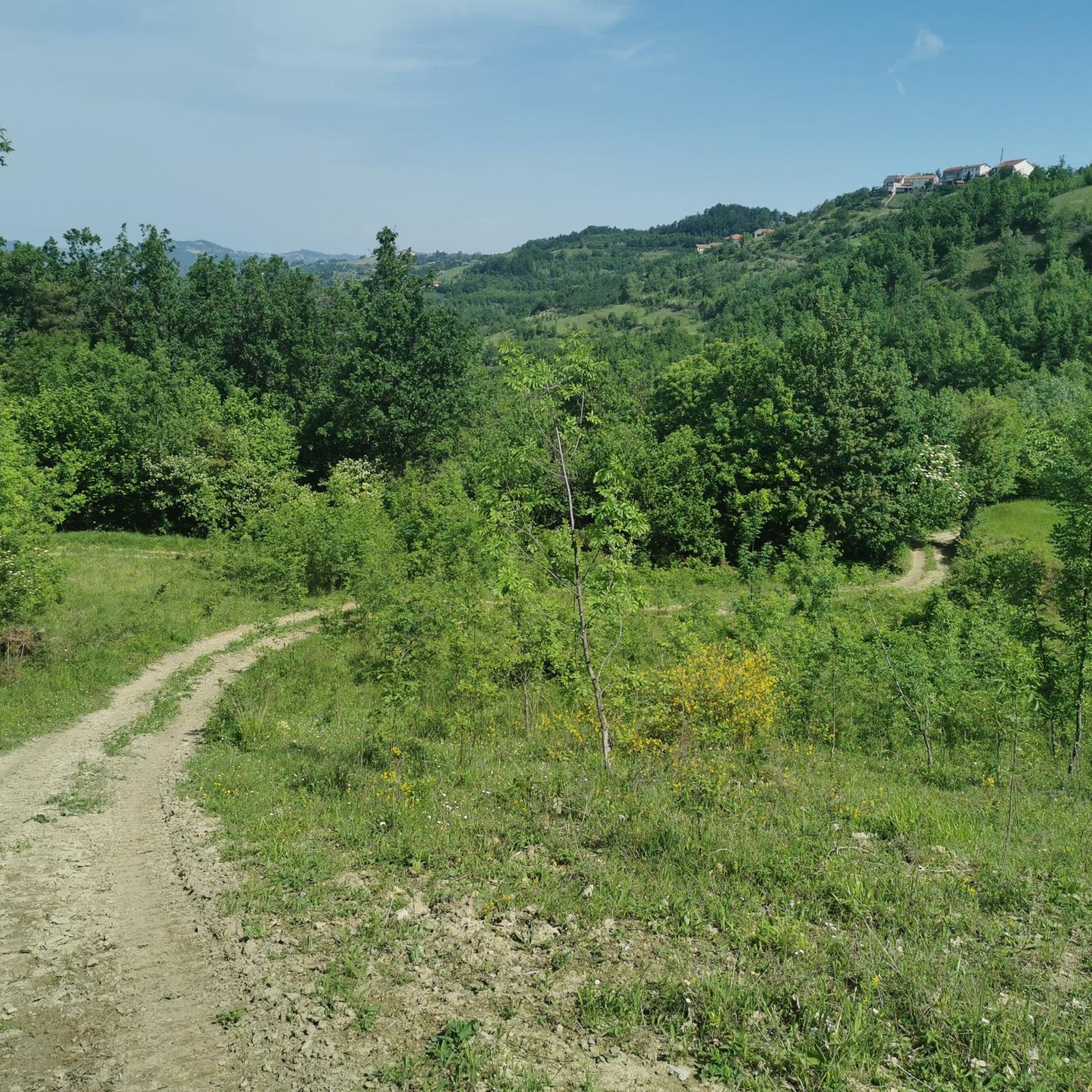
Best attractions and places to see around Castelletto D'Erro include historical landmarks and natural features within the Alto Monferrato region of Italy. The village offers expansive views of surrounding vineyards and fields, with the Alps visible on clear days. Its historical role as a fortification is reflected in its ancient structures. The area is situated amidst the picturesque Monferrato hills, a UNESCO World Heritage site known for its vineyard landscapes.
Best attractions and places to see around Castelletto D'Erro
- The most popular attractions is Roman Aqueduct of Acqui Terme, a historical site that represents the remains of an ancient Roman aqueduct. Dating back to the 1st century AD, this structure was approximately 13 km long and carried water from the Erro stream.
- Another must-see spot is La Bollente Hot Spring Fountain, a natural monument and historical site. This 1879 temple in Acqui Terme features sulphurous water gushing at 74.5 °C.
- Visitors also love Monastero Bormida, a settlement founded by Benedictine monks around 1050. The current castle corresponds to the site of the original monastery and offers historical and architectural interest.
- Castelletto D'Erro is known for its historical sites, natural monuments, and charming settlements. Visitors can explore ancient structures, thermal springs, and historic villages within the region.
- The attractions around Castelletto D'Erro are appreciated by the komoot community, with more than 100 upvotes and 46 photos.
Last updated: July 20, 2026
Roman Aqueduct of Acqui Terme
Highlight • Historical Site
Translated by Google •
Tip by

La Bollente Hot Spring Fountain
Highlight • Natural Monument
Translated by Google •
Tip by

Sign up now to discover places like this
Get recommendations on the best single tracks, peaks, & plenty of other exciting outdoor places.
Sign up for free
Monastero Bormida
Highlight • Settlement
Among the typical dishes of Monastero Bormida we certainly remember polenta (an opportunity to taste it is during the Polentonissimo Festival, which takes place on the second Sunday of March from afar) 1573 and puccia (polenta cooked in a vegetable broth).
Translated by Google •
Tip by

Bubbio Village and Church of San Grato
Highlight • Settlement
And then the landscape, the incredible cloister of vineyard or wooded hills that can be appreciated from the square of the octagonal church of San Grato, built in the mists of time so that the patron saint would avoid the hail from damaging the crops below.
Small great stories of faith and tradition, of folklore and peasant culture, which also relive in the annual Polentone festival, in the challenge of the villages with the games of memory, in the renewed custom of egg song.
Translated by Google •
Tip by
Roccaverano
Highlight • Settlement
Translated by Google •
Tip by
Sign up for free to discover even more attractions around Castelletto D'Erro.
Sign up for free
Already have an account?
Start today with a free account
Your next adventure awaits.
Login or Signup

Tips from the Community

The Castle of Monastero Bormida was not originally built as a defensive structure but as a Benedictine monastery, founded around 1050 by monks from the Abbey of Fruttuaria, called by the Aleramici Marquises to reclaim the lands devastated by Saracen raids. The 27-meter tower still visible today was originally the bell tower, and the river flowing a few meters from the southern tower confirms the non-military nature of the building. In 1393, the Benedictines abandoned the monastery, and its feudal history began: the fief passed to the Del Carretto marquises, who in the 15th century added the first defensive structures, transforming it into a castle. The building is a quadrangular structure with an internal courtyard, protected by towers on multiple sides and connected to the former bell tower by a small suspension bridge. On the south facade, there is a two-arched Renaissance loggia with a small stone column. Inside, the rooms on the main floor—transformed in the 17th century—feature mosaic floors and sail and cross vaults with frescoes of floral and geometric motifs. The castle later passed to the Della Rovere family and subsequently to the Genoese Polleri family, finally becoming the property of the Municipality starting in 1880. Today it is open to visitors and is part of the regional circuit "Castelli Aperti".
0
0

Thermal spring in the city center
0
0

Beautiful old arched bridge.
3
1

Cycle path out of the city
1
0

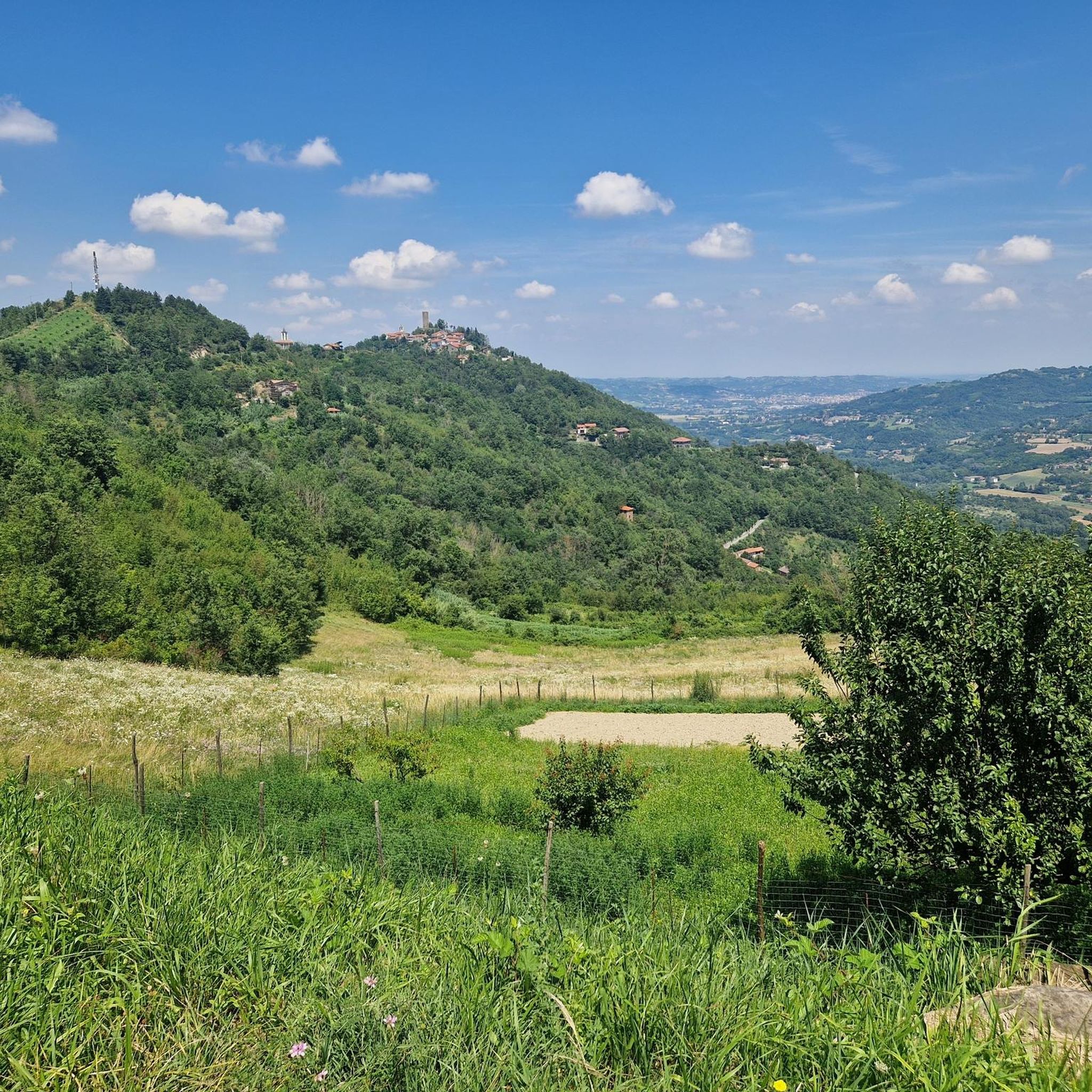
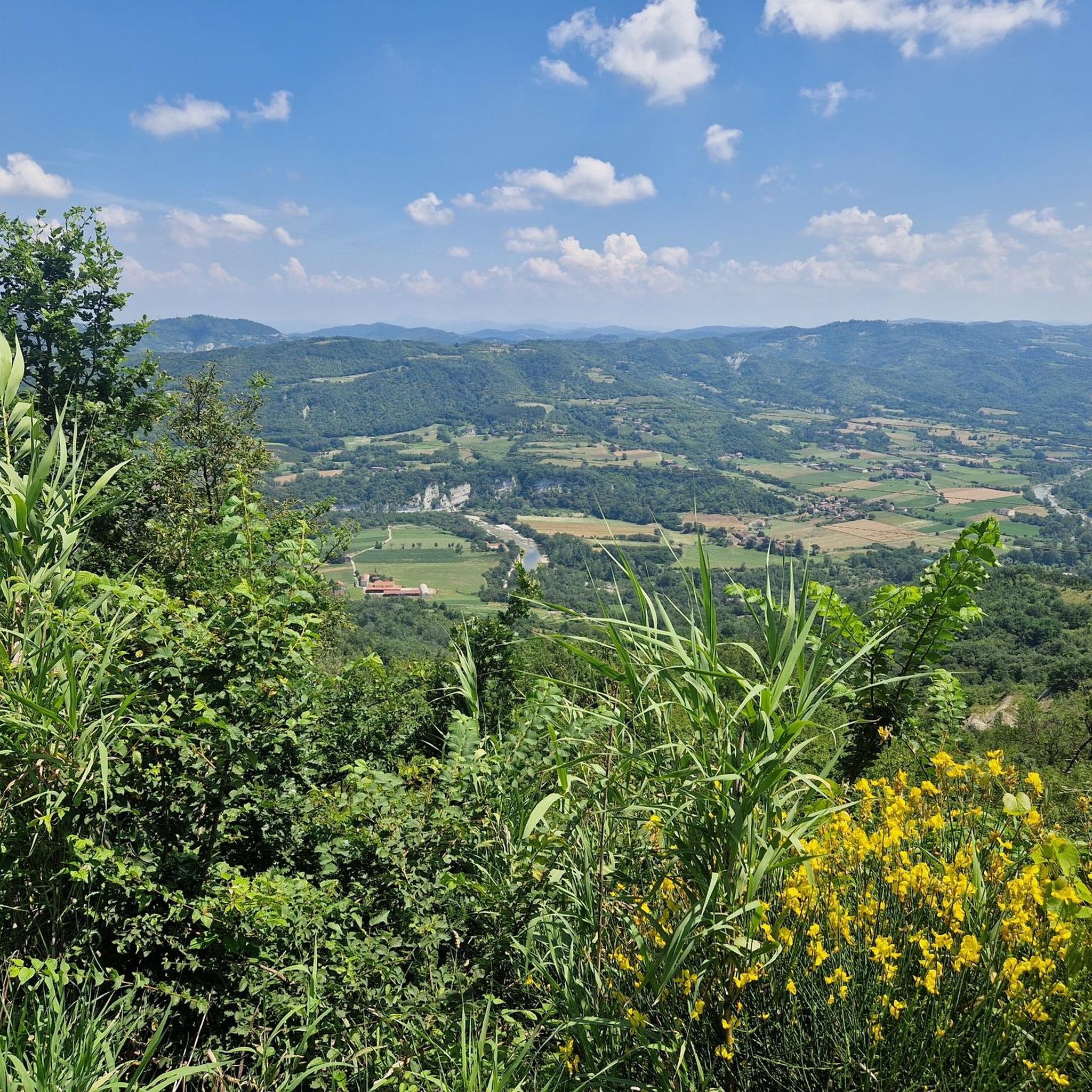
Roccaverano is one of the highest elevations in the area, from the town you can enjoy a 360° panorama of both the surrounding hills and the mountains of the Alpine arc (guaranteed view, in good weather, from Monte Rosa to the Maritime Alps!) The road that goes up from Vesime is quite regular, with gradients that almost never exceed 9%, furthermore I found it pleasantly free of traffic (I went up on a Saturday) The central square is very beautiful, dominated by the remains of the castle and the eighteenth-century church, the bar/restaurant is also strategic, perfect for a beer or a snack. An ideal place for a stop, before taking the road back.
0
0

Thermal water fountain located in the center of an elegant square that well represents the nature of the city's waters
1
0

"Castle" of Monastero Bormida Place of tourist, historical, architectural and cultural interest Piazza Castello, 1, 14058 Monastero Bormida AT http://www.comune.monasterobormida.at.it/ 014488450
3
0

Remains of an ancient Roman aqueduct that ennoble our city, rich in history of the distant civilization of the Roman Empire. Many other remains scattered in the area testify to the importance of the spa since ancient times. In addition, the barbarism exercised over the decades by the various questionable thematic administrations has reduced it to a minimum, leaving the ancient splendor to total decay.
2
1
Frequently Asked Questions
What historical landmarks can I visit in Castelletto D'Erro and its surroundings?
Castelletto D'Erro is rich in history. You can explore Roman Aqueduct of Acqui Terme, a remnant of a 1st-century AD Roman aqueduct. The village itself features The Tower (La Torre), a 13th-century fortified structure, and the Parish Church of the Annunciation, dating back to the late Renaissance. The oldest church, Chiesetta di Sant'Onorato, preserves traces of 16th-century frescoes.
Are there any natural attractions or scenic viewpoints around Castelletto D'Erro?
Absolutely. Castelletto D'Erro is nestled in the picturesque Monferrato hills, offering expansive panoramic views of vineyards and fields. On clear days, you can even see the Alpine arc. During summer, particularly late June to mid-July, you can admire beautiful lavender fields, reminiscent of Provence, in various panoramic locations.
What unique cultural sites are there in the region near Castelletto D'Erro?
Beyond Castelletto D'Erro's historic village atmosphere, you can visit Monastero Bormida, a settlement founded by Benedictine monks around 1050, where the current castle stands on the site of the original monastery. The wider Monferrato region is a UNESCO World Heritage site known for its vineyard landscapes and rich gastronomic traditions.
What kind of outdoor activities can I do near Castelletto D'Erro?
The area around Castelletto D'Erro is excellent for various outdoor activities. You can find numerous routes for cycling, road cycling, and gravel biking. For example, explore the 'View of the Ligurian Apennines' on a road bike, or discover the 'Roman Aqueduct of Acqui Terme' by touring bicycle. You can find detailed routes in the Road Cycling Routes around Castelletto D'Erro, Cycling around Castelletto D'Erro, and Gravel biking around Castelletto D'Erro guides.
Are there family-friendly attractions in the Castelletto D'Erro area?
Yes, several attractions are suitable for families. Both the Roman Aqueduct of Acqui Terme and La Bollente Hot Spring Fountain are considered family-friendly historical sites. Exploring the historic village atmosphere of Castelletto D'Erro and nearby settlements like Monastero Bormida or Bubbio Village also offers engaging experiences for all ages.
What is the best time of year to visit Castelletto D'Erro?
The best time to visit Castelletto D'Erro largely depends on your interests. For admiring the famous lavender fields, late June to mid-July is ideal. The spring and autumn months offer pleasant weather for exploring the Monferrato landscape and historical sites, with vineyards at their most vibrant during these seasons.
What is the significance of Acqui Terme in relation to Castelletto D'Erro?
Acqui Terme is a nearby town that complements a visit to Castelletto D'Erro, offering additional attractions. It's home to the Roman Aqueduct of Acqui Terme and the unique La Bollente Hot Spring Fountain, where sulphurous water gushes at 74.5 °C. These sites provide a deeper dive into the region's Roman history and natural thermal springs.
Are there any hidden gems or less-known places to discover near Castelletto D'Erro?
While not strictly 'hidden,' the Church of Sant'Onorato, the oldest church in Castelletto D'Erro, is a charming and less-frequented spot with 16th-century frescoes. Additionally, exploring the various small borghi (historic villages) in the Alto Monferrato region, beyond the main highlights, can reveal authentic glimpses into traditional Italian village life.
What do visitors enjoy most about the attractions around Castelletto D'Erro?
Visitors particularly appreciate the blend of historical significance and natural beauty. The panoramic views from Castelletto D'Erro, especially towards the Alps, are highly praised. The unique thermal waters of La Bollente Hot Spring Fountain and the ancient engineering of the Roman Aqueduct are also frequently highlighted as memorable experiences.
Can I find local produce and wines in the Castelletto D'Erro area?
Yes, the Monferrato region, where Castelletto D'Erro is located, is renowned for its rich gastronomic traditions. You can find local produce such as strawberries, peaches, and hazelnuts. The area is also famous for its wines, including Barbera, Barolo, and Barbaresco, which can be sampled and purchased from local vineyards and shops.
What is the historical background of Castelletto D'Erro?
Castelletto D'Erro originated as a fortification, with its name reflecting its historical role in overseeing nearby roads. The village's prominent symbol, The Tower (La Torre), dates back to the 13th century and is a remnant of its ancient fortified complex, offering a glimpse into its medieval past.
Most popular routes around Castelletto D'Erro
Most popular attractions around Castelletto D'Erro

Get inspired with the komoot mobile app


Explore more
Still not found the Highlight you’re looking for? See guides of the top attractions in other regions:
