Attractions and Places To See around Capriata D'Orba - Top 20
Best attractions and places to see around Capriata D'Orba include historical landmarks, cultural sites, and natural features. This village is situated in the Alto Monferrato hills of Piedmont, Italy, and is characterized by its ancient allure and tranquil landscape. The area is dominated by the Orba River and surrounded by vineyards, offering a blend of historical depth and scenic beauty. Evidence of ancient settlements, including Ligurian and Roman presences, adds to the region's historical significance.
Best attractions and places to…
Last updated: May 11, 2026
Santa Croce Monumental Complex, Bosco Marengo
Highlight • Religious Site
Architects and artists of the papal court of the time participated in its construction, making it unique in the Piedmontese historical and artistic panorama.
amicidisantacroceboscomarengo.it
it.wikipedia.org/wiki/Complesso_monumentale_di_Santa_Croce_e_Tutti_i_Santi
Translated by Google •
Tip by

Albarola Tower
Highlight • Historical Site
Translated by Google •
Tip by

Sign up now to discover places like this
Get recommendations on the best single tracks, peaks, & plenty of other exciting outdoor places.
Sign up for free
Abbey of Santa Giustina
Highlight • Religious Site
Translated by Google •
Tip by
Church of St James, Gavi
Highlight • Religious Site
Translated by Google •
Tip by
Castello di Mornese
Highlight • Castle
Translated by Google •
Tip by

Sign up for free to discover even more attractions around Capriata D'Orba.
Sign up for free
Already have an account?
Start today with a free account
Your next adventure awaits.
Login or Signup
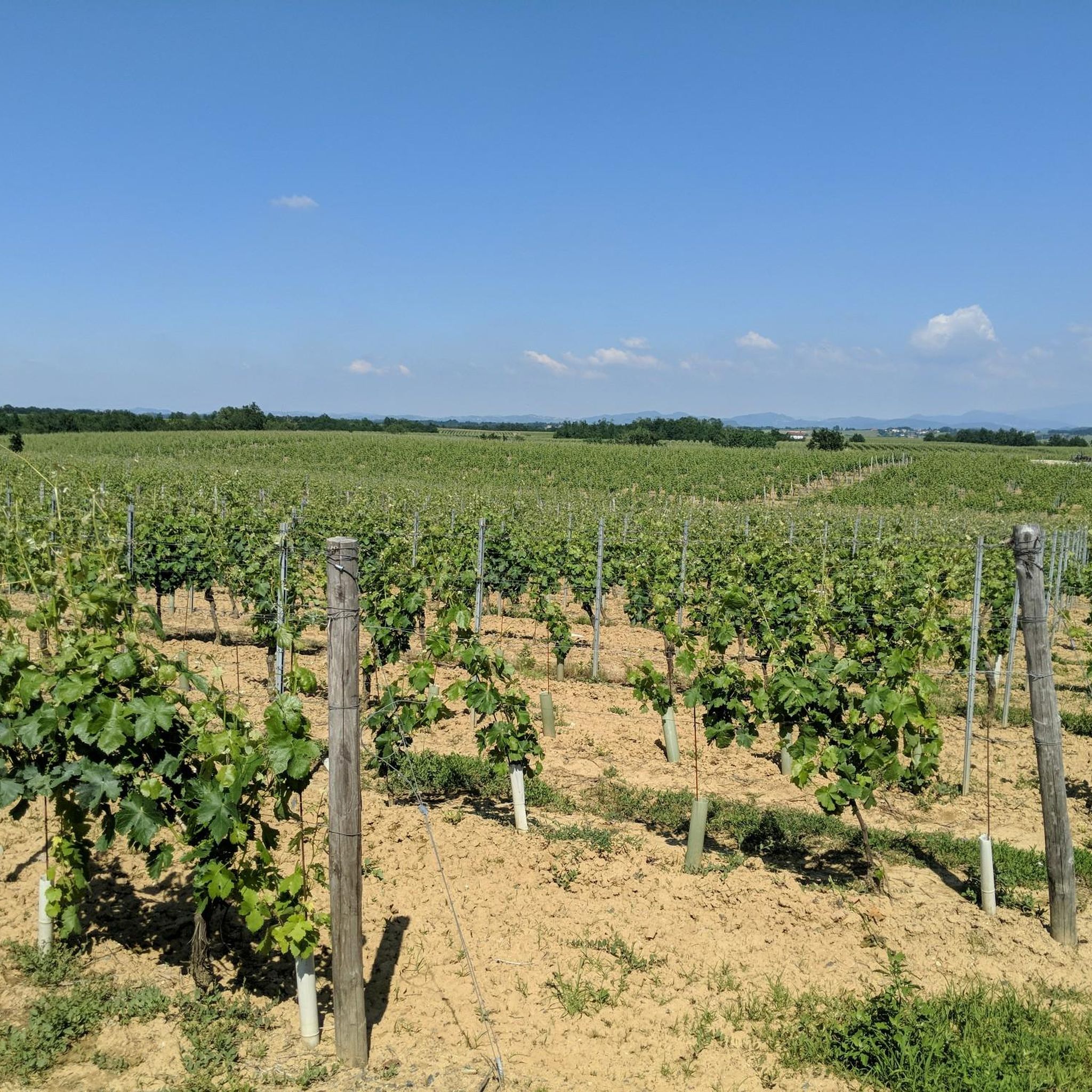
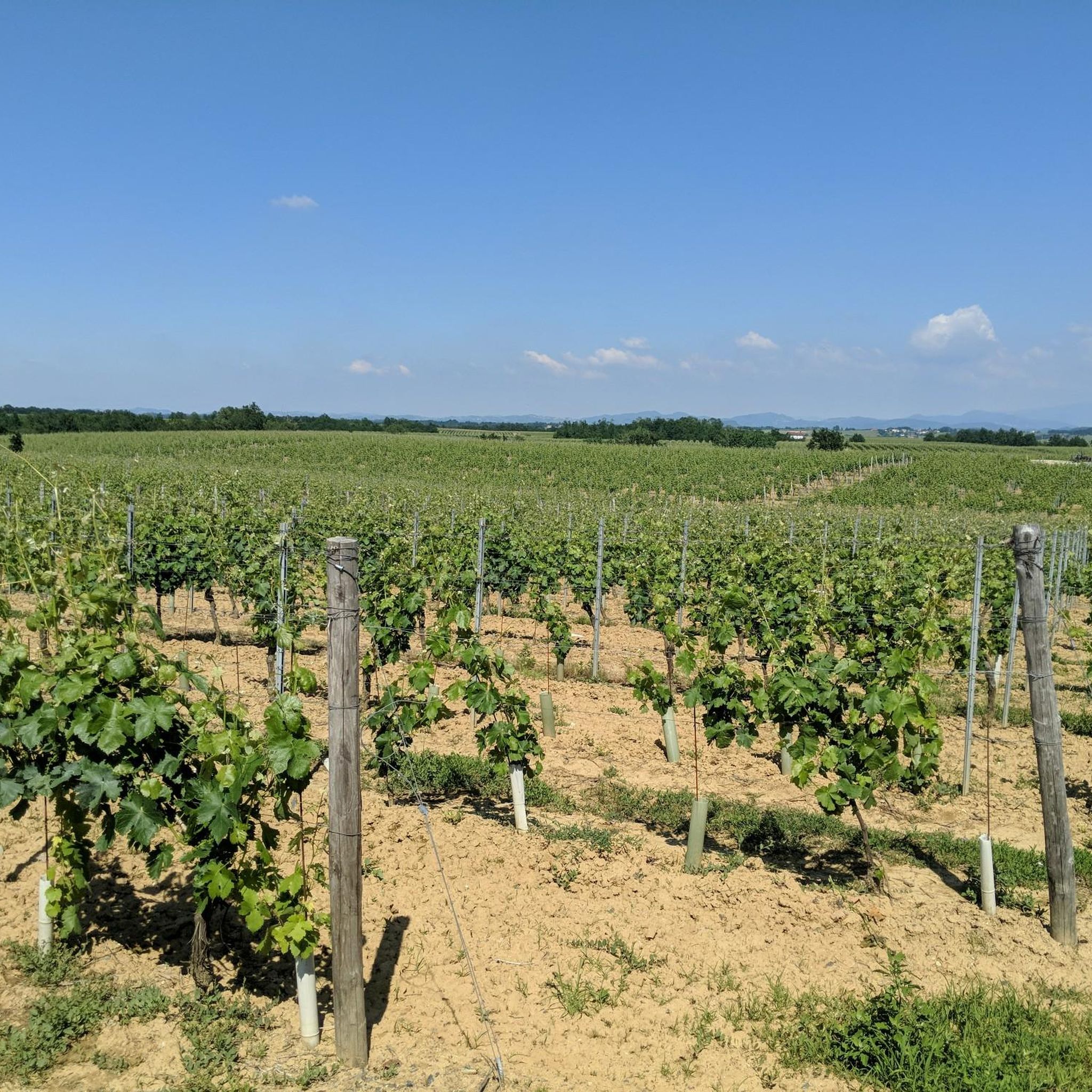
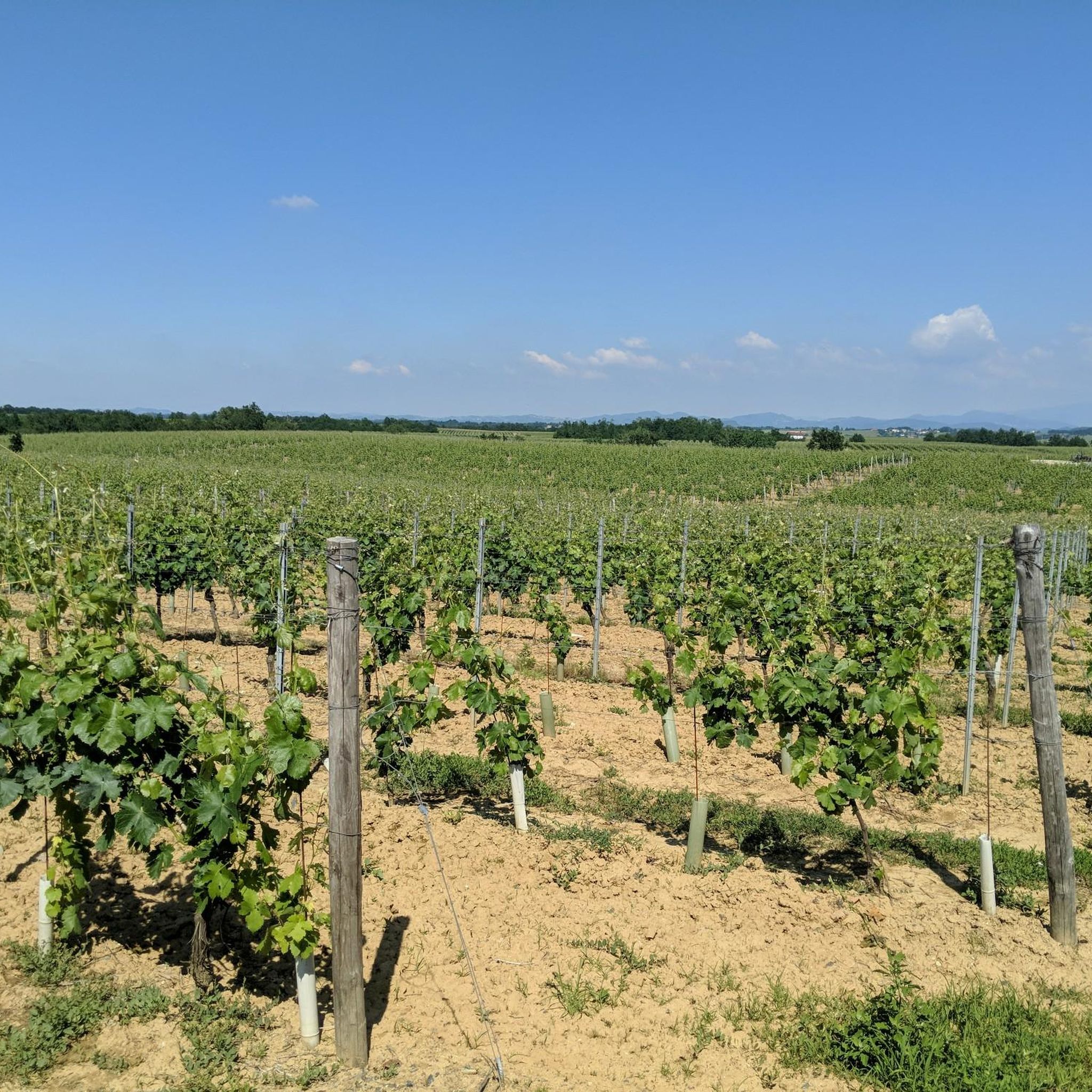
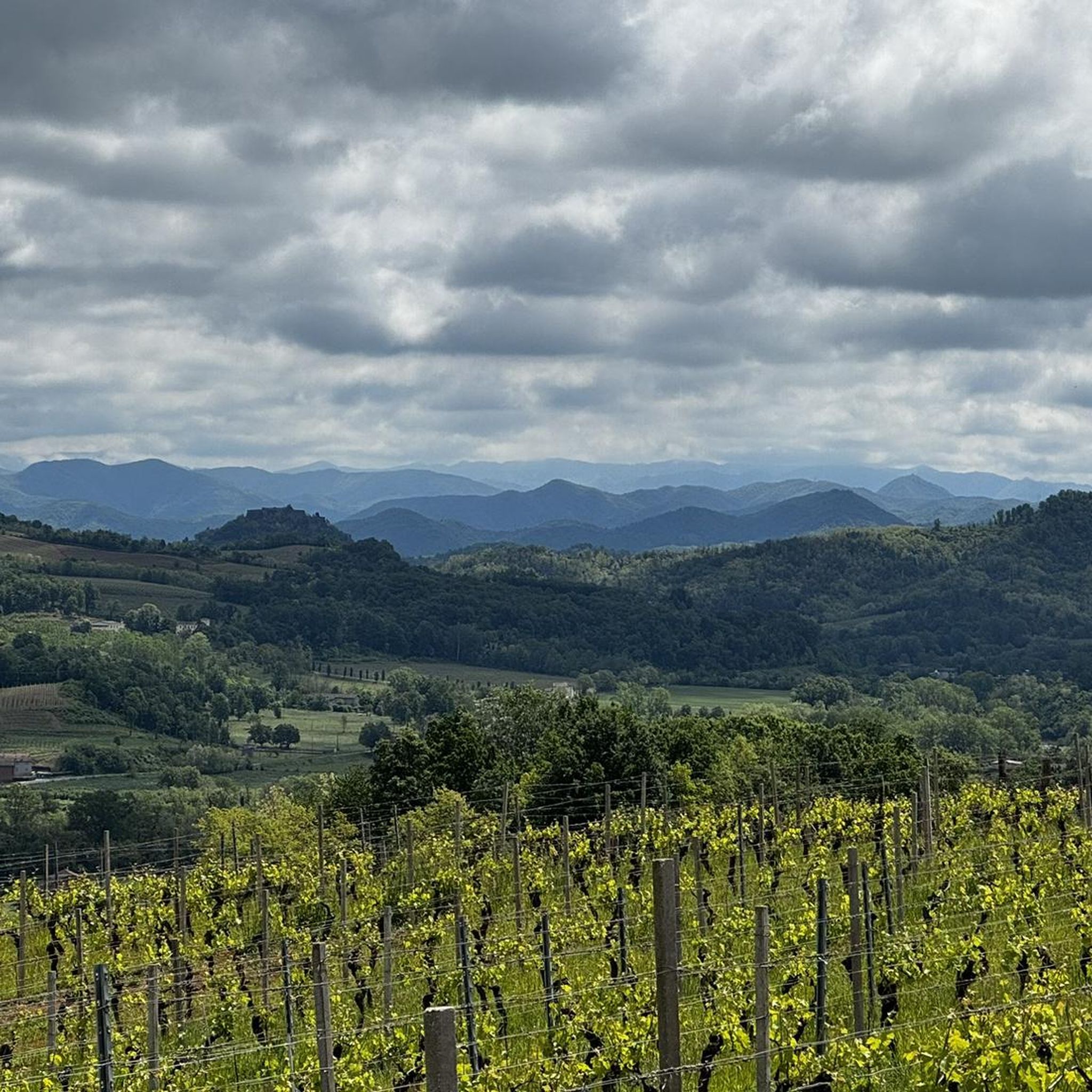

Tips from the Community

This church, which is dedicated to the Holy Cross (Latin: "Santa Croce"), derives its patronage from the cross on which Jesus Christ died. The veneration of the Holy Cross goes back in large part to Saint Helena, who was the mother of Emperor Constantine the Great (who recognized Christianity as a religion after his victory at the "Milvian Bridge" in front of Rome and ended the long period of persecution with the "Edict of Toleration" of Milan in 312). In the early fourth century, she made a pilgrimage to the Holy Land (Israel / Palestine) and brought numerous relics back to Europe, including the "True Cross" on which Jesus Christ was crucified. Helena is therefore often depicted with a cross as an attribute. The church celebrates the feast of the discovery, public presentation and veneration of the Holy Cross - called the "Exaltation of the Cross" - on September 14th.
1
0

The castle built on a 13th century fortification - is accessed via a steep climb starting from the small square where the ancient municipal building with loggia stood. Enfeoffed to the Doria family between the 14th and 16th centuries, the castle saw the succession of many families: Da Passano, Pallavicino, Serra, Spinola and Orsini Pio di Savoia. The guise in which it appears today dates back to the 18th century, when it was adapted by the Serra family into an elegant country residence. The castle, owned by the Doria family of Montaldeo since the beginning of the 19th century, has a complex structure in which the original structures survive, vestiges of previous use: the apparatus protruding on double brackets, the battlements and the configuration of the keep. One of the towers, which became an artist's studio in the last century and overlooks the surrounding landscape with large windows, offers a priceless view that sweeps over the Alpine chain, from Monviso to Monte Rosa, and over the Apennines, up to the Piacenza mountains
0
0
To the north of the town, on the borders between Lerma, Silvano and Castelletto d'Orba, remain the ruins of the Torre dell'Albarola. It was part of a defensive sighting system created against Saracen incursions around the year one thousand. His task was to record the signals coming from Mount Colma and, with bonfires lit on the summit, warn the nearby Gazzolo tower (S. Cristoforo), which would send the alarm to the plain. Whoever climbs the tower immediately realizes the reason for that location: from up there the view extends from the Piota valley to the entire Apennine range, and then further down towards the hills up to the Po Valley. Tradition has it that it later served as a bell tower for Santa Maria in Prelio, that is, for the parish church of Silvano d'Orba, as it is located on a hill to the east of it. Towards the end of the 17th century, the Abbey of San Filippo Neri was built near Albarola, from which the name of today's Abbazia farmhouse derives
0
0
The monumental complex of Santa Croce and All Saints, wanted and founded by Saint Pius V, is located in Bosco Marengo near Alessandria.
0
0

inside the church of S.Giacomo many important works including this one: GANDOLFINO DA RORETO 1515_1520 MADONNA WITH CHILD, ST. JOHN THE BAPTIST, ST. JAMES THE MAJOR in the lunette: ADORATION OF THE CHILD
0
0
The Last Judgement by Giorgio Vasari, one of the most important works of the entire complex commissioned by Pope Pius V in the 16th century
0
0
Anti-Saracenic sighting tower, it was part of the military defense set up by Berengario II, king of Italy, around 950. Exceptional panoramic point.
0
0
Frequently Asked Questions
What historical landmarks can I explore in Capriata D'Orba?
Capriata D'Orba is rich in history. You can visit the imposing ruins of the Castel Vecchio Tower, a medieval fortification that protected the Orba and Lemme valleys. Additionally, sections of ancient town walls and 15th-century houses can be found along the ring road and on streets like San Antonio and San Giovanni. For a broader historical perspective, consider visiting the Albarola Tower, a defensive sighting tower from around the year one thousand, offering exceptional panoramic views.
Are there any significant religious sites to visit in the area?
Yes, the region boasts several notable religious sites. The ancient Church of San Pietro Apostolo, dating back to the 13th century, features a beautiful altar of polished black African marble and 17th-century Genoese school canvases. Other significant sites include the Oratory of San Michele, built around 1674, and the Oratory of San Giuseppe. Further afield, you can explore the Santa Croce Monumental Complex in Bosco Marengo, a unique religious building ordered by Pope Pius V, or the Church of St James in Gavi, known for its 12th-century Romanesque facade and a lunette depicting the Last Supper.
What natural features define the landscape around Capriata D'Orba?
The village is gracefully dominated by the Orba River, offering breathtaking views. The surrounding area is characterized by the rolling hills of Alto Monferrato and extensive vineyards, creating a tranquil and picturesque environment. This landscape provides a beautiful backdrop for outdoor activities and scenic drives.
Can I find opportunities for hiking near Capriata D'Orba?
Absolutely. The region offers various hiking trails suitable for different skill levels. You can find routes like the 'Neirone Waterfall loop from Gavi' which is an easy 6.8 km hike, or more challenging options such as the 'Southern Piedmont Trail: Gavi and Monte Erbano Loop'. For a comprehensive list of trails and detailed information, visit the Hiking around Capriata D'Orba guide.
Are there options for cycling enthusiasts in the region?
Yes, the Monferrato hills around Capriata D'Orba are excellent for cycling. Road cyclists can enjoy routes like the 'Castello di Montaldeo – Cremolino Historic Centre loop from Capriata d'Orba' or the 'Church of Sant'Agata Fossili – View of the Fortress of Gavi loop'. Mountain biking is also popular, with trails such as the 'Torre dell'Albarola loop from Castelletto d'Orba'. Explore more options in the Road Cycling Routes around Capriata D'Orba and MTB Trails around Capriata D'Orba guides.
What ancient history is evident in Capriata D'Orba?
Capriata D'Orba has a deep ancient history, with evidence of prehistoric inhabitation in the Albedosa-Tramontanino area, including cupmarks and pediform signs from the Middle Iron Age. Archaeological excavations in the San Nicolao area have uncovered funerary artifacts from the 6th-5th centuries BC, confirming Ligurian settlements. Traces of Roman presence include the large stele of St. Agatha (1st century AD) found in the Orba River, and the remains of a rural building in the Panattiano locality (1st century AD).
Are there any castles or fortifications to visit nearby?
Beyond the Castel Vecchio Tower within Capriata D'Orba, you can visit the Castello di Montaldeo. This imposing building features a structure with corner towers, richly furnished interiors, and interesting collections of ancient weapons. It's also known for its labyrinthine underground passages and local legends.
What are some family-friendly attractions or activities around Capriata D'Orba?
While specific family-focused attractions aren't detailed, the tranquil natural surroundings offer plenty for families. Easy hiking trails like the 'Neirone Waterfall loop from Gavi' are suitable for families. The Golf Club Villa Carolina, set in a centuries-old park, could also be an option for families with older children interested in golf. Exploring the ancient town walls and historical sites can also be an engaging educational experience for children.
Where can I experience panoramic views of the Monferrato countryside?
For breathtaking panoramic views, the Albarola Tower is an exceptional spot. From its ruins, the view sweeps from the Piota valley to the entire Apennine arc and down towards the hills of the Po Valley. The rolling hills and vineyards surrounding Capriata D'Orba also offer numerous vantage points for scenic vistas.
What is the best time to visit Capriata D'Orba for outdoor activities?
The Alto Monferrato region generally enjoys pleasant weather for outdoor activities during spring (April-May) and autumn (September-October) when temperatures are mild and the landscape is particularly vibrant. Summer can be warm, but early mornings and late afternoons are still suitable for exploring. Winter offers a different, quieter charm, though some trails might be less accessible.
Are there any unique cultural sites or hidden gems in Capriata D'Orba?
Beyond the main churches and oratories, Capriata D'Orba holds several unique cultural elements. The Church of San Pietro Apostolo features a Baroque altar and sacristy with exquisite walnut cabinets. The Oratory of San Michele houses a marble high altar by sculptor Brugnetti and frescoes by Pietro Ivaldi. The presence of a historic Mulino (mill) and the Monastery of the Contemplative Friars in Villa Bricco also add to the village's unique cultural fabric.
Most popular routes around Capriata D'Orba
Most popular attractions around Capriata D'Orba

Get inspired with the komoot mobile app


Explore more
Still not found the Highlight you’re looking for? See guides of the top attractions in other regions:
