Attractions and Places To See around Desana - Top 20
Best attractions and places to see around Desana, a small comune in Piedmont, Italy, offer a blend of local history and agricultural life. The area is characterized by its historic castle and extensive rice fields, providing a distinctive natural setting. Located near Vercelli, Desana serves as a base for exploring both local landmarks and nearby cultural sites.
Best attractions and places to see around Desana
- The most popular attractions is Hospitale Sancti Eusebi, a facilities that serves as a…
Last updated: May 11, 2026
Principality of Lucedio
Highlight • Historical Site
Translated by Google •
Tip by

Hospitale Sancti Eusebi
Highlight • Rest Area
Translated by Google •
Tip by

Sign up now to discover places like this
Get recommendations on the best single tracks, peaks, & plenty of other exciting outdoor places.
Sign up for free
Basilica of Saint Andrew of Vercelli
Highlight • Religious Site
Translated by Google •
Tip by
Olcenengo
Highlight • Settlement
Translated by Google •
Tip by
Church of the Most Holy Name of Mary (Our Lady of the Vines)
Highlight • Religious Site
Translated by Google •
Tip by
Sign up for free to discover even more attractions around Desana.
Sign up for free
Already have an account?
Start today with a free account
Your next adventure awaits.
Login or Signup
Tips from the Community

Open on Sundays only (May 2024)
0
0


Hospitale Sancti Eusebi in Vercelli, Italy, is a welcoming place for pilgrims on the Via Francigena. This hostel is open all year round for pedestrians and cyclists. Please note that there is no reception for pilgrims on horseback. For group reception, you must book in advance. The opening hours are from 14:00 to 22:00. In the winter months (October-February) hot water is available for showers and heating is provided on one floor of the accommodation (kitchen + room with 6 beds). It is recommended to bring a warm sleeping bag. Within a radius of 200 meters you will find a church, a bus stop, an ATM, a bar/restaurant, a supermarket, a pharmacy and a residential area. Within 1 kilometer you will find the train station and the hospital. Smoking is prohibited throughout the property and pets are not allowed. The reception is only open during fixed hours. For direct contact you should look up the contact details on the internet. The Hospitale Sancti Eusebi offers a simple and welcoming place for pilgrims following the Via Francigena.
8
0
This beautiful church was built in 1220, during a prosperous period. The style is a combination of Northern Gothic (vertical towers and octagonal bell tower) and the typical style from the Po Valley (triangular gable, arches and use of brick). The facade, a colorful whole of stone and marble, is flanked by high towers and has three vaulted porches; The tympanums are probably by sculptor Benedetto Antelami. The very massive bell tower (right) dates from the 15th century. The sober interior with three naves has a choir with wooden inlay and the funerary monument (14th century) of Tomasso Gallo, first abbot of the basilica (second chapel in the right transept). The left aisle leads to the monastery buildings and to the cloister, which offers beautiful views of the complex.
7
0
The Hospitale Sancti Eusebi in Vercelli, Italy, is a welcoming place for pilgrims on the Via Francigena. This hostel is open all year round to pedestrians and cyclists. Please note that there is no reception for pilgrims on horseback. You must book in advance for group reception. Opening hours are from 2:00 PM to 10:00 PM. In the winter months (October-February) hot water is available for showers and heating is provided on one floor of the accommodation (kitchen + room with 6 beds). It is recommended to bring a warm sleeping bag. Within a radius of 200 meters you will find a church, a bus stop, an ATM, a bar/restaurant, a supermarket, a pharmacy and an inhabited area. The train station and hospital are within 1 kilometer. Smoking is prohibited throughout the property and pets are not allowed. The reception is only open at fixed times. For direct contact you have to look for the contact details on the internet. The Hospitale Sancti Eusebi offers a simple and welcoming place for pilgrims following the Via Francigena
1
0
The ancient village of Olcenengo is surrounded by the slow flow of its irrigation canals and shrouded in winter fog, dense and impenetrable guardian of landscapes with an ancient flavor. Agriculture is the main economic sector of Olcenengo, but in the shadow of the large farms, craft businesses related to the rice sector have developed: mechanical workshops, wooden products, pig farms with their own production of typical sausages, small family-run rice mills . The town hall, the small square with the fountain of the "sgorgia" and the "frog", the church are the most characteristic points of the city. Only a few parts of the castle, dating from 1100, are still used as a farm. The town hall is a compact building rising over two floors. The public fountain in Piazza Paietta has become the symbol of the city: a frog at the edge of the pool sprays a stream of water at a "sgorgia" (blue heron), the typical bird of the rice fields. https://www.viefrancigene.org/it/resource/poi/olcenengo/
7
0

the church of the most holy name of Mary belonged to the complex of the Lucedio Abbey. today it is abandoned and it is not possible to enter. on the side there is a window from which I took some photos of the interior. Be very careful in summer because I noticed that on the side of the church there is a large nest of wasps or hornets, I can't tell because it is really very high up. the photos you see were taken at the end of February.
0
1

Beautiful, very large. In excellent condition as it is used
0
0
Frequently Asked Questions
What historical sites can I visit in and around Desana?
Desana is home to its historic castle, with records dating back to the 10th century, and the Parish Church of Saints Pietro and Maurizio. Nearby, you can explore the fascinating Principality of Lucedio, a historical site founded by Cistercian monks in the 12th century, known for its rice cultivation history and intriguing legends. In Vercelli, the Basilica of Saint Andrew is a prominent example of Gothic architecture.
Are there any unique natural landscapes to explore near Desana?
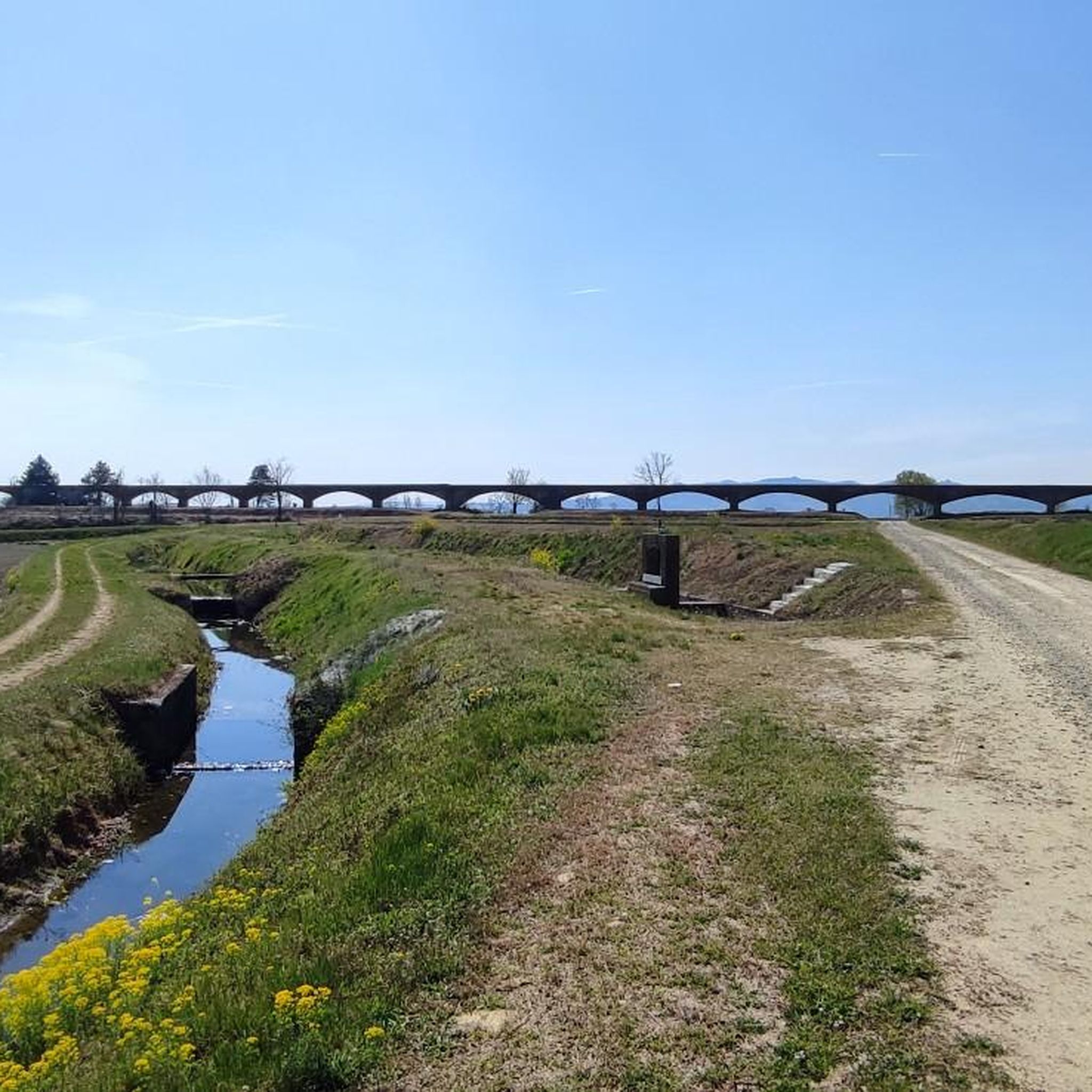
The landscape around Desana is primarily characterized by extensive rice fields, which are irrigated by canals. These fields offer a distinctive natural setting, especially when flooded, providing unique photographic opportunities and a glimpse into the region's agricultural heritage.
What cultural attractions are available in the wider Desana area, particularly in Vercelli?
While Desana itself is small, the nearby city of Vercelli offers several cultural and historical sites. Beyond the Basilica of Saint Andrew, you can visit the Church of San Cristoforo, which houses works by Gaudenzio Ferrari, and explore museums like the Museo Camillo Leone and the Francesco Borgogna Museum. The Galleria Civica d'Arte Moderna also showcases local and Italian painters.
Are there family-friendly attractions around Desana?
Yes, several attractions in the area are suitable for families. The Principality of Lucedio offers an engaging historical experience. The ancient village of Olcenengo, with its unique public fountain, provides a pleasant stroll. Many of the historical sites and religious buildings in Vercelli, such as the Basilica of Saint Andrew, are also considered family-friendly.
What outdoor activities can I do near these attractions?
The region around Desana is excellent for various outdoor activities, especially cycling and running. You can find numerous routes for cycling, gravel biking, and running that take you through the distinctive rice fields and past historical landmarks. These routes cater to various difficulty levels, from easy loops to more challenging treks.
Where can I find a welcoming place for pilgrims on the Via Francigena?
The Hospitale Sancti Eusebi in Vercelli serves as a welcoming place for pilgrims on the Via Francigena. It is open year-round for pedestrians and cyclists, offering simple accommodation. It's recommended to book in advance for group reception.
What is the best time to visit Desana for outdoor activities?
The best time to visit Desana for outdoor activities largely depends on what you wish to experience. The rice fields are particularly striking when flooded, typically in spring, and during the harvest season in late summer/early autumn. Spring and autumn generally offer pleasant temperatures for cycling, running, and exploring historical sites.
Are there any abandoned or mysterious sites to explore?
Yes, the deconsecrated Church of the Most Holy Name of Mary (Madonna delle Vigne) near Desana is a fascinating and mysterious place. Built in 1696 and abandoned in 1784, it is now in a state of decay and is particularly appealing to lovers of abandoned buildings, with legends such as the 'devil's score' associated with it.
What is special about the village of Olcenengo?
Olcenengo is an ancient village surrounded by irrigation canals, known for its agricultural life. A unique feature is the public fountain in Piazza Paietta, where a frog sprays water at a 'sgorgia' (blue heron), symbolizing the typical bird of the rice fields. The village also has a charming town hall and church.
What do visitors enjoy most about the attractions around Desana?
Visitors appreciate the blend of local history, agricultural life, and distinctive natural settings. The historical depth of sites like the Principality of Lucedio and the unique landscape of the rice fields are frequently highlighted. The komoot community has shown appreciation with over 40 upvotes and 30 photos shared, indicating a positive experience with the area's offerings.
Can I learn about the history of rice cultivation in the area?
Absolutely. The Principality of Lucedio is a key site for understanding the history of rice cultivation in Italy. Cistercian monks founded an Abbey there in 1123 and were instrumental in reclaiming the land and introducing rice to the region in the mid-1400s, helping to spread this important crop.
Most popular attractions around Desana

Get inspired with the komoot mobile app


Explore more
Still not found the Highlight you’re looking for? See guides of the top attractions in other regions:
