Attractions and Places To See around Ronsecco - Top 20
Best attractions and places to see around Ronsecco include historical sites, cultural experiences, and tranquil rural landscapes. This comune in Italy's Piedmont region is characterized by extensive rice paddies, intricate canals, and ancient routes like the Via Francigena. Visitors can explore remnants of historic castles and significant religious buildings that reflect the area's rich past. The region offers a blend of agricultural heritage and historical points of interest.
Best attractions and places to see around Ronsecco
- The most popular attractions…
Last updated: May 11, 2026
Camino Castle
Highlight • Castle
As with many ancient buildings in Italy, there are many legends about the castle of …
Translated by Google •
Tip by

Principality of Lucedio
Highlight • Historical Site
Translated by Google •
Tip by

Sign up now to discover places like this
Get recommendations on the best single tracks, peaks, & plenty of other exciting outdoor places.
Sign up for free
Church of San Germano Vercellese
Highlight • Religious Site
Translated by Google •
Tip by

Olcenengo
Highlight • Settlement
Translated by Google •
Tip by

Church of the Most Holy Name of Mary (Our Lady of the Vines)
Highlight • Religious Site
Translated by Google •
Tip by
Sign up for free to discover even more attractions around Ronsecco.
Sign up for free
Already have an account?
Start today with a free account
Your next adventure awaits.
Login or Signup
Tips from the Community

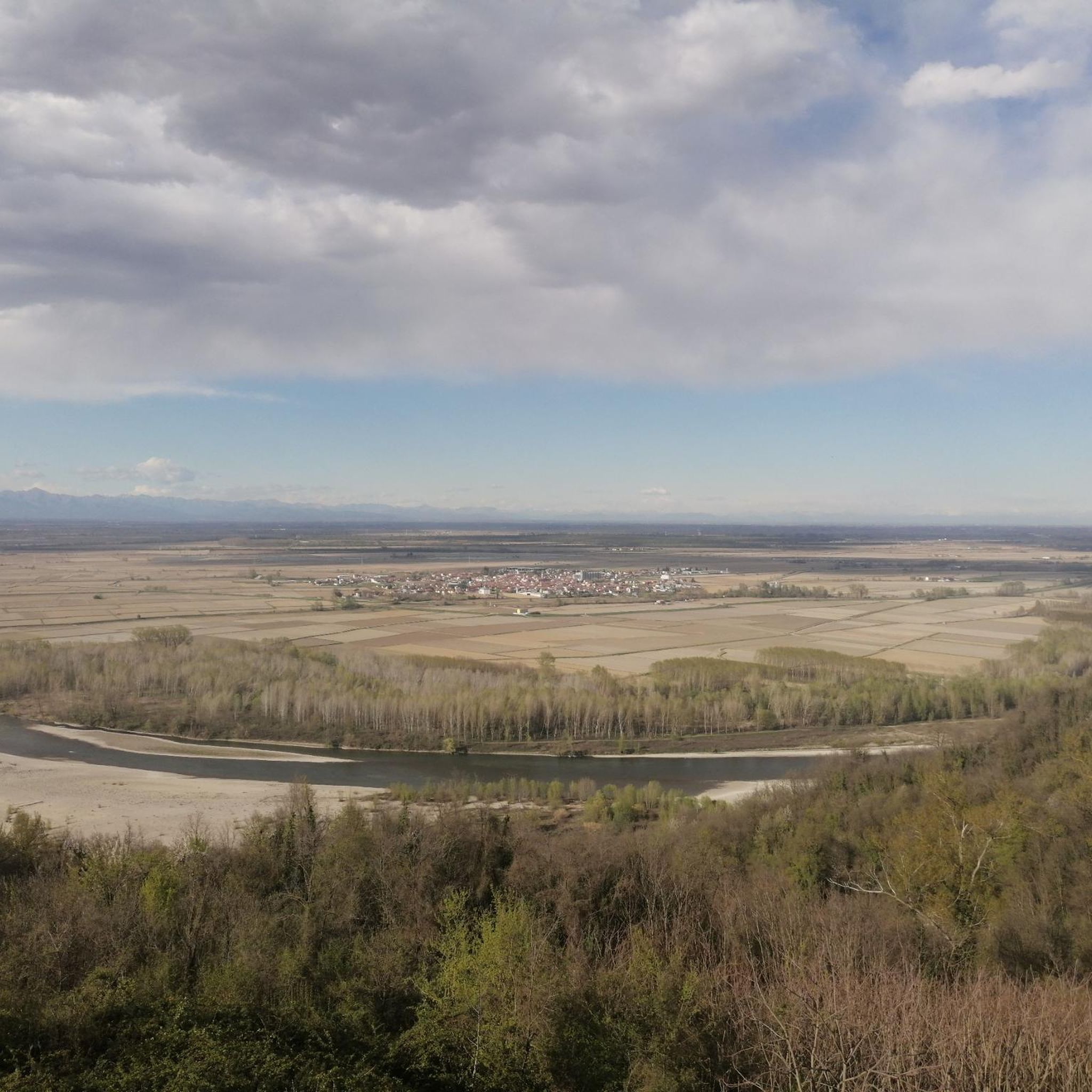
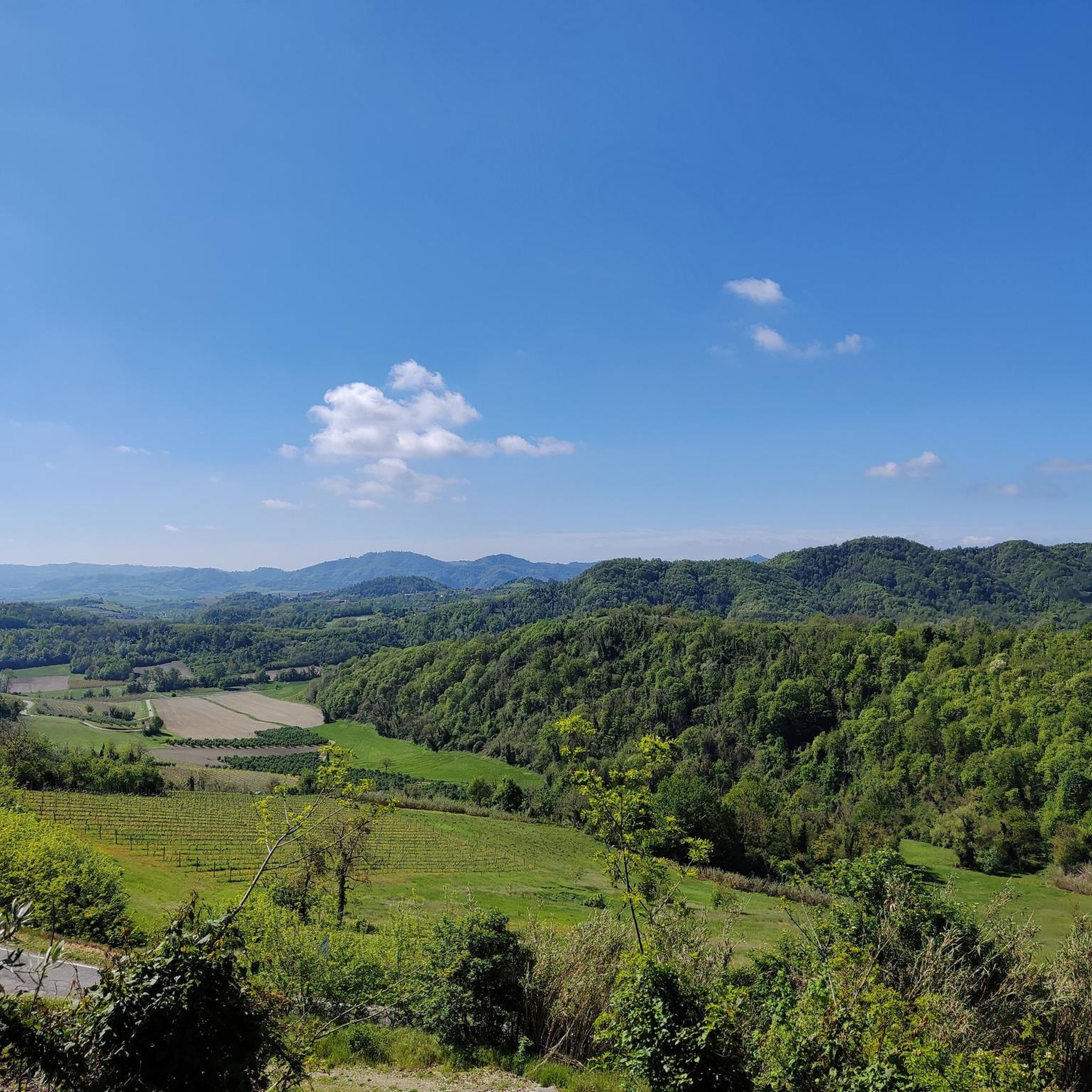
Nestled among centuries-old trees, Camino Castle dominates the ancient village from above and contributes to one of the most easily recognizable hilltop profiles of the Lower Monferrato.
0
0

the dome of the parish church of San Germano is the work of Bernardo Vittone, one of the protagonists of the Piedmontese late Baroque.
0
0
Open on Sundays only (May 2024)
0
0

The ancient village of Olcenengo is surrounded by the slow flow of its irrigation canals and shrouded in winter fog, dense and impenetrable guardian of landscapes with an ancient flavor. Agriculture is the main economic sector of Olcenengo, but in the shadow of the large farms, craft businesses related to the rice sector have developed: mechanical workshops, wooden products, pig farms with their own production of typical sausages, small family-run rice mills . The town hall, the small square with the fountain of the "sgorgia" and the "frog", the church are the most characteristic points of the city. Only a few parts of the castle, dating from 1100, are still used as a farm. The town hall is a compact building rising over two floors. The public fountain in Piazza Paietta has become the symbol of the city: a frog at the edge of the pool sprays a stream of water at a "sgorgia" (blue heron), the typical bird of the rice fields. https://www.viefrancigene.org/it/resource/poi/olcenengo/
7
0

the church of the most holy name of Mary belonged to the complex of the Lucedio Abbey. today it is abandoned and it is not possible to enter. on the side there is a window from which I took some photos of the interior. Be very careful in summer because I noticed that on the side of the church there is a large nest of wasps or hornets, I can't tell because it is really very high up. the photos you see were taken at the end of February.
0
1

Beautiful, very large. In excellent condition as it is used
0
0

It was founded in 1123 by Cistercian monks from Burgundy who reclaimed the territory, being the first to introduce the cultivation of rice into Italy in the mid-1400s. The Principality of Lucedio can be visited by the public, according to the calendar indicated on the "Visit Lucedio" https: //www.principatodilucedio.it/it/
3
0

Estate of the Principality of Lucedio, a farm that also belonged to Napoleon, with an abbey attached
1
0
Frequently Asked Questions
What historical sites can I explore around Ronsecco?
The region around Ronsecco is rich in history. You can visit the Camino Castle, known for its crenellated walls and local legends. Another significant historical site is the Principality of Lucedio, an ancient abbey founded by Cistercian monks in 1123, which played a crucial role in introducing rice cultivation to Italy. Additionally, the ancient village of Olcenengo offers a glimpse into the past with its historical buildings and a few remaining parts of a 12th-century castle.
Are there any notable religious buildings to visit near Ronsecco?
Yes, there are several. The Church of San Germano Vercellese is dedicated to Germanus of Auxerre and features a dome designed by Bernardo Vittone, a prominent figure in Piedmontese late Baroque architecture. You might also find the deconsecrated Church of the Most Holy Name of Mary (Our Lady of the Vines) intriguing, a 17th-century building now in a state of abandonment with many legends surrounding it.
What kind of natural landscapes can I expect to see around Ronsecco?
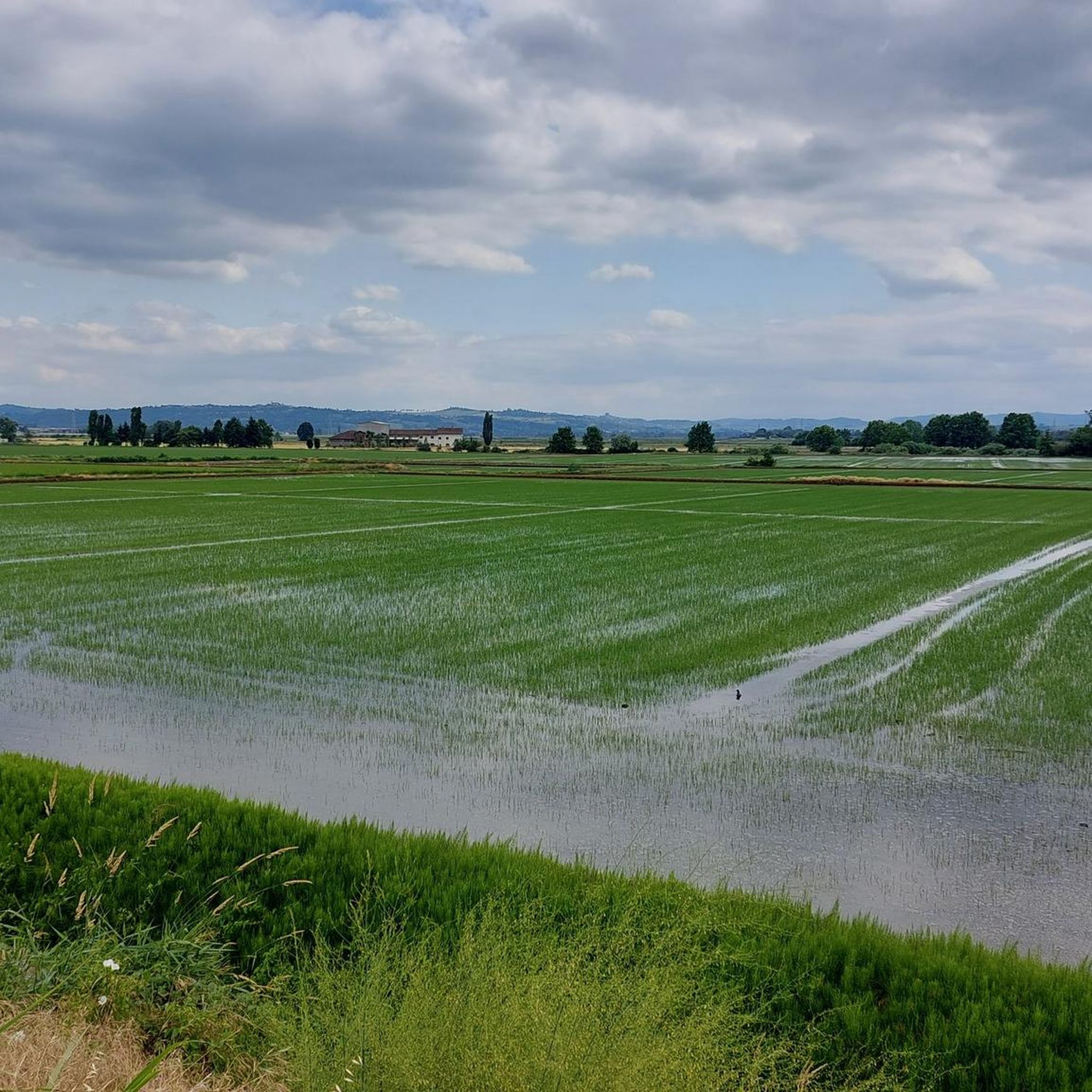
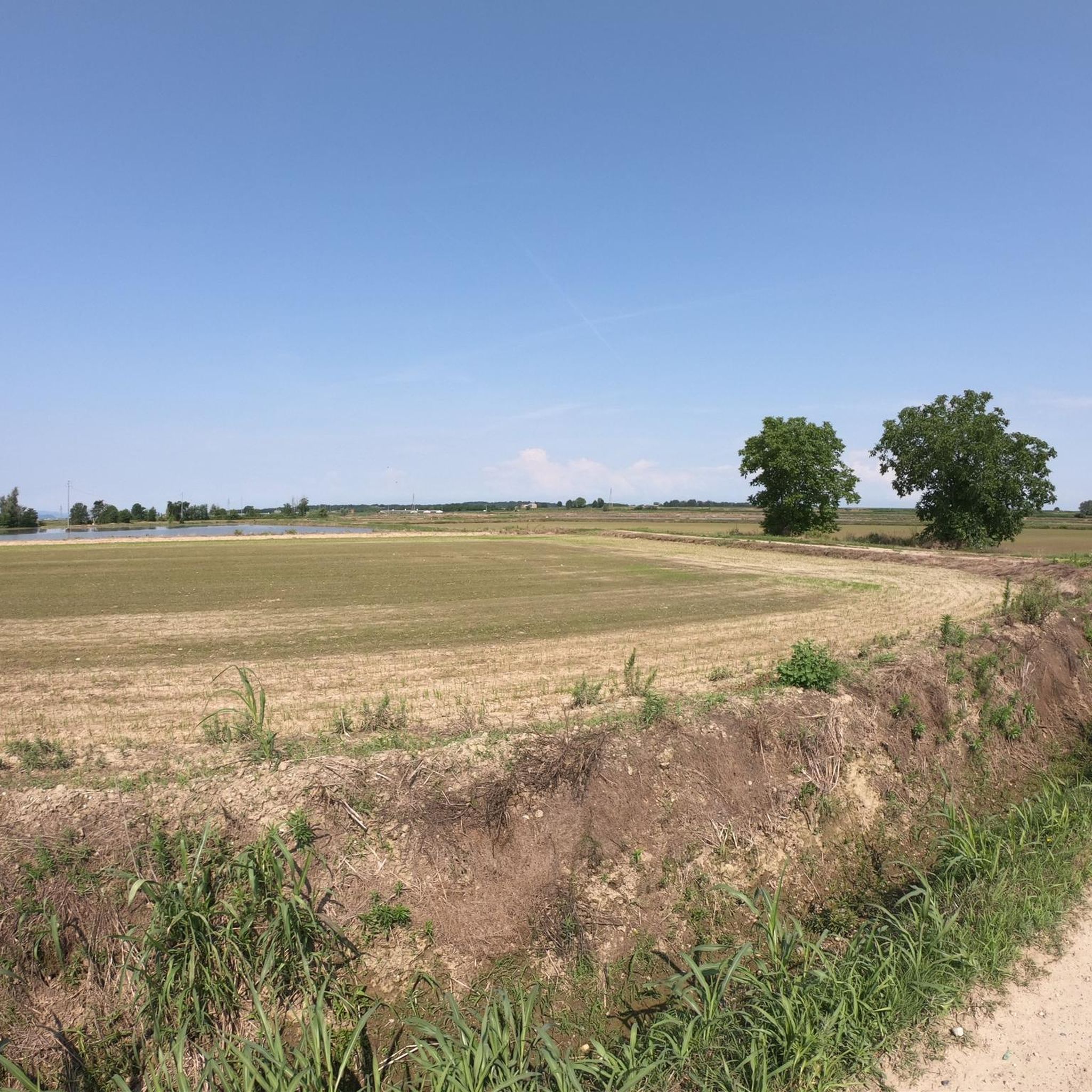
Ronsecco is characterized by extensive rice paddies, intricate canals, and waterways, which are fundamental to the area's agricultural heritage. These features create tranquil rural landscapes, especially beautiful during the growing season. The region's connection to these natural elements is deeply rooted in its traditions and history.
Are there family-friendly attractions in the Ronsecco area?
Yes, the Principality of Lucedio is considered family-friendly, offering a blend of history and mystery amidst the rice fields. The ancient village of Olcenengo, with its small square and fountain, also provides a pleasant setting for families to explore.
What outdoor activities, like cycling or running, can I do near Ronsecco?
The Ronsecco region is excellent for outdoor activities. For cycling, you can explore routes like the 'Lucedio and Bosco della Partecipanza Loop' or 'The Iron Cutter Pub loop'. If you prefer running, options include 'Running loop from Trino' or 'Camino Castle – DH3 / DH3 Bis Trail loop'. You can find more details and routes on the Cycling around Ronsecco guide and the Running Trails around Ronsecco guide.
Are there mountain biking trails available near Ronsecco?
Absolutely! Mountain biking enthusiasts can find several trails. Popular options include the 'Bosco della Partecipanza and Lucedio Loop' and various 'DH' trails like 'DH 1 Trail – DH3 / DH3 Bis Trail loop from Trino Vercellese'. These routes offer diverse challenges for different skill levels. For more information, check the MTB Trails around Ronsecco guide.
What is the best time of year to visit Ronsecco for outdoor activities?
The region's extensive rice paddies and waterways are particularly vibrant during the warmer months when the rice is growing, offering picturesque rural landscapes. Spring and early autumn generally provide pleasant weather for hiking, cycling, and exploring historical sites without extreme heat. Winter can bring dense fog, creating a unique, atmospheric experience, though some outdoor activities might be less comfortable.
What is the significance of the Via Francigena in Ronsecco?
The ancient pilgrim route, Via Francigena, traverses Ronsecco, connecting Lamporo to Lignana and Vercelli. This historical path offers a unique way for walkers and cyclists to experience the region's heritage and landscapes, following in the footsteps of pilgrims from centuries past.
What unique cultural connections does Ronsecco have?
Ronsecco and its vicinity are famously connected to the historical rice-growing traditions and the role of the 'mondine' (seasonal rice paddy workers). This heritage was notably depicted in Giuseppe De Santis's 1949 film 'Riso Amaro' (Bitter Rice), which was filmed just a few kilometers from the town, highlighting the area's deep agricultural and social history.
What do visitors enjoy most about the attractions around Ronsecco?
Visitors appreciate the blend of historical depth and tranquil rural beauty. The Camino Castle is admired for its architectural features and local legends, while the Principality of Lucedio captivates with its history and a touch of mystery. The overall appeal lies in discovering ancient churches, castle remnants, and the serene landscapes shaped by rice cultivation.
Are there any viewpoints or scenic spots in the Ronsecco area?
While specific designated viewpoints are not highlighted, the extensive rice paddies, canals, and waterways themselves offer scenic beauty, particularly during sunrise or sunset. The elevated position of places like Camino Castle, nestled among centuries-old trees, provides commanding views over the ancient village and the surrounding Lower Monferrato landscape.
Most popular routes around Ronsecco
Most popular attractions around Ronsecco

Get inspired with the komoot mobile app


Explore more
Still not found the Highlight you’re looking for? See guides of the top attractions in other regions:
