Attractions and Places To See around Arborio - Top 20
Best attractions and places to see around Arborio, a small town in the Vercelli province of Italy, offers a glimpse into a rich history and agricultural heritage. Situated in a flat territory between the Sesia River and the Marchiazza stream, the area is defined by its natural waterways and extensive rice paddies. This region is renowned for its rice production, particularly the Arborio variety, which is a defining agricultural feature. Visitors can explore historical sites, natural parks, and religious buildings…
Last updated: July 1, 2026
Castello di Proh
Highlight • Castle
Translated by Google •
Tip by

Lame del Sesia Natural Park
Highlight • Natural
Translated by Google •
Tip by

Sign up now to discover places like this
Get recommendations on the best single tracks, peaks, & plenty of other exciting outdoor places.
Sign up for free
Madonnina di Bergamina Memorial
Highlight • Monument
Translated by Google •
Tip by

Oratory of Saint Bernard della Mora
Highlight • Religious Site
Translated by Google •
Tip by
Abbey of San Nazzaro
Highlight • Religious Site
Translated by Google •
Tip by

Sign up for free to discover even more attractions around Arborio.
Sign up for free
Already have an account?
Start today with a free account
Your next adventure awaits.
Login or Signup
Tips from the Community

The Abbey of San Nazzaro Sesia is a complex made up of structures from different historical periods. The oldest parts are the bell tower, built as a watchtower, and the two wings of the narthex preceding the façade, which are what remains of the quadriportico built around 1150, shortly after the abbey itself was founded (1040). The cuts resulting from the demolition of the other two sides are still clearly visible today. The narthex is almost entirely made up of stones from the Sesia river arranged in a herringbone pattern to increase its solidity. The mortar itself was obtained from materials found on site, near the Sesia river. It was probably originally used as a “hospitalis”, that is, it served as a place of rest and refreshment for travellers and pilgrims, who we know were very numerous in medieval times, and it also had the function of hosting catechumens.
0
0

To stop and visit, a spectacular castle and almost unknown to many...it deserves a short stop also for the photographs
0
0

Going there is a duty to welcome you and give you a perfect postcard and then you can have fun with fast routes
1
0

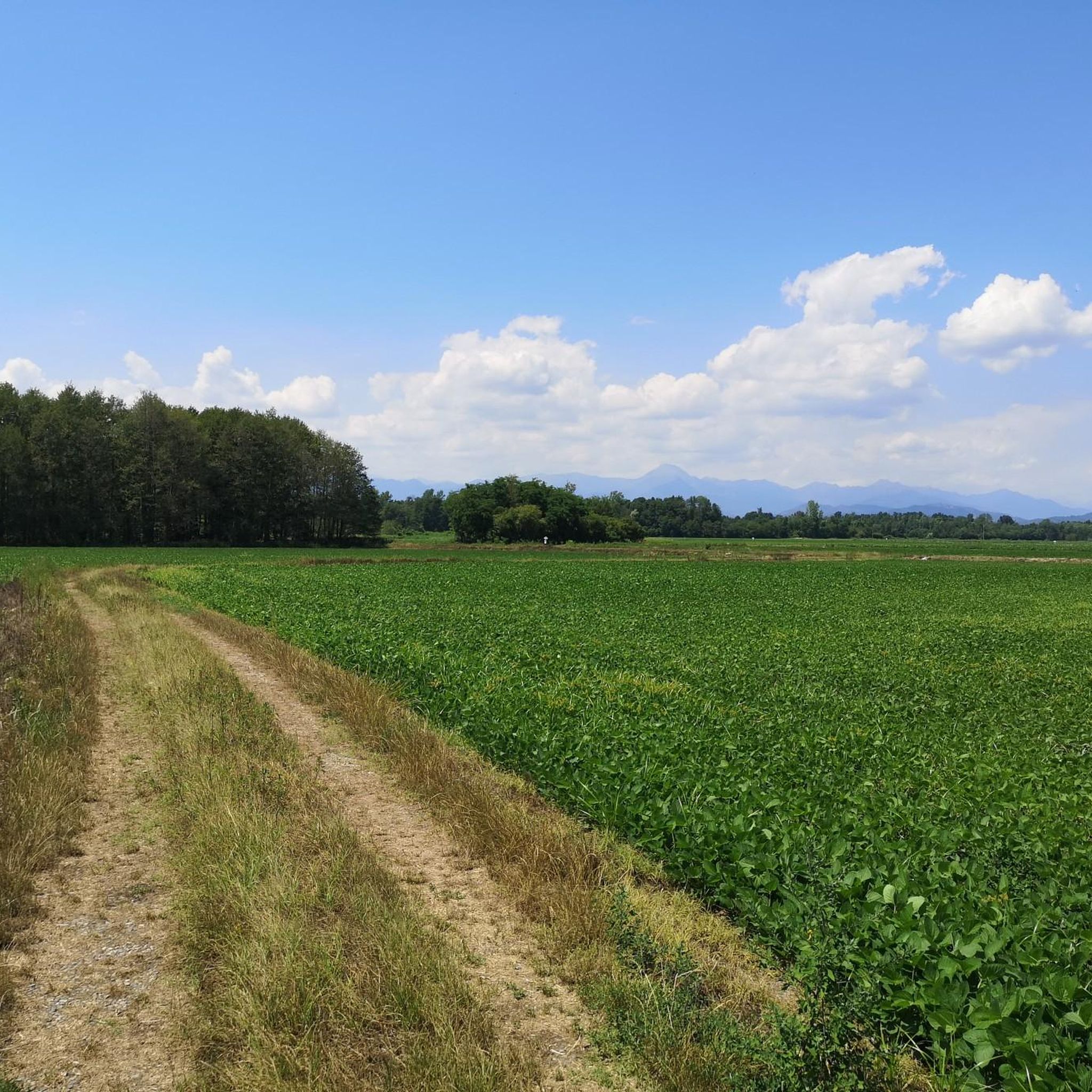
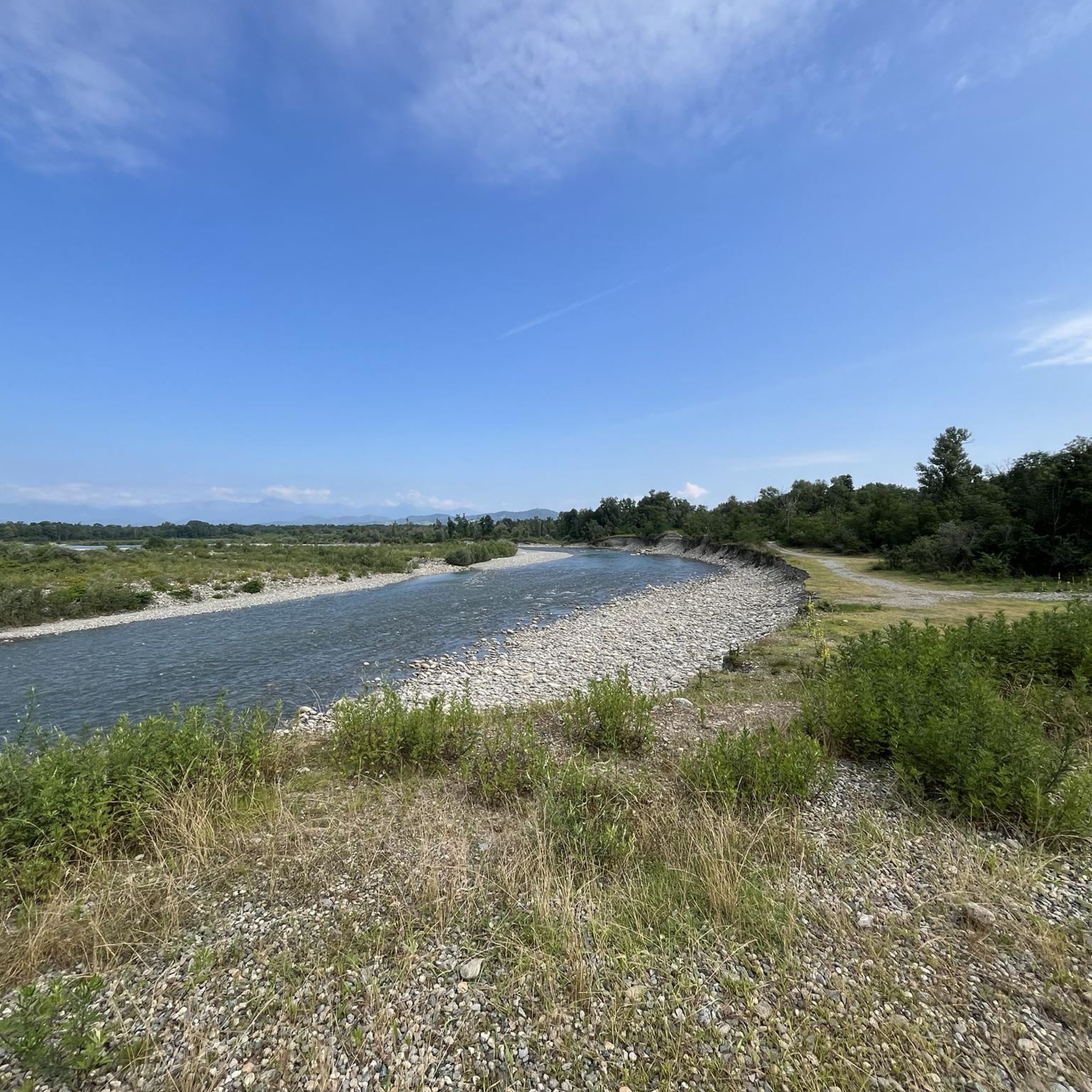
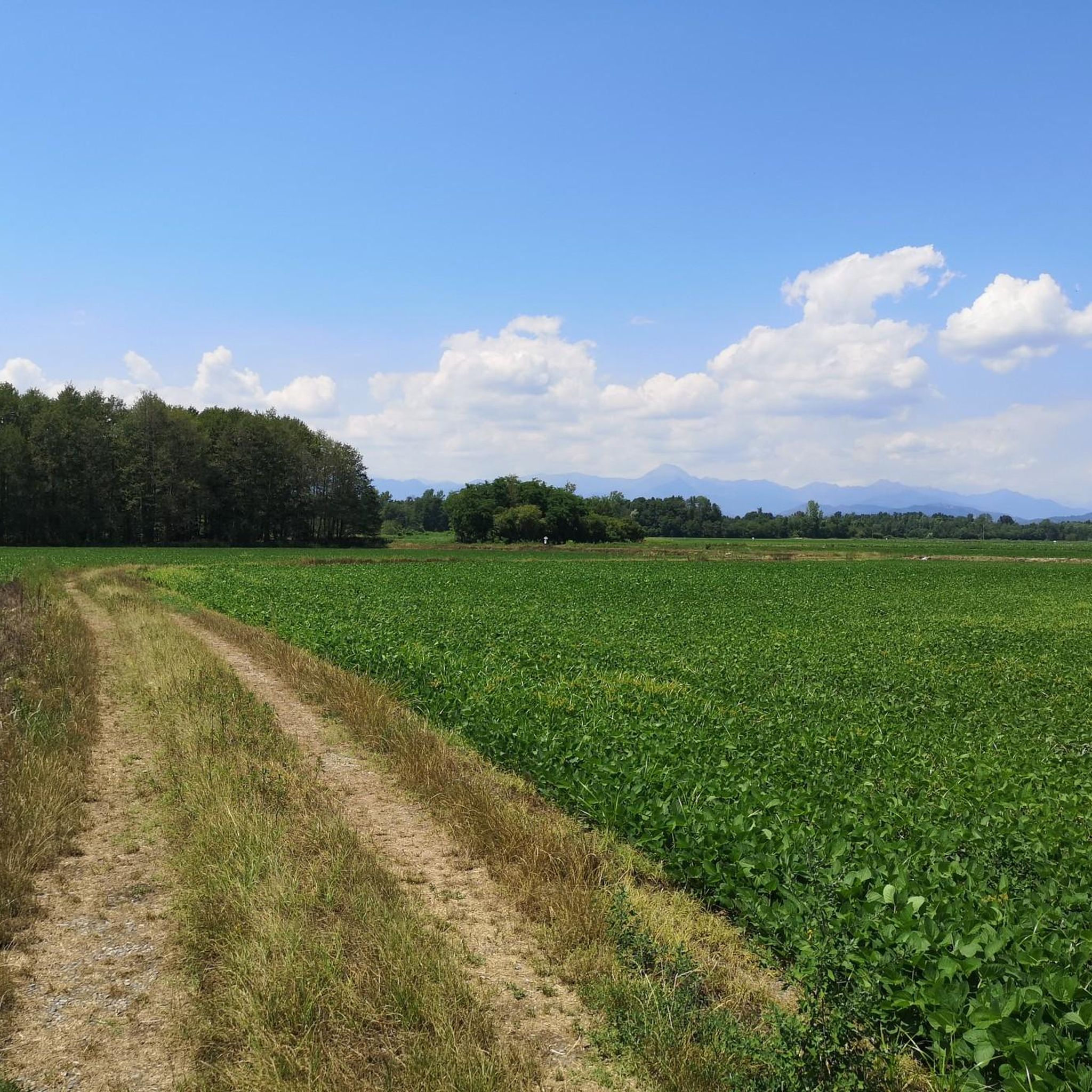
The Lame del Sesia park extends over an area of approximately 900 hectares along a stretch of almost 8 kilometers of the Sesia river, located between the provinces of Novara and Vercelli. The river environment, enriched by blades, meanders, bodies of water, woods, gravels and sands, constitutes an important natural oasis in stark contrast to the surrounding landscape characterized by rice monoculture.
2
0

The pro castle was part of the defensive complex built during the 12th century by the counts of Biandrate.
1
0
The partisans of the "Volante Loss" brigade, active throughout the Novara area and Valsesia between 1943 and 1945, had their hideouts and bases on the Novara Hills. The Bergamina farmhouse, which stands alone, was a particularly frequented and safe place for them. and hidden in a depression near the Strona. In support of the victims of the war and in thanks for the freedom and peace regained, the statue of the Madonnina was erected in the weeks immediately following April 25, 1945, sculpted in Candoglia marble by the sculptor Malerba of the Fabbrica del Duomo of Milan. The image was solemnly inaugurated on the first Sunday of August 1945. Video by FAI: https://m.facebook.com/FAIGruppoCollineNovaresi/videos/bergamina-di-sizzano-un-luogo-legato-alla-seconda-guerra-mondiale/456994452182655/
1
0
Source and more info: https://www.comune.briona.no.it/it-it/vivere-il-comune/cosa-vedere/pieve-di-proh-17325-1-9b24ddef6e013c7cf2d9d591cba3d090
1
3
For reasons of defense of men and products, the parish territory therefore saw the flourishing of castles and fortifications, a strong point of a civil and social nature, where the effective exercise of local power took place. Here the network of fortifications of the parish territory was organized by the Counts of Biandrate for strategic reasons and for better control over the territory, crops, products and men.
1
3
Frequently Asked Questions
What historical sites can I explore in and around Arborio?
Arborio and its surroundings offer a rich history. Within Arborio, you can visit the Parish Church of San Martino, a round church dating back to 1769, and the Oratory of San Sebastiano, known for its 15th-century frescoes. Traces of an ancient castle and *ricetto* (fortified village) also remain. Further afield, consider visiting Castello di Proh, a historical site in the Novara hills undergoing restoration, or the Abbey of San Nazzaro, a complex with structures from various historical periods, including a bell tower that was originally a watchtower.
Are there any natural parks or areas of natural beauty near Arborio?
Yes, the region is characterized by its natural waterways and rice paddies. A significant natural attraction is Lame del Sesia Natural Park, which extends along the Sesia river. This park features a fluvial environment with blades, meanders, and woods, offering a natural oasis that contrasts with the surrounding rice monoculture. Arborio itself is nestled between the Sesia River and the Marchiazza stream, with other local streams like Torrente Dondoglio and Roggia Molinara.
What outdoor activities can I do near Arborio?
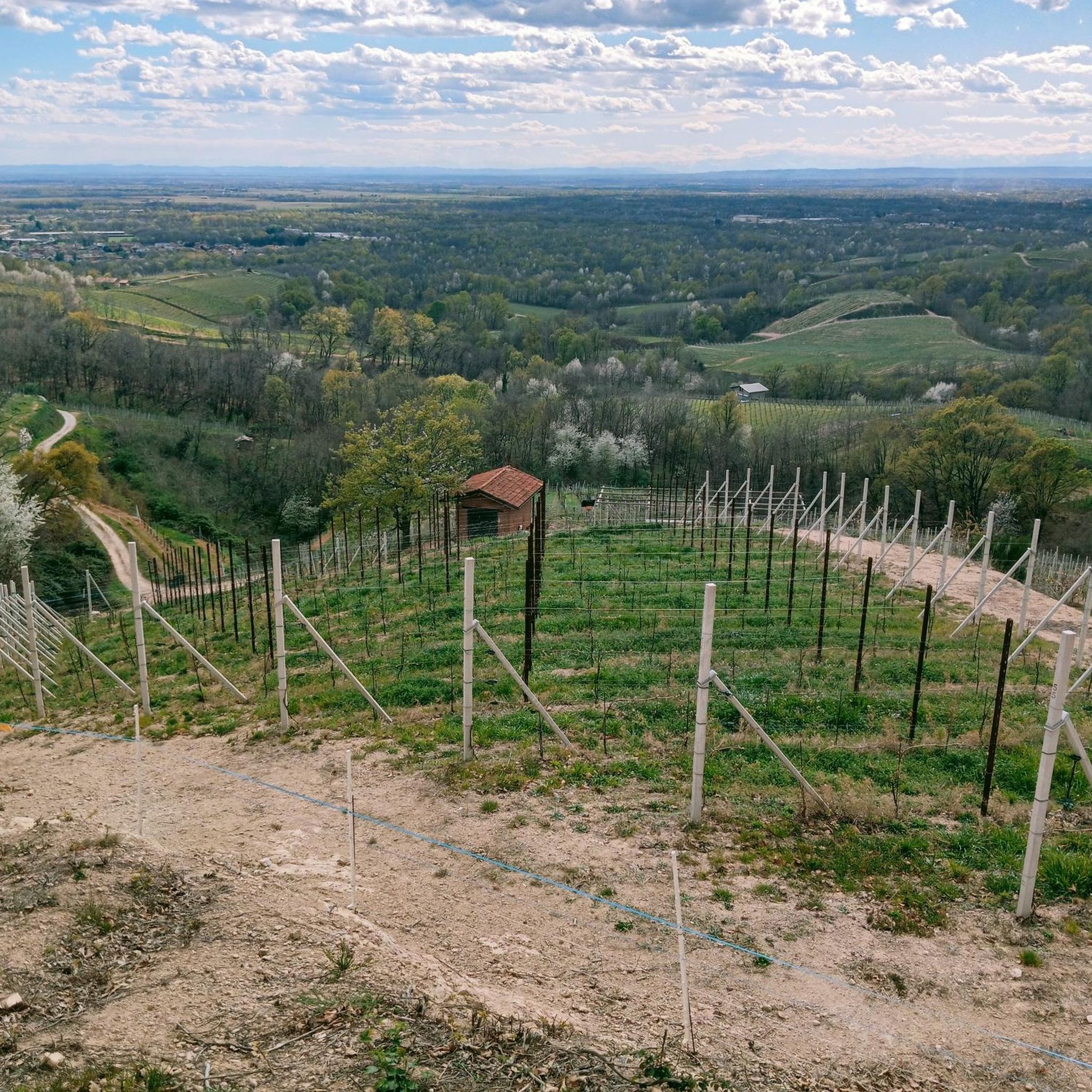
The flat terrain and natural landscapes around Arborio are ideal for various outdoor activities. You can find numerous routes for hiking, mountain biking, and gravel biking. For hiking, explore trails like the 'Sentiero Novara Stage 2: From Casaleggio to San Nazzaro' or the 'Wild Lily – View of the Sesia Riverbed loop from Carpignano Sesia'. Mountain biking options include the 'Sesia River – Enoteca Regionale di Gattinara loop from Arborio'. For gravel biking, consider the 'Castello di Proh – Vineyard of the Giant Pencils loop from Sizzano'. You can find more details and routes in the dedicated guides for hiking, MTB, and gravel biking around Arborio.
Are there family-friendly attractions or activities in the Arborio area?
Many of the natural and historical sites around Arborio are suitable for families. Lame del Sesia Natural Park is a great place for families to explore the river environment and observe nature. Historical sites like Castello di Proh and the Abbey of San Nazzaro offer educational opportunities. The extensive rice paddies also provide unique landscapes for gentle walks or bike rides, allowing families to experience the agricultural heritage of the region.
When is the best time to visit Arborio, especially to see the rice fields?
The best time to visit Arborio, particularly to appreciate the famous rice fields, is typically from late spring to early autumn. In late spring (May-June), the fields are flooded, creating vast reflective surfaces. During summer (July-August), the rice plants grow lush and green, offering a vibrant landscape. In early autumn (September), the fields turn golden as the rice ripens, leading up to the harvest. Each season offers a unique perspective on this defining agricultural feature.
Can I find any unique religious buildings or art in the area?
Absolutely. The Oratory of San Sebastiano just outside Arborio is notable for its 15th-century frescoes depicting scenes from the Passion of Christ. Another significant site is the Oratory of Saint Bernard della Mora, located near Briona. This oratory features a completely frescoed interior with 15th-century paintings, including a superb example of French-style painting and late Gothic works by Giovanni and Luca De Campo. The Abbey of San Nazzaro also presents a complex of structures from different historical periods, reflecting centuries of religious and architectural evolution.
What is the significance of the rice paddies around Arborio?
The rice paddies are a defining natural and agricultural feature of the Arborio region. This area is renowned for its rice production, particularly the Arborio variety, which is widely used for risotto. The flat, irrigated landscape of the rice paddies is not only economically important but also creates a unique and picturesque environment, especially during the different stages of rice cultivation, from flooded fields to golden harvests.
Are there any memorials or sites related to more recent history?
Yes, the Madonnina di Bergamina Memorial, also known as 'Bergamina', is a significant site. It commemorates the partisans of the "Volante Loss" brigade, active in the Novara area during WWII. The Bergamina farmhouse served as a hideout for them. The statue of the Madonnina was erected shortly after April 25, 1945, in support of war victims and in thanks for regained freedom and peace. It's a place for reflection and to appreciate the region's recent history.
What kind of landscapes can I expect to see when visiting Arborio?
Arborio is situated in a predominantly flat territory, characterized by its position between the Sesia River and the Marchiazza stream. The landscape is largely defined by extensive rice paddies, which create a unique agricultural mosaic. You'll also encounter riverine environments, particularly within the Lame del Sesia Natural Park, featuring meanders, bodies of water, and woods. The broader region includes the gentle undulations of the Novara hills, offering a diverse visual experience.
Are there opportunities for long-distance cycling or gravel biking near Arborio?
Yes, the flat and varied terrain around Arborio is well-suited for longer cycling adventures, including gravel biking. Routes like the 'Castello di Barengo – Briona Castle loop from Ghislarengo' (70 km) or the 'Castello di Proh – Vineyard of the Giant Pencils loop from Sizzano' (73 km) offer extensive rides through the landscape, combining historical sites with natural beauty. These routes often traverse agricultural areas and quieter roads, perfect for gravel biking enthusiasts. More options can be found in the Gravel biking around Arborio guide.
What are some of the lesser-known historical gems in the vicinity?
Beyond the more prominent sites, the Oratory of Saint Bernard della Mora is a true gem, showcasing exquisite 15th-century frescoes. While Castello di Proh is gaining recognition through its cultural park project, its ongoing recovery means it's still a place where you can witness history in the making. The remnants of Arborio's own ancient castle and *ricetto* also offer a glimpse into medieval architecture and local history that might be less frequented.
Most popular routes around Arborio
Most popular attractions around Arborio

Get inspired with the komoot mobile app


Explore more
Still not found the Highlight you’re looking for? See guides of the top attractions in other regions:
