The 17 Most Amazing Peaks around Borgosesia
Mountain peaks around Borgosesia, located in Italy's Valsesia valley within the Piedmont region, offer a diverse range of outdoor experiences. This area serves as a gateway to both challenging alpine ascents and more accessible scenic hikes. The region is characterized by its natural landscapes, including parts of the Monte Rosa massif, and provides numerous opportunities for panoramic views. Visitors can explore a variety of trails and summits, from high-altitude climbs to local day hikes.
Best mountain peaks around Borgosesia
- The…
Last updated: May 11, 2026
Monte Fenera summit and summit cross
Highlight • Summit
Translated by Google •
Tip by

Santuario Madonna del Sasso
Highlight • Religious Site
Translated by Google •
Tip by

Sign up now to discover places like this
Get recommendations on the best single tracks, peaks, & plenty of other exciting outdoor places.
Sign up for free
Bec d'Ovaga
Highlight • Summit
Translated by Google •
Tip by

Rifugio Spanna-Osella
Highlight • Mountain Hut
Translated by Google •
Tip by

Summit of Monte Barone
Highlight • Summit
Translated by Google •
Tip by

Sign up for free to discover even more peaks around Borgosesia.
Sign up for free
Already have an account?
Start today with a free account
Your next adventure awaits.
Login or Signup
Tips from the Community

Chapel, refuge and on the left, the white dot, is the summit cross.
0
0

Summit.... Breathtaking view
0
0

small chapel with a cross at the top
0
0

Breathtaking view of Lake Orta, from up there you can see everything, Mottarone, Omegna, Orta San Giulio etc etc
0
0

nice place also great for pet picnic
0
0

My favorite route for both "training" climbs (when I was young) and, more frequently, to enjoy a climb all through the woods, therefore bearable even in July-August, with the arrival at the refuge that instead opens up to the eyes an unexpected panorama over a good stretch of the lower Valsesia. The climb to the summit, behind the refuge, then reveals, on clear days, M. Rosa and many other peaks. I tried two excursions, starting from the refuge. The first, continue to sella Vazzosa (short exposed sections, be very careful!) and then to Massale, then always on a trail on the crest to Castello del Gavala, there be very careful for short exposed sections and to find the right passage to descend from the summit to the path just below that will lead to Luotto and finally to Tovo or even just to sella Rosetta, and then go to the Gilodi-Ca'Mea refuge. Many km and altitude difference (1700 m approx.), to be organized in company and with two cars, one in Casavei and the other in Ca' Mea, with a lot of necessary training. An easier tour of approx. 1050 m of altitude difference, but which requires a good sense of direction, maps and GPS, is to go down the southern ridge in front of the Spanna refuge, always continue without going down the sides, paying attention to some rare paint on the trunks, until you come across a dirt road at an altitude of 1250, at the hairpin bend, not far from Alpe Passarina. From there the dirt road leads to Sella di Parone and finally to Casavei, altitude difference reduced to approx. 850 m. But at that storm the adventure becomes beautiful by leaving the dirt road and taking a path, always vs. south and remaining on the crest (wooded), which leads below partly maintained and partly ruined mountain pastures, first to Arcacce, from which you leave the crest to turn left and then find Tereggia, Pometto, Uccello alps, descending to the dirt road of Pra Personale that leads to Locarno, from there go back up to Casavei, and it is this climb to Casavei/Narpone that brings the difference in altitude to about 1050-1060 m Almost absolutely to be done with those who have already done this descent as it is easy to get lost. I did it and discovered it a first time with a few mistakes and retraced my steps to then find the right passages, all easy and always on wooded slopes, since then I have memorized it and once every year or two it gives me great satisfaction to do this ring again. Get a Geo4Map map n.2
0
0
I don't count the times... everything is easy, pay attention from the refuge to the summit, a few meters here and there of steep rock, no stumbling or getting distracted, very dangerous. Done well, however, it is for everyone. I have done the return trip several times along the southern ridge, right in front of the refuge, rare signs for almost 400 meters of altitude difference, stay on the ridge on the back of the ridge until you exit at 1250 meters of altitude on the road that ends on the right at Alpe Passarina and on the left goes down to Selle di Parone and further on to Casavei. Instead of going down the road, I have taken the path several times (on the hairpin bend where it comes out) that, here too, staying on the back of the ridge, turning left when it ends, and paying attention to the few signs on the plants, goes down to the ancient Arcacce Alps, then Pometto (ruins), Uccello (ruins), Pra, where the dirt road begins and some renovated farmhouses, then Parone etc.
1
0
Of this mountain, after well over a hundred climbs, I know all the sides, it's a shame that some of the slopes inside the Val Sessera, e.g. the one for Rattarun and then Alpe Boscoso then climbing to Navagli and Alpe Campo and Cima ... are, for some stretches in the lower valley, a bit swallowed up by vegetation. The normal route from Ciota to the refuge is very popular, but for example the descent via Spelonca-Cascinetta still offers a nice ring that is more "wild" and very little frequented.
1
0
Frequently Asked Questions
What are some accessible mountain peaks near Borgosesia for day hikes?
For a rewarding day hike without extreme technical difficulty, consider Monte Tovo, located directly above Borgosesia. An easy trail leads to its summit from Foresto, a hamlet of Borgosesia, offering woodlands, mountain pastures, and a mountain hut near the top. Another option is Monte San Grato, a local peak popular for exploring historical pathways and charming hamlets, with a church at its summit.
Which mountain peaks offer the best panoramic views around Borgosesia?
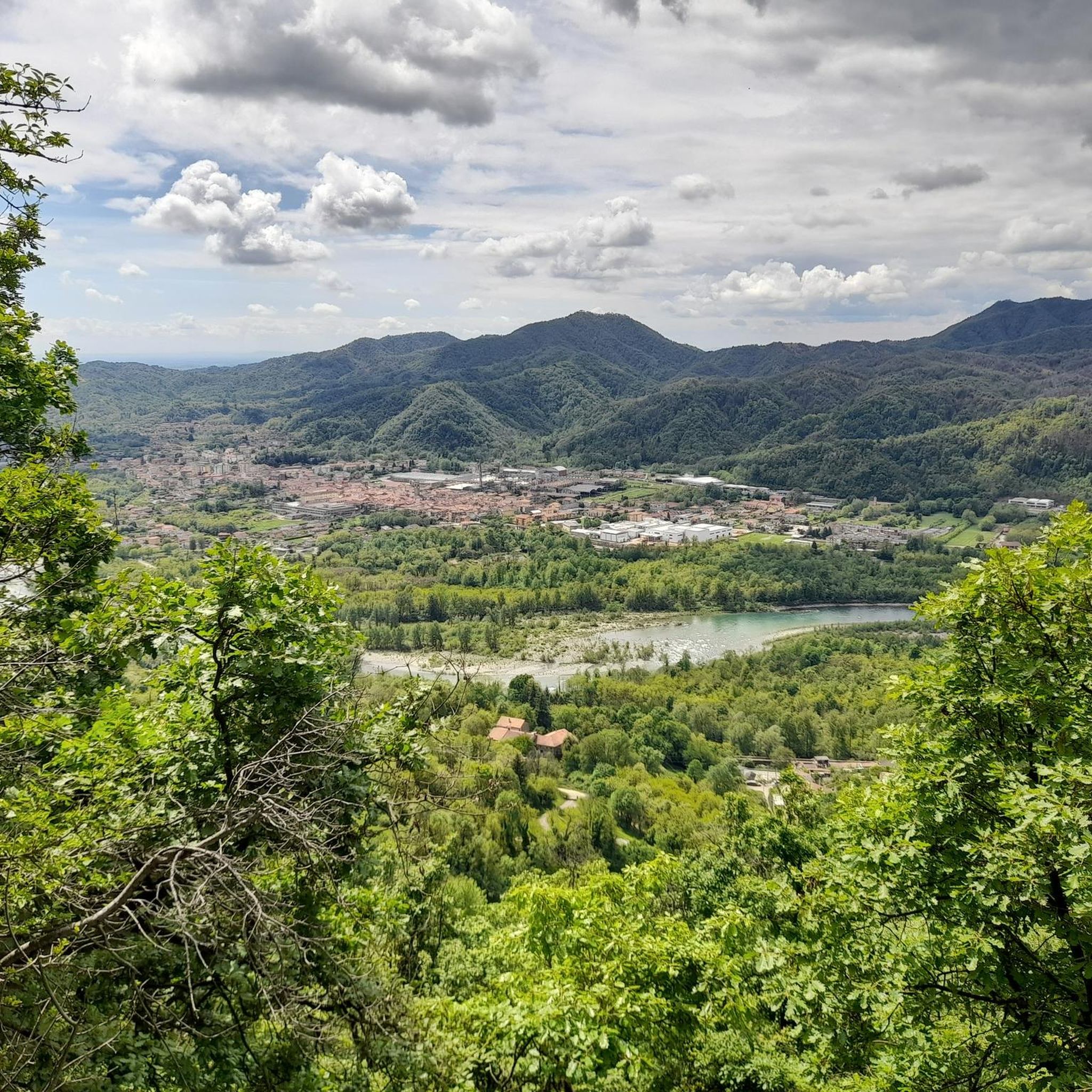
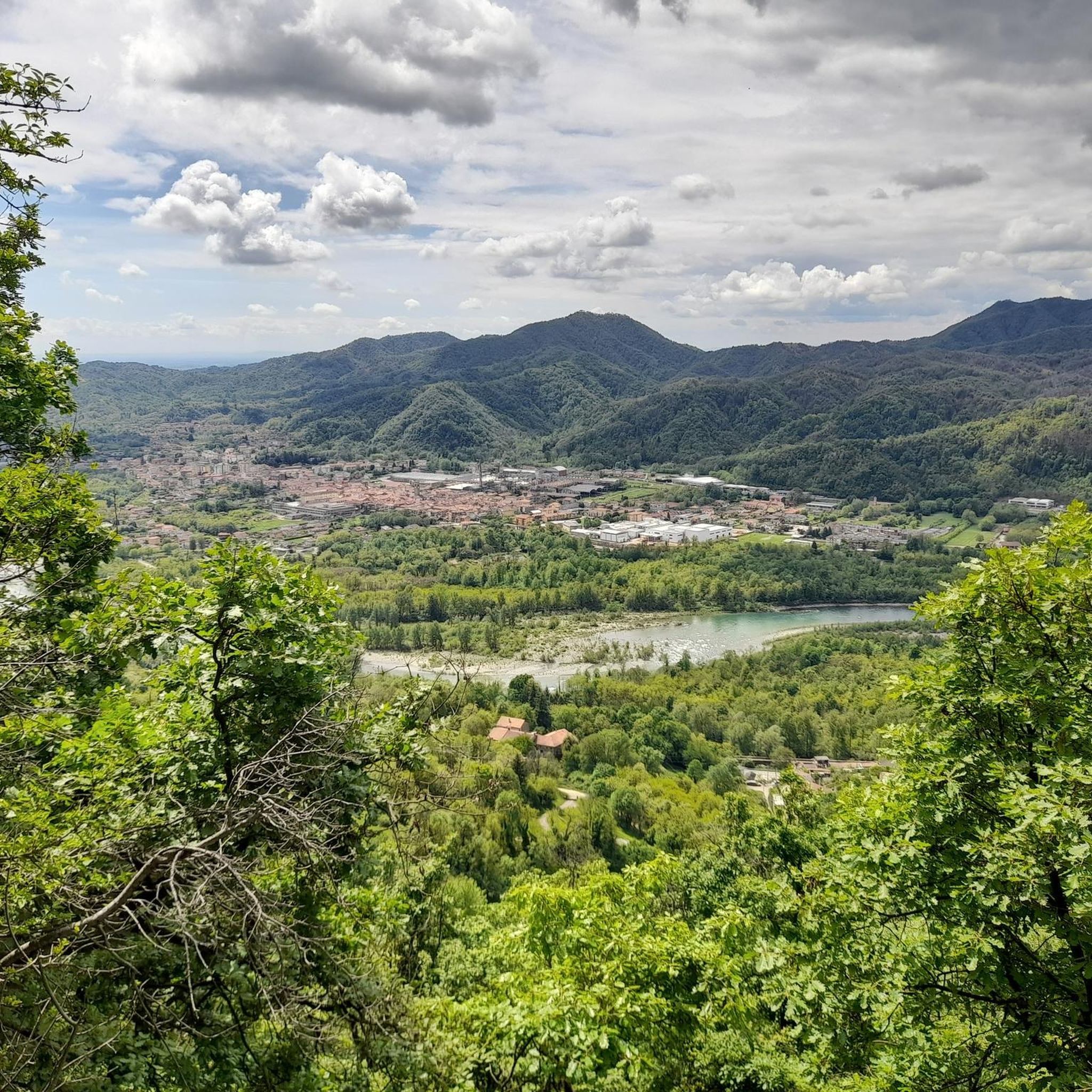
For truly spectacular panoramic views, Mottarone, though a bit further afield, offers 360-degree vistas encompassing the Maritime Alps, Monte Rosa massif, Swiss Alps, and seven lakes including Maggiore and Orta. Closer to Borgosesia, the summit of Monte Fenera provides a beautiful panorama of Valsesia and views of Monte Rosa. Bec d'Ovaga also offers an exceptional panorama extending over the entire Valsesia and the eastern side of Monte Rosa, as well as several lakes.
Are there challenging alpine peaks accessible from the Borgosesia area?
Yes, the Valsesia valley, where Borgosesia is located, is a gateway to the majestic Monte Rosa massif. Peaks like Punta Gnifetti (4,554 m), Punta Parrot (4,432 m), and Ludwigshöhe (4,342 m) are renowned for their high-altitude alpine environments and challenging climbs, making them a paradise for experienced mountaineers. The area around Alagna Valsesia provides access to lifts and mountain huts for those looking to explore the higher reaches.
What kind of outdoor activities can I do near the mountain peaks around Borgosesia?
The region around Borgosesia offers a wide range of outdoor activities. Beyond hiking and mountaineering, you can explore various cycling routes. For mountain biking, check out the MTB Trails around Borgosesia, which include routes like the 'Trail 747 – Sella Crosiggia – Oratory of St. Gratus loop'. Road cyclists can find challenging routes such as the 'Vineyards of Traversagna – View of Isola Bella loop' in the Road Cycling Routes around Borgosesia guide. For general cycling, the Cycling around Borgosesia guide features routes like the 'Panoramic view of Lake Orta – View from Mottarone Summit loop'.
What is the best time to visit the mountain peaks near Borgosesia?
The best time to visit depends on your activity. For hiking and trekking in the lower and mid-altitude peaks like Monte Tovo, the warmer months from late spring to early autumn (May to October) are ideal. For high-alpine mountaineering in the Monte Rosa massif, summer (July and August) offers the most favorable conditions. Winter transforms the higher areas into a destination for skiing and freeriding, particularly around Alagna Valsesia.
Are there any religious or historical sites on or near the mountain peaks?
Yes, the Santuario Madonna del Sasso is a notable religious building and viewpoint that offers a challenging but rewarding climb with views from almost all along the lake. Additionally, Monte San Grato features an eponymous church at its summit, accessible via ancient trails and mule tracks, offering a blend of natural beauty and historical exploration.
Which mountain peaks are recommended for experienced hikers looking for a challenge?
Experienced hikers seeking a challenge should consider the high-altitude peaks of the Monte Rosa massif, which offer some of Europe's most demanding climbs. Closer to Borgosesia, the final section leading to the summit of Monte Fenera is described as very hard, testing your physique with peaks of well over 20% gradient. The ascent to the Summit of Monte Barone is also a popular and challenging route.
What do visitors say about the views from the mountain peaks around Borgosesia?
Visitors consistently praise the spectacular panoramas. For instance, the summit of Monte Fenera is noted for its beautiful views of Valsesia and Monte Rosa. From Bec d'Ovaga, the panorama is exceptional, extending over the entire Valsesia, the eastern side of Monte Rosa, and several lakes. The Rifugio Spanna-Osella also offers an unexpected panorama over a good stretch of the lower Valsesia.
Are there mountain huts or refuges available near the peaks?
Yes, there are mountain huts in the region. Near Monte Tovo, there is a mountain hut (Rifugio Monte Tovo) often open on Sundays. The Rifugio Spanna-Osella is a nice refuge located at Bec d'Ovaga, providing a place for refreshment and a starting point for further exploration. The Monte Rosa massif also has numerous mountain huts, especially around Alagna Valsesia, supporting high-altitude expeditions.
Can I find trails with significant elevation gain near Borgosesia?
Absolutely. Many peaks in the region offer substantial elevation gains. For example, the hike to Monte Tovo involves an elevation gain of approximately 860 meters. For more significant ascents, the routes leading to the Summit of Monte Barone (2044m) and the various peaks of the Monte Rosa massif provide considerable challenges and elevation changes suitable for experienced hikers and mountaineers.
What makes the Valsesia region, near Borgosesia, unique for mountain enthusiasts?
The Valsesia region, often called 'the greenest part of Italy,' offers a unique blend of natural grandeur and cultural heritage. It provides access to the towering giants of the Monte Rosa massif, offering world-class mountaineering and skiing, while also featuring more accessible local peaks for hiking. The region is characterized by vast glaciers, dramatic landscapes, and opportunities for various outdoor activities, including trekking through alpine meadows and water sports in the Sesia River. Eight stages of the CAI Italia Trail also cross the Valsesia.
Most popular routes around Borgosesia
Most popular attractions around Borgosesia

Get inspired with the komoot mobile app


Explore more
See even more amazing summits around Borgosesia with these guides:
