Attractions and Places To See around Scopa - Top 20
Attractions and places to see around Scopa, a comune in Italy's Piedmont region, offer a blend of cultural and natural exploration. Located in the Province of Vercelli, Scopa is situated near the Italian Alps, suggesting proximity to diverse natural landscapes. The area provides opportunities to explore historical sites, religious buildings, and panoramic viewpoints.
Best attractions and places to see around Scopa
- The most popular attractions is Sacro Monte di Varallo, a religious building that portrays the story of Jesus…
Last updated: August 16, 2026
Sacro Monte di Varallo
Highlight • Religious Site
If you want to …
Translated by Google •
Tip by

Bec d'Ovaga
Highlight • Summit
Translated by Google •
Tip by

Sign up now to discover places like this
Get recommendations on the best single tracks, peaks, & plenty of other exciting outdoor places.
Sign up for free
Chapel of Our Lady of Loreto
Highlight • Religious Site
Translated by Google •
Tip by

Rifugio Spanna-Osella
Highlight • Mountain Hut
Translated by Google •
Tip by

Mastallone Bridge
Highlight • Bridge
Translated by Google •
Tip by
Sign up for free to discover even more attractions around Scopa.
Sign up for free
Already have an account?
Start today with a free account
Your next adventure awaits.
Login or Signup

Tips from the Community

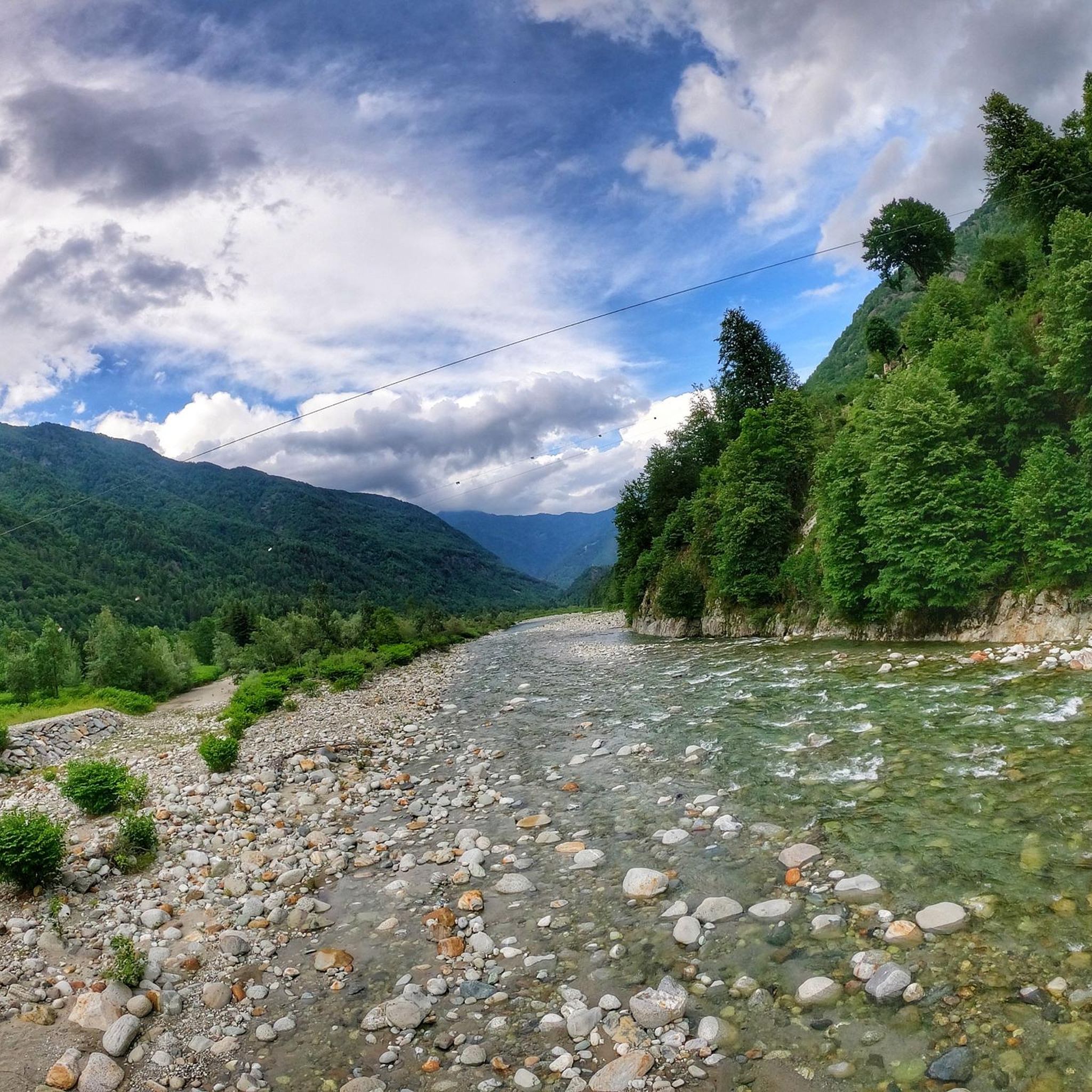
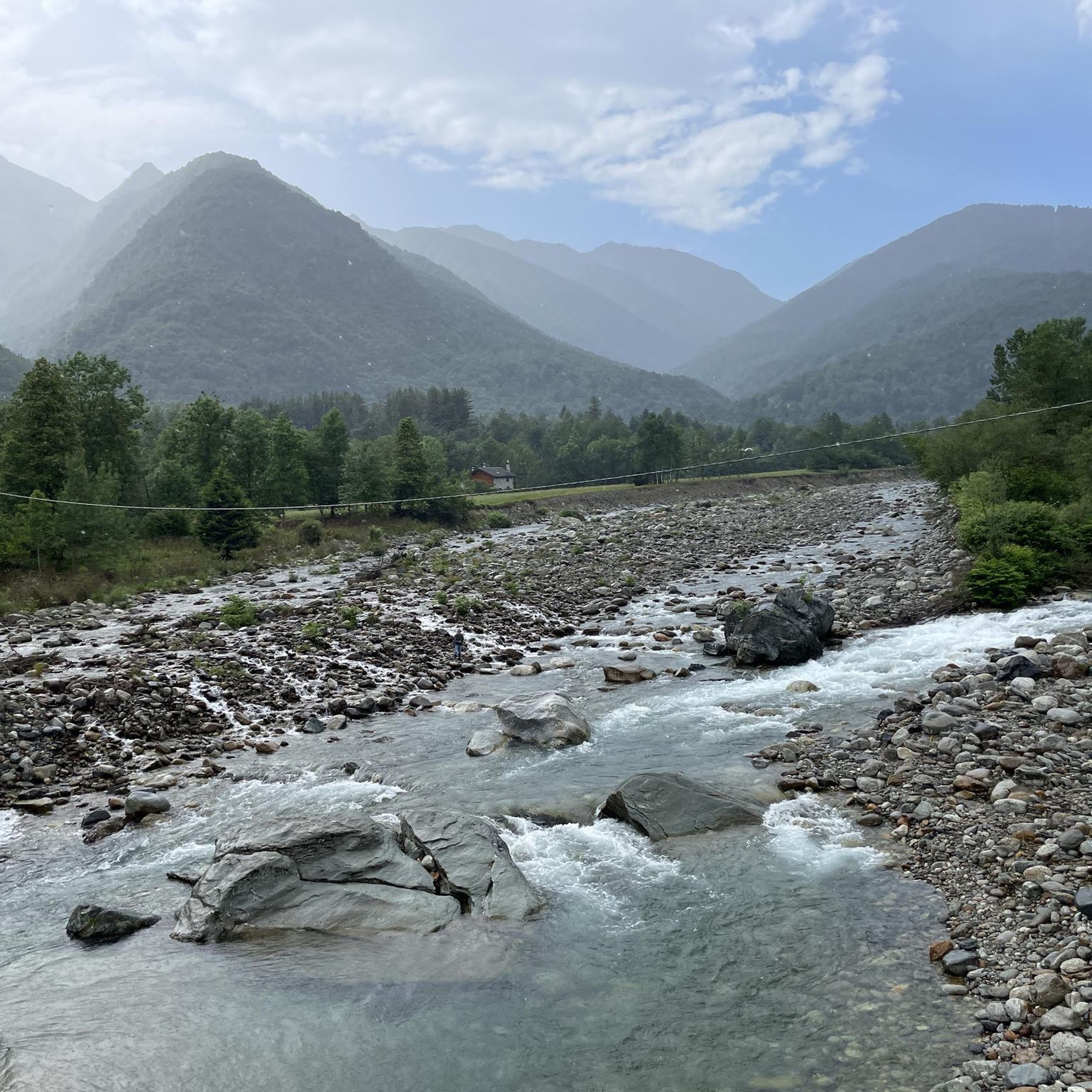
crosses the Mastallone stream
0
0
masterpiece of the Renaissance with frescoes by Gaudenzio Ferrari
0
0

The Ponte della Gula, located in Varallo Sesia in the Val Mastallone, is an ancient medieval humpbacked stone structure, suspended about 30-35 meters above the stream.
6
0

Chapel, refuge and on the left, the white dot, is the summit cross.
0
0
bridge named after General Antonini over the Mastallone stream
1
1

The German-language television series "Treasures of the World - Heritage of Humanity" – which I highly recommend – is dedicated to short film segments on UNESCO World Heritage sites from all continents and eras. This includes the "Sacri Monti" in northern Italy (there are eight of these "Sacred Mountains" in Piedmont, and a ninth in Lombardy), which are presented to culture-loving viewers in a 15-minute segment. This can be accessed in the ARD Media Library at the following link =>> https://www.ardmediathek.de/video/schaetze-der-welt/heilige-berge-in-piemont-italien-folge-396/3sat/Y3JpZDovL3N3ci5kZS84ODgxMzc2
0
0

My favorite route for both "training" climbs (when I was young) and, more frequently, to enjoy a climb all through the woods, therefore bearable even in July-August, with the arrival at the refuge that instead opens up to the eyes an unexpected panorama over a good stretch of the lower Valsesia. The climb to the summit, behind the refuge, then reveals, on clear days, M. Rosa and many other peaks. I tried two excursions, starting from the refuge. The first, continue to sella Vazzosa (short exposed sections, be very careful!) and then to Massale, then always on a trail on the crest to Castello del Gavala, there be very careful for short exposed sections and to find the right passage to descend from the summit to the path just below that will lead to Luotto and finally to Tovo or even just to sella Rosetta, and then go to the Gilodi-Ca'Mea refuge. Many km and altitude difference (1700 m approx.), to be organized in company and with two cars, one in Casavei and the other in Ca' Mea, with a lot of necessary training. An easier tour of approx. 1050 m of altitude difference, but which requires a good sense of direction, maps and GPS, is to go down the southern ridge in front of the Spanna refuge, always continue without going down the sides, paying attention to some rare paint on the trunks, until you come across a dirt road at an altitude of 1250, at the hairpin bend, not far from Alpe Passarina. From there the dirt road leads to Sella di Parone and finally to Casavei, altitude difference reduced to approx. 850 m. But at that storm the adventure becomes beautiful by leaving the dirt road and taking a path, always vs. south and remaining on the crest (wooded), which leads below partly maintained and partly ruined mountain pastures, first to Arcacce, from which you leave the crest to turn left and then find Tereggia, Pometto, Uccello alps, descending to the dirt road of Pra Personale that leads to Locarno, from there go back up to Casavei, and it is this climb to Casavei/Narpone that brings the difference in altitude to about 1050-1060 m Almost absolutely to be done with those who have already done this descent as it is easy to get lost. I did it and discovered it a first time with a few mistakes and retraced my steps to then find the right passages, all easy and always on wooded slopes, since then I have memorized it and once every year or two it gives me great satisfaction to do this ring again. Get a Geo4Map map n.2
0
0

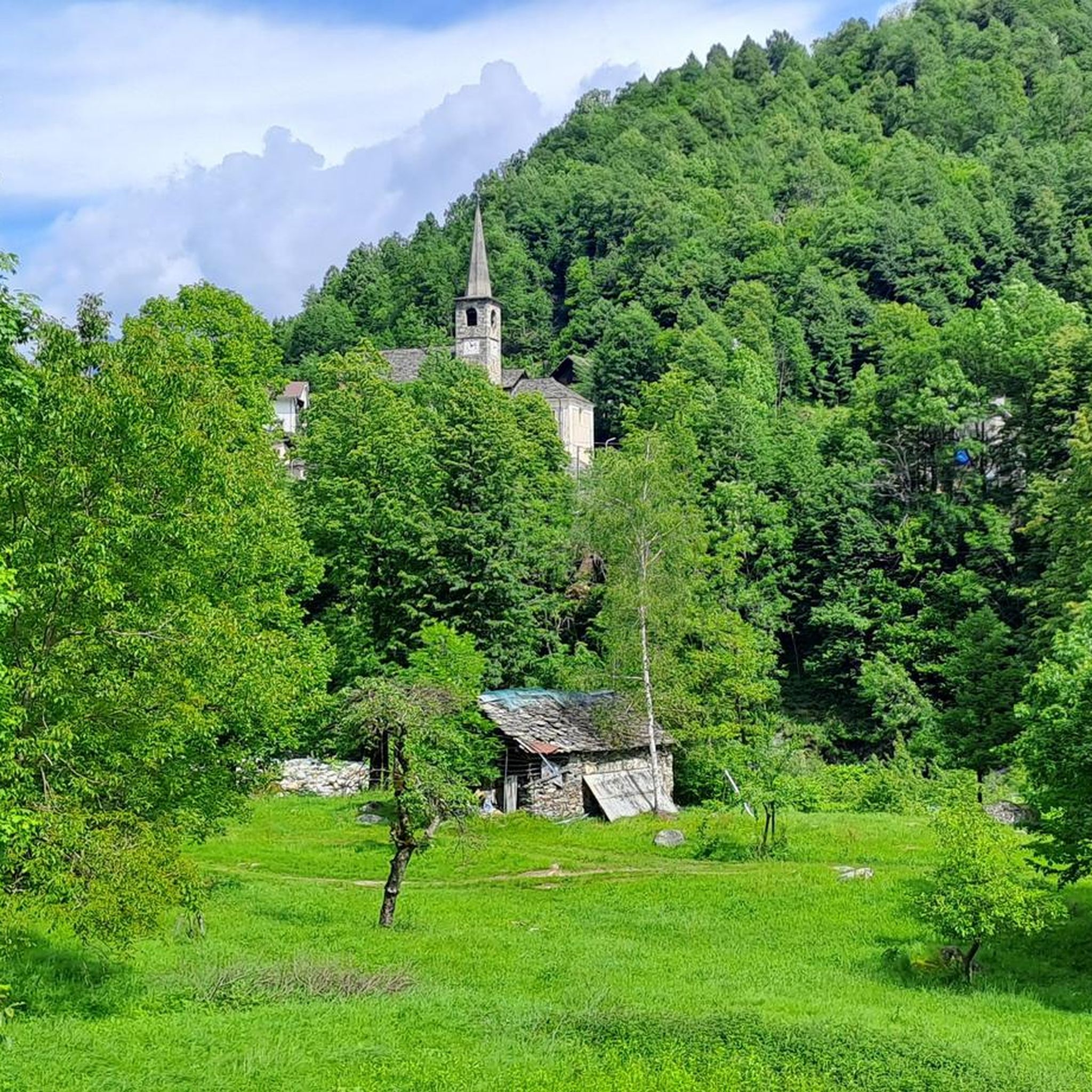
The sacred mountain presents itself as a fascinating garden-park and a majestic rural Via Crucis, which winds along the slope of a hill. At the same time, it resembles a fortified city, with mighty walls, a monumental entrance gate and two squares that evoke ancient Jerusalem. However, people do not live here, but paintings and statues. On this rocky spur above Varallo, at the end of the 15th century, the Franciscan friar Bernardino Caimi designed a small holy land: a series of rural buildings that reproduce the most significant places in the life of Christ, animated by sculpted and painted scenes, created starting in 1486.
2
0
Frequently Asked Questions
What kind of cultural and historical sites can I explore around Scopa?
The region around Scopa offers several cultural and historical attractions. You can visit the Sacro Monte di Varallo, a UNESCO World Heritage site featuring 45 chapels depicting the life of Jesus Christ with over 800 figures. Another significant historical site is the Church of Sant'Antonio Abate in Quarona, a 17th-century religious building. Additionally, the Mastallone Bridge in Varallo Sesia is an ancient medieval stone structure worth seeing.
Where can I find the best panoramic views of the Valsesia and Monte Rosa near Scopa?
For exceptional panoramic views, head to Bec d'Ovaga. From its summit, you can see the entire Valsesia and the eastern side of Monte Rosa, along with other distant peaks. Nearby, the Rifugio Spanna-Osella also offers an unexpected panorama over a good stretch of the lower Valsesia, with Monte Rosa visible from the summit behind the refuge on clear days.
Are there family-friendly attractions around Scopa?
Yes, several attractions are suitable for families. The Sacro Monte di Varallo is considered family-friendly, offering an engaging historical and religious experience. The Church of Sant'Antonio Abate in Quarona and the historic Mastallone Bridge are also family-friendly sites that provide cultural insights.
What kind of hiking trails are available near Scopa?
The area around Scopa offers a variety of hiking trails. You can find routes ranging from easy to difficult. For example, the 'Scopa Art Trail' is a moderate option, while the 'Monte Ventolaro Trail from Scopa' and 'Il Badile Trail (Route 223)' are considered difficult. You can explore more hiking options on the Hiking around Scopa guide page.
Can I go mountain biking or gravel biking near Scopa?
Absolutely! There are numerous routes for both mountain biking and gravel biking. For mountain biking, you can find challenging routes like 'Tour tra Valsesia e Val Sorba' or 'Da Pila all'Alpe Pizzo', as well as moderate options like the 'Balmuccia-Alagna Cycle Path'. Gravel biking also offers diverse routes, including the 'Valmaggiore Loop' and 'Novareia Sanctuary loop'. Discover more details on the MTB Trails around Scopa and Gravel biking around Scopa guide pages.
What is the difficulty level of trails leading to viewpoints like Bec d'Ovaga?
The trail to Bec d'Ovaga is considered challenging, especially the final meters to the summit which involve steep rock sections. While the overall ascent to the nearby Rifugio Spanna-Osella is intermediate, continuing to the summit requires caution due to exposed sections. Always be prepared for varied terrain and check conditions before you go.
What is unique about the Sacro Monte di Varallo?
The Sacro Monte di Varallo is unique because it 'literally' portrays the entire story of Jesus Christ through 45 chapels, each containing more than 800 lifelike plaster figures. It's a World UNESCO Heritage site that offers a deeply immersive and historical experience, requiring at least 1 to 2 hours to fully appreciate.
Are there any museums in Scopa or the immediate vicinity?
While specific museums within Scopa itself are not detailed in the guide, the broader Valsesia region, where Scopa is located, is home to cultural institutions. The 'Museo Etnografico e del Folklore Valsesiano' and the 'Museo di Storia d'Arte e d'Antichità "Don Florindo Piolo"' offer insights into local traditions, art history, and antiquities of the Valsesia region.
What do visitors particularly enjoy about the attractions around Scopa?
Visitors frequently praise the exceptional panoramic views, especially from spots like Bec d'Ovaga and Rifugio Spanna-Osella, which offer stunning vistas of Valsesia and Monte Rosa. The immersive experience at the Sacro Monte di Varallo is also highly recommended for its historical and artistic value.
What is the significance of the Mastallone Bridge?
The Mastallone Bridge, also known as Ponte della Gula, is an ancient medieval humpbacked stone structure in Varallo Sesia. It's significant for its historical architecture and its role in connecting contemporary Varallo with its past, offering picturesque views over the Mastallone stream and the Sacro Monte funicular.
Are there any easy hiking trails suitable for a relaxed walk near Scopa?
Yes, for an easier walk, you can consider the route 'From Balmuccia to Scopa (via Route 225)', which is rated as easy. This allows for a more relaxed exploration of the local area without demanding terrain. More options can be found on the Hiking around Scopa guide page.
Most popular attractions around Scopa

Get inspired with the komoot mobile app


Explore more
Still not found the Highlight you’re looking for? See guides of the top attractions in other regions:
