Attractions and Places To See around Carisio - Top 20
Best attractions and places to see around Carisio, a municipality in the Province of Vercelli, Italy, reflect its local history and natural surroundings. The area features cultural sites and natural landscapes, including lakes and morainic hills. Visitors can explore a variety of points of interest that showcase the region's heritage and geography.
Best attractions and places to see around Carisio
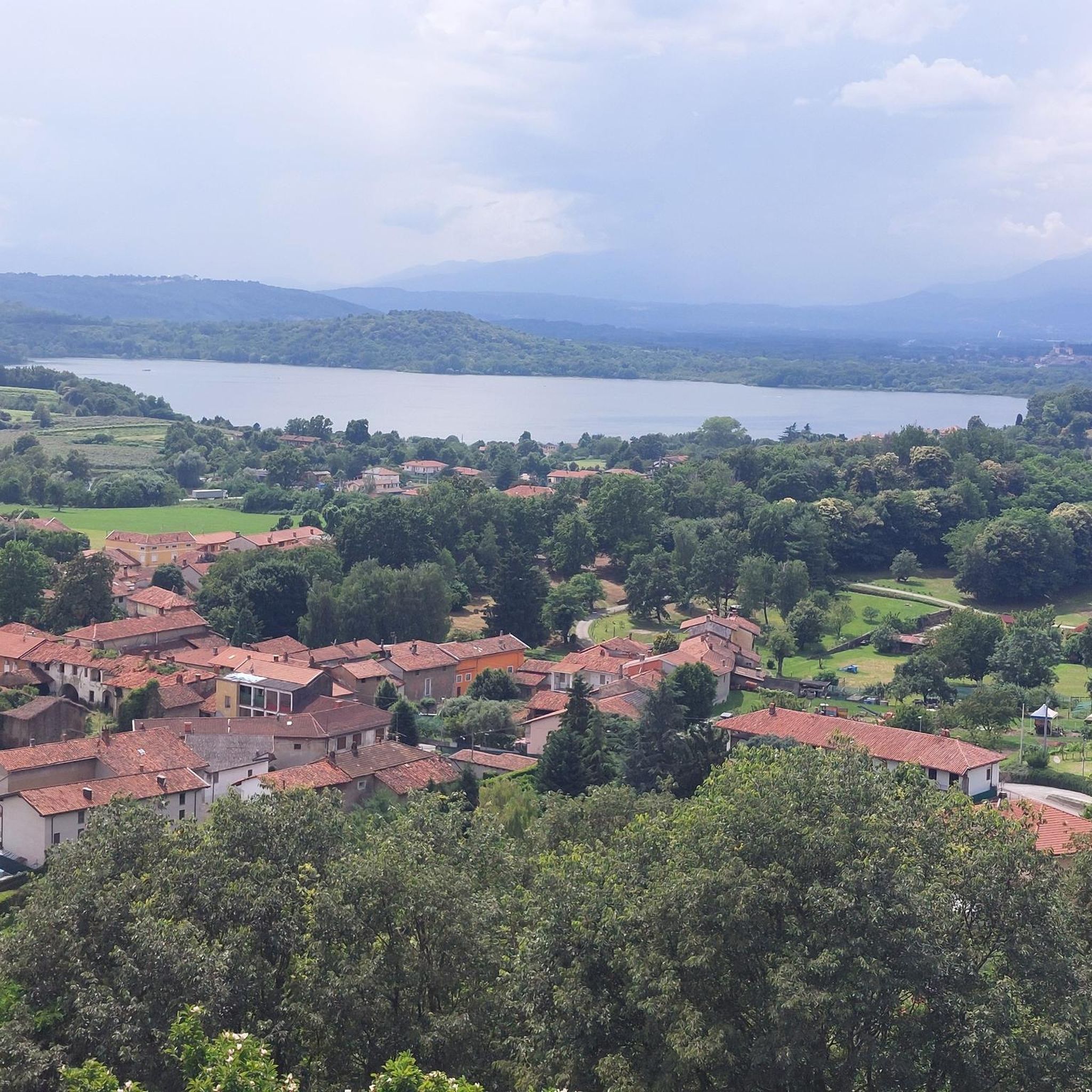
- The most popular attractions is Lake Bertignano, a lake that was formed following the retreat of the Balteo glacier.…
Last updated: May 11, 2026
Lake Bertignano
Highlight • Lake
Translated by Google •
Tip by

Parish of Saint Agatha
Highlight • Religious Site
Translated by Google •
Tip by

Sign up now to discover places like this
Get recommendations on the best single tracks, peaks, & plenty of other exciting outdoor places.
Sign up for free
Cavaglià Town Center
Highlight • Settlement
Translated by Google •
Tip by

Church of San Germano Vercellese
Highlight • Religious Site
Translated by Google •
Tip by

Olcenengo
Highlight • Settlement
Translated by Google •
Tip by
Sign up for free to discover even more attractions around Carisio.
Sign up for free
Already have an account?
Start today with a free account
Your next adventure awaits.
Login or Signup
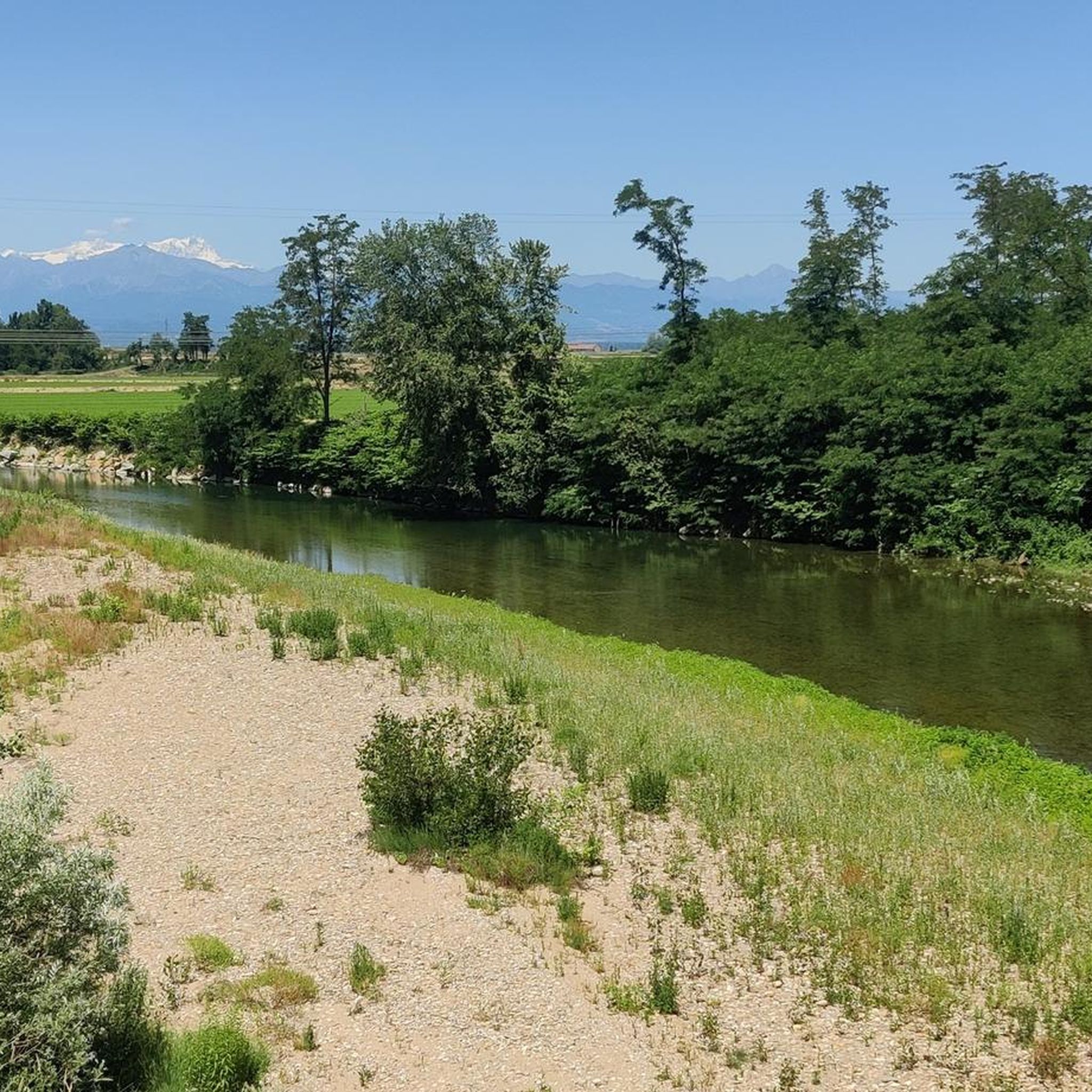
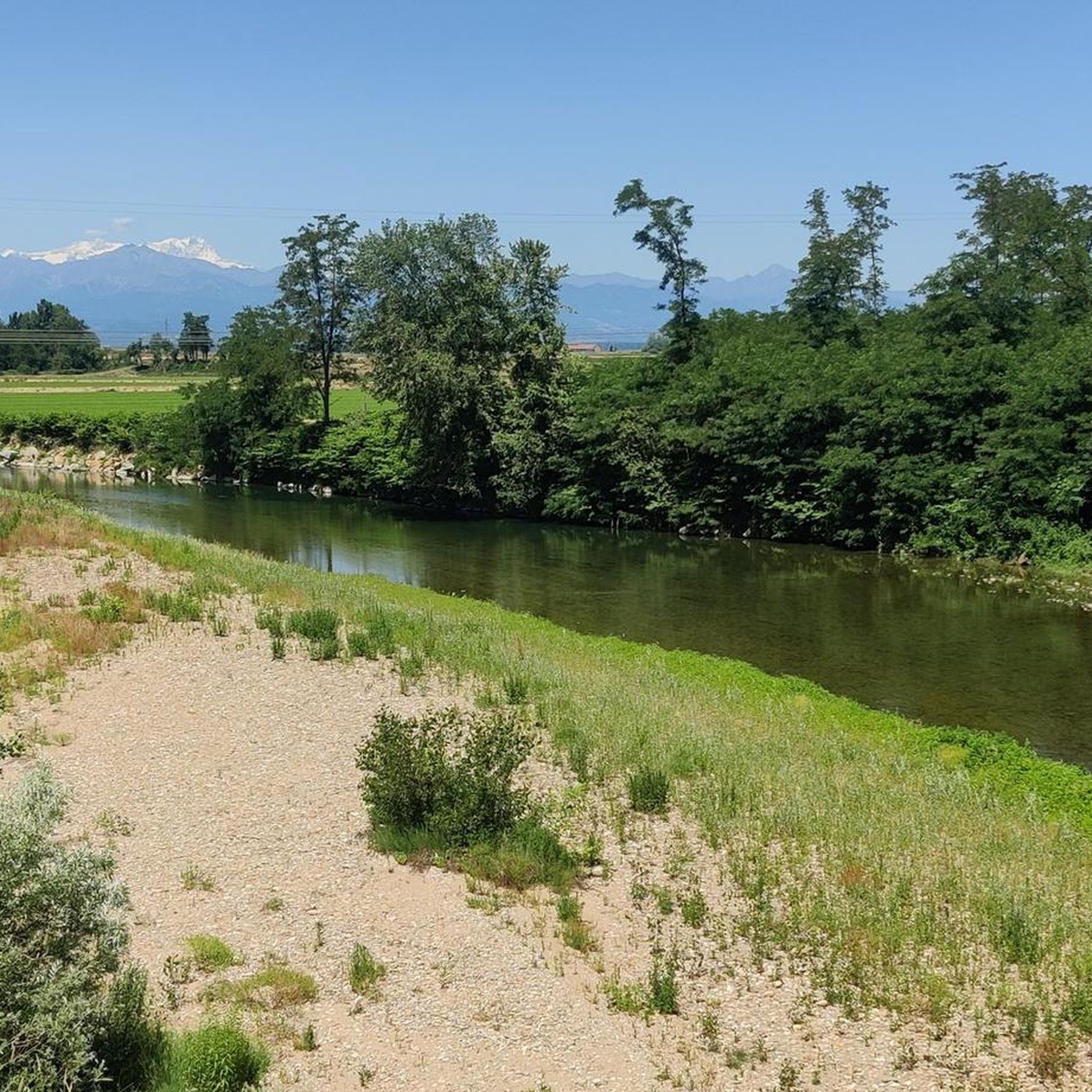
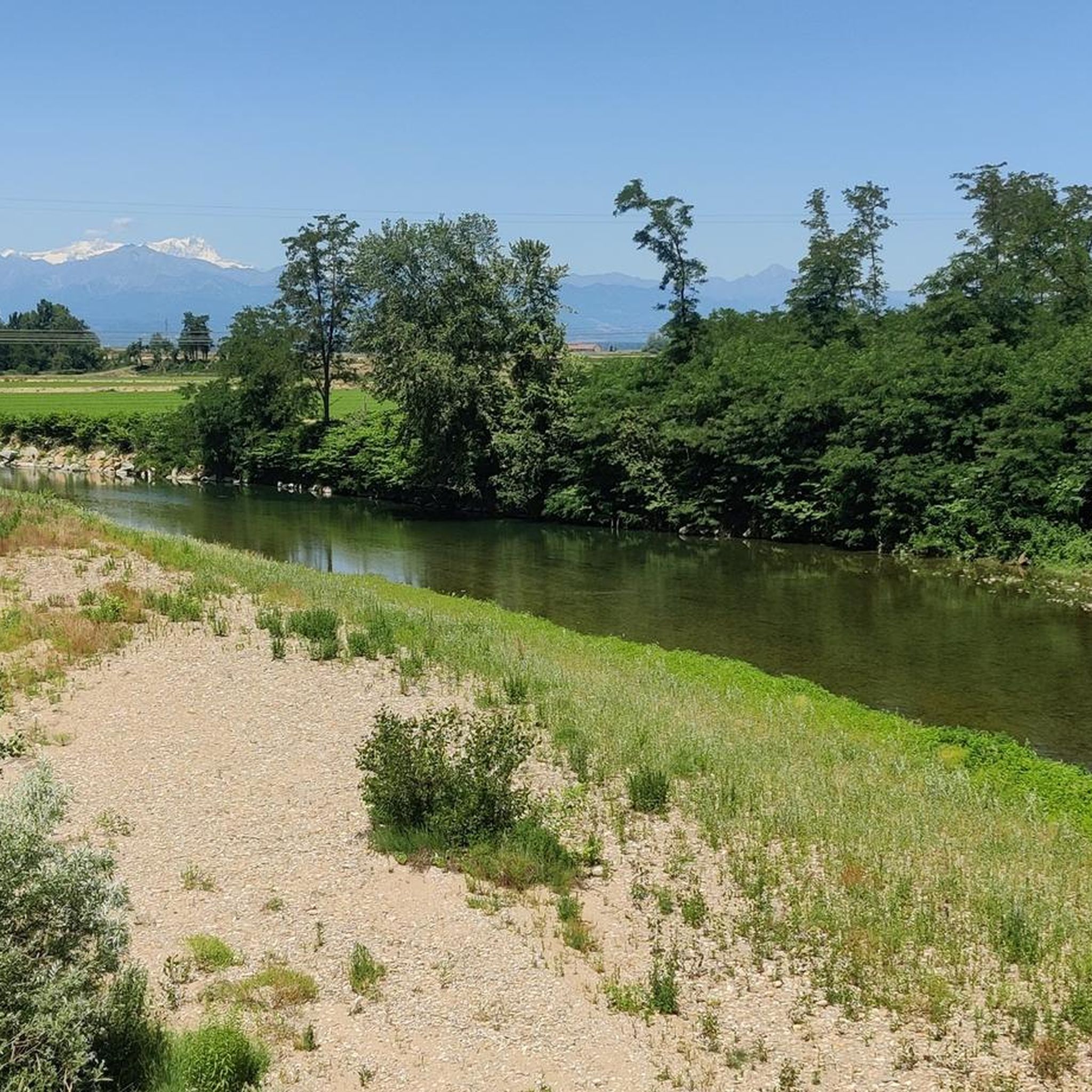
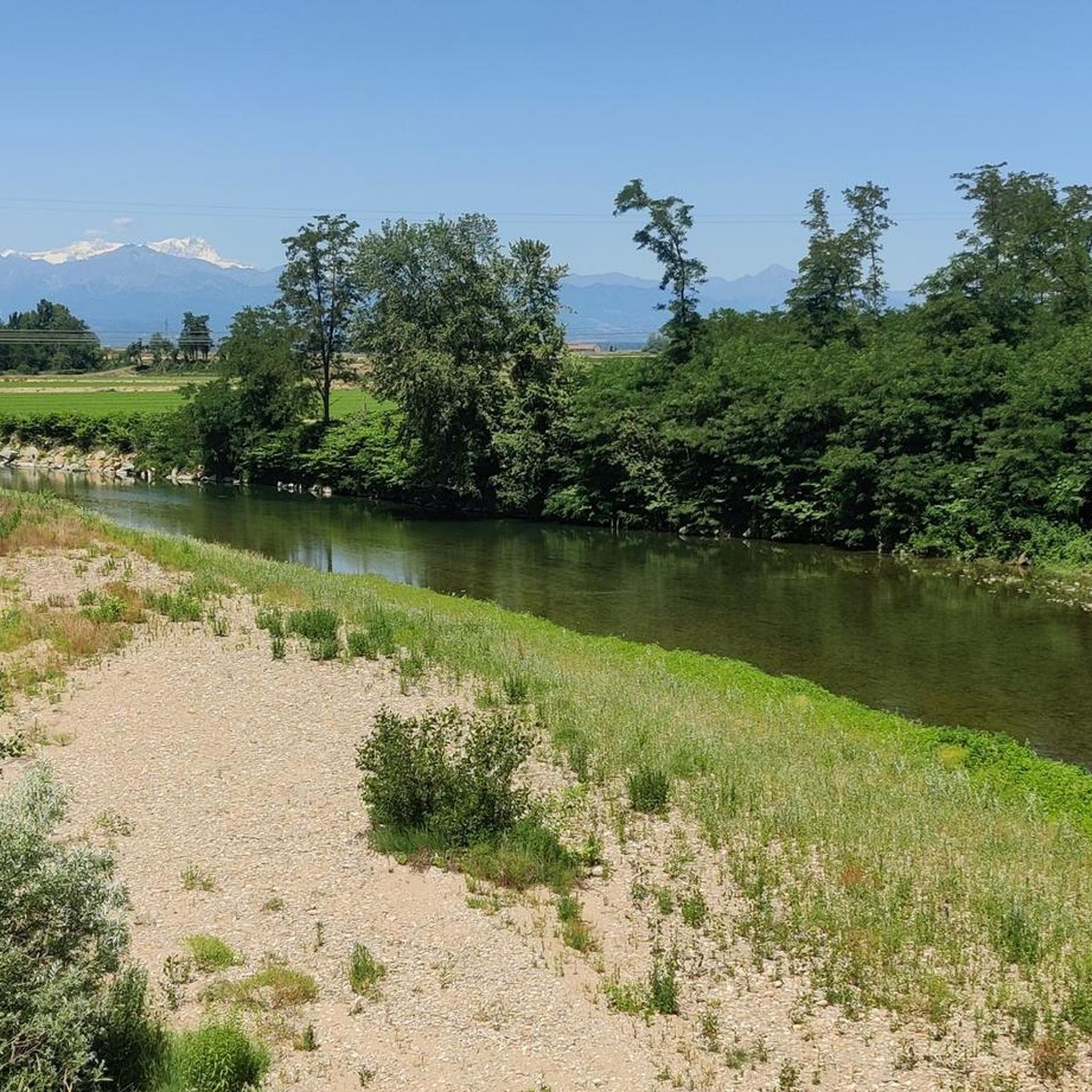

Tips from the Community

the dome of the parish church of San Germano is the work of Bernardo Vittone, one of the protagonists of the Piedmontese late Baroque.
0
0

The Collegiata di Sant’Agata in Santhià, a comune in the province of Vercelli, Piedmont, Italy, is an impressive church located in the central Piazza Roma, not far from the town hall. Although the original Romanesque building from the 12th century has now disappeared, there are still remains of the northern exterior, the semicircular apse and the stone bell tower. The present church, designed by architect Giuseppe Talucchi, was built between 1836 and 1839 in Neoclassical style. The facade is characterized by a large pronao, supported by six columns, with vaults painted by the artist Luigi Hartmann. Inside is a valuable polittico by Gerolamo Giovenone.
5
0
The ancient village of Olcenengo is surrounded by the slow flow of its irrigation canals and shrouded in winter fog, dense and impenetrable guardian of landscapes with an ancient flavor. Agriculture is the main economic sector of Olcenengo, but in the shadow of the large farms, craft businesses related to the rice sector have developed: mechanical workshops, wooden products, pig farms with their own production of typical sausages, small family-run rice mills . The town hall, the small square with the fountain of the "sgorgia" and the "frog", the church are the most characteristic points of the city. Only a few parts of the castle, dating from 1100, are still used as a farm. The town hall is a compact building rising over two floors. The public fountain in Piazza Paietta has become the symbol of the city: a frog at the edge of the pool sprays a stream of water at a "sgorgia" (blue heron), the typical bird of the rice fields. https://www.viefrancigene.org/it/resource/poi/olcenengo/
7
0
The Collegiata di Sant'Agata in Santhià, a municipality in the province of Vercelli, Piedmont, is an impressive church located in the central Piazza Roma, not far from the town hall. Although the original 12th century Romanesque building has now disappeared, remains of the northern exterior, semi-circular apse and stone bell tower still remain. The current church, designed by architect Giuseppe Talucchi, was built between 1836 and 1839 in a neoclassical style. The facade is characterized by a large pronao, supported by six columns, with vaults painted by artist Luigi Hartmann. Inside is a valuable polittico by Gerolamo Giovenone.
5
0
The territory of Cavaglià, largely flat, extends at the foot of the morainic hill of Serra, which separates Biella from Ivrea and is the longest moraine hill in Europe; There is approximately 250 m of altitude between the highest and lowest parts of the municipality. The city is located in an area that has been populated since ancient times; The Celts gave names to various regions around the capital. Cavaglià is one of the municipalities of Biella along the Cammino di Oropa and the Via Francigena, an ancient route that in the Middle Ages connected Canterbury with Rome and the ports of Puglia, today rediscovered by modern travelers, who have traveled a beautiful and surprising route. For more information, visit the official website https://www.viefrancigene.org/it/. The municipal council has created a "Hostel for Pilgrims along the Via Francigena", which makes it available for a small symbolic amount to those who decide to undertake the Camino. https://www.comune.cavaglia.bi.it/aree-tematiche/turismo
6
0

Small and quiet lake where you can take 4 steps
0
0

I recommend it because there are some nice paths in the area, unfortunately the lake itself and the scenery are a bit ruined by large electric pylons.
1
0

Frequently Asked Questions
What natural attractions can I explore around Carisio?
The area around Carisio offers several natural points of interest. You can visit Lake Bertignano, a lake formed by the retreat of the Balteo glacier and recognized as a Special Conservation Area. From Roppolo Castle, you can enjoy beautiful views of Lake Viverone and the other Canavese lakes. The nearby Serra Morainic Hill, Europe's longest moraine hill, also offers scenic landscapes.
Are there any historical sites or cultural landmarks near Carisio?
Yes, Carisio and its surroundings are rich in history. Don't miss Roppolo Castle, a historic complex with origins dating back to a tenth-century tower, offering insights into the region's past. The Church of San Germano Vercellese features a notable dome designed by Bernardo Vittone, a prominent Baroque architect. The ancient village of Olcenengo also preserves historical elements like its town hall, church, and remnants of an 1100s castle.
What are some family-friendly activities or attractions in the Carisio area?
For families, Lake Bertignano is a great option, offering a natural setting for exploration. The Cavaglià Town Center is also considered family-friendly, providing a pleasant environment to stroll and experience a town along historic pilgrimage routes. The village of Olcenengo, with its unique fountain and historical charm, can also be an interesting visit for all ages.
Can I find hiking trails near the attractions around Carisio?
Absolutely! The region offers various hiking opportunities. You can find several trails, including easy and moderate options, around Carisio. For detailed routes and information, explore the Hiking around Carisio guide, which features trails like the 'Santhià - Via Francigena Loop' and 'Buon Cammino' trails.
Are there opportunities for road cycling in the Carisio region?
Yes, the Carisio area is suitable for road cycling. There are numerous routes that allow you to explore the scenic landscapes, including loops around Lake Viverone. Check out the Road Cycling Routes around Carisio guide for routes like 'Historic entrance of Salussola – Lake Viverone loop from Santhià' and 'View of Lake Viverone – Lake Viverone loop from Santhià'.
What is unique about the town of Cavaglià?
Cavaglià Town Center is notable for its location at the foot of the Serra, Europe's longest moraine hill. It's also situated along significant pilgrimage routes, the Cammino di Oropa and the Via Francigena, making it a point of interest for travelers following these ancient paths. The municipality even provides a 'Hostel for Pilgrims' for those undertaking the Camino.
What can I expect to see in the village of Olcenengo?
Olcenengo is an ancient village characterized by its irrigation canals and a strong connection to the rice sector. A unique symbol of the town is the public fountain in Piazza Paietta, featuring a frog spraying water at a 'sgorgia' (blue heron), reflecting the local rice field wildlife. You can also see its town hall, church, and some remains of an 11th-century castle.
Where can I find a restaurant or cafe near the attractions?
If you're looking for a place to eat, Roppolo Castle houses both the Enoteca Regionale della Serra and a restaurant, offering a chance to dine in a historic setting with views of the lakes.
What kind of views can I expect from Roppolo Castle?
From the courtyard of Roppolo Castle, situated on a hilltop in the Serra, you can enjoy a beautiful panoramic view of Lake Viverone and the other Canavese lakes. It's a fantastic spot for photography and appreciating the regional landscape.
Are there running trails available around Carisio?
Yes, for those interested in running, there are several trails around Carisio. You can find moderate running loops starting from Santhià or Carisio itself. For more details on routes and distances, refer to the Running Trails around Carisio guide.
What is the significance of the Church of San Germano Vercellese?
The Church of San Germano Vercellese is historically significant due to its dome, which was designed by Bernardo Vittone. Vittone was a key architect of the Piedmontese late Baroque period, making the church an important example of regional architectural heritage.
What makes Lake Bertignano a Special Conservation Area?
Lake Bertignano is recognized as a Special Conservation Area because it was formed following the retreat of the Balteo glacier, which also created other lakes in the region. This geological origin and its unique ecosystem contribute to its protected status, making it an important natural habitat.
Most popular routes around Carisio
Most popular attractions around Carisio

Get inspired with the komoot mobile app


Explore more
Still not found the Highlight you’re looking for? See guides of the top attractions in other regions:
