Attractions and Places To See around Robbio - Top 20
Best attractions and places to see around Robbio are found in the Lomellina region of Pavia, Italy. This area is characterized by its agricultural landscape, particularly rice cultivation, and its historical significance along the Via Francigena pilgrimage route. Robbio and its surroundings offer a blend of historical sites, religious architecture, and unique cultural settlements. The region provides opportunities for exploring local heritage and discovering hidden gems.
Best attractions and places to see around Robbio
- The most popular attractions is Gravellona Lomellina Artist’s town, a settlement known for its artistic murals and frescoes. Many buildings in the center and along access roads feature unique paintings and works of art.
- Another must-see spot is Church of San Valeriano, Robbio, a religious building with Romanesque architecture. A church at this site has been documented since the 12th century, located along the Via Francigena.
- Visitors also love Basilica of San Lorenzo, Mortara, a Gothic building from the 14th century. It features a terracotta facade and houses various works of art, including paintings and a wooden nativity scene.
- Robbio is known for its historical sites, religious buildings, and unique settlements. The area offers a variety of attractions to see and explore, from ancient churches to towns adorned with art.
- The attractions around Robbio are appreciated by the komoot community, with 46 upvotes and 4 photos shared across the highlights.
Last updated: July 7, 2026
Gravellona Lomellina Artist’s town
Highlight • Settlement
Translated by Google •
Tip by

Historic Center of Tornaco
Highlight • Historical Site
Translated by Google •
Tip by

Sign up now to discover places like this
Get recommendations on the best single tracks, peaks, & plenty of other exciting outdoor places.
Sign up for free
Church of San Valeriano, Robbio
Highlight • Religious Site
A church at the site is documented since 1125-1150. Built with brick, the apse ends in a typical Romanesque hemicycle. Among the frescoes, is a Christ in a mandorla surrounded by the four evangelists. The fresco of the Trinity is dated 1507. The church and Robbio is located along the Via Francigena. The church was restored to its Romanesque decor in 1960. (Wikipedia)
Tip by

Basilica of San Lorenzo, Mortara
Highlight • Religious Site
Architecture: Built in Gothic Lombard style between 1375 and 1380 by Bernardino da Novara. Martino Bassi made some structural changes in 1573.
Exterior: The cotto facade has frescoes in the lunettes of the portals, made by Nando Bialetti. The tondi on the facade are by Boniforte da Mortara. The colorful stained glass windows are the work of Francesco Mossmeyer.
Interior: Rich in works of art, including paintings by Paolo da Brescia and a remarkable wooden nativity scene by Lorenzo da Mortara. In the 20th century the interior was renovated by Giuseppe Piatti.
Translated by Google •
Tip by
Nicorvo
Highlight • Settlement
Translated by Google •
Tip by
Sign up for free to discover even more attractions around Robbio.
Sign up for free
Already have an account?
Start today with a free account
Your next adventure awaits.
Login or Signup
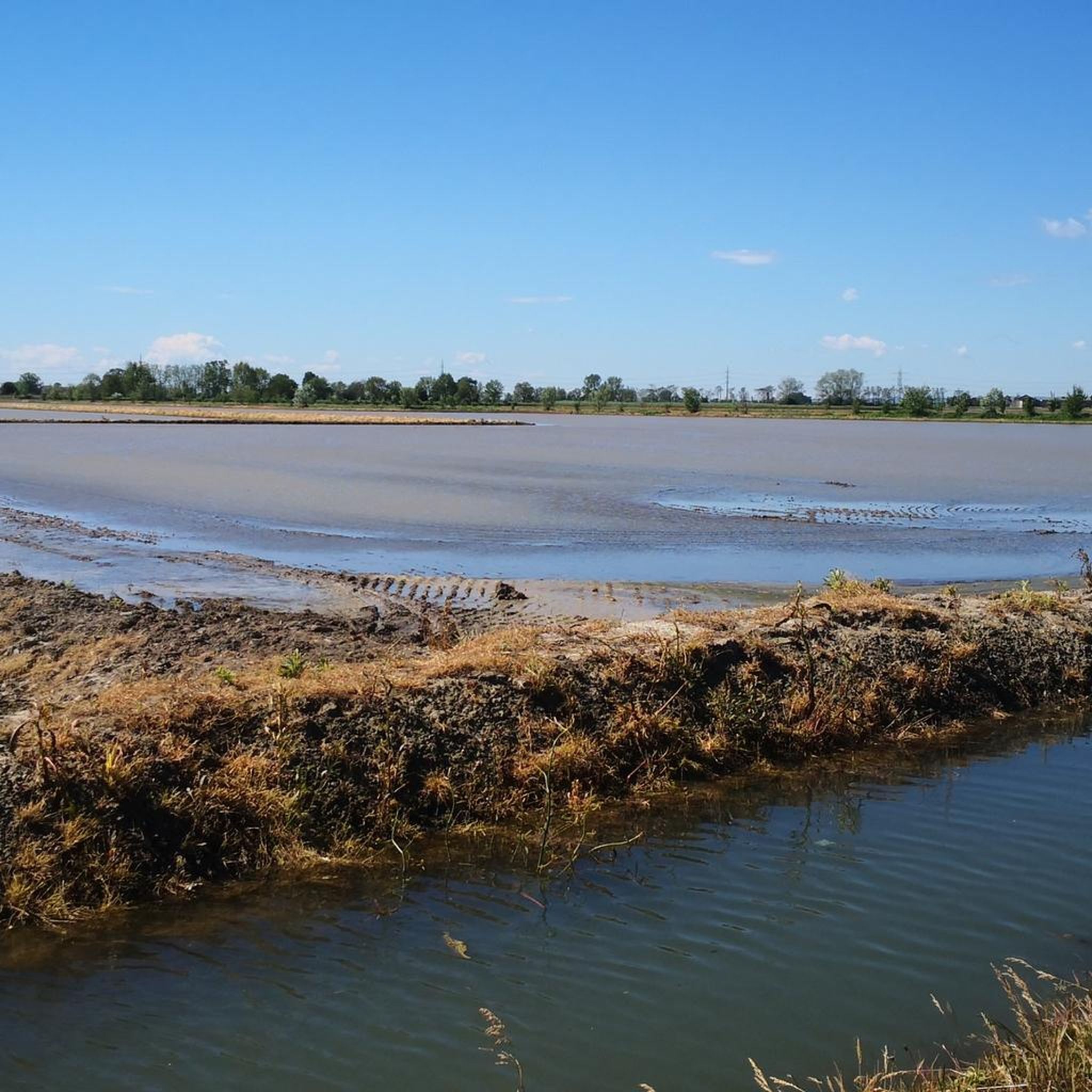
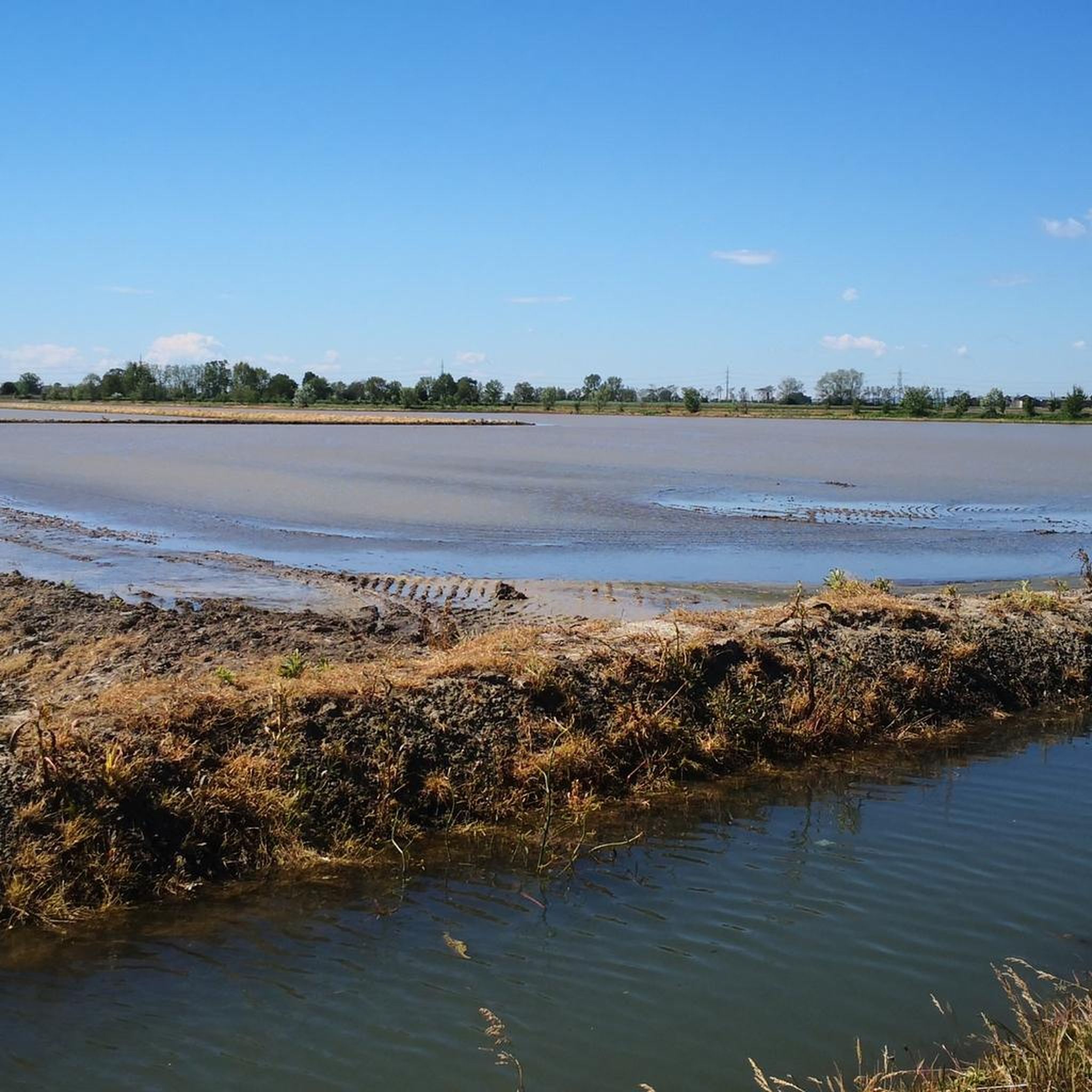
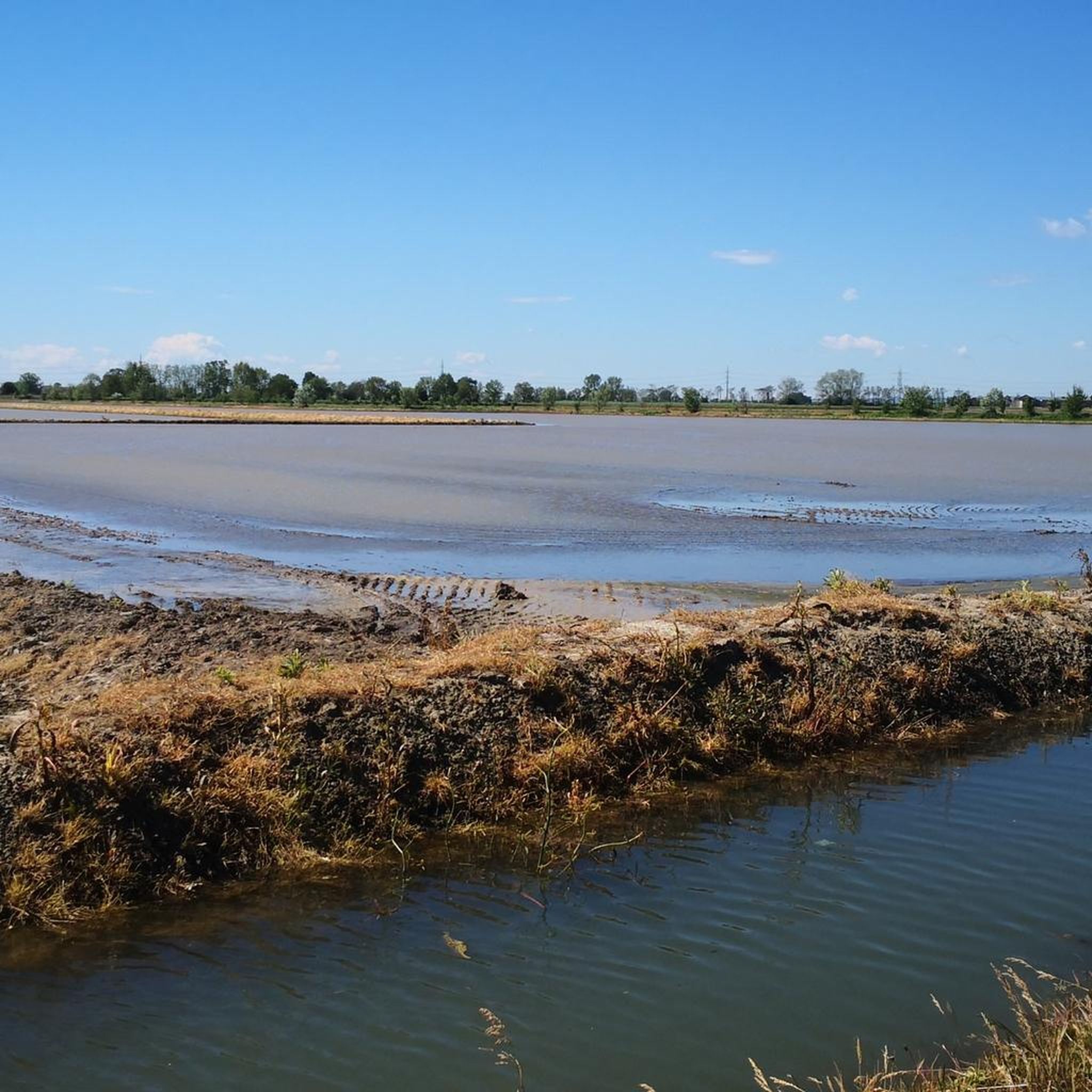
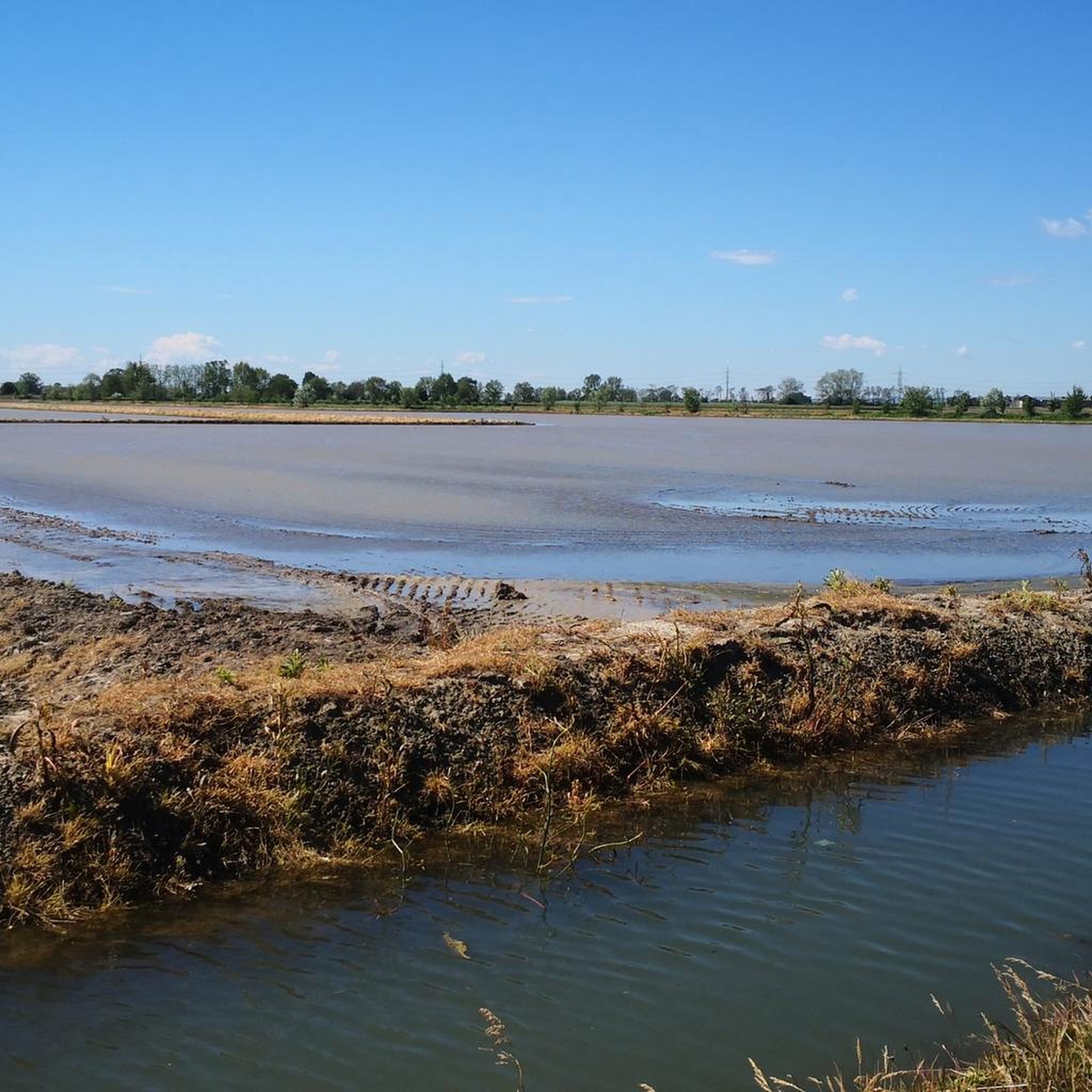
Tips from the Community

Tornaco is a small Italian municipality located in Piedmont, in the southeastern part of the province of Novara, almost on the border with the province of Pavia. It has a population of about 900 inhabitants and stands at an altitude of 122 meters above sea level. It is a predominantly agricultural village, strongly linked to the traditional cultivation of rice and cereals, included in the circuit of the Piedmontese Quality Rice Road.
0
0
Gravellona Lomellina is a characteristic Italian municipality of about 2,700 inhabitants located in the province of Pavia, in Lombardy. Located at the gates of Vigevano, it is nationally famous as a "town of art" or "painted village" for the extraordinary presence of frescoes, murals, and artistic installations that decorate the entire urban fabric.
0
0

Church of San Valeriano
0
0


Certainly one of the most beautiful, if not the most beautiful, in Lomellina. The murals depicting ancient crafts and environments, the geranium-adorned street lamps, and the chimney sweeps on the rooftops bring back memories of your grandparents' stories, and it's wonderful to be a child again for a few moments.
1
0

Medieval monument in Robbio (12th century), it has preserved its simple Romanesque decoration. Entirely in terracotta, it stood near the gate of San Pietro, on the road to Mortara, and there was an adjoining hospital, mentioned in the chronicles as early as the 13th century.
0
0

In every corner of Gravellona Lomellina there is something that catches your attention!!! Bears on bikes, old tractors and zebras!!! Top!
1
1

A historically important route is the stretch of the Via Francigena in Lomellina which, coming from Robbio, crosses the entire town and allows you to pass by the eighteenth-century sanctuary of the "Madonnina" and the parish church of S. Terenziano (seventeenth century). The route is marked by volunteers to facilitate the passage of pilgrims. In the village there is a hospice near the parish house run by volunteers. As you pass in front of the "Madonnina", it is possible to notice a majestic and centuries-old magnolia behind it. Wikipedia
3
0
Frequently Asked Questions
What kind of historical sites can I visit around Robbio?
The Robbio area is rich in history, particularly along the Via Francigena. You can explore the Romanesque architecture of the Church of San Valeriano, Robbio, which has been documented since the 12th century. Another significant historical site is the 14th-century Gothic Basilica of San Lorenzo, Mortara, known for its terracotta facade and art. The hamlet of Villanova, a small hamlet of Cassolnovo, also features an ancient castle with historical significance.
Are there family-friendly attractions in the Robbio area?
Yes, several attractions around Robbio are suitable for families. The Gravellona Lomellina Artist’s town is a unique settlement adorned with artistic murals and frescoes that can be engaging for all ages. Historical sites like the Church of San Valeriano, Robbio and the Basilica of San Lorenzo, Mortara also offer educational experiences. The charming comune of Nicorvo, with its historical route along the Via Francigena, is another family-friendly option.
What outdoor activities can I do near these attractions?
The Robbio area offers various outdoor activities, especially cycling and hiking, often through the characteristic rice paddies. You can find numerous routes for road cycling, gravel biking, and hiking. Popular options include the 'Sesia River – Piazza Mazzini loop from Robbio' for road cycling or the 'From Orfengo to Granozzo through Piedmont rice paddies' for hiking.
Are there hiking trails near Robbio's attractions?
Yes, there are several hiking trails available near Robbio. The region is part of the Sentiero Novara, offering routes like 'From Orfengo to Granozzo through Piedmont rice paddies (Sentiero Novara Stage 4)' and 'Sentiero Novara Stage 5'. You can also find a 'Nicorvo – The Ancient Cedar of Lebanon loop from Nicorvo'. For more options, explore the hiking routes around Robbio.
What is the best time of year to visit Robbio's outdoor attractions?
The best time to visit Robbio's outdoor attractions is generally during the spring (April to June) and early autumn (September to October). During these months, the weather is pleasant for exploring historical sites and enjoying outdoor activities like cycling and hiking, and the rice paddies offer beautiful scenery. Summers can be hot, and winters can be chilly, though attractions remain accessible.
Can I find accessible attractions for visitors with mobility needs?
While specific accessibility details vary, the comune of Nicorvo is noted as wheelchair accessible. For other attractions, it's advisable to check directly with the specific site for detailed information regarding accessibility features, as historical buildings may have limitations.
What makes Gravellona Lomellina an 'Artist's town'?
Gravellona Lomellina Artist’s town is known for its widespread public art. Many buildings in the town center and along its access roads feature unique frescoes, paintings, and various works of art. You'll find decorative elements made from different materials, including mosaics on sidewalks and wrought iron figures, giving the entire town an artistic and charming atmosphere.
Are there any hidden gems or unique settlements to discover?
Beyond the main highlights, the region offers unique settlements. Gravellona Lomellina Artist’s town, with its murals and frescoes, is a distinctive cultural experience. The small hamlet of Villanova, a small hamlet of Cassolnovo, is another hidden gem, characterized by an ancient castle and a quiet, rural atmosphere.
What should I wear for hiking or outdoor activities near Robbio?
For hiking and outdoor activities around Robbio, especially through the agricultural landscapes and along the Via Francigena, comfortable walking shoes or hiking boots are recommended. Dress in layers to adapt to changing weather, and consider bringing a hat and sunscreen during warmer months. Given the flat terrain, light and breathable clothing is usually suitable.
Is parking available at attractions around Robbio?
Parking availability varies by attraction. In smaller towns and hamlets like Gravellona Lomellina or Nicorvo, you can often find street parking or small public lots. For larger religious sites or in town centers like Mortara, dedicated parking areas might be available, but it's always best to check local signage or specific attraction websites for the most accurate information.
Can I bring my dog to the attractions or on walks near Robbio?
While many outdoor areas and walking trails in the Robbio region are generally dog-friendly, it's important to keep dogs on a leash and clean up after them. For indoor attractions, such as churches or museums, policies vary, and it's best to check with the specific site beforehand. Always respect local regulations and other visitors.
What is the significance of the Via Francigena in this region?
The Via Francigena is a historic pilgrimage route from Canterbury to Rome, and it passes directly through the Robbio area. Several attractions, such as the Church of San Valeriano, Robbio, and the comune of Nicorvo, are located along this route. The presence of the Via Francigena highlights the region's historical importance as a passage for pilgrims and travelers for centuries.
Most popular attractions around Robbio

Get inspired with the komoot mobile app


Explore more
Still not found the Highlight you’re looking for? See guides of the top attractions in other regions:
