Attractions and Places To See around Confienza - Top 20
Attractions and places to see around Confienza include a blend of historical sites, religious architecture, and natural features. This rural town in Italy's Lomellina region, Province of Pavia, is historically linked to the confluence of two rivers, a detail reflected in its coat of arms. Visitors can explore Gothic architectural gems and significant religious sites, alongside natural points of interest. The area offers a glimpse into local history and the agricultural heritage of the Lomellina region.
Best attractions and places…
Last updated: July 7, 2026
Historic Center of Tornaco
Highlight • Historical Site
Translated by Google •
Tip by

Church of San Valeriano, Robbio
Highlight • Religious Site
A church …
Tip by

Sign up now to discover places like this
Get recommendations on the best single tracks, peaks, & plenty of other exciting outdoor places.
Sign up for free
Visconti-Sforza Castle (Novara)
Highlight • Castle
Translated by Google •
Tip by

Hospitale Sancti Eusebi
Highlight • Rest Area
Translated by Google •
Tip by
Nicorvo
Highlight • Settlement
Translated by Google •
Tip by
Sign up for free to discover even more attractions around Confienza.
Sign up for free
Already have an account?
Start today with a free account
Your next adventure awaits.
Login or Signup

Tips from the Community

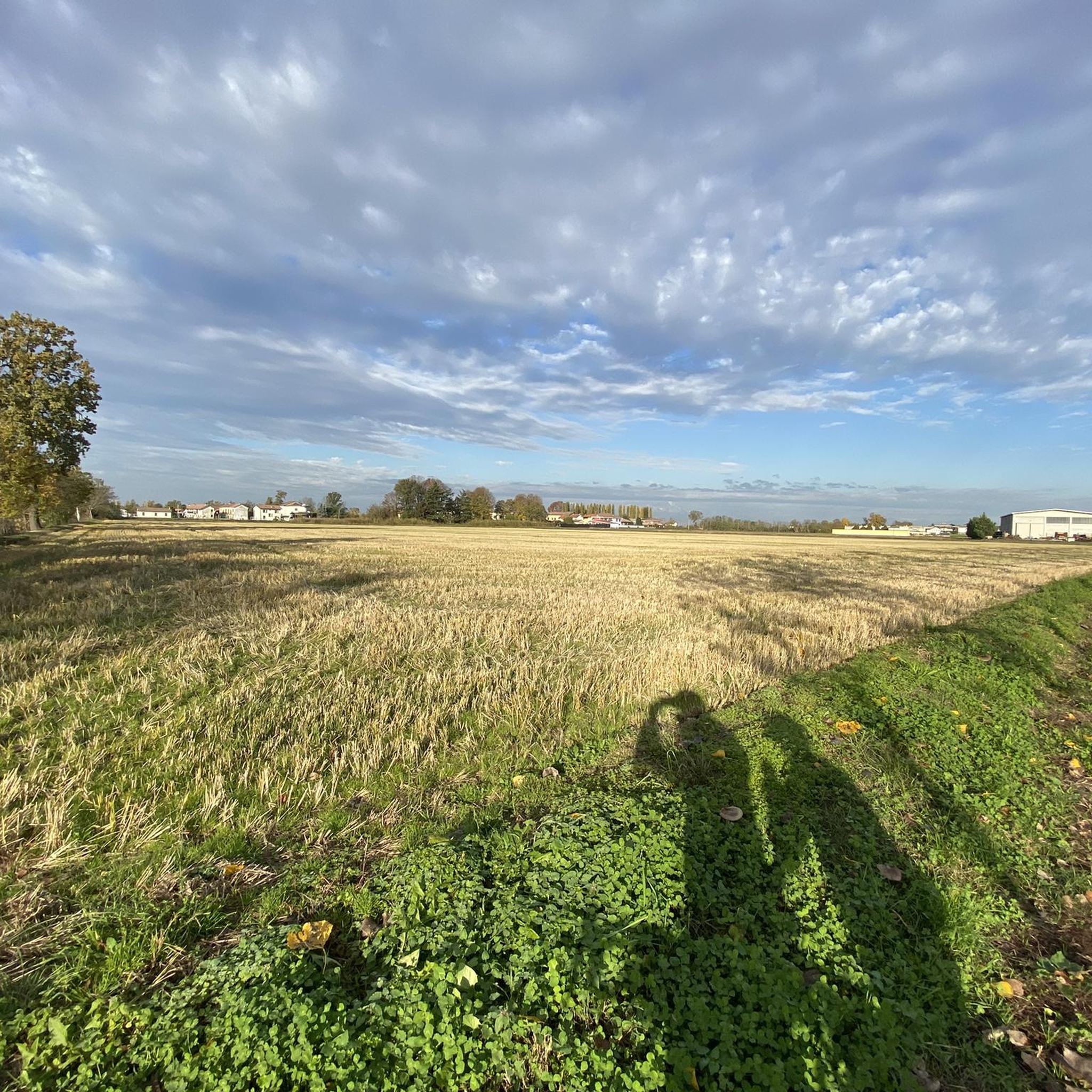
Tornaco is a small Italian municipality located in Piedmont, in the southeastern part of the province of Novara, almost on the border with the province of Pavia. It has a population of about 900 inhabitants and stands at an altitude of 122 meters above sea level. It is a predominantly agricultural village, strongly linked to the traditional cultivation of rice and cereals, included in the circuit of the Piedmontese Quality Rice Road.
0
0

Church of San Valeriano
0
0


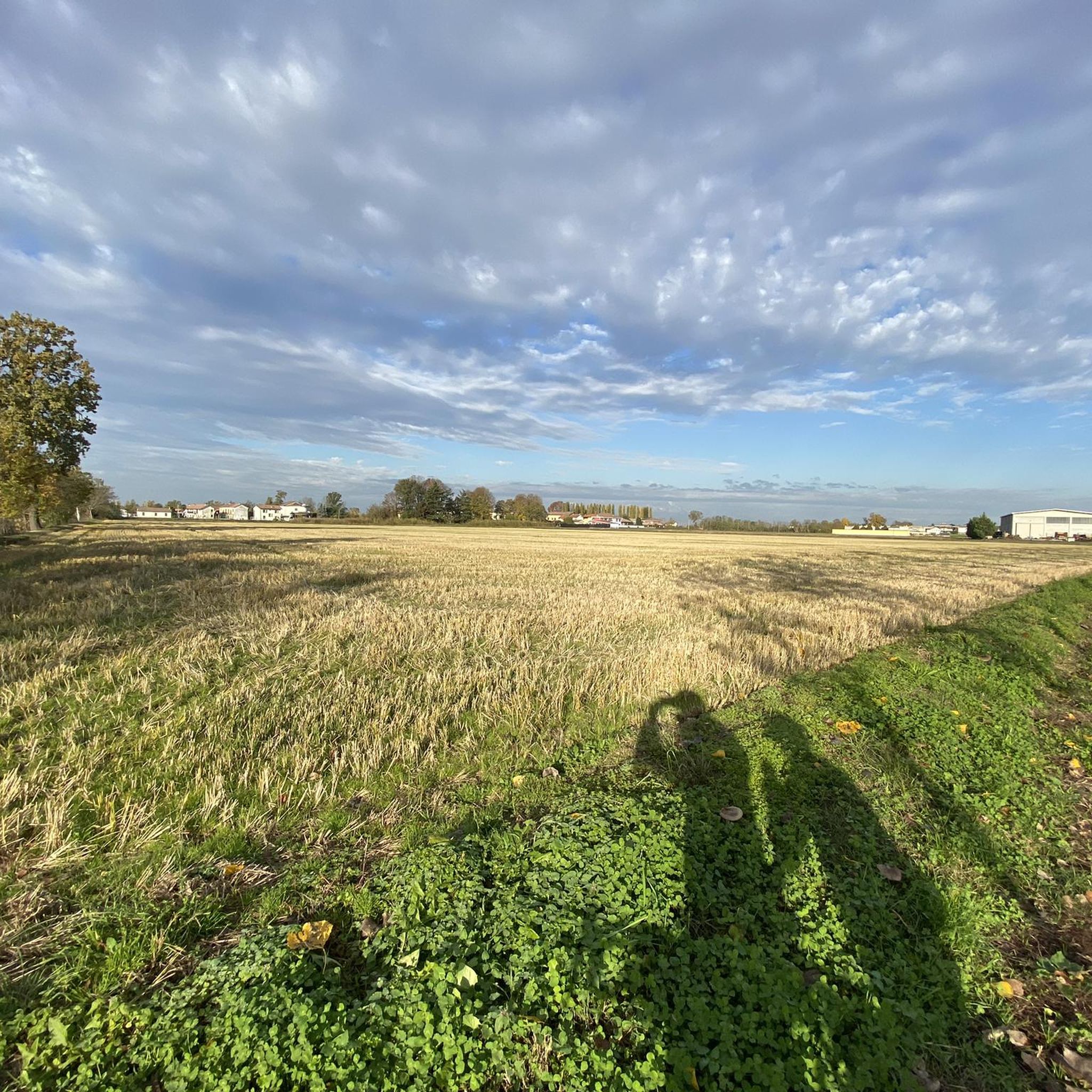
The Visconti-Sforza Castle of Novara is a castle located in the south-western border of the old center of Novara. It was erected on the former corner of the Roman and Middle Age walls that surrounded the city. The origin of the castle is connected to the transfer of Novara under the influence of Milan, taking place in the second half of the 13th century. In 1272 Francesco Della Torre (member of the family ruler of Milan), after taking over the city, ordered the construction of a fortification on the site belonged to the Tettoni family. In the 14th century, after the exchange of the ruling families from the Della Torre to the Visconti, the Lord of Milan Giovanni Visconti (1339-1354) paid again attention to Novara and had the castle built. The castle was strengthened by his successors Galeazzo II (1354-1378) and Gian Galeazzo (1378-1402). Works and repairs were done over the years by Francesco Sforza. His son, the duke Galeazzo Maria, carried out the major transformation of the building. https://en.wikipedia.org/wiki/Visconti-Sforza_Castle_(Novara)
0
0

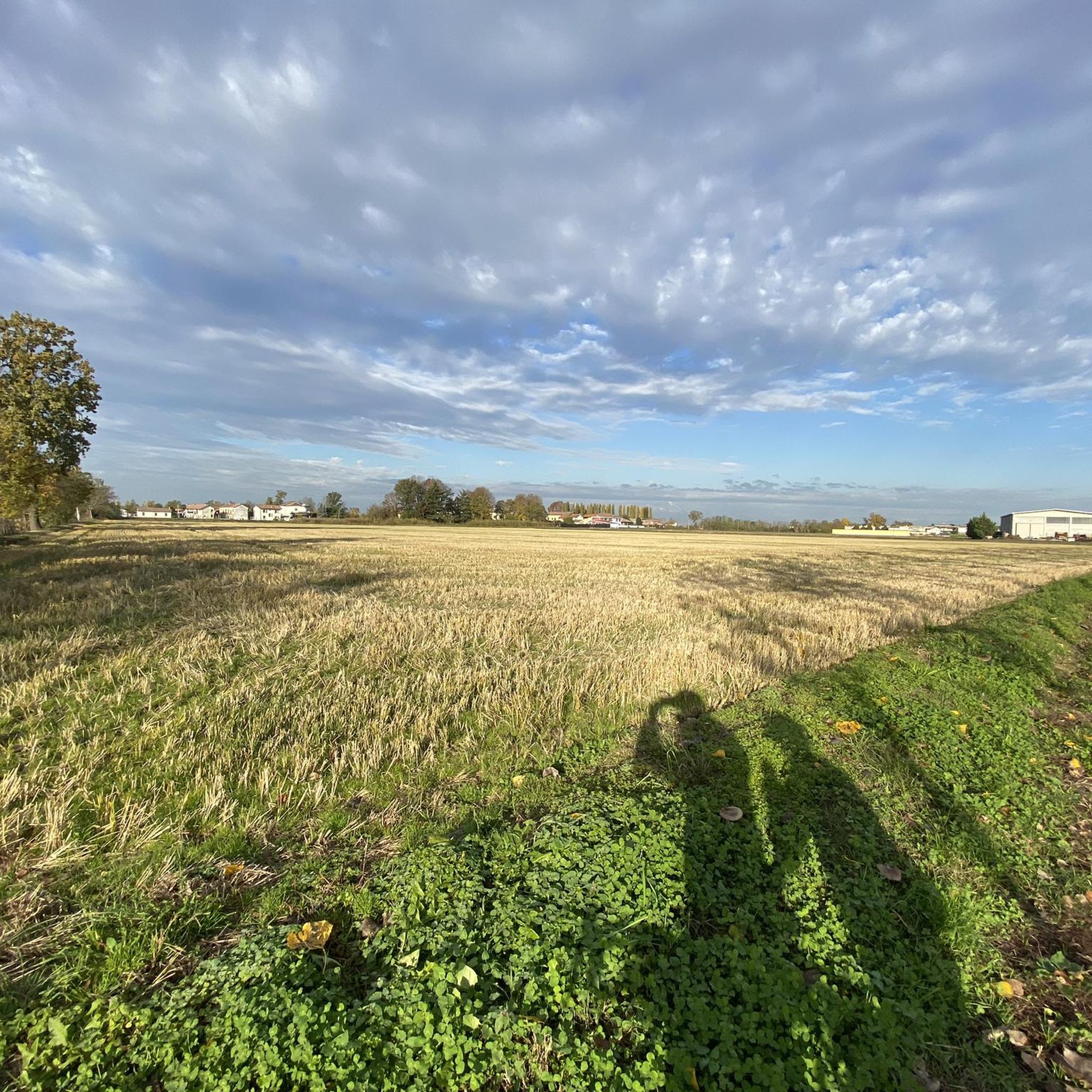
Medieval monument in Robbio (12th century), it has preserved its simple Romanesque decoration. Entirely in terracotta, it stood near the gate of San Pietro, on the road to Mortara, and there was an adjoining hospital, mentioned in the chronicles as early as the 13th century.
0
0

Novara Castle is located in the city center
0
0


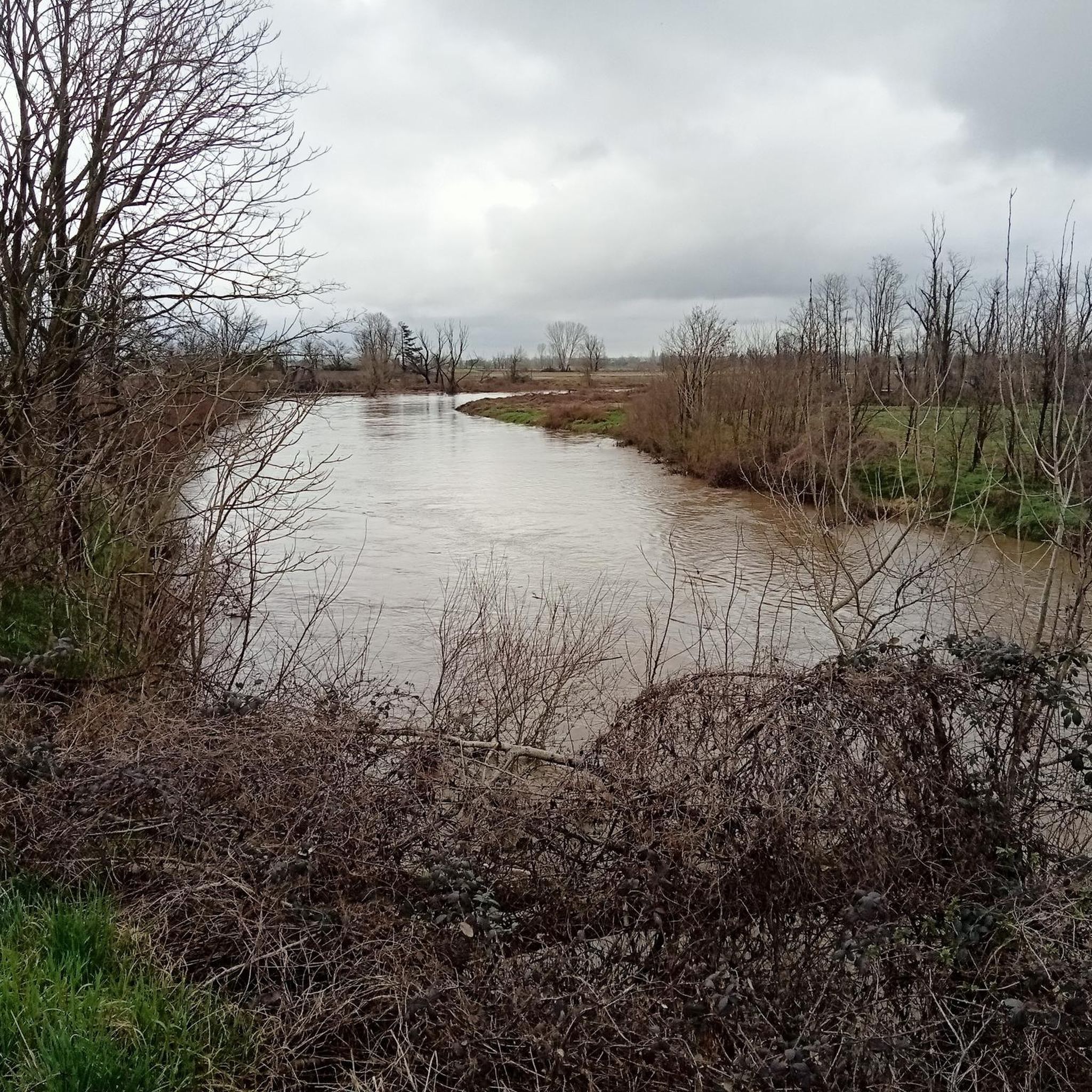
A historically important route is the stretch of the Via Francigena in Lomellina which, coming from Robbio, crosses the entire town and allows you to pass by the eighteenth-century sanctuary of the "Madonnina" and the parish church of S. Terenziano (seventeenth century). The route is marked by volunteers to facilitate the passage of pilgrims. In the village there is a hospice near the parish house run by volunteers. As you pass in front of the "Madonnina", it is possible to notice a majestic and centuries-old magnolia behind it. Wikipedia
3
0
Frequently Asked Questions
What historical and architectural sites can I explore within Confienza?
Confienza offers a glimpse into its rich history through several notable sites. The Chiesuola (Madonna del Carmine) is a Gothic architectural gem, featuring ribbed vaults, pointed windows, and a white Carrara marble altar. You can also visit the Parish Church of San Lorenzo Martire, dedicated to the town's patron saint, which has ancient origins despite its current late 19th-century structure. Additionally, the Tenuta Kiri estate, dating back to the 1600s, provides a tangible connection to the region's agricultural heritage.
Are there any natural attractions or wildlife viewing opportunities near Confienza?
Yes, for nature enthusiasts, the Celpenchio Heronry, located about 11 km from Confienza, offers an excellent opportunity to immerse yourself in the natural environment of Lomellina and observe local birdlife. Confienza also has a historical connection to waterways, with the Torrente Agogna still touching a small portion of its territory near Cascina Bertotto, reflecting the town's name which derives from the confluence of two rivers.
What kind of outdoor activities can I do around Confienza?
The area around Confienza is suitable for various outdoor activities. You can find numerous routes for hiking, cycling, and running. Popular options include the 'Novara Trail: Stage 3' for a challenging hike, or cycling routes like the 'Robbio Castle – Bridge over the Sesia River loop from Robbio'.
Are there any family-friendly attractions or activities in the Confienza area?
Many of the historical sites and natural areas around Confienza are suitable for families. For instance, the Church of San Valeriano, Robbio, and the Visconti-Sforza Castle (Novara) are categorized as family-friendly. Exploring the Celpenchio Heronry can also be an engaging activity for families interested in nature.
What is the historical significance of the area around Confienza?
Confienza and its surroundings are steeped in history. The town's name itself reflects its origin at the confluence of two rivers. Historically, it belonged to the Bishop of Vercelli, then the lords of Robbio, and later came under the rule of the powerful Visconti and Sforza families. Nearby, you can visit sites like the Church of San Valeriano in Robbio, a Romanesque church documented since the 12th century and part of the Via Francigena pilgrimage route, or the Visconti-Sforza Castle in Novara, which dates back to the 13th century.
Where can I find accommodation or places to eat near Confienza?
While specific recommendations for cafes, pubs, or hotels within Confienza are not detailed, the region of Lomellina and nearby towns like Robbio and Novara offer various options. For pilgrims on the Via Francigena, the Hospitale Sancti Eusebi in Vercelli provides a welcoming place to stay, with amenities like a supermarket, bar/restaurant, and ATM within 200 meters.
Are there any pilgrimage routes or historical trails near Confienza?
Yes, the area is historically significant for pilgrims. The Church of San Valeriano in Robbio was part of a Cluniac monastery on the Via Francigena, a major pilgrimage route to Rome. The Hospitale Sancti Eusebi in Vercelli continues to serve pilgrims and cyclists on this route today. The town of Nicorvo also lies on a stretch of the Via Francigena in Lomellina, with a hospice for pilgrims.
What is the best time of year to visit Confienza for outdoor activities?
The Lomellina region generally experiences pleasant weather for outdoor activities during spring (April-May) and autumn (September-October), when temperatures are milder and the landscape is vibrant. These seasons are ideal for hiking, cycling, and exploring historical sites without the intense heat of summer.
What are some lesser-known or 'hidden gems' to discover around Confienza?
Beyond the main attractions, exploring the rural landscape of Lomellina itself can be a hidden gem. The small comune of Nicorvo, with its agricultural focus on rice cultivation and its historical connection to the Via Francigena, offers a charming glimpse into local life. Its eighteenth-century sanctuary of the 'Madonnina' and the parish church of S. Terenziano are also worth a visit.
How accessible are the attractions around Confienza by public transport or car?
Confienza is situated approximately 50 km southwest of Milan and about 50 km northwest of Pavia, making it accessible by car. Information on specific public transport routes directly to all attractions is limited, but larger towns like Novara, where the Visconti-Sforza Castle is located, are well-connected. For places like the Hospitale Sancti Eusebi in Vercelli, a bus stop is conveniently located within 200 meters.
What kind of terrain can I expect on hiking and cycling routes near Confienza?
The Lomellina region, where Confienza is located, is characterized by a generally flat to gently rolling landscape, typical of the Po Valley. This makes many of the hiking and cycling routes relatively easy to moderate in difficulty, often passing through agricultural fields, along rivers, and between small towns. Some routes, like 'Novara Trail: Stage 3', can be more challenging due to their length.
Most popular routes around Confienza
Most popular attractions around Confienza

Get inspired with the komoot mobile app


Explore more
Still not found the Highlight you’re looking for? See guides of the top attractions in other regions:
