Attractions and Places To See around Terdobbiate - Top 20
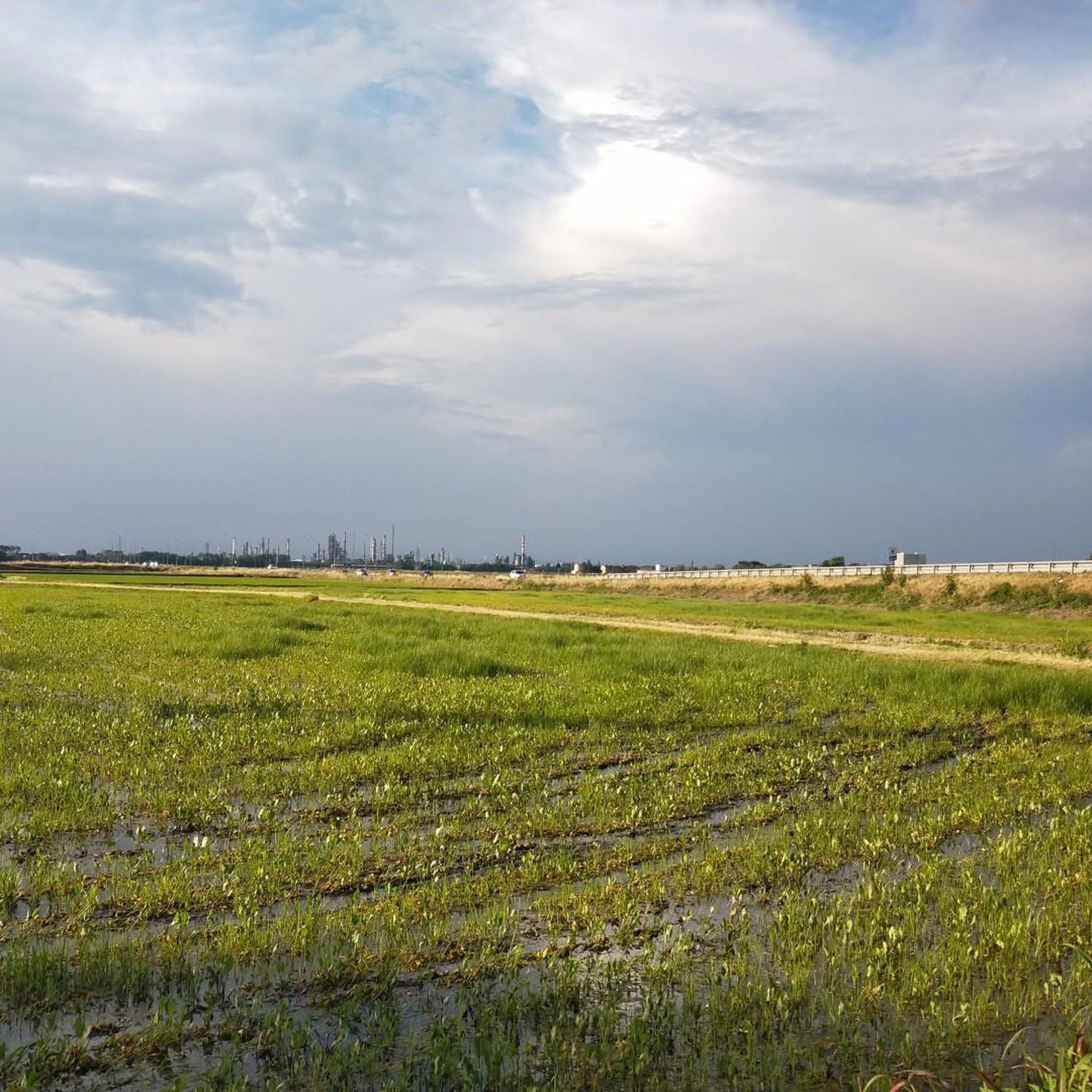
Attractions and places to see around Terdobbiate include historical landmarks and cultural sites within the municipality and the surrounding lower Novarese area. This region is characterized by an agricultural landscape featuring rice fields and canals. The area offers a blend of historical structures, artistic villages, and natural features for exploration.
Best attractions and places to see around Terdobbiate
- The most popular attractions is Gravellona Lomellina Artist’s town, a settlement known for numerous frescoes, paintings, and artworks adorning its central…
Last updated: July 7, 2026
Gravellona Lomellina Artist’s town
Highlight • Settlement
Translated by Google •
Tip by

Trail in Parco Lombardo della Valle del Ticino
Highlight (Segment) • Trail
Translated by Google •
Tip by

Sign up now to discover places like this
Get recommendations on the best single tracks, peaks, & plenty of other exciting outdoor places.
Sign up for free
Basilica of San Gaudenzio
Highlight • Religious Site
Translated by Google •
Tip by

Historic Center of Tornaco
Highlight • Historical Site
Translated by Google •
Tip by

Visconti-Sforza Castle (Novara)
Highlight • Castle
Translated by Google •
Tip by

Sign up for free to discover even more attractions around Terdobbiate.
Sign up for free
Already have an account?
Start today with a free account
Your next adventure awaits.
Login or Signup

Tips from the Community

Tornaco is a small Italian municipality located in Piedmont, in the southeastern part of the province of Novara, almost on the border with the province of Pavia. It has a population of about 900 inhabitants and stands at an altitude of 122 meters above sea level. It is a predominantly agricultural village, strongly linked to the traditional cultivation of rice and cereals, included in the circuit of the Piedmontese Quality Rice Road.
0
0
Gravellona Lomellina is a characteristic Italian municipality of about 2,700 inhabitants located in the province of Pavia, in Lombardy. Located at the gates of Vigevano, it is nationally famous as a "town of art" or "painted village" for the extraordinary presence of frescoes, murals, and artistic installations that decorate the entire urban fabric.
0
0

Certainly one of the most beautiful, if not the most beautiful, in Lomellina. The murals depicting ancient crafts and environments, the geranium-adorned street lamps, and the chimney sweeps on the rooftops bring back memories of your grandparents' stories, and it's wonderful to be a child again for a few moments.
1
0

The chirch is impressive, doesn't matter to have double highlight
1
1
The Visconti-Sforza Castle of Novara is a castle located in the south-western border of the old center of Novara. It was erected on the former corner of the Roman and Middle Age walls that surrounded the city. The origin of the castle is connected to the transfer of Novara under the influence of Milan, taking place in the second half of the 13th century. In 1272 Francesco Della Torre (member of the family ruler of Milan), after taking over the city, ordered the construction of a fortification on the site belonged to the Tettoni family. In the 14th century, after the exchange of the ruling families from the Della Torre to the Visconti, the Lord of Milan Giovanni Visconti (1339-1354) paid again attention to Novara and had the castle built. The castle was strengthened by his successors Galeazzo II (1354-1378) and Gian Galeazzo (1378-1402). Works and repairs were done over the years by Francesco Sforza. His son, the duke Galeazzo Maria, carried out the major transformation of the building. https://en.wikipedia.org/wiki/Visconti-Sforza_Castle_(Novara)
0
0
Basilica of San Gaudenzio - you can see this church from a great distance, it shines above the rooftops and the other churches in the city. A guide to it. And when you are inside, you understand its height. Look up and be amazed at what has been built here.
1
0

Novara Castle is located in the city center
0
0

In every corner of Gravellona Lomellina there is something that catches your attention!!! Bears on bikes, old tractors and zebras!!! Top!
1
1
Frequently Asked Questions
What historical landmarks can I explore in and around Terdobbiate?
In Terdobbiate, you can visit the historic Terdobbiate Castle, a military structure from the tenth century, rebuilt in the fifteenth, and now an elegant country house with a significant garden. Nearby, the Oratory of Saint Peter is notable for its rich 15th and 16th-century frescoes. In Novara, don't miss the Visconti-Sforza Castle, which now serves as a museum complex.
Are there any unique artistic towns to visit near Terdobbiate?
Yes, Gravellona Lomellina Artist’s town is a charming village recognized for the numerous frescoes, paintings, and artworks adorning its central buildings and access roads, making it a unique cultural stop.
What natural landscapes characterize the Terdobbiate area?
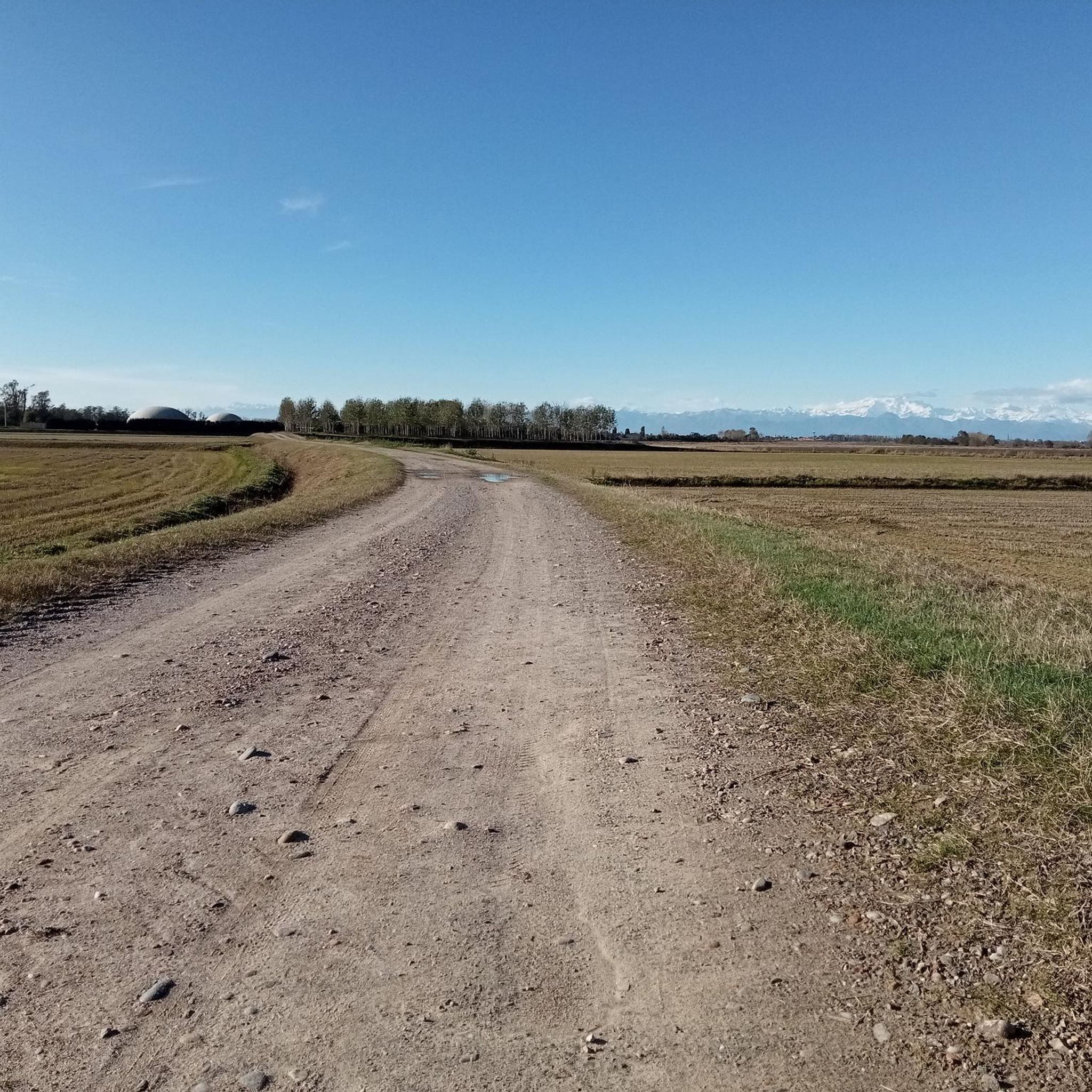
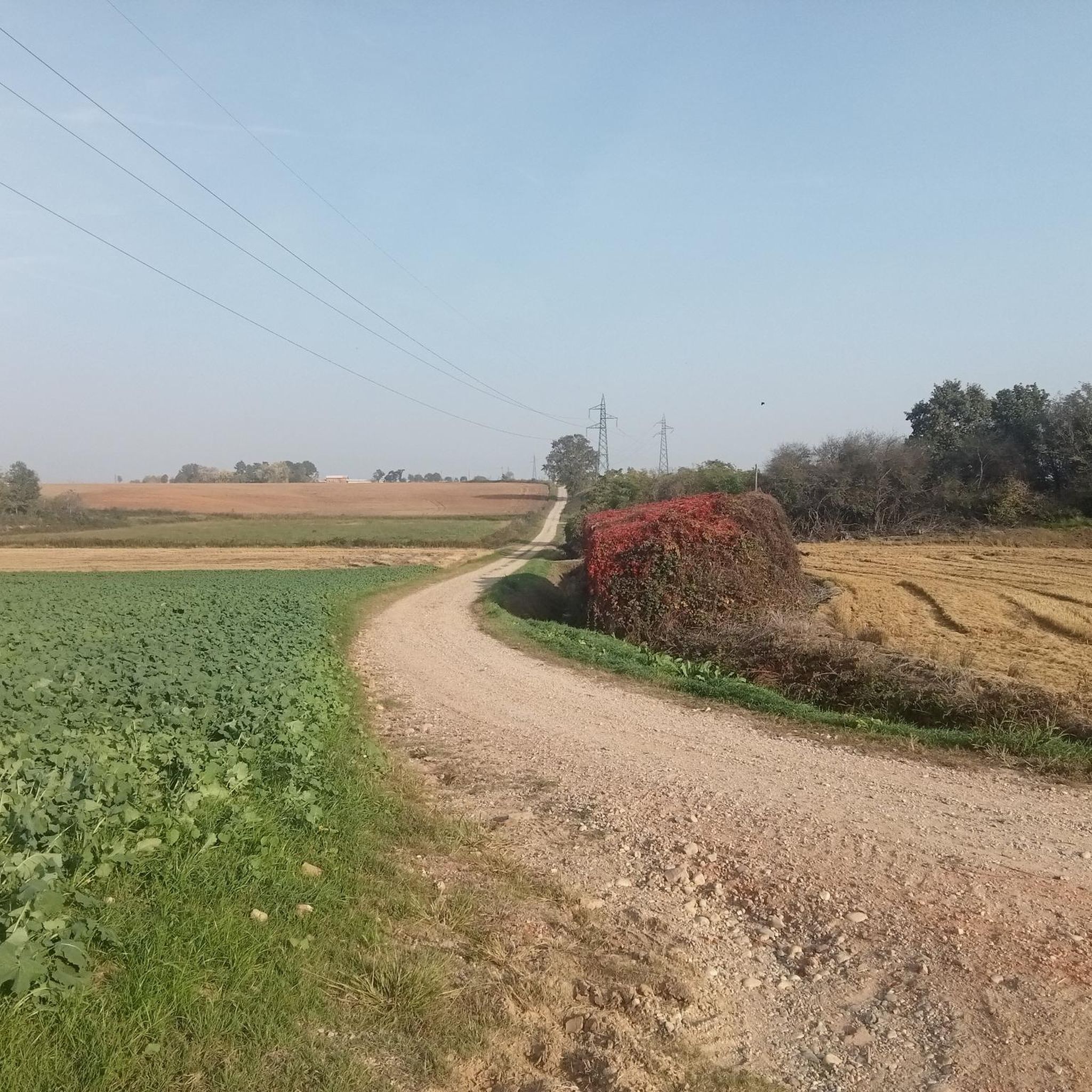
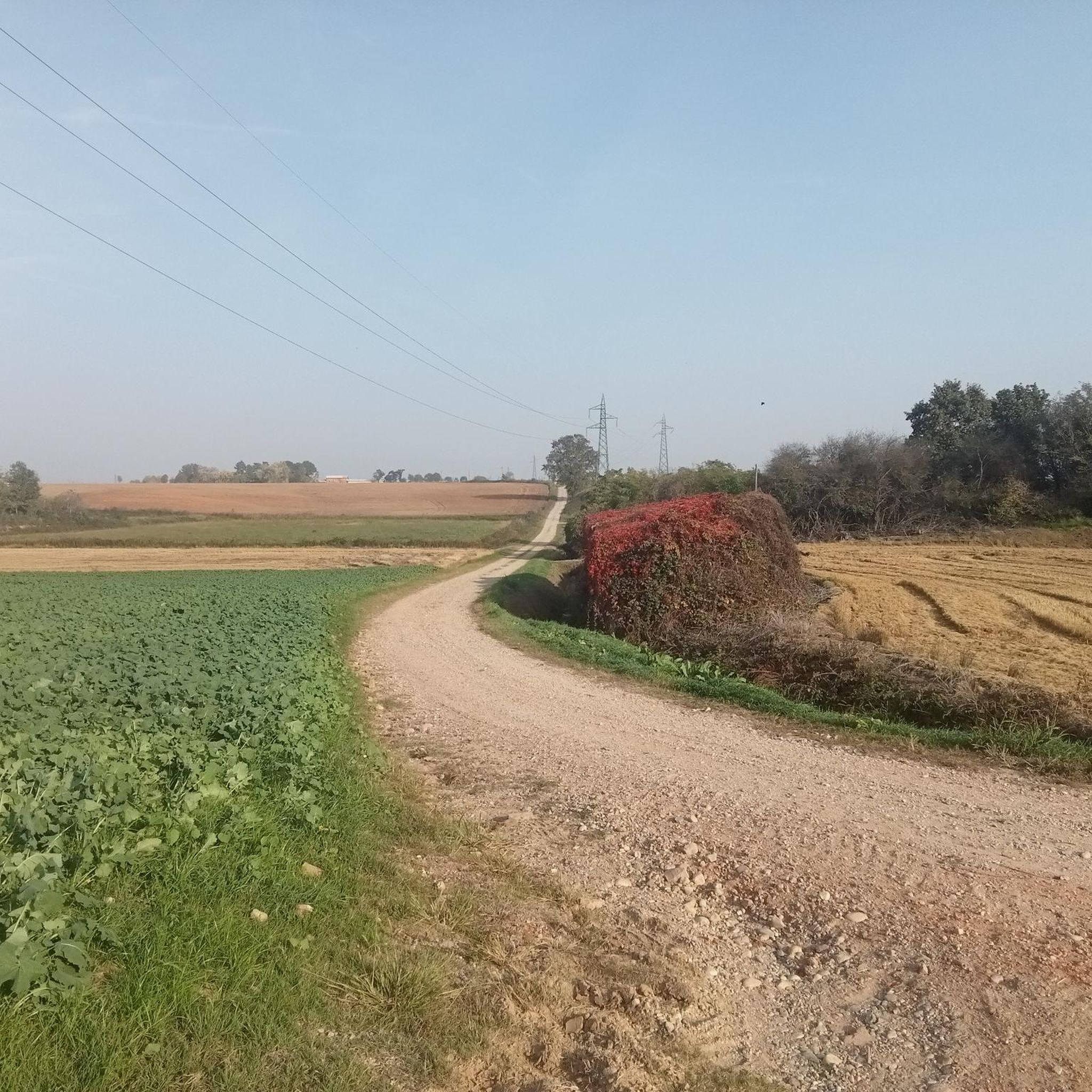
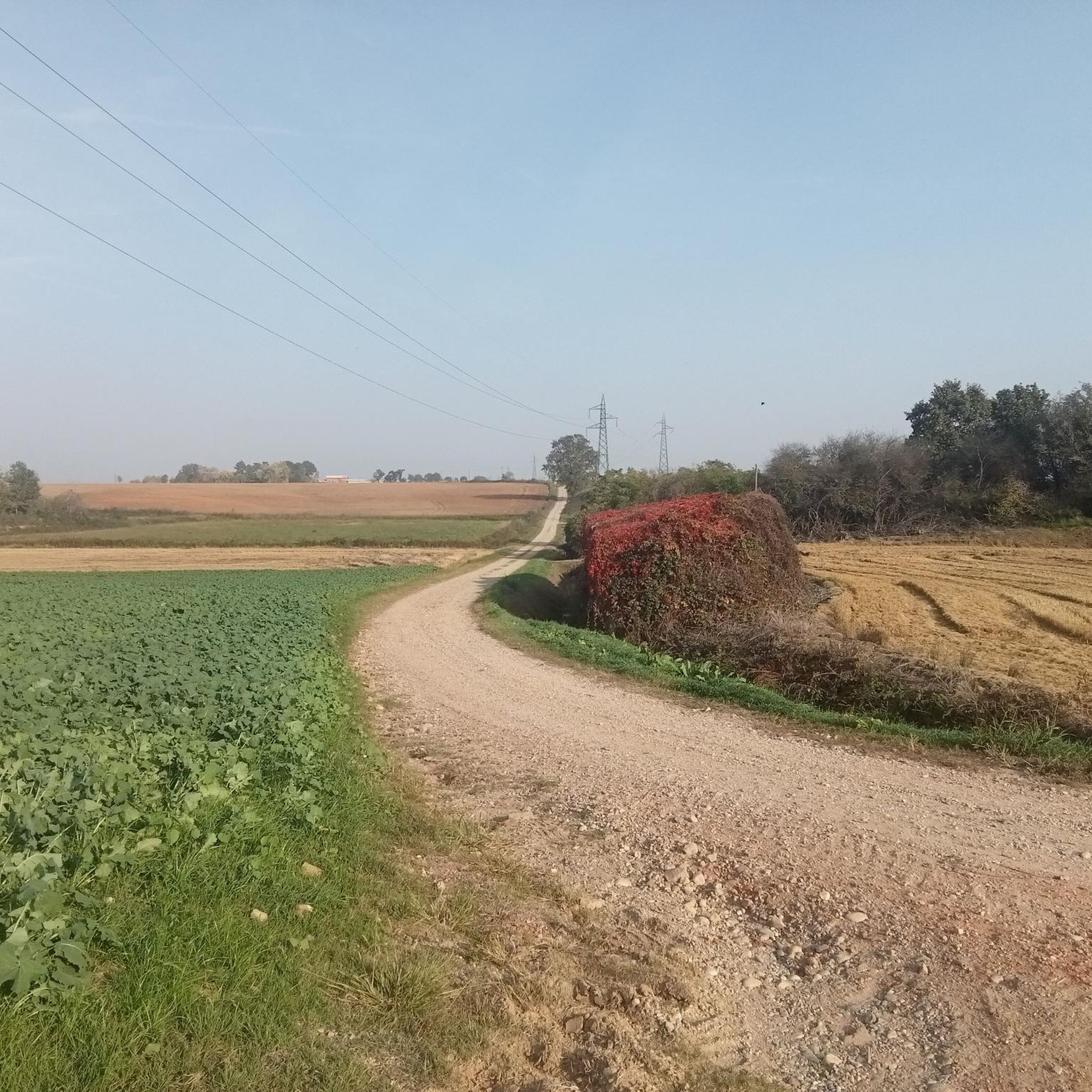
The lower Novarese area, where Terdobbiate is located, is characterized by its agricultural landscape. You'll find picturesque rice paddies and canals, which contribute to the unique rural charm and offer scenic routes for exploration.
What kind of outdoor activities are available near Terdobbiate?
The region around Terdobbiate offers various outdoor activities. You can find numerous routes for hiking, gravel biking, and running. These activities often take you through the scenic agricultural landscapes, including rice fields and along canals.
Are there family-friendly attractions in the Terdobbiate region?
Many attractions in the Terdobbiate region are considered family-friendly. This includes the artistic village of Gravellona Lomellina with its unique frescoes, the historical Visconti-Sforza Castle in Novara, and the Basilica of San Gaudenzio, also in Novara, which offers panoramic views from its dome.
Where can I see impressive religious architecture near Terdobbiate?
The most prominent religious site nearby is the Basilica of San Gaudenzio in Novara. Its impressive dome, designed by Alessandro Antonelli, is a symbol of the city and offers expansive panoramic views. Within Terdobbiate, the small Oratory of Saint Peter is also worth visiting for its historical frescoes.
What is there to see in the nearby city of Novara?
Novara offers several significant attractions. You can explore the impressive Basilica of San Gaudenzio with its iconic dome, and the historical Visconti-Sforza Castle, which now houses a museum complex. Another notable site is Palazzo Natta, an ancient noble palace now home to the Province of Novara.
Are there specific cycling routes to explore the local landscape?
Yes, the area is well-suited for cycling, particularly gravel biking. Routes like the 'Monticello Village and Church – Gravel Road Between Rice Fields loop' from Vespolate allow you to experience the picturesque rice fields and canals that define the region's unique rural charm.
What makes the Oratory of Saint Peter in Terdobbiate notable?
The Oratory of Saint Peter, located near the parish church in Terdobbiate, is notable for its small, single-nave structure adorned with rich frescoes from the 15th and 16th centuries, attributed to Francesco Cagnola.
What is the best time of year to visit Terdobbiate for outdoor activities?
The agricultural landscape, with its rice paddies and canals, is particularly picturesque during the warmer months when the fields are lush. Spring and early autumn generally offer pleasant weather for hiking, cycling, and running, allowing you to fully enjoy the natural beauty.
Are there other historical towns worth visiting close to Terdobbiate?
Yes, nearby towns like Vespolate feature historical structures such as the Parish Church of Saints John the Baptist and Antonio Abate, and the ancient Pieve of San Giovanni Battista with 15th-century frescoes. Tornaco hosts the Villa Marzoni and the Museum of Civilization and Culture of the Lower Novarese.
What kind of museums or cultural centers are available in the area?
In Novara, the Visconti-Sforza Castle functions as a museum complex. Additionally, in Tornaco, you can visit the Museum of Civilization and Culture of the Lower Novarese, located in a 19th-century manor house built on the remains of a 15th-century castle.
Most popular routes around Terdobbiate
Most popular attractions around Terdobbiate

Get inspired with the komoot mobile app


Explore more
Still not found the Highlight you’re looking for? See guides of the top attractions in other regions:
