The best road cycling routes around Casalvolone
4.1
(129)
2,350
riders
96
rides
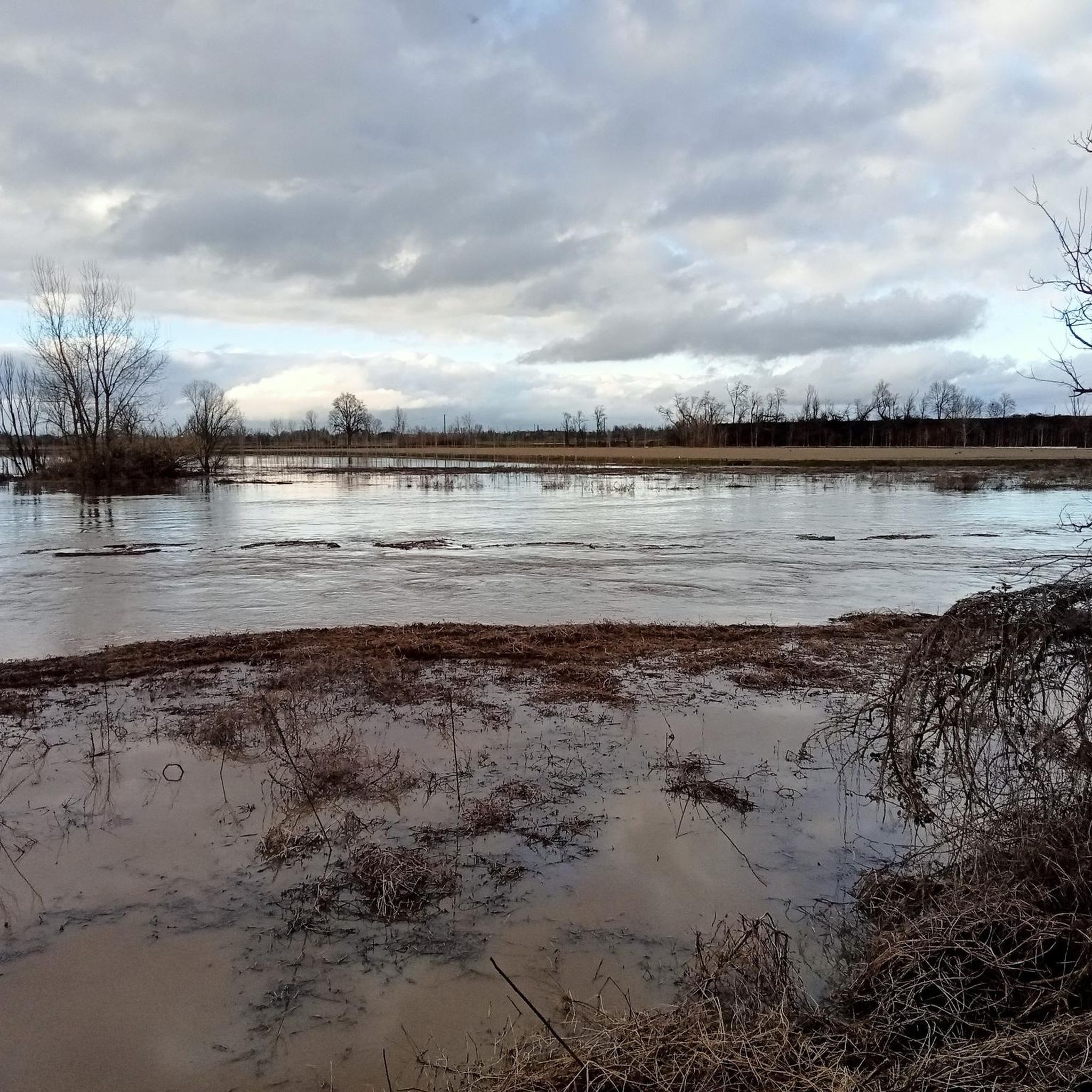
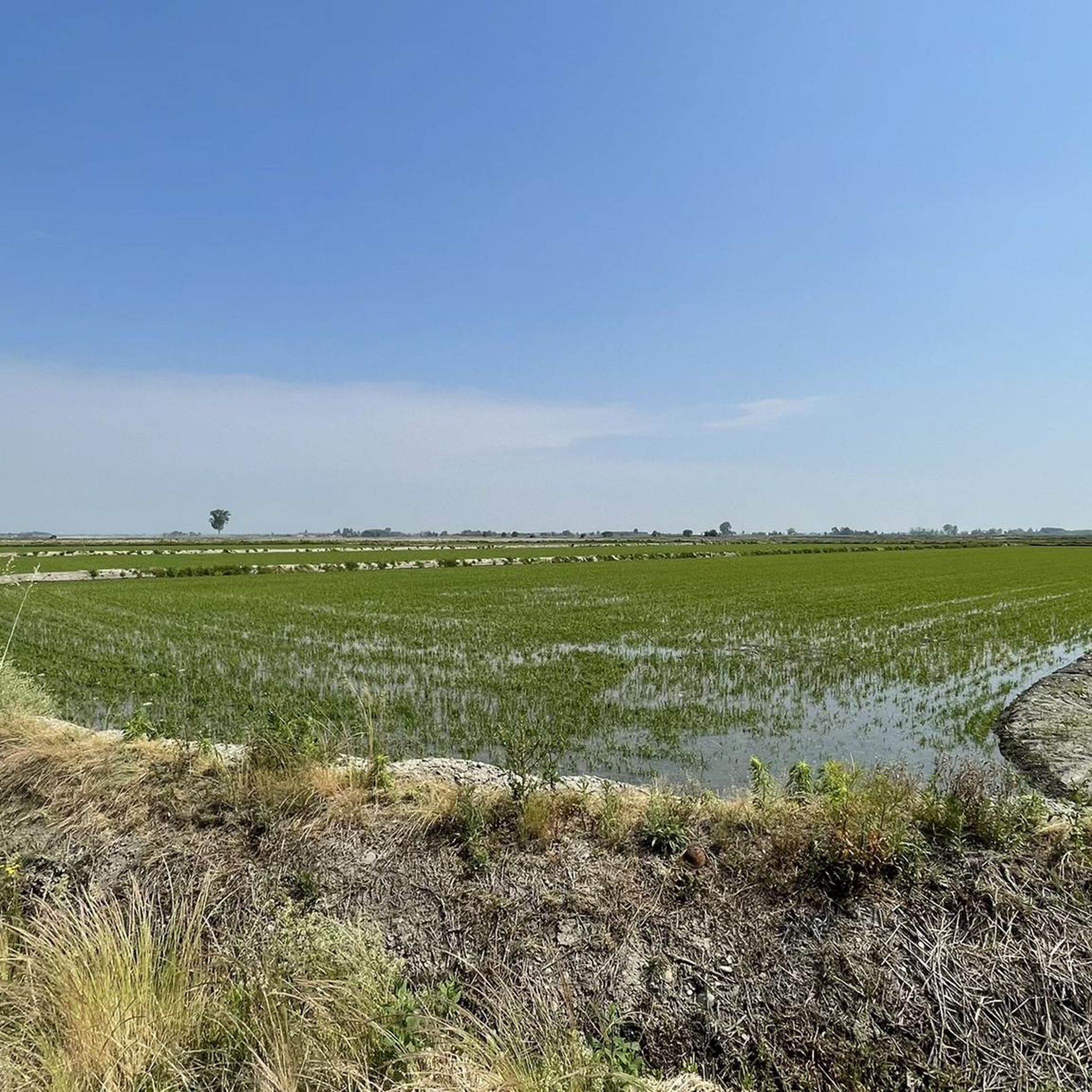
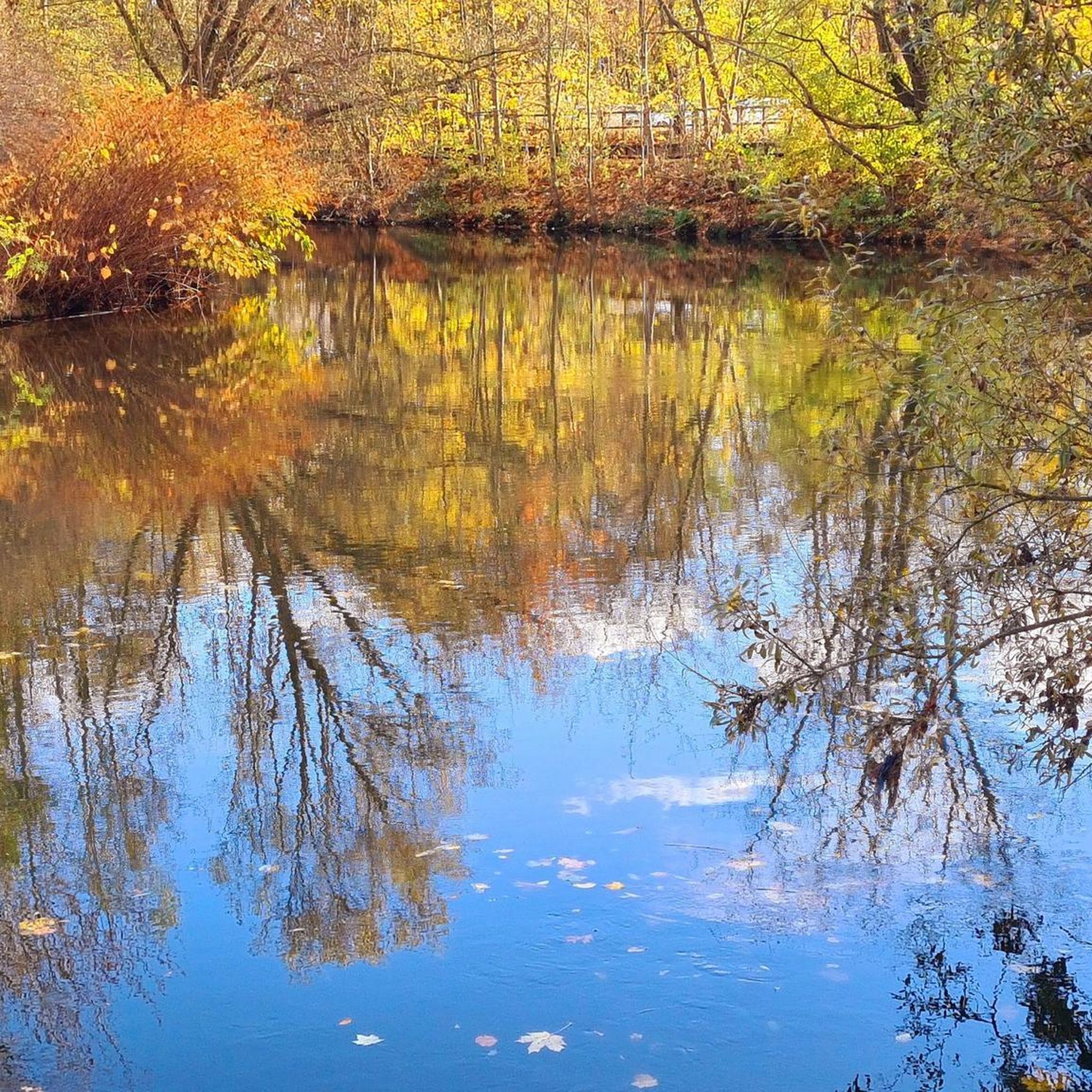
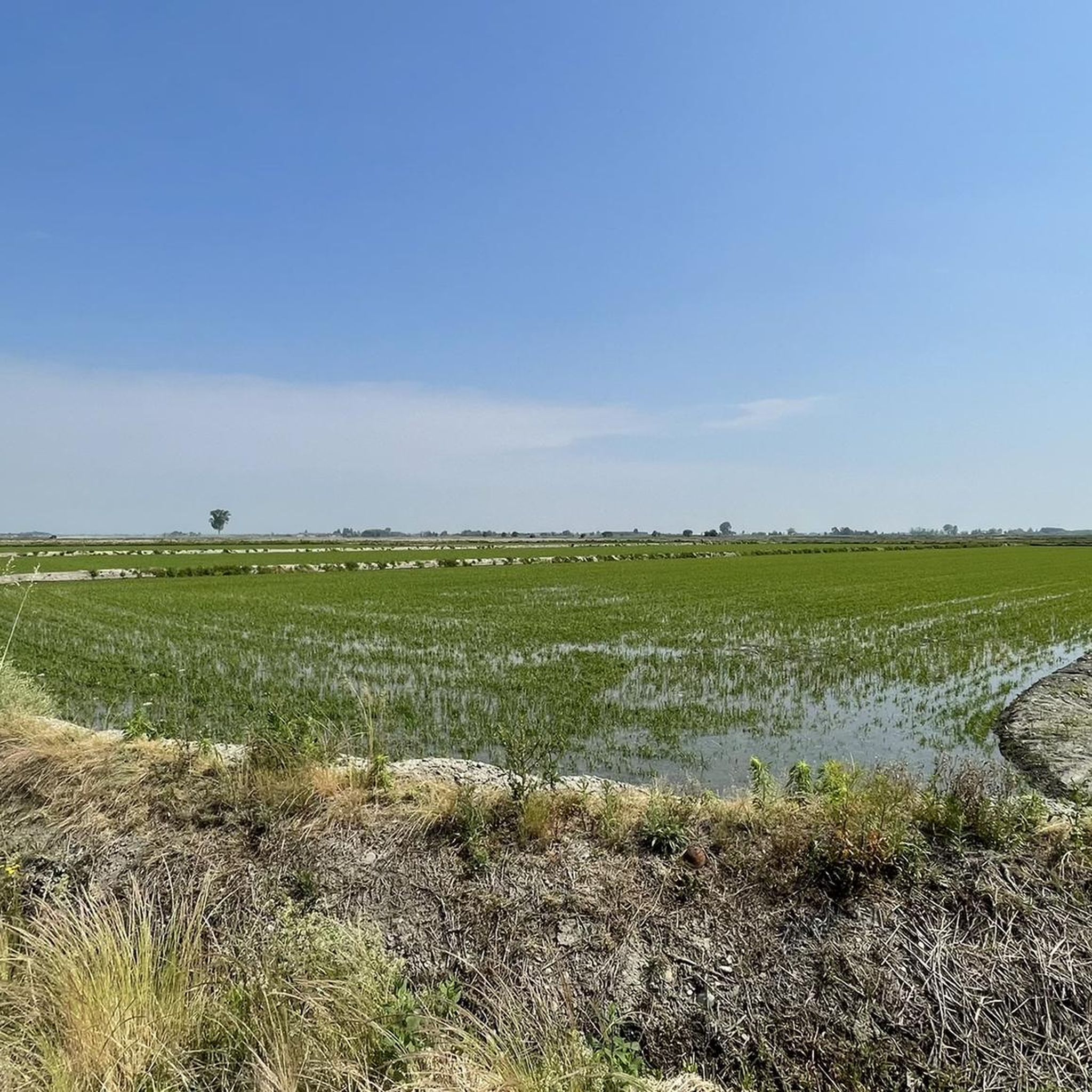
Road cycling around Casalvolone is characterized by its flat agricultural plains, particularly the extensive rice monoculture. The region features well-paved surfaces suitable for road bikes, with minimal elevation changes across most routes. Notable natural features include the Lame del Sesia Natural Park, offering diverse river environments along the Sesia river. From certain vantage points, distant views of the Alps can be observed, adding to the scenic appeal.
Best road cycling routes around Casalvolone
- The most popular road cycling route is…
Last updated: October 8, 2026
3.8
(15)
89
riders
65.5km
02:35
190m
190m
Moderate road ride. Good fitness required. Some segments of this route may be unpaved and difficult to ride.
43
riders
15.2km
00:36
20m
20m
Easy road ride. Great for any fitness level. Mostly well-paved surfaces and easy to ride.

3.0
(1)
29
riders
Easy road ride. Great for any fitness level. Mostly well-paved surfaces and easy to ride.
4.0
(4)
16
riders
76.3km
03:06
310m
310m
Moderate road ride. Good fitness required. Mostly well-paved surfaces and easy to ride.
5.0
(1)
19
riders
33.0km
01:16
50m
50m
Easy road ride. Great for any fitness level. Mostly well-paved surfaces and easy to ride.
Get access to more routes and recommendations from other explorers.
Already have an account?
Our route recommendations are based on thousands of hikes, rides, and runs completed by other people on komoot.
Start today with a free account
Your next adventure awaits.

Tips from the Community

The Abbey of San Nazzaro Sesia is a complex made up of structures from different historical periods. The oldest parts are the bell tower, built as a watchtower, and the two wings of the narthex preceding the façade, which are what remains of the quadriportico built around 1150, shortly after the abbey itself was founded (1040). The cuts resulting from the demolition of the other two sides are still clearly visible today. The narthex is almost entirely made up of stones from the Sesia river arranged in a herringbone pattern to increase its solidity. The mortar itself was obtained from materials found on site, near the Sesia river. It was probably originally used as a “hospitalis”, that is, it served as a place of rest and refreshment for travellers and pilgrims, who we know were very numerous in medieval times, and it also had the function of hosting catechumens.
0
0

the ancient hamlet of Saletta - today practically uninhabited - has been titillating mystery enthusiasts for years, as it holds more than one mystery within itself; for this reason, the church, the cemetery and the circular temple hidden in the woods have been the destination of Satanic rites in recent decades; the entrance to the church has recently been walled up. to learn more: https://vercelli.italiani.it/frazione-di-saletta-mistero-di-vercelli/
0
0

Somewhat busy stretches of road
0
0
Medieval tower located at the entrance to the town and dating back to the mid-12th century, it was a construction with military functions. Fairly well preserved, it still bears the visible coat of arms of the Caccia family.
1
0

Beautiful tower kept in excellent condition.
14
0

In the Middle Ages, Mandello Vitta was a free village: a town without duties and with toll functions. The toll tower dates back to around the 12th century. It is what remains of the fortification. It probably overlooked the ancient Via Biandrina; in fact, a large arch, now walled up, is still visible in the lower part.
0
0
The Cavour Canal is an artificial canal built to support rice farming in the mid-nineteenth century on the initiative of Count Camillo Benso di Cavour. The canal originates from the Po in Chivasso and ends in the Ticino in the municipality of Galliate.
21
0
The locality of Sillavengo was already permanently inhabited in Roman times, as evidenced by the finds currently kept at the Civic Museum of Novara and coming from a necropolis: among a group of glass funerary objects, dating back to the 1st century AD, a dove-shaped unguent bottle and a ribbed cup stand out; also noteworthy is a small lamp from the 4th or 5th century AD, of the so-called "African" type. A small Roman altar in granite, on which in the past one could read the dedication Iovi Optimo Maximo, is still found today at the Church of San Giovanni.
24
0
Frequently Asked Questions
How many road cycling routes are available around Casalvolone?
There are over 100 road cycling routes available around Casalvolone, catering to various skill levels. The komoot community has contributed more than 90 reviews, with an average rating of 4.3 stars.
What kind of terrain can I expect on road cycling routes in Casalvolone?
The terrain around Casalvolone is primarily characterized by flat agricultural plains, particularly extensive rice monoculture. You'll find well-paved surfaces with minimal elevation changes across most routes, making it suitable for road bikes. Some routes may offer distant views of the Alps.
Are there easy road cycling routes suitable for beginners or families?
Yes, Casalvolone offers many easy road cycling routes. An excellent option for a relaxed outing is the Cavour Via Railway Underpass loop from Villata, an easy 9.5 miles (15.2 km) path across flat terrain. Another family-friendly choice is the Castello degli Avogadro – Torre di Biandrate loop from Casalvolone, which is also easy and covers about 20 miles (32.7 km).
Can I find challenging road cycling routes with significant climbs near Casalvolone?
While the immediate area around Casalvolone is largely flat, the broader Piedmont region offers more challenging rides with significant elevation gains. Within the Casalvolone guide, the routes are generally moderate to easy, with the most elevation gain found on routes like the Church of the Patronage – Morghengo Castle loop from Ponzana, which has about 190 meters of elevation gain over 40.7 miles (65.5 km).
Are there any circular road cycling routes in the Casalvolone area?
Yes, many of the road cycling routes around Casalvolone are circular. Popular loops include the Church of the Patronage – Morghengo Castle loop from Ponzana, the Cavour Via Railway Underpass loop from Villata, and the Cavour Canal – Abbey of San Nazzaro loop from Villata.
What are some scenic points of interest or landmarks I can see while cycling?
While cycling around Casalvolone, you can encounter several interesting features. The historic Cavour Canal is a prominent landmark, and routes like the Cavour Canal – Abbey of San Nazzaro loop from Villata incorporate it. You might also spot historical structures like the Torre di Biandrate, featured in the Cavour Canal – Torre di Biandrate loop from Villata. For natural beauty, the Lame del Sesia Natural Park offers diverse river environments along the Sesia river, and from certain vantage points, you can enjoy distant views of the Alps.
Are there any specific routes that are good for a longer ride, say 30-50km?
For a longer ride in the 30-50km range, consider the Church of the Patronage – Morghengo Castle loop from Ponzana, which is 40.7 miles (65.5 km) long. Another good option is the Cavour Canal – Abbey of San Nazzaro loop from Villata, covering 19.9 miles (32.0 km).
What is the best time of year for road cycling in Casalvolone?
The Piedmont region, where Casalvolone is located, generally offers pleasant cycling conditions from spring through early autumn. Spring brings blooming landscapes, while autumn provides cooler temperatures and beautiful colors. Summers can be warm, so early morning or late afternoon rides are often preferred.
What do other cyclists say about the road cycling experience in Casalvolone?
The road cycling routes in Casalvolone are highly rated by the komoot community, with an average score of 4.3 stars from over 90 reviews. Cyclists often praise the well-paved surfaces, the peaceful agricultural landscapes, and the variety of routes suitable for different fitness levels.
Are there any historical sites or castles accessible by road bike?
Yes, the area around Casalvolone has several historical sites and castles. You can cycle past the Torre di Biandrate, as seen on the Castello degli Avogadro – Torre di Biandrate loop from Casalvolone. For more historical exploration, consider visiting nearby castles like the Casalino Castle or the Visconti-Sforza Castle in Novara, which are accessible via road cycling routes in the region.
Are there routes that follow the Cavour Canal?
Absolutely. The Cavour Canal is a significant feature of the local landscape, and several routes incorporate it. For instance, the Cavour Canal – Abbey of San Nazzaro loop from Villata and the Cavour Canal – Torre di Biandrate loop from Villata both offer scenic rides alongside this historic waterway.
Most popular routes around Casalvolone
Most popular attractions around Casalvolone

Get inspired with the komoot mobile app


Explore more
Browse the best Road cycling routes in other regions.
