Attractions and Places To See around Ivrea - Top 20
Best attractions and places to see around Ivrea include a blend of historical landmarks, cultural sites, and natural features. The city is situated along the Dora Baltea River within a morainic amphitheater, featuring several lakes. Ivrea holds significance for its ancient Roman origins and its 20th-century industrial city planning, recognized as a UNESCO World Heritage site. This area offers diverse points of interest for exploration.
Best attractions and places to see around Ivrea
- The most popular attractions is Gate Tower and Corner Tower of Piverone, a historical site that preserves a 13th-century access tower and a north-east corner tower of the village walls. These structures are remnants of an ancient shelter.
- Another must-see spot is Lake Pistono and the Archaeological Park of the Stilt Houses, a lake and historical site. Visitors can find a full-scale reconstruction of a 6500-year-old village, detailing how people lived in Montalto.
- Visitors also love The Dancing Lands, a natural monument. This small forest features peat soil resting on water, causing the ground to move with elasticity when walked or jumped on.
- Ivrea is known for its historical sites, natural monuments, and lakes. The region offers a variety of attractions to see and explore, from ancient ruins to unique geological formations.
- The attractions around Ivrea are appreciated by the komoot community, with more than 360 upvotes and over 250 photos shared.
Last updated: July 6, 2026
Lake Pistono and the Archaeological Park of the Stilt Houses
Highlight • Lake
Translated by Google •
Tip by

Ivrea Historic Centre and the Dora Baltea Riverside
Highlight • Historical Site
On the other bank of the Dora, near Via Jervis, the old Olivetti factories have been converted into Musea dell'Architecture Moderna.
Translated by Google •
Tip by

Sign up now to discover places like this
Get recommendations on the best single tracks, peaks, & plenty of other exciting outdoor places.
Sign up for free
The Dancing Lands
Highlight • Natural Monument
It's definitely an experience worth trying 😉
Translated by Google •
Tip by

Gate Tower and Corner Tower of Piverone
Highlight • Historical Site
*Ancient shelter of which the access tower to the village (clock tower) and the north-east corner tower of the walls, from the 13th century, have been preserved
*Church of Gesiùn, ruins of the ancient church of Livione, dating back to the 10th century
*Romanesque bell tower of San Pietro di Subloco, dating back to the 10th century
*Parish Church of Saints Peter and Lawrence
Translated by Google •
Tip by
Bessa Gold Mining Archaeological Site
Highlight • Natural Monument
It is located between Biella and Ivrea, included in the municipalities of Borriana, Cerrione, Mongrando and Zubiena, on the orographic right of the Elvo stream. It is part of the Serra moraine, considered the largest in Europe.
A lunar appearance, with large mounds placed together like desert dunes, made up of stones of various sizes. Between one pile and another, curtains of often impenetrable plants and bushes. This is the aspect that one perceives when entering the Bessa Nature Reserve for the first time, established in 1985. But the charm of Bessa also lies in its history.
One thing is now certain. This entire large territory, almost ten square kilometers, has been entirely modified in its appearance by the work of thousands of men.
These were the Ictimuli - or Vittimuli - who inhabited a large part of the Biella area over two thousand years ago. Led and exploited by the Romans between the 2nd and 1st centuries BC. they transformed the Bessa into one of the largest open-pit gold mines in the world.
Traces of this immense work remain in the mounds, erected by piling up the stones discarded during the excavation.
Source: atl.biella.it/localita-dettaglio/-/d/riserva-speciale-della-bes-1
Translated by Google •
Tip by

Sign up for free to discover even more attractions around Ivrea.
Sign up for free
Already have an account?
Start today with a free account
Your next adventure awaits.
Login or Signup
Popular around Ivrea
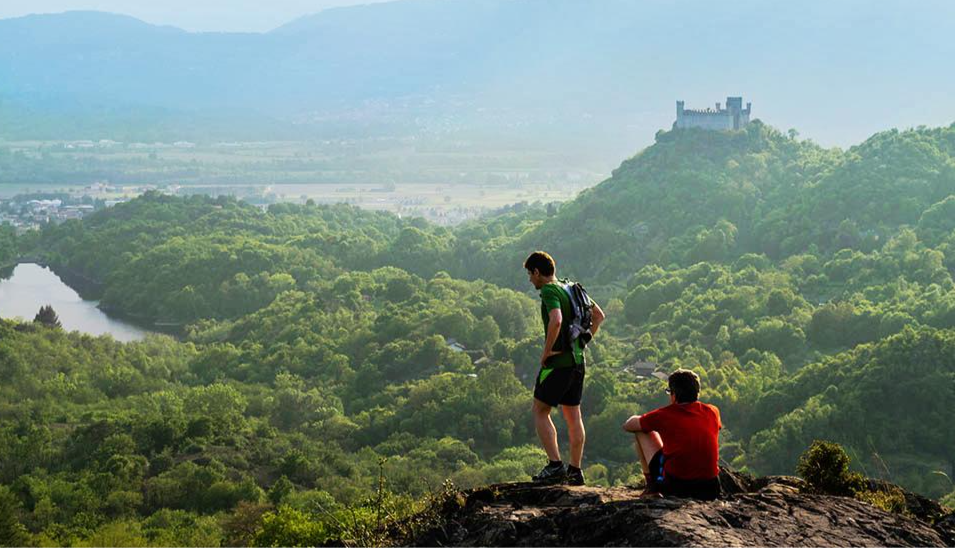
Car Free Piedmont – hiking face to face with nature
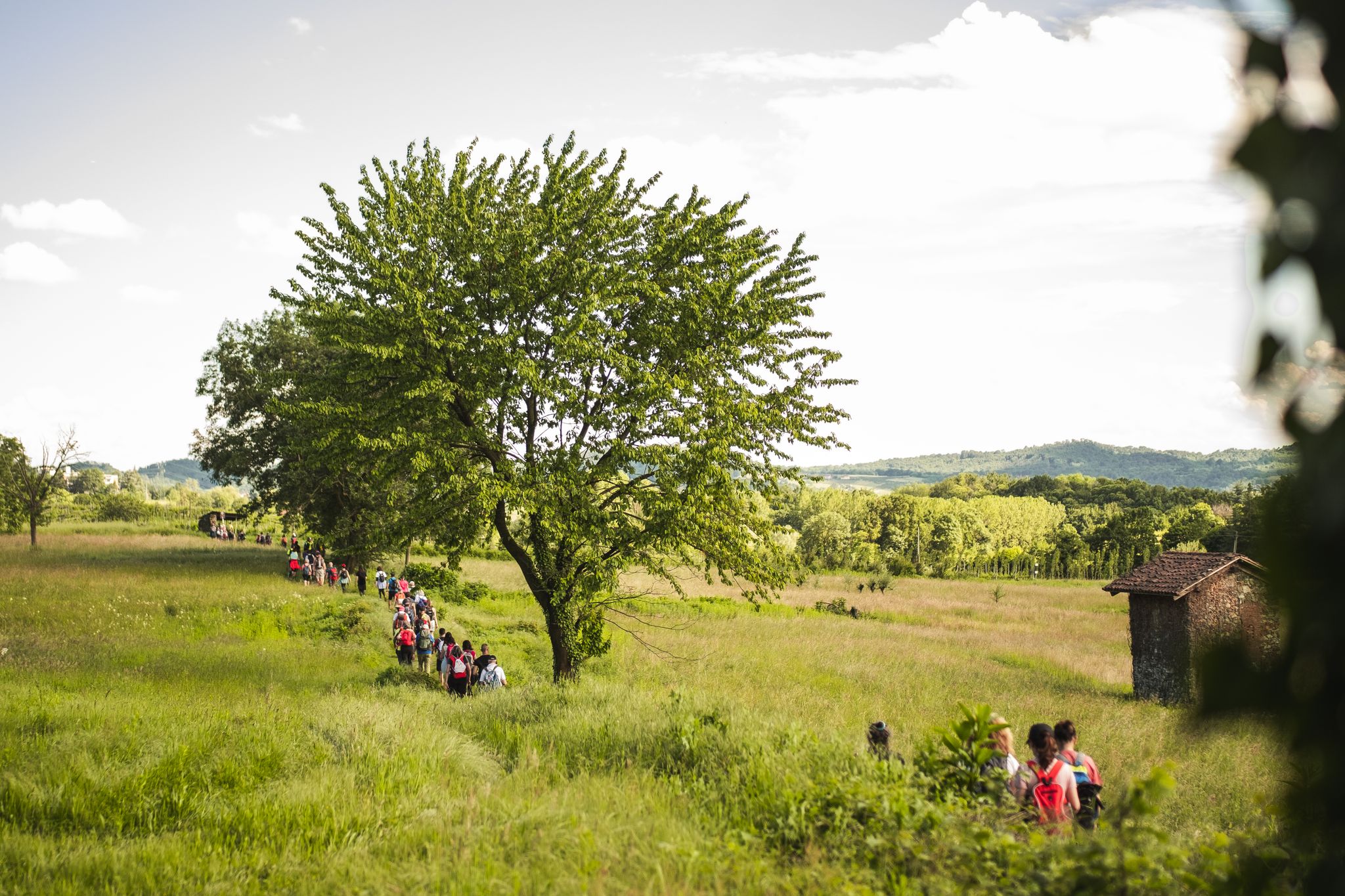
Via Francigena in Canavese – complete route and 'for all' section
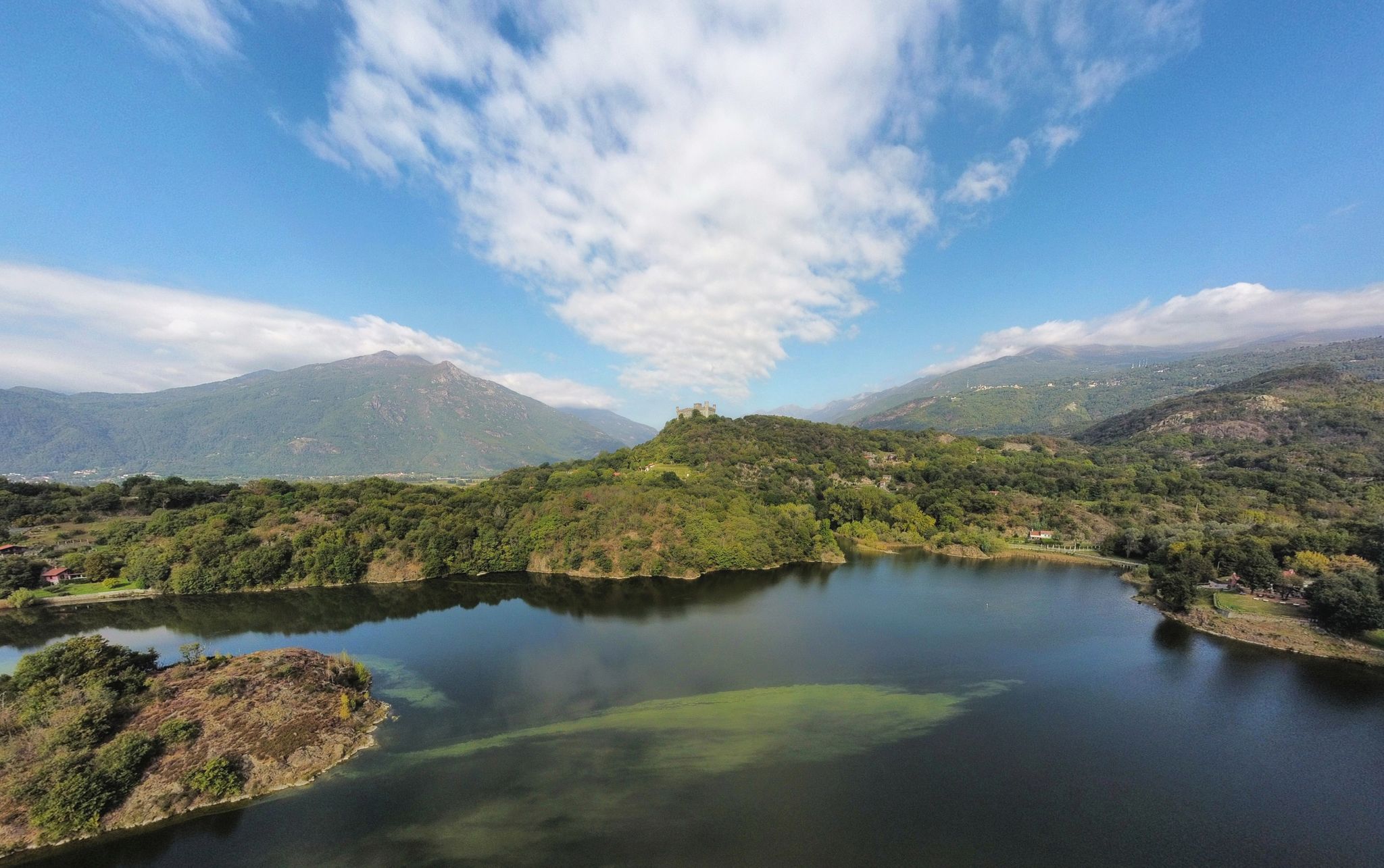
Between lakes and boulders – MTB the Ivrea Morainic Amphitheatre High Trail
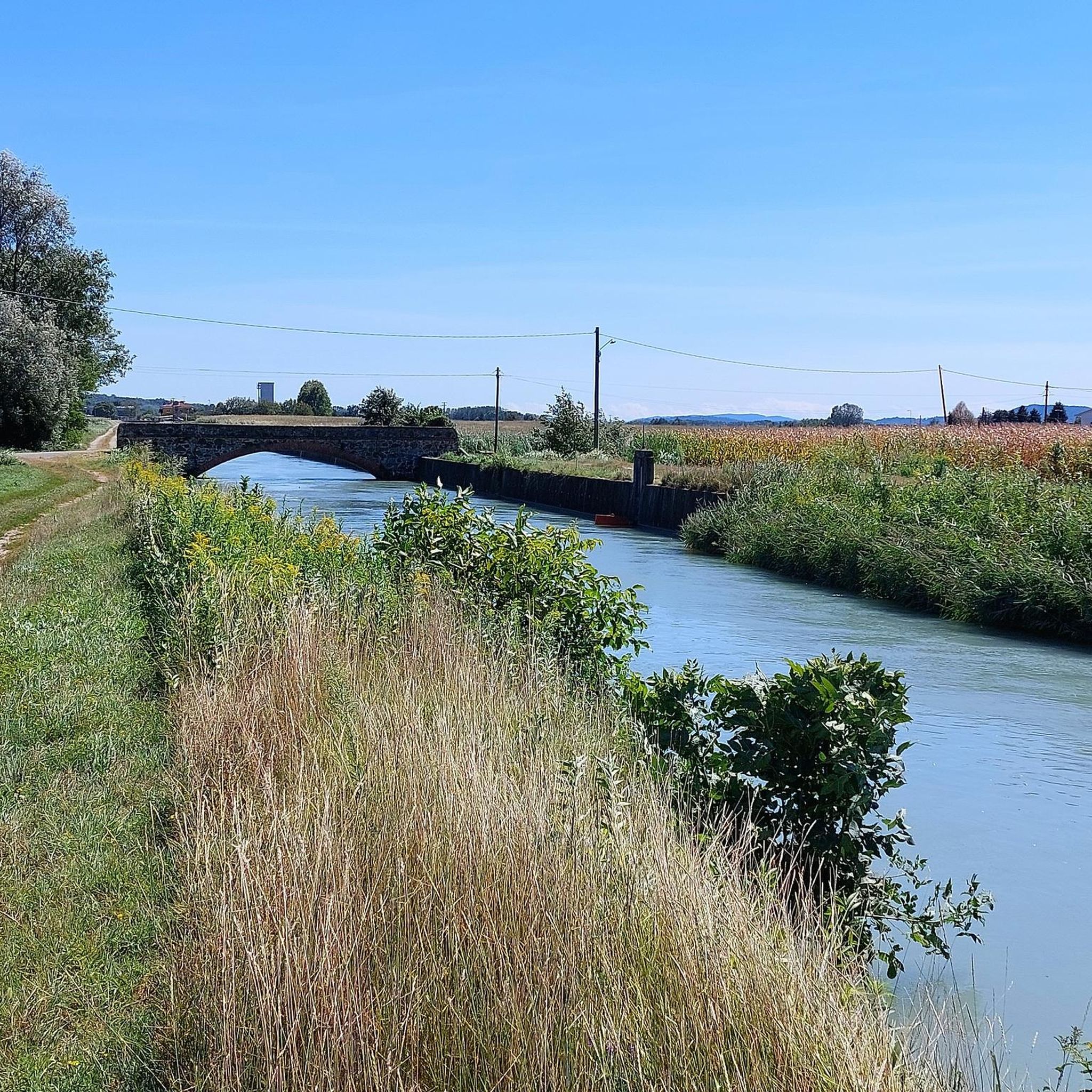
Road Cycling Routes around Ivrea
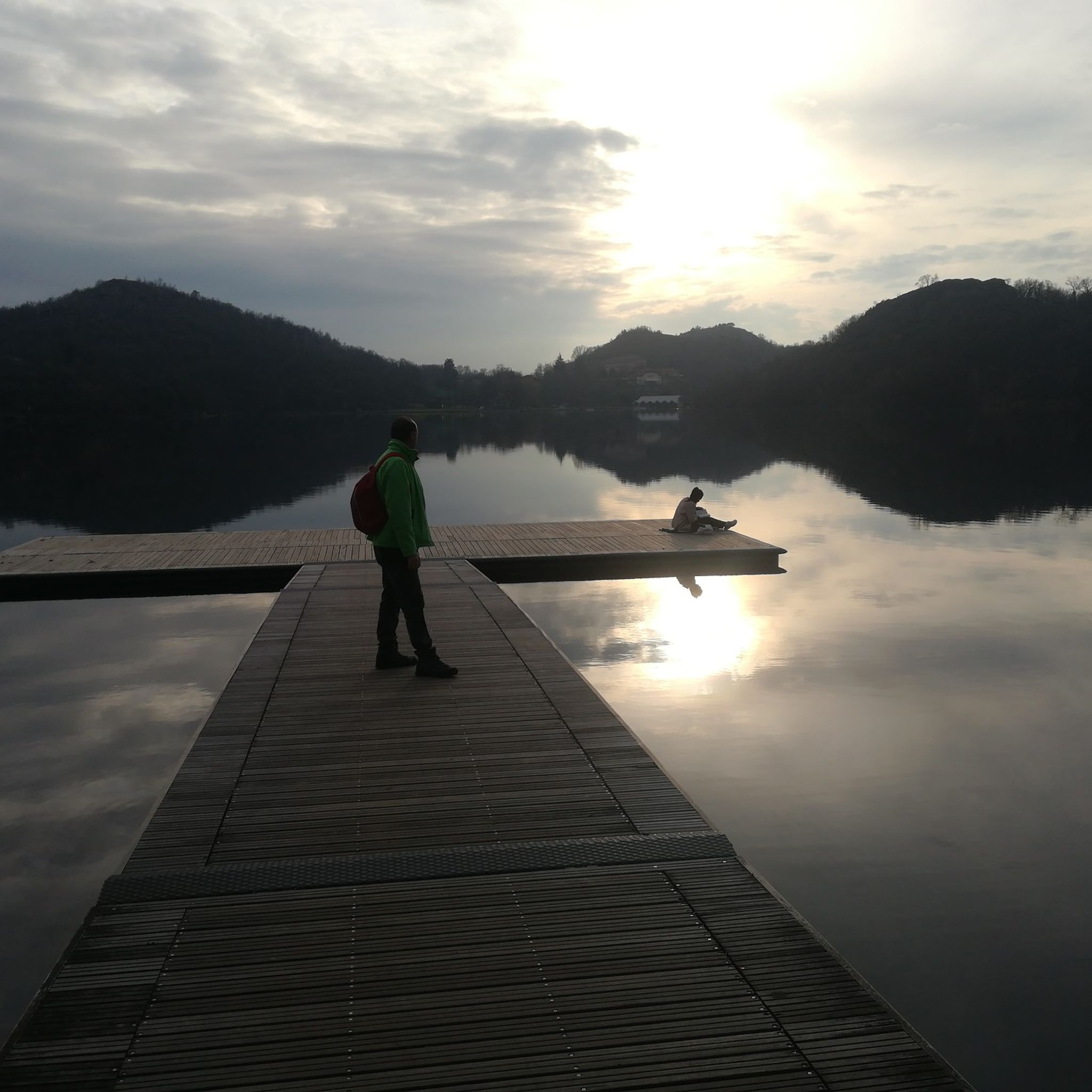
Hiking around Ivrea
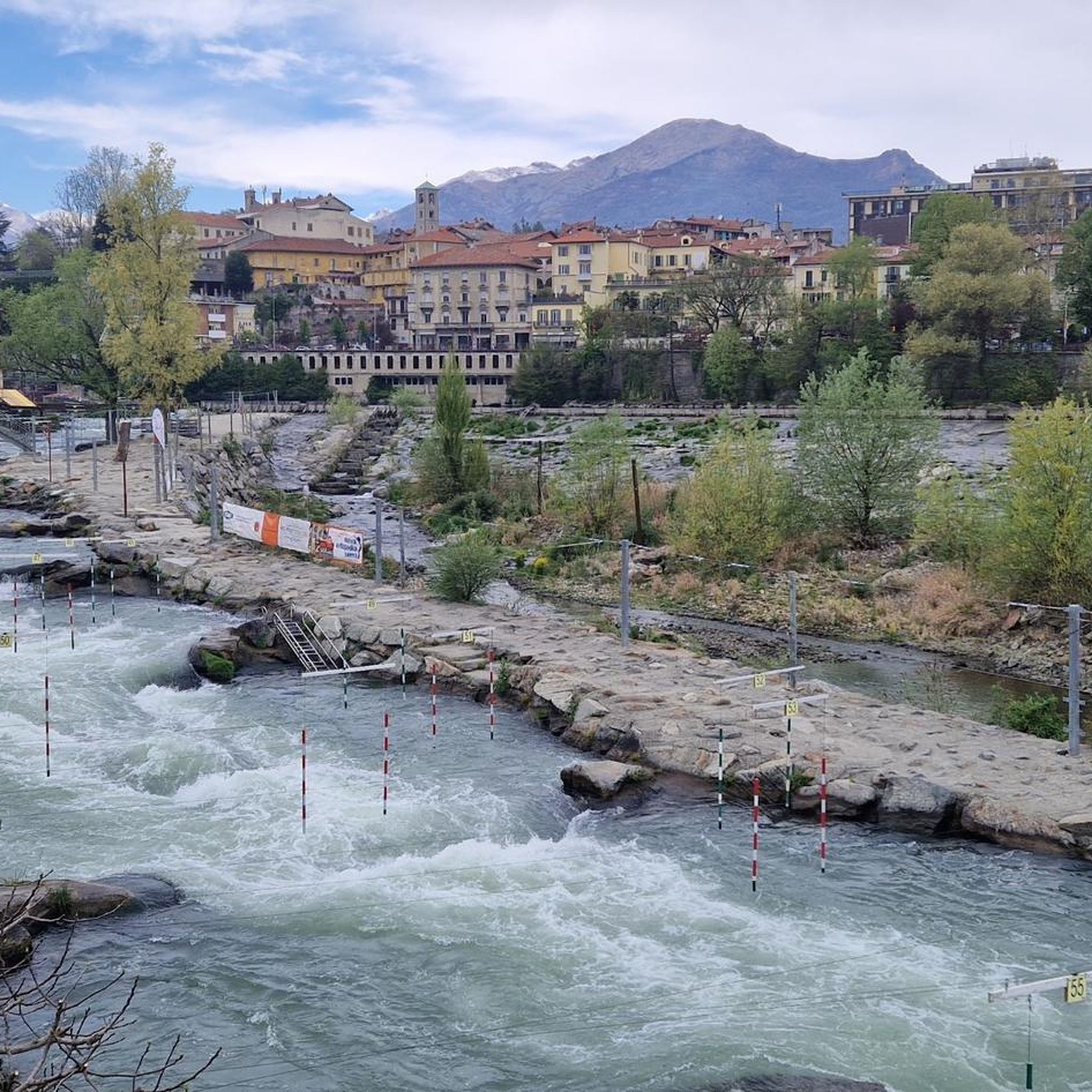
Cycling around Ivrea
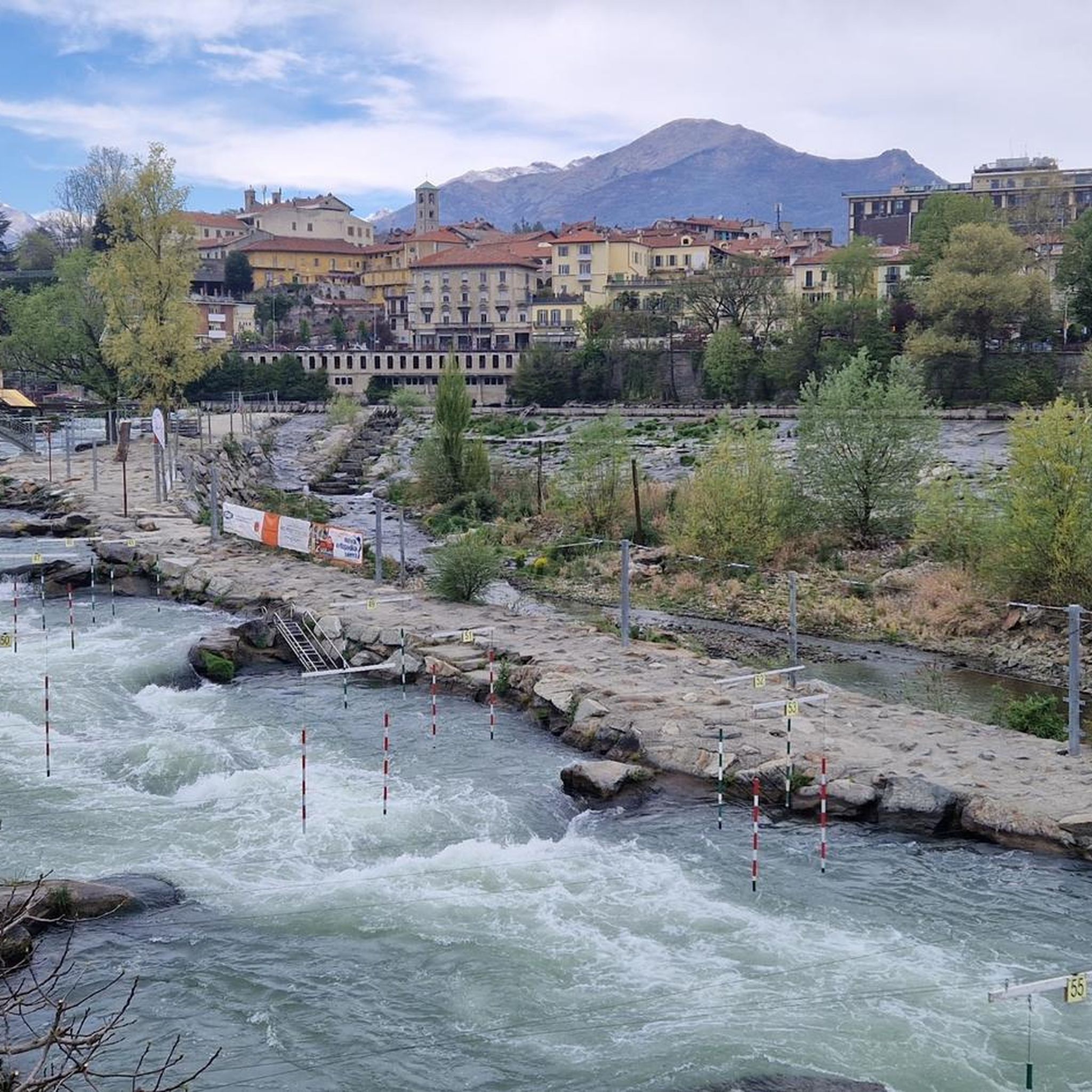
MTB Trails around Ivrea
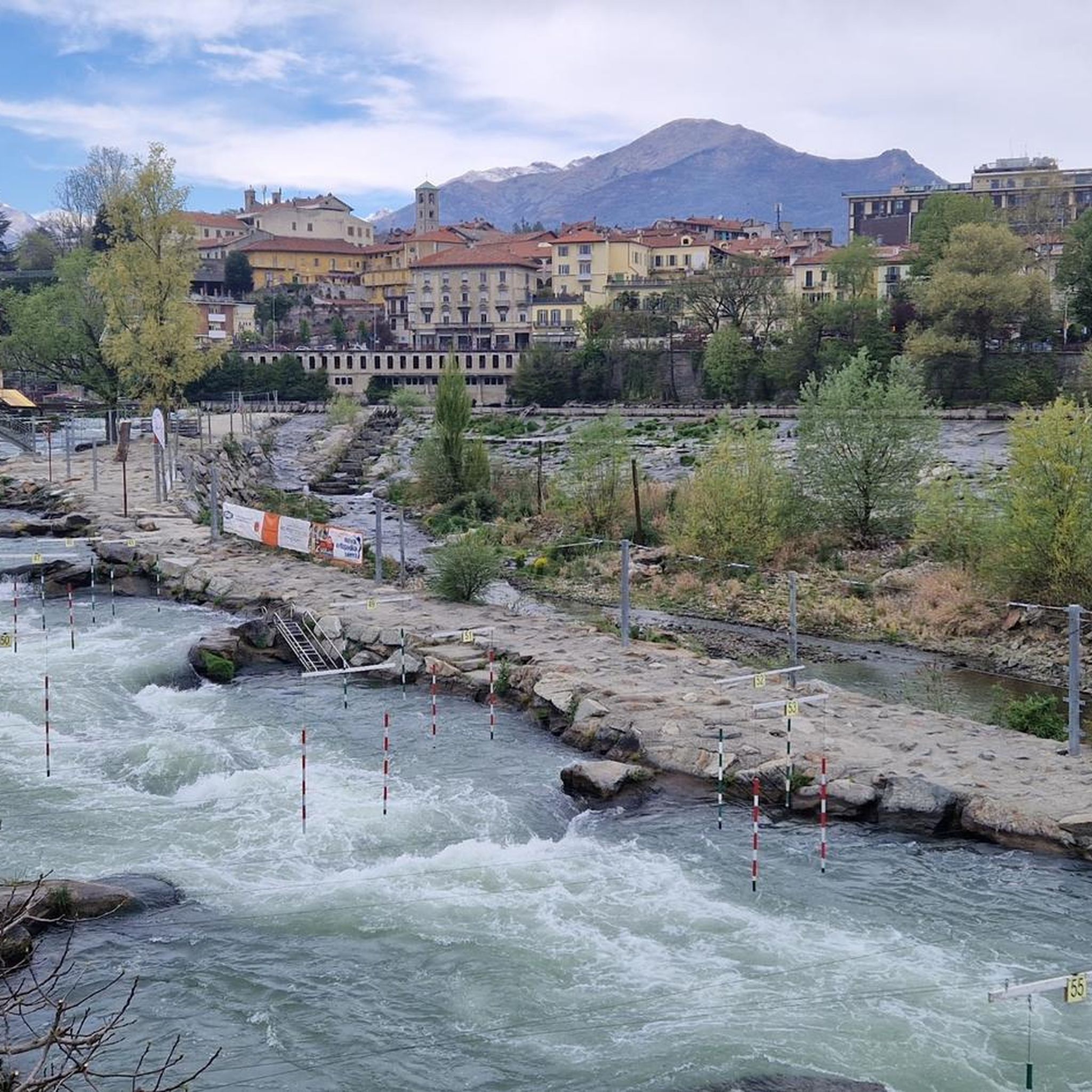
Running Trails around Ivrea

Gravel biking around Ivrea
Other adventures around Ivrea


Tips from the Community

Must do, at least once, interesting place.
1
0

It is a unique place of its kind. In a rather small and circumscribed area 2 steps from the Montalto lake (also called "Rabbit" lake) there is an area with a very dark soil composed of water, peat, earth and medium-sized trees. Especially when the ground is wet or it has rained previously if you jump on the surface, it moves creating small waves making the surrounding trees dance. A real show! You can reach the dancing lands from 2 different dirt tracks. For those with good technical skills the entry or exit paths in both directions are also fun to pedal.
0
0

Regardless of whether you reach the Serra di Ivrea or not, even wandering around these lakes, taking advantage of the good signage present, pays off! There is a nice variety of environments and paths, from single track to dirt road, ending on cobblestone sections, never too banal, especially in the wet... the lake environments are beautiful, given that most of these lakes are not very urbanized, the stilt houses rebuilt on the shore of Lake Pistono are very beautiful, they certainly deserve a stop. Places also suitable for children, given that in the lake area the differences in altitude are very modest... just watch out for hikers, because the paths are open to everyone!
3
0

Passage made during Erratico Gravel
0
0

In this beautiful peat bog in Montaldo Dora there is a very particular natural phenomenon, which gives the place its name. The Terre Ballerine are in fact called this way because of the particular consistency of the ground, which makes those who walk on it feel like they are walking on a mattress.
1
0


Monuments and places of interest: *Ancient shelter of which the access tower to the village (clock tower) and the north-east corner tower of the walls, from the 13th century, have been preserved *Church of Gesiùn, ruins of the ancient church of Livione, dating back to the 10th century *Romanesque bell tower of San Pietro di Subloco, dating back to the 10th century *Parish Church of Saints Peter and Lawrence
8
0
Ivrea, the cradle of the Olivetti company and its famous typewriters, is located on the right bank of the Dora Baltea, west of the Serra di Ivrea, the largest moraine wall in Europe. The silhouette of a 14th century castle rises above the city. In the upper town there is also the originally Romanesque Duomo, which was renovated in the 19th century. On the other bank of the Dora, near Via Jervis, the old Olivetti factories have been converted into Musea dell'Architecture Moderna.
8
0
Frequently Asked Questions
What natural attractions can I explore around Ivrea?
The region around Ivrea is rich in natural beauty. You can visit the unique The Dancing Lands, a small forest where the ground moves with elasticity due to peat soil resting on water. The area is also known for its 'Five Lakes' within the Morainic Amphitheatre, including Lago Sirio, Lago San Michele, Lago Pistono, Lago Nero, and Lago Campagna. Lake Pistono is particularly notable for its archaeological park. The Dora Baltea River flows through the city, offering scenic riverside walks, and the impressive Serra Morenica, the longest glacial hill in the world, is also nearby.
What historical sites are there to visit in Ivrea?
Ivrea boasts a rich history with several significant sites. Dominating the skyline is the 14th-century Ivrea Castle, a red-brick fortress. The Ivrea Cathedral, with Romanesque origins and Baroque additions, features frescoes and a crypt. You can also see the ancient Ponte Vecchio, a Roman bridge over the Dora Baltea, and remains of a Roman Theatre. The Gate Tower and Corner Tower of Piverone are remnants of a 13th-century village. Further afield, the Bessa Gold Mining Archaeological Site offers insight into ancient Roman gold mining.
What is the UNESCO World Heritage site in Ivrea?
Ivrea is home to the Ivrea Industrial City of the 20th Century, a UNESCO World Heritage site. This area showcases a unique urban planning model developed by Adriano Olivetti between the 1930s and 1960s, integrating industrial production with modernist architecture, social services, and worker well-being. You can explore these significant architectural works, including the historic Olivetti factory, which reflect Olivetti's innovative vision.
Are there family-friendly activities around Ivrea?
Yes, several attractions in the Ivrea area are suitable for families. Lake Pistono and the Archaeological Park of the Stilt Houses offers a full-scale reconstruction of a 6500-year-old village, providing an engaging historical experience. The unique The Dancing Lands is a fun and interactive natural monument where children can enjoy the sensation of the ground moving. The Bessa Gold Mining Archaeological Site is also categorized as family-friendly, offering an interesting outdoor exploration.
What outdoor activities, like hiking, can I do near Ivrea?
Ivrea is surrounded by excellent opportunities for outdoor activities. For hiking, you can explore trails around the 'Five Lakes' region, including the popular 'Lake Sirio and the Dancing Lands Loop'. Longer and more challenging routes like 'I 5 lakes in the Riserva dei Laghi di Ivrea' are also available. You can find detailed hiking routes and guides at Hiking around Ivrea.
Are there cycling routes available around Ivrea?
Yes, Ivrea offers diverse cycling experiences. For gravel biking, routes like 'Ivrea Canal – Lake Bertignano loop' or 'Ivrea – Ivrea Canal loop' provide scenic rides. Road cyclists can enjoy challenging tours such as 'Nomaglio and the Serra di Ivrea – loop from Ivrea' or 'Climb to the Sanctuary of Oropa from Ivrea'. More information on these routes can be found in the Gravel biking around Ivrea and Road Cycling Routes around Ivrea guides.
What cultural events or festivals are held in Ivrea?
Ivrea is famous for its annual Ivrea Carnival and Battle of the Oranges. This distinctive festival involves a historical reenactment where participants divide into teams and throw oranges at each other, symbolizing a rebellion against tyrannical rule. It's a vibrant and unique cultural experience that attracts many visitors.
Can I visit ancient Roman ruins in Ivrea?
Yes, Ivrea has a rich Roman past. You can see the remains of a Roman Theatre within the city. Additionally, the historic Ponte Vecchio, spanning the Dora Baltea River, dates back to around the 3rd century and was a crucial Roman crossing point. The Ivrea Cathedral is also believed to have been built over a Roman acropolis.
What are the main lakes around Ivrea?
The landscape around Ivrea features several picturesque lakes, part of the Morainic Amphitheatre. The most prominent are Lago Sirio (the largest and best known, popular for swimming), Lago San Michele, Lake Pistono, Lago Nero, and Lago Campagna. These lakes offer opportunities for walks, nature enjoyment, and water activities.
Is Ivrea well-connected by public transport?
Yes, Ivrea is well-connected by train to major cities like Turin and Aosta, making it accessible for visitors relying on public transport. The city is also easily reachable by car via the A5 motorway.
What is the Ivrea Cathedral?
The Ivrea Cathedral (Cattedrale di Santa Maria Assunta) is a significant religious and historical landmark located in the upper part of Ivrea's old town. It has Romanesque origins, with notable Baroque and neoclassical additions. Inside, visitors can admire marble altars, frescoes, and a crypt containing early Christian remains. The cathedral is also distinguished by its two Romanesque bell towers.
Are there any museums in Ivrea?
Yes, Ivrea hosts the Museo Civico Pier Alessandro Garda. Housed in the 18th-century Palazzo della Congregazione di Carità, this museum features diverse collections including archaeology, ethnography, and a noteworthy collection of Asian art, offering cultural insights into the region and beyond.
What is the best time of year to visit Ivrea for outdoor activities?
While specific seasonal conditions vary, the region's lakes and natural features, such as Lago Sirio, are popular for swimming in summer. Spring and autumn generally offer pleasant temperatures for hiking and cycling, allowing visitors to comfortably explore the morainic landscape and historical sites. A one to two-day stay is often sufficient to explore the historic center and the Olivetti architecture.
Most popular attractions around Ivrea

Get inspired with the komoot mobile app


Explore more
Still not found the Highlight you’re looking for? See guides of the top attractions in other regions:
