Attractions and Places To See around Viù - Top 20
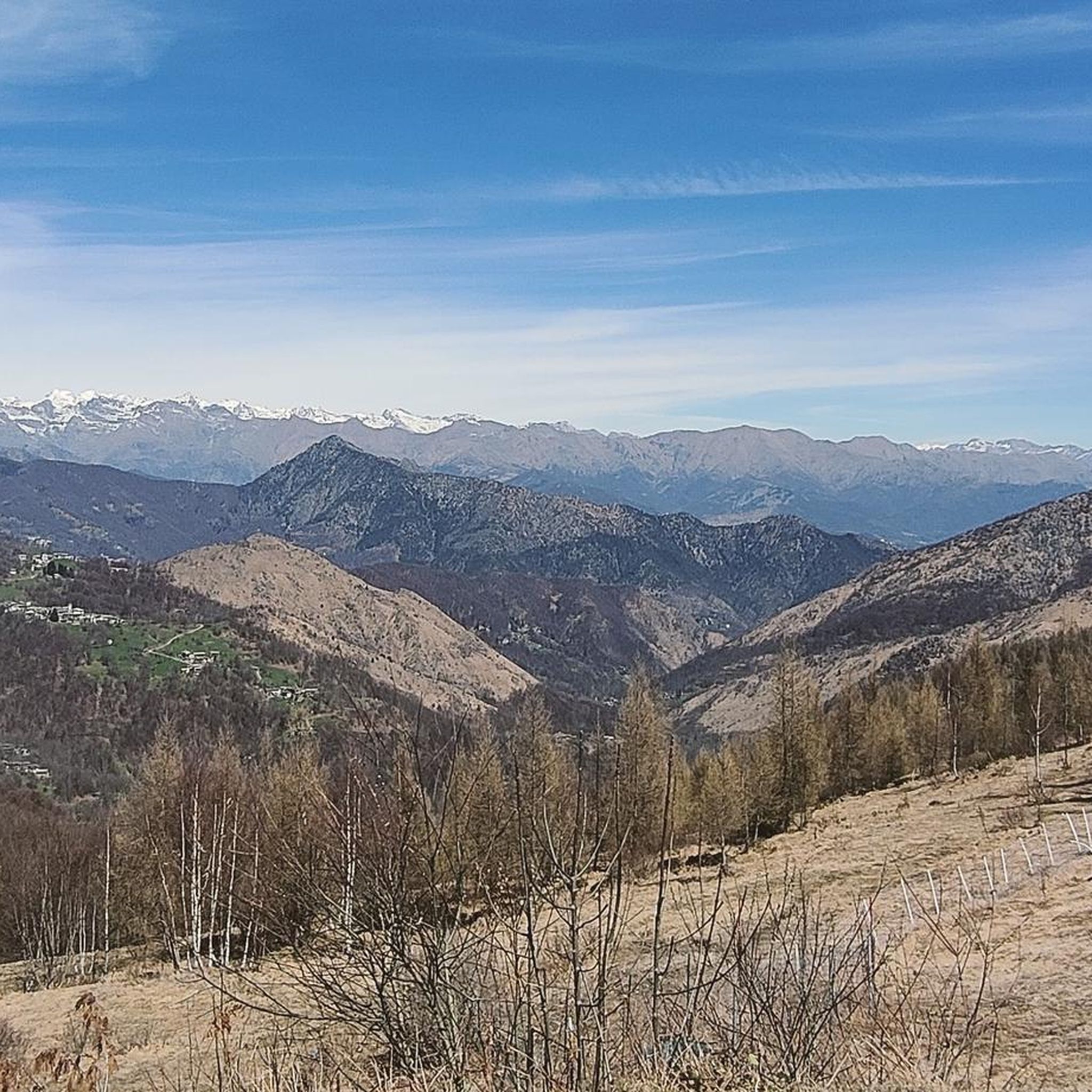
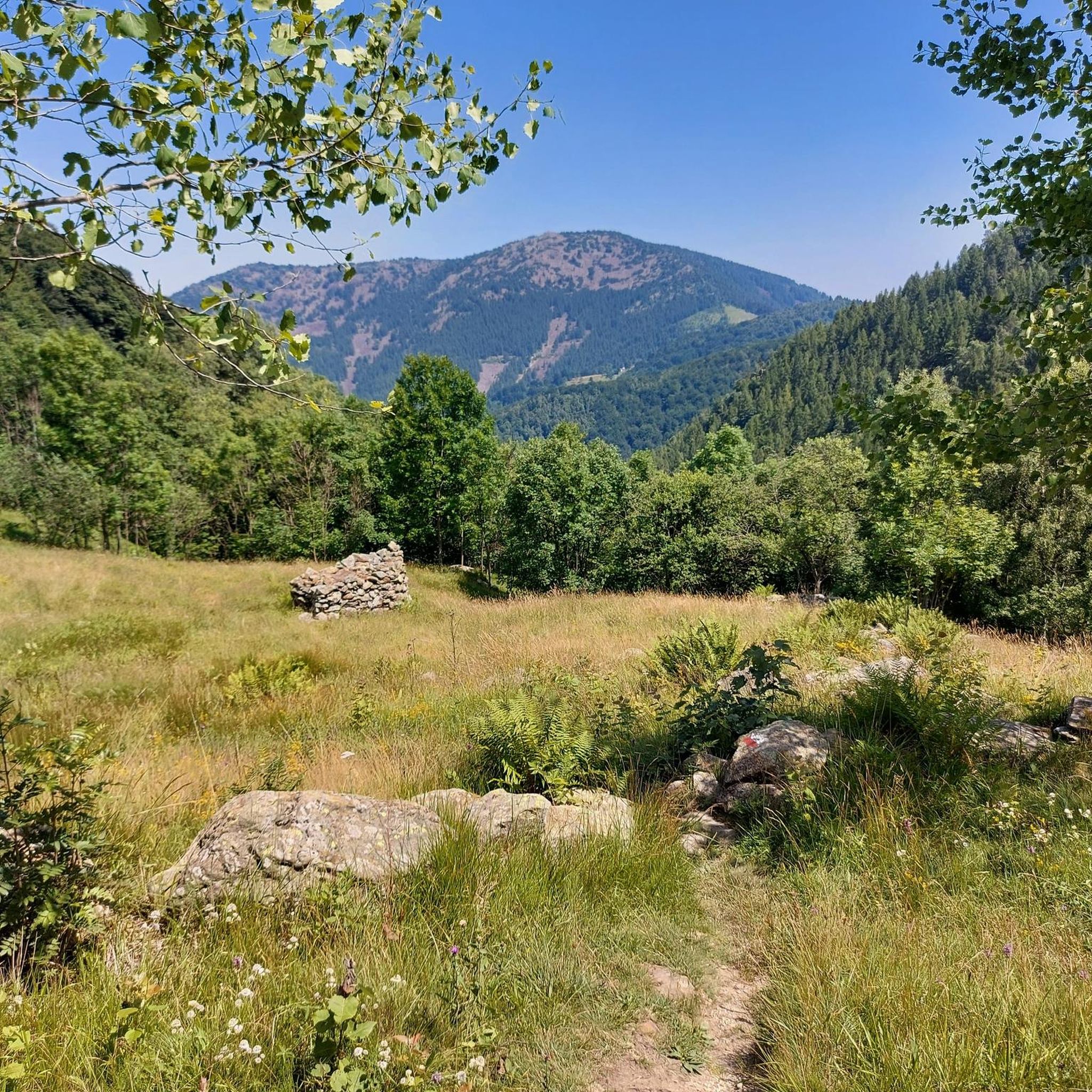
Best attractions and places to see around Viù include a blend of natural beauty, historical landmarks, and cultural experiences within the Valle di Viù. This picturesque location offers diverse landscapes, from serene alpine lakes to majestic mountains. The region is characterized by rich vegetation and the Stura di Viù stream, providing opportunities for outdoor activities. Visitors can explore ancient abbeys, medieval castles, and significant historical sites.
Best attractions and places to see around Viù
- The most popular attractions is Sacra…
Last updated: July 19, 2026
Sacra di San Michele
Highlight • Religious Site
Translated by Google •
Tip by

La Bizzarria
Highlight • Historical Site
Translated by Google •
Tip by

Sign up now to discover places like this
Get recommendations on the best single tracks, peaks, & plenty of other exciting outdoor places.
Sign up for free
Summit cross of Monte Musinè
Highlight • Summit
Translated by Google •
Tip by

Devil's Bridge (Ponte del Diavolo), Lanzo Torinese
Highlight • Bridge
Translated by Google •
Tip by
Chapel of the Madonna of Rocca Sella
Highlight • Religious Site
Translated by Google •
Tip by

Sign up for free to discover even more attractions around Viù.
Sign up for free
Already have an account?
Start today with a free account
Your next adventure awaits.
Login or Signup

Tips from the Community

Very characteristic and suggestive crossing on the Stura. A must if you are in the area
1
0

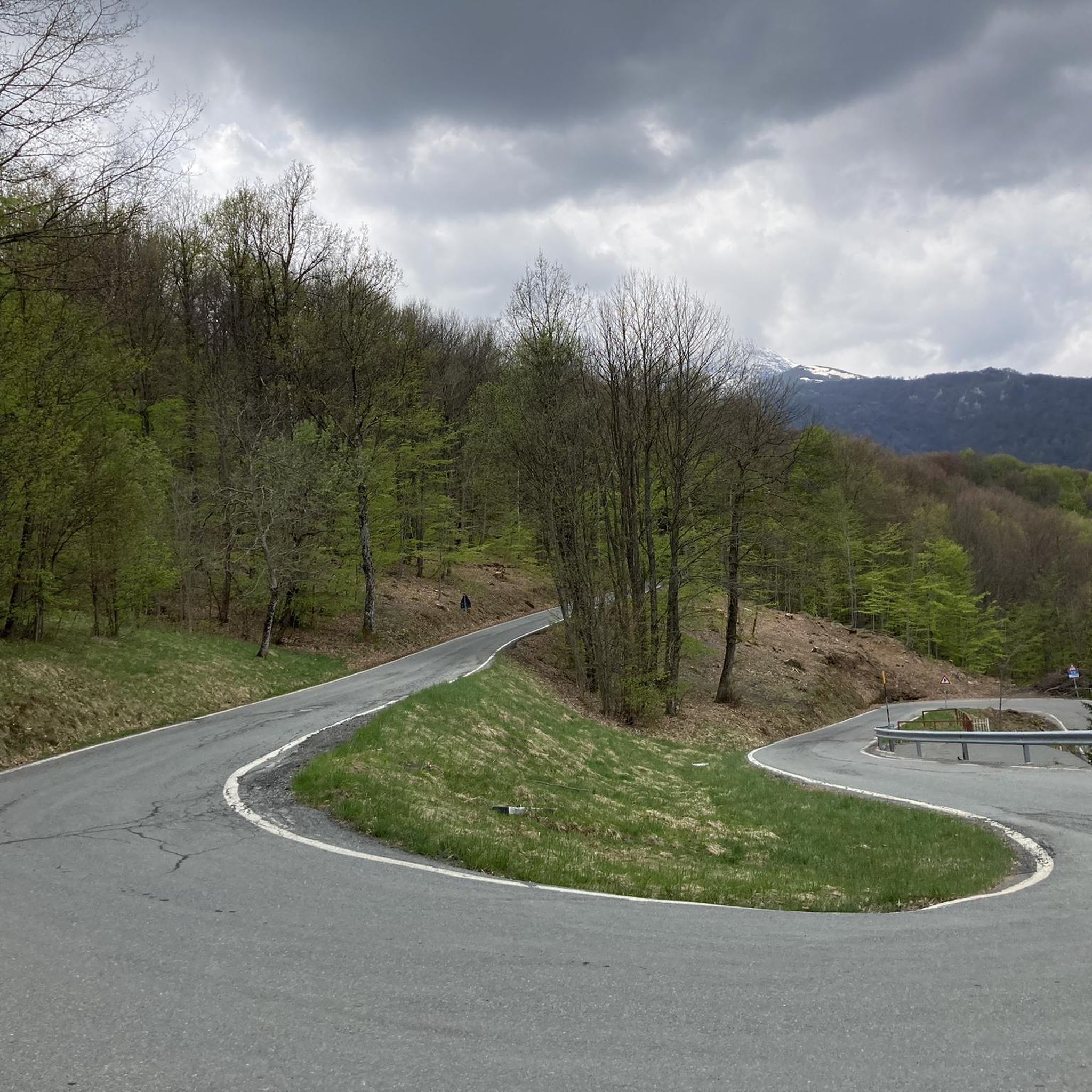
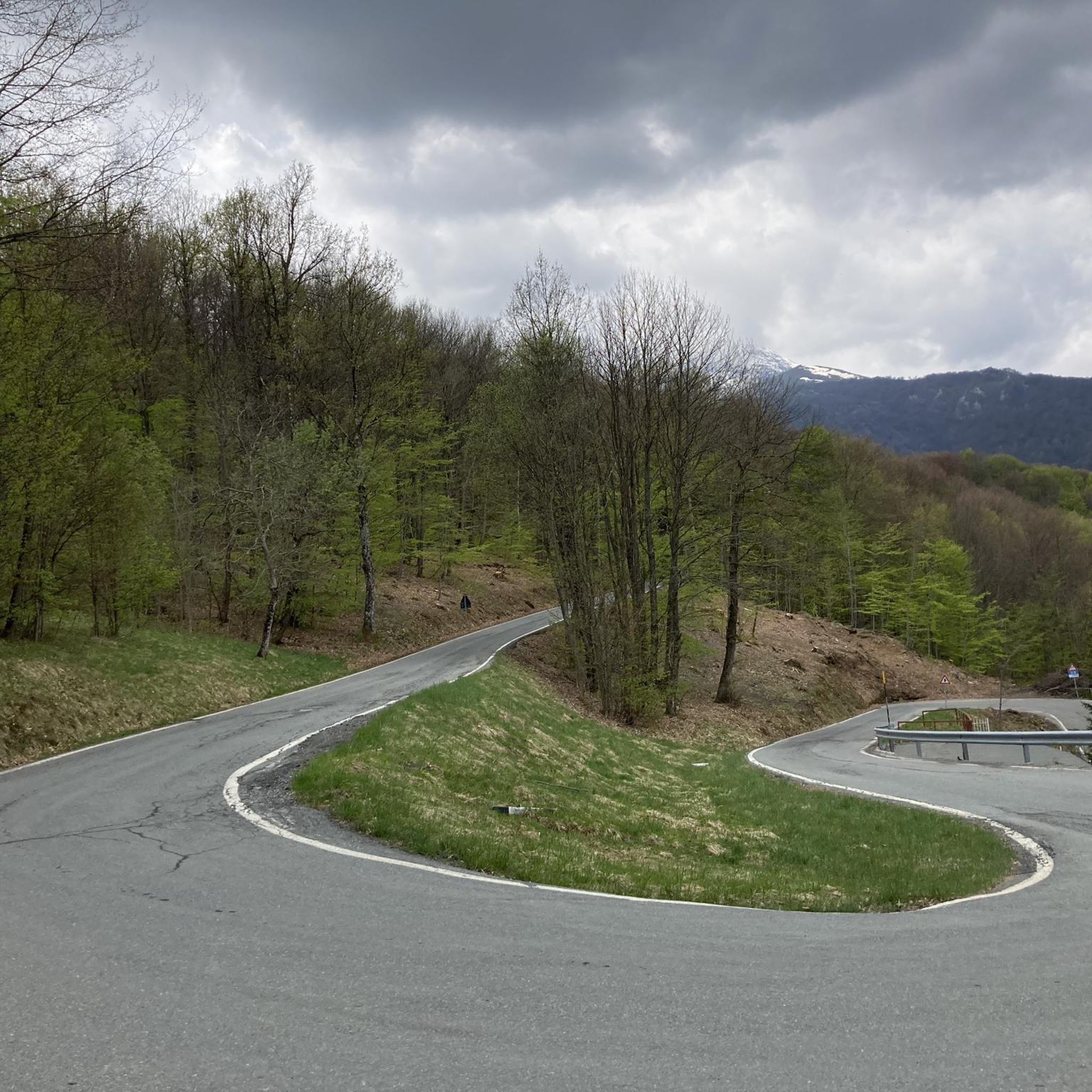
last stretch of the road that goes up to Colle Braida, well paved but very crowded, be careful especially when going down. the last 100 meters are paved, to get to the entrance
2
0

The Sacra di San Michele is an abbey perched on the summit of Mount Pirchiriano. From the 12th to the 15th century it experienced its best period becoming one of the main centers of Benedictine spirituality in Italy. Today it can be visited and, after climbing the 243 steps, from its summit you can enjoy a splendid view of the valley.
2
1

The direct climb (tramontana path) towards the Chapel is not for everyone, because it is very steep at times with climbing on rocks, but once you reach the top you can enjoy a spectacular view
0
0
Exceptional panoramic point over Turin, one of the most recognized symbols of Piedmont
1
0

Impossible to pass through Lanzo without passing through here!
0
0

villa which was built around 1860 commissioned by Vittorio Emanuele II. The complex is part of the La Mandria Natural Park.[1] The name derives from the imaginative and extreme eclecticism of architecture, however suitable for a small villa for refreshment during hunting trips.[2] La Bizzarrìa was also wanted by the king as a place of residence for himself, Rosa Vercellana (called Bela Rosin) and for his two children Vittoria and Emanuele.
2
0
Frequently Asked Questions
What natural attractions can I explore in the Valle di Viù?
The Valle di Viù is rich in natural beauty. You can visit the serene alpine lakes like Lago di Malciaussia and Lago della Rossa, the latter featuring Europe's highest dam. The Stura di Viù stream carves through the valley, surrounded by rich vegetation and majestic mountains. For panoramic views and a good workout, consider hiking to the Summit cross of Monte Musinè.
What historical sites should I visit near Viù?
The region offers several significant historical sites. The most popular is the Sacra di San Michele, an ancient abbey perched on Mount Pirchiriano, which is a symbol of Piedmont. Another intriguing landmark is the Devil's Bridge (Ponte del Diavolo) in Lanzo Torinese. You can also explore the 13th-century Castello di Chianocco, which houses the Museum of Ancient Crafts, and the nearby 12th-century Torre di Chianocco. The ruins of Castello di Avigliana Diroccato offer a glimpse into medieval history.
Are there hiking opportunities around Viù?
Yes, the Valle di Viù is very popular for hiking. There are numerous trails for various skill levels. For example, you can find routes like 'From Col del Lys to Rifugio Portia and Monte Arpone' or 'Punta Sourela Summit Trail'. You can explore many more options and detailed routes in the Hiking around Viù guide.
What other outdoor activities are popular in the Viù area?
Beyond hiking, the Viù area is excellent for a variety of outdoor sports. You can find opportunities for running, road cycling, mountain biking, and gravel biking. For specific routes, check out the Running Trails around Viù and Gravel biking around Viù guides.
Are there family-friendly attractions or activities around Viù?
Yes, families can enjoy the Parco Naturale La Mandria, which offers many paths suitable for leisurely walks. The Museo laboratorio della Preistoria in Vaie provides an engaging experience with experimental reconstructions and local prehistoric finds. Many of the easier hiking trails in the valley are also suitable for families.
What is the best time of year to visit Viù and its attractions?
The best time to visit Viù largely depends on your planned activities. For hiking and outdoor activities, late spring (May-June) and early autumn (September-October) offer pleasant temperatures and beautiful scenery. Summer (July-August) is also popular, especially for higher altitude hikes and enjoying the lakes, though it can be warmer. Winter offers opportunities for snow-related activities, but some higher trails may be inaccessible.
Where can I find panoramic viewpoints near Viù?
For breathtaking panoramic views, the Summit cross of Monte Musinè is an excellent choice, offering expansive vistas. The Sacra di San Michele, perched on Mount Pirchiriano, also provides splendid valley views after climbing its 243 steps.
Are there any interesting villages to visit in the Valle di Viù?
Yes, the Valle di Viù features charming villages. Lemie, situated in a wide, verdant basin, is known for its intriguing theories about its name. Further along the road, Usseglio is the last municipality in the valley, nestled in a wide green basin surrounded by imposing mountains, offering a tranquil setting.
What is the significance of the Sacra di San Michele?
The Sacra di San Michele is an ancient abbey considered the symbol of Piedmont. Active from the 12th to the 15th century, it was a major center for Benedictine spirituality in Italy. It offers significant historical and spiritual insights, along with stunning views from its elevated position.
Can I find places to eat and stay in Viù?
Yes, Viù and the surrounding villages in the Valle di Viù offer various options for dining and accommodation. You can find local restaurants, cafes, hotels, and B&Bs to suit different preferences. It's advisable to check local listings for current availability and opening hours.
What is the story behind the Devil's Bridge in Lanzo Torinese?
The Devil's Bridge (Ponte del Diavolo) in Lanzo Torinese is a characteristic and suggestive crossing over the Stura river. It was built in antiquity to connect Lanzo with the valleys, and its unique architecture and historical significance have given rise to its legendary name.
Are there any historical villas or hunting lodges to see?
Yes, you can visit La Bizzarria, a villa built around 1860 for Vittorio Emanuele II as a place of rest and refreshment during hunting trips. It is part of the La Mandria Natural Park and is notable for its imaginative and eclectic architecture.
Most popular attractions around Viù

Get inspired with the komoot mobile app


Explore more
Still not found the Highlight you’re looking for? See guides of the top attractions in other regions:
