The best running trails around Carema
4.2
(61)
2,390
runners
167
runs
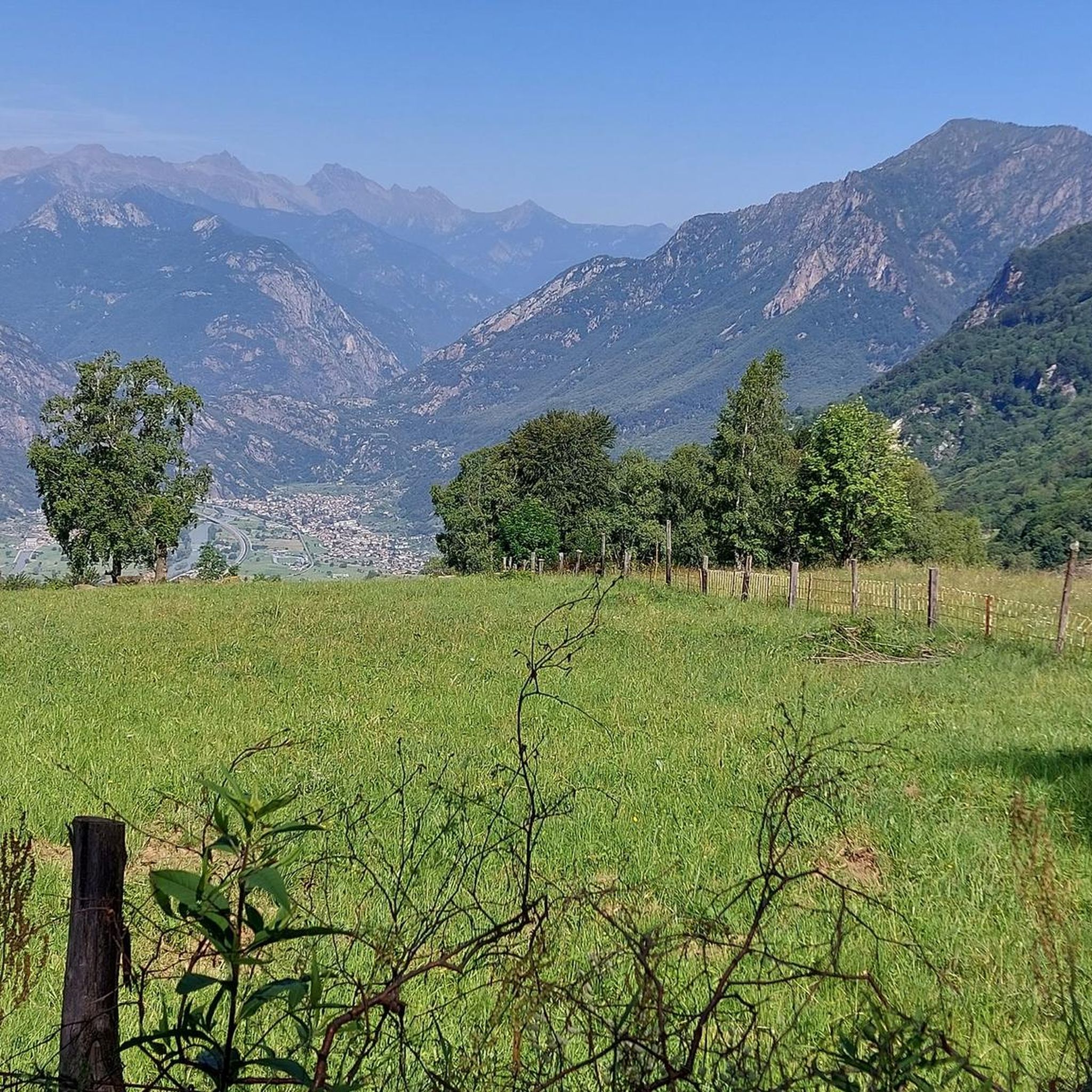
Jogging around Carema offers a diverse range of running experiences, characterized by its varied terrain. The region features routes that include historical paths and climbs, providing a mix of challenges for runners. These trails often wind through valleys and offer views of the surrounding landscape.
Best jogging routes around Carema
- The most popular jogging route is Running loop from Carema, a 4.4 miles (7.1 km) trail that takes 1 hour 6 minutes to complete. This difficult route offers a…
Last updated: August 14, 2026
29
runners
6.95km
01:05
340m
340m
Hard run. Very good fitness required. Sure-footedness, sturdy shoes and alpine experience required.
27
runners
10.9km
01:09
50m
50m
Moderate run. Good fitness required. Mostly paved surfaces. Suitable for all skill levels.

Sign up for free
2.0
(1)
8
runners
6.58km
00:42
60m
60m
Moderate run. Good fitness required. Mostly paved surfaces. Suitable for all skill levels.
13
runners
22.7km
04:04
1,460m
1,460m
Hard run. Very good fitness required. Sure-footedness, sturdy shoes and alpine experience required.
5.0
(1)
19
runners
15.8km
01:57
530m
530m
Hard run. Very good fitness required. Sure-footedness, sturdy shoes and alpine experience required.
Get access to more routes and recommendations from other explorers.
Sign up for free
Already have an account?
Our route recommendations are based on thousands of hikes, rides, and runs completed by other people on komoot.
Start today with a free account
Your next adventure awaits.
Login or Signup

Other adventures around Carema

Tips from the Community

Pont Saint Martin, excellent and pleasant town at the foot of the Gressoney valley. The gateway to the Aosta Valley.
0
0

The church of San Rocco is a small religious building from the 1600s, built to remember the numerous deaths due to the plague. The place is particularly loved for its incredible view of the valley below and the Dora Baltea river.
2
0

A very special Roman bridge with a beautiful view.
0
0


Quincinetto is a small town on the border between Piedmont and Valle d'Aosta. The town is surrounded by woods and rows of vines from which an excellent wine is obtained.
0
0

It is an imposing testament to the Romanization of the Aosta Valley. Its dating is uncertain: for some it would have been built around 120 BC, for others in 25 BC. The bridge Anchored to the living rock on both sides, it is 25 meters high and its single arch is 35 meters wide. At the base, carved into the living rock, the housings for the wooden scaffolding that formed the necessary framework for the construction of the stone arch are visible. At the end of the 19th century, some iron keys were placed to consolidate the structure. At the beginning of the 19th century, another wooden bridge was built a little further downstream, which was then replaced in 1876 by the current masonry structure. The legend Popular imagination has attributed the construction of the bridge to the devil. Legend has it that Saint Martin, Bishop of Tours, returning from Italy to his diocese, found himself blocked by the Lys river, which had swept away the only footbridge with its flood. The devil offered to solve the problem by building a solid bridge in a single night, but demanded in return the soul of the first one who would cross the bridge. The saint accepted, but the next morning, by throwing a piece of bread to the other end of the bridge, he ensured that the first to cross it was a hungry little dog. The devil, furious, disappeared into the Lys amidst flashes of lightning and puffs of sulfur, and the bridge remained for the population. The legend is still one of the fundamental themes of the Pont-Saint-Martin carnival, which concludes with the burning of the devil under the Roman bridge.
0
0


The legend Popular imagination attributes the creation of the bridge to the devil. According to popular legend, San Martino, Bishop of Tours, returning to his diocese from Italy, encountered the insurmountable obstacle of the River Lys, which had destroyed the only crossing after a flood. The devil suggested that he build a solid bridge in just one night, and in exchange he demanded the soul of the first person to cross the bridge. The saint accepted the pact. The next morning he threw a piece of bread on the other side of the bridge, so that the first one was none other than a starving dog. The devil, furious with rage, disappeared into the Lys with flashes of lightning and clouds of vapor smelling of sulphur, and the people kept the bridge. This legend has developed into one of the most important motifs of the Pont-Saint-Martin carnival, which ends with the burning of a devil's doll under the Roman bridge. Source: https://www.lovevda.it/de/database/8/roemische-architektur/pont-saint-martin/romische-brucke/877
24
1
Frequently Asked Questions
How many running routes are available around Carema?
There are over 100 running routes around Carema, offering a wide variety of experiences for all skill levels. The komoot community has mapped 111 different trails in the region.
Are there easy running routes for beginners in Carema?
Yes, Carema offers 7 easy running routes suitable for beginners or those looking for a less strenuous run. These paths generally feature gentler inclines and shorter distances.
Where can I find challenging running trails for advanced runners in Carema?
Carema is known for its challenging terrain, with 67 difficult running routes. For a demanding run, consider the Col Finestra – Col de La Cou loop from Pont-Saint-Martin, which covers 22.2 km with significant elevation gain.
What types of terrain can I expect on jogging routes in Carema?
Jogging routes in Carema feature a diverse range of terrain, including historical paths, valley trails, and significant climbs. You'll encounter a mix of paved and unpaved surfaces, often with scenic views of the surrounding landscape.
Are there any circular running routes in Carema?
Yes, many of the running paths in Carema are circular. For example, the popular Start of S. Vittone Climb loop from Quincinetto is a moderate 9.1 km circular route that offers varied terrain and a climb.
What are some longer running routes for endurance training near Carema?
For longer endurance runs, you can explore routes like the Roman Arch and Road of Donnas loop from Pont-Saint-Martin, which is 19.7 km long, or the Roman Arch and Road in Donnas – Fort Bard loop from Pont-Saint-Martin, spanning 22.3 km.
What do other runners enjoy most about jogging in Carema?
The running routes in Carema are highly rated by the komoot community, with an average score of 4.2 stars from over 45 reviews. Runners often praise the varied terrain, historical elements, and the challenging climbs that offer rewarding experiences.
Are there any interesting landmarks or attractions to see along the running routes?
Yes, the region around Carema offers several points of interest. You can find mountain passes like Passo dell'Oca or Colle Carisey. There are also beautiful lakes such as Lake Pistono and Lake Vargno, which can be incorporated into your running adventures.
Is Carema suitable for family-friendly running or jogging with children?
While many routes in Carema feature climbs and can be challenging, there are 7 easy routes that might be more suitable for families or those jogging with children. It's advisable to check the specific route details for distance and elevation before heading out.
What is the best time of year for running in Carema?
Carema offers diverse running experiences throughout the year. While specific recommendations depend on personal preference and weather conditions, spring and autumn generally provide pleasant temperatures and beautiful scenery. Some higher elevation routes might be affected by snow in winter.
Are there any moderate running paths in Carema?
Yes, Carema has 37 moderate running paths. A popular choice is the Start of S. Vittone Climb loop from Quincinetto, which is 9.1 km long and offers a balanced challenge with varied terrain.
Can I find running routes that pass through historical areas?
Absolutely. The region is rich in history. The Roman Arch and Road of Donnas loop from Pont-Saint-Martin is a prime example, leading you through significant historical areas during your run.
Most popular attractions around Carema

Get inspired with the komoot mobile app


Explore more
Browse the best Running Trails & Routes in other regions.
