The best cycling routes around Traversella
4.5
(207)
3,231
riders
142
rides
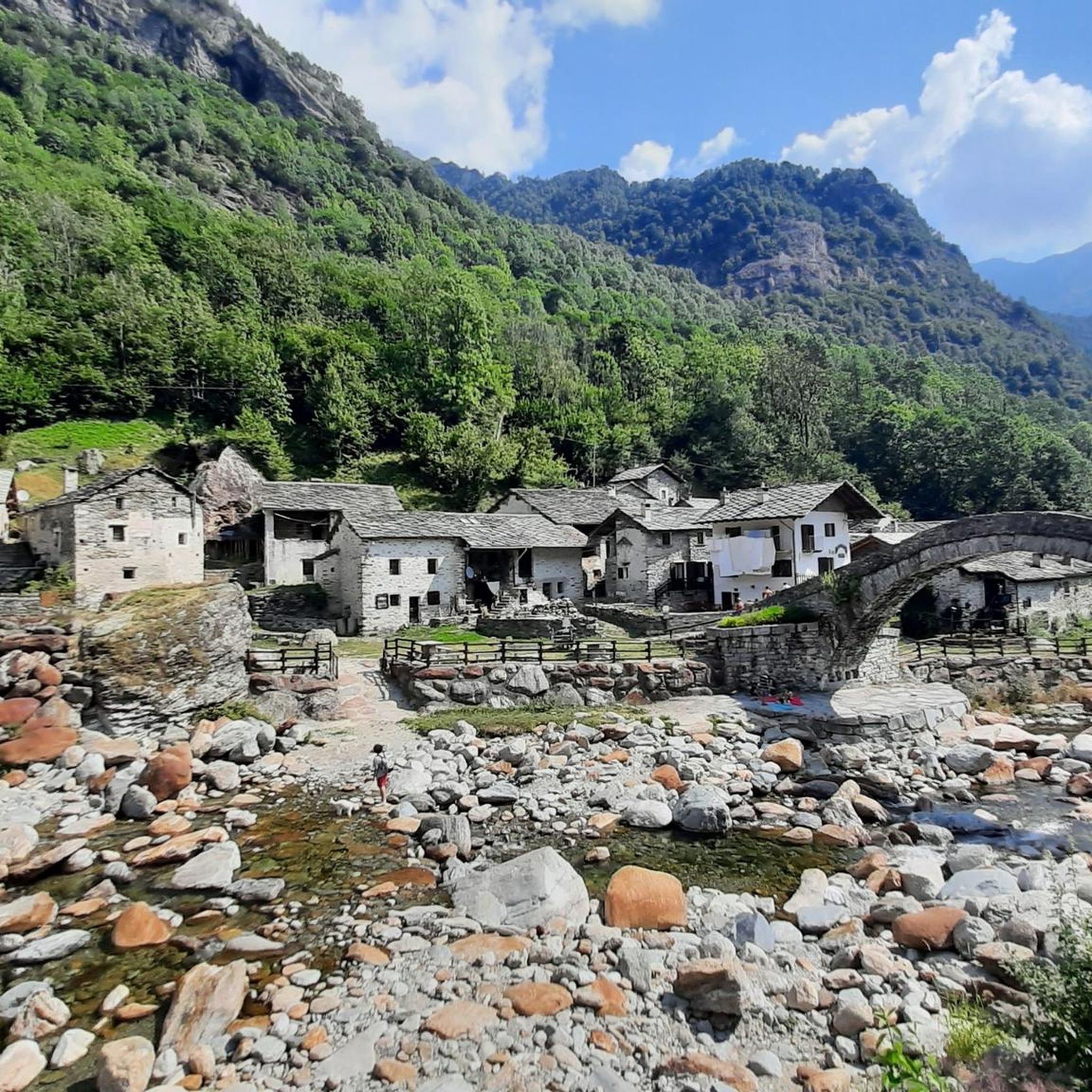
Touring cycling routes around Traversella are set within the Valchiusella, a region characterized by its transition from the rugged Graian Alps to a hilly expanse of forests, meadows, and alpine pastures. The Chiusella stream is a central feature, flowing through the valley and contributing to the diverse landscape. This area offers a blend of paved roads and varied terrain, suitable for exploring both natural beauty and historical sites.
Best touring cycling routes around Traversella
- The most popular touring cycling route is Loop from Valchiusa, a 7.4 miles (11.9 km) trail that takes about 54 minutes to complete. This moderate route offers a scenic loop through the local landscape.
- Another top favourite among local touring cyclists is Pont-Saint-Martin – Roman Arch and Road in Donnas loop from Quincinetto, a difficult 24.9 miles (40.2 km) path. This route features significant elevation gain, passing historical landmarks.
- Local touring cyclists also love the View of Andrate and the valley – Castello di Montestrutto loop from Quincinetto, a 14.6 miles (23.4 km) trail leading through hilly terrain, often completed in about 1 hour 44 minutes.
- Touring cycling around Traversella is defined by the Chiusella stream, surrounding hills, and views towards the Graian Alps. The network offers options for easy, moderate, and difficult routes, catering to various ability levels.
- The routes in Traversella are highly rated by the komoot community with an average score of 4.3 stars from over 150 reviews. More than 2500 touring cyclists have used komoot to explore Traversella's varied terrain.
Last updated: August 25, 2026
5
riders
11.9km
00:54
270m
270m
Moderate bike ride. Good fitness required. Mostly paved surfaces. Suitable for all skill levels.
4.6
(5)
61
riders
40.4km
02:35
450m
450m
Moderate bike ride. Good fitness required. Mostly paved surfaces. Suitable for all skill levels.

Sign up for free
29
riders
58.5km
03:42
410m
410m
Moderate bike ride. Good fitness required. Mostly paved surfaces. Suitable for all skill levels.
4.3
(3)
32
riders
35.0km
03:09
1,260m
1,260m
Hard bike ride. Very good fitness required. Mostly paved surfaces. Suitable for all skill levels.
4.5
(2)
34
riders
40.2km
03:07
930m
930m
Hard bike ride. Very good fitness required. Mostly paved surfaces. Suitable for all skill levels.
Get access to more routes and recommendations from other explorers.
Sign up for free
Already have an account?
Our route recommendations are based on thousands of hikes, rides, and runs completed by other people on komoot.
Start today with a free account
Your next adventure awaits.
Login or Signup

Other adventures around Traversella

Tips from the Community

The Forte di Bard seen from the bridge over the Dora Baltea river offers one of the most iconic and photographed views in the Aosta Valley. This spectacular perspective captures the imposing, craggy fortress that dominates the village below and the river waters.
0
0

The Castello di Suzey stands on an inaccessible rocky spur, in a position that in the 14th century guaranteed absolute control over the transit of the Lys valley. The structure is a classic example of a medieval enclosure castle, dominated by a massive quadrangular tower and surrounded by the remains of a fortified village now swallowed by vegetation. This stronghold was the headquarters of the lords of Suzey, a branch of the Vallaise known for their bellicose nature and independence from central powers. A famous anecdote concerns the family's determination to defend their privileges: it is said that the lords of Suzey imposed such severe transit taxes that they sparked fierce disputes with merchants and neighboring communities, turning the castle into a sort of armed customs post. A local legend also tells that the castle was connected to the other Vallaise properties in Perloz via a network of secret passages dug directly into the rock, used to move troops and riches away from prying eyes during sieges. Another popular tale describes the castle's end as a dramatic event: a devastating fire, which broke out during an enemy attack, would have marked the definitive abandonment of the structure.
0
0
The historic center of Perloz constitutes an architectural nucleus of considerable interest for understanding the social and political dynamics of the lower Aosta Valley. The heart of the settlement is represented by the Casaforte Vallaise, a 14th-century quadrangular structure that served as the administrative and judicial center for the noble family of the same name. The building preserves medieval construction elements, including the coat of arms carved on the portals, a testament to the exercise of jurisdictional power over the territory. A short distance away stands the parish church of San Salvatore, characterized by a facade entirely frescoed with a representation of the Last Judgment dating back to the 17th century, a work that served as a tool for religious instruction for the local population. The monumental route continues with the Museum of the Resistance, housed in premises that recall the historical memory of the "Brigata Lys". Here, documents and artifacts related to the events of 1944 are preserved, when the village became a fundamental operational center for the partisan formations in the area. Walking through the narrow stone streets, one also notices the presence of numerous stone fountains and community ovens, symbols of the collective management of rural resources. This stratification of different eras, from medieval feudalism to contemporary history, makes the center of Perloz a relevant technical and cultural stop for those crossing the slopes of the Lys valley.
0
0

From this point, you can enjoy a splendid view of Verrès Castle, an imposing 14th-century medieval fortress that dominates the valley and adds a fascinating historical touch to the surrounding landscape. Built by the Challant family for defensive and residential purposes, it is today one of the best-preserved medieval castles in the region.
2
0

An ancient cemetery dating back to the Napoleonic era, abandoned in the 1940s. https://fondoambiente.it/luoghi/cimitero-del-fiorentino?ldc
0
0

From the centre of the village you start to climb
0
0

On the way back from the Fondo waterfall, it's always a good place to stop and recharge your batteries.
0
0
Be careful, the old road that leads to Bard is blocked by a landslide, but they made a variant with a climb of about 100m with a gradient that reaches 30% (at least the Garmin reported this)
0
0
Frequently Asked Questions
How many touring cycling routes are available around Traversella?
Traversella and the surrounding Valchiusella region offer a wide variety of touring cycling routes, with over 130 different options to explore. These routes cater to various preferences and skill levels.
What are the difficulty levels of touring cycling routes in Traversella?
The routes around Traversella offer a diverse range of difficulties. You'll find approximately 24 easy routes, 33 moderate routes, and about 82 difficult routes, ensuring there's something for every cyclist, from beginners to advanced riders.
What do other cyclists say about touring cycling in Traversella?
The touring cycling routes in Traversella are highly regarded by the komoot community, boasting an average rating of 4.3 stars from over 150 reviews. More than 2500 touring cyclists have used komoot to discover the varied terrain and scenic beauty of the area.
Are there any easy touring cycling routes suitable for beginners or families?
Yes, there are several easy routes perfect for beginners or families. While the region offers many challenging options, you can find gentler paths that allow you to enjoy the scenery at a relaxed pace. For example, the Loop from Valchiusa is a moderate 7.4-mile trail that offers a scenic experience without extreme difficulty.
Can I find circular touring cycling routes in the Traversella area?
Yes, the Valchiusella region is well-suited for circular touring cycling routes. Many paths are designed as loops, allowing you to start and end in the same location. The View of Andrate and the valley – Castello di Montestrutto loop from Quincinetto is a popular example, offering a challenging 14.6-mile circuit through hilly terrain.
What natural features can I expect to see along the touring cycling routes?
The routes in Traversella traverse the beautiful Valchiusella, offering diverse natural features. You can expect to see the Chiusella stream, picturesque waterfalls like the Ribondone Falls, and stunning lakes such as Lake Pistono. The unique 'Dancing Lands,' a natural monument where peat moves underfoot, is also a fascinating sight. The region also provides views towards the rugged Graian Alps.
Are there any historical or cultural attractions to visit while cycling?
Absolutely. The Valchiusella is rich in history and culture. You can explore the Mines Museum in Traversella, which highlights the area's mining heritage. Other notable sites include the Medieval Tower of Strambinello and the charming ancient stone bridge in Fondo. The Ivrea Historic Centre, a UNESCO World Heritage site, is also a short distance away.
What is the best time of year for touring cycling in Traversella?
The Valchiusella region is generally best for touring cycling from spring through autumn. During these seasons, the weather is typically mild, and the landscapes are vibrant. While specific weather conditions can vary, avoiding the peak heat of summer or the colder, potentially snowy conditions of winter will generally provide the most pleasant cycling experience.
Are there options for e-bike rentals or guided tours in the Traversella area?
Yes, for those who prefer assistance or a guided experience, e-bike rentals and guided tours are available in the Valchiusella region. This enhances accessibility for a wider range of cyclists, allowing more people to enjoy the diverse routes and scenery.
What kind of wildlife might I encounter on the touring cycling routes?
The Valchiusella's diverse landscape of forests, meadows, and alpine pastures provides habitat for various wildlife. While cycling, you might spot local birds, small mammals, and if you're lucky, larger animals. The 'Sentiero dei Mufloni' (Mouflon trail) in the region is known for opportunities to observe local wildlife, including mouflon.
Are there places to eat or stay along the cycling routes in Traversella?
Yes, the Valchiusella region features tranquil villages and towns where you can find cafes, pubs, and accommodation options. These establishments offer opportunities to refuel with local cuisine or find a comfortable place to stay, especially in villages like Traversella itself or other points along the routes.
Are there challenging routes for experienced touring cyclists?
Experienced touring cyclists will find plenty of challenging routes in the Traversella area, particularly those with significant elevation gains. For instance, the Pont-Saint-Martin – Roman Arch and Road in Donnas loop from Quincinetto is a difficult 24.9-mile path featuring substantial climbs and historical landmarks.
Most popular routes around Traversella
Most popular attractions around Traversella

Get inspired with the komoot mobile app


Explore more
Browse the best Cycling routes in other regions.
