Top 7 Castles around Caprino Veronese
Best castles around Caprino Veronese are found in the surrounding areas, making the town a convenient base for exploring historical sites. Caprino Veronese is situated in the Garda Hills, offering a landscape that combines agricultural traditions with proximity to Lake Garda. While the town itself features historical sites like Palazzo Carlotti, the region's significant castles are located nearby. This area provides access to various medieval fortresses and defensive structures.
Best castles around Caprino Veronese
- The most popular castles is Lazise…
Last updated: October 4, 2026
Lazise City Walls
Highlight • Historical Site
The old town with the castle and the harbor is absolutely worth seeing.
The origins of the Castello Scaligero in Lazise on Lake …
Translated by Google •
Tip by

Scaliger Castle, Lazise
Highlight • Castle
Translated by Google •
Tip by

Sign up now to discover places like this
Get recommendations on the best single tracks, peaks, & plenty of other exciting outdoor places.
Lazise Old Town and Castle
Highlight • Castle
Translated by Google •
Tip by

Porticciolo and Castle of Torri del Benaco
Highlight • Settlement
Translated by Google •
Tip by

Forte Degenfeld
Highlight • Historical Site
Translated by Google •
Tip by

Sign up for free to discover even more castles around Caprino Veronese.
Already have an account?
Start today with a free account
Your next adventure awaits.
Popular around Caprino Veronese
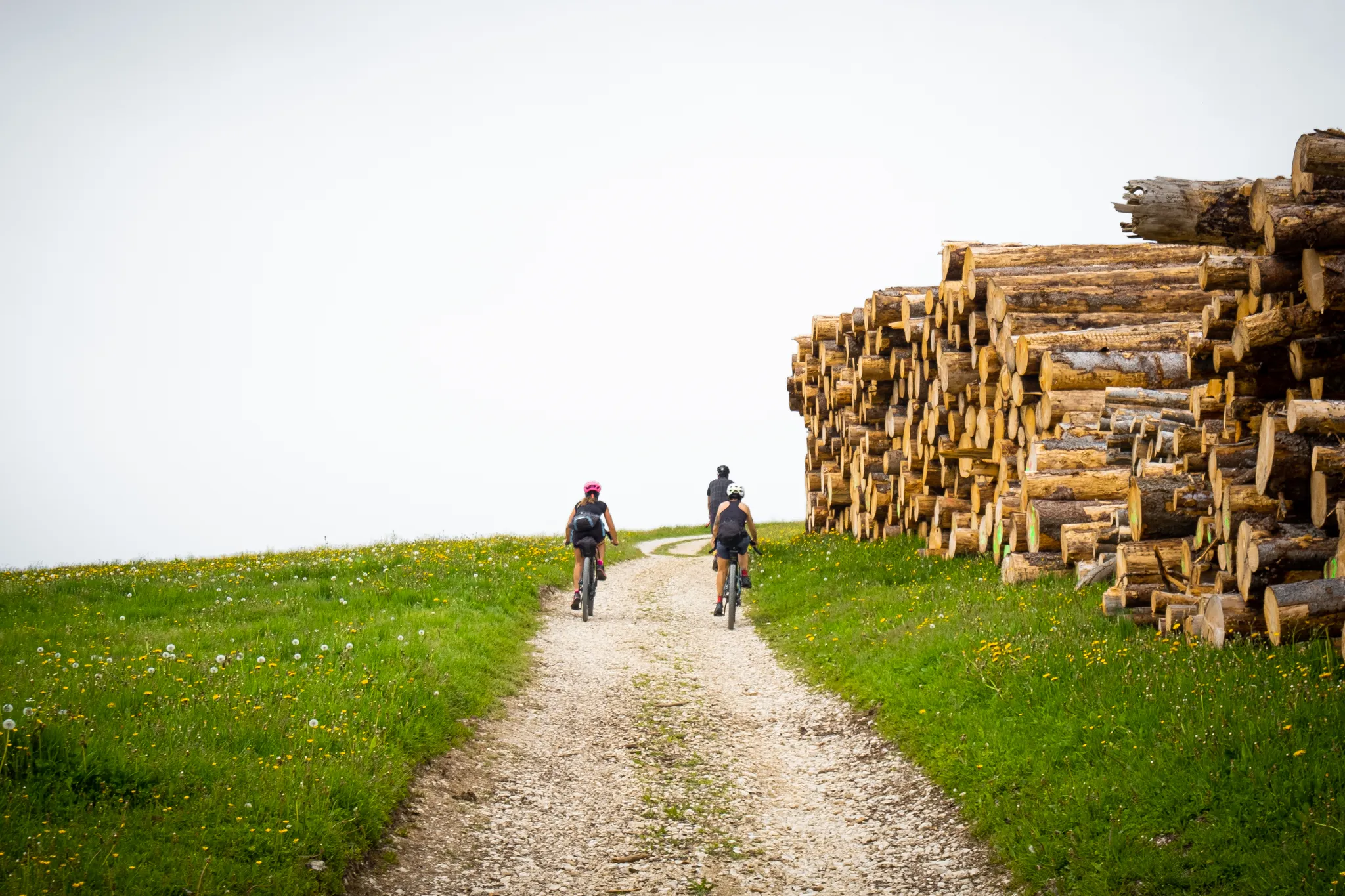
Via delle Prealpi – On the way with the MTB in the Venetian Prealps
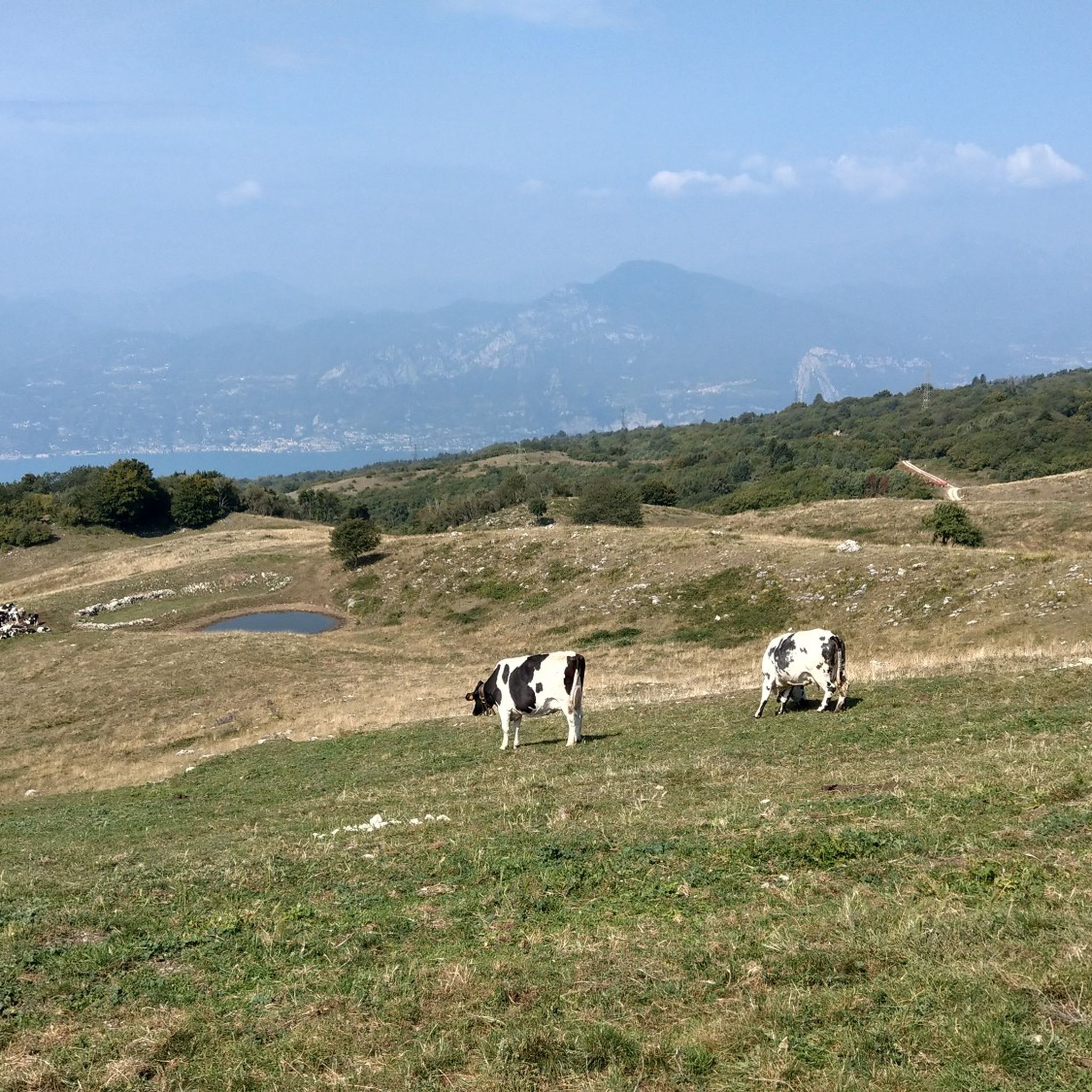
Hiking around Caprino Veronese
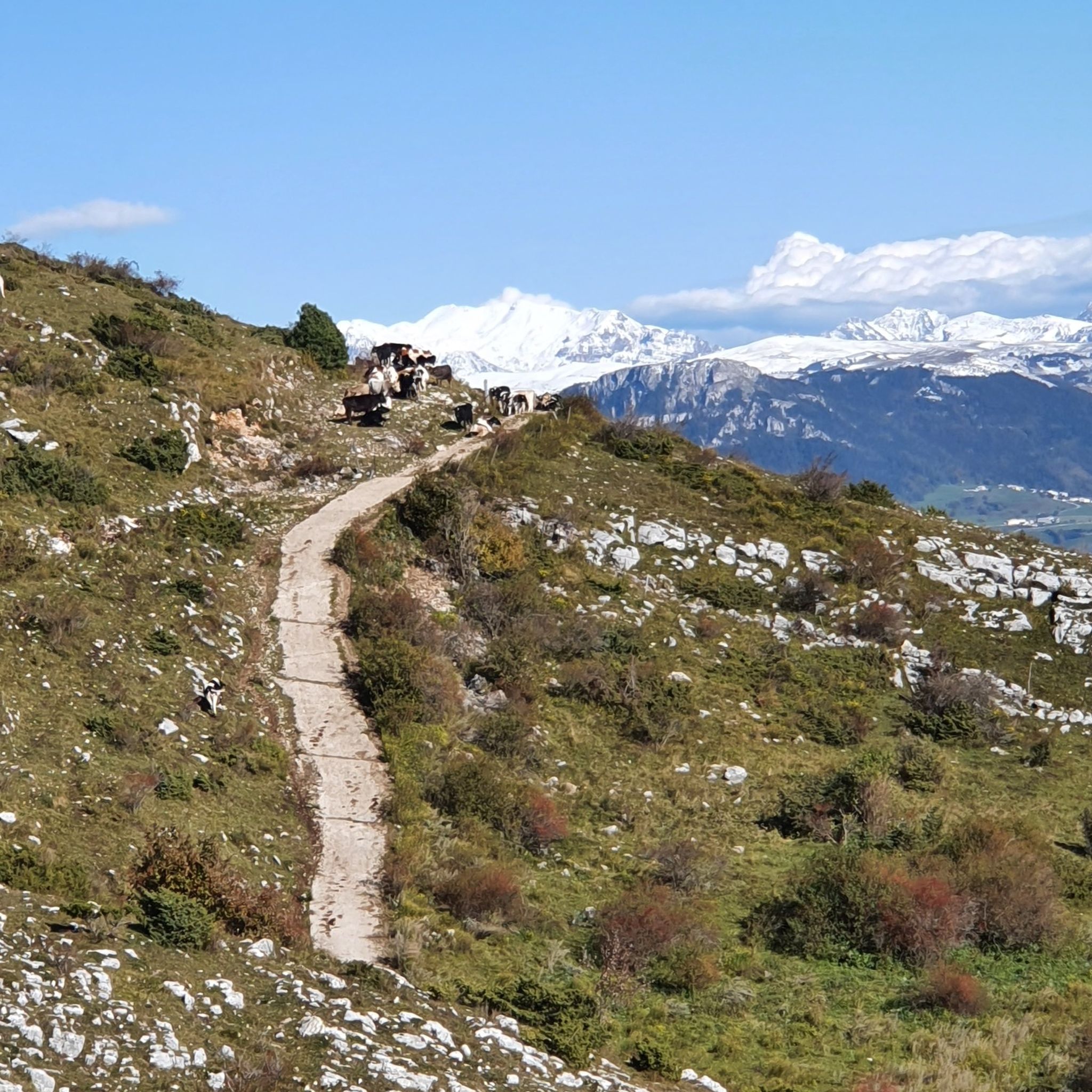
MTB Trails around Caprino Veronese
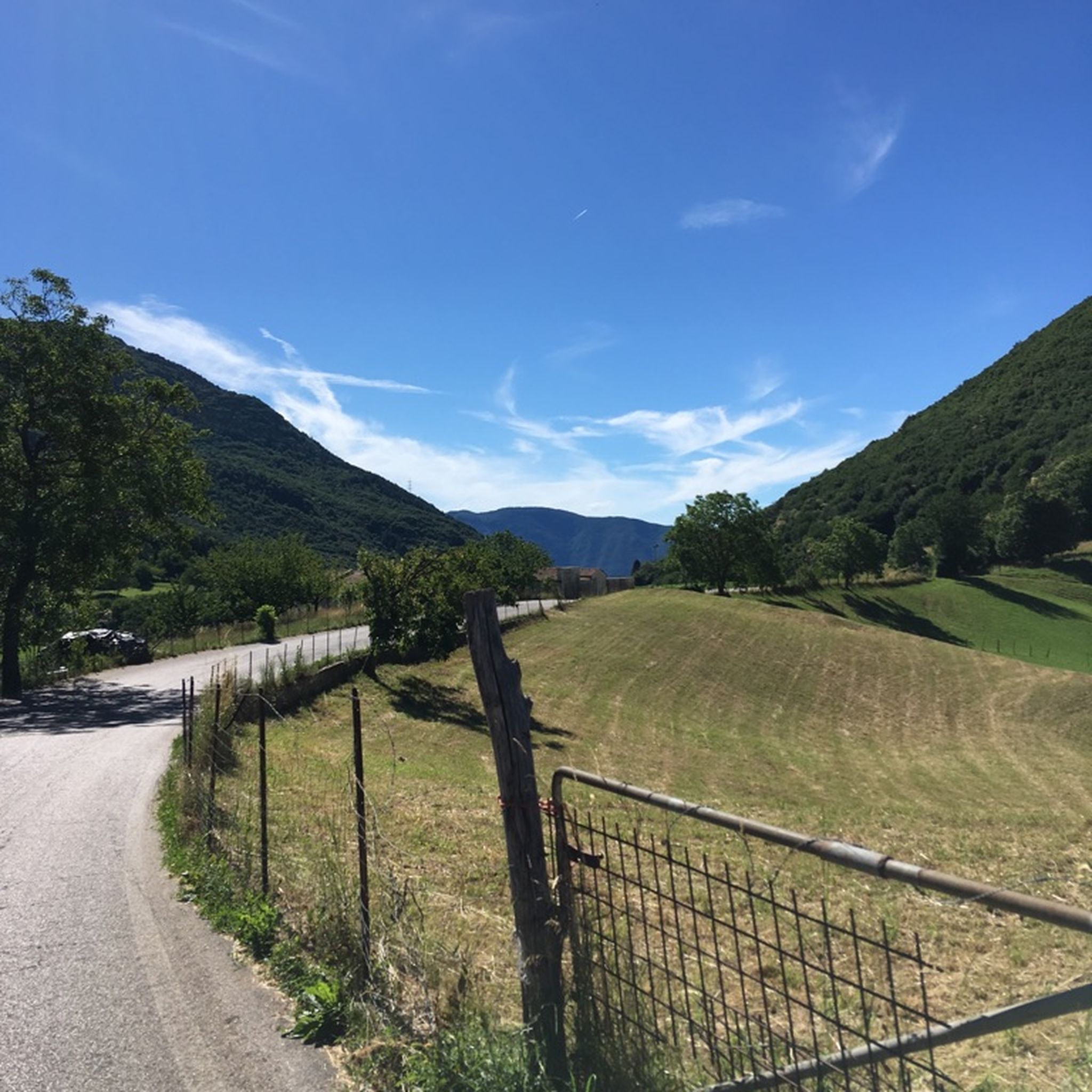
Road Cycling Routes around Caprino Veronese
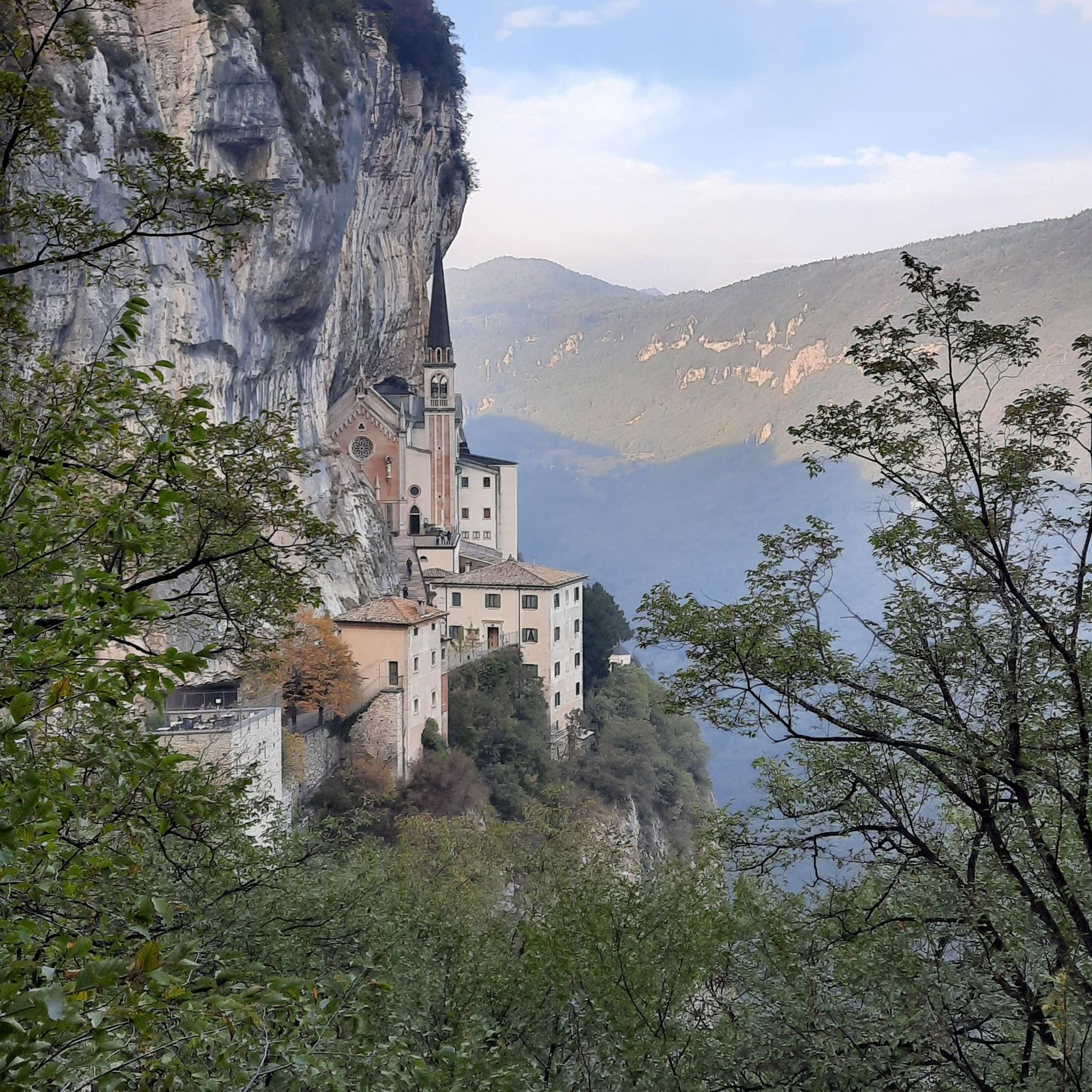
Cycling around Caprino Veronese

Gravel biking around Caprino Veronese
Running Trails around Caprino Veronese
Mountain Hikes around Caprino Veronese
Other adventures around Caprino Veronese

Tips from the Community

Beautiful Fort built between 1859 and 1861
0
0

One of the many mighty Austro-Hungarian forts that controlled the territory and the Adige Valley
0
0
One of the three Austrian fortresses in Pastrengo, well maintained and preserved
0
0

The ancient LA CISIUM was a settlement of Roman origin. Its long history dates back to the Bronze Age. The city was a trading center and always had strategic importance. Over the centuries, Lazise changed hands several times until it finally became Italian property. It now has a charming car-free medieval old town, surrounded by a well-preserved city wall. The narrow streets and small squares are home to many cozy shops, restaurants and cafes. The port of Lazise is lively and invites you to stroll. This once again unique mix of history, culture and gastronomy is entertaining and fun 👍🏼
2
0

The photos inserted with a view from above are interesting.
1
0

Starting and arrival point of the 6-hour Pastrengo Trail, a running race on a circular route of approximately 7 km, Forte Piovezzano is located in the hamlet of the same name in the municipality of Pastrengo. It was built by the Austrian Army between 1859 and 1861. The work, commissioned by Marshal Josef Radetzky to stem a possible enemy attack on Verona, was initially known as Fort Degenfeld, in honor of General Friedrich Graf von Degenfeld-Schonburg, commander of the army corps and minister of war. In 1866, following the cession of the Veneto to the Kingdom of Italy, like all the other fortifications in the area, the garrison came under the control of the Royal Army which changed its name to Forte Piovezzano. The direction of artillery fire was also changed. Decommissioned from any military activity, today it is cared for and maintained by the group of Piovezzano Alpine Volunteers who use the rooms for events and recreational purposes. The fort is located on a hill south of the town of Piovezzano, about 200 m above sea level. The plan of the building has a trapezoidal shape with a masterly facing towards Lake Garda. On the right ramp there are artillery emplacements both in barbette and casemate. The upper ramp could be reached with an agile ladder equipped with guides. Inside there are various rooms, then used as warehouses and accommodation which could guarantee the needs of the garrison for relatively long periods of time (in wartime it could accommodate up to 80 soldiers). An underground cistern equipped with stone channels was used to collect rainwater for use. The fort was surrounded by a large moat which has been filled in in recent years.
3
0

Nice historical place. If you really want it to be nice, check out Lazise before the store opens in the morning. Afterwards they feel like they are in a big German city.
5
0

One of the most beautiful places on Lake Garda. Many small streets with regional shops.
5
2
Frequently Asked Questions
What are some of the most popular castles to visit around Caprino Veronese?
Visitors frequently enjoy the well-preserved Lazise City Walls, which offer a glimpse into a medieval settlement. Another highly appreciated site is Scaliger Castle, Lazise, known for its massive main tower and battlements. The Scaligero Castle of Torri del Benaco is also very popular, featuring a museum, citrus gardens, and lake views.
Are there family-friendly castles to visit near Caprino Veronese?
Yes, several castles in the area are considered family-friendly. Both the Lazise City Walls and Scaliger Castle, Lazise are suitable for families. The Scaligero Castle of Torri del Benaco also welcomes families, offering a museum and scenic surroundings.
What kind of historical sites can I explore besides castles in the Caprino Veronese area?
While Caprino Veronese itself doesn't host major castles, the town features historical sites like the elegant Palazzo Carlotti, known for its frescoed rooms, and the Church of San Giovanni Battista with its baroque architecture. A short distance away, the stunning Sanctuary of Madonna della Corona, dramatically built into the rock face of Monte Baldo, offers a unique blend of spirituality and natural beauty.
Can I find hiking or cycling routes near these castles?
Yes, the region around Caprino Veronese offers various outdoor activities. You can find numerous routes for road cycling, gravel biking, and running. For example, there are challenging road cycling routes like the 'San Giovanni Fortress – Forte di Rivoli loop' and moderate running trails such as the 'Charming Village loop from Caprino Veronese'. You can explore more options on the Road Cycling Routes around Caprino Veronese, Gravel biking around Caprino Veronese, and Running Trails around Caprino Veronese guide pages.
What is the best time of year to visit the castles around Caprino Veronese?
The best time to visit is generally during the spring (April-May) and autumn (September-October) when the weather is pleasant for exploring. Summer (June-August) is also popular, especially for those combining castle visits with Lake Garda activities, though it can be warmer and more crowded. Winter offers a quieter experience, but some attractions might have reduced hours.
Are there any castles with museums or special features?
Yes, the Scaligero Castle of Torri del Benaco is notable for housing an Ethnographic Museum and a historic Lemon Garden dating back to 1760. While Scaliger Castle, Lazise is privately owned and can only be viewed from the outside, it still offers an impressive historical sight.
Are there any viewpoints to see the castles or the surrounding landscape?
The Scaligero Castle of Torri del Benaco offers beautiful lake views. Additionally, Fort San Marco, while a bit further afield, provides wonderful views of the Adige valley after a demanding climb, showcasing the region's natural beauty alongside its historical structures.
How long should I plan for a visit to these castles?
For individual castles like the Scaligero Castle of Torri del Benaco, which includes a museum and gardens, you might want to allocate 1-2 hours. Exploring the Lazise City Walls and its old town could take a few hours, especially if you enjoy strolling and stopping at cafes. If you plan to visit multiple sites, a full day or more would be ideal to fully appreciate the history and scenery.
What are the options for parking when visiting castles in the area?
Most towns with significant castles, such as Lazise and Torri del Benaco, have designated parking areas for visitors. These are typically paid parking lots or street parking zones. It's advisable to look for signs upon arrival or check local municipality websites for specific parking information, especially during peak season.
Are there any less crowded castle alternatives or hidden gems?
While the main castles like those in Lazise and Torri del Benaco are popular, exploring the smaller historical sites within Caprino Veronese itself, such as Palazzo Carlotti, can offer a quieter experience. For a unique historical and natural blend, the Sanctuary of Madonna della Corona, though not a castle, provides a breathtaking and less conventional historical visit.
Can I find places to eat or drink near the castles?
Yes, towns like Lazise and Torri del Benaco, where many of the castles are located, are vibrant with numerous cafes, restaurants, and bars. The old town of Lazise, in particular, has a lively waterfront promenade with many dining options. Caprino Veronese also offers local eateries.
Are the castles around Caprino Veronese accessible by public transport?
Public transport, primarily buses, connects Caprino Veronese to towns like Lazise and Torri del Benaco along Lake Garda. From these towns, the castles are often within walking distance. However, schedules can vary, especially off-season, so it's best to check local bus timetables in advance for planning your journey.
Most popular routes around Caprino Veronese
Most popular attractions around Caprino Veronese

Get inspired with the komoot mobile app


Explore more
Looking for the best castles somewhere else? Discover other guides around Caprino Veronese:
