Attractions and Places To See around Pollenza - Top 20
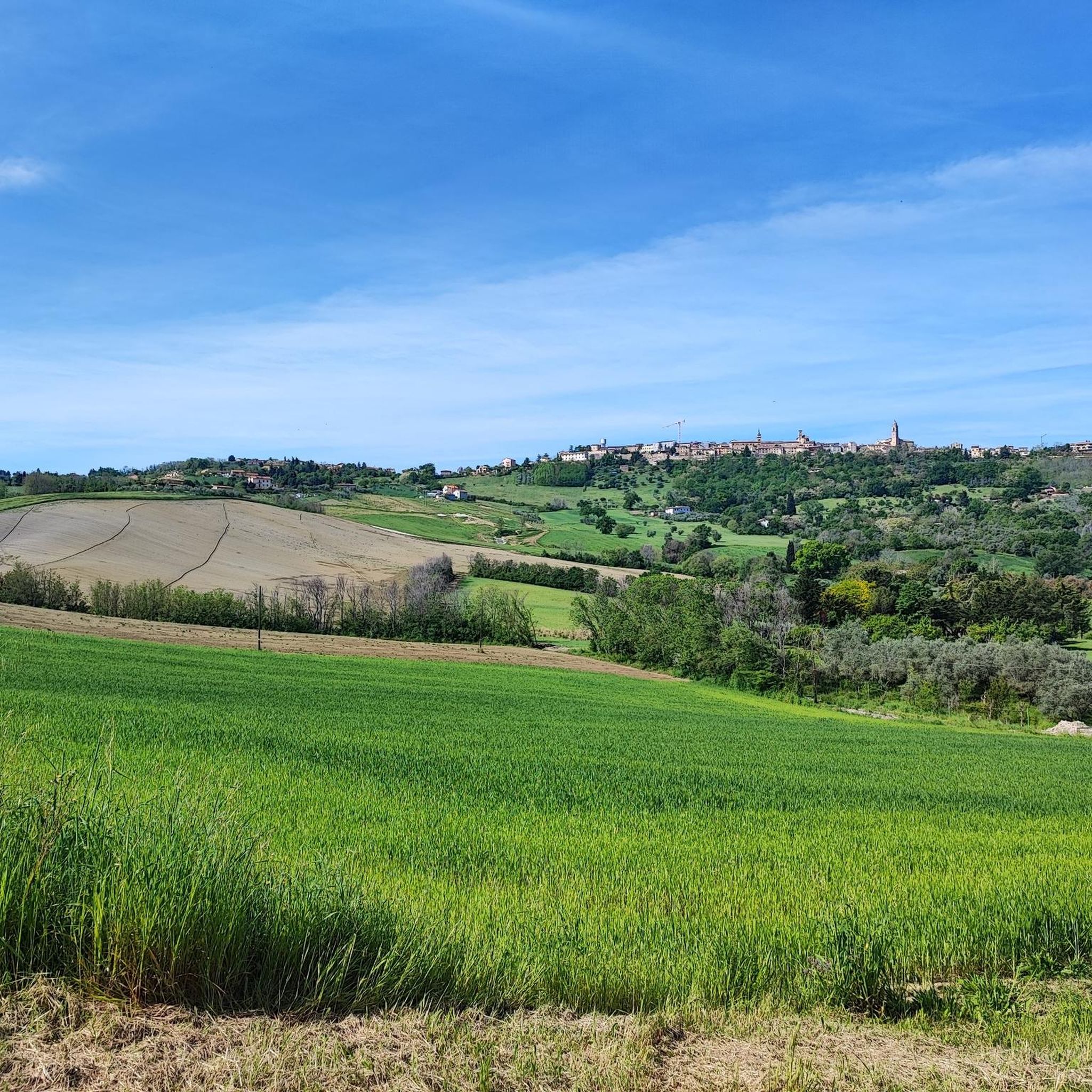
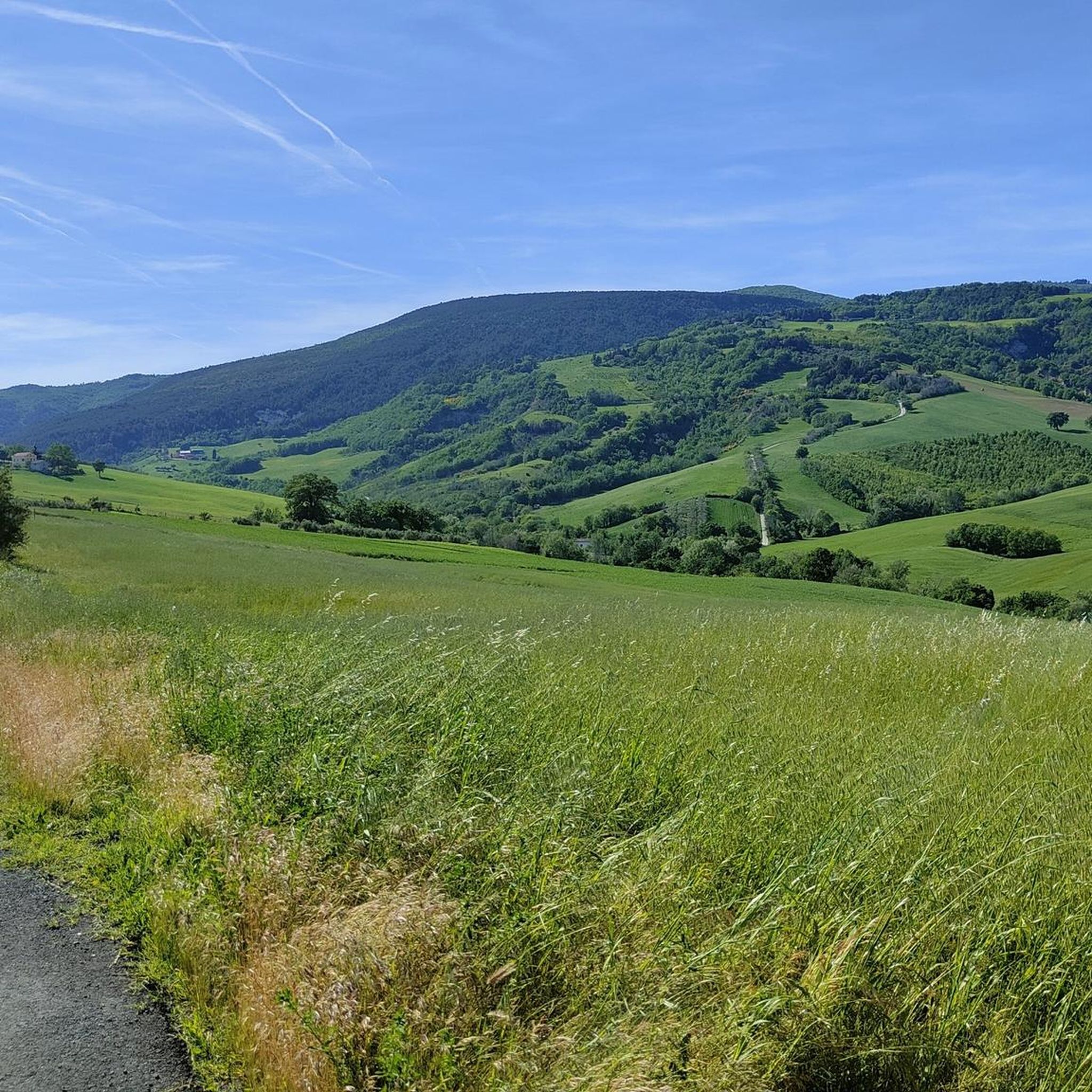
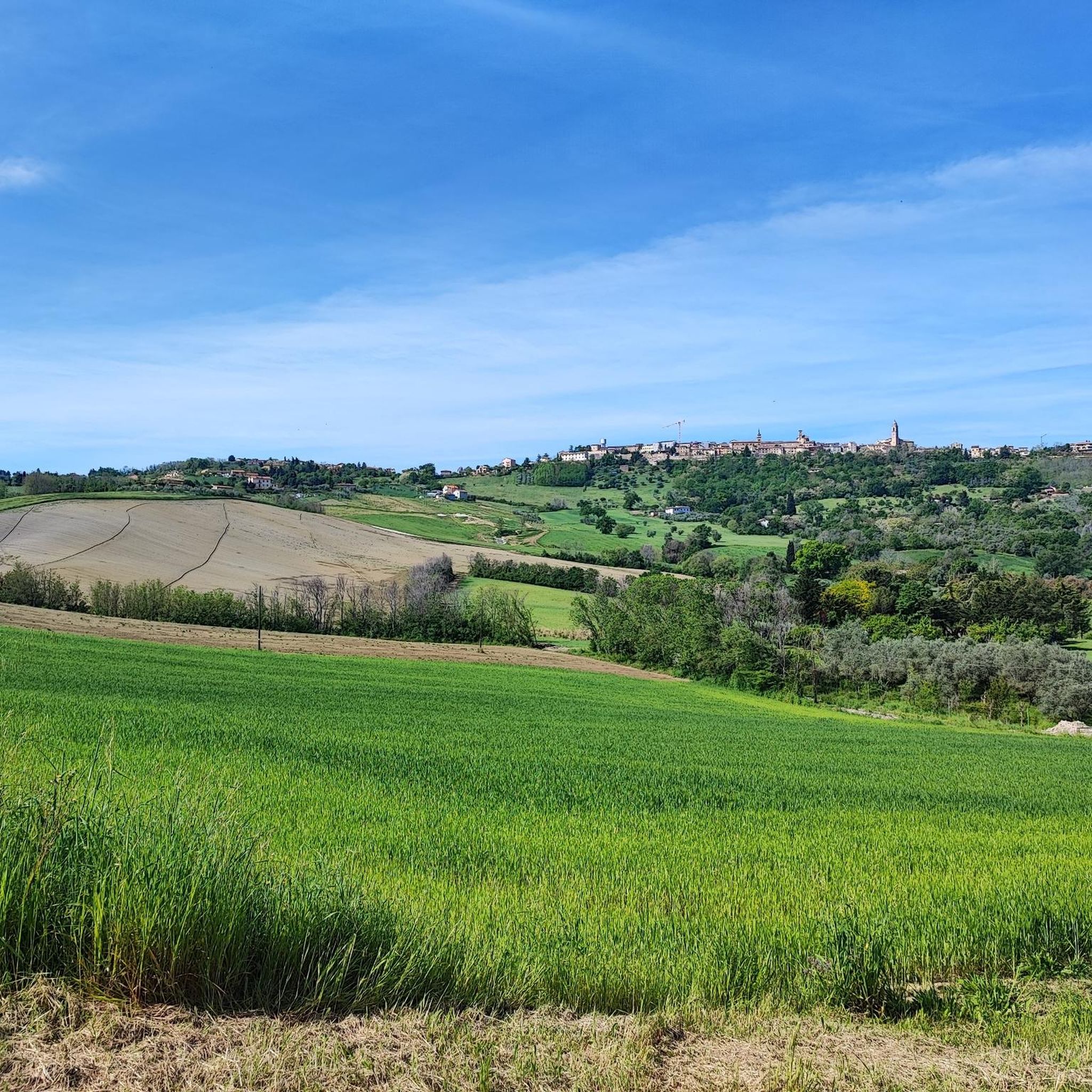
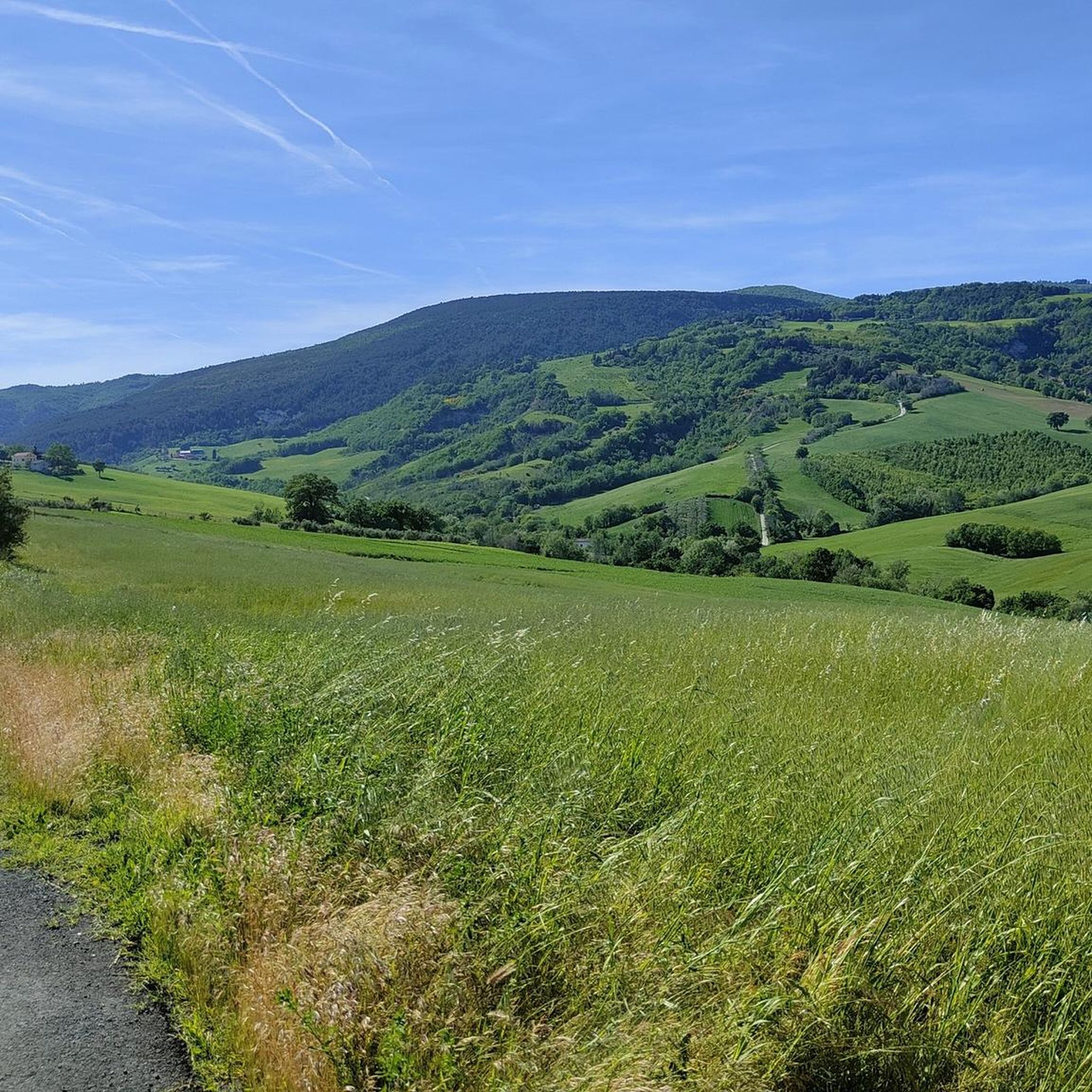
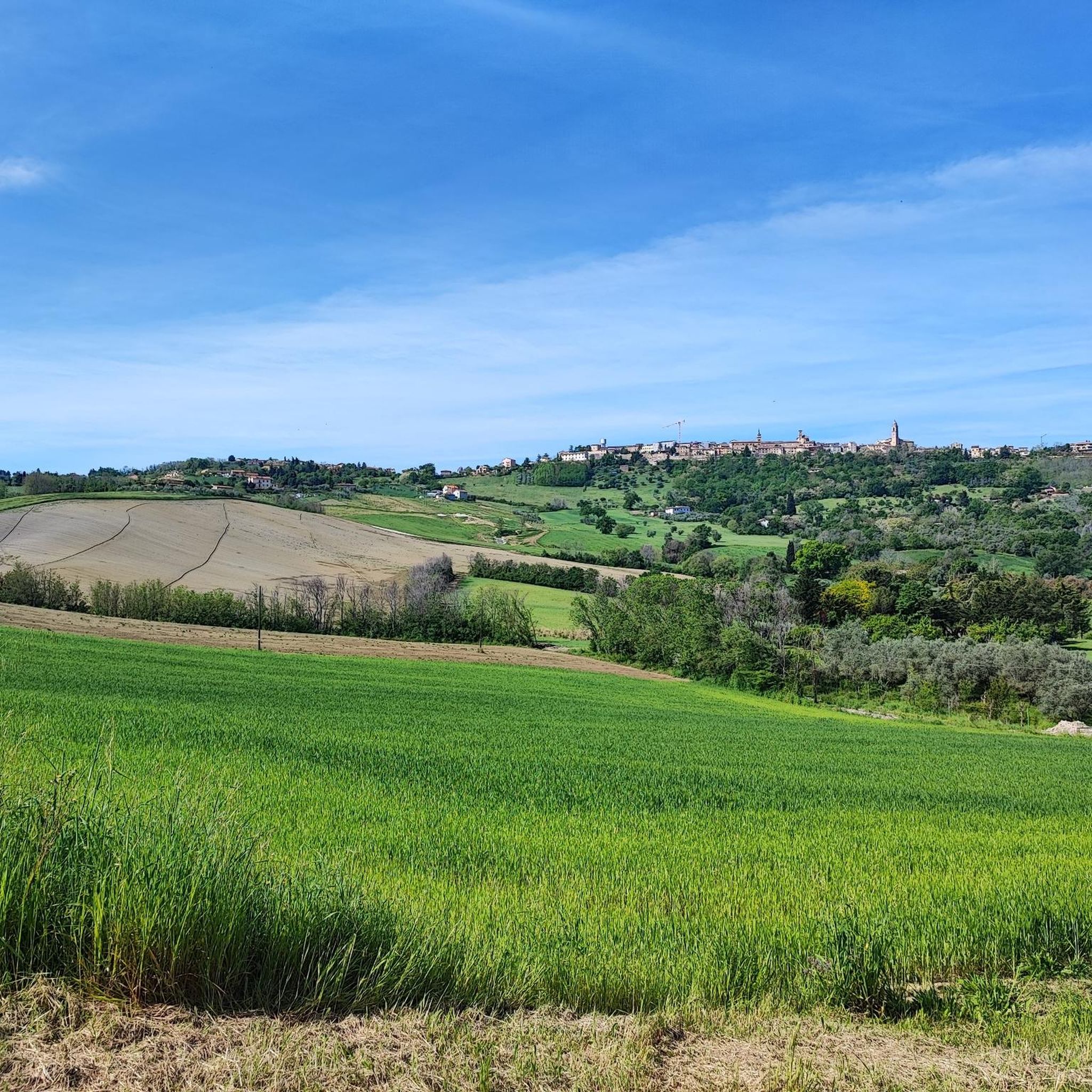
Best attractions and places to see around Pollenza, a town in Italy's Le Marche region, are set within a picturesque hilly landscape bordered by the Potenza and Chienti rivers. The area offers a mix of historical, cultural, and natural attractions. Pollenza is known for its tradition in arts and handicrafts, including ceramics and antique wood restoration. Visitors can explore well-preserved landmarks and scenic natural features.
Best attractions and places to see around Pollenza
- The most popular attractions is San Claudio…
Last updated: May 11, 2026
San Claudio Abbey
Highlight • Religious Site
Translated by Google •
Tip by

Abbadia di Fiastra Abbey and Nature Reserve
Highlight • Historical Site
Translated by Google •
Tip by

Sign up now to discover places like this
Get recommendations on the best single tracks, peaks, & plenty of other exciting outdoor places.
Sign up for free
Santa Sperandia Cave
Highlight • Cave
Translated by Google •
Tip by

Roccaccia of Monte Acuto
Highlight • Historical Site
Translated by Google •
Tip by
La Rancia Castle
Highlight • Castle
Translated by Google •
Tip by

Sign up for free to discover even more attractions around Pollenza.
Sign up for free
Already have an account?
Start today with a free account
Your next adventure awaits.
Login or Signup

Tips from the Community

The church of San Claudio al Chienti is a Romanesque building located in the municipality of Corridonia in an isolated position in the Chienti valley.
0
0
A building located along the Chieti route. A Romanesque church declared a national monument.
0
0

There is a very large car park, and a cycle/pedestrian path starts here.
0
0

A place of fortifications, nature and legends, the area of the Monte Acuto fortress, commonly known as the Roccaccia, because of a nobleman who tyrannized over the local population, is located on a rock formation between two valleys, at 740 meters above sea level. Of this ancient fortress today only a few remains of a tower and sections of masonry remain standing, erected in these places considered safe during the war between the Byzantines and the Lombards. Numerous legends are still told of mysterious weavers, of hens that laid golden eggs, of snakes guarding hidden treasures, tales of battles along the Potenza river valley below, but also stories of sanctity, such as that of the young Santa Sperandia who lived in solitude in a cave right on these mountains. A wild kingdom due to its isolation, for this reason so loved by hermits, but particularly beautiful and full of views that today represents the border between the municipalities of San Severino Marche, Treia and Cingoli.
1
0

The "Abbadia di Fiastra" Nature Reserve offers visitors, in addition to large and welcoming green spaces, numerous facilities: the Information Office where it is also possible to book guided tours of the Reserve and the Abbey, the Visitor Center, the Museum of Rural Civilization, the Archaeological Museum and the Wine Museum. There is also a picnic area, a camper service, nature trails, horse and bike trails, a sensory trail for the disabled, large parking lots, toilets, bars, pizzerias, restaurants, points of sale of local products and various accommodation facilities. More information on the dedicated website
0
0
The term “ Rancia ” is probably a corruption of the word grancia , or granary , from the French grange, borrowed from the Latin granica. Built as a fortified farm in the mid-11th century, in the Rancia district, on the plain located to the left of the Chienti river, the Castello della Rancia was initially a sort of tower house with autonomous structures for the defense of agricultural products. Important dates to remember are May 2 and 3, 1815, days of the furious battle called “ della Rancia ” or “ Tolentino ” when the entire area became a battlefield between the French army of Gioacchino Murat, king of Naples and brother-in-law of Napoleon, and the Austrian troops of General Federico Bianchi. The importance of this event in the history of Italy is said to be considered the beginning of the Italian Risorgimento. It is currently owned by the Municipality of Tolentino and houses the Civic Archaeological Museum “Aristide Gentiloni Silverj”.
0
0

Also known as Charlemagne's first Aachen.
0
0

fantastic journey into history and nature recommended
0
0
Frequently Asked Questions
What historical sites can I explore in Pollenza?
Pollenza is rich in history. You can visit the San Claudio Abbey, a Romanesque building and national monument. Another significant historical site is the Abbadia di Fiastra Abbey and Nature Reserve, one of Italy's best-preserved Cistercian abbeys. Don't miss the La Rancia Castle, a former fortified farm with a rich past, now housing the Civic Archaeological Museum. Within Pollenza's historic center, you'll find the ancient Palazzo Cento, which hosts the Civic Museum with Roman-era artifacts, and the Theatre Giuseppe Verdi.
Are there any family-friendly attractions around Pollenza?
Yes, several attractions are suitable for families. The Abbadia di Fiastra Abbey and Nature Reserve offers large green spaces, nature trails, and various museums, including the Museum of Rural Civilization, making it ideal for a family day out. The La Rancia Castle, with its archaeological museum and surrounding cycle/pedestrian path, is also a great option. Additionally, the San Claudio Abbey is listed as family-friendly.
What cultural experiences does Pollenza offer?
Pollenza boasts a vibrant cultural scene. The Palazzo Cento in the historic center houses the Museum of Vespa, the Municipal Art Gallery, and the Civic Museum, showcasing local ceramics and historical records. You can also visit the Theatre Giuseppe Verdi, a 17th-century theatre, and the Church of the Saints Francis and Antonio, which contains a valuable altarpiece. Pollenza also has a strong tradition in antique art and restoration, with an annual exhibition held in July.
Where can I enjoy nature and scenic views near Pollenza?
The region around Pollenza is characterized by a picturesque hilly landscape, bordered by the Potenza and Chienti rivers. The Abbadia di Fiastra Abbey and Nature Reserve offers 1,800 hectares of protected natural environment with forests and trails. For stunning panoramic views, visit the Roccaccia of Monte Acuto, ancient ruins situated on a rock formation between two valleys.
Are there opportunities for cycling around Pollenza?
Absolutely! Pollenza is a great base for cycling. You can find various routes for different types of cycling. For touring bicycles, explore routes like the 'Lake Le Vene – Riverside Cycle Path loop' or the 'Rancia Castle – Devil's Bridge of Tolentino loop'. Road cyclists can enjoy routes such as 'Abbazia di San Claudio – Civitanova Marche Pier loop' or 'Lake Caccamo loop'. Mountain bikers have options like 'View of Pitino – Forest Trail in San Lorenzo loop' or 'La Rancia Castle – Church of San Giuseppe loop'. You can find more details and routes in the Cycling around Pollenza, Road Cycling Routes around Pollenza, and MTB Trails around Pollenza guides.
What unique or 'hidden gem' attractions are there?
For a unique experience, consider visiting the Santa Sperandia Cave. This characteristic cave, once home to a Benedictine nun, is reached by a long staircase and offers a glimpse into local religious history and folklore. Another interesting spot is the Roccaccia of Monte Acuto, which, despite being ruins, is steeped in legends and offers spectacular views.
What is the best way to explore Pollenza's historic center?
The historic center of Pollenza is best explored on foot. Its charming streets and well-preserved architecture invite visitors to wander and discover hidden gems, including the Town Hall with its Baroque portal, the Civic Tower, and various churches like the Church of Immacolata Concezione and the Church of San Giuseppe.
Are there any annual events or festivals in Pollenza?
Yes, Pollenza hosts the Palio di San Giovanni in late June. During this event, different districts compete in ancient folk games, and food stands offer typical dishes from the Le Marche region. Additionally, an annual exhibition of handicrafts, antiques, and art restoration is held in the town center in July, reflecting Pollenza's strong artistic traditions.
What facilities are available at the Abbadia di Fiastra Abbey and Nature Reserve?
The Abbadia di Fiastra Abbey and Nature Reserve is well-equipped for visitors. It features an Information Office, Visitor Center, Museum of Rural Civilization, Archaeological Museum, and Wine Museum. You'll also find a picnic area, camper service, nature trails, horse and bike trails, a sensory trail for disabled visitors, large parking lots, toilets, bars, pizzerias, restaurants, points of sale for local products, and various accommodation facilities.
Is the Abbadia di Fiastra Abbey and Nature Reserve accessible for everyone?
Yes, the Abbadia di Fiastra Abbey and Nature Reserve is noted for its accessibility. It is listed as wheelchair accessible and includes a sensory trail specifically designed for disabled visitors, ensuring a more inclusive experience.
What do visitors particularly enjoy about the attractions around Pollenza?
Visitors appreciate the blend of historical depth and natural beauty. Many enjoy the well-preserved architecture of sites like San Claudio Abbey and the extensive facilities and natural environment of the Abbadia di Fiastra Abbey and Nature Reserve. The scenic cypress-lined avenue leading to San Claudio Abbey is also a favorite for cyclists, and the panoramic views from places like the Roccaccia of Monte Acuto are highly valued.
Most popular routes around Pollenza
Most popular attractions around Pollenza

Get inspired with the komoot mobile app


Explore more
Still not found the Highlight you’re looking for? See guides of the top attractions in other regions:
