Attractions and Places To See around San Giustino - Top 20
Best attractions and places to see around San Giustino include a variety of historical sites, cultural landmarks, and natural features. Located in the Upper Tiber Valley in Umbria, Italy, the town is nestled near the foothills of the Apennines and on the right bank of the Tiber River. The area offers a peaceful countryside with rolling hills, woods, and cultivated fields, providing diverse points of interest for visitors.
Best attractions and places to see around San Giustino
- The most popular…
Last updated: May 9, 2026
Hermitage of Montecasale
Highlight • Religious Site
Translated by Google •
Tip by

Historic Centre of Anghiari
Highlight • Historical Site
Translated by Google •
Tip by

Sign up now to discover places like this
Get recommendations on the best single tracks, peaks, & plenty of other exciting outdoor places.
Sign up for free
Pian della Capanna Forest Refuge
Highlight • Mountain Hut
Translated by Google •
Tip by

Tiber Cycle Route (Ciclovia del Tevere)
Highlight • Cycleway
Translated by Google •
Tip by
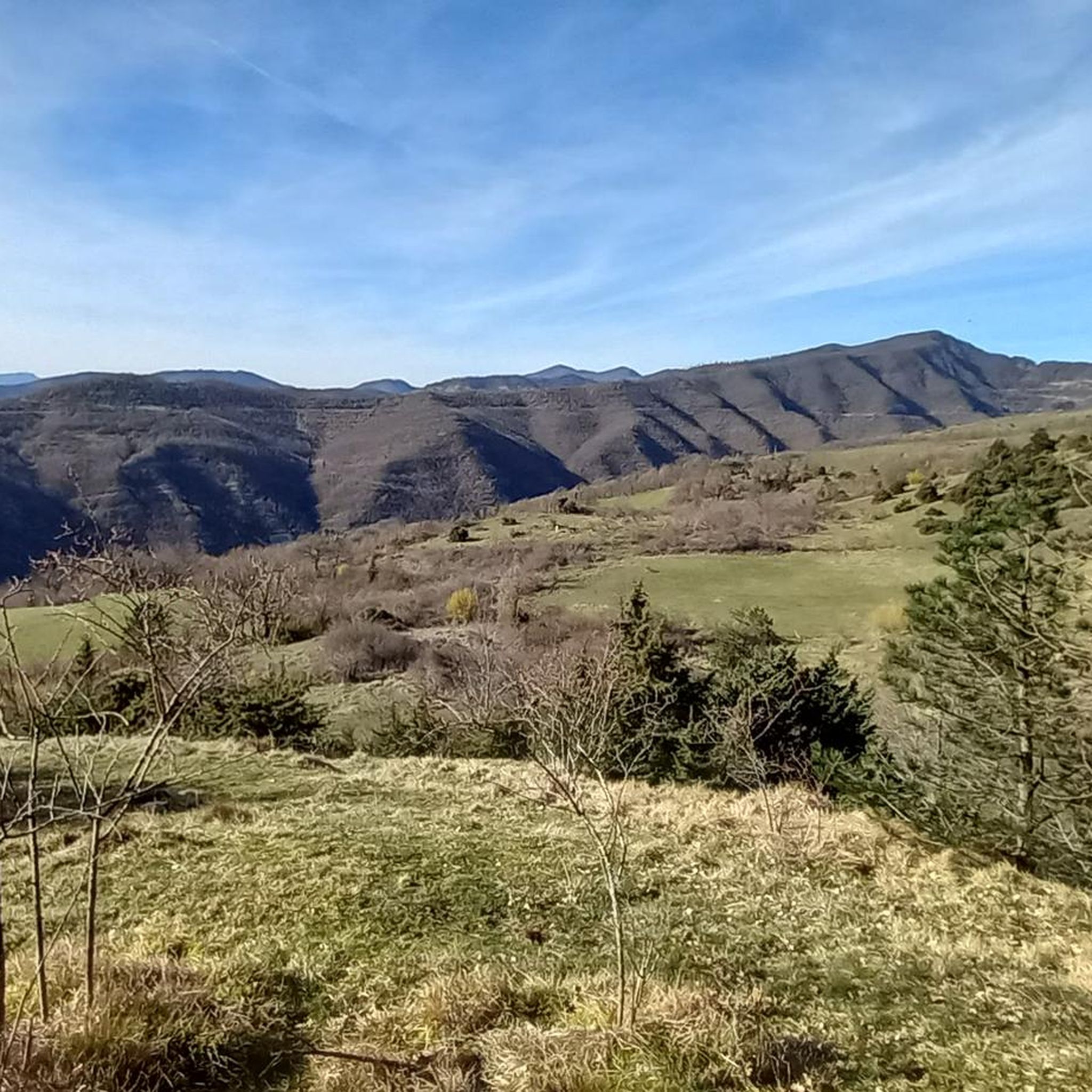
Bocca Serriola Pass
Highlight • Mountain Pass
Tip by

Sign up for free to discover even more attractions around San Giustino.
Sign up for free
Already have an account?
Start today with a free account
Your next adventure awaits.
Login or Signup

Tips from the Community

Piazza Baldaccio, the start and finish of the Intrepida, a historic cycling event held in Anghiari in October.
0
0

Splendid Franciscan hermitage... well preserved and full of charm and history
0
0


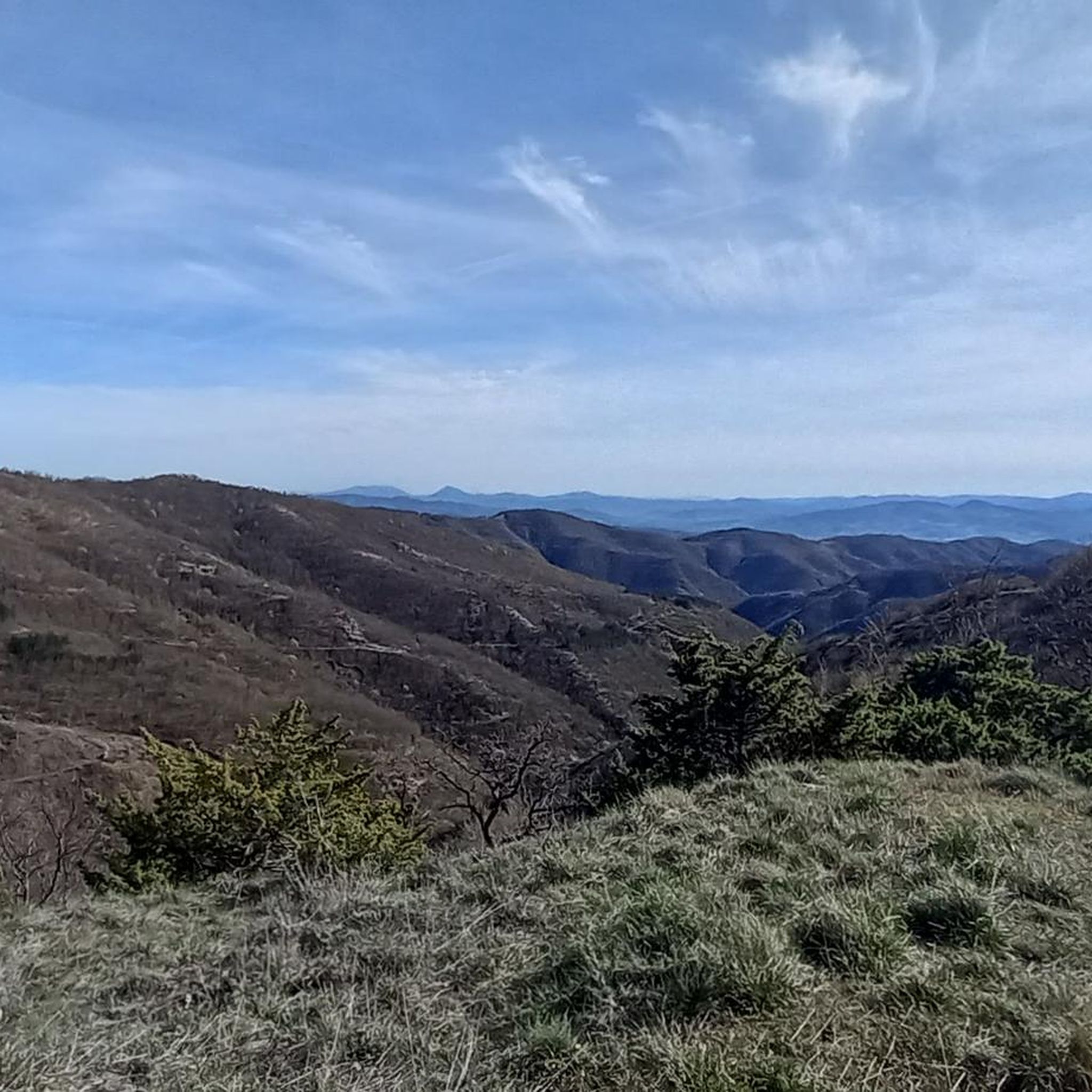
The Pian della Capanna refuge is open most of the year, especially from spring to autumn. It remains a point of reference for those who undertake the path of Saint Francis and for this purpose it offers a bivouac that is always open next to the structure.
0
0
The square crowded with intrepid aspirants is always suggestive. A few minutes before the start the town band plays the Italian anthem, which is very popular; it is a sort of wish for a beautiful Giro
0
0

And in the autumn there is the "intrepida", a cycling race on gravel roads with older bikes (before 1985). A great event for cycling enthusiasts!
0
0

A suggestive place surrounded by greenery. Worth a visit
0
0
Frequently Asked Questions
What historical sites can I visit in San Giustino?
San Giustino is rich in history. You can explore the impressive Bufalini Castle, which originated as a medieval fortress and was transformed into a noble residence. The castle features an Italian-style garden and houses frescoes and artworks by notable artists. Additionally, the area is home to several historic villas, such as Villa Cappelletti and Villa Margherini Graziani di Celalba, showcasing different architectural styles.
Where can I learn about the local history of tobacco cultivation?
To delve into the region's unique agricultural past, visit the Tobacco History and Science Museum. Opened in 2004, it's one of the few museums in Italy dedicated to preserving and highlighting the cultural heritage of tobacco cultivation, which significantly impacted the Upper Tiber Valley's economic and social development.
What natural attractions are there around San Giustino?
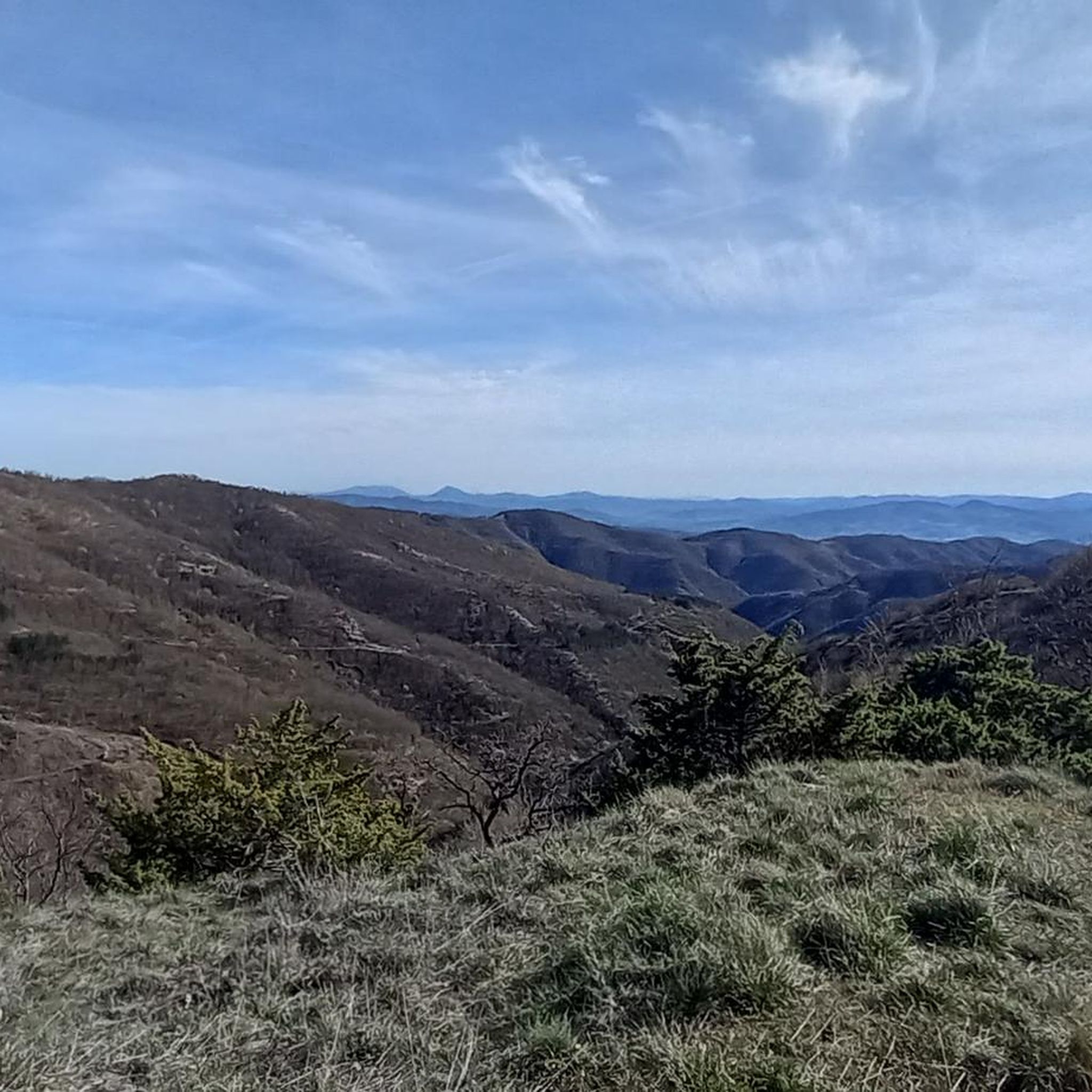
The area around San Giustino offers a peaceful countryside with rolling hills, woods, and cultivated fields. The town is situated on the right bank of the Tiber River, providing scenic views. You can also visit the Bocca Serriola Pass, a mountain pass at 730m high, which offers panoramic vistas and geographically divides the Tuscan-Emilian Apennines from the Umbrian-Marche Apennines.
Are there opportunities for cycling near San Giustino?
Yes, cycling enthusiasts can enjoy the Tiber Cycle Route (Ciclovia del Tevere). This system of cycle and pedestrian paths runs along the Tiber River, offering a route with a compact dirt surface ideal for a bike ride. For more challenging road cycling, you can find routes like the 'Montedoglio Lake – Anghiari Medieval Town loop' or 'Bocca Serriola Pass – Città di Castello loop' in the nearby Road Cycling Routes around San Giustino guide.
What hiking trails are available around San Giustino?
San Giustino is a great base for hiking. You can explore trails like the 'Roccolo Park loop' for an easy walk or more challenging routes such as 'La Rocca and La Rocchetta – Hermitage of Montecasale loop'. The Pian della Capanna Forest Refuge is also a stop along the GEA and the path of San Francesco, offering a wild and spectacular stretch for hikers. Find more options in the Hiking around San Giustino guide.
Are there any significant religious sites in the area?
Absolutely. The Hermitage of Montecasale is one of the most important places linked to the life of Saint Francis, founded by the saint himself. The Church of San Giustino is also central to the town, and the Church of Santissimo Crocifisso features frescoes and stuccoes by the Della Robbia brothers.
What is the former Republic of Cospaia?
Just 2 kilometers outside San Giustino lies the fascinating historical 'no man's land' of the former Republic of Cospaia. This small strip of territory remained independent from 1440 to 1826 due to a border dispute. It's also historically significant as the place where the first tobacco in Italy was planted in 1575.
What are some family-friendly activities in San Giustino?
Many of the natural and historical sites can be enjoyed by families. The Tiber Cycle Route offers a pleasant, traffic-free path suitable for family bike rides or walks. Exploring the grounds of Bufalini Castle or the historic villas can also be an engaging experience for all ages. The Historic Centre of Anghiari, a nearby village, is also considered family-friendly.
What is the best time of year to visit San Giustino for outdoor activities?
The spring and autumn months are generally ideal for outdoor activities in San Giustino. The weather is pleasant for hiking and cycling, and the countryside is particularly beautiful. Summer can be warm, but early mornings or late afternoons are still suitable for exploring. Winter might offer a different charm, especially if you enjoy cooler temperatures, but some higher elevation trails might be affected by snow or ice.
Can I find viewpoints with scenic vistas near San Giustino?
Yes, the region offers several scenic viewpoints. The Bocca Serriola Pass provides expansive views of the Apennine landscape. Additionally, the countryside around San Giustino, with its rolling hills and proximity to the Tiber River, offers numerous picturesque spots for enjoying the typical Tuscan and Umbrian scenery.
Are there any unique historical villages worth visiting nearby?
Absolutely. The Historic Centre of Anghiari is a small village immersed in the splendid Tuscan countryside, recognized as one of the most beautiful villages in Italy. It's famous for the Battle of Anghiari and features a unique medieval layout with its imposing medieval tower of Campano and ancient rock church of the Badia. It's a great place to experience local history, art, and cuisine.
Where can I find a forest refuge for hikers?
Hikers can find respite at the Pian della Capanna Forest Refuge. This articulated stone and wood structure is located at the foot of the Alpe della Luna, serving as a hiking refuge along the GEA and the path of San Francesco. It's a welcoming stop for those exploring the wilder stretches of the Apennines.
Most popular routes around San Giustino
Most popular attractions around San Giustino

Get inspired with the komoot mobile app


Explore more
Still not found the Highlight you’re looking for? See guides of the top attractions in other regions:
