Attractions and Places To See around Bagno Di Romagna - Top 20
Best attractions and places to see around Bagno Di Romagna are found within the Tuscan-Romagna Apennines, a region known for its natural beauty and historical significance. Nestled within a national park, the area features extensive woodlands, mountains, and thermal waters. It offers a blend of natural features, historical landmarks, and cultural experiences for visitors.
Best attractions and places to see around Bagno Di Romagna
- The most popular attractions is La Verna Sanctuary, a religious building where Saint Francis received the stigmata in 1224. The complex includes the small church of Santa Maria degli Angeli and the Basilica dedicated to Santa Maria Assunta.
- Another must-see spot is Sega Waterfalls, a waterfall named for how the Rabbi river "cut" the rock into three pieces. Below the waterfalls, a natural swimming pool offers a refreshing experience.
- Visitors also love Mount Falco, a summit that stands at 1,658 meters above sea level. It is the highest peak in the Tuscan-Romagna Apennines, offering views and protecting rare alpine vegetation.
- Bagno Di Romagna is known for its natural features, historical landmarks, and thermal spas. The region offers a variety of attractions, from ancient religious sites and mountain peaks to waterfalls and extensive hiking trails.
- The attractions around Bagno Di Romagna are appreciated by the komoot community, with over 460 upvotes and more than 480 photos shared by visitors.
Last updated: August 17, 2026
La Verna Sanctuary
Highlight • Religious Site
Translated by Google •
Tip by

Camaldoli Hermitage
Highlight • Religious Site
Translated by Google •
Tip by
Sign up now to discover places like this
Get recommendations on the best single tracks, peaks, & plenty of other exciting outdoor places.
Sign up for free
Sega Waterfalls
Highlight • Waterfall
Translated by Google •
Tip by

Mount Falco
Highlight • Summit
Translated by Google •
Tip by

Fangacci Hut
Highlight • Mountain Hut
Translated by Google •
Tip by

Sign up for free to discover even more attractions around Bagno Di Romagna.
Sign up for free
Already have an account?
Start today with a free account
Your next adventure awaits.
Login or Signup
Popular around Bagno Di Romagna
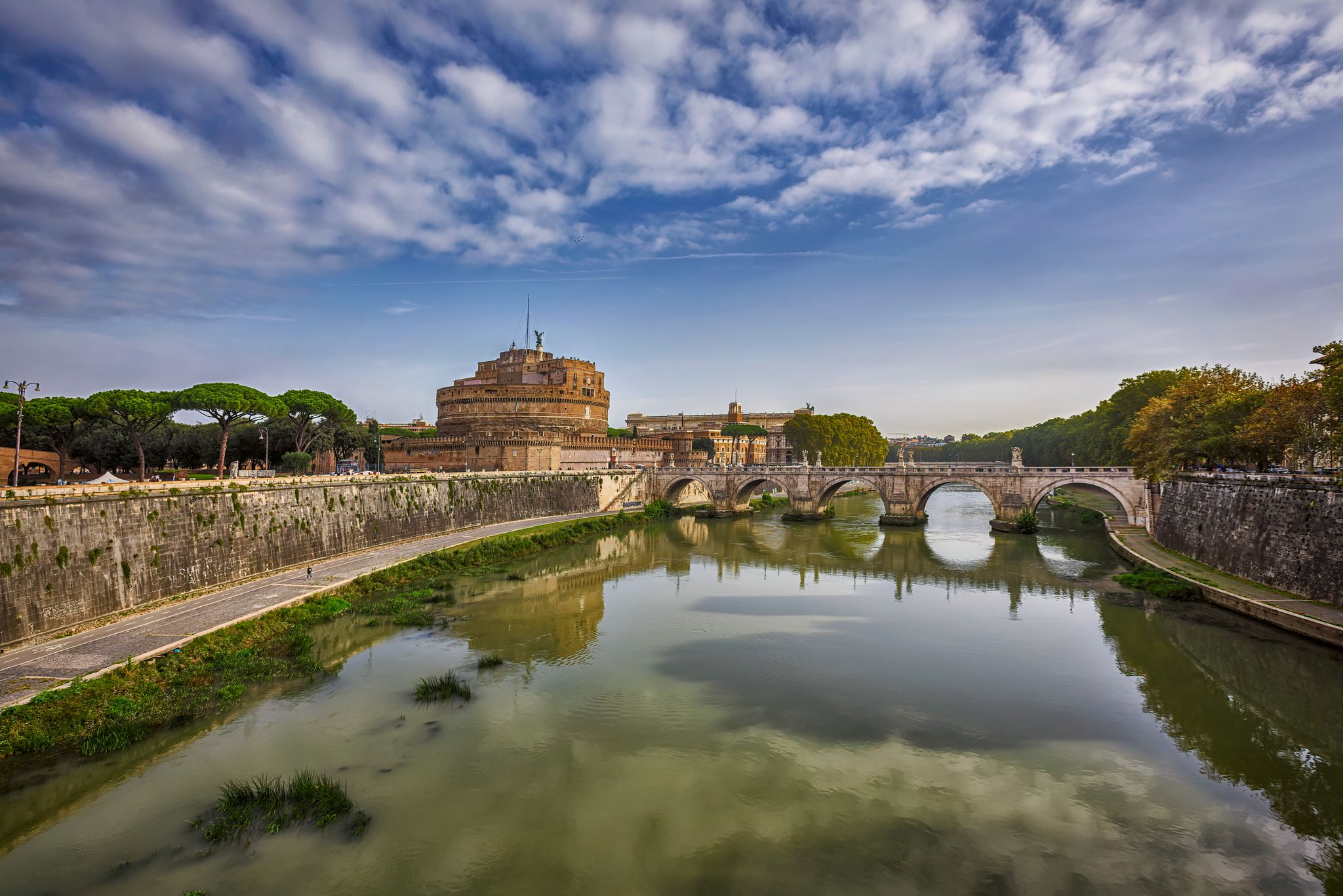
All roads lead to Rome – Romea Tiberina Cycleway
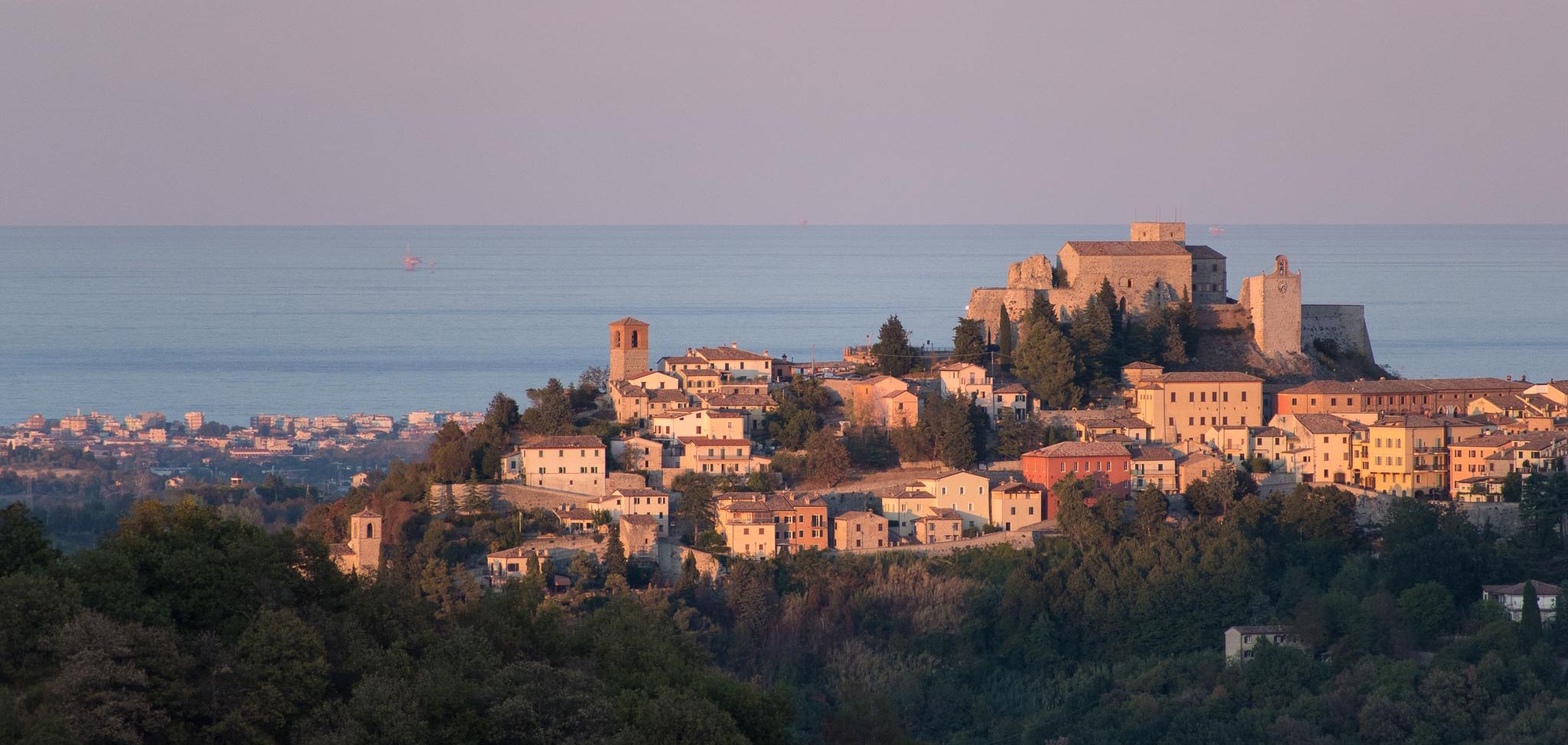
In the quiet backcountry of the Adriatic — cycling in Emilia Romagna
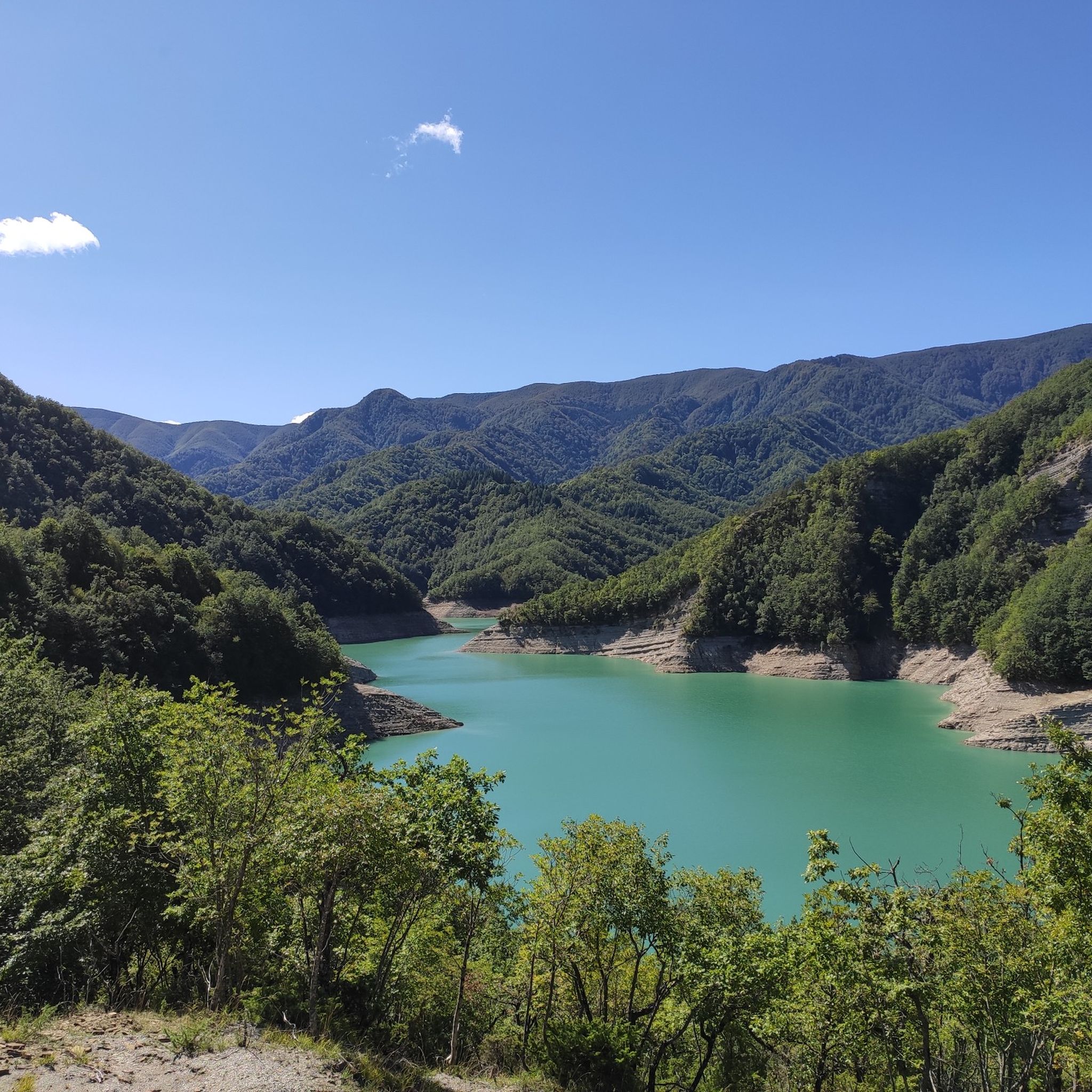
Hiking around Bagno Di Romagna
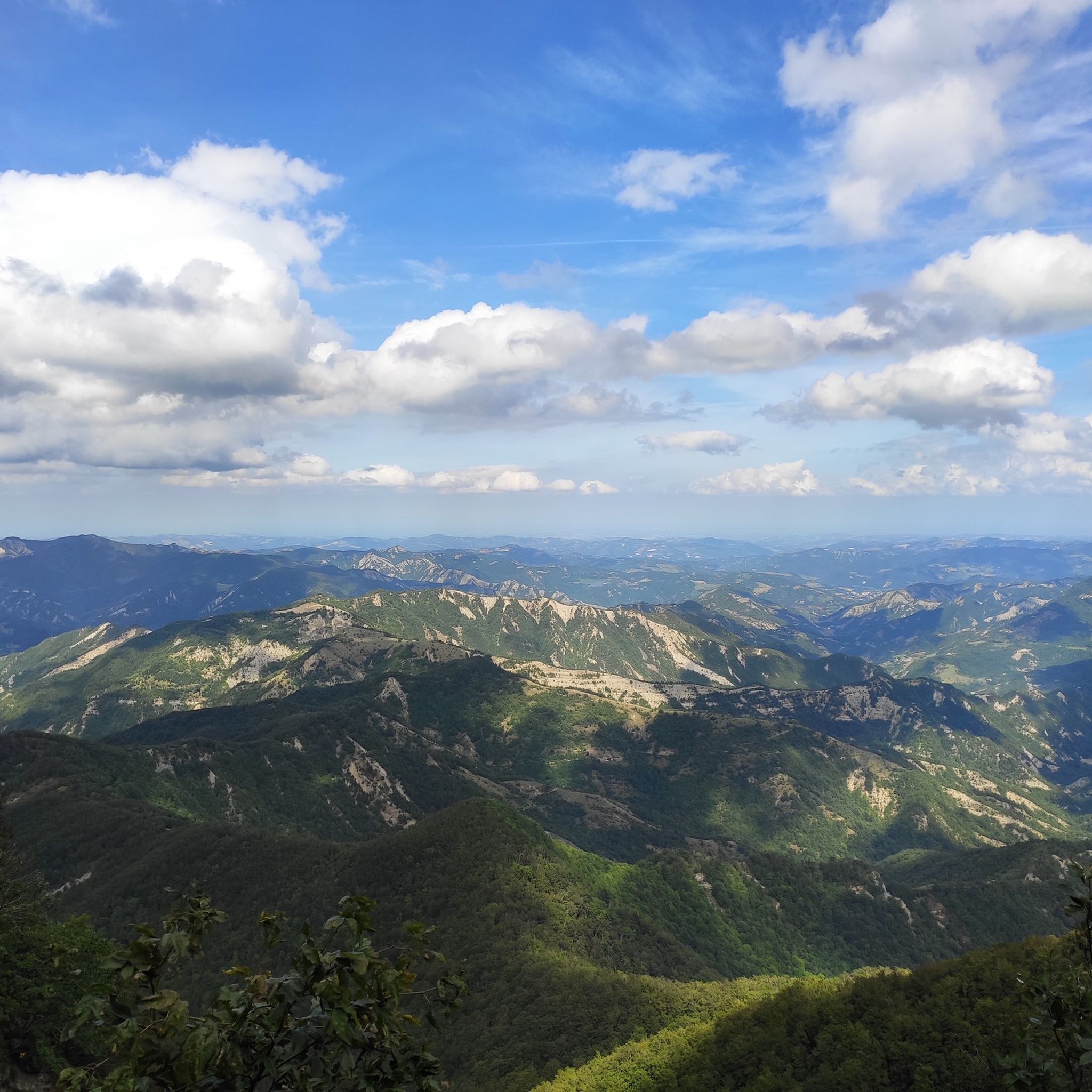
MTB Trails around Bagno Di Romagna
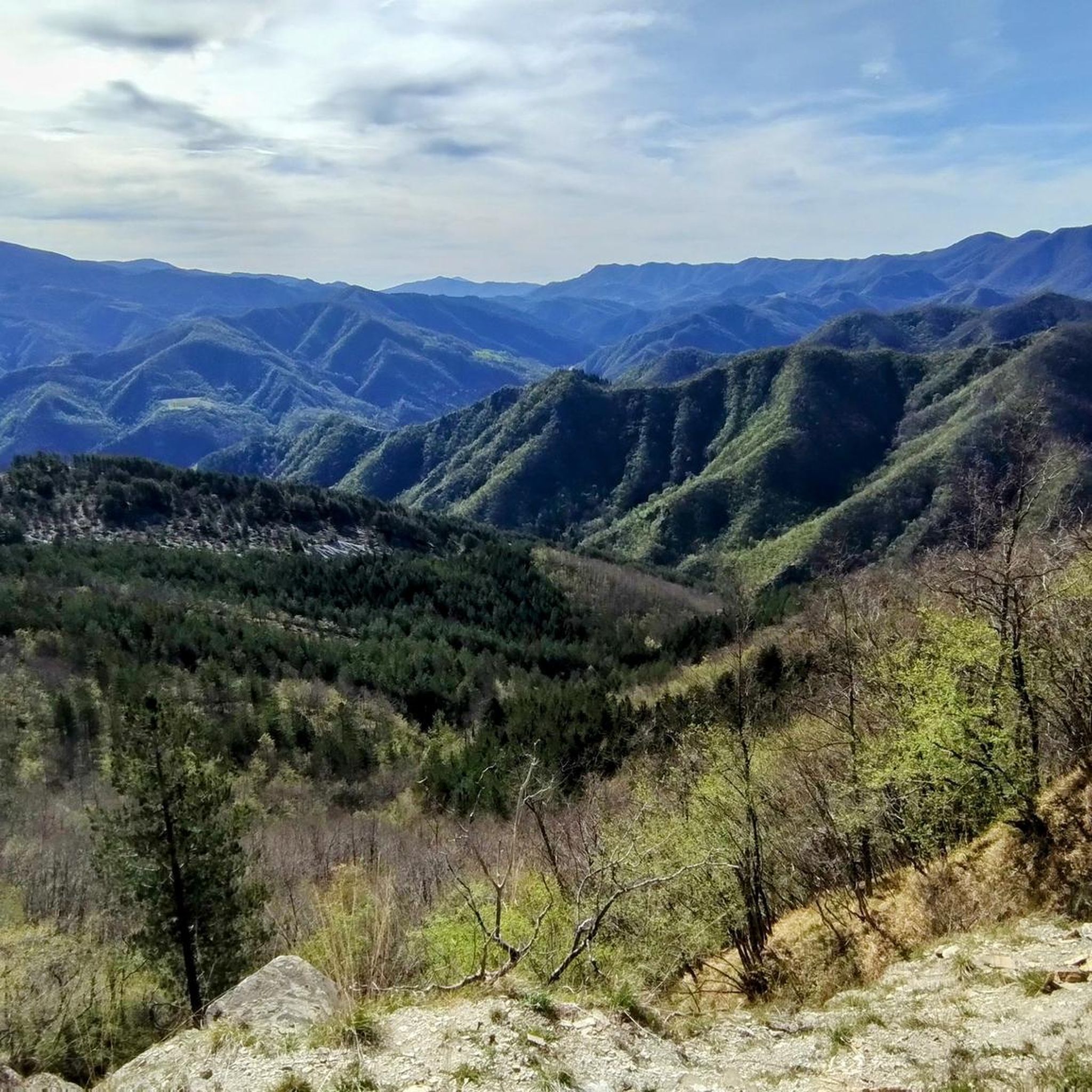
Cycling around Bagno Di Romagna
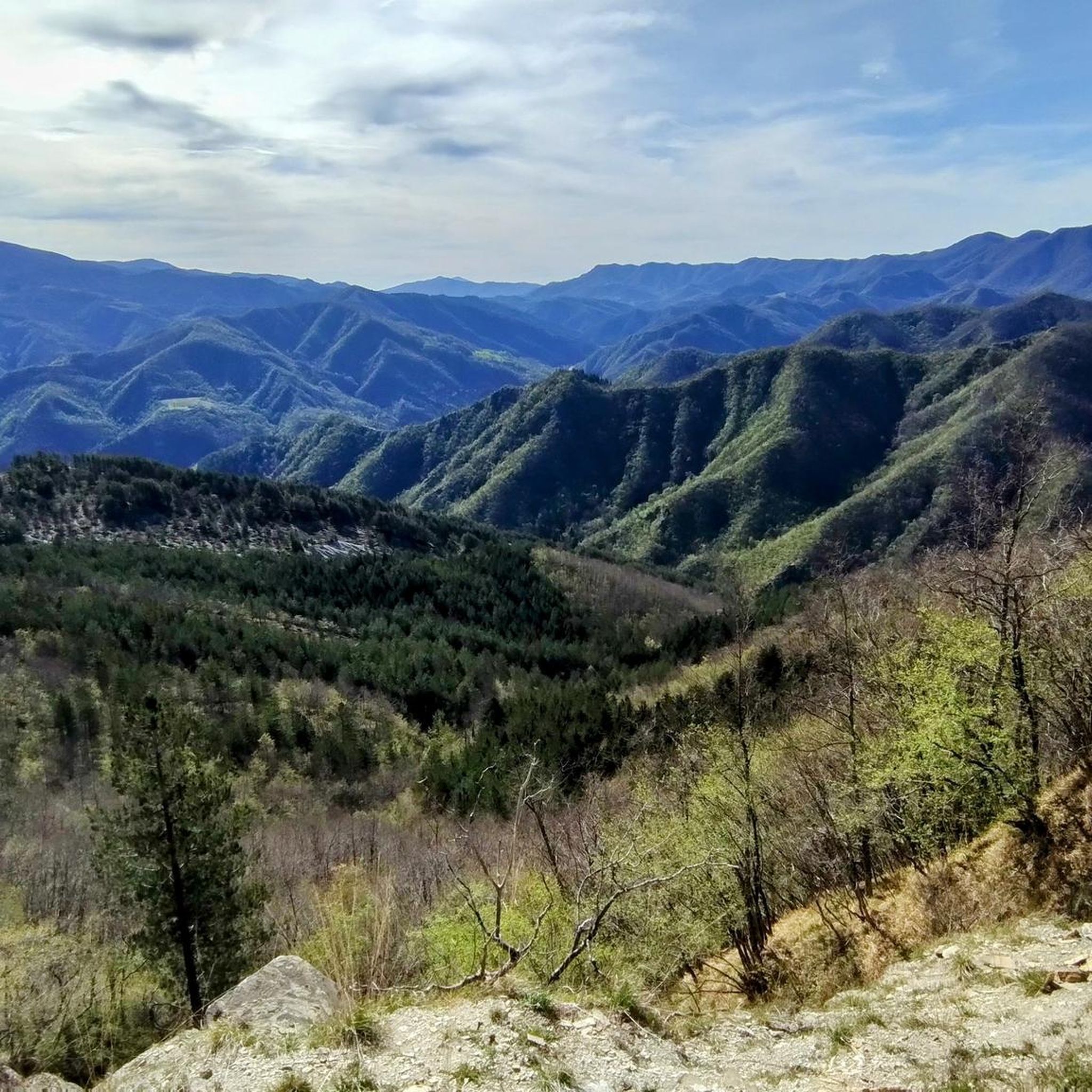
Road Cycling Routes around Bagno Di Romagna
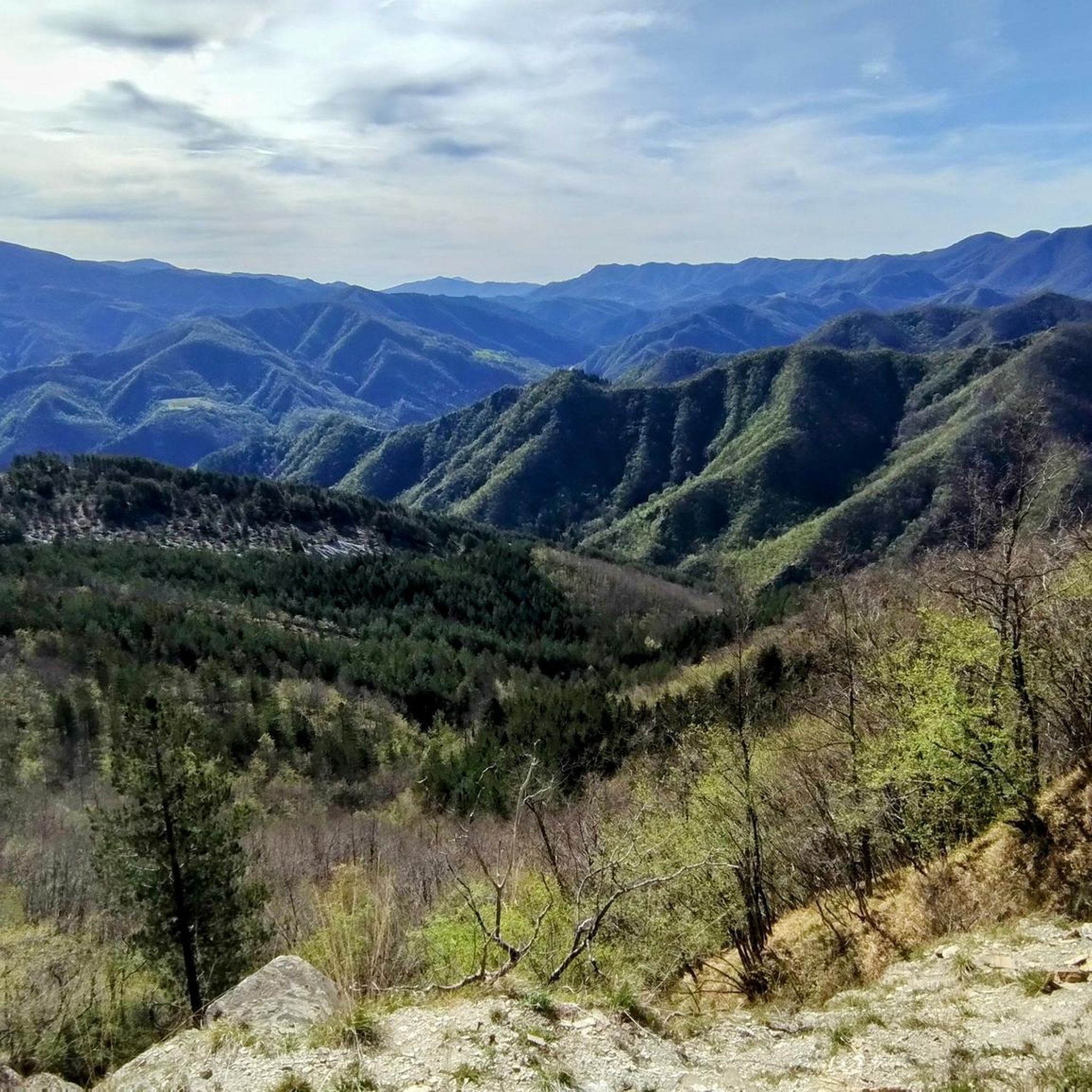
Running Trails around Bagno Di Romagna

Gravel biking around Bagno Di Romagna


Tips from the Community

A particularly beautiful destination in winter 🥰
1
0

Of course, very easy. It can be reached very well by bike.
0
0

The refuge, not managed, is located at an altitude of 1234 m. above sea level inside the Casentinesi Forest National Park, along the road that from the Camaldoli Hermitage, passing through Prato alla Penna, leads to Badia a Prataglia.
4
0

The place where the sanctuary is located today was donated to Saint Francis by Count Orlando Cattani of Chiusi in 1213. First a hermitage was founded which became a recurring destination for Francis and his disciples for periods of meditation and prayer. Francis stayed here for the last time in 1224. It was precisely on the occasion of that last visit that the Saint received the stigmata. The complex includes the small church of Santa Maria degli Angeli built by Francis himself, the corridor and the Chapel of the Sacred Stigmata and the Basilica dedicated to Santa Maria Assunta where you can admire the Annunciation by the sculptor Andrea della Robbia. The sanctuary is surrounded by the monumental forest of La Verna, a forest of fir and beech trees cared for over the centuries by the Franciscan friars.
4
0
The hermitage of Camaldoli was founded around 1025 AD by the hermit friar Romualdo, today San Romualdo. At the beginning the structure had five cells for hermits and a church for common prayer. Today there are twenty cells and the most "recent" dates back to 1743. Over the centuries, other common structures have been built: the refectory, the library and the guesthouse. All the cells are built following the model of the first cell of San Romualdo, still visible although incorporated by the library: it is a small house with a garden surrounded by walls. The internal spaces of the hermitage can only be visited during guided tours; the timetables can be found on the Camaldoli community website.
1
1
This location takes its name from the erosive phenomenon caused by the Rabbi river, in fact at this point the waters of the river have cut the rock on which they flowed into three parts, creating two small waterfalls. Below them a wonderful natural swimming pool has formed, ideal for a refreshing swim in the warmer months.
1
0

Mount Falco stands on the border between Arezzo and Florence and is also known as the "Roof of the Casentinesi Forests". With its 1,658 meters of altitude, it is the highest peak in the Tuscan-Romagnolo Apennines, exceeding the adjacent Mount Falterona by just four metres. To protect the alpine and subalpine vegetation present here, which is rare for these areas, an integral nature reserve has been established in this area.
3
0

The Holy Mountain of La Verna, as “the raw rock between the Tiber and the Arno…” is called, is the place where the “stigmatized” Francis wanted to relive the same torments that Christ suffered on Calvary. The monastery is located on the Alverna elevation on the southwest slope of Monte Penna north of Chiusi della Verna at 1,128 meters. Places worth seeing in this place of pilgrimage are the Basilica of St. Mary, Queen of Angels (S. Maria degli Angeli) and the chapel of the same name, the so-called “Outstanding Rock” (Sasso Spicco), the Corridor of the Stigmata and the Chapel of the Stigmata (Cappella delle Sacrestimmate).
4
1
Frequently Asked Questions
What natural attractions can I explore around Bagno di Romagna?
The region is rich in natural beauty. You can visit the vast Foreste Casentinesi, Monte Falterona, Campigna National Park, which includes the ancient beech forests of the Lama Forest and the UNESCO World Heritage site of Sasso Fratino Integral Nature Reserve. Don't miss Sega Waterfalls, where you can find a natural swimming pool, or the scenic Mount Falco, the highest peak in the Tuscan-Romagna Apennines.
Are there any historical or cultural sites to visit?
Absolutely. The area boasts several significant historical and cultural landmarks. Explore the ancient La Verna Sanctuary, where Saint Francis received the stigmata, or the serene Camaldoli Hermitage, founded in the 11th century. In Bagno di Romagna itself, you can see the Romanesque Basilica of Santa Maria Assunta, the historic Palazzo del Capitano, and the remnants of the 14th-century Rocca Malatestiana.
What activities are available for families with children?
Families will enjoy the Sega Waterfalls, which feature a natural swimming pool perfect for a refreshing dip. A unique experience is the Gnome Trail (Sentiero Degli Gnomi), a nature and fantasy trail near town with gnome villages and illustrations that children often love. Lake Ridracoli also offers electric boat trips, which can be a fun family outing.
Where can I go hiking or trekking near Bagno di Romagna?
The region is a hiker's paradise, especially within the Foreste Casentinesi National Park. You'll find an extensive network of trails for all levels. Popular routes include the Ridracoli Loop Trail and the Tour of Monte Penna from Passo Fangacci to Foresta della Lama. For more options, explore the hiking guide for Bagno di Romagna.
Are there any thermal spas or wellness activities in the area?
Yes, Bagno di Romagna is renowned for its natural hot springs, with mineral-rich waters flowing at 45-47°C. These have been used for wellness since Roman times. Several modern spa resorts offer relaxation and treatments. Additionally, the Bosco del Benessere (Wellness Forest), inaugurated in 2022, provides a trail designed for immersion in nature and promoting well-being.
What are some popular routes for running or cycling?
For runners, trails like The Wolf's Ring Trail or the Poggio Alto loop from Bagno di Romagna offer scenic challenges. Cyclists can enjoy routes such as the Sarsina – The Old E45 loop or the Le Balze Village – Monte Fumaiolo Pass loop. You can find detailed routes in the running trails guide and the road cycling routes guide for Bagno di Romagna.
What is the best time of year to visit Bagno di Romagna for outdoor activities?
The region is beautiful year-round. Spring and autumn offer pleasant temperatures for hiking and cycling, with vibrant foliage or blooming wildflowers. Summer is ideal for enjoying the natural swimming spots like Sega Waterfalls or Acquapartita Lake. In winter, Monte Fumaiolo provides opportunities for snowshoeing.
Where can I experience local gastronomy?
Bagno di Romagna offers a unique culinary tradition blending Romagna and Tuscan flavors. You can savor local products such as Raviggiolo and Fossa cheese, truffles, mushrooms, and handmade pasta in local restaurants and eateries throughout the town and surrounding villages.
Are there any viewpoints offering panoramic vistas?
Yes, Mount Falco, as the highest peak in the Tuscan-Romagna Apennines, offers expansive views. The Santuario della Madonna di Corzano, situated on a hilltop, also provides picturesque surroundings. Many trails within the national park lead to stunning overlooks.
What are some lesser-known or 'hidden gem' attractions?
Beyond the main highlights, consider exploring the Bosco del Benessere for a unique nature immersion experience. The Cascata dell'Alferello (Trout Waterfall) is a lush stream reachable via a scenic footpath, offering a tranquil escape. The Idro Ecomuseum delle Acque di Ridracoli near Lake Ridracoli provides interesting insights into local water systems and the dam's construction.
What do visitors enjoy most about the attractions around Bagno di Romagna?
Visitors frequently praise the serene and mystical atmosphere of sites like La Verna Sanctuary and Camaldoli Hermitage. The refreshing natural swimming pools at Sega Waterfalls are also a favorite, especially in warmer months. The stunning views from Mount Falco and the extensive, well-maintained hiking trails through ancient forests are consistently highlighted by the komoot community.
Most popular routes around Bagno Di Romagna
Most popular attractions around Bagno Di Romagna

Get inspired with the komoot mobile app


Explore more
Still not found the Highlight you’re looking for? See guides of the top attractions in other regions:
