Attractions and Places To See around Monteroni D'Arbia - Top 20
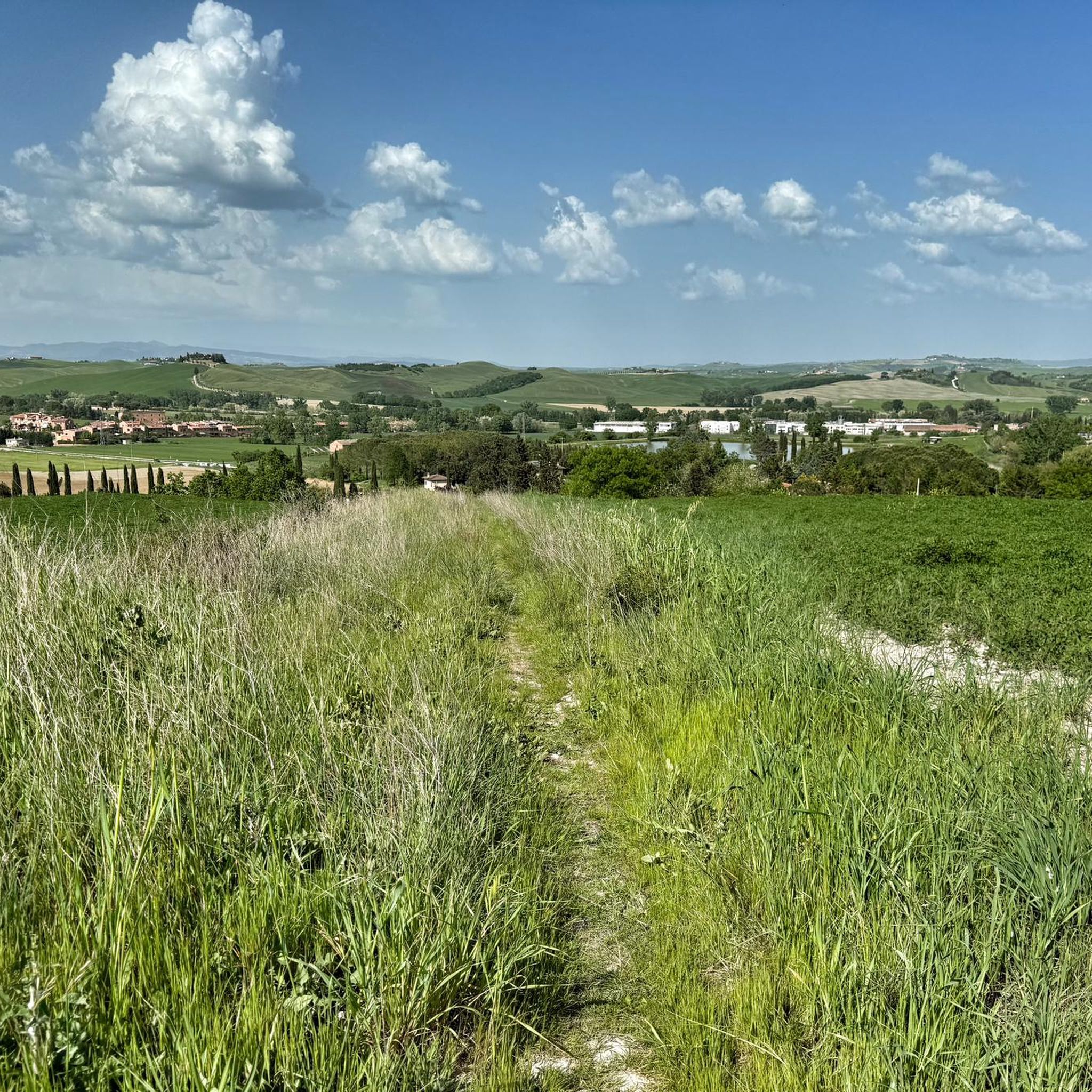
Best attractions and places to see around Monteroni D'Arbia include a rich blend of historical, cultural, and natural sites. This Tuscan village is nestled in the heart of the Crete Senesi, characterized by unique clay soil and rolling hills. Its location along the ancient Via Francigena has shaped its development, leaving a legacy of landmarks and cultural sites. The area offers diverse landscapes, from the distinctive Crete Senesi to proximity to the Val d'Orcia, a UNESCO World Heritage site.
Best attractions and places to see around Monteroni D'Arbia
- The most popular attractions is Torre del Mangia, a man-made monument that is a narrow town hall tower, towering over the city of Siena. At its base, a resistant tuff block supports the brick structure.
- Another must-see spot is Siena Cathedral (Duomo di Siena), a religious building and a significant example of Gothic architecture in Italy. Built with characteristic dark green and white marble, it is the main church of the city.
- Visitors also love Buonconvento, a settlement surrounded by historic walls from the late 1300s. This splendid village is considered one of the most peculiar "Borghi" of Central Italy.
- Monteroni D'Arbia is known for historical sites, religious buildings, and natural landscapes. Visitors can explore ancient fortified structures, medieval villages, and churches, alongside the unique terrain of the Crete Senesi.
- The attractions around Monteroni D'Arbia are appreciated by the komoot community, with more than 800 upvotes and over 500 photos shared by visitors.
Last updated: July 6, 2026
Torre del Mangia
Highlight • Monument
Translated by Google •
Tip by

Siena Cathedral (Duomo di Siena)
Highlight • Religious Site
Translated by Google •
Tip by

Sign up now to discover places like this
Get recommendations on the best single tracks, peaks, & plenty of other exciting outdoor places.
Sign up for free
Palazzo Pubblico and Piazza del Campo, Siena
Highlight • Historical Site
Siena is considered one of the most beautiful cities in Italy and impresses with its mass of historical buildings, with which it has preserved its medieval character. The old town is a UNESCO World Heritage Site.
Translated by Google •
Tip by

Buonconvento
Highlight • Settlement
Translated by Google •
Tip by

Porta Romana (Siena)
Highlight • Monument
Porta Romana is one of the ancient gates in the walls of Siena, located on the route of the ancient Via Cassia that looks south towards Rome.
Translated by Google •
Tip by

Sign up for free to discover even more attractions around Monteroni D'Arbia.
Sign up for free
Already have an account?
Start today with a free account
Your next adventure awaits.
Login or Signup

Tips from the Community


Porta Romana is one of the ancient gates in the walls of Siena, located on the route of the ancient Via Cassia. It was built in 1327 - 1328 by Agnolo di Ventura and Agostino di Giovanni, equipped with battlements and a defensive wall. In 1417, Taddeo di Bartolo was commissioned to paint the fresco that was to adorn it with a depiction of the Virgin, like the other city gates, to implore divine protection for the city. In 1978, the frescoes, due to advanced deterioration, were detached and transferred to the Basilica of San Francesco. However, there is a Roman inscription at the Porta Romana!The inscription was written on a travertine tablet and, based on its graphic characters and content, can be dated to the Augustan period (27 BC – 0) saying "Silvanus sacr(um) / C. Victricius / Memor VIvir / [a] ugustalis posuit" = Caio Victricio Memore Seviro augustale dedicated a small temple to Silvanus.
0
0

In Siena, as we know, your eye always falls there, on the shell-shaped Campo or the striped marble of the Duomo. And rightly so. But then there are those places that speak to you in a different voice, more raspy and sincere. Porta Romana is one of them. Let's be clear: this isn't a small archway placed there for show. This is a beast of brick and stone, a fortress planted to the south to tell those arriving from Rome: "Be careful, you're entering Siena." It's massive, imposing, it makes you feel small and immediately reminds you that this city was once a serious thing, a power that had to be defended. It has none of the frills of other monuments; it gets straight to the point, and for me, its charm begins right there.
1
0

The Porta Romana, also known as Porta Nuova, is one of the gates in the medieval walls of Siena. The gate was built in 1327-1328. It has a complex structure with two separate portals separated by a small courtyard, and the inner gate is higher than the outer one. The large arches are covered with travertine marble. In 1417, Taddeo di Bartolo was commissioned to paint the Madonna icon on the inner portal, dedicated to the protection of the city. The painting was further updated by Sassetta and later Sano di Pietro who completed it in 1466.
4
0


Excellent starting point for immersing yourself in the Tuscan dirt roads and in the landscapes of the collective imagination. A cyclist's paradise, provided that in the warm months it is well equipped with water resources (refueling fountains are scarce on the "Eroic" circuits).
1
0

at the entrance of Siena, very beautiful and characteristic
6
0

Beautiful village, less famous than others, but also worth a visit.
2
0
Frequently Asked Questions
What historical landmarks can I explore in Monteroni D'Arbia?
Monteroni D'Arbia is rich in history. You can visit the Fortified Water Mill (Mulino Fortificato), a 14th-century landmark now housing the Town Hall. Another significant site is the Grancia di Cuna, a well-preserved fortified medieval farm from 1224. The nearby village of Lucignano D'Arbia also features medieval gate towers and a Romanesque church. For a grander experience, the ancient Torre del Mangia and Palazzo Pubblico and Piazza del Campo in Siena are also within easy reach.
Are there any notable religious sites in the area?
Yes, the region offers several historical religious sites. The Church of Santi Jacopo e Cristoforo, dating back to 1314, is located near the Grancia di Cuna. You can also find the 11th-century Parish Church of Corsano and the ancient Parish Church of St. John the Baptist in Lucignano D'Arbia. Further afield, the magnificent Siena Cathedral (Duomo di Siena) is a prime example of Italian Gothic architecture.
What natural landscapes are characteristic of Monteroni D'Arbia?
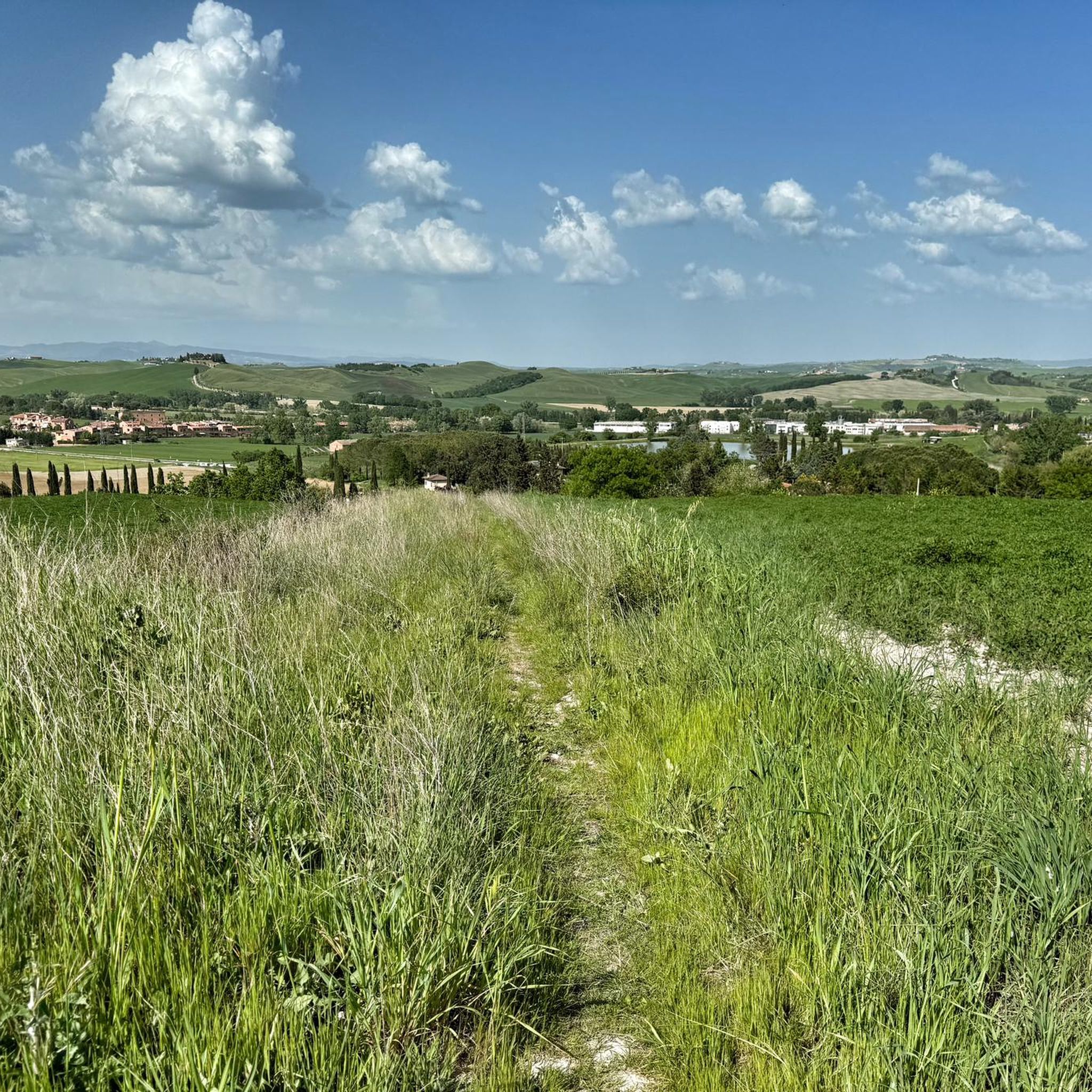
Monteroni D'Arbia is nestled within the stunning Crete Senesi Hills, known for their unique clay soil that changes color with the seasons. These rolling hills are dotted with vineyards, olive groves, and cypress trees. The town is also close to the spectacular Val d'Orcia, a UNESCO World Heritage site renowned for its rich green valleys and picturesque countryside.
What kind of outdoor activities can I do around Monteroni D'Arbia?
The area is perfect for outdoor enthusiasts. You can explore numerous hiking and cycling routes that traverse the natural beauty and historical traces of the Tuscan landscape. For cycling, consider routes like the 'Porta Romana, Siena – San Fabiano Countryside View loop' for road biking or the 'Via Francigena Gravel Route – Crete Senesi loop' for gravel biking. You can find more options in the Gravel biking around Monteroni D'Arbia, Road Cycling Routes around Monteroni D'Arbia, and Cycling around Monteroni D'Arbia guides.
Are there any family-friendly attractions or activities?
Many attractions in the region are suitable for families. Exploring the medieval walls of Buonconvento or visiting the historical Porta Romana (Siena) can be engaging for all ages. The open landscapes of the Crete Senesi also offer opportunities for gentle walks and picnics. Several highlights, including the Torre del Mangia and Siena Cathedral, are also marked as family-friendly.
What is the significance of the Via Francigena in Monteroni D'Arbia?
The Via Francigena, an ancient pilgrimage route, passes directly through Monteroni D'Arbia. This historical road was crucial for the town's development, making it a significant stop for travelers and a hub for accommodations in medieval times. Visitors can still walk parts of this historic route today, experiencing a piece of history.
What local cuisine and products should I try in Monteroni D'Arbia?
The area is renowned for its culinary traditions. Be sure to try local specialties such as Chianina ox, Chianti Colli Senesi DOCG wine, and Vin Santo DOCG. Typical Sienese dishes like finocchiona, buristo, and soppressata, along with various traditional desserts, are also widely available.
What is the best time to visit Monteroni D'Arbia for sightseeing and outdoor activities?
The Crete Senesi landscape changes beautifully with the seasons. Spring offers deep green hues, summer brings burnt yellow, and autumn transforms the hills into red and orange. For comfortable outdoor activities like hiking and cycling, spring (April-May) and autumn (September-October) generally offer pleasant temperatures and stunning scenery. Summer can be hot, but is ideal for enjoying the vibrant local culture and events.
Are there any unique local events or festivals?
Yes, the area hosts the Fiera a Tressa, an annual traditional fair held from late August to mid-September in Ponte a Tressa, a hamlet of Monteroni D'Arbia. This fair features events dedicated to local food and traditions, offering a great opportunity to experience the regional culture.
What do visitors enjoy most about the attractions around Monteroni D'Arbia?
Visitors particularly appreciate the blend of historical, cultural, and natural sites. The unique terrain of the Crete Senesi, the well-preserved medieval villages like Buonconvento, and the rich history embedded in structures like the Grancia di Cuna are highly valued. The komoot community has shared over 500 photos and given more than 800 upvotes, highlighting the area's appeal for its diverse landscapes and historical charm.
Can I find viewpoints to admire the landscape?
Absolutely. The region, especially the Crete Senesi and Val d'Orcia, offers numerous scenic viewpoints. While specific named viewpoints are not detailed, the rolling hills themselves provide ample opportunities for panoramic views. The Torre del Mangia in Siena also offers a commanding view over the city and surrounding countryside.
Are there any medieval villages or settlements worth visiting nearby?
Yes, besides Monteroni D'Arbia itself, the charming settlement of Buonconvento is a must-see. It's surrounded by historic walls from the late 1300s and is considered one of Central Italy's most peculiar 'Borghi.' Lucignano D'Arbia is another nearby village with medieval origins, featuring 14th-century gate towers.
Most popular routes around Monteroni D'Arbia
Most popular attractions around Monteroni D'Arbia

Get inspired with the komoot mobile app


Explore more
Still not found the Highlight you’re looking for? See guides of the top attractions in other regions:
