Attractions and Places To See around Volterra - Top 20
Best attractions and places to see around Volterra include a rich blend of historic landmarks and natural features. This historic hilltop town in Tuscany offers a captivating mix of Etruscan, Roman, and medieval heritage. Visitors can explore a variety of cultural sites and points of interest, set against a backdrop of stunning natural beauty and panoramic views. The area is characterized by its elevated position, offering expansive vistas of the surrounding valleys and unique geological formations.
Best attractions and places to see around Volterra
- The most popular attractions is Piazza dei Priori, Volterra, a historical site that serves as the main square of the city. It is home to the Palazzo dei Priori, Tuscany's oldest preserved municipal palace.
- Another must-see spot is Volterra, the town itself, which is a settlement perched on a hill over 500 meters above sea level. It offers spectacular views and is renowned for its alabaster craftsmanship and traces of Etruscan, Roman, and medieval history.
- Visitors also love Theatre of Silence, a unique man-made monument located near Volterra. This open-air amphitheater hosts a single annual performance and features a different scenography each year, transforming into an artificial lake when not in use.
- Volterra is known for its historical sites, cultural museums, and natural viewpoints. The region offers a variety of attractions to see and explore, from ancient city walls to unique geological formations.
- The attractions around Volterra are appreciated by the komoot community, with over 1100 upvotes and more than 1400 photos shared across 67 highlights.
Last updated: August 29, 2026
Cistern Square
Highlight • Historical Site
Translated by Google •
Tip by

Piazza dei Priori, Volterra
Highlight • Historical Site
Translated by Google •
Tip by

Sign up now to discover places like this
Get recommendations on the best single tracks, peaks, & plenty of other exciting outdoor places.
Sign up for free
Collegiate Church of Santa Maria Assunta (Duomo of San Gimignano)
Highlight • Religious Site
In the historic center it is not recommended to continue on the bicycle because it is often very crowded. One of the stages of the Via Francigena passes right here, but a visit to the historic center should not be missed
Translated by Google •
Tip by

Volterra
Highlight • Settlement
Translated by Google •
Tip by

Porta all'Arco
Highlight • Historical Site
Translated by Google •
Tip by

Sign up for free to discover even more attractions around Volterra.
Sign up for free
Already have an account?
Start today with a free account
Your next adventure awaits.
Login or Signup
Popular around Volterra
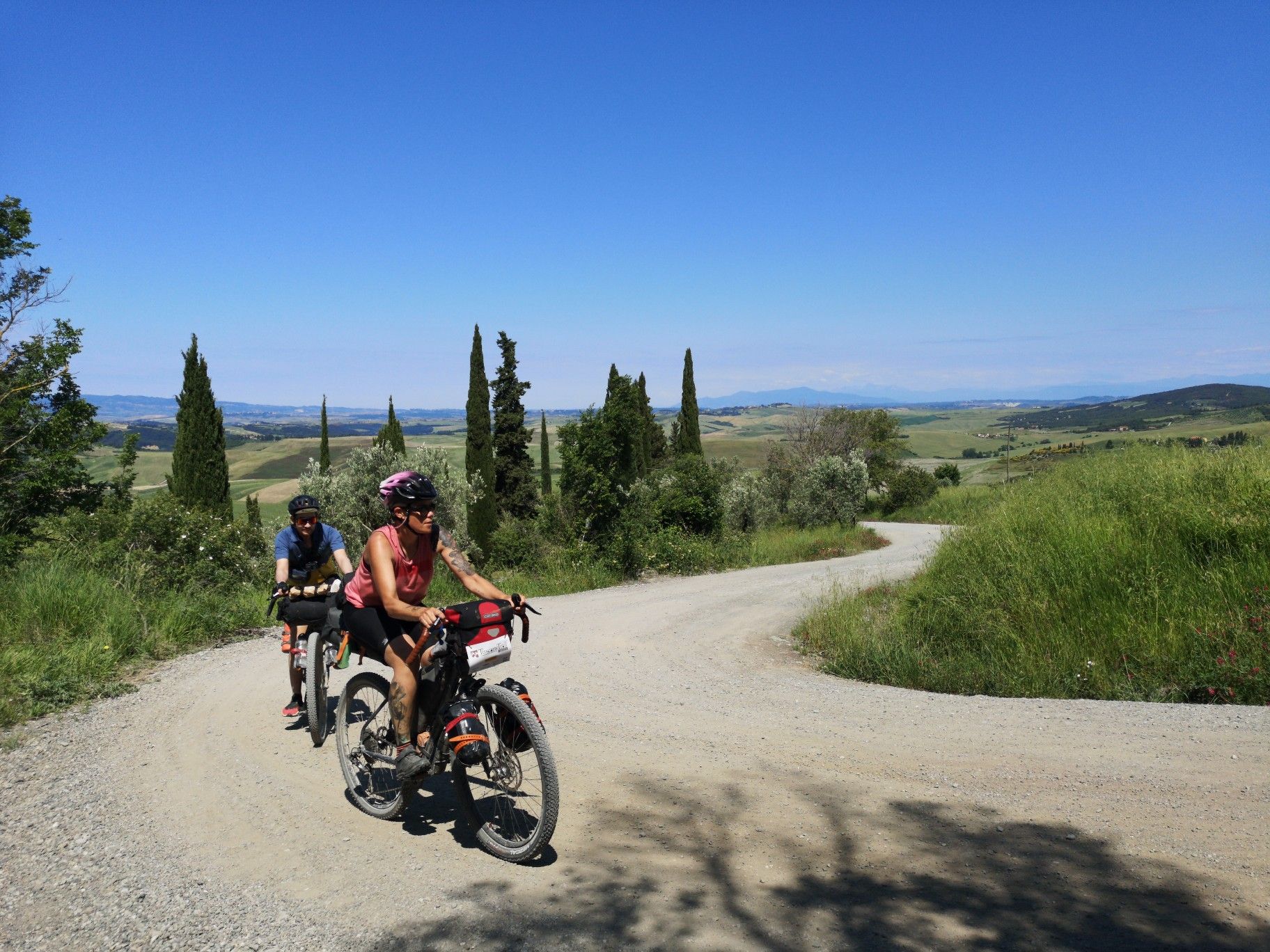
The Tuscany Trail – bikepacking in the heart of Italy
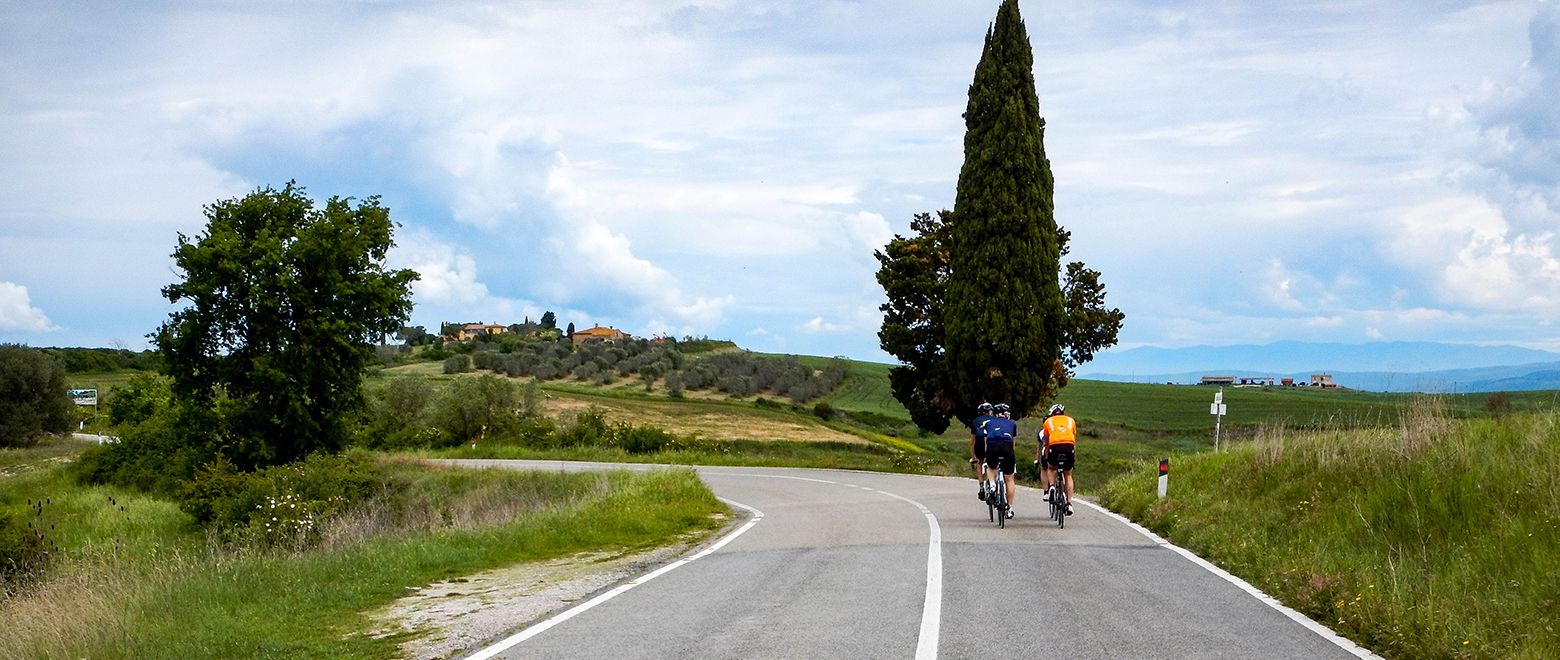
A heavenly week cycling in Tuscany

Terre di Pisa Bike Trail – 500 km in the saddle in beautiful Tuscany
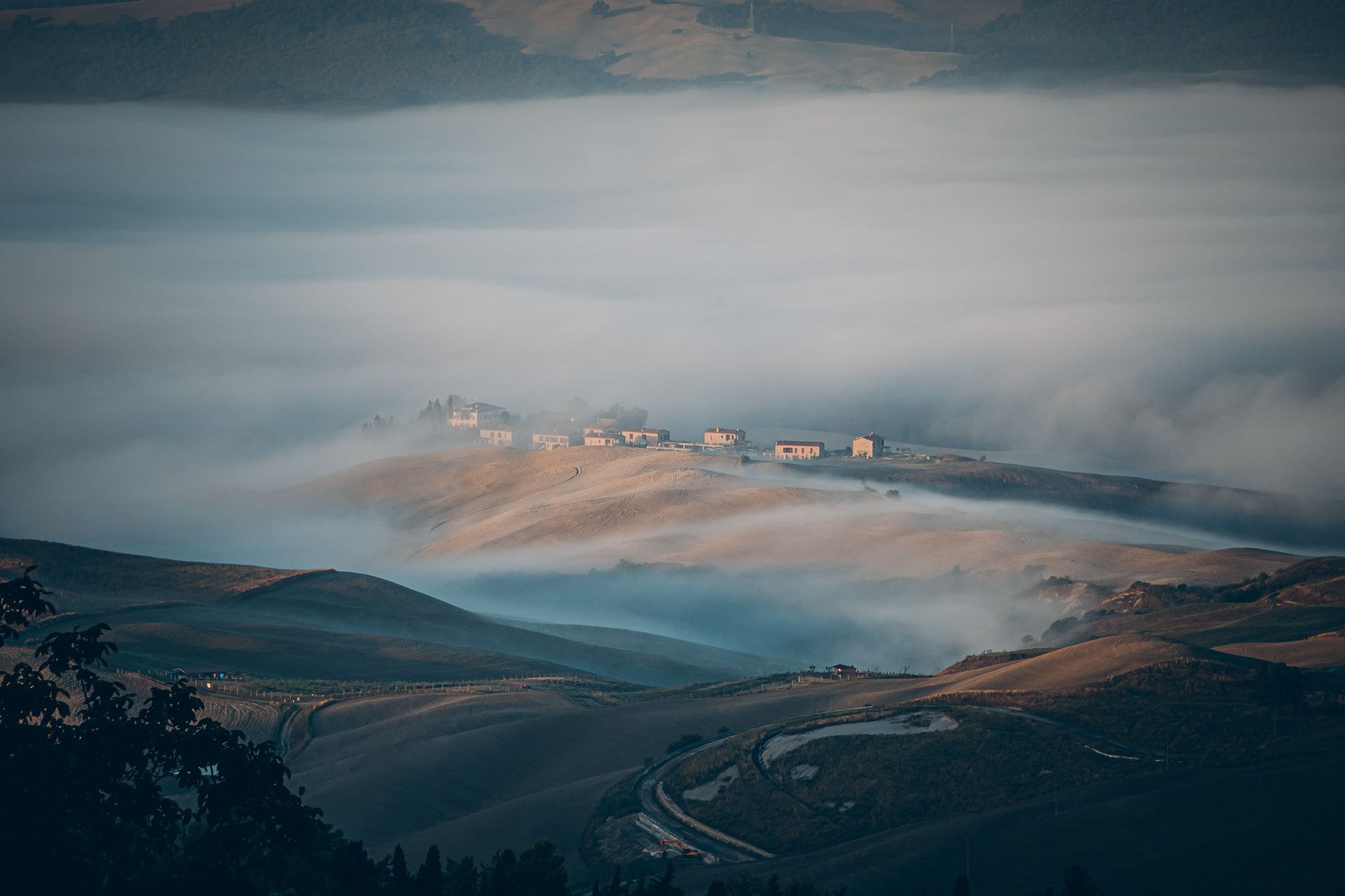
Between the Pisan hills and famous cliffs – Volterra and Valdicecina
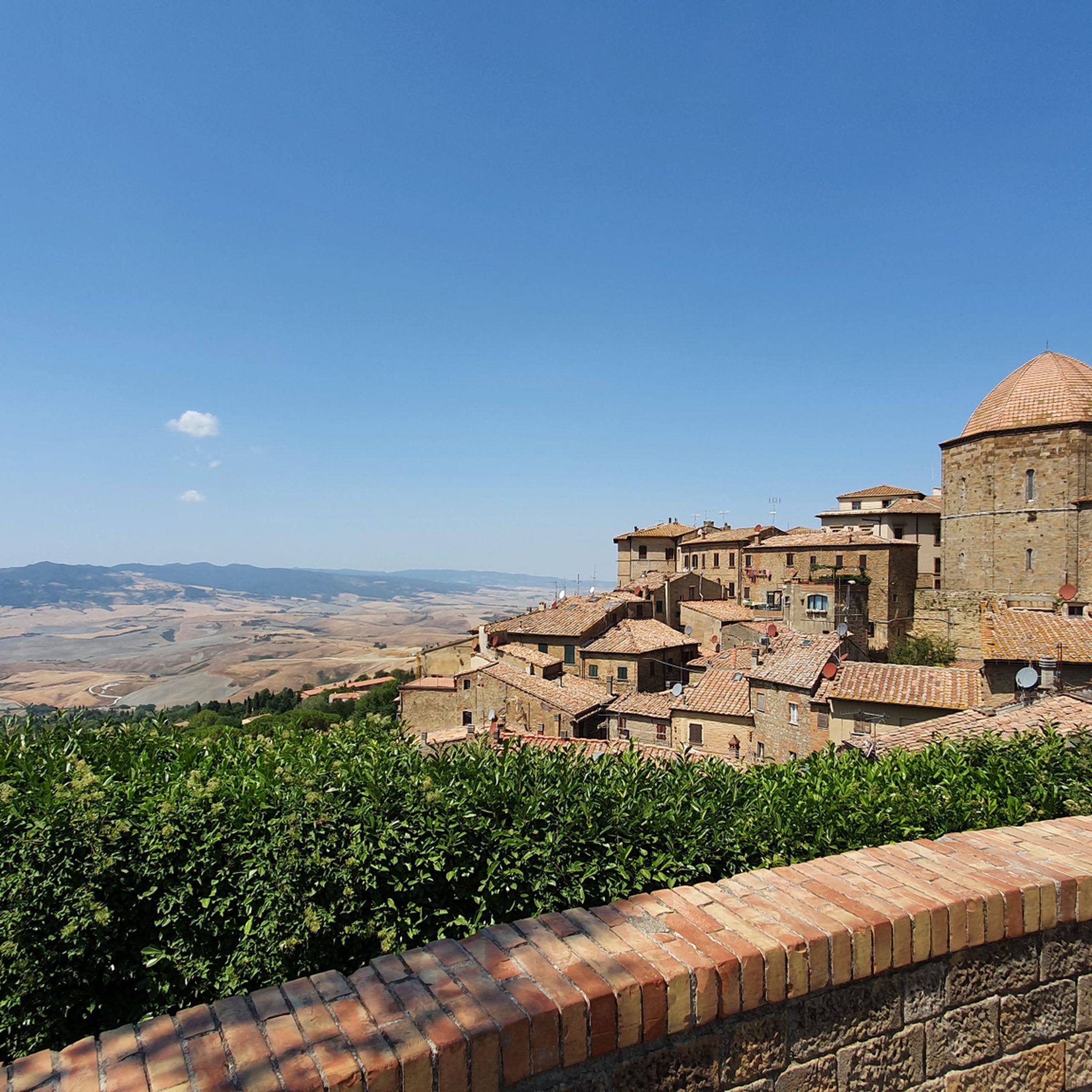
Hiking around Volterra
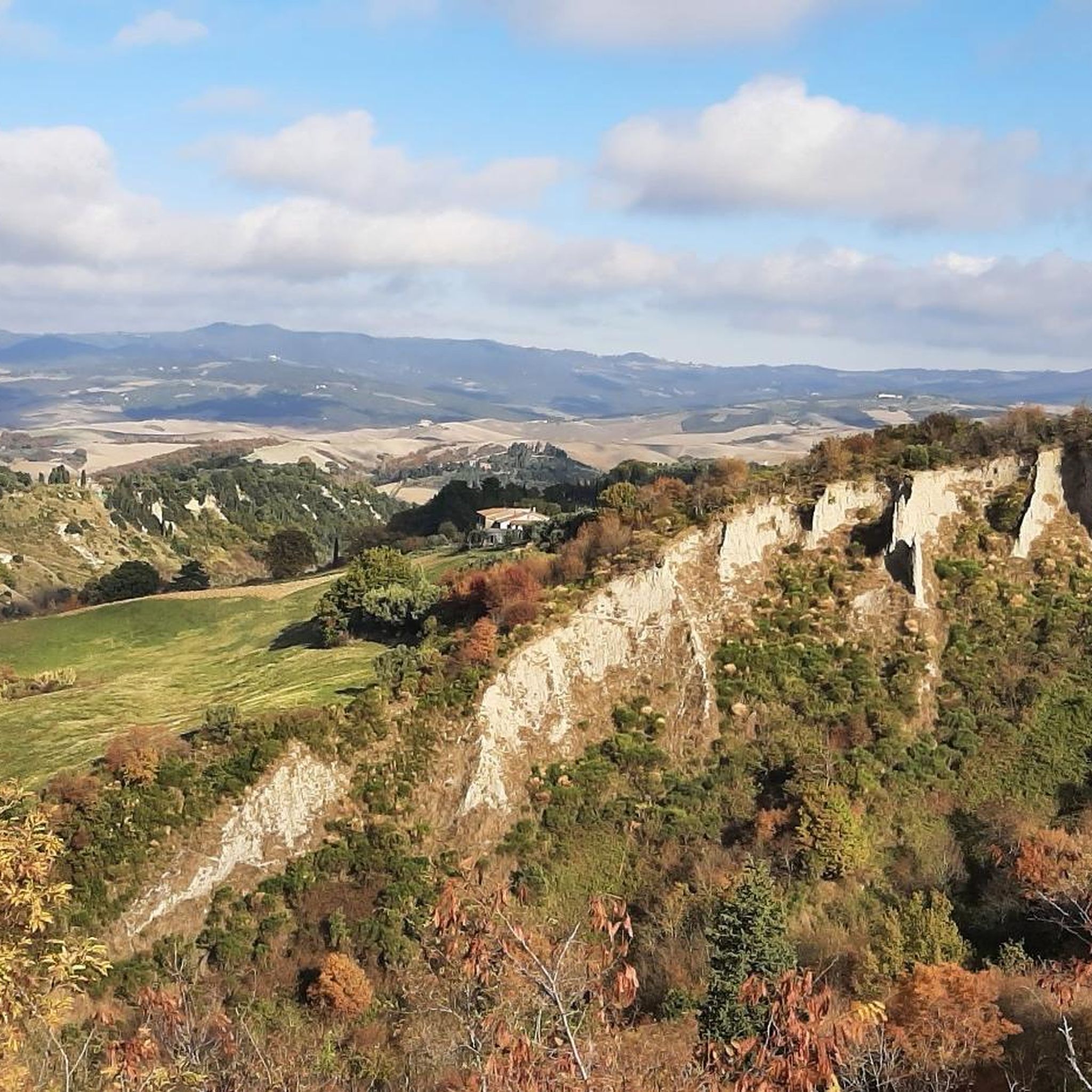
Road Cycling Routes around Volterra
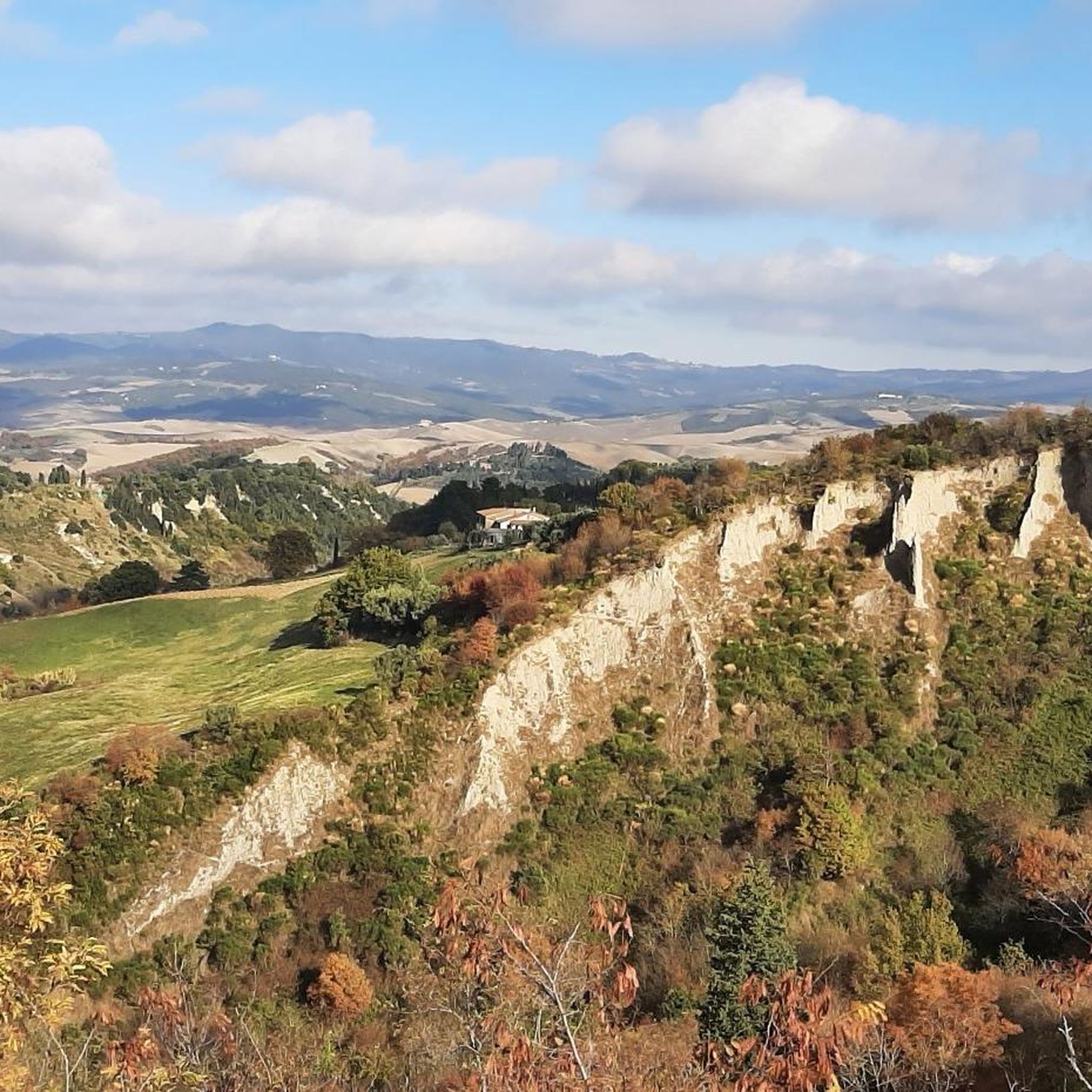
Cycling around Volterra
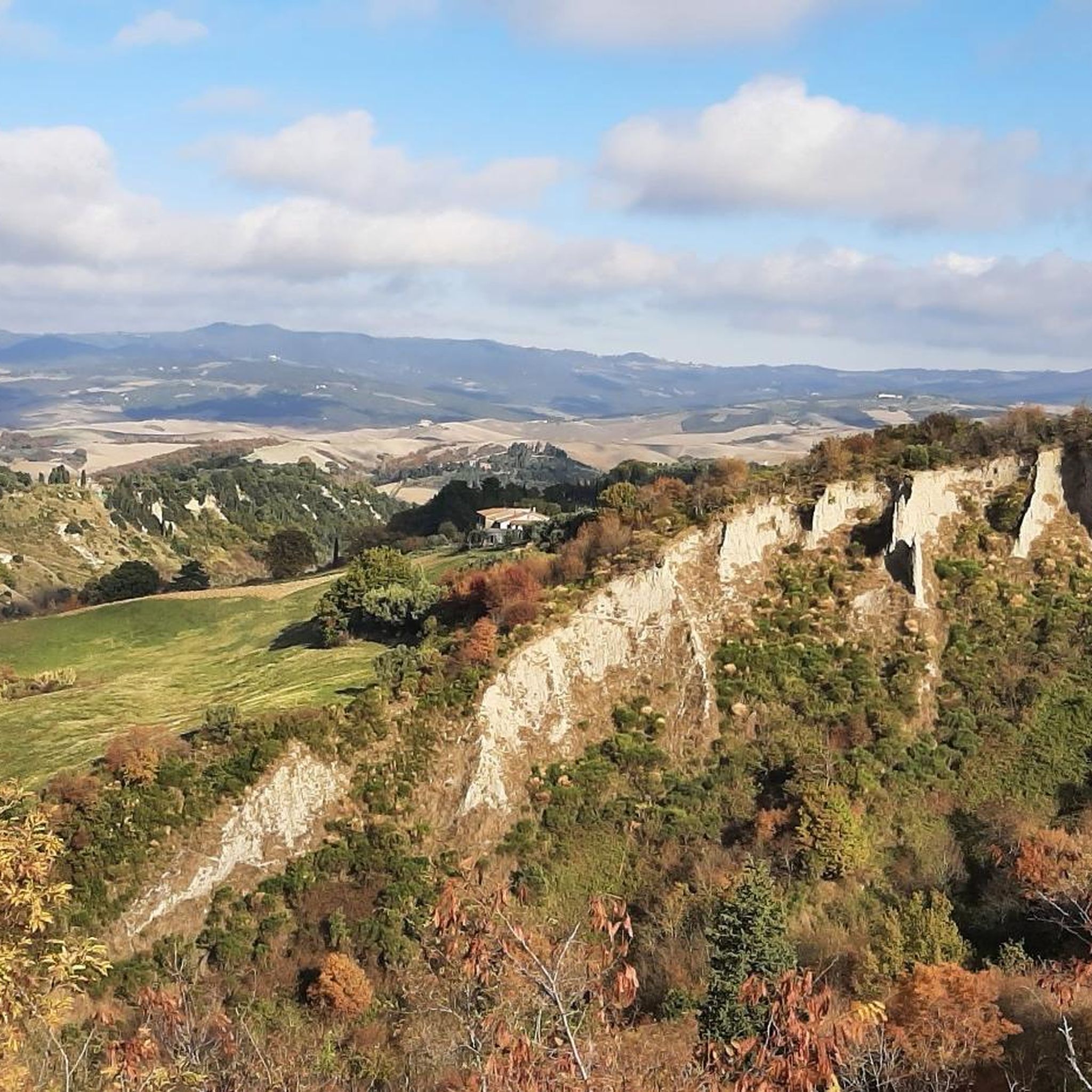
MTB Trails around Volterra

Gravel biking around Volterra
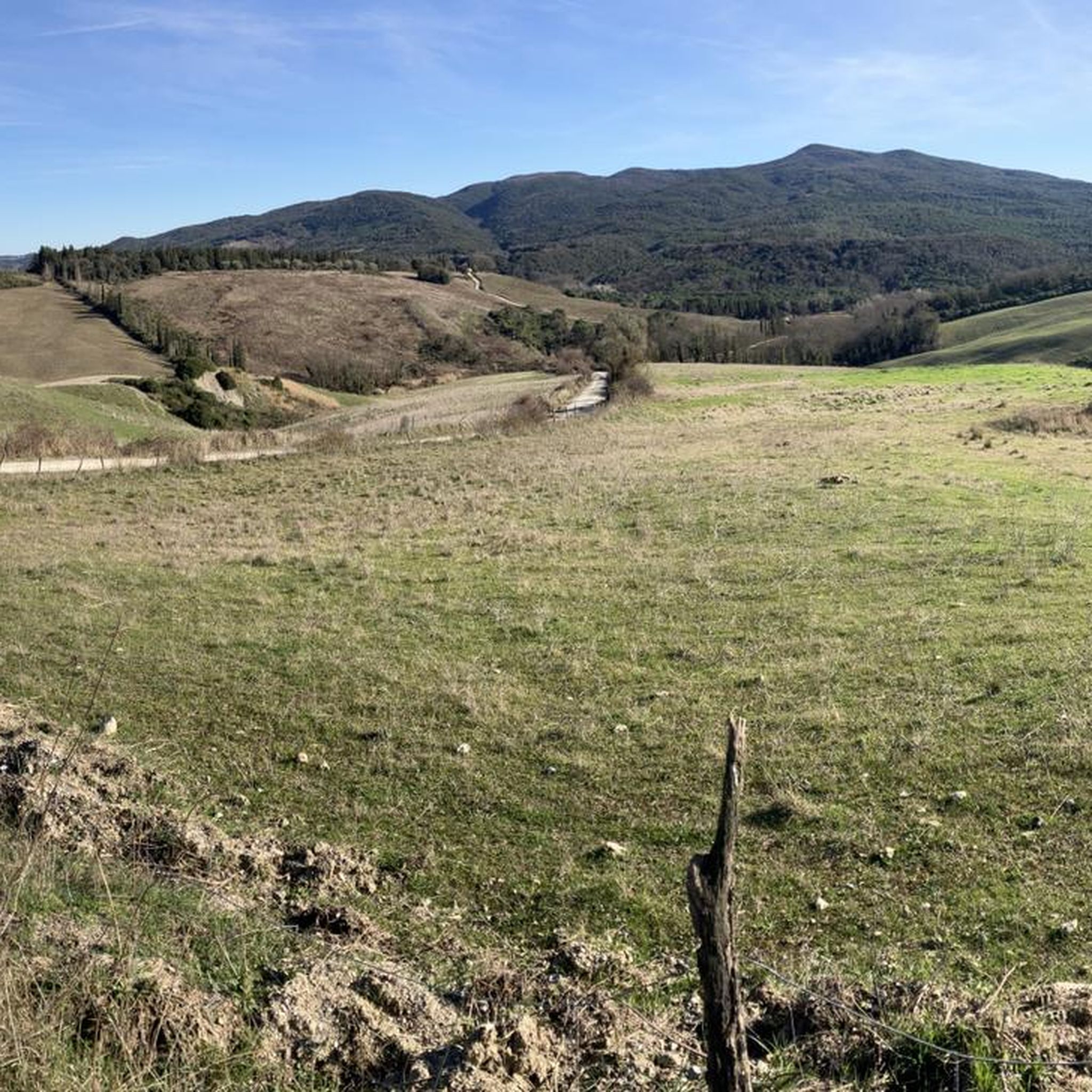
Running Trails around Volterra
Other adventures around Volterra


Tips from the Community

The Porta all'Arco of Volterra is the main monument of Etruscan Volterra and one of the best-preserved ancient gates in Italy. Dating back to the 4th-3rd century BC, it serves as the southern entrance to the historic center and is part of the original defensive city walls.
0
0


The Collegiata Di Santa Maria Assunta, also known as the Duomo di San Gimignano, is an important church in San Gimignano. Consecrated in 1148, this church is known for its important cycles of Renaissance frescoes by artists such as Domenico Ghirlandaio, Benozzo Gozzoli, Taddeo di Bartolo, Lippo Memmi and Bartolo di Fredi. Originally built in the 10th century, the church grew in importance during the early 12th century due to its location on the pilgrimage route to Rome, the Via Francigena. The interior of the church is famous for its frescoes, depicting scenes from both the Old and New Testaments.
1
0
Piazza del Duomo: the austere collegiate church, very old palazzi and seven towers form the majestic setting of this square near the Piazza della Cisterna.
1
0

Very nice to discover many towers there
0
0

Not worth the visit
0
0

Please keep the area clean.
0
0
Frequently Asked Questions
What historical sites can I explore in Volterra?
Volterra is rich in history, offering a blend of Etruscan, Roman, and medieval heritage. You can visit the impressive Etruscan Walls and Gates, including the ancient Porta all'Arco. The Roman Theater and its archaeological area are also well-preserved. At the heart of the town is Piazza dei Priori, Volterra, home to Tuscany's oldest town hall, the Palazzo dei Priori. Don't miss the Volterra Cathedral and Baptistery, and the imposing Medicean Fortress.
Are there museums in Volterra dedicated to its rich history and culture?
Yes, Volterra boasts several significant museums. The Guarnacci Etruscan Museum houses an extraordinary collection of Etruscan artifacts, including the famous 'Ombra della Sera.' For art enthusiasts, the Pinacoteca and Civic Museum, located in the Minucci-Solaini Palace, features masterpieces by artists like Rosso Fiorentino. Additionally, the Alabaster Ecomuseum provides insight into Volterra's ancient alabaster craftsmanship tradition.
What natural attractions or viewpoints are there around Volterra?
Volterra's elevated position offers spectacular panoramic views of the Pisan, Sienese, and Florentine hills. On clear days, you can even see the Apuan Alps. Just outside the town, you can explore dense holm oak forests and the unique geological formation known as Le Balze. The surrounding countryside also features areas shaped by geothermal energy, creating distinctive landscapes.
Can I find outdoor activities or trails near Volterra's attractions?
Absolutely. The area around Volterra is ideal for various outdoor activities. You can find numerous trails for running, road cycling, and general cycling. For instance, there are several running loops like the 'Porta all'Arco – Porta Fiorentina loop from Volterra' and road cycling routes such as the 'Volterra and Casole d'Elsa Ring Route.' You can explore more options on the Running Trails around Volterra, Road Cycling Routes around Volterra, and Cycling around Volterra guide pages.
Are there family-friendly attractions in Volterra?
Many of Volterra's attractions are suitable for families. Exploring the historic town center, including Piazza dei Priori, Volterra, and its medieval streets, is an engaging experience. The Roman Theater offers a glimpse into ancient history, and the unique Theatre of Silence, with its annual performance and changing scenography, can be a memorable visit for all ages.
What is the best time of year to visit Volterra?
The best times to visit Volterra are generally spring (April-May) and early autumn (September-October). During these months, the weather is pleasant for exploring the town and its surrounding nature, and the crowds are typically smaller than in the peak summer season. Summer (June-August) can be hot, but the town's elevation often provides some relief.
What makes Volterra unique compared to other Tuscan towns?
Volterra stands out due to its deep Etruscan roots, which are more prominent here than in many other Tuscan towns, evident in its ancient walls and museum collections. It's also renowned worldwide for its alabaster craftsmanship, a tradition that has been passed down for centuries. Its dramatic hilltop setting, offering expansive views and unique geological features like Le Balze, further distinguishes it.
What do visitors enjoy most about Volterra?
Visitors frequently praise Volterra for its captivating blend of history, stunning views, and authentic Tuscan atmosphere. Many appreciate the opportunity to explore its ancient streets, discover Etruscan and Roman ruins, and enjoy the panoramic vistas from its elevated position. The town's alabaster workshops and local cuisine also receive high marks from those who visit.
Can I find challenging hiking or running trails near Volterra?
Yes, for those seeking more challenging outdoor experiences, there are several options. The 'Porta Fiorentina – Donkey Trail to Volterra loop from Volterra' is a difficult running trail, and many road cycling routes, such as the 'Volterra and Casole d'Elsa Ring Route,' are also rated as difficult. These trails often feature significant elevation changes characteristic of the Tuscan landscape. Check the Running Trails around Volterra and Road Cycling Routes around Volterra guides for details.
Is there a specific place to experience Volterra's alabaster tradition?
Yes, the Alabaster Ecomuseum is dedicated to showcasing the history, techniques, and artistry of alabaster working in Volterra. Beyond the museum, you'll find numerous workshops and shops throughout the city where local artisans continue this unique craft, offering a chance to see the process firsthand and purchase authentic alabaster pieces.
What is the Theatre of Silence near Volterra?
The Theatre of Silence is a unique open-air amphitheater located near Volterra, created by the popular singer Andrea Bocelli. It hosts only one annual performance, and its scenography changes each year. When not in use for performances, the stage is transformed into an artificial lake, giving it its distinctive name and making it a fascinating site to visit even outside of event times.
Are there any notable squares or public spaces in Volterra?
The most prominent public space is Piazza dei Priori, Volterra. It is considered the historic heart of the town and is surrounded by significant medieval buildings, including the Palazzo dei Priori and the Palazzo Pretorio with its Torre del Porcellino. This square is a central point for visitors to experience Volterra's atmosphere and architecture.
Most popular routes around Volterra
Most popular attractions around Volterra

Get inspired with the komoot mobile app


Explore more
Still not found the Highlight you’re looking for? See guides of the top attractions in other regions:
