The best road cycling routes around Buonconvento
4.7
(212)
5,762
riders
37
rides
Road cycling routes around Buonconvento traverse a diverse landscape at the confluence of the Arbia and Ombrone rivers, situated between the Crete Senesi and Val d'Orcia regions. The terrain features rolling clay hills, distinctive white clay gullies, and extensive vineyards, including those of Brunello. Cyclists will encounter a network of roads, including the iconic "white roads" (strade bianche), which are unpaved gravel segments characteristic of Tuscan cycling.
Best road cycling routes around Buonconvento
- The most popular road cycling route is…
Last updated: May 12, 2026
4.8
(4)
151
riders
95.9km
04:32
1,040m
1,040m
Hard road ride. Very good fitness required. Some segments of this route may be unpaved and difficult to ride.
4.3
(3)
137
riders
Moderate road ride. Good fitness required. Some segments of this route may be unpaved and difficult to ride.

Sign up for free
4.5
(8)
194
riders
87.2km
04:23
1,440m
1,440m
Hard road ride. Very good fitness required. Mostly well-paved surfaces and easy to ride.
5.0
(5)
92
riders
45.8km
02:21
530m
530m
Moderate road ride. Good fitness required. Some segments of this route may be unpaved and difficult to ride.
5.0
(1)
104
riders
125km
07:29
1,990m
1,990m
Hard road ride. Very good fitness required. Some segments of this route may be unpaved and difficult to ride.
Get access to more routes and recommendations from other explorers.
Sign up for free
Already have an account?
Our route recommendations are based on thousands of hikes, rides, and runs completed by other people on komoot.
Start today with a free account
Your next adventure awaits.
Login or Signup
Popular around Buonconvento
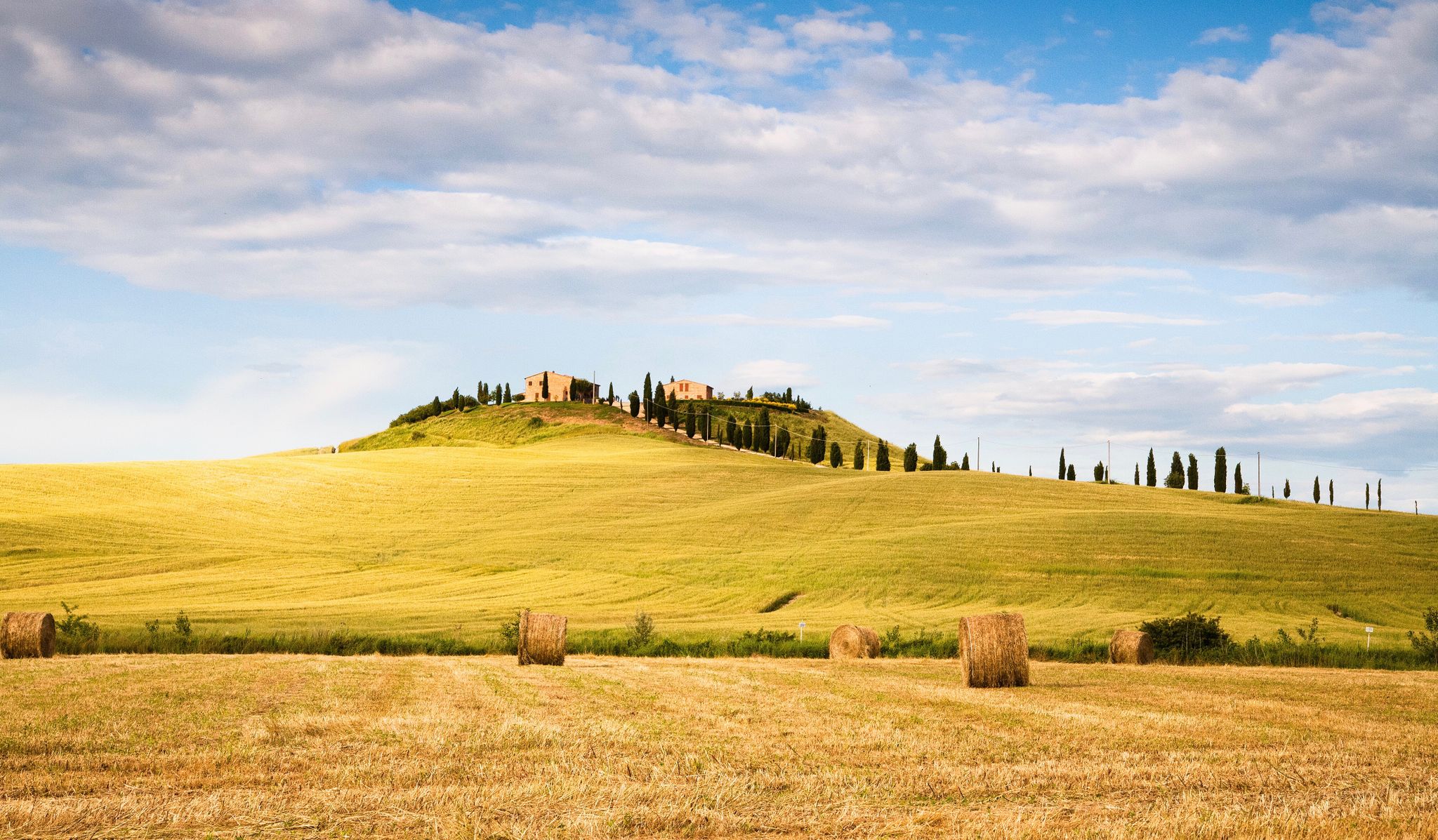
Via Francigena South — Siena to Rome
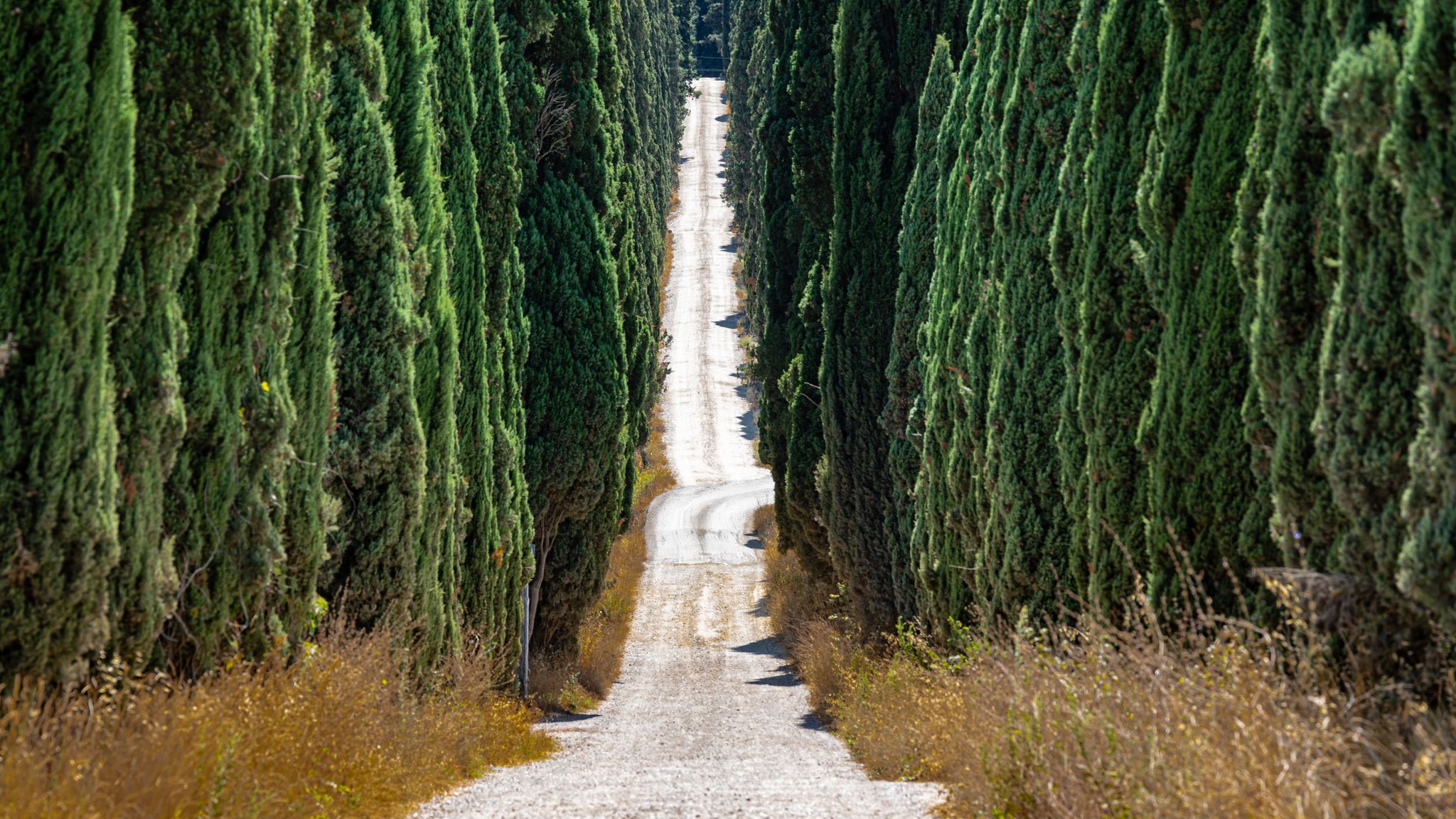
Hunting for cypresses in Val d'Orcia – two days by e-bike in Tuscany
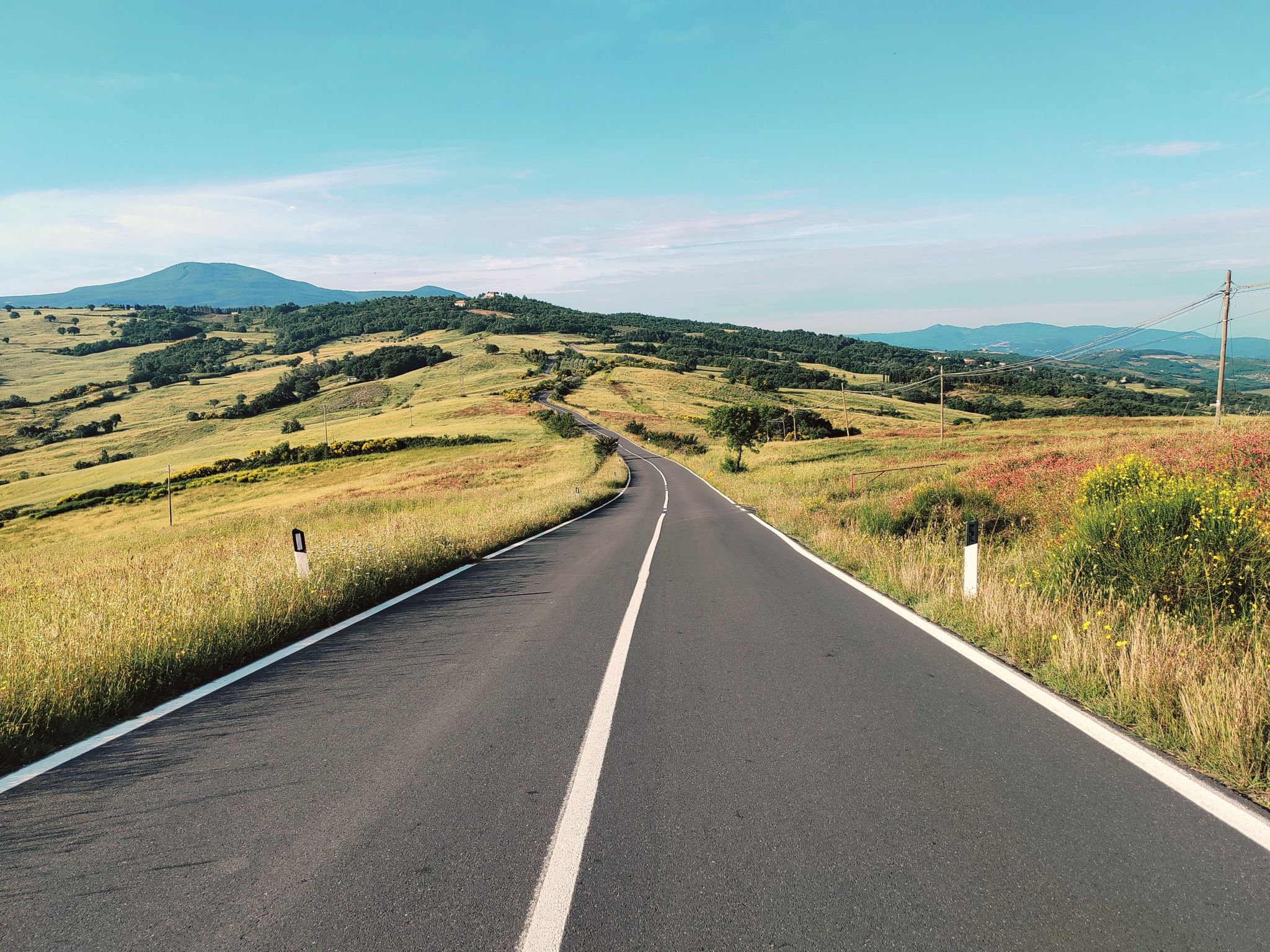
Iconic dirt roads in Italy’s Tuscan hills – Strade Bianche
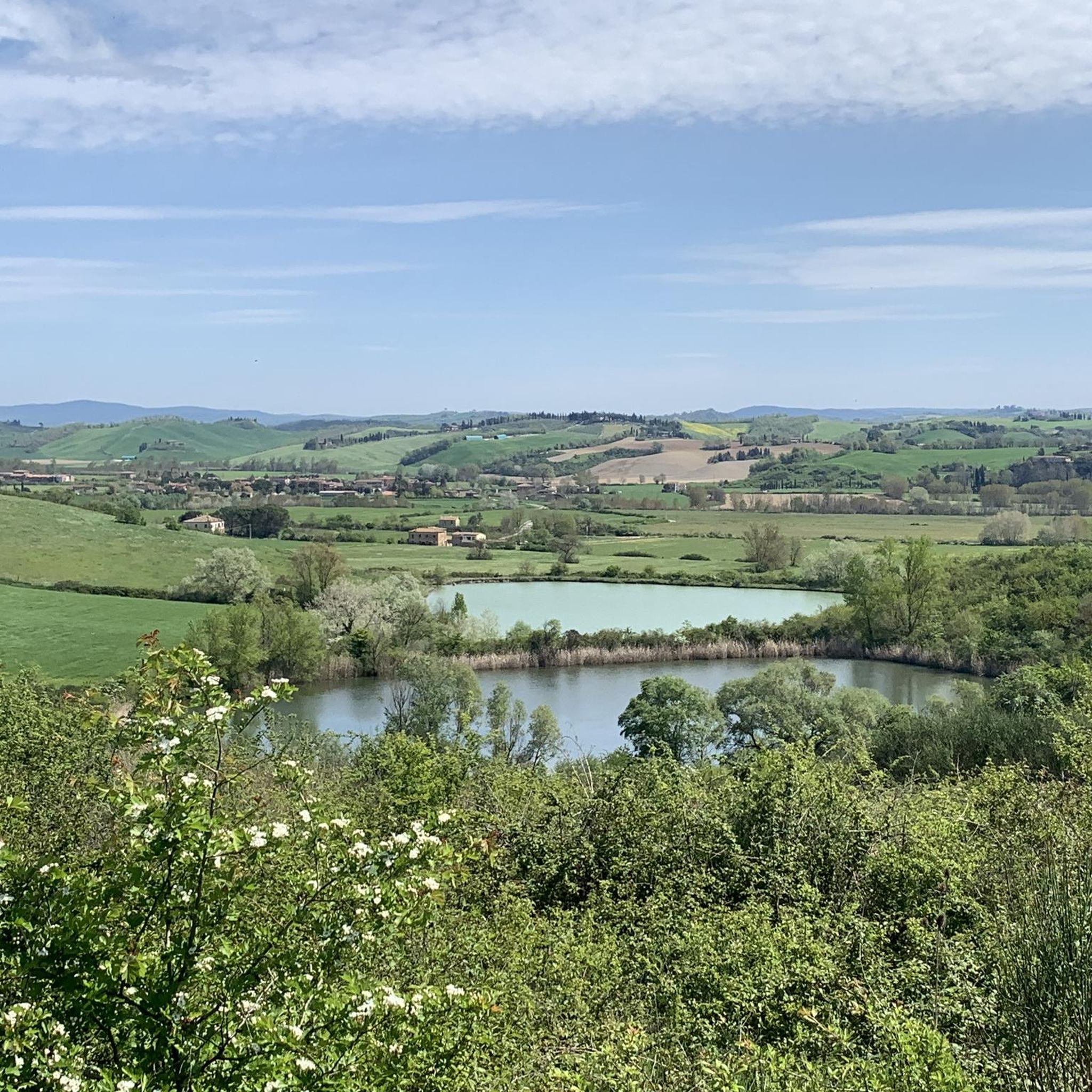
Cycling around Buonconvento
MTB Trails around Buonconvento

Gravel biking around Buonconvento
Hiking around Buonconvento
Running Trails around Buonconvento


Tips from the Community

Porta Romana is one of the ancient gates in the walls of Siena, located on the route of the ancient Via Cassia. It was built in 1327 - 1328 by Agnolo di Ventura and Agostino di Giovanni, equipped with battlements and a defensive wall. In 1417, Taddeo di Bartolo was commissioned to paint the fresco that was to adorn it with a depiction of the Virgin, like the other city gates, to implore divine protection for the city. In 1978, the frescoes, due to advanced deterioration, were detached and transferred to the Basilica of San Francesco. However, there is a Roman inscription at the Porta Romana!The inscription was written on a travertine tablet and, based on its graphic characters and content, can be dated to the Augustan period (27 BC – 0) saying "Silvanus sacr(um) / C. Victricius / Memor VIvir / [a] ugustalis posuit" = Caio Victricio Memore Seviro augustale dedicated a small temple to Silvanus.
0
0

In Siena, as we know, your eye always falls there, on the shell-shaped Campo or the striped marble of the Duomo. And rightly so. But then there are those places that speak to you in a different voice, more raspy and sincere. Porta Romana is one of them. Let's be clear: this isn't a small archway placed there for show. This is a beast of brick and stone, a fortress planted to the south to tell those arriving from Rome: "Be careful, you're entering Siena." It's massive, imposing, it makes you feel small and immediately reminds you that this city was once a serious thing, a power that had to be defended. It has none of the frills of other monuments; it gets straight to the point, and for me, its charm begins right there.
1
0

I crossed it in the middle of August, the thermometer at 44 degrees, I will remember it for a long time...
0
0

It feels like stepping back in time; if you pass by, a coffee at Gianni's, the owner of a small but well-stocked grocery store in the center of town, is a must.
0
0

Interesting, but popular (i.e. crowded and busy) small Tuscan hill town. The walled garden is recommended for the interesting layout, and the statue of Lorenzo the Magnificent. Near the top of the steep descent out of town in the eventual direction of Radicofani, a large Restaurant/cafe/deli is to be found. Good place to have a coffee/breakfast, and to stock up on takeaway pizza for the journey.
0
0

EROICA 2024 ROUTE DIVERSION - 10:14 AM
0
0

The name is due to the bridge that crosses the Arbia stream. The place has been documented since the early Middle Ages as it lies along the route of the ancient Via Francigena. Particularly in the itinerary of Sigeric, Archbishop of Canterbury, the place represented the fourteenth stage (Submansio) and was then called Arbia. The bridge that gives its name to the city was built by the municipality of Siena in 1388 and rebuilt in 1656 under Prince Mattia de' Medici, governor of Siena.
1
0
The Porta Romana, also known as Porta Nuova, is one of the gates in the medieval walls of Siena. The gate was built in 1327-1328. It has a complex structure with two separate portals separated by a small courtyard, and the inner gate is higher than the outer one. The large arches are covered with travertine marble. In 1417, Taddeo di Bartolo was commissioned to paint the Madonna icon on the inner portal, dedicated to the protection of the city. The painting was further updated by Sassetta and later Sano di Pietro who completed it in 1466.
4
0
Frequently Asked Questions
How many road cycling routes are available around Buonconvento?
Buonconvento offers a network of over 30 dedicated road cycling routes, catering to various skill levels. These routes traverse diverse landscapes, from rolling clay hills to picturesque vineyards.
What kind of terrain can I expect on road cycling routes in Buonconvento?
The terrain around Buonconvento is characterized by rolling clay hills, often referred to as the 'lunar' landscape of the Crete Senesi, and the expansive vineyards of the Val d'Orcia. You'll encounter a mix of paved provincial roads and the iconic 'white roads' (strade bianche), which are unpaved gravel segments typical of Tuscan cycling. Routes can range from gentle inclines to challenging climbs.
Are there road cycling routes suitable for beginners or those looking for an easier ride?
Yes, while many routes offer significant challenges, there are options for easier rides. The region provides routes suitable for any fitness level, with some taking up to 2 hours and featuring less than 1,000 feet of elevation gain. You can find routes that allow for a relaxed pace through the scenic countryside.
What historical sites or landmarks can I see along the road cycling routes?
Many routes pass through or near significant historical sites. You can cycle through the well-preserved medieval center of Buonconvento itself, or visit nearby hilltop towns like Montalcino, known for its castle and wine, and San Quirico d'Orcia. The area also features castles such as Bibbiano Castle, offering splendid views.
Are there challenging road cycling routes for experienced cyclists?
Absolutely. Buonconvento is known for its challenging routes, some demanding very good fitness with over 5 hours of riding or more than 3,000 feet of elevation gain. For instance, the Locanda Paradiso, Chiusure – Montalcino loop from Buonconvento is a difficult 77.8-mile route with nearly 6,500 feet of ascent, offering a significant test for experienced riders.
When is the best time of year for road cycling in Buonconvento?
The spring months, particularly April and May, are highly popular for cycling in the Buonconvento region. During this time, the weather is generally pleasant, and the landscapes are vibrant, making for ideal riding conditions. Autumn can also be a beautiful time to visit.
Are there circular road cycling routes available?
Yes, many of the road cycling routes around Buonconvento are designed as loops, allowing you to start and finish in the same location. An example is the San Fabiano Countryside View – Strada Provinciale di Murlo loop from Buonconvento, a moderate 41.2-mile route offering expansive countryside views.
What do other cyclists enjoy most about road cycling in Buonconvento?
The area is highly rated by the komoot community, with an average score of 4.9 stars from nearly 50 reviews. Cyclists frequently praise the stunning Tuscan vineyard landscapes, the unique experience of riding on the 'white roads,' and the opportunity to explore charming historic towns like Montalcino and Pienza.
Can I find places to stop for coffee or food along the routes?
Yes, the region is dotted with charming villages and towns, as well as farmhouses and wineries, many of which offer opportunities for refreshment. Planning your route to pass through places like Montalcino or Pienza ensures access to cafes, restaurants, and local delicacies.
Are there specific routes that highlight the famous Tuscan vineyards?
Absolutely. The Val d'Orcia region, a UNESCO World Heritage site, is renowned for its extensive vineyards, including those producing Brunello wine. Routes like the Tuscan Vineyard Landscape – Porta Romana (Siena) loop from Buonconvento specifically lead through these picturesque wine-producing areas, offering stunning views and a true taste of Tuscany.
What are the 'white roads' (strade bianche) and how do they impact road cycling?
The 'white roads' (strade bianche) are unpaved gravel roads that are a hallmark of Tuscan cycling. They are famous for events like L'Eroica and Nova Eroica Buonconvento. While they add a unique, historic character to the ride, they can be challenging on a road bike, especially after rain. Some routes incorporate these segments, offering a distinct experience compared to paved roads.
Is there parking available for cyclists in Buonconvento?
Buonconvento, being a cyclist-friendly village, typically offers various parking options. You can usually find public parking areas within or just outside the historic center, suitable for leaving your vehicle while you embark on your ride. It's advisable to check local signage for specific parking regulations.
Most popular attractions around Buonconvento

Get inspired with the komoot mobile app


Explore more
Browse the best Road cycling routes in other regions.
