The best road cycling routes around Castiglione D'Orcia
4.6
(272)
7,072
riders
19
rides
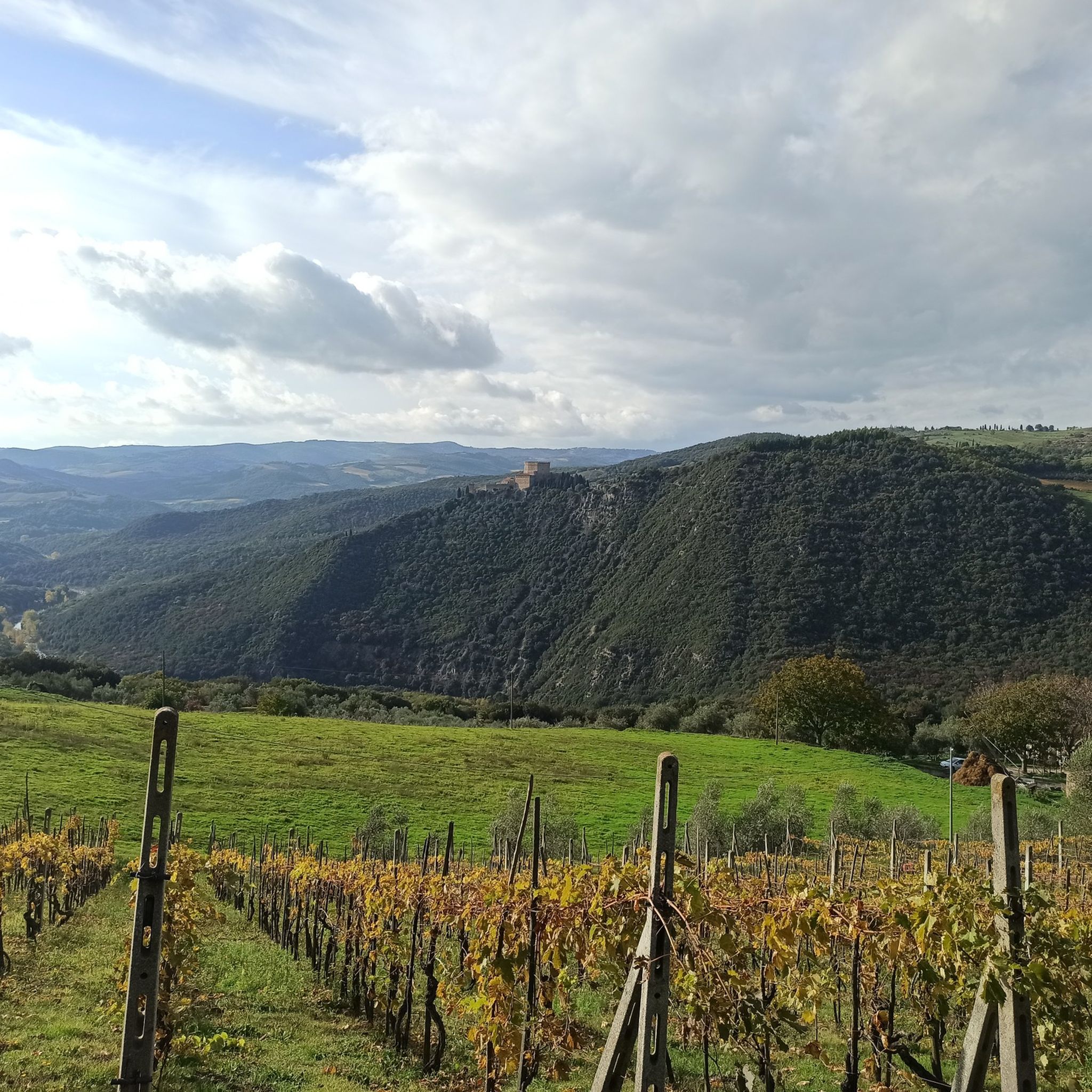
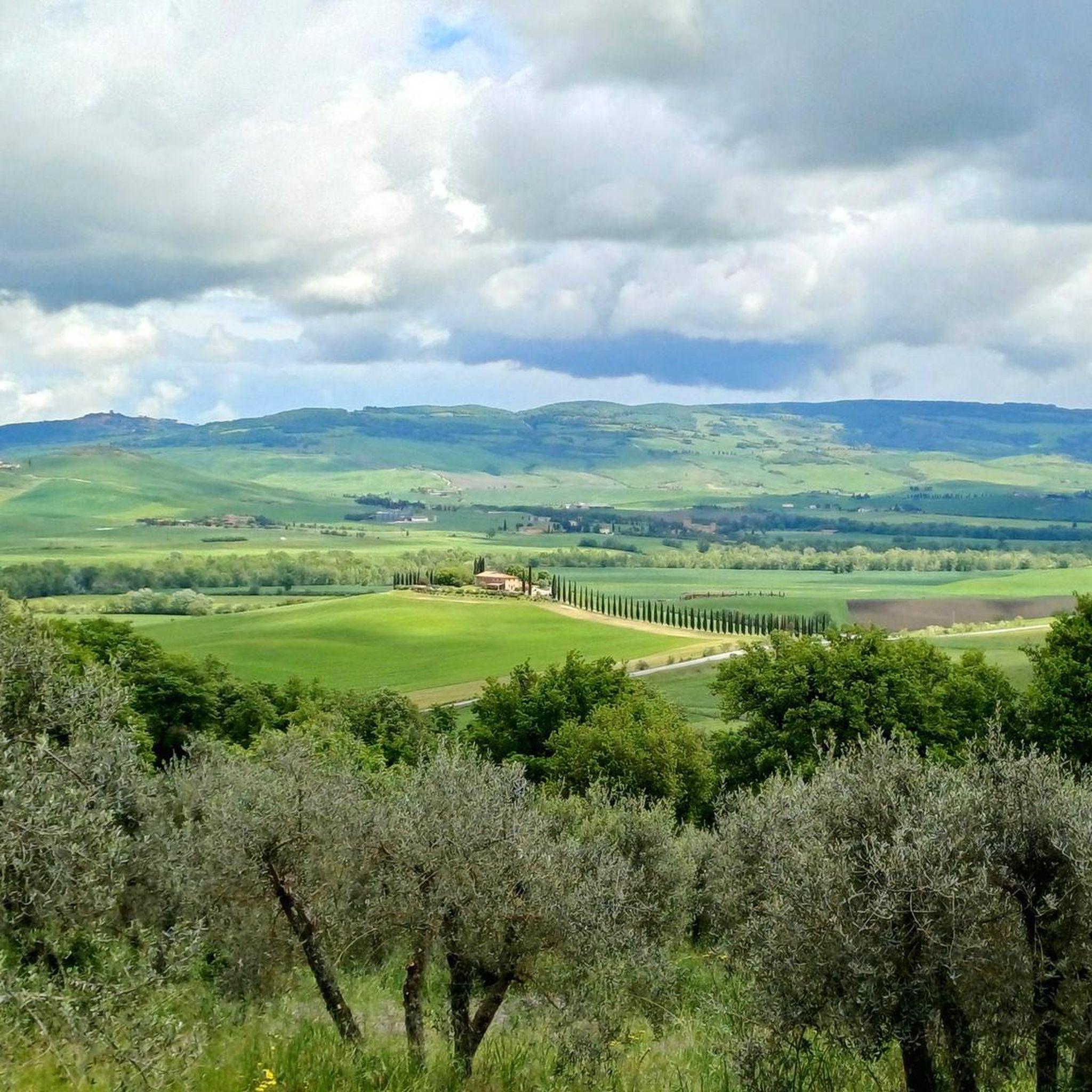
Road cycling around Castiglione D'Orcia is characterized by the undulating terrain of the Val d'Orcia, a UNESCO World Heritage site in Tuscany. The region features rolling hills, valleys, and cypress-lined roads, with routes often connecting medieval villages. Cyclists encounter diverse landscapes, from cultivated fields and olive groves to the more forested foothills of Mount Amiata. The area provides varied terrain suitable for road cycling, including both challenging climbs and scenic descents.
Best road cycling routes around Castiglione D'Orcia
- The most…
Last updated: May 11, 2026
4.9
(13)
219
riders
Moderate road ride. Good fitness required. Mostly well-paved surfaces and easy to ride.
4.5
(6)
99
riders
62.3km
03:48
1,310m
1,310m
Hard road ride. Very good fitness required. Some segments of this route may be unpaved and difficult to ride.

Sign up for free
4.2
(5)
87
riders
61.9km
02:50
700m
700m
Moderate road ride. Good fitness required. Mostly well-paved surfaces and easy to ride.
5.0
(1)
75
riders
44.3km
02:56
1,310m
1,310m
Hard road ride. Very good fitness required. Some segments of this route may be unpaved and difficult to ride.
4.3
(4)
61
riders
79.5km
04:48
2,090m
2,090m
Hard road ride. Very good fitness required. Mostly well-paved surfaces and easy to ride.
Get access to more routes and recommendations from other explorers.
Sign up for free
Already have an account?
Our route recommendations are based on thousands of hikes, rides, and runs completed by other people on komoot.
Start today with a free account
Your next adventure awaits.
Login or Signup

Tips from the Community

It feels like stepping back in time; if you pass by, a coffee at Gianni's, the owner of a small but well-stocked grocery store in the center of town, is a must.
0
0

Always open, despite the interrupted road there is a footbridge to continue the route.
0
0
Panoramic pitch overlooking the Orcia River, where you can admire nature in all its glory.
0
0

A small paradise in the Tuscan hills, in the heart of the Val d'Orcia, just a few minutes from Pienza....
0
0

It is really only possible to access the Radicofani tower via Via Marconi, as the original footpath and the small access road are both blocked. It is a bit of a climb, and has 'normal' opening hours and costs about €5 to enter. I would say it is worth it! My vertigo stopped me from going right to the top floor, but even from the next from top, the views over the valley are astounding, and the historical associations are rich.
0
0
Arriving about 230 on a Sunday afternoon, the lunch service was theoretically at a close, but they kindly provided me a big plate of pasta (primi piatti from the lunch menu) and a glass of Sardinian beer which revived the spirits considerably.
0
0
Tuscan towns seem to divide into 2 categories, those on the "tourist trail" and those not. For some reason Radicofani seems to be "not", even though it is full of present-day charm and (often uncharging) history. It is a stiff climb to get to from the floor of Val d'Orcia, even when cycling while the walking effort is truly epic, but worth it! We stayed in an utterly charming tiny cottage, Casa del Ciliego, and ate in one of the numerous small restaurants - plenty were open, even on a quietist Sun evening. Stocked up in the amazing tiny grocery, hidden away in the ancient 'ghetto' part of the town. You can also buy enough to make a full meal quite easily here.
2
0
Interesting, but popular (i.e. crowded and busy) small Tuscan hill town. The walled garden is recommended for the interesting layout, and the statue of Lorenzo the Magnificent. Near the top of the steep descent out of town in the eventual direction of Radicofani, a large Restaurant/cafe/deli is to be found. Good place to have a coffee/breakfast, and to stock up on takeaway pizza for the journey.
0
0
Frequently Asked Questions
How many road cycling routes are available around Castiglione D'Orcia?
There are over 25 road cycling routes around Castiglione D'Orcia, offering a variety of experiences. These routes are highly rated by the komoot community, with an average score of 4.7 stars.
What kind of terrain can I expect when road cycling in Val d'Orcia?
The Val d'Orcia region, a UNESCO World Heritage site, is characterized by its iconic rolling hills and valleys, offering both challenging climbs and scenic descents. You'll encounter cypress-lined roads, cultivated fields, olive groves, and even more forested areas towards Mount Amiata. The terrain includes both moderate and difficult sections, with routes like Montalcino – Montalcino Fortress loop from Castiglione d'Orcia featuring significant elevation gain.
Are there any easy or family-friendly road cycling routes in the area?
While many routes in Val d'Orcia involve undulating terrain, there are moderate options available. For families or those seeking less strenuous rides, it's best to look for routes with lower elevation gain. The region's quiet roads and stunning scenery make it enjoyable for all, but specific 'easy' road cycling routes designed for young children are less common due to the natural hilly landscape. Always check the route's difficulty and elevation profile before setting out.
What are the best times of year for road cycling around Castiglione D'Orcia?
The spring (April-May) and autumn (September-October) months are generally ideal for road cycling in Val d'Orcia. During these seasons, the weather is pleasant, and the landscapes are particularly vibrant. Summer can be very hot, especially in July and August, making early morning or late afternoon rides preferable. Winters are milder but can be damp, with some routes potentially affected by rain or cooler temperatures.
What natural features and landmarks can I see along the cycling routes?
Road cycling routes in Val d'Orcia offer breathtaking views of the UNESCO-protected landscape, including rolling hills, cypress avenues, and picturesque medieval villages. You can also discover unique natural attractions such as The White Whale (Bagni San Filippo), a striking calcium formation, or the thermal pools of Bagno Vignoni Thermal Baths. Routes often connect these points of interest, allowing you to experience the region's rich natural and historical heritage.
Are there any circular road cycling routes starting from Castiglione D'Orcia?
Yes, many road cycling routes in the area are designed as loops, allowing you to start and finish in the same location. An example is the Spedaletto Castle – View of Val d'Orcia loop from Castiglione d'Orcia, which is a moderate 40.7 km trail offering continuous scenic views. Another popular loop is the Montalcino – Montalcino Fortress loop from Castiglione d'Orcia, a more difficult 62.3 km ride.
Can I find cafes or places to rest along the road cycling routes?
Yes, the Val d'Orcia region is dotted with charming medieval villages that often feature cafes, restaurants, and small shops. Many cycling routes are designed to pass through or near these towns, providing excellent opportunities for a coffee break, a meal, or to refill water bottles. Villages like Montalcino, Pienza, San Quirico d'Orcia, and Bagno Vignoni are well-known for their hospitality and local delicacies.
What are the options for parking when cycling around Castiglione D'Orcia?
Parking is generally available in and around the medieval villages, including Castiglione D'Orcia itself. Many towns have designated parking areas, often free or with a small fee, suitable for leaving your vehicle while you embark on a ride. It's advisable to check local signage for specific parking regulations in each village.
Are there any specific regulations or permits required for road cycling in Val d'Orcia?
Generally, no specific permits are required for road cycling on public roads in the Val d'Orcia region. However, as a UNESCO World Heritage site, it's important to respect the environment and local regulations. Always follow traffic laws, be mindful of pedestrians, and avoid cycling off designated paths, especially in protected natural areas. For more general information on the region, you can visit Italia.it.
What do other road cyclists enjoy most about the routes in Castiglione D'Orcia?
The area is highly rated by the komoot community, with an average score of 4.7 stars from over 40 reviews. Reviewers often praise the stunning, ever-changing landscapes of the Val d'Orcia, the quiet and well-maintained roads, and the charm of the medieval villages encountered along the way. The combination of challenging climbs and rewarding descents, coupled with the rich cultural heritage, makes it a favorite destination.
Are there any long-distance road cycling routes near Castiglione D'Orcia?
Yes, the region offers several longer routes that connect multiple villages and cover significant distances. For example, the Abbadia San Salvatore – Village of Santa Fiora loop from Bagno Vignoni is a difficult 81.2 km route with substantial elevation gain, perfect for experienced cyclists looking for an extended challenge and diverse scenery.
Can I use public transport with my bike in the Castiglione D'Orcia area?
While public transport options exist in Tuscany, carrying bikes on buses or trains can be limited, especially during peak times or on smaller regional services. It's advisable to check with local transport providers directly for their specific policies regarding bicycle carriage. For exploring the region, cycling directly from your accommodation or using a car to reach a starting point is often the most convenient option.
Most popular routes around Castiglione D'Orcia
Most popular attractions around Castiglione D'Orcia

Get inspired with the komoot mobile app


Explore more
Browse the best Road cycling routes in other regions.
