The best cycling routes around Massa Marittima
4.5
(266)
5,544
riders
137
rides
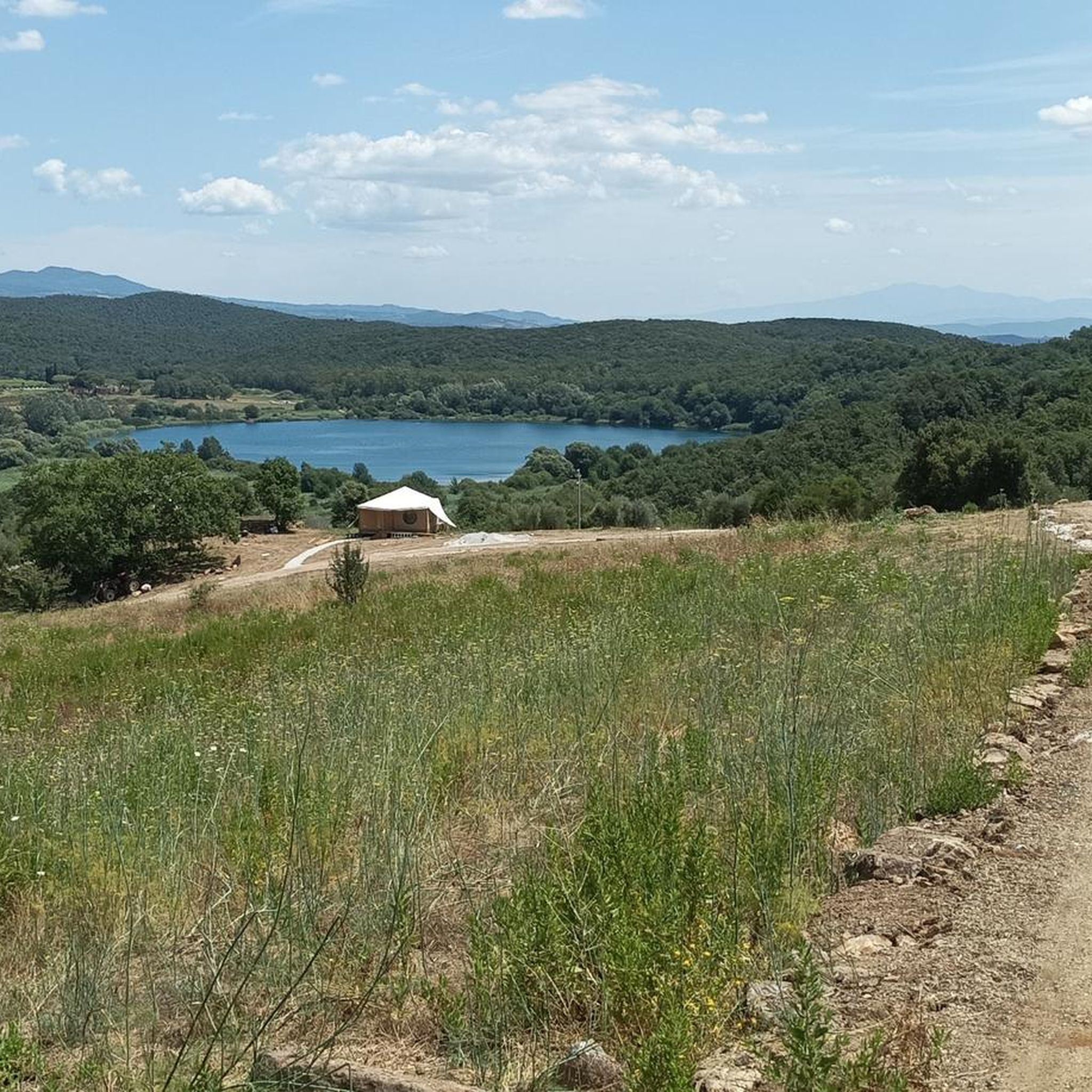
Touring cycling routes around Massa Marittima traverse a landscape of rolling hills and verdant countryside, characteristic of Tuscany. The region is part of the Colline Metallifere, offering varied terrain with both ascents and descents. Routes often lead through dense cork oak forests and provide panoramic views stretching towards the Mediterranean Sea. Lago dell'Accesa, a karst lake, is also a notable natural feature in the area.
Best touring cycling routes around Massa Marittima
- The most popular touring cycling route is Valpiana Village Center – Canyon Trail loop from Valpiana, a 22.2 miles (35.7 km) trail that takes 3 hours to complete, featuring varied terrain around Valpiana.
- Another top favourite among local touring cyclists is Bonsecco Trail – Canyon Trail Entrance loop from Valpiana, a difficult 28.8 miles (46.3 km) path. This route offers a challenging ride through the local landscape, including sections of the Canyon Trail.
- Local touring cyclists also love the Spaghetti Trail loop from Massa Marittima, a 12.6 miles (20.3 km) trail leading through the hills surrounding Massa Marittima, often completed in about 2 hours 9 minutes.
- Touring cycling around Massa Marittima is defined by rolling hills, cork oak forests, and the varied terrain of the Colline Metallifere. The network offers options for different ability levels, from moderate to difficult routes.
- The routes in Massa Marittima are highly rated by the komoot community with an average score of 4.6 stars from over 200 reviews. More than 5000 touring cyclists have used komoot to explore Massa Marittima's varied terrain.
Last updated: July 8, 2026
4.3
(15)
527
riders
36.1km
03:04
590m
590m
Hard bike ride. Very good fitness required. You may need to push your bike for some segments of this route.
4.7
(16)
363
riders
46.7km
03:53
630m
630m
Hard bike ride. Very good fitness required. You may need to push your bike for some segments of this route.

Sign up for free
4.6
(32)
300
riders
32.2km
02:13
580m
580m
Hard bike ride. Very good fitness required. Mostly paved surfaces. Suitable for all skill levels.
5.0
(1)
314
riders
20.3km
02:10
700m
700m
Hard bike ride. Very good fitness required. You may need to push your bike for some segments of this route.
4.8
(16)
211
riders
54.6km
03:46
980m
980m
Hard bike ride. Very good fitness required. Mostly paved surfaces. Suitable for all skill levels.
Get access to more routes and recommendations from other explorers.
Sign up for free
Already have an account?
Our route recommendations are based on thousands of hikes, rides, and runs completed by other people on komoot.
Start today with a free account
Your next adventure awaits.
Login or Signup
Popular around Massa Marittima
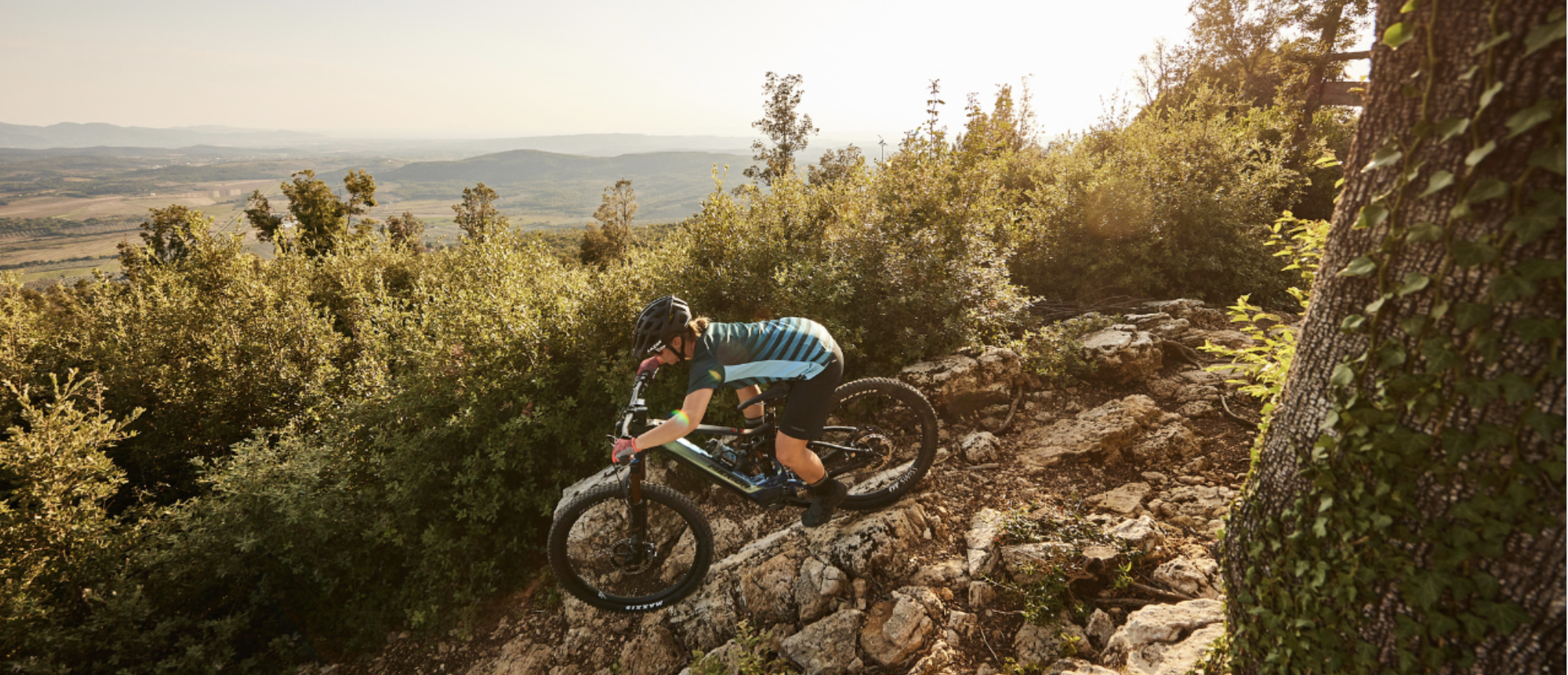
Cycling adventures in Tuscany from Pian dei Mucini Bike Resort
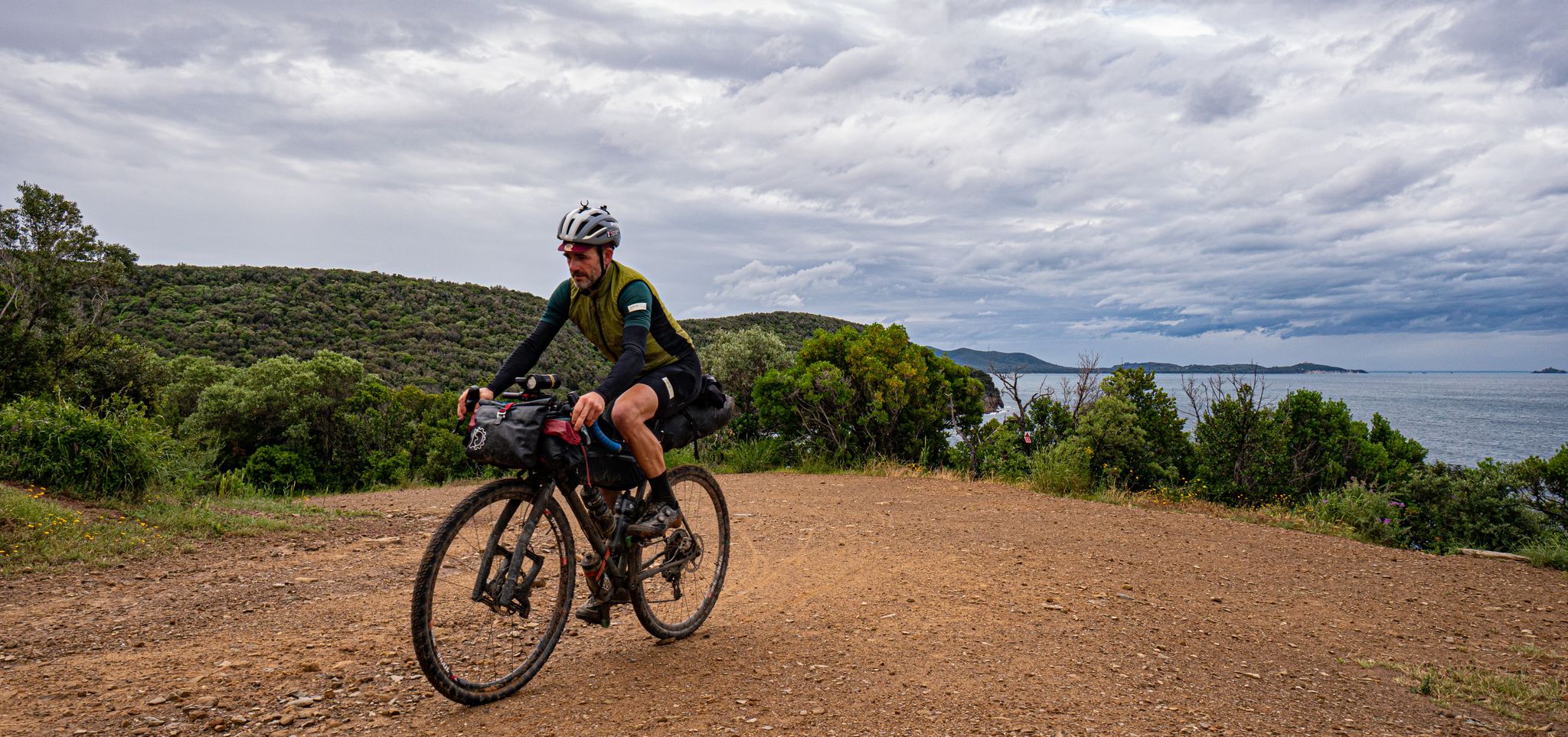
Maremma Challenge — A Tuscan, mixed terrain bikepacking loop
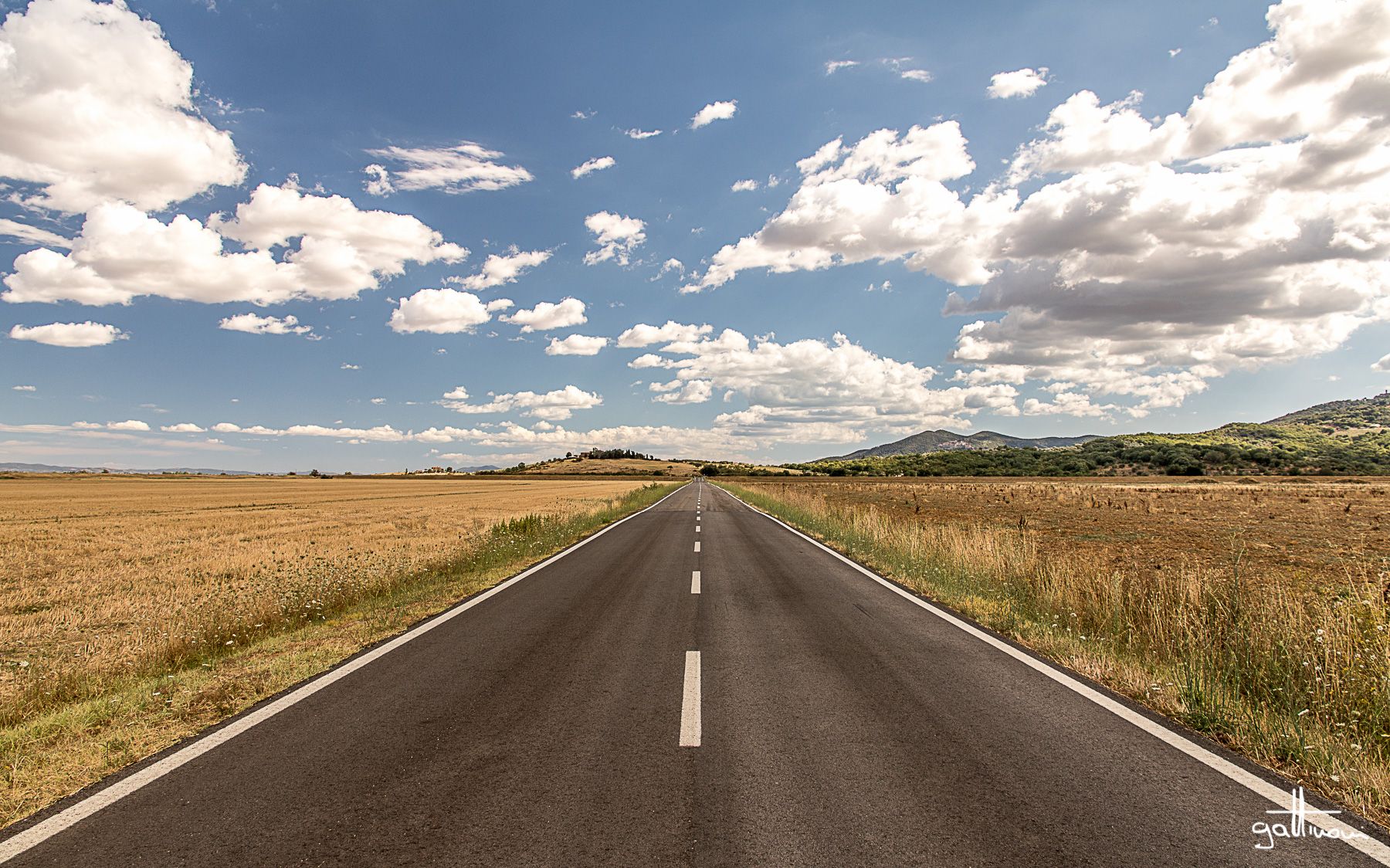
Discover a hidden side of Tuscany – Grand Tour of the Maremma
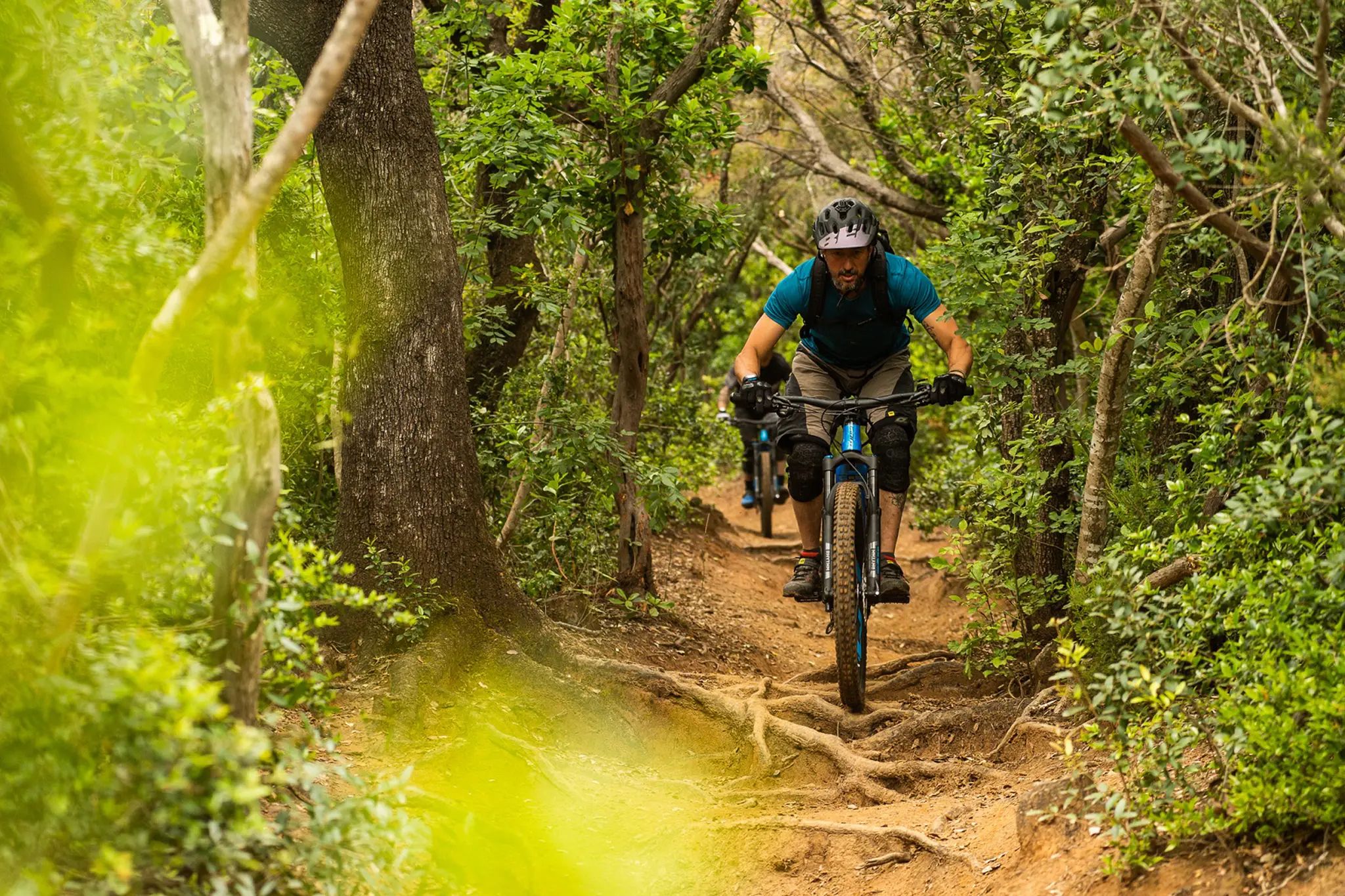
Sun, sea and adventure – MTB trails around Punta Ala
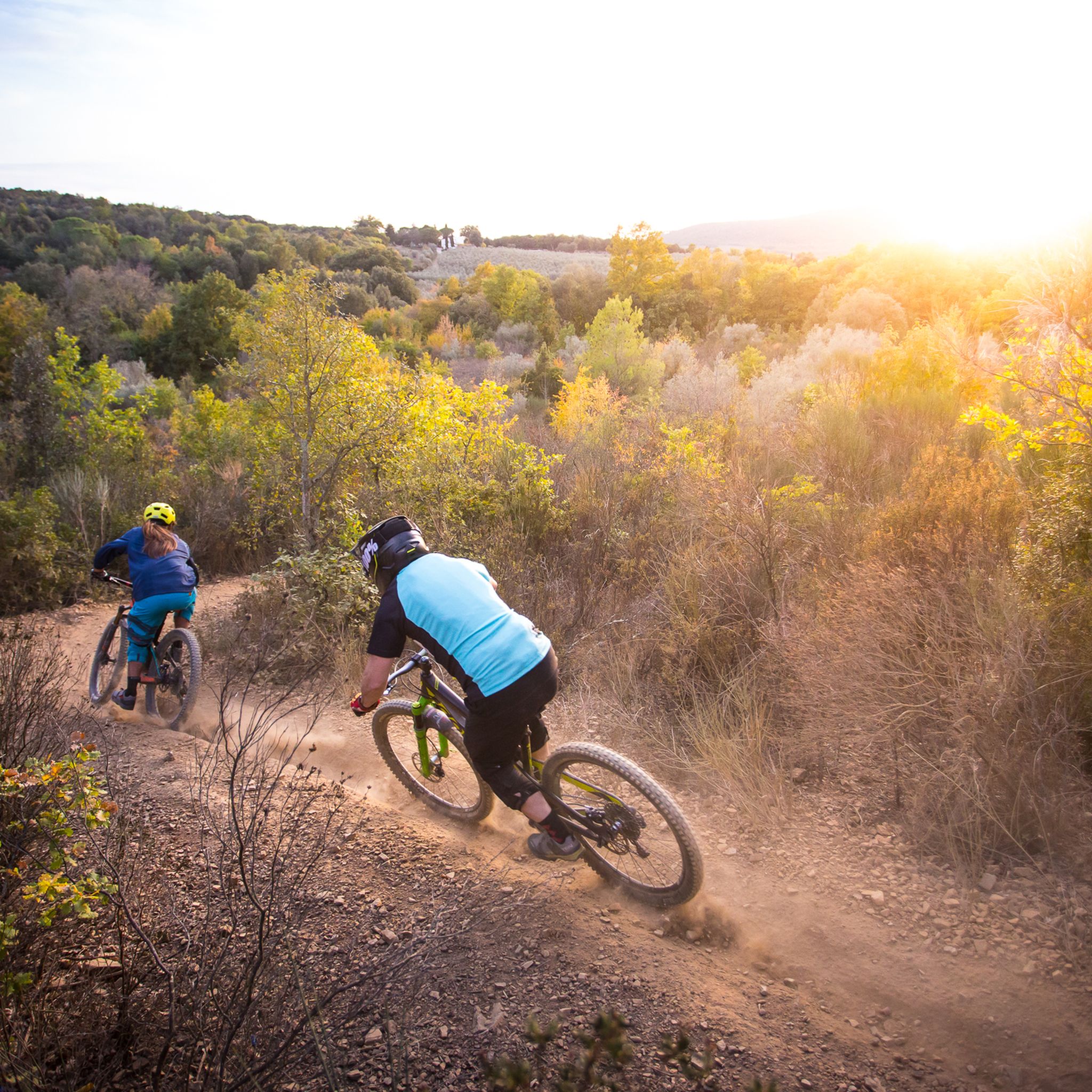
MTB Trails around Massa Marittima
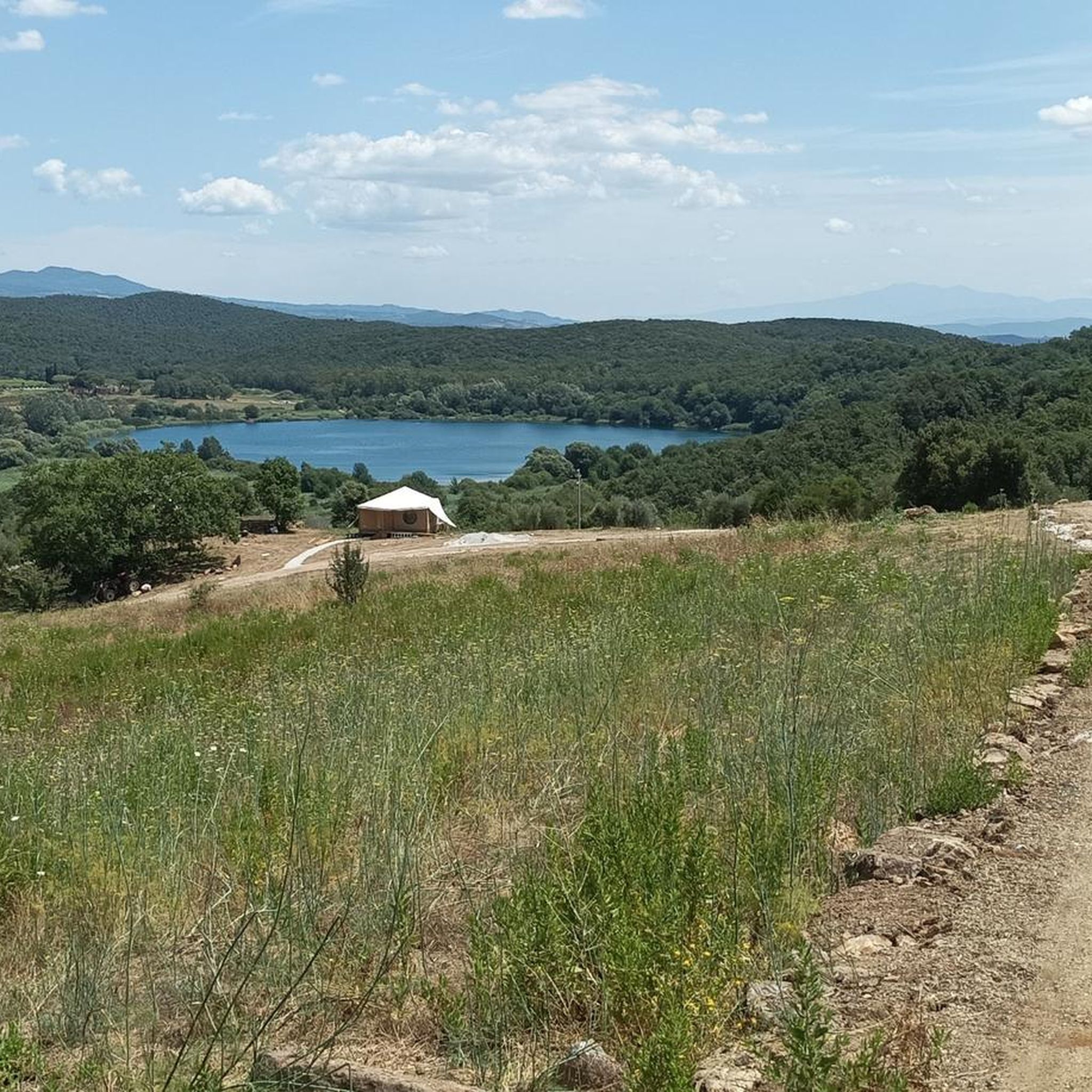
Road Cycling Routes around Massa Marittima
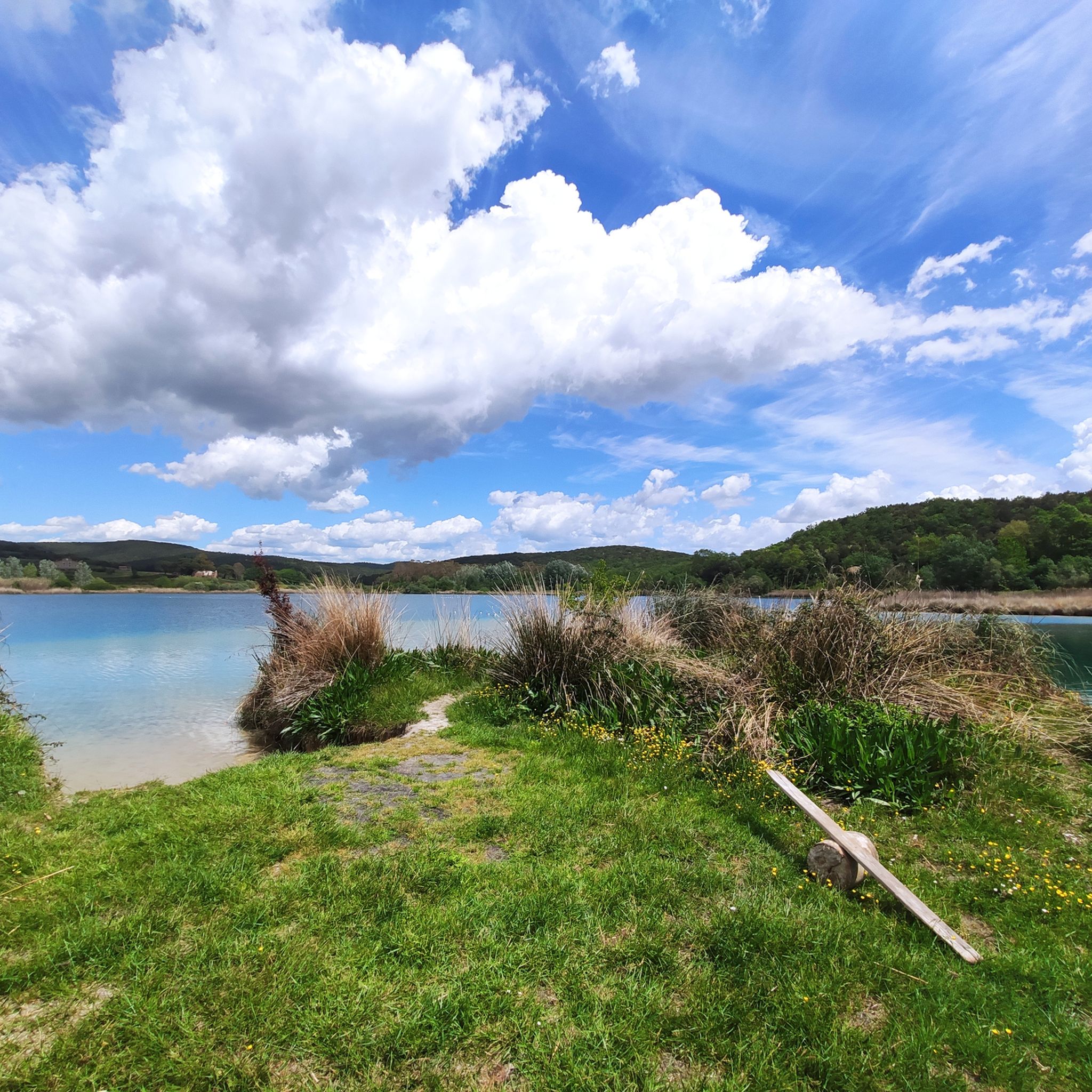
Hiking around Massa Marittima
Gravel biking around Massa Marittima
Running Trails around Massa Marittima
Other adventures around Massa Marittima


Tips from the Community

Tatti is an ancient and evocative Italian medieval village, part of the municipality of Massa Marittima, located in the province of Grosseto in Tuscany. Perched at about 412 meters above sea level on the Colline Metallifere, it overlooks the Tuscan Maremma and has a small community of about 200 inhabitants.
0
0
Piazza Garibaldi is the monumental heart of Massa Marittima, unanimously considered one of the most beautiful and characteristic medieval squares in all of Tuscany. This urban space stands out for its unusual asymmetrical star (or triangular) shape and for the travertine paving that, at sunset, lights up with warm golden hues.
2
0
The Archaeological Museum is housed in the ancient Palazzo del Podestà (1225), which overlooks the Piazza del Duomo of Massa Marittima. The collection is organized into sections, ordered chronologically from the lower paleolithic to the etruscan age; the main piece of the prehistoric collection is the eneolithic statue-stele of Vado all’Arancio, the only find of its type in Maremma; the etruscan finds come mainly from excavations carried out at the village of Lago dell’Accesa, they are mainly kitchenware, loom weights, fishing weights and bricks; also present are the funerary trousseaux found in the necropolises, especially pottery (figulina clay and bucchero), bronze fibulae, iron pot stands, iron and bronze weapons. On the ground floor, an educational section is set up with a life-size reconstruction of typical caves: a paleolithic and an eneolithic one. Guided tours and educational activities, organization of cultural events and film screenings are available.
1
0
About 10 km from Massa Marittima, we find Lago dell’Accesa, of great naturalistic-environmental and historical-archaeological interest, so much so that its suggestive atmosphere has given rise to numerous legends. Of karstic origin, the lake is about 38 meters deep and feeds the Bruna river, which is its only estuary. In addition to being suitable for swimming, it can also offer refreshment in the summer months thanks to the typical vegetation that surrounds it, consisting of reeds, rushes, poplars and eucalyptus trees, as well as the typical Mediterranean scrub, and it is easily suited for pleasant walks along the shores and in the surroundings. The crystal-clear waters are populated by a varied fish fauna, including trout, pike, carp, and perch, and there is no shortage of an equally rich population of aquatic birds. The Accesa area is also extremely relevant from an archaeological point of view. Near the lake, in the Macchia del Monte area, numerous excavations were carried out as early as the 1930s, then resumed in the 1980s, which brought to light numerous remains of four Etruscan villages dating from the 9th to the 6th century BC. The buildings of the various settlements, of which only the foundations are visible, are gathered in scattered groups within a rather large area. Given the location, it is hypothesized that these villages were linked to mining, especially copper from the mines of Fenice Capanne and Serrabottini. It is also thought that these mining villages were extraction outposts that were subordinate to the large center of Vetulonia, to which they supplied raw materials. In addition to the complexes intended for housing and extractive activities, many tombs of various typologies (well, pit, circle, and chamber tombs) have also been found.
1
0
The massive Torre del Candeliere (or clock tower) is 24m high and was built to assert its authority in 1228, a few years after Massa Marittima gained independence as a Free Commune. The building's peculiar name derives from the custom of always keeping a fire lit on its summit, making it resemble a huge candle. In 1413, a bell was placed for the first time, later replaced in 1760 by the current one, weighing about 140kg. The first clock was instead placed on the facade in 1443. The Torre del Candeliere is the quintessential panoramic viewpoint of the town. It is therefore visitable, and through its Sienese Arch, it is possible to access the Fortress, the only stretch of walls still walkable today. The Arch and the Fortress were built after the Tower: with the conquest of Massa by Siena in 1335, the Tower was partially demolished, and then rebuilt about a third lower than the original.
1
0
Massa Marittima stands proudly enclosed within a well-preserved city wall. It is a town that has received the Orange Flag from the Touring Club and is rich in medieval artistic testimonies, even though its origins are probably Etruscan. The small streets that cross the hill lead to a magical place where the harmony of the lines amazes, surprises, and invites contemplation. The history of Massa Marittima is closely linked to the silver, copper, and pyrite mines of the Colline Metallifere, exploited since the early metal ages and then especially in the Etruscan and medieval periods.
2
0
The perimeter walls are still partially visible, especially in the southern section, where an arched gate surmounted by three rounded stones stands. At the highest point of the hill stands the imposing stone keep, which extends around a courtyard. Within the walls is the church of Santa Maria Assunta, dating back to the 13th century but completely renovated in the late 19th century. It has a distinctive urban layout, dominated by an imposing stone keep arranged around a courtyard accessed through two round-arched gates, defended by a large tower with a massive base.
0
0
Massa Marittima is a fortified medieval village located on a hill, known for its beauty and wealth of artistic and architectural heritage. Key attractions include the magnificent Piazza Garibaldi, with the Cathedral of San Cerbone, the Palazzo del Podestà, and the Palazzo Comunale. Other points of interest include the Fonti dell'Abbondanza with its famous fresco of the Tree of Fertility and, in the upper town, the Torre del Candeliere and the Cassero Senese within the medieval walls.
1
0
Frequently Asked Questions
How many touring cycling routes are available around Massa Marittima?
There are nearly 150 touring cycling routes mapped around Massa Marittima on komoot. These routes cater to various skill levels, with a significant number offering challenging rides through the region's diverse terrain.
What kind of terrain can I expect on touring cycling routes in Massa Marittima?
Touring cycling in Massa Marittima features a mix of rolling hills, verdant countryside, and the varied terrain of the Colline Metallifere. You'll often find yourself cycling through picturesque vineyards, olive groves, cypress-lined avenues, and dense cork oak forests. Some routes also offer panoramic views stretching towards the Mediterranean Sea.
Are there any easy touring cycling routes suitable for beginners or families?
While many routes in Massa Marittima are rated moderate to difficult, there are a few easier options available. The region's extensive network includes secondary, rural, and forest roads that can be suitable for less experienced cyclists or families looking for a more relaxed ride. For example, the area around Archaeological Park of Lake Accesa offers pleasant, flatter sections.
What are some notable natural features or landmarks to see while cycling?
Cyclists can explore several natural and historical highlights. The Lago dell'Accesa, a beautiful karst lake, is a popular spot for a refreshing stop. Routes often pass through the Colline Metallifere, an area with ancient mining sites. You might also encounter the Canyon Trail or the Spaghetti Uphill, which are well-known features in the local cycling landscape.
Are there any circular touring cycling routes around Massa Marittima?
Yes, many touring cycling routes in the area are circular, allowing you to start and end in the same location. An example is the Candeliere Tower – Cork Oak Tree loop from Massa Marittima, which offers a scenic ride through the local landscape.
What is the best time of year for touring cycling in Massa Marittima?
Massa Marittima benefits from a mild climate, making it suitable for cycling year-round. Spring and autumn generally offer the most pleasant temperatures for touring, with lush landscapes and comfortable riding conditions. Even in winter, the climate remains mild enough for cycling, while summer can be warm but still enjoyable, especially in the mornings or late afternoons.
What do other touring cyclists say about the routes in Massa Marittima?
The touring cycling routes in Massa Marittima are highly rated by the komoot community, with an average score of 4.6 stars from over 230 reviews. Over 5000 touring cyclists have used komoot to explore the area, often praising the diverse terrain, scenic views, and the challenging yet rewarding nature of the rides.
Are there any specific long-distance touring routes or multi-day options?
While many routes are day trips, the region is home to the recently inaugurated Ciclovia delle 3M, a 90 km ring-shaped cycle path connecting Massa Marittima, Monterotondo Marittimo, and Montieri. This route is designed for touring and offers varying difficulty levels, making it suitable for longer rides or multi-day explorations within the Metalliferous Hills.
Are there facilities for cyclists, such as bike rentals or e-bike charging stations?
Yes, Massa Marittima is well-equipped for cyclists. You'll find 'bike hotels' that offer secure storage, tire inflation tools, and e-bike charging stations. Bike rentals and guided tours are also available, ensuring you have access to necessary services for your touring adventure. The Ciclovia delle 3M also features service columns with basic toolkits, pumps, and e-bike charging at specific locations.
Can I combine cycling with exploring historical sites in Massa Marittima?
Absolutely. The medieval village of Massa Marittima itself is a historical gem, with its fortified architecture, Piazza Garibaldi, and the Cathedral of San Cerbone. Many cycling routes start from or pass near the town, allowing you to easily combine a ride with a cultural exploration of its charming center. The Archaeological Park of Lake Accesa also offers historical significance.
What is the difficulty level of touring cycling routes in Massa Marittima?
The routes around Massa Marittima offer a range of difficulties. While there are a few easy routes, the majority are rated as moderate to difficult. This is due to the region's characteristic rolling hills and the varied terrain of the Colline Metallifere, which include both ascents and descents. For example, the Tatti Village – Candeliere Tower loop from Massa Marittima is a challenging option.
Are there any specific routes that offer panoramic views?
Many routes in Massa Marittima provide stunning panoramic views, especially those that traverse higher elevations or pass through the cork oak forests. These often offer glimpses of the Mediterranean Sea in the distance, providing a diverse and rewarding visual experience for touring cyclists.
Most popular routes around Massa Marittima
Most popular attractions around Massa Marittima

Get inspired with the komoot mobile app


Explore more
Browse the best Cycling routes in other regions.
