The best walks and hikes around Spangdahlem
4.5
(856)
2,884
hikers
23
hikes
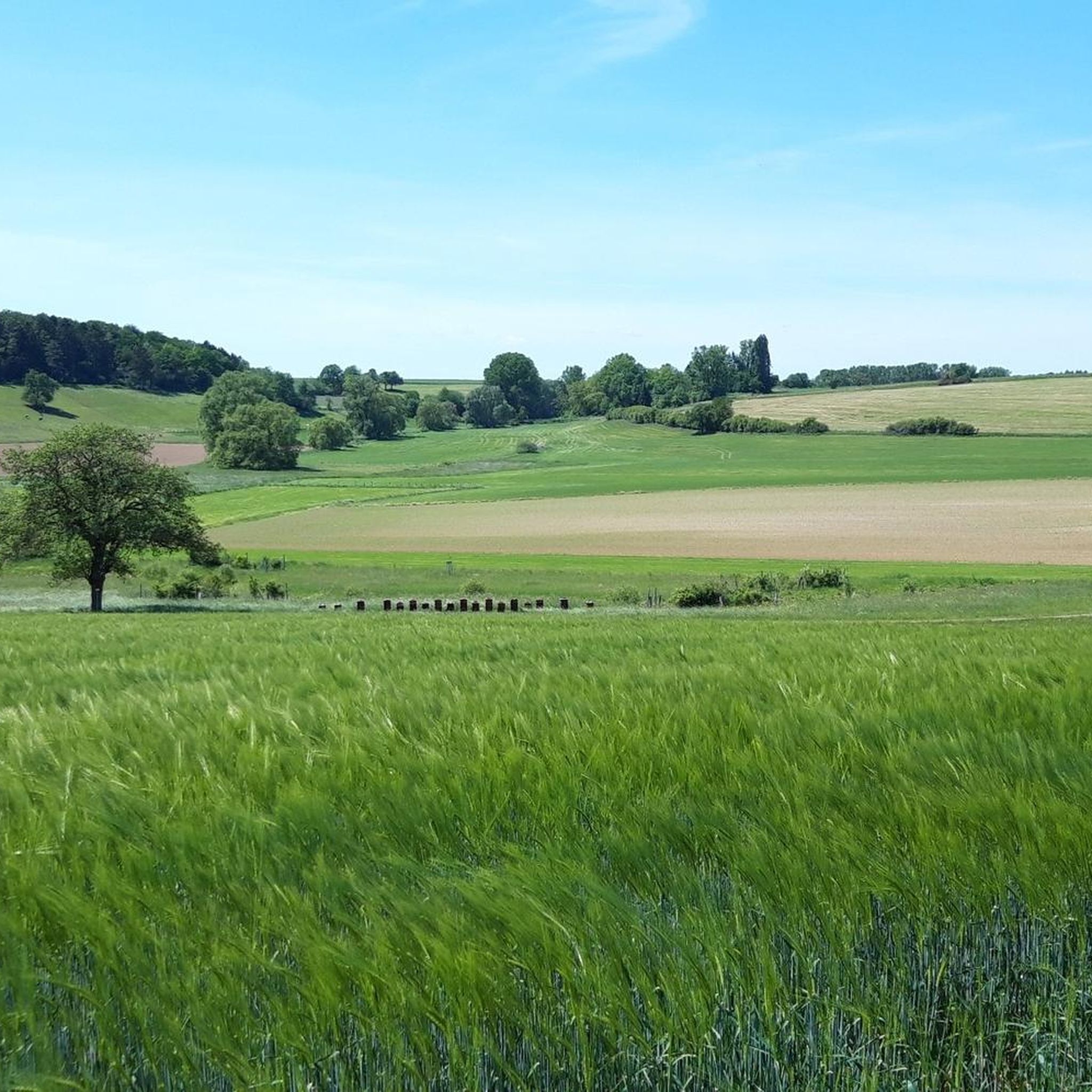
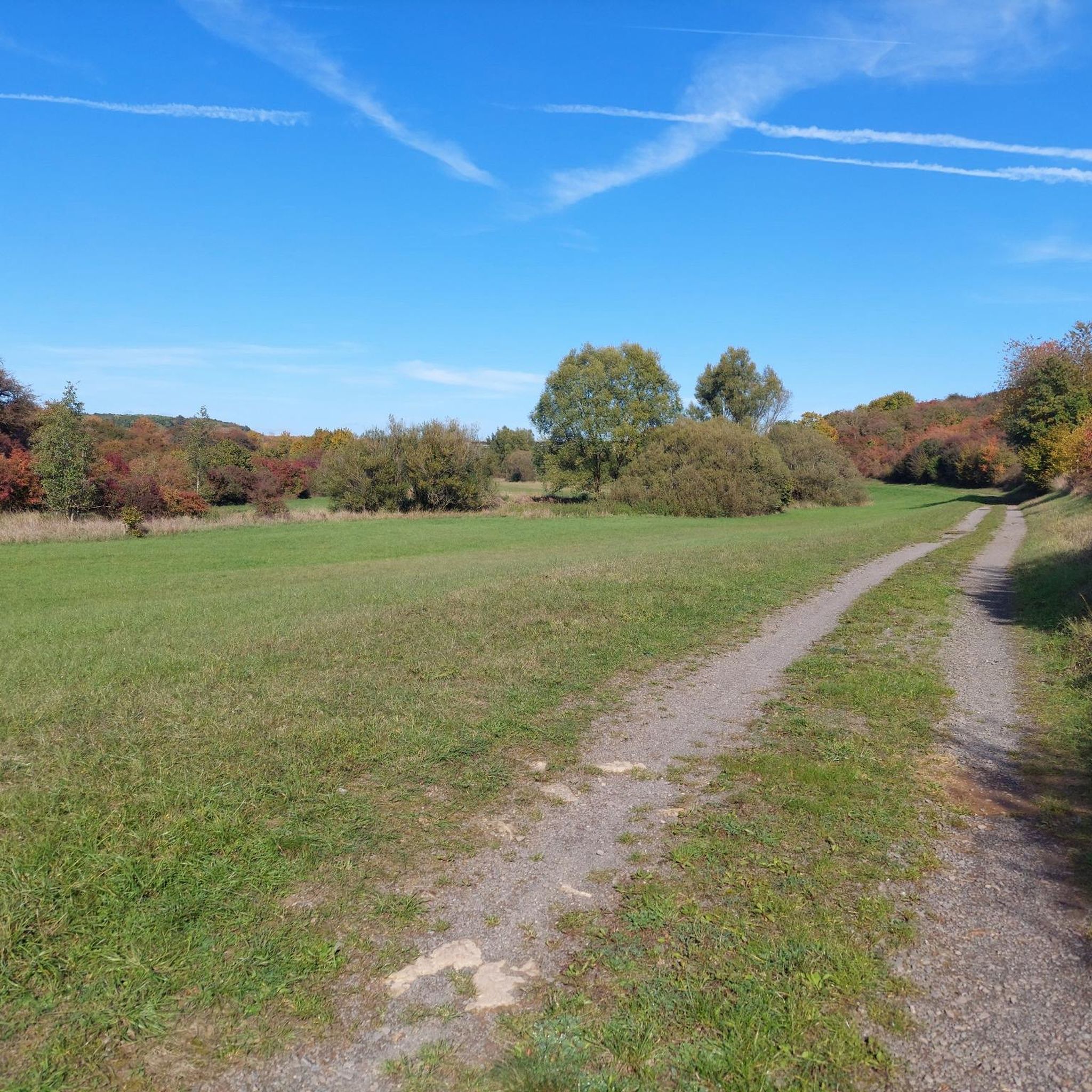
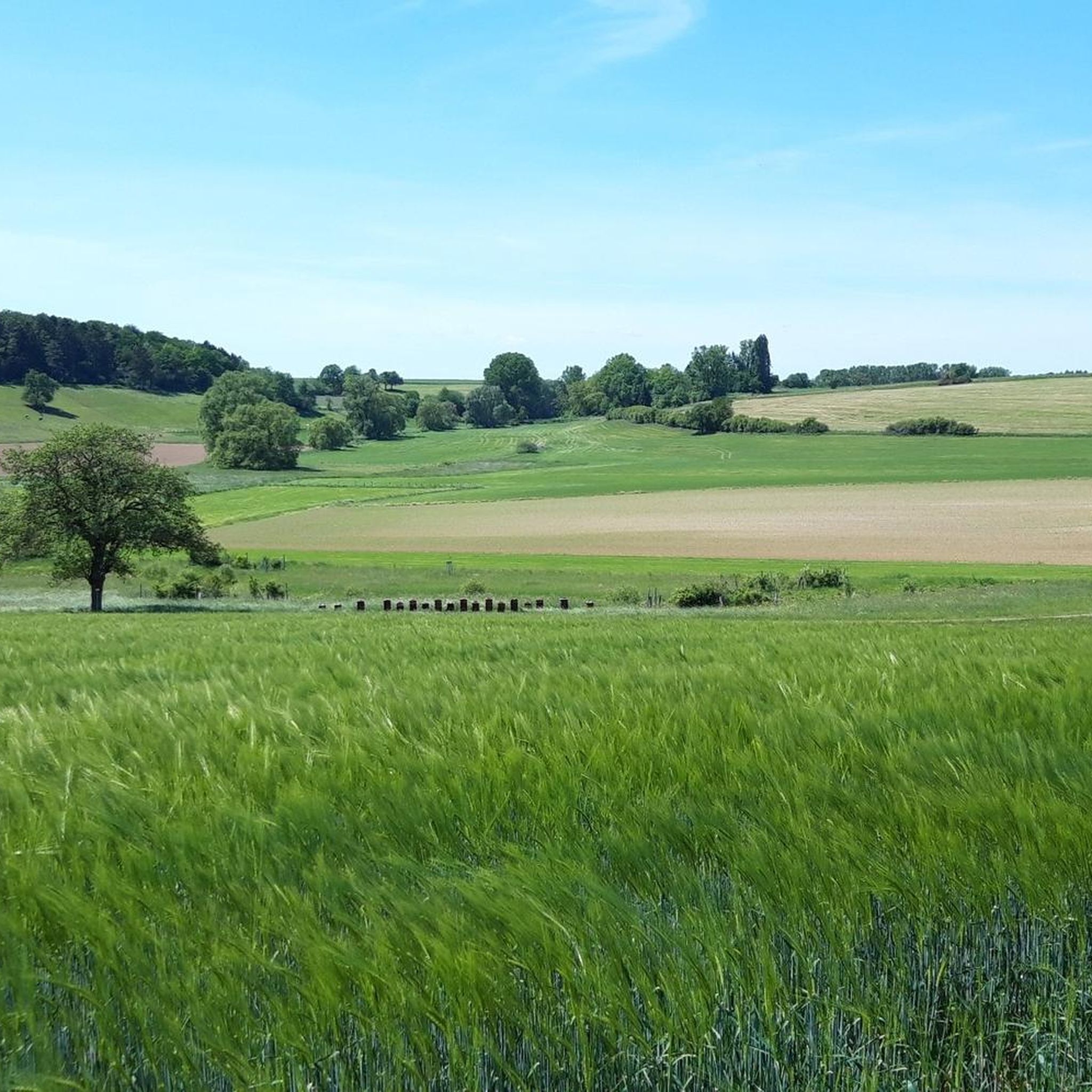
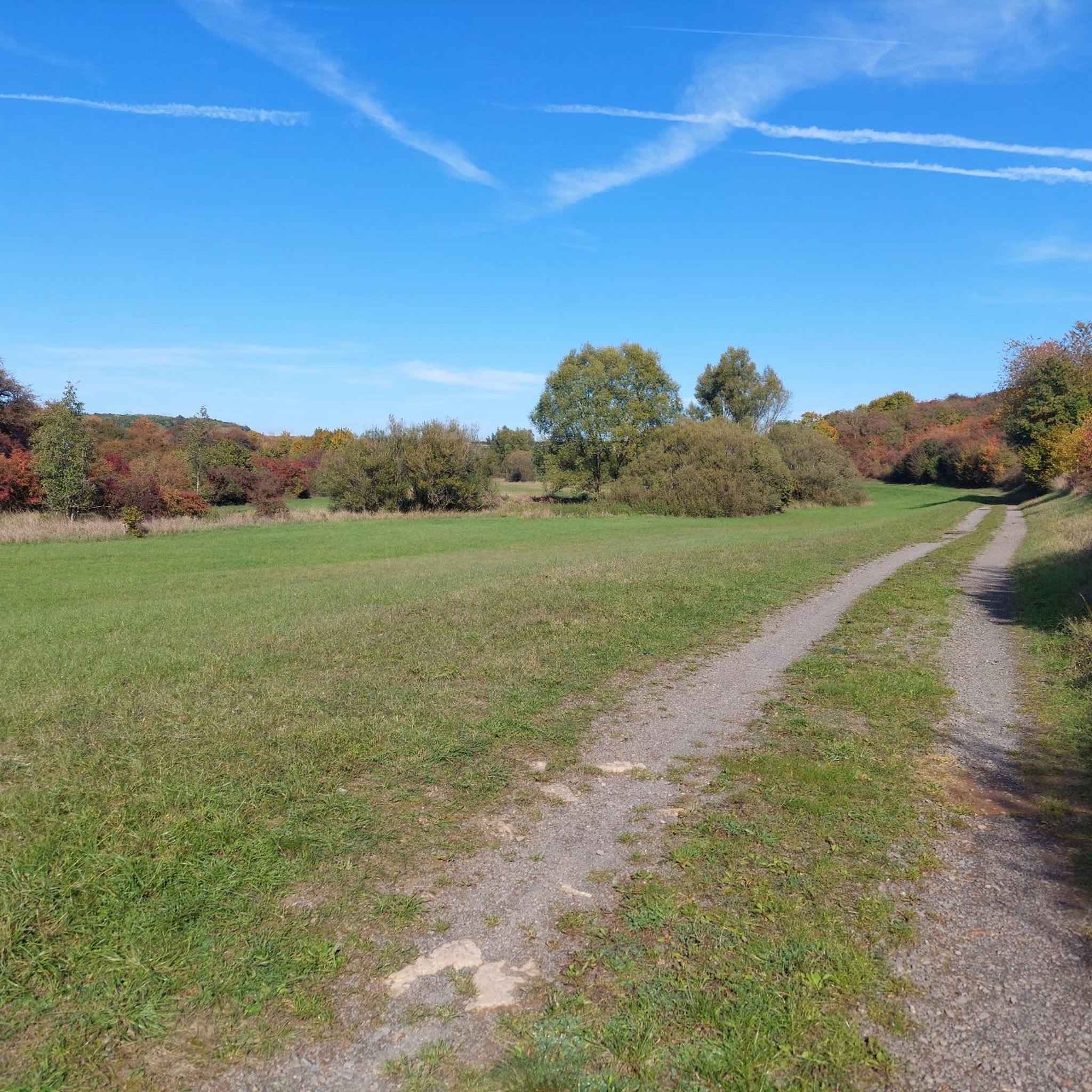
Hiking around Spangdahlem offers exploration of the Eifel region, characterized by rolling hills, dense forests, and clear rivers. The landscape features unique geological formations, including volcanic areas and rugged sandstone formations. This area provides a backdrop for trails that traverse woodlands and open countryside.
Best hiking trails in Spangdahlem
- The most popular hiking route is Kallenbach Railway Path – Obertor Dudeldorf loop from Spangdahlem, a 8.9 miles (14.3 km) trail that takes 3 hours 56 minutes to complete, passing through varied rural landscapes.
- Another top favourite among local hikers is Augenbildchen Chapel – Roman Grave loop from Spangdahlem, a difficult 12.4 miles (20.0 km) path that connects historical sites and offers expansive views of the Eifel terrain.
- Local hikers also love the View of Gransdorf loop from Spangdahlem, a 5.4 miles (8.6 km) trail leading through rolling hills and woodlands, often completed in about 2 hours 17 minutes.
- Hiking around Spangdahlem is defined by rolling hills, dense forests, and unique sandstone formations. The network offers options for various ability levels, from easy strolls to more challenging treks.
- The routes in Spangdahlem are highly rated by the komoot community with an average score of 4.5 stars from over 700 reviews. More than 2,700 hikers have used komoot to explore Spangdahlem's varied terrain.
Last updated: October 3, 2026
5.0
(3)
8
hikers
14.3km
03:56
240m
240m
Moderate hike. Good fitness required. Easily-accessible paths. Suitable for all skill levels.
5.0
(3)
16
hikers
5.92km
01:35
70m
70m
Easy hike. Great for any fitness level. Easily-accessible paths. Suitable for all skill levels.

8
hikers
Moderate hike. Good fitness required. Easily-accessible paths. Suitable for all skill levels.
5.0
(1)
4
hikers
10.7km
02:56
160m
160m
Moderate hike. Good fitness required. Easily-accessible paths. Suitable for all skill levels.
5.0
(1)
11
hikers
Moderate hike. Good fitness required. Easily-accessible paths. Suitable for all skill levels.
Get access to more routes and recommendations from other explorers.
Already have an account?
Our route recommendations are based on thousands of hikes, rides, and runs completed by other people on komoot.
Start today with a free account
Your next adventure awaits.
Tips from the Community

Inscription: In memory of our son and brother Peter Schomer, who died in the war. Born June 3, 1894, died December 7, 1917. He fought for all. He died for all. Therefore, pray for him.
0
0

The parish church of St. Nicholas in Spangdahlem was built in 1874/75 according to plans by the architect Heinrich Bruck from Wittlich. The neo-Gothic hall building is made of red sandstone, a building material typical for the region. The use of hewn red sandstone gives the church its characteristic appearance. This material was used both for the external façade and for decorative elements such as window and door frames.
0
0

At the Oberes Tor in Dudeldorf you not only experience historical flair, but also outstanding cuisine and warm hosts in the Torschänke right next door!"
3
0

The Kallenbach flows into the Kyll near Philippsheim.
0
0
For the history of Dudeldorf see, for example, https://de.wikipedia.org/wiki/Dudeldorf By today's standards, Dudeldorf is a small village with surprisingly large city gates. The fact that the place was fortified in this way is due to its location and a few historical coincidences. People settled in the Dudeldorfer Mulde as early as the Stone Age and Roman Ages. And because the areas of power of Electorate of Electorate and the Duchy of Luxembourg bordered here in the Middle Ages, King John of Bohemia, who was also the ruler of Luxembourg, granted Dudeldorf city rights on December 20, 1345. The place officially remained a town for over 500 years before the Prussians demoted it to a rural community in 1856. Since 1970, the residents have belonged to the municipality of Bitburg-Land, but they still enter through two defiant city gates. The best preserved is the Obertor, which, like its counterpart, was built around 1453. The village had achieved some prosperity thanks to its wool production, which is why there are various other representative buildings here. Today's Hotel Zum alten Brauhaus used to house the post office and the temporary courthouse. Source: 111 places in the Eifel that you have to see
1
0
For the town fortifications in Dudeldorf, see e.g. https://de.wikipedia.org/wiki/Stadtbefestigung_Dudeldorf By today's standards, Dudeldorf is a small village with astonishingly large town gates. The fact that the town was fortified in this way is due to its location and a few historical coincidences. People settled in the Dudeldorfer Mulde as early as the Stone Age and Roman times. And because the spheres of power of the Electorate of Trier and the Duchy of Luxembourg bordered on one another here in the Middle Ages, King John of Bohemia, who was also the ruler of Luxembourg, granted Dudeldorf town rights on December 20, 1345. The town officially remained a town for over 500 years before it was downgraded to a rural municipality by the Prussians in 1856. Since 1970, the residents have belonged to the Bitburg-Land collective municipality, but still enter the town through two defiant town gates. The best preserved is the Upper Gate, which, like its counterpart, was built around 1453. The village had become quite prosperous thanks to its wool production, which is why there are still various other representative buildings here. Today's Hotel Zum alten Brauhaus used to house the post office and the provisional court. Source: 111 places in the Eifel that you have to see
1
1

After the floods, of course, much was destroyed
2
0
Frequently Asked Questions
How many hiking trails are available around Spangdahlem?
Spangdahlem offers a diverse network of over 20 hiking routes, catering to various skill levels. You'll find everything from easy strolls to more challenging treks through the Eifel region's varied landscape.
What kind of terrain can I expect on hikes near Spangdahlem?
The terrain around Spangdahlem is characterized by rolling hills, dense forests, and clear rivers. You'll encounter unique geological formations, including volcanic areas and rugged sandstone formations, particularly in areas like the Teufelsschlucht and the Ferschweiler Plateau.
Are there any family-friendly hiking options in the Spangdahlem area?
Yes, there are several family-friendly options. The region offers many easy to moderate trails suitable for families. For an exciting adventure, consider the Geierlay Suspension Rope Bridge Trail, which is particularly suitable for families and provides a spectacular experience.
Can I bring my dog on the hiking trails around Spangdahlem?
Generally, the Eifel region, including areas around Spangdahlem, is very dog-friendly. Many trails welcome dogs, but it's always advisable to keep them on a leash, especially in nature reserves or near livestock. Specific rules for areas like the German-Luxembourg Nature Preserve should be checked locally.
What are some notable natural attractions or landmarks I can see while hiking?
The region boasts several impressive natural and historical sites. You can explore the dramatic sandstone formations of the Teufelsschlucht (Devil's Gorge) near Irrel, witness the unique basalt columns in the Wolfsschlucht (Vulkaneifel), or visit the Tanzlay Waterfall and Rock Formations. The Ferschweiler Plateau also offers historical significance with ancient archaeological finds.
Are there any circular hiking routes available?
Yes, Spangdahlem is well-suited for circular hikes. Many localized circular routes exist, such as the Kallenbach Railway Path – Obertor Dudeldorf loop, which is a popular 8.9-mile trail, or the Obertor Dudeldorf – Old Cemetery Memorial Site loop, offering varied distances and difficulties.
What is the best time of year to go hiking in Spangdahlem?
The best seasons for hiking in and around Spangdahlem are spring and autumn. In spring, you'll experience vibrant flower meadows, while autumn brings bright, colorful foliage, offering unforgettable experiences. The tranquil atmosphere and unspoiled nature are particularly enjoyable during these times.
Are there any easy hiking trails for beginners?
Absolutely. Among the 24 routes available, 11 are classified as easy. A good option for a more relaxed walk is the View of Gransdorf loop from Spangdahlem, a 5.4-mile trail through rolling hills and woodlands, typically completed in about 2 hours 17 minutes.
What do other hikers say about the trails in Spangdahlem?
The routes in Spangdahlem are highly rated by the komoot community, with an average score of 4.5 stars from over 700 reviews. Hikers often praise the varied rural landscapes, the connection to historical sites, and the expansive views of the Eifel terrain.
Are there any lakes or water features to explore near the hiking trails?
Yes, the region features several beautiful lakes and water features. You can find highlights like Wiesenteich Bettenfeld, Herzog Lake, and Binsfelder Weiher. The Irrel Waterfalls, formed by ancient falling boulders, are also a popular spot within the German-Luxembourg Nature Preserve.
Are there any historical sites or cultural attractions accessible via hiking trails?
Yes, the Eifel region is rich in history. You can hike to Malberg Castle, which offers magnificent views, or visit Himmerod Monastery, known for its impressive Romanesque style. The Augenbildchen Chapel – Roman Grave loop from Spangdahlem is a challenging 12.4-mile path that specifically connects historical sites.
Most popular routes around Spangdahlem
Most popular attractions around Spangdahlem

Get inspired with the komoot mobile app


Explore more
Browse the best Hikes in other regions.
